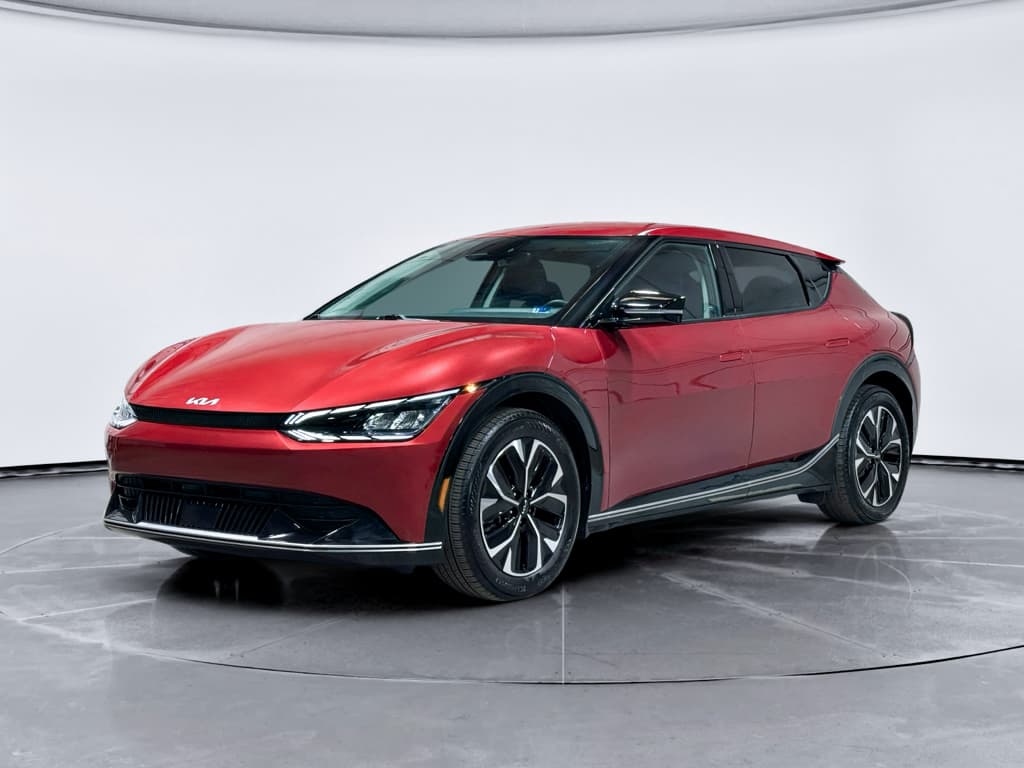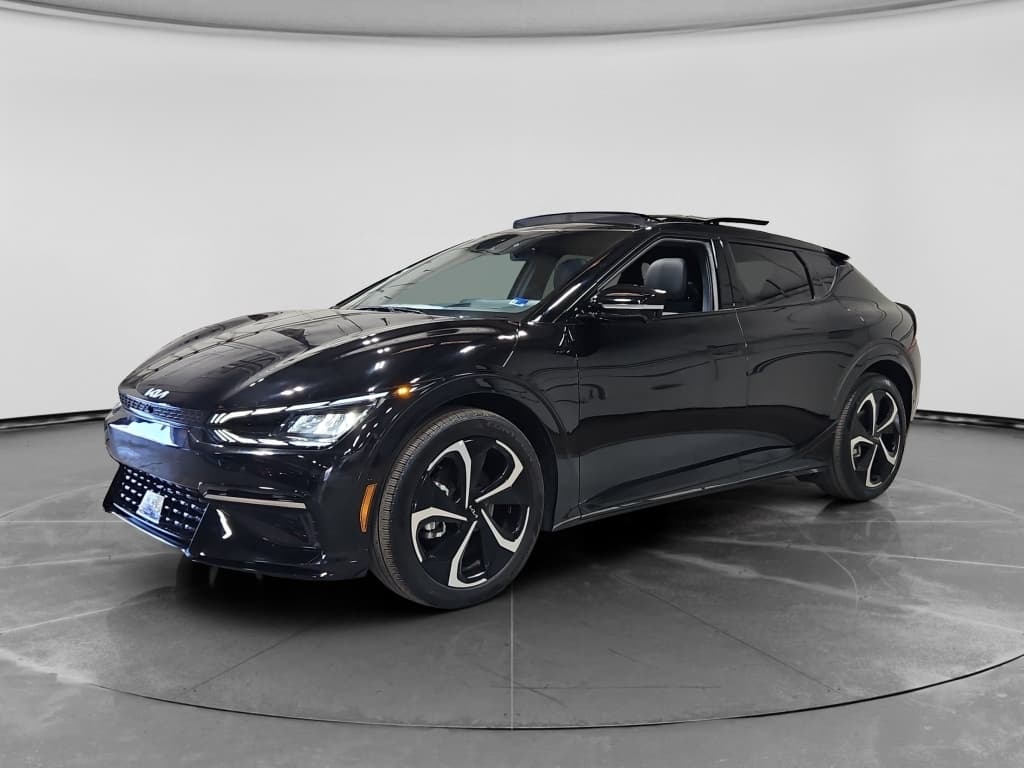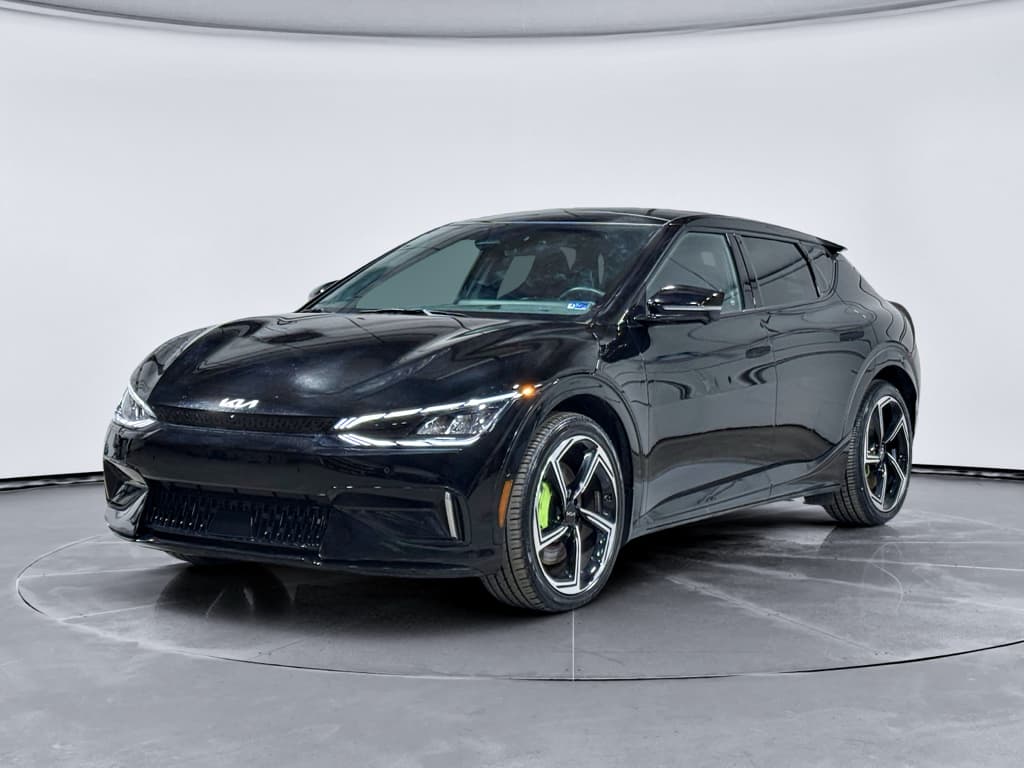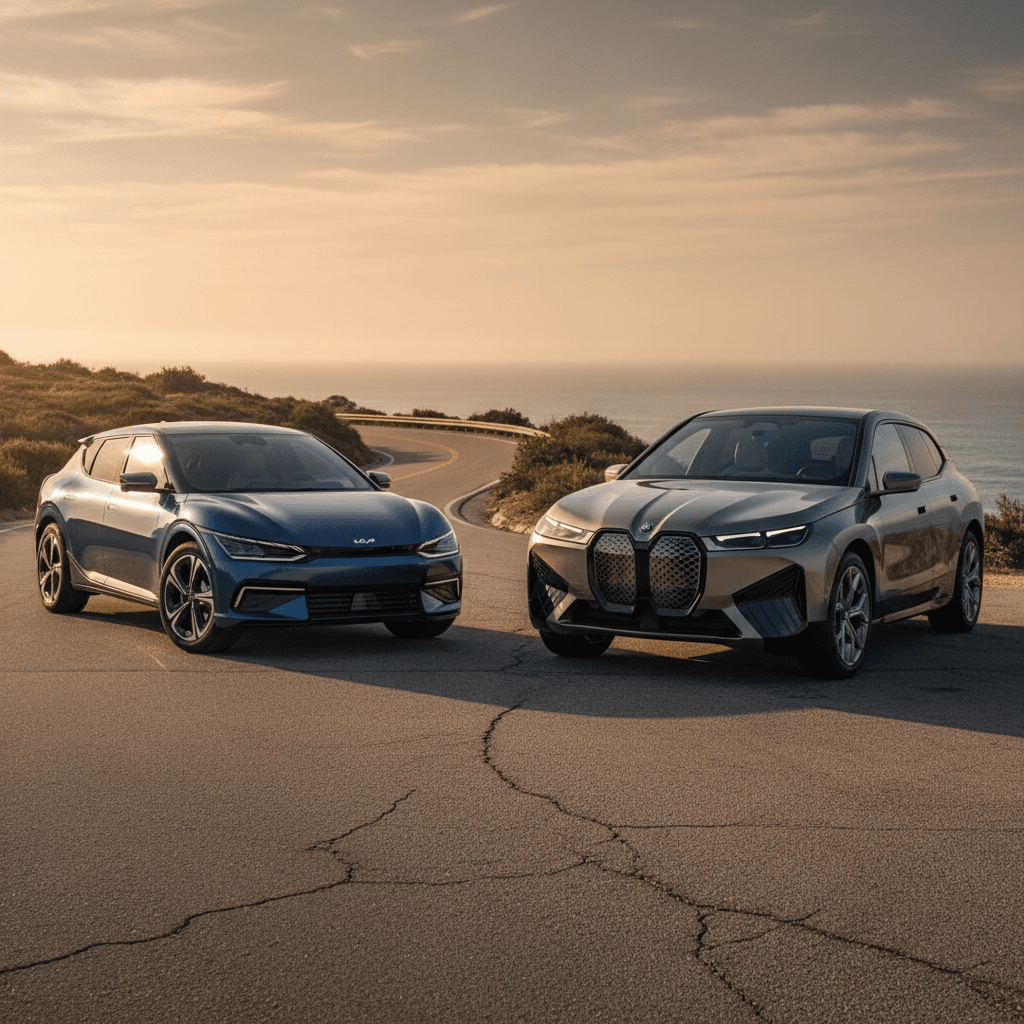
Cross‑shopping the Kia EV6 vs BMW iX is a little like comparing a hot hatch to a luxury lounge. Both are all‑electric SUVs, both are quick, and both have modern tech, but they sit in very different price brackets and serve different kinds of buyers. If you’re considering either one new or used, especially in today’s maturing EV market, it pays to understand where they truly differ.
Segment check
Kia EV6 vs BMW iX: Overview
At a Glance: EV6 vs iX
Core facts if you’re just starting your research
Kia EV6: Sporty Value EV
- Class: Compact electric crossover
- Seating: 5
- Typical new MSRP: roughly low–$40,000s to low–$60,000s depending on trim and model year
- Power: ~167–600+ hp depending on battery and trim
- Max EPA range: around 300+ miles on select RWD trims
- Character: Agile, futuristic, strong value, very fast charging
BMW iX: Electric Luxury Flagship
- Class: Midsize luxury electric SUV
- Seating: 5
- Typical new MSRP: roughly high–$80,000s to over $110,000
- Power: ~516–610 hp depending on trim
- EPA range: roughly low‑200s to low‑300s miles depending on wheel size and battery
- Character: Quiet, plush, technology‑heavy, true luxury feel
Quick takeaway
Pricing and Positioning: Same Segment, Different League
Pricing is where the Kia EV6 and BMW iX stop pretending to be rivals. New, a well‑equipped EV6 typically starts in the low‑$40,000s and tops out in the low‑$60,000s for high‑performance trims. By contrast, a 2024 BMW iX xDrive50 starts around the high‑$80,000s, and the iX M60 climbs well above $110,000 before options. On the used market, the gap remains large, but depreciation softens the hit on the BMW.
Typical Price Ranges (U.S. Market, Approximate)
Ballpark figures to understand where each model sits; exact pricing varies by year, trim, mileage, and condition.
| Model | New price band | Common used price band | Positioning |
|---|---|---|---|
| Kia EV6 | ~$42,000–$63,000+ | ~mid‑$20,000s–$50,000s depending on year/trim | Mainstream compact EV with near‑luxury feel |
| BMW iX | ~$88,000–$115,000+ | ~$55,000–$95,000 depending on year/trim | Premium midsize luxury EV SUV |
Use these numbers as directional guides, not precise quotes.
Don’t compare sticker to sticker
Size, Space, and Practicality
Kia EV6: Compact Outside, Roomy Inside
- Footprint: Compact crossover, easy to park in tight urban spaces.
- Seating: Comfortable for four adults; a fifth fits fine for short trips.
- Cargo: Hatchback layout with a practical load floor; enough space for daily errands, strollers, or road‑trip luggage for a small family.
- Character: Feels more like a sporty wagon than a tall SUV, which many drivers actually prefer.
BMW iX: Proper Midsize SUV
- Footprint: Noticeably larger and wider than the EV6, closer to a BMW X5 in presence.
- Seating: Very generous legroom and shoulder room in both rows; ideal if you regularly carry adults in back.
- Cargo: Substantial rear storage; better suited to bulkier items or family road trips with gear.
- Character: Feels like a traditional luxury SUV that just happens to be electric.
Family‑use reality check
Performance and Driving Character
Performance Snapshot (Representative Trims)
The Kia EV6 and BMW iX deliver performance in very different flavors. An all‑wheel‑drive EV6 with the larger battery offers around 320 horsepower and 0–60 mph runs in the low‑5‑second range, more than quick enough for merging, passing, and spirited driving. The high‑output EV6 GT cranks power into the 600‑hp neighborhood and can hit 60 mph in the mid‑3‑second range, but sacrifices range for that pace.
The BMW iX, even in its more common xDrive50 form, makes roughly 516 horsepower and sprints to 60 mph in about 4.4 seconds. The iX M60 pushes power to around 610 horsepower and cuts the 0–60 time into the high‑3‑second zone, much like the EV6 GT, but with a heavier, more planted luxury‑SUV feel rather than the EV6’s hot‑hatch energy.
- EV6 driving feel: Lower and more agile, with sharper responses and a slightly firmer, sportier ride, especially on larger wheels.
- iX driving feel: Softer, quieter, and more isolated. Even when it’s fast, it wants to be a luxurious cruiser first and a performance SUV second.
Wheel choice matters
Range and Charging Compared
Range and charging speed are areas where the Kia EV6 and BMW iX surprisingly overlap. Well‑specced EV6 trims with the larger battery and rear‑wheel drive can reach around 300–310 miles of EPA‑rated range, while dual‑motor versions still comfortably sit in the mid‑200s. The BMW iX xDrive50’s range can stretch to roughly 300+ miles on smaller wheels but drops toward the low‑200s on larger, more stylish setups; the iX M60 typically trades some range for power.
Representative Range & Charging (Approximate, U.S. EPA Figures)
Broad comparison of popular configurations. Exact ratings depend on model year, wheels, options, and testing cycles.
| Model / Trim Type | Drivetrain | Approx. EPA range | Fast‑charging character |
|---|---|---|---|
| Kia EV6 long‑range RWD | Single‑motor RWD | ~300–310 miles | Ultra‑fast DC charging on 800‑V architecture; 10–80% in roughly 18–20 minutes when the station can supply it. |
| Kia EV6 long‑range AWD | Dual‑motor AWD | ~250–280 miles depending on wheels | Same very fast DC capability; excellent road‑trip charging speed for the price. |
| Kia EV6 high‑performance GT | Dual‑motor AWD | ~215–230 miles depending on year/wheels | Still fast‑charging, but you stop more often due to the power‑focused tune. |
| BMW iX xDrive50 | Dual‑motor AWD | ~270–310 miles depending on wheels | Strong DC fast‑charging that’s more than adequate, though generally not as aggressive as the EV6’s peak rates. |
| BMW iX M60 | Dual‑motor AWD | ~270 miles with typical wheels | Similar charging behavior to xDrive50 but with a performance‑leaning setup. |
Always verify the specific EPA rating for the exact trim and wheel size you’re considering.
Charging network reality
Tech, Luxury, and Features
Kia EV6 Technology & Comfort
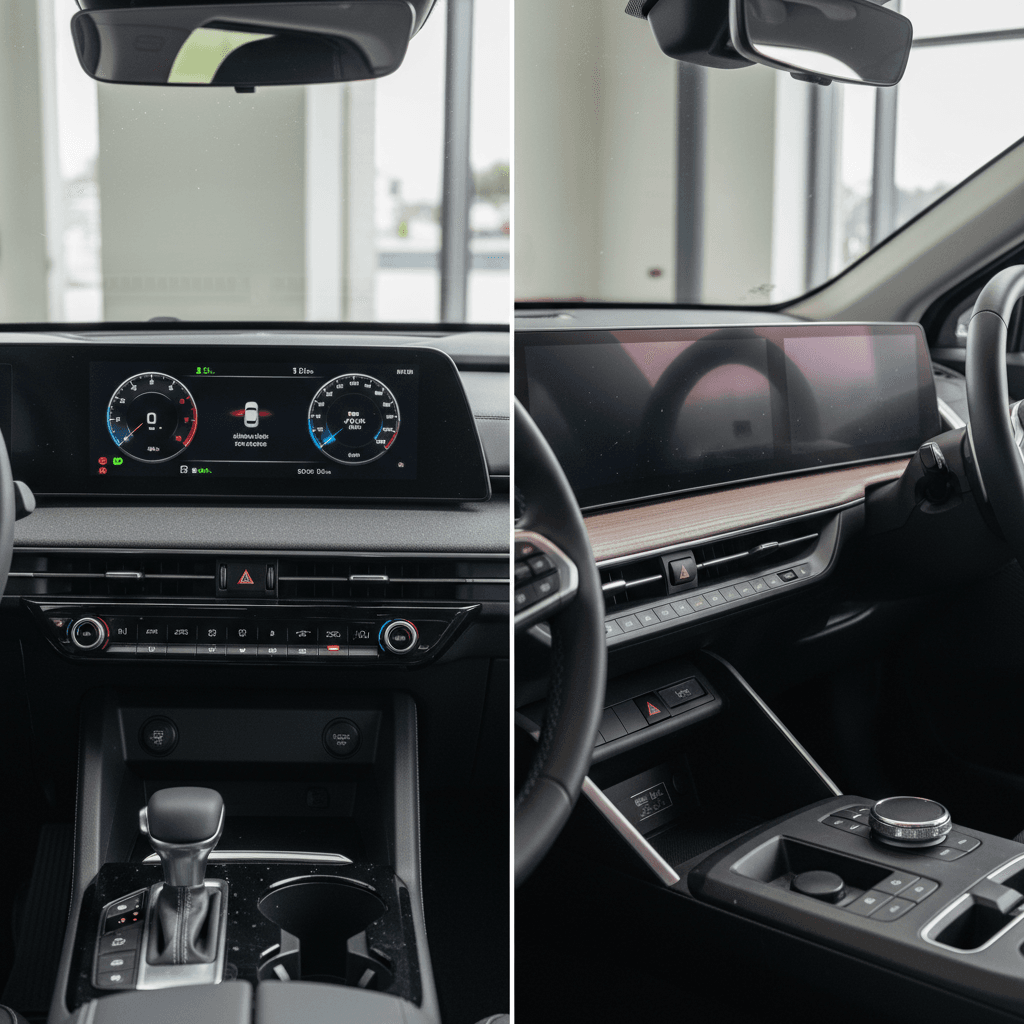
- Dual‑screen layouts with integrated driver display and central touchscreen.
- Wireless Apple CarPlay and Android Auto on many trims, over‑the‑air updates on newer model years.
- Available head‑up display, surround‑view cameras, and Kia’s robust Drive Wise driver‑assist suite.
- Cabin materials feel modern and well‑finished, especially on GT‑Line and above, though not in true luxury‑car territory.
- Vehicle‑to‑Load (V2L) capability on many trims lets you power tools, camping gear, or even household devices from the EV’s battery.
BMW iX Technology & Luxury
- Large curved display with impressive graphics and BMW’s latest iDrive software.
- Available glass and wood controls, optional crystal finishes, and distinctive ambient lighting.
- Advanced driver‑assist features, including robust lane‑centering and adaptive cruise, plus optional higher‑end assistance packages.
- Exceptionally quiet cabin with extensive sound‑deadening and premium audio options.
- Materials and build quality firmly in the luxury segment, soft leather (or high‑end alternatives), solid switchgear, and an upscale feel to every touchpoint.
Your priorities decide the winner
Ownership Costs and Depreciation
Electric vehicles are still depreciating faster than many comparable gasoline models, and both the Kia EV6 and BMW iX are affected, just in different ways. The EV6 starts at a much lower price, so even if it loses a healthy chunk of value in the first few years, you’re not starting from an $80,000–$100,000 baseline. The BMW iX, on the other hand, can drop tens of thousands of dollars in just a few model years, which is painful for the first owner but can make a lightly‑used example surprisingly attainable for a second owner with the right budget.
Cost Considerations Beyond the Purchase Price
What many buyers overlook when they compare monthly payments
Insurance
Expect higher premiums for the BMW iX due to its value and repair costs. The EV6, especially in lower trims, usually sits closer to mainstream crossovers in insurance pricing.
Maintenance and Repairs
Both are EVs, so no oil changes. But out‑of‑warranty repairs on complex luxury systems in the iX can be far more expensive than similar repairs on an EV6.
Depreciation & Resale
The EV6’s lower starting price and strong real‑world appeal help it hold practical value. The iX can offer big used‑market discounts, but long‑term ownership costs can still skew higher.
Battery health is the big wildcard
How to Shop EV6 and iX Smart in the Used Market
Both the Kia EV6 and BMW iX are starting to show up in meaningful numbers on the used market, which is where many value‑conscious buyers will find them most attractive. At Recharged, we see two common buyer profiles: shoppers stretching into an EV6 from a traditional compact crossover, and shoppers who can afford a new EV6 but are tempted by a used iX for similar money. Here’s how to evaluate each path.
Used EV6 vs Used iX: Smart‑Shopping Checklist
1. Start with battery and fast‑charging history
Ask for <strong>battery health diagnostics</strong> and any available charging history. Has the car been fast‑charged heavily, or mostly charged at home? A Recharged Score Report includes objective battery‑health data, so you don’t have to read between the lines.
2. Match range to your real‑world driving
If you mostly commute 40–60 miles a day with occasional trips, a long‑range EV6 RWD may be more than enough. If you routinely road‑trip or tow, the iX’s size and comfort may be more appealing, but make sure its range requirements work for your routes.
3. Evaluate interior wear and tech age
Luxury materials in the BMW should still feel premium; deeply worn seats or glitchy tech are red flags at this price point. In the EV6, look for clean screens, intact trim, and well‑kept upholstery, especially on higher‑trim GT‑Line and GT models.
4. Compare total monthly cost, not just payment
Roll in <strong>insurance quotes, likely maintenance, and charging costs</strong>. A used iX with a similar monthly payment to a new EV6 can still cost more overall once you factor in ownership expenses.
5. Check warranty coverage and EV‑specific repairs
Understand how much battery and drivetrain warranty remains and what’s covered. On an iX that’s out of its basic warranty, consider an extended service plan or be ready for luxury‑priced repairs. An EV6 with strong remaining coverage may be the lower‑risk choice.
6. Use expert support where it’s available
Buying a used EV is new territory for many shoppers. With Recharged, EV‑specialist advisors can walk you through battery reports, range expectations, and financing options, and we can also handle trade‑ins and nationwide delivery.
How Recharged fits in
Ready to find your next EV?
Browse VehiclesWho Should Choose the Kia EV6 vs BMW iX?
Choose Your Path: EV6 or iX?
Kia EV6 is usually the better fit if…
You want an EV that drives sportily but doesn’t blow up your budget.
You mainly commute and take a few road trips a year, and a compact crossover works for your family or lifestyle.
You value <strong>fast charging and strong efficiency</strong> at a mainstream price.
You’re buying your first EV and want something easy to park, easy to live with, and relatively affordable to insure and maintain.
You’re shopping in the used market and want the best mix of value, modern tech, and remaining warranty coverage.
BMW iX is usually the better fit if…
You’re coming from a luxury SUV (like a BMW X5, Audi Q7, or Mercedes GLE) and don’t want to step down in comfort or amenities.
You routinely carry adults in both rows or need serious highway comfort for frequent long drives.
You care deeply about cabin materials, sound isolation, and brand prestige.
You’re financially prepared for <strong>higher insurance and potential repair costs</strong> out of warranty.
You’re considering a used iX that’s already taken its biggest depreciation hit, bringing it into your budget range.
Viewed side‑by‑side, the Kia EV6 and BMW iX don’t really compete, they answer different questions. The EV6 asks, "How much EV can I get without overpaying?" and responds with sharp styling, outstanding charging performance, and everyday practicality. The iX asks, "How luxurious can an electric SUV be?" and delivers a serene, tech‑rich experience at a much higher price point. Decide which question you’re really trying to answer, then shop carefully, ideally with verified battery data and expert EV guidance in your corner.