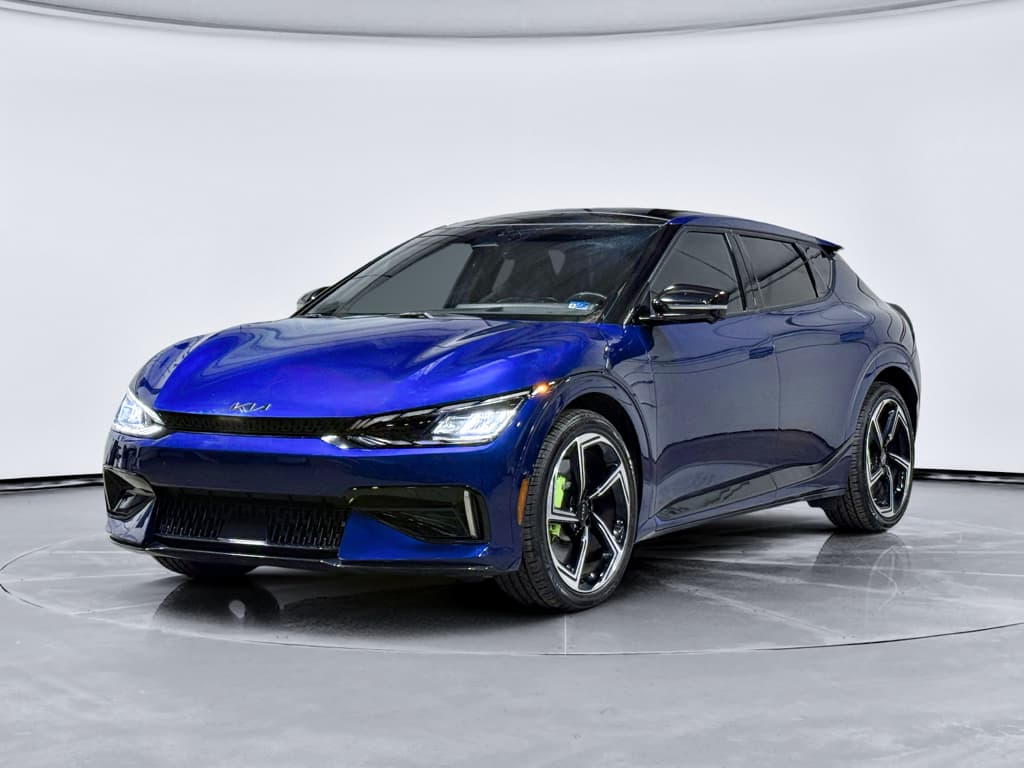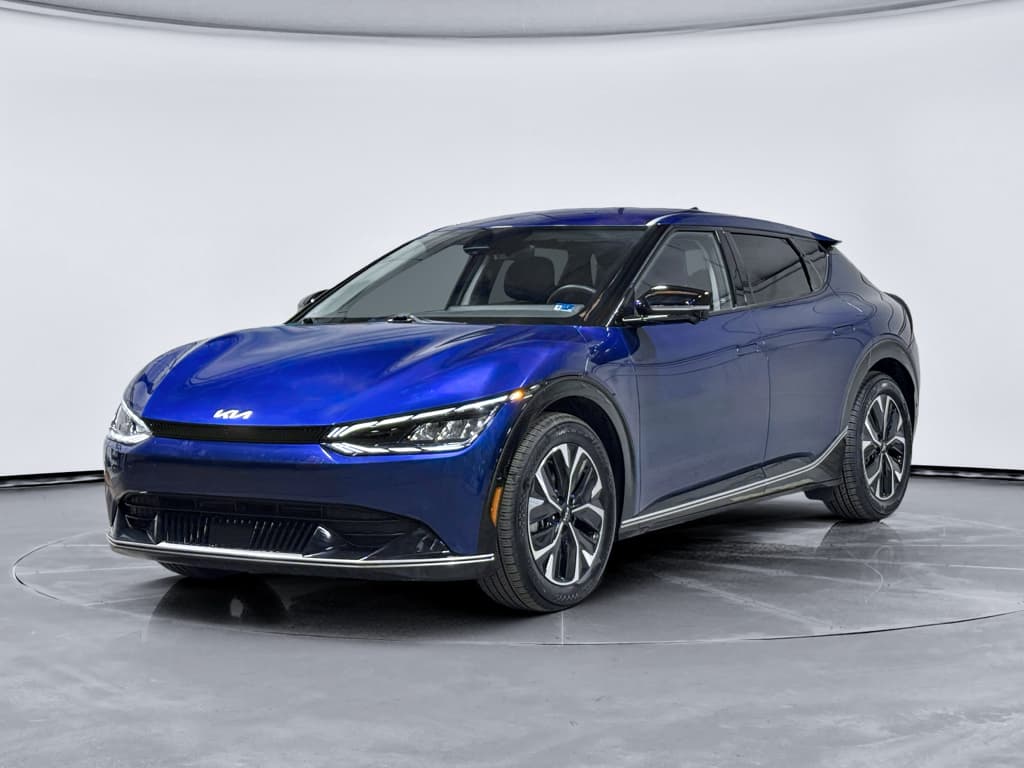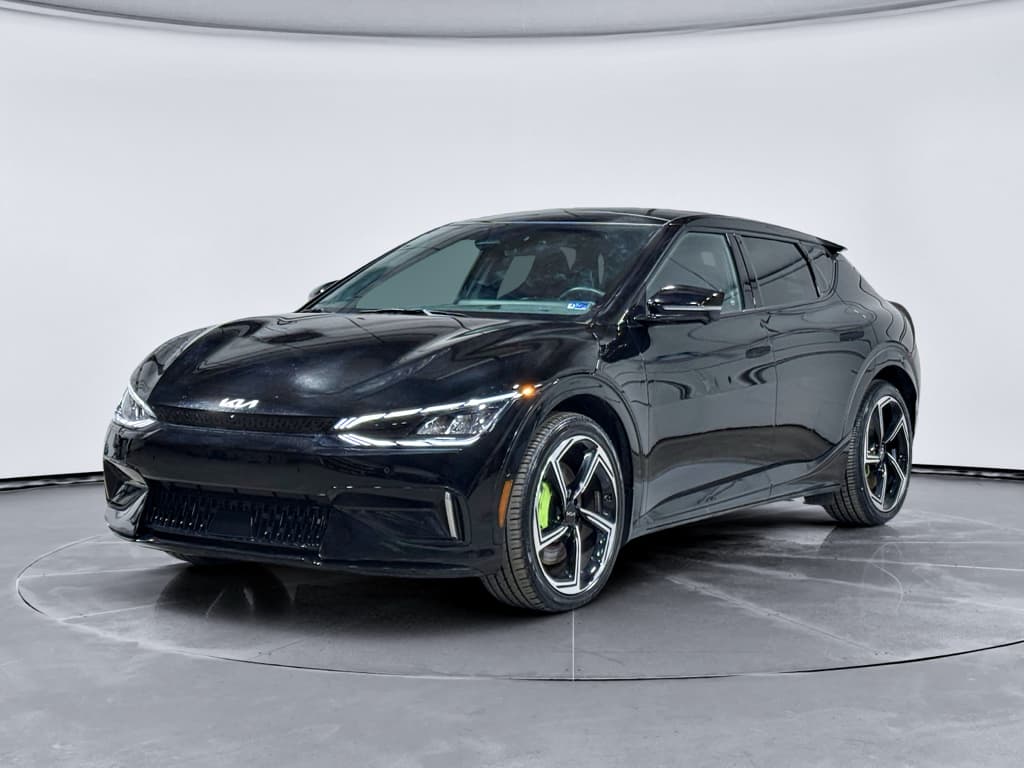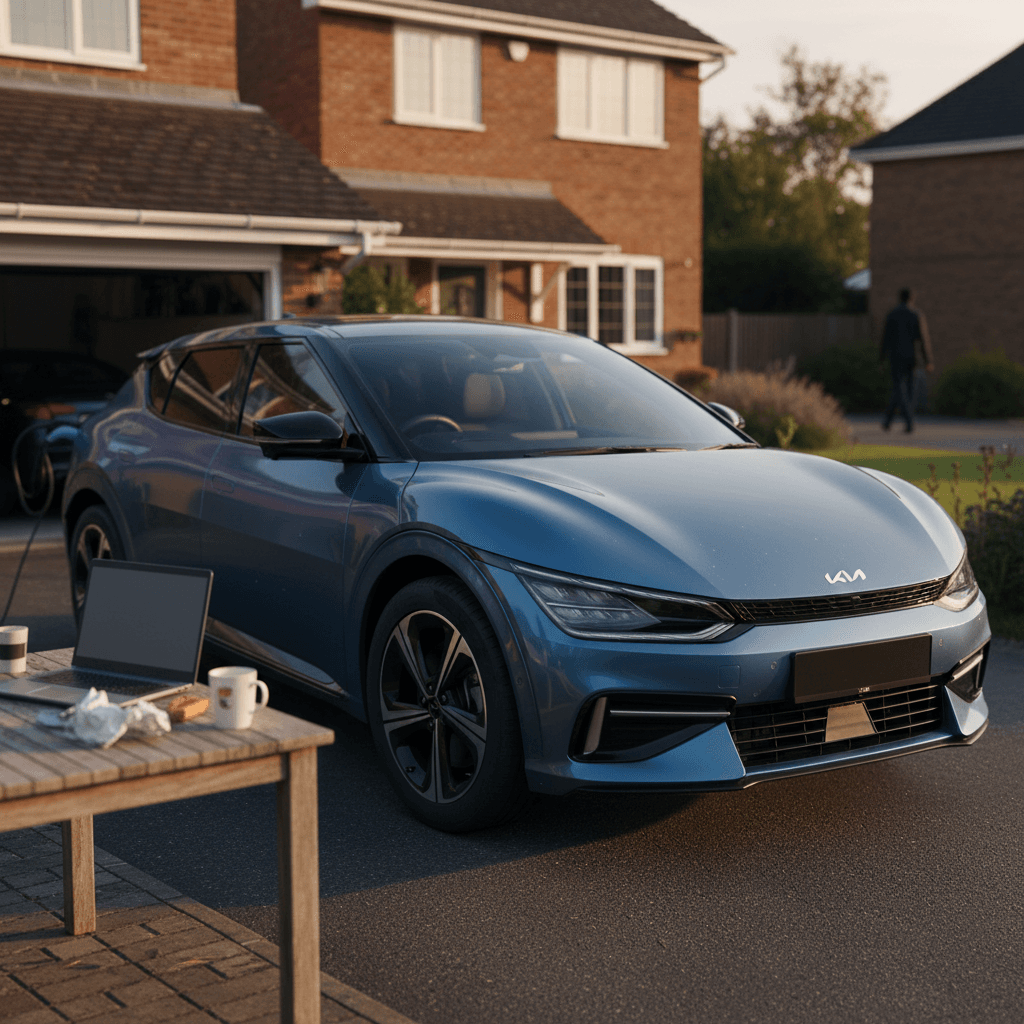
If you’re eyeing a used Kia EV6, the most useful thing isn’t a glossy brochure, it’s a real-world, owner-style perspective. A true Kia EV6 owner review after 1 year should tell you how far it really goes, what it costs to live with, where it annoys you, and whether you’d happily buy it again.
Who this review is for
Why a Kia EV6 1‑Year Review Matters in 2026
The EV6 launched as one of the most compelling electric crossovers on sale, fast charging, sharp styling, and a cabin that feels more premium than its price tag suggests. One year in, the honeymoon is over. Owners have commuted through winters, relied on public fast charging, hauled kids and dogs, and in some cases dealt with recalls and glitches.
By 2026, Kia has also updated the EV6’s battery pack and pricing, and given owners official access to Tesla’s Supercharger network. That means a used 2022–2024 EV6 doesn’t live in a vacuum; it lives in a charging ecosystem that’s maturing quickly, and that changes how good a deal it is compared with newer rivals.
Thinking used?
Key Specs That Shape the EV6 Ownership Experience
Kia EV6: The Specs That Matter After a Year
These are the specs most owners feel every day, range, charge speed, and space, not just brochure numbers.
| Trim (2022–2024) | Drive | Usable Battery (kWh) | EPA Range (mi) | 0–60 mph (sec) |
|---|---|---|---|---|
| Light (Standard Range) | RWD | ~58 | ~232 | ~8.0 |
| Wind / GT-Line Long Range | RWD | ~77.4 | ~310 | ~7.0 |
| Wind / GT-Line Long Range | AWD | ~77.4 | ~274 | ~5.1 |
| GT | AWD | ~77.4 | ~206 | ~3.4 |
Figures are typical for 2022–2024 U.S. models; check specific trim for exact numbers.
Most one‑year EV6 owners end up in a Long Range RWD or AWD model. Those are the sweet spot for used buyers: plenty of performance, realistic range for road trips, and access to the fastest charging hardware Kia offers.
EV6 1‑Year Ownership at a Glance
Real-World Range After 1 Year
On paper, the Long Range RWD EV6 can do about 310 miles; AWD trims land in the mid‑200s. After a year of mixed use, owners don’t typically see dramatic range collapse. What you notice instead is how climate and speed change your day-to-day number.
What EV6 Owners Actually See for Range
Typical numbers reported after a year of driving, not lab tests.
Mild Weather, City‑Heavy Driving
Trim: Long Range RWD or AWD
Temps: ~60–75°F
Driving: Mix of suburban and city, speeds under 60 mph
Typical result: 3.7–4.5 mi/kWh. Many owners report 260–300 miles on a charge in these conditions.
Highway at 70–75 mph
Trim: Mostly AWD long range
Driving: 70–75 mph, interstate cruising
Typical result: 2.7–3.3 mi/kWh. Expect 210–250 miles before you’re looking for a charger.
Cold Weather, Mixed Driving
Climate: Freezing to below‑freezing winters
Use: Preconditioning helps; short trips hurt
Typical result: Roughly 15–25% less range than summer, often 180–220 miles from a long‑range pack.
Watch those short winter trips
Owner logs consistently show that if you stay near the speed limit, precondition before cold‑weather drives, and avoid hammering the throttle, the EV6’s usable range after one year stays close to original expectations. You plan for 200–250 miles between fast charges on the highway, not the EPA headline number, and that remains realistic in year one.
Charging Experience: Home, Public, and Now Tesla Superchargers
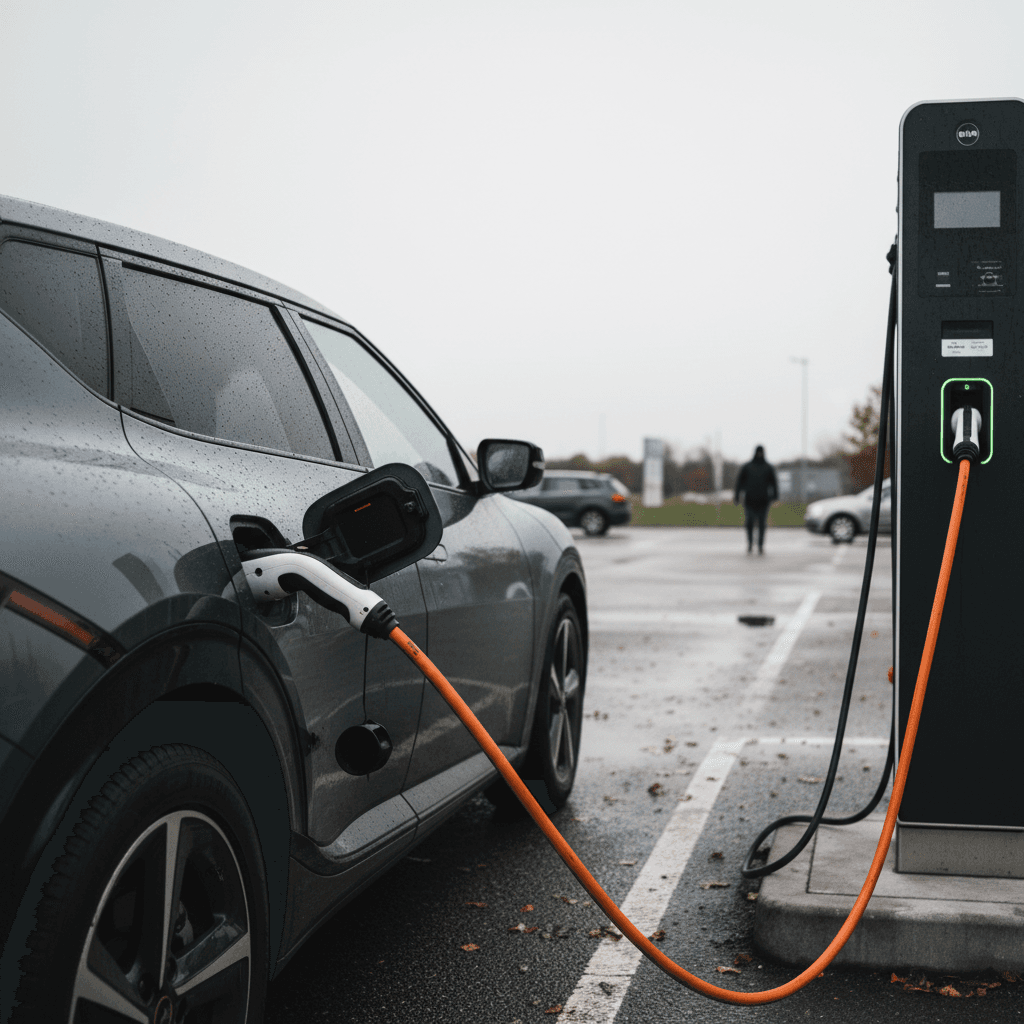
If there’s one thing EV6 owners still brag about after a year, it’s charging performance. Built on an 800‑volt architecture, the EV6 can hit peak DC fast‑charge rates well above 200 kW, turning a low‑battery panic into a 15–25 minute coffee stop.
Living With Home Charging
Most EV6 owners settle into a Level 2 home charger at 32–48 amps. That translates into roughly 25–35 miles of range per hour added overnight.
- Plug in most nights and stop worrying about range.
- Many owners charge to 70–80% daily, reserving 100% for trips.
- Homes with off‑peak rates see big savings versus gas.
If you’re buying used and don’t have a 240 V outlet yet, budget for an electrician visit, it’s often the single biggest quality‑of‑life improvement you can make.
Public DC Fast Charging
On road trips, EV6 drivers report:
- 10–80% in roughly 18–25 minutes in good conditions.
- Strong performance, even in cold weather, when you pre‑condition the battery.
- Occasional station issues, from the charger, not the car, still part of U.S. public charging reality.
Apps like Electrify America, ChargePoint, and PlugShare remain go‑to tools for trip planning, even with Kia’s built‑in navigation data.
Kia EV6 and Tesla Superchargers
One year in, the consensus is clear: the EV6 is still one of the least stressful EVs to road‑trip in its class. The charging curve is strong, and the growing Supercharger access story only helps used‑EV6 shoppers in 2026.
Comfort, Space, and Day-to-Day Living
The EV6 looks like a low, sporty hatchback, but it lives like a slightly unconventional crossover. After a year, owners talk less about the spec sheet and more about how the car fits into their routines.
How the EV6 Works as a Daily Driver
The little things you only notice after months of ownership.
Driving Position & Visibility
The EV6’s low cowl and high beltline make it feel more like a European wagon than a tall SUV. Many owners love the sporty driving position; some shorter drivers wish for better over‑the‑shoulder visibility.
Cargo & Cabin Space
With the rear seats up, cargo room is solid for groceries and strollers, though not class‑leading. The tiny frunk is more a cable locker than real storage. Rear legroom is generous; the sloping roof can pinch headroom for tall adults.
Ride & Noise
On 19‑inch wheels, the ride is comfortable and composed. The 20‑inch and 21‑inch setups can feel busy on rough pavement. Wind noise stays low on the highway, but tire noise over concrete is a common owner complaint.
Spec tip for comfort
Tech-wise, the dual‑screen layout still feels modern after a year, and physical climate controls win fans, although the touch‑sensitive mode‑switching strip (media vs. climate) continues to polarize owners. Wireless CarPlay/Android Auto isn’t available on earlier model years, which some drivers find frustrating in day‑to‑day use.
Performance and Driving Character
Even in its humble trims, the EV6 is quick. One‑year owners rarely complain about lack of power; more often they mention struggling to drive it slowly enough to hit their efficiency targets.
- RWD long‑range models feel smooth and effortless, with enough punch to dust most crossovers away from a light.
- AWD long‑range trims are genuinely quick, 5‑second 0–60 mph makes on‑ramps and passing easy, even loaded with family and gear.
- The EV6 GT is a different animal entirely, with sports‑car acceleration and a firmer ride that not every owner loves after the novelty wears off.
Handling that still feels special
Steering is light but accurate, and the adjustable regenerative braking (including one‑pedal driving) becomes second nature after a few weeks. After a year, most owners have settled on their favorite regen setting and barely think about it.
Reliability After 12 Months: The Good and the Ugly
The EV6’s core hardware, battery pack, motors, and high‑voltage system, has generally aged well over the first ownership year. But if you’ve been anywhere near an owner forum, you know the story isn’t flawless.
Common 1‑Year Reliability Themes
What shows up again and again in owner reports.
Where the EV6 Feels Solid
- Battery packs show very low degradation when charged reasonably.
- Motors and drivetrains have few serious issues reported in year one.
- Brakes and suspension wear has been typical for a mid‑size crossover.
- Most owners report no squeaks or rattles even on rough roads.
Known Trouble Spots
- ICCU / 12‑V system issues: Some owners experience warnings, loss of power, or repeated 12‑V battery failures, often tied to the integrated charging control unit.
- Infotainment glitches: Random reboots, ghost touches, and navigation data bugs crop up for a subset of owners.
- Software updates: A few OTA updates have introduced new annoyances before Kia patched them.
Take ICCU and 12‑V warnings seriously
The key point for a used‑EV6 shopper: a well‑maintained car with recalls done and no history of repeated 12‑V failures can be a very solid bet. A car that’s been in the shop multiple times for power‑system gremlins is one to avoid, or to buy only with a rock‑solid warranty plan.
Battery Health and Degradation After a Year
One of the most reassuring themes in one‑year EV6 ownership is how little battery capacity most drivers lose. Owners who charge sensibly, mostly AC home charging, avoiding daily 100% DC fast charges, often see less than a few percent degradation in the first 12–24 months.
- Data from early EV6s with 15,000–20,000 miles frequently shows 1–4% loss at most, sometimes less.
- Drivers who fast‑charge constantly, drive hard, or live in extreme climates may see a bit more, but the pack chemistry Kia chose has held up well in real use.
- The first year tends to show slightly more degradation than later years; what matters is that the curve flattens, not free‑falls.
How to baby your EV6’s battery (without obsessing)
- Daily charge limits set around 70–80%.
- Charging mostly with Level 2 AC at home or work.
- Reserving 100% charges and repeated DC fast‑charging for road trips.
When you’re buying used, you can’t always know exactly how the previous owner charged. That’s where tools like the Recharged Score come in: we use battery diagnostics and historical data to estimate remaining usable capacity and flag unusual wear patterns before you sign anything.
Running Costs: What Owners Actually Spend
After the first year, most EV6 owners agree on one thing: the car has slashed their fuel bill. Electricity isn’t free, tires are not cheap, and insurance can sting in some zip codes, but the overall cost picture still looks good versus a similar gas crossover.
Energy Costs
Assume an average efficiency of 3.3–3.8 mi/kWh in mixed driving over a year.
- At $0.15/kWh, that’s roughly 4–5¢ per mile.
- A comparable gas SUV at 25 mpg and $3.50/gal is around 14¢ per mile.
If you drive 10,000 miles a year, you’re often saving $900–$1,000 annually in energy alone, even before maintenance differences.
Maintenance & Wear
In the first 12 months, most EV6 owners see:
- Minimal scheduled maintenance, tire rotations, cabin air filter checks, brake inspections.
- Brake wear that’s lower than a gas car thanks to regen.
- The big wildcard: tires. Those sticky, wide rollers can be pricey, especially on 20"+ wheels.
Factor a tire budget into any EV purchase, especially if you’re an enthusiastic driver.
Insurance and incentives
Is a Used Kia EV6 Worth It in 2026?
Put it all together, and a Kia EV6 after 1 year still looks like one of the smartest used‑EV buys in the market, if you choose carefully. You’re getting ultra‑fast charging, a fun‑to‑drive chassis, respectable real‑world range, and a cabin that doesn’t feel old yet, even as newer EVs arrive.
1‑Year EV6 Buyer’s Checklist
1. Check recall and service history
Confirm that any ICCU or power‑system campaigns have been completed. Ask specifically about 12‑V battery replacements or warning messages in the first year.
2. Inspect charging behavior
Test both AC and DC charging if possible. Watch for unusually slow charging, error messages, or fans running excessively long after sessions.
3. Evaluate range on a long test drive
Start near 80–90% and do a mixed highway/city route. Compare the projected remaining miles with your driving style and needs, not just the EPA sticker.
4. Look for uneven tire wear
The EV6’s torque can be hard on tires. Check for cupping, inner‑edge wear, or mismatched brands that hint at suspension or alignment issues.
5. Test all tech features
Verify that the infotainment system, driver‑assist features, cameras, and navigation behave normally, no ghost touches, random resets, or warning lights.
6. Get a battery health report
A professional battery diagnostic, like the <strong>Recharged Score</strong>, gives you a snapshot of usable capacity and can reveal hidden abuse or early degradation.
Where Recharged fits in
Ready to find your next EV?
Browse VehiclesIf you want an EV that feels special to drive, charges like a champ, and still makes financial sense after a year on the road, a well‑chosen used Kia EV6 belongs on your shortlist. Do your homework on recalls and battery health, lean on objective diagnostics where you can, and you’ll have an EV that still feels cutting‑edge long after that first‑year review.