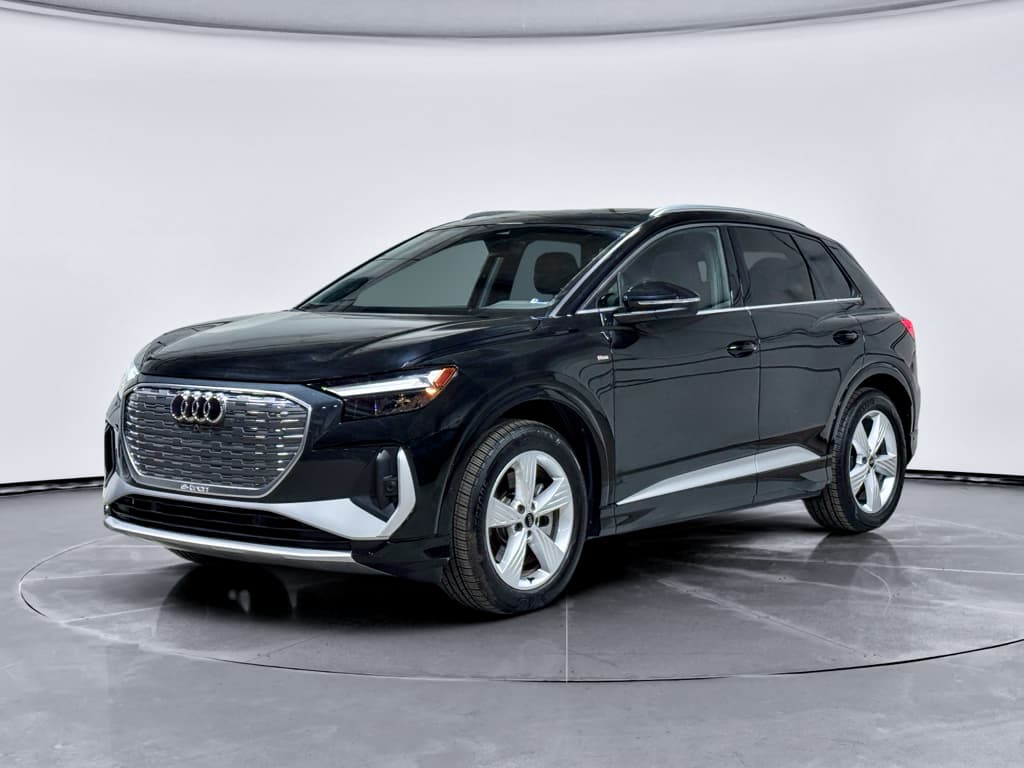
If you’re typing “sell my Audi e-tron GT” into a search bar, you already know two truths: it’s a spectacular car, and the used EV market hasn’t been kind to it. The good news is that with the right prep, pricing, and selling channel, you can still pull real money out of your GT or RS e-tron GT, and move it quickly without getting pushed around by lowball offers.
Quick take
Why selling an Audi e-tron GT is different from a gas car
EV‑specific buyer worries
- Battery health & range loss over time
- Access to fast charging on road trips
- Future tech obsolescence compared with newer EVs
- Out‑of‑warranty repair costs on complex systems
What that means when you sell
- You’ll get specific questions about State of Health (SoH), charging habits, and range.
- Buyers will compare your GT directly to Porsche Taycans and newer long‑range EVs.
- Traditional guides don’t fully “see” battery condition, so a strong independent report can justify a higher asking price.
About that depreciation
What is my Audi e-tron GT worth in 2026?
Audi e-tron GT value snapshot for 2026 (big picture)
Pricing your specific car starts with the usual suspects, model year, miles, trim, options, accident history, but with the e-tron GT there are two extra levers: battery health and where you sell it. A 2022 RS e-tron GT that stickered well into six figures can easily be listed in the mid‑$60,000s today, while higher‑mile 2021–2022 GTs often trade in the $45,000–$55,000 range depending on condition and market. The spread is wide, so your prep work matters.
Major factors that move your e-tron GT’s sale price
Use this table to sense‑check where your car may land before you start getting quotes.
| Factor | Helps your price | Hurts your price |
|---|---|---|
| Battery health | High SoH (80%+), documented third‑party test | Noticeable range loss, no battery report |
| Warranty status | High‑voltage battery and CPO coverage remaining | Out of warranty, or about to age/mileage out |
| Trim & options | RS e-tron GT, Performance/Carbon packages, desirable colors | Base spec, unusual colors, worn interior |
| Mileage | Under 20,000 miles, mostly highway | Over 50,000 miles or many short‑trip city miles |
| Ownership history | Single owner, clean Carfax, complete service records | Multiple owners, accidents, gaps in maintenance |
| Season & region | Selling in EV‑friendly, higher‑income markets | Listing in low‑demand regions with weak charging |
These are directional, not hard numbers, local market and timing still matter.
Reality check before you list
Where should I sell my Audi e-tron GT?
Four main ways to sell your e-tron GT
Each path trades money for time, convenience, or both.
1. Dealer or direct trade‑in
Fast and simple: you drive in, sign, and your GT is gone.
- Pros: Easiest route, one transaction if you’re buying another car.
- Cons: Usually the lowest dollar value; dealers price in risk and reconditioning.
- Best for: Owners prioritizing convenience over squeezing out every last dollar.
2. Instant offer / online car buyers
Think national EV buyers, big used‑car platforms, and similar.
- Pros: Online quotes in minutes, pickups at your door in many areas.
- Cons: Final in‑person inspection can trim the offer.
- Best for: Sellers who want near‑dealer simplicity with slightly better prices.
3. Private party sale
You list the car yourself and sell directly to the next owner.
- Pros: Often the highest sale price if you’re patient.
- Cons: Managing messages, test drives, payment, and paperwork.
- Best for: Owners comfortable screening buyers and negotiating.
4. Marketplace + EV‑specialist support (like Recharged)
You tap into a platform built specifically for EVs.
- Pros: Battery diagnostics, expert pricing, nationwide audience, and options like instant offer or consignment.
- Cons: May involve a selling fee or commission on consignment.
- Best for: Owners who want close‑to‑private‑sale money with professional handling.
How Recharged can help you sell
Ready to find your next EV?
Browse VehiclesHow to get your e-tron GT ready to sell
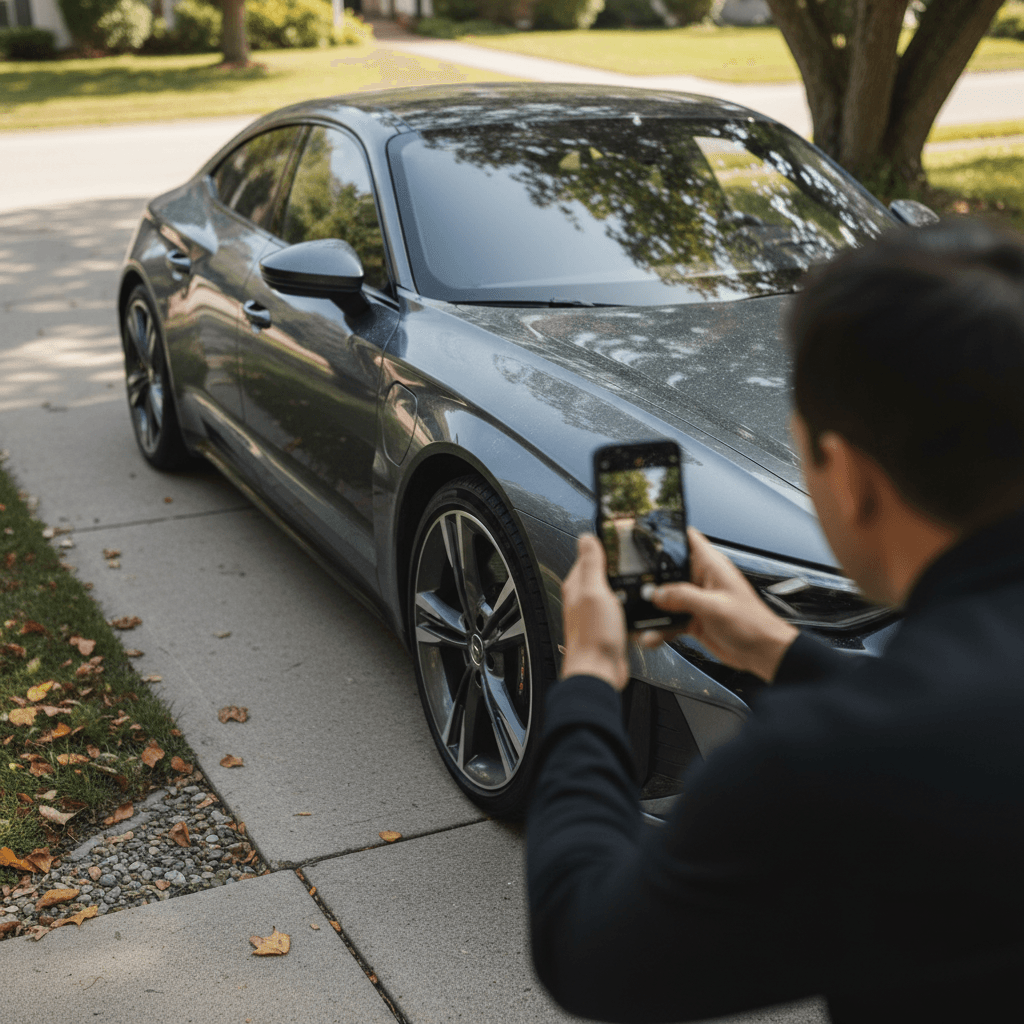
- Detail the car inside and out. EV buyers are picky; a professional detail or at least a careful DIY wash, decontamination, and interior deep clean pays off.
- Fix small stuff. Think curbed wheels, chipped trim, worn wiper blades, and overdue software updates, these are the little excuses buyers use to push your price down.
- Gather your paperwork. Service records, charger receipts, tire invoices, window sticker or build sheet, and recall documentation help your GT stand out as a “known quantity.”
- Charge to a sensible level. For photos and test drives, aim for 60–80% charge, not 5% and not 100%. It shows healthy use and lets shoppers experience full performance.
- Be honest about tires and brakes. These cars are hard on consumables. If you’ve just put fresh rubber on, highlight it, if you haven’t, be ready for that to come up in negotiation.
Don’t forget the software
Battery health: the number one question buyers have
With an Audi e-tron GT, buyers aren’t just asking, “Has it been garaged?” They’re asking, “How healthy is the battery?” The pack is the heart of the car and the most expensive single component to replace. That’s why a credible, independent battery health report is your secret weapon when you’re trying to get top dollar.
Ways to prove your e-tron GT’s battery health
The more objective the data, the easier it is to defend your price.
1. Third‑party diagnostics
Specialized tools can measure State of Health (SoH), cycle counts, and usable capacity.
On Recharged, this rolls into a Recharged Score battery report that buyers can view right in your listing.
2. Charging & usage history
If you’ve mostly charged at home on AC, avoided constant 100% charges, and limited repeated high‑power DC fast charging, say so.
Include this in the description to reassure cautious buyers.
3. Remaining battery warranty
Audi’s high‑voltage battery warranty (often 8 years/100,000 miles in the U.S., check your booklet) is a strong selling point.
Spell out the in‑service date and how much time and mileage is left.
Don’t guess at battery health
Pricing strategy: how to avoid underpricing or lingering
The Audi e-tron GT lives in a strange patch of the market: low production numbers, serious performance, and heavy depreciation. That means pricing is a balancing act between not giving it away and not letting it sit for months while the market keeps softening.
Build your pricing “triangle”
- Low anchor: Instant offers and dealer trade‑ins. This is your walk‑away floor.
- Market anchor: Listings for similar GTs and RS GTs on used‑car sites, sorted by recently sold when possible.
- Value anchor: Your unique positives, battery report, warranty, spec, condition, one‑owner history.
Your asking price should sit comfortably above the low anchor and slightly under similar dreamer listings that never seem to sell.
Adjust for time vs money
- If you need it gone in a week, price near the bottom of current private‑sale comps or take the strongest instant offer.
- If you can wait a month or two, list higher and be ready to negotiate down.
- Revisit your price every couple of weeks, luxury EV values can move quickly when new incentives or models hit.
Use your description to justify your number
Step-by-step checklist to sell your Audi e-tron GT
From first idea to money in the bank
1. Decide your priority: speed or price
Be honest with yourself. If you’re replacing the GT soon or juggling a move, lean toward instant offers, trade‑in, or a consignment solution. If maximizing sale price matters most, plan on doing photos, listings, and showings yourself or with a marketplace partner.
2. Pull comps & instant offers
Check multiple pricing tools and real listings for GT and RS e-tron GT models similar to yours. Grab instant offers from at least two online buyers to set your baseline. Keep all of this in a folder, you’ll use it during negotiations.
3. Get a battery health report
Schedule a third‑party battery diagnostic or work with a platform like Recharged that can produce a <strong>Recharged Score</strong> report for your car. Confirm remaining battery warranty and note the in‑service date.
4. Recondition the car
Detail the interior and exterior, address inexpensive cosmetic issues, clear fault codes properly (don’t ignore warning lights), update software, and gather service records. A sharp‑looking GT with a tidy paper trail always photographs, and sells, better.
5. Create a high‑trust listing
Write a description that covers battery health, charging habits, options, accident history, and why you’re selling. Upload 25–40 clear, well‑lit photos showing every angle, wheel, interior, tires, trunk, charge port, and any flaws.
6. Screen buyers and structure payment safely
Meet in public places when possible, verify proof of funds, and avoid sending the title until funds are confirmed by your bank. If you’d rather not handle this yourself, consider selling through Recharged or a similar EV‑focused marketplace that manages the transaction.
Frequently asked questions about selling an Audi e-tron GT
Audi e-tron GT selling FAQ
Bottom line: how to sell your Audi e-tron GT with confidence
The Audi e-tron GT is a phenomenal piece of engineering that just happens to live in a brutally honest used‑EV market. If you walk in expecting gas‑sedan resale, you’ll be disappointed. But if you approach the sale like a pro, document the battery, prepare the car, price it off real comps, and choose the right selling channel, you can still come out ahead and hand the keys to someone who’s genuinely thrilled to own it.
Whether you decide on a quick instant offer, a traditional trade‑in, or a more deliberate marketplace sale, remember that buyers are really shopping for confidence. Clean history, clear photos, and a trustworthy battery report are what separate your Audi e-tron GT from the rest of the scroll. And if you’d like expert backup, Recharged is set up to help you value, list, and sell your EV, without the guesswork.