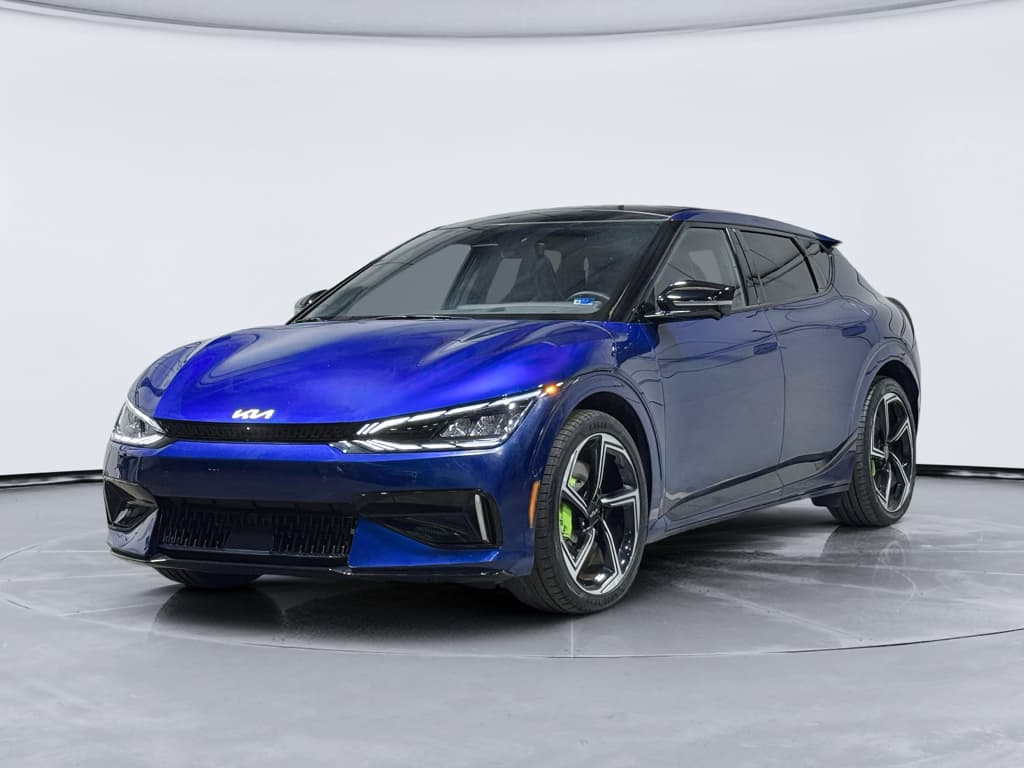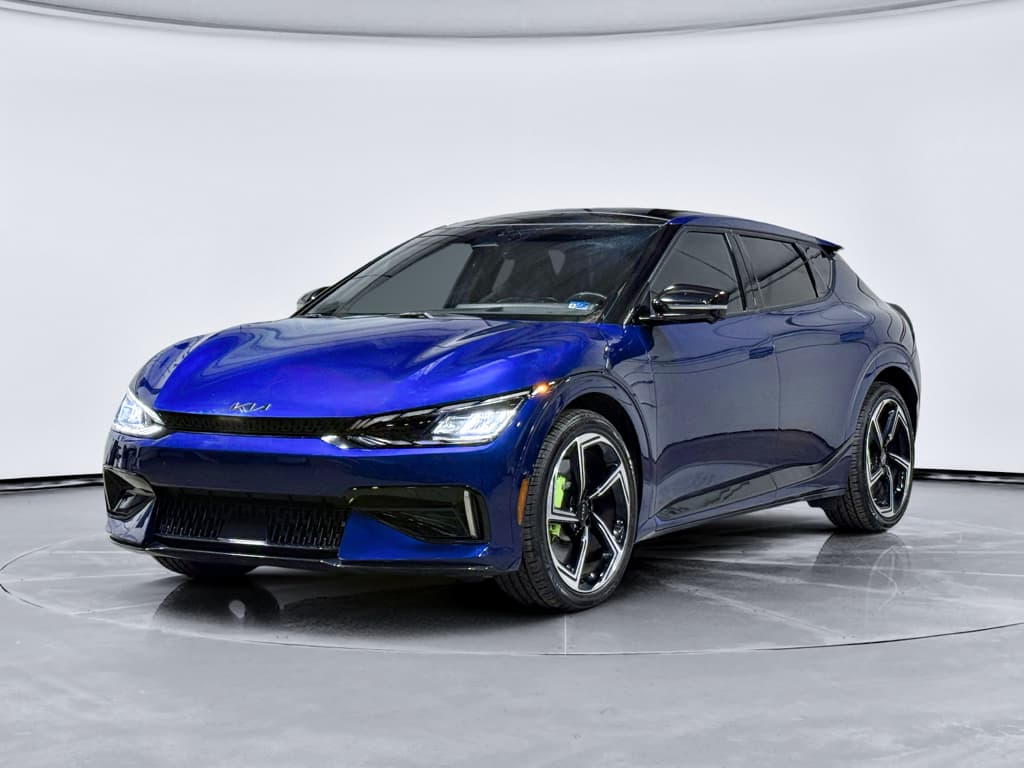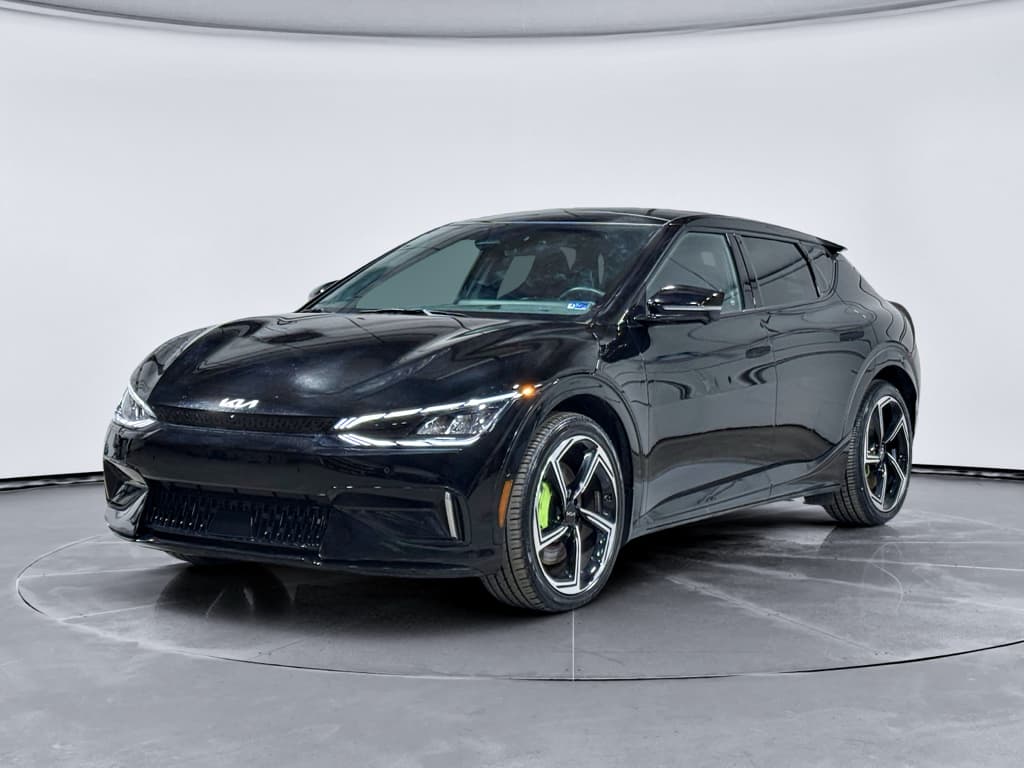
If you’re eyeing a **Kia EV6** in 2026, especially a used one, you’re not just shopping specs. You want to know what this sleek electric crossover is like after a few years and tens of thousands of miles. This Kia EV6 long‑term review for 2026 pulls together owner experiences, test data, and battery‑health research so you can judge how it holds up on range, reliability, and everyday livability.
Model years covered
Why a Kia EV6 long‑term review matters in 2026
The EV6 landed in the U.S. for the 2022 model year as Kia’s first dedicated EV on the E‑GMP platform. On paper it’s terrific: sharp design, fast charging, strong performance, and competitive range. By 2026, though, the real questions are different: - Does the **battery still deliver close to its original range**? - Have the **ICCU and 12‑volt issues** and recalls actually been resolved? - How pricey are tires, brakes, and software fixes as the miles add up? You’re not wrong to ask. Early‑adopter EVs sometimes age like smartphones, brilliant when new, fussy a few years in. The EV6 doesn’t fit that stereotype, but it’s not totally drama‑free either.
Kia EV6 at a glance in 2026
Kia EV6 in brief: what you’re buying
Under the skin, every Kia EV6 rides on the **E‑GMP 800‑volt platform** it shares with the Hyundai Ioniq 5/6 and Genesis GV60. That means inherently fast DC charging and good efficiency. U.S. models break down into a few familiar trims:
- **Battery sizes:** Early cars used a ~58 kWh pack (Standard Range) or ~77.4 kWh pack (Long Range). For 2025–2026, the long‑range pack grows to about **84 kWh** usable.
- **Drivetrains:** Rear‑wheel drive (RWD) for maximum range and efficiency, or all‑wheel drive (AWD) with a second front motor for stronger acceleration and all‑weather traction.
- **Performance GT:** The EV6 GT cranks power up dramatically but trades away **real‑world range** and some tire longevity in the process.
In plain language: the EV6 is a **mid‑size crossover that drives like a sporty hatchback**, with plenty of space for a family but a stance and steering feel that make it fun on a back road. Long‑term, that balance of practicality and character is one of the reasons owners tend to hang on to them.
Battery health and degradation over the years
Battery life is the headline question for any long‑term EV review. For the Kia EV6, early data from fleet cars, owner battery‑health scans, and independent analyses suggest **slow, manageable degradation** when the car is used normally.
How EV6 batteries are aging so far
Patterns we’re seeing by age and mileage (assuming normal use)
Years 1–3 (0–30k miles)
Most EV6s in this window still show **95–98%** of original capacity.
Small drops often happen in the first year, then stabilize.
Years 3–5 (30k–60k miles)
Typical usable capacity sits around **90–94%**.
Heavy DC fast charging and constant 100% charges can pull you to the lower end of that band.
Years 5–8 (60k–100k+ miles)
Well‑treated packs are tracking toward **80–90%** by year 8.
Kia’s 8‑year/100,000‑mile warranty is there if something goes obviously wrong.
Habits that help your EV6 battery age gracefully
Not every EV6 lives an easy life, of course. Cars that sit for years in blazing heat, live almost exclusively on DC fast chargers, or are constantly charged to 100% and left there will age faster. That’s why a **battery health report** matters so much on a used EV6, more on that when we talk about the Recharged Score.
Real-world range in 2026: city, highway and winter
You’ll see glossy EPA numbers on the window sticker, up to the low 300‑mile range on newer long‑range RWD trims, but long‑term ownership is lived in **real traffic at real speeds**. By 2026 we’ve got a good picture of how EV6 range holds up on the road.
Typical real‑world Kia EV6 range (with a healthy battery)
Approximate ranges starting near 100% charge at 70–75 mph, mild weather, relatively flat terrain.
| Trim / Battery | Drive | Conditions | Approx. Highway Range |
|---|---|---|---|
| Long Range (77–84 kWh) | RWD | Mild weather, 19" wheels | 240–270 miles |
| Long Range (77–84 kWh) | AWD | Mild weather, 19–20" wheels | 210–250 miles |
| Standard Range (~58 kWh) | RWD | Mild weather | 180–210 miles |
| GT Performance | AWD | Mild weather, 21" wheels | 170–200 miles |
| Any trim | Any | Cold winter highway | Expect 20–30% less than mild‑weather numbers |
Use this as a directional guide; wind, elevation, temperature, and wheels/tires all make a noticeable difference.
Winter is still the range killer
The good news for long‑term owners is that **range loss from age** is usually smaller than the **swing from weather and speed**. A three‑year‑old EV6 that’s lost 5–8% of its capacity can still feel nearly new on a spring road trip, yet seem grumpy and short‑legged in a February cold snap. That’s normal, and not a sign the battery is doomed.
Charging experience: home, public, and road trips
If there’s one area where the Kia EV6 still feels cutting‑edge in 2026, it’s **charging performance**. The 800‑volt architecture lets it pull very high power from capable DC fast chargers, and that hasn’t meaningfully faded with age on healthy cars.
At home
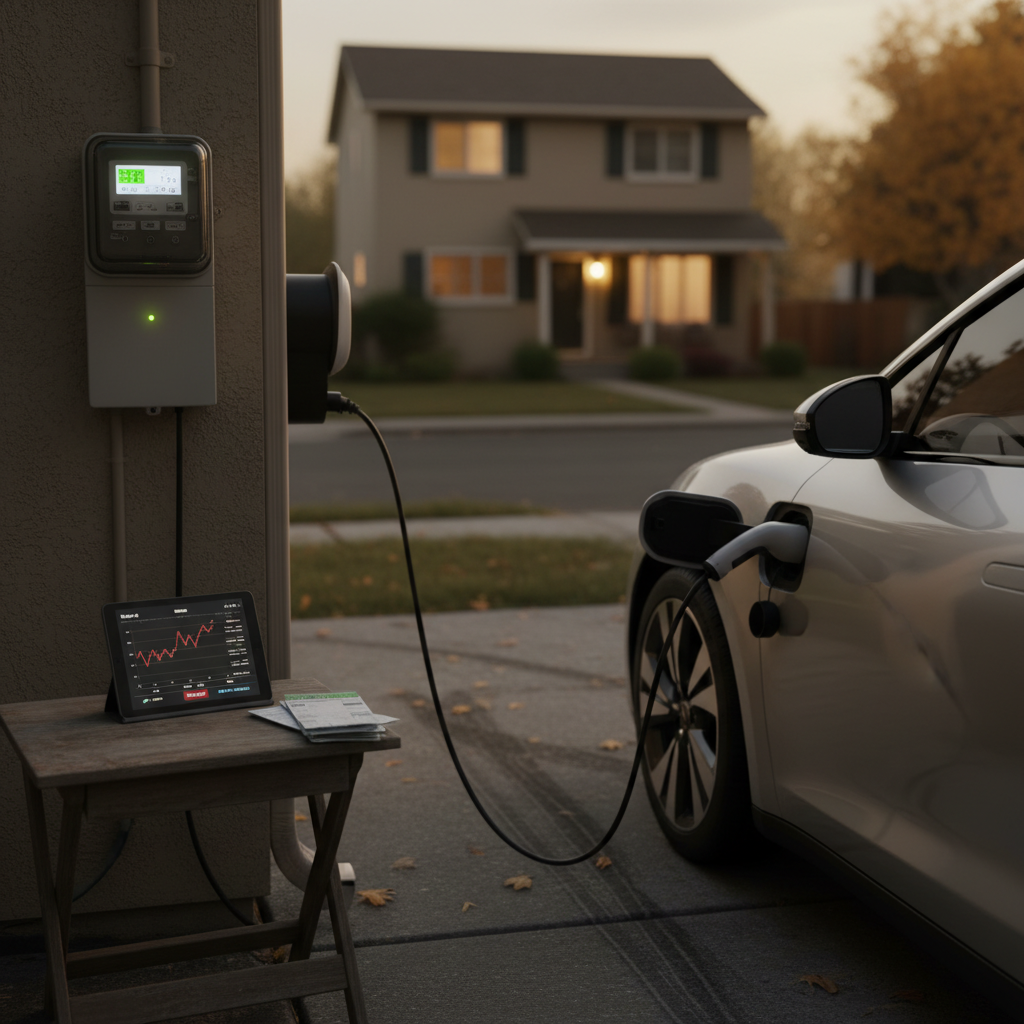
- Level 2 charging at 32–48 amps easily fills the battery overnight, even from low state of charge.
- Many owners see 25–35 miles of range added per hour of charging with a typical 40‑amp home charger.
- Software scheduling is a bit clunkier than the best in the business, but it’s serviceable for off‑peak charging.
On the road
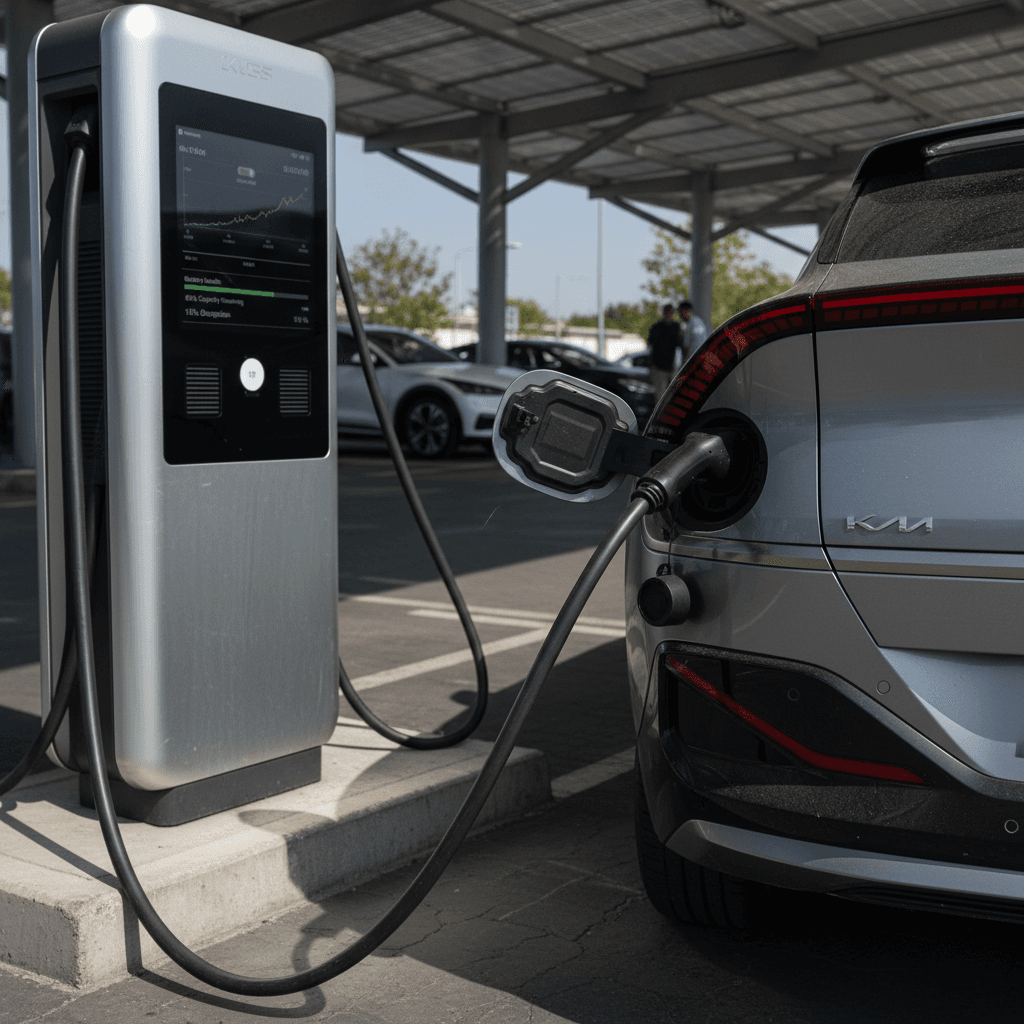
- On a healthy DC fast charger, **10–80% in under 20–25 minutes** is still very achievable.
- The car prefers high‑power 150–350 kW stations and tapers less aggressively than some rivals.
- Charging network quality matters more than the EV6 itself; stations that were flaky in 2022 remain flaky in 2026.
Good news for used buyers
Reliability, recalls, and known issues
On the whole, the EV6 has aged better than many early‑generation EVs, but long‑term ownership hasn’t been flawless. Two themes stand out when you talk to owners or scan reliability data through 2025:
Common long‑term themes for EV6 reliability
What we see most often in owner reports and recall campaigns
ICCU / 12‑volt issues
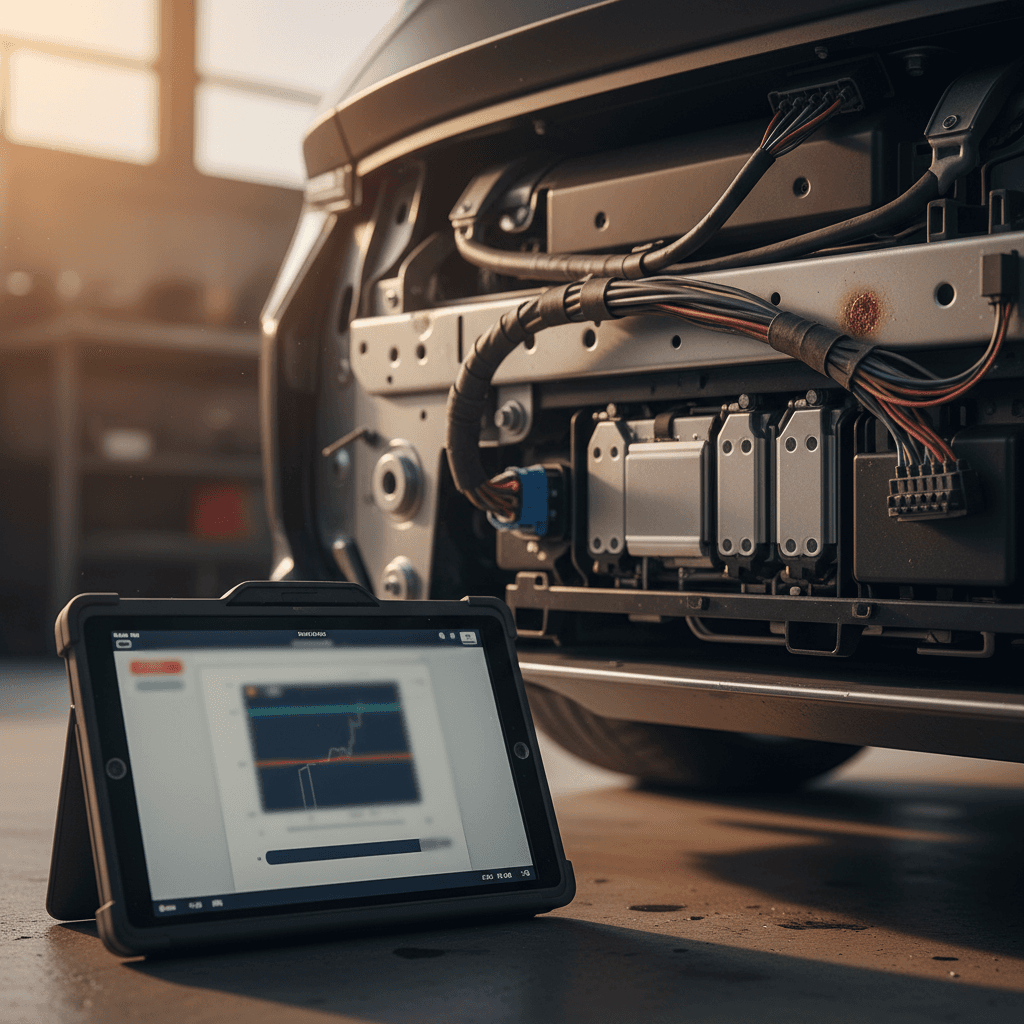
The Integrated Charging Control Unit (ICCU) and 12‑volt system triggered multiple recalls and service campaigns starting in 2024.
Symptoms: warning lights, reduced power, or a no‑start condition. Kia has been updating software and, in some cases, hardware.
Long repair times
Most EV6s never see a major failure, but when they do, specialized parts can mean **weeks in the shop**.
This is improving slowly as dealer EV training and parts pipelines catch up.
Everyday squeaks & software quirks
Owners mention the usual suspects: the occasional infotainment freeze, plastic trim squeaks on rough pavement, and over‑the‑air updates that don’t always fix what they promise.
Annoying? Yes. Catastrophic? Very rarely.
Don’t ignore recall history
Zooming out, the pattern looks like this: the **core high‑voltage battery and drive units have been robust**, while low‑voltage and control electronics caused most of the drama. Once the recall software and, where needed, hardware are updated, many owners report years of uneventful driving. But this is exactly why a third‑party inspection and battery health report matter for a used 2022–2024 EV6.
Running costs: tires, maintenance and insurance
Long‑term ownership cost is one of the EV6’s quiet strengths. Routine maintenance is minimal, but there are a few line items you’ll feel in your wallet.
Key long‑term cost areas to budget for
1. Tires
The EV6 is quick, heavy, and often wears 19–21" wheels. Expect **shorter tire life** than a compact sedan, sometimes 25,000–35,000 miles on performance‑oriented rubber. AWD and GT models are hardest on tires.
2. Brakes
Regenerative braking means pads and rotors wear slowly. Many owners will go well past 60,000 miles before needing major brake work, assuming no corrosion issues in winter climates.
3. Scheduled service
No oil changes, but you still need cabin air filters, brake fluid flushes, and inspections. Kia’s EV service menus are lean compared with gas cars, and many independent shops are learning the EV6 platform.
4. Insurance
EV6 insurance rates vary. The car’s strong safety ratings help, but repair complexity, expensive headlights, and sensors can push premiums up compared with a basic compact CUV. Shop quotes before you buy.
5. Electricity vs. gas
If you’re coming from 20–25 mpg SUV life, home charging can chop your **fuel cost per mile by roughly half or better**, depending on local electricity rates.
What it’s like to live with an EV6 every day
Specs never quite capture the way an EV ages in the real world. By 2026, early EV6s are hauling kids to school, slogging through winters, and racking up road‑trip stories just like any other family car. A few long‑term impressions keep surfacing:
- The **drivetrain still feels fresh**: instant torque and smooth acceleration don’t really fade with mileage the way a tired automatic transmission can.
- The cabin design is holding up reasonably well; high‑touch materials on the wheel, armrests, and seats wear better than you might expect at 40,000–60,000 miles if they’ve been cleaned properly.
- Cargo and rear‑seat space remain competitive. If you’re cross‑shopping a Model Y, the EV6’s lower roof and sleeker profile trade a bit of vertical storage for a more car‑like feel.
- Infotainment and driver‑assist tech feel **a step behind the very latest 2026 systems**, but not hopelessly outdated. Over‑the‑air updates have kept features and maps reasonably current.
Take a long test drive, not just a loop
Kia EV6 vs rivals for long-term ownership
By 2026, the EV6 is not the new kid anymore. It sits in a very crowded field that includes the Tesla Model Y, Hyundai Ioniq 5/6, Ford Mustang Mach‑E, and newer entrants from GM and others. If you’re thinking in **5–10‑year terms**, here’s how it stacks up.
EV6 vs key rivals: long‑term ownership snapshot
High‑level comparison for shoppers thinking about keeping an EV for many years.
| Model | Long‑term strengths | Potential drawbacks |
|---|---|---|
| Kia EV6 | Fast charging, balanced ride/handling, distinctive design, solid efficiency, competitive pricing used. | ICCU/12‑volt recall history, tire wear on AWD/GT, interior tech aging a bit by 2026. |
| Hyundai Ioniq 5 | Roomier cabin feel, comfortable ride, similar platform and charging performance. | Boxier aero can ding highway range slightly; some early‑build quality complaints. |
| Tesla Model Y | Huge fast‑charging network, robust software ecosystem, strong performance. | Build quality inconsistency, firmer ride, used prices can be erratic, more software‑centric ownership experience. |
| Ford Mustang Mach‑E | Familiar badge, good ride/handling balance, improving software over time. | Slower fast‑charging than EV6 on many trims, some early build issues and recalls. |
Individual cars vary, always judge the specific vehicle in front of you, not just the badge.
Buying a used Kia EV6 in 2026: what to check
If you’re hunting for value, a used EV6 in 2026 is one of the more compelling ways to get into a modern, fast‑charging EV without paying new‑car money. But you have to shop carefully. Condition and history matter more than the badge on the nose.
Used Kia EV6 checklist for 2026 shoppers
1. Battery health report
Ask for a **battery‑health scan** that shows estimated remaining capacity and any high‑voltage fault codes. This helps you avoid a car that’s been abused by heat or constant DC fast charging.
2. Recall and service history
Confirm that ICCU, 12‑volt, and any other relevant recalls or service campaigns are complete. Documentation from a Kia dealer is ideal; a proper vehicle history report helps fill gaps.
3. DC fast‑charge behavior
On your test drive, if possible, plug into a DC fast charger and watch how quickly it climbs from 10–50%. A car that stubbornly sticks at low power might have a battery‑conditioning or hardware issue.
4. Tires and alignment
Uneven tire wear can point to suspension or alignment problems. Replacing a full set of 20–21" tires isn’t cheap, so factor near‑term replacement into your negotiation.
5. Interior and electronics
Check every power feature, from seat motors to the hatch and driver‑assist systems. A long‑press on buttons and a deep dive into menus will usually flush out any gremlins.
6. Charging equipment
Make sure the car includes its **OEM mobile charger** or that you budget for a proper home Level 2 unit. Verify that charge‑port doors, locks, and lights all function smoothly.
Private seller or marketplace?
How Recharged evaluates a used EV6
Because EVs age differently than gas cars, a simple test drive and oil‑change history won’t tell you enough. That’s why every Kia EV6 sold through Recharged comes with a **Recharged Score Report** that zeroes in on EV‑specific health.
Inside a Recharged Kia EV6 assessment
What we look at before a used EV6 ever hits our marketplace
Verified battery health
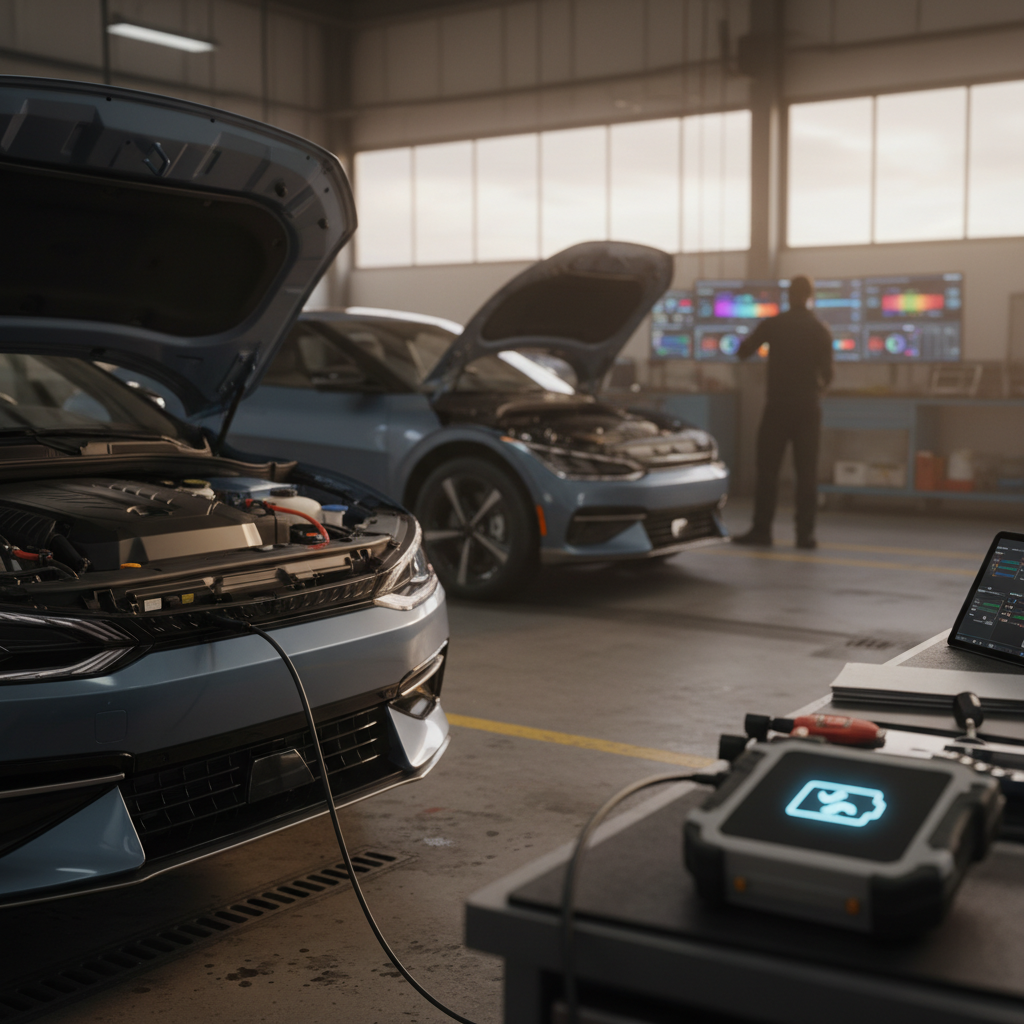
We run specialized diagnostics on the EV6’s high‑voltage battery to estimate remaining capacity, check for imbalanced cells, and look for stored faults that might hint at future issues.
Recall & software status
We confirm open recalls and service campaigns, including ICCU and 12‑volt actions, and verify the car is running the latest recommended software.
Fair‑market pricing
Using recent EV6 sales data, options, mileage, and battery health, we price each car against the **real‑world used EV market**, not just a generic book value.
Ready to find your next EV?
Browse VehiclesFrom there, you can handle **financing, trade‑in, and purchase completely online**, or visit Recharged’s Experience Center in Richmond, VA if you want to see and drive vehicles in person. Either way, you’re not guessing about how that particular EV6 has aged, you’re looking at numbers and inspection notes that make sense.
Kia EV6 long-term review 2026: FAQ
Frequently asked questions about long‑term Kia EV6 ownership
Final thoughts: is a used Kia EV6 worth it?
Taken as a whole, the **Kia EV6 has matured into a genuinely compelling long‑term EV**. Its fast‑charging capability and balanced road manners still feel fresh in 2026, its batteries are aging gracefully in most real‑world cases, and ownership costs undercut many comparable gas crossovers, especially if you can charge at home.
It’s not perfect. The ICCU and 12‑volt saga, occasional long repair times, and pricey tires on AWD and GT trims are real blemishes on the record. But if you zero in on a car with clean recall history, healthy battery data, and a thorough inspection, an EV6 can be a smart, enjoyable companion well into the next decade.
If you’d rather not decode all of that on your own, browsing **used Kia EV6 listings on Recharged** gives you a shortcut: every vehicle includes a Recharged Score battery‑health report, transparent pricing, and EV‑specialist support from first click to final delivery. That’s the kind of long‑term confidence this car deserves.