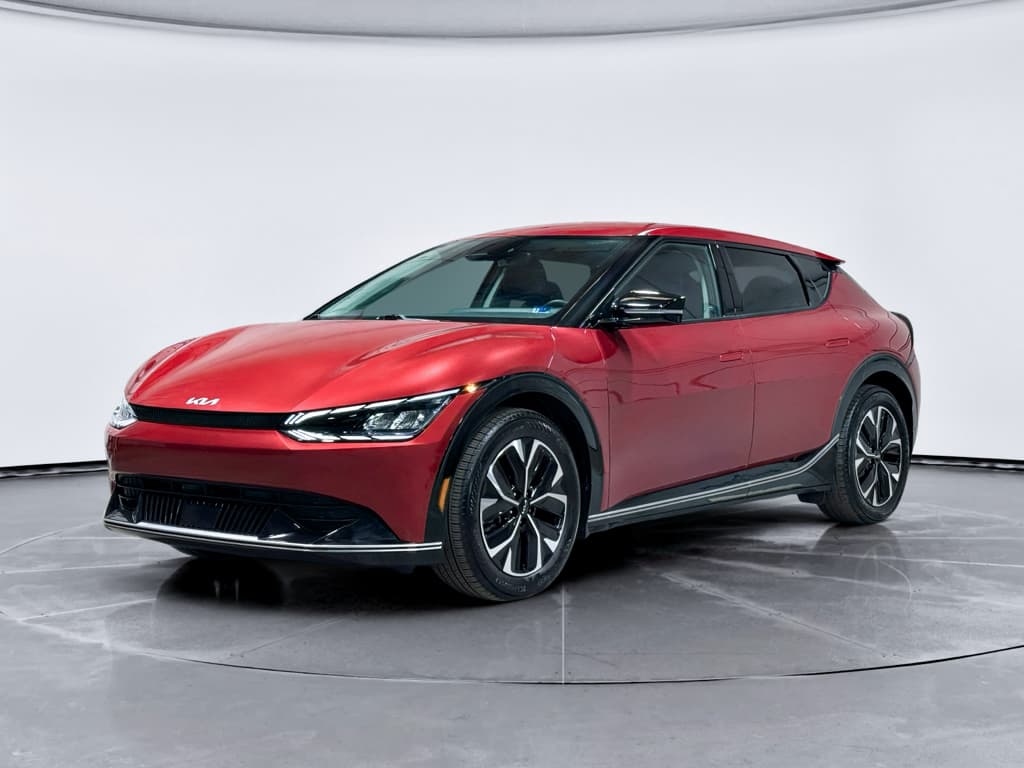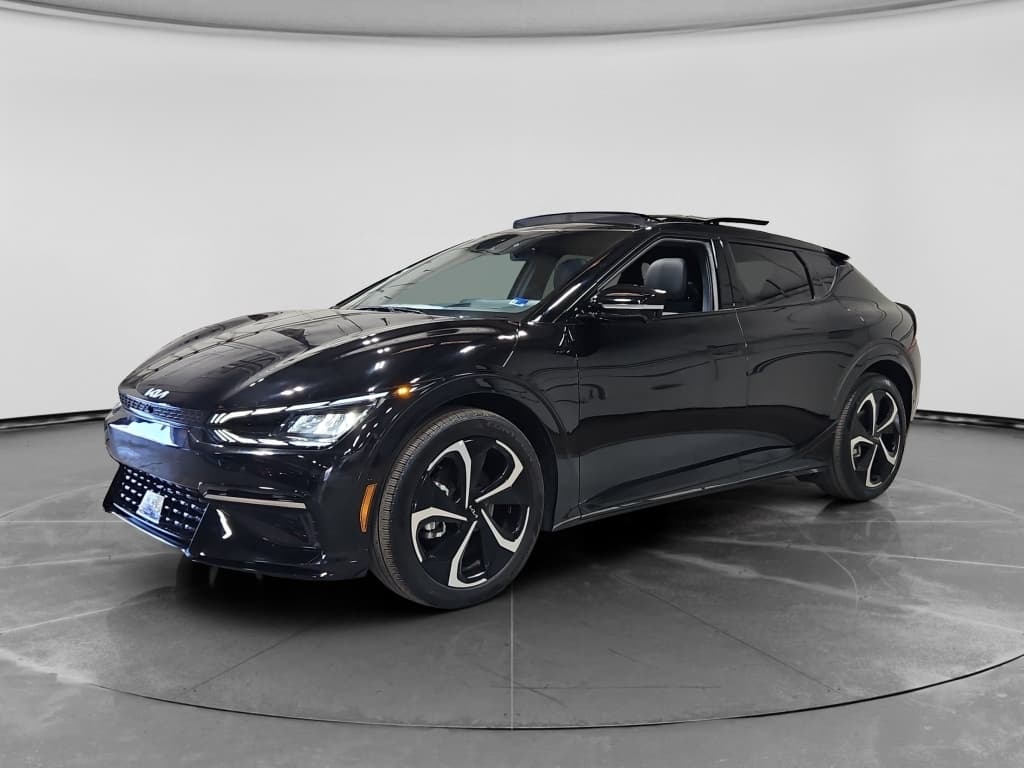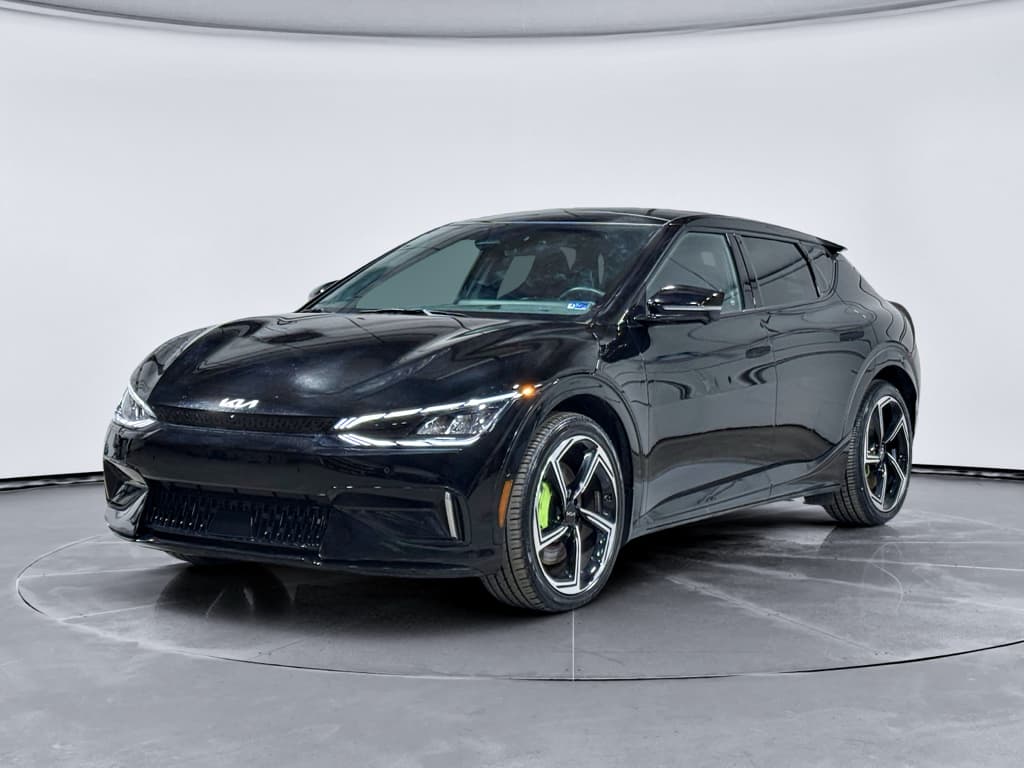
If you own or are shopping for a Kia EV6, you’ve probably heard about **recalls related to the 12‑volt battery and Integrated Charging Control Unit (ICCU)**. This guide walks through the complete Kia EV6 recalls list so far, translates each campaign into plain English, and shows you how to check any EV6 by VIN, especially important if you’re considering a used one.
Quick takeaway
Kia EV6 recalls overview (2022–2025)
The Kia EV6 is one of the most compelling mainstream EVs on the market, but like most first‑generation electric models, it hasn’t escaped **early‑production bugs and safety campaigns**. The key thing to understand is that recalls are not a verdict that the EV6 is “unsafe”; they’re a mechanism for forcing the manufacturer to fix known defects at no cost to you.
Kia EV6 recall landscape at a glance
Most of the media coverage has focused on the **risk of sudden loss of drive power** if the ICCU stops properly charging the 12‑volt battery. That’s serious, losing propulsion at highway speed is exactly the kind of scenario NHTSA takes interest in, but it’s also *fixable* when you know which campaigns apply to your car.
Major Kia EV6 recall campaigns explained
Here’s a simplified Kia EV6 recalls list for U.S. vehicles as of early 2026. Exact applicability depends on your VIN and build date, so always confirm through NHTSA or a Kia dealer.
Key U.S. Kia EV6 recall campaigns
High‑level view of the major EV6 recall actions owners and shoppers should know about.
| NHTSA campaign | Kia campaign ID | Model years | Component / issue | Main risk | Remedy summary |
|---|---|---|---|---|---|
| 24V200000 | SC302 | 2022–2024 | ICCU / 12‑volt battery charging | Possible sudden loss of drive power if 12‑volt battery is not charged | Inspect ICCU and fuse, replace parts as needed, update software |
| 24V867000 | SC327 | 2022–2024 | Expanded ICCU / 12‑volt issue | Same underlying defect on additional vehicles beyond original scope | Same remedy as SC302; supersedes earlier repair on affected VINs |
Always check your individual VIN, this table is a guide, not a substitute for an official lookup.
Important nuance
Outside of these electrical recalls, the EV6 has not seen the kind of multi‑system recall barrage you might associate with some older Hyundai–Kia products. The story here isn’t that the whole vehicle is problematic, it’s that **one critical subsystem (the ICCU and 12‑volt charging)** has caused outsized headaches and now sits at the center of the recalls list.
The ICCU / 12‑volt battery recall in detail
Every EV has a big high‑voltage pack plus a smaller 12‑volt battery that runs accessories, computers, and safety systems. In the EV6, the **Integrated Charging Control Unit (ICCU)** manages how the high‑voltage pack keeps that 12‑volt battery topped up. When the ICCU misbehaves, the 12‑volt battery can slowly die, even if the main pack is nearly full.
What goes wrong
- ICCU damage over time from voltage spikes and thermal cycling.
- 12‑volt battery stops charging properly, sometimes repeatedly.
- Car may show warnings like “Check electric vehicle system” or a yellow 12‑volt icon.
- In some cases, the EV6 can lose drive power and coast to a stop.
Why NHTSA called it a safety defect
- Sudden loss of propulsion at highway speed can increase crash risk.
- Drivers have reported being stranded in traffic or unable to shift into neutral.
- A completely dead 12‑volt battery can even make it hard to unlock or move the car for towing.
- Because this can happen without much warning, it qualifies as a safety‑critical defect.
Owner checklist after ICCU recall
Kia’s official recall remedy is to **inspect the ICCU and its high‑current fuse, replace components if needed, and update software** so the system is less vulnerable to voltage spikes. In practice, some owners have reported long wait times for parts and repeat failures after an initial software‑only visit, which is why you’ll see EV6 forums filled with ICCU talk.
How to check your Kia EV6 for open recalls by VIN
Because recall eligibility is **VIN‑specific**, the only trustworthy way to know if a recall applies, and whether it’s already been fixed, is to run a VIN check. Fortunately, you have multiple free options.
Step‑by‑step: checking an EV6 for open recalls
1. Locate your 17‑digit VIN
You’ll find it on the driver’s door jamb sticker, the base of the windshield (driver’s side), in your registration/insurance, or inside the Kia Access app.
2. Search NHTSA’s VIN recall tool
Go to the NHTSA recall lookup site and enter the VIN. This will show all <strong>federal safety recalls</strong> (open or completed) specific to that vehicle.
3. Cross‑check with Kia’s website
Kia also offers a VIN recall lookup on its U.S. owner portal. This can sometimes surface brand campaigns or timing details sooner than generic tools.
4. Call a Kia dealer’s service department
Give them your VIN and ask: “Are there any <strong>open recalls, service campaigns, or stop‑drive/stop‑sale notices</strong> on this EV6?” Ask them to read the campaign IDs back to you.
5. Save screenshots or PDFs
If you’re buying or selling, keep documentation of a clean recall check or completed repairs. It’s useful for resale and for building a clear paper trail.
How Recharged handles VIN checks
Buying a used Kia EV6? Recall checks that matter
If you’re evaluating a used EV6, the ICCU recall isn’t something to panic about, but it *is* something to **treat as a due‑diligence item**, the same way you would look at crash history or tire wear.
Used Kia EV6 recall due‑diligence checklist
Key questions to ask the seller or dealer before you commit
Has the ICCU recall been completed?
Ask specifically about campaigns SC302 and SC327 and request service records or a dealer printout showing “recall closed.”
Any history of 12‑volt failures?
Multiple 12‑volt battery replacements in a short period can signal unresolved charging issues or a weak ICCU module.
What other warranty work?
A thick folder of failed components is a red flag. A single ICCU repair that’s held steady for many miles is less concerning.
Don’t rely on Carfax alone
At Recharged, an EV6 with an **open safety recall** doesn’t get treated as “just another used car.” We either coordinate the repair with an authorized Kia dealer before listing, or we disclose the status clearly and price the car accordingly, backed by a **Recharged Score Report** that details battery health, software status, and known campaigns.
Real‑world symptoms and red flags EV6 owners report
Recall summaries can sound abstract, so it’s worth looking at how ICCU/12‑volt issues actually show up in daily driving. Many owner complaints follow a similar pattern.
- Intermittent yellow 12‑volt battery warning light while driving, with no obvious cause.
- Messages like “Check electric vehicle system”, “Power limited”, or “Stop vehicle and check power supply”.
- Car refusing to shift into drive or neutral, even though the traction battery shows plenty of range.
- Vehicle “bricking” in a driveway or parking lot and needing a tow to the dealer.
- Multiple 12‑volt battery replacements over a short time, occasionally with no clear root cause explained to the owner.
When to stop driving immediately
None of these symptoms automatically mean your car is “bad” or destined for the scrapyard. But they do mean the **ICCU system deserves a thorough, recall‑informed inspection**, and you should push for clear answers from the service department rather than settling for repeated 12‑volt swaps.
Recalls vs. warranty repairs vs. service campaigns
Kia EV6 owners often hear a mix of terms, recall, service campaign, TSB, warranty repair, and it’s not always clear what’s what. Understanding the differences helps you interpret your EV’s history and advocate for the right repairs.
Safety recall
- Ordered under federal rules when a safety defect is identified.
- Repairs must be performed for free, even out of warranty.
- Shows up in NHTSA’s VIN recall tool and Kia’s recall lookup.
Service campaign
- Manufacturer‑initiated program to fix a defect or improve durability.
- May not be legally classified as a “recall,” but is still important.
- Often VIN‑specific and time‑limited; details live with dealers.
Warranty / TSB repair
- Covered work when something fails within warranty.
- Guided by Technical Service Bulletins (TSBs) that describe known patterns.
- Doesn’t necessarily indicate a safety defect, but can impact reliability.
Why this matters for EV6 shoppers
Where and how Kia EV6 recall work is done
Only **authorized Kia dealers** can perform official recall repairs on the EV6 and report them back to the manufacturer and NHTSA. Independent shops can be great for wear items like tires, but they won’t close out a recall in the system.
What to expect at a Kia dealer for an EV6 recall
Recall diagnosis and confirmation
The dealer plugs into Kia’s system using your VIN to confirm which recalls and campaigns are open and what parts or software updates are required.
Software updates and hardware checks
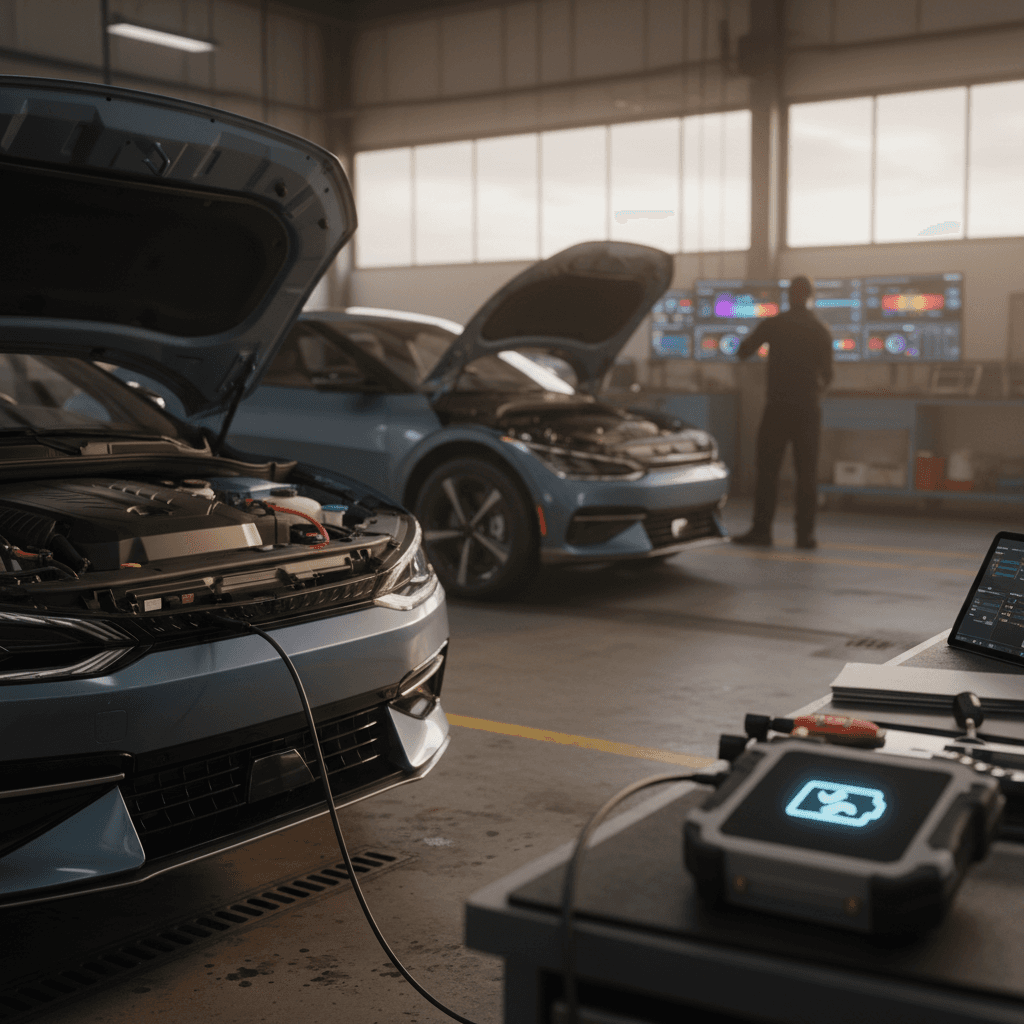
For the ICCU recall, technicians apply updated software and then inspect, test, and potentially replace the ICCU module and related fuses or wiring.
Parts availability and wait times
Because EV6 ICCU demand has been high at times, some owners have faced multi‑week waits for parts. Ask proactively about availability and get everything in writing.
Loaner or rental arrangements
If your EV6 is unsafe or undriveable due to a recall, ask the dealer what loaner or rental support Kia is offering under current policies.
Bring documentation
How Recharged evaluates and represents recalled EV6s
From a used‑EV marketplace perspective, the EV6’s recall history is a reality to manage, not a deal‑breaker. At Recharged, we treat any EV6 with ICCU history as a **known risk that can be measured, documented, and priced appropriately**, rather than something to hand‑wave away.
What Recharged does before listing a used Kia EV6
Beyond a standard Carfax and quick test drive
Deep VIN & campaign research
We pull recall and service campaign data, confirm NHTSA campaigns like 24V200000 and 24V867000, and check for brand‑specific actions related to the ICCU and 12‑volt system.
Battery & charging health diagnostics
Every EV6 gets a Recharged Score Report with verified high‑voltage battery health, charging behavior, and any signs that might correlate with ICCU or 12‑volt issues.
Transparent condition reporting
If an EV6 has had ICCU repairs or repeated 12‑volt concerns, that story appears in our listing and documentation, along with what’s been done to resolve it.
Support from search to delivery
Whether you’re trading in, selling, or buying a used EV6 through Recharged, our EV‑specialist team helps you interpret recall history and arranges any needed dealer work, plus nationwide delivery.
Ready to find your next EV?
Browse VehiclesThe bottom line: the Kia EV6’s recalls list is dominated by one big electrical campaign, not a laundry list of unrelated problems. If you verify that the ICCU recall has been properly completed, watch for lingering 12‑volt symptoms, and work with a seller who takes transparency seriously, the EV6 can still be a smart, future‑proof EV purchase. And if you’d rather not decode recall jargon on your own, Recharged is built to do that homework for you.