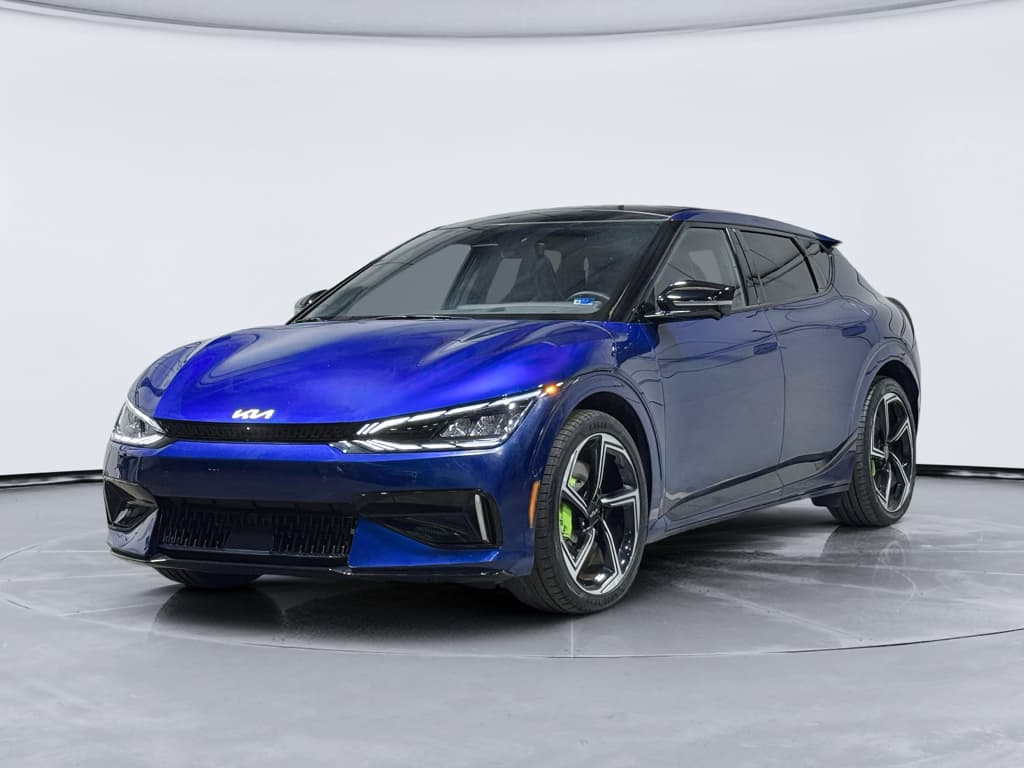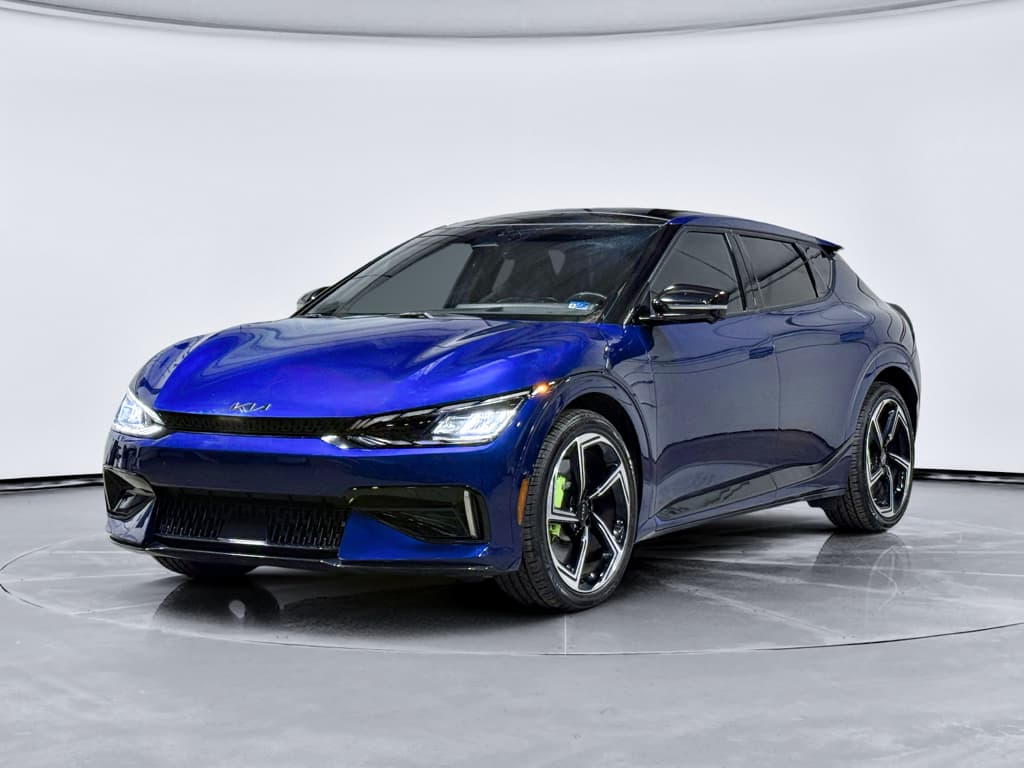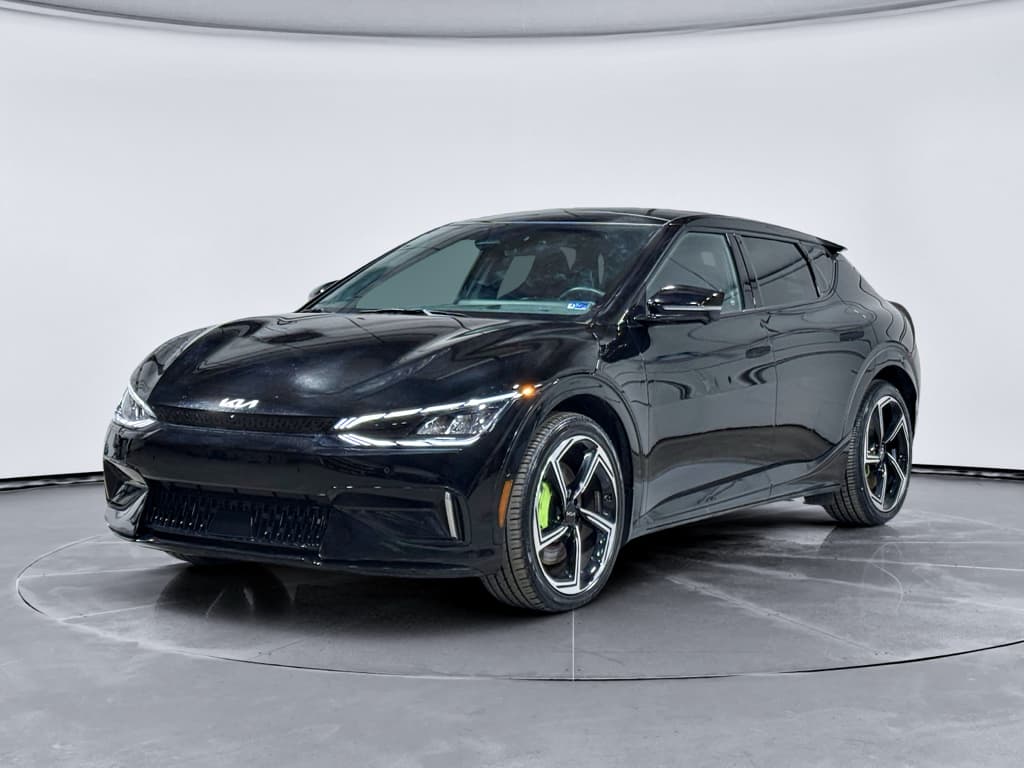
If you’re considering a Kia EV6, new or used, you’re probably trying to nail down the real monthly cost, and insurance is a big piece of that puzzle. EV coverage has been a moving target the last few years, so understanding typical Kia EV6 insurance cost ranges in 2025 will help you set a realistic budget and avoid surprises at renewal.
Quick snapshot
Kia EV6 insurance cost overview for 2025
How Kia EV6 insurance compares in 2025
There isn’t a single published nationwide “Kia EV6 average” yet, but you can reasonably expect a full‑coverage premium somewhere in the low‑$2,000s per year if you have a clean driving record and live in a mid‑priced state. In high‑cost states like New York, Florida, or California, seeing quotes in the upper end of the $2,000s, or even higher, isn’t unusual. Conversely, drivers in lower‑cost states with excellent records can land under $2,000.
Your rate can easily be an outlier
How much should you budget to insure a Kia EV6?
Sample Kia EV6 insurance cost scenarios
These examples assume full‑coverage insurance with typical limits for a U.S. driver in 2025. They’re estimates, not quotes.
| Driver profile & location | Vehicle & usage | Rough annual premium | Approx. monthly cost |
|---|---|---|---|
| Clean record, age 40, low‑cost state (e.g., Idaho) | 2023 Kia EV6 Wind RWD, 10,000 mi/yr, personal use only | $1,600–$1,900 | $135–$160 |
| Clean record, age 35, average‑cost state (e.g., Virginia) | 2024 Kia EV6 Wind AWD, 12,000 mi/yr, commute + errands | $2,000–$2,400 | $165–$200 |
| Clean record, age 30, high‑cost state (e.g., Florida) | 2024 Kia EV6 GT‑Line AWD, 12,000 mi/yr, urban area | $2,600–$3,200 | $215–$265 |
| Young driver, age 23, average‑cost state | 2022 Kia EV6 Light RWD, 10,000 mi/yr, added to family policy | $2,800–$3,600 | $235–$300 |
Use these illustrations as planning tools, then get real quotes for your location and driving profile.
The key takeaway: if you’re building a working budget, planning for $170–$220 per month for full‑coverage Kia EV6 insurance will put most drivers in a realistic zone. If you’re a younger driver, live in a high‑cost state, or have tickets, pad that number upward. If you’re older with a spotless record in a low‑cost state, you may land below it.
Why Kia EV6 insurance costs differ from gas SUVs
Why EVs often cost more to insure
- Higher repair costs: EVs pack dense electronics and large battery packs. Body shops need specialized training and equipment, which raises labor rates.
- Expensive parts: Sensors, cameras and battery components cost more than many parts on a traditional gas SUV.
- Limited repair networks: Fewer EV‑certified shops in some regions means insurers may pay higher rates and towing costs.
Why the Kia EV6 isn’t at the extreme end
- Mainstream pricing: The EV6 is priced below many luxury EVs that carry sky‑high insurance.
- Strong safety ratings: Good crash performance and advanced driver‑assistance features reduce some loss‑severity risk.
- Growing parts availability: As more EV6s hit U.S. roads, parts and expertise become easier to find, which can help stabilize premiums.
Industry data still shows EV insurance averaging noticeably higher than for internal‑combustion vehicles, largely because of those repair‑cost dynamics. But as more mainstream EVs like the Kia EV6 enter the used market and repair networks mature, insurers are slowly adjusting. That’s one reason premiums in 2025 look more manageable than the sharp spikes many early EV adopters saw in 2021–2023.
How the EV6 stacks up
9 factors that shape your Kia EV6 insurance rate
What insurers really look at with a Kia EV6
1. Your garaging ZIP code
Where your EV6 spends the night drives a huge portion of your premium. High‑traffic, high‑theft and severe‑weather areas command higher rates, regardless of the car.
2. Driving record and experience
A clean record with several years of licensed experience unlocks the best pricing. At‑fault crashes, DUIs and multiple tickets can push an EV6 quote up sharply.
3. Annual mileage and usage
Insurers ask how many miles you drive and whether it’s mostly commuting, rideshare, or personal use. The more time your Kia EV6 is on the road, the more exposure they’re pricing in.
4. Coverage limits and deductibles
Choosing higher liability limits and lower deductibles protects you better but raises your premium. Very low limits or high deductibles do the opposite but increase your financial risk.
5. Trim level and MSRP
An EV6 GT‑Line or GT AWD with more performance hardware and higher replacement value will almost always cost more to insure than a base Light or Wind trim.
6. Safety and anti‑theft features
Advanced driver‑assistance systems, multiple airbags and strong crash scores help. Insurers may also factor in alarm systems, immobilizers and tracking tech when available.
7. Credit‑based insurance scores (in many states)
In most U.S. states, insurers can consider a credit‑based insurance score. Strong scores often mean lower premiums, while weaker scores can significantly raise them.
8. Prior insurance history
Lapses in coverage, frequent carrier switches, or being uninsured for stretches of time can flag you as higher risk, even if your record is otherwise clean.
9. Optional add‑ons you choose
Roadside assistance, rental reimbursement, gap coverage and new‑car replacement are helpful, but each adds cost. On a newer EV6 with a loan, some of these are worth serious consideration.
State rules matter
Trims, mileage and coverage: how they change the bill
How different EV6 setups can change your premium
Same driver, different Kia EV6 choices = different insurance bills.
EV6 Light / Wind RWD
What insurers see:
- Lower starting MSRP
- Less power than GT trims
- Still comes with modern safety tech
Premium impact: Often the most affordable EV6 trims to insure, especially in suburban areas with moderate traffic.
EV6 Wind / GT‑Line AWD
What insurers see:
- Higher vehicle value
- More performance and equipment
- Popular for families and commuters
Premium impact: Expect a modest bump vs. RWD models, but still reasonable compared with performance‑oriented EVs.
EV6 GT (performance)
What insurers see:
- High horsepower output
- More expensive components
- Sport‑oriented buyer profile
Premium impact: Tends to sit at the top of the EV6 range. If you’re young or have tickets, the GT can be noticeably pricier to insure.
Mileage and coverage choices matter just as much as trim. A low‑mileage EV6 kept for weekend driving might qualify for usage‑based or pleasure‑use discounts, while a long‑commute GT‑Line driven daily on congested highways will look riskier. And if you’re financing or leasing your EV6, the lender will typically require full coverage, which is significantly more expensive than state‑minimum liability only.
Pair insurance choices with how you actually use the EV6
8 ways to lower your Kia EV6 insurance cost
- Shop at least three carriers before you buy or renew, insurers price EVs very differently right now.
- Ask specifically how each carrier treats electric vehicles and EV‑specific repairs in their rating formulas.
- Increase your comprehensive and collision deductibles to $500–$1,000 if you have the savings to handle a claim.
- Bundle the EV6 with a homeowners or renters policy to unlock multi‑policy discounts.
- Opt into telematics or usage‑based programs if you’re a smooth, low‑mileage driver; EVs often test well here because of regenerative braking and one‑pedal driving.
- Take advantage of good‑driver, good‑student and defensive‑driving‑course discounts where available.
- Avoid unnecessary claims; paying small repairs out of pocket can protect your discount and long‑term pricing.
- Review your coverage every 12 months, especially as the EV6 ages and its value declines, to adjust deductibles and optional coverages.
Use the EV’s tech to your advantage
Insuring a used Kia EV6: what’s different
If you’re eyeing a used Kia EV6, the insurance conversation shifts slightly. The vehicle’s market value is lower than a brand‑new EV6, which can bring comprehensive and collision costs down over time. But your premium still heavily depends on your own risk profile and the factors we covered earlier.
What usually gets cheaper with age
- Physical damage coverage: As the EV6 depreciates, the maximum the insurer might have to pay for a total loss shrinks, easing that part of the premium.
- Financing requirements: Once you’ve paid off a loan, you have more freedom to adjust deductibles or even drop some coverages on older vehicles.
What doesn’t change much
- Your record and location: Tickets, at‑fault accidents and ZIP code risks matter just as much on a used EV6 as on a new one.
- Core EV repair costs: High‑voltage components, sensors and calibration work still require specialized labor, even on a three‑year‑old EV6.
How Recharged fits in
Where EV6 insurance fits in total ownership cost
Insurance is one slice of the EV6 ownership pie. You’ll still have a loan or lease payment, charging costs instead of gasoline, registration and taxes, and occasional maintenance like tires and brake fluid. The good news: for many households, lower fuel and routine‑maintenance costs can help offset somewhat higher insurance, especially over several years of ownership.
Putting Kia EV6 insurance in context
Rough annual cost buckets for a typical EV6 owner in 2025 (illustrative only).
Recurring annual costs
- Insurance: Often $2,000–$2,600 for full coverage
- Charging: Depends on home vs. public use; many drivers spend less than they did on fuel
- Maintenance: Lower than many gas SUVs, no oil changes, fewer wear items
Up‑front and periodic costs
- Sales tax & fees: Paid when you buy, vary by state
- Home charging setup: A Level 2 charger or outlet, if needed
- Tires: EV torque and weight mean you’ll eventually budget for quality replacements
Run the full budget before you commit
Kia EV6 insurance cost: FAQ
Frequently asked questions about Kia EV6 insurance costs
Bottom line: what to expect before you buy
For most drivers in 2025, a realistic Kia EV6 insurance cost target is somewhere in the low‑ to mid‑$2,000s per year for full coverage, with plenty of movement around that number based on where you live and how you drive. The EV6 won’t usually be the cheapest vehicle to insure in your driveway, but it also doesn’t sit in the ultra‑expensive tier that some luxury EVs occupy.
If you’re planning a purchase, build your budget around real quotes, not just averages, especially if you’re a younger driver or live in a high‑cost state. And if you’re leaning toward a used Kia EV6, pairing transparent battery‑health data and fair pricing from a marketplace like Recharged with smart insurance shopping can give you a clear view of your total cost of ownership before you ever plug in the car.