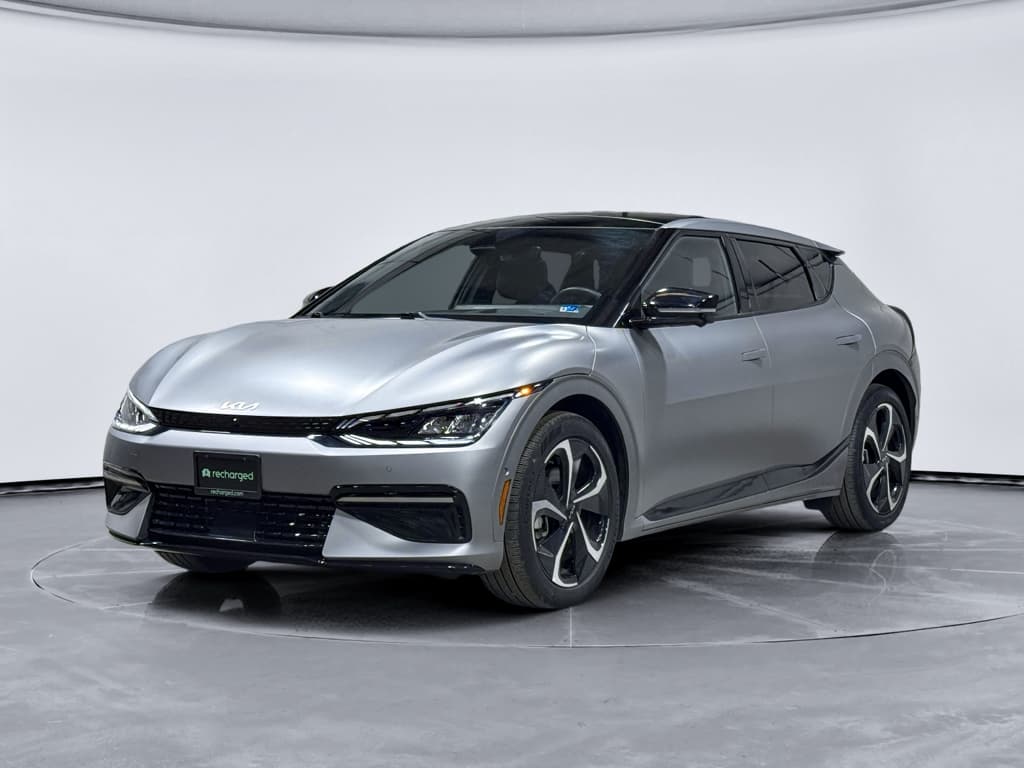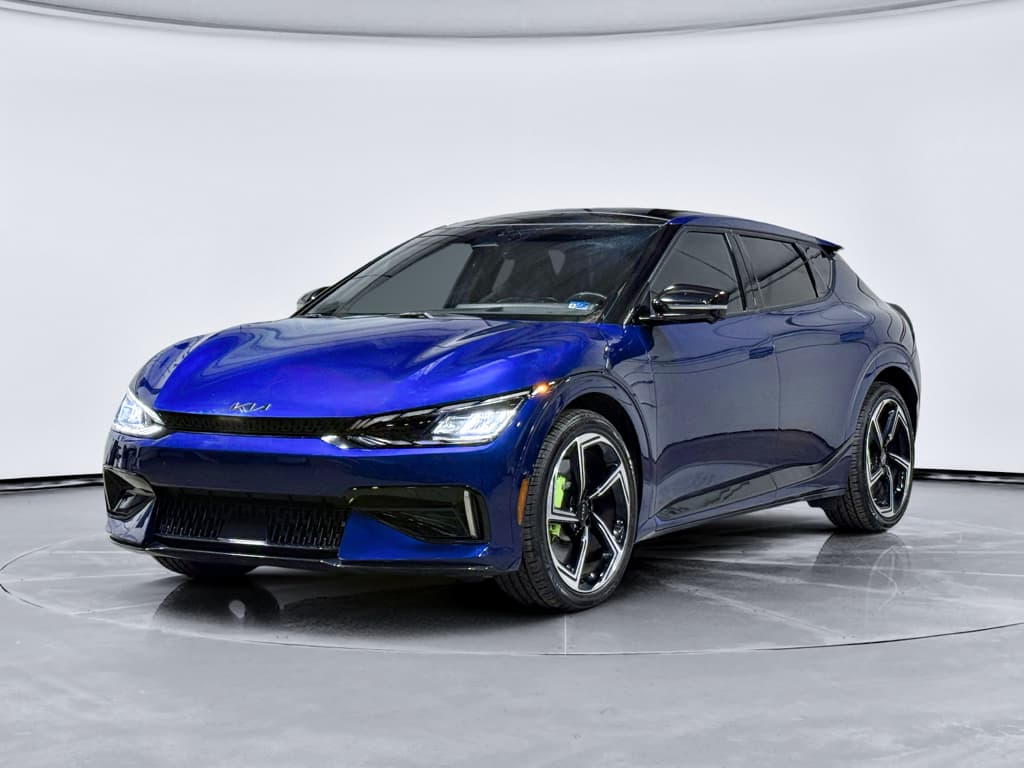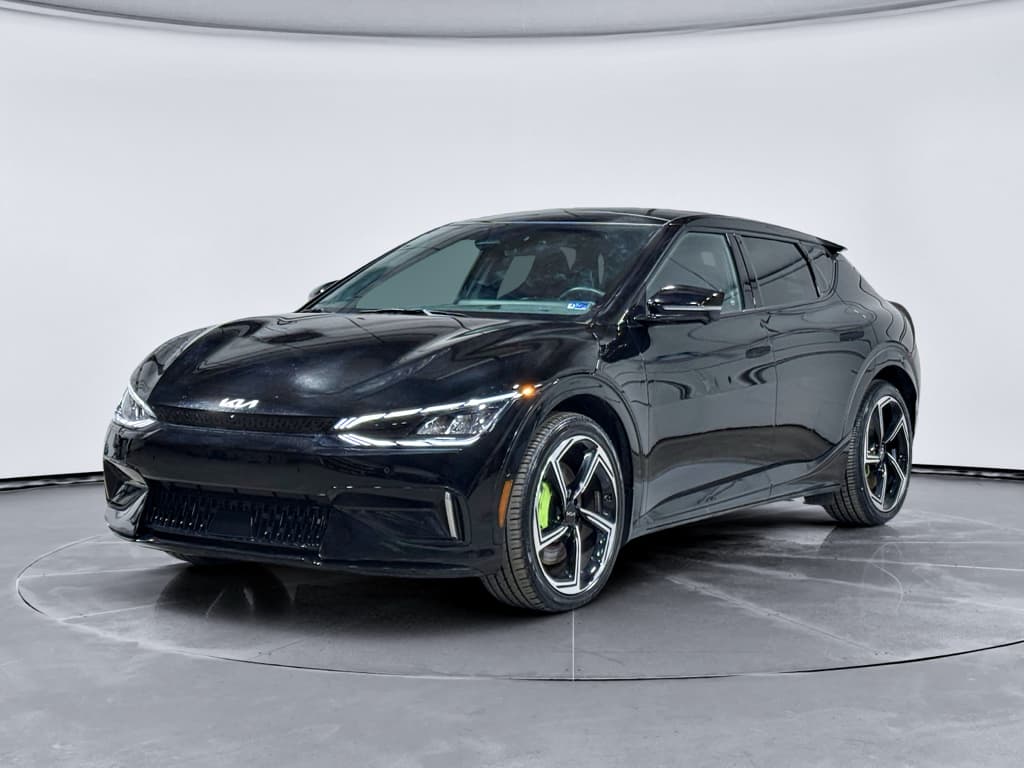
If you own or are shopping for a Kia EV6, you’ve almost certainly heard about the ICCU recall and owners dealing with sudden power loss, “Stop vehicle and check power supply” messages, and long waits for parts. This guide walks through what the Kia EV6 ICCU recall fix actually does, how effective it appears to be in 2026, and how to protect yourself, especially if you’re looking at a used EV6.
Quick context
What is the ICCU on the Kia EV6?
The Integrated Charging Control Unit (ICCU) is a key power-electronics module on the Kia EV6 and other Hyundai–Kia E‑GMP EVs. In plain language, it’s the box that manages how energy flows between the high-voltage battery, the 12‑volt system, and the outside world when you AC charge.
- Converts AC power from Level 1 or Level 2 charging into DC power to charge the high‑voltage battery.
- Steps down high‑voltage battery power to keep the 12‑volt battery charged while you drive or charge.
- Coordinates with the onboard charger, battery management system (BMS), and thermal management system.
- Supports vehicle-to-load (V2L) functionality by managing power output to external devices.
When the ICCU is healthy, you never think about it. When it’s not, your EV6 can lose the ability to charge properly, stop maintaining the 12‑volt battery, and eventually enter limp mode or shut down completely.
Why ICCU failures matter
What the Kia EV6 ICCU recall does, and doesn’t, do
Kia’s ICCU recall for the EV6 was launched after field data showed that thermal and electrical stress during AC charging could damage internal components of the ICCU and an associated high‑voltage fuse. The recall covers tens of thousands of EV6s and related models built over multiple years.
ICCU recall: scope vs. limits
Understanding what Kia is promising, and what remains uncertain
What the recall is supposed to fix
- Updates ICCU software logic to limit damaging current/thermal spikes during AC charging.
- Inspects the ICCU and high‑voltage fuse for signs of damage.
- Replaces the ICCU assembly and/or fuse if damage is found.
- Performs the work at no charge to you, as a safety recall.
What it doesn’t guarantee
- It doesn’t promise that ICCUs will never fail again, some owners report repeat failures even after updates.
- It doesn’t automatically replace every ICCU; some cars only get a software update if no damage is detected.
- It doesn’t extend the basic warranty, though EV powertrain components like the ICCU are typically covered under the high‑voltage warranty.
Check your VIN
Common symptoms of ICCU problems on the EV6
Most EV6 owners who run into ICCU issues see a similar pattern of symptoms. Knowing them can help you catch a problem early, and document it clearly with your dealer.
Watch for these ICCU warning signs
1. “Stop vehicle and check power supply”
This is the big red flag. Drivers often see this message along with “Check electric vehicle system” and a suggestion to safely pull over. The car may enter limp mode with sharply reduced power before shutting down.
2. Sudden 12‑volt battery drain
Because the ICCU manages charging of the 12‑volt battery, a failing unit can leave you with repeated dead‑battery situations, especially after parking for several hours or using remote climate preconditioning.
3. Inability to fast charge or AC charge
Some owners report that DC fast charging still works while AC charging fails, or vice versa. Others see error messages at public stations or find that charging stops shortly after it starts.
4. Clicking relays and high‑voltage warnings
Repeated relay clicking, odd whines from under the car during charging, or persistent high‑voltage system warnings can indicate that the ICCU or its fuse is not behaving normally.
5. Car won’t shift or power up
In severe cases, the EV6 may refuse to shift out of Park or fully power up, even after a 12‑volt jump. This often points to a deeper high‑voltage power electronics problem, including a failed ICCU.
Safety first if warnings appear
How the ICCU recall fix is performed
The exact recall procedure can vary by VIN and what the technician finds, but for most Kia EV6 owners the ICCU recall fix follows a predictable sequence. Expect to leave the car with the dealer for at least part of a day; if your ICCU is already failing, it can be much longer if parts are back‑ordered.
Typical Kia EV6 ICCU recall process
What usually happens when you bring an EV6 in for the ICCU recall.
| Step | What the dealer does | What you should do |
|---|---|---|
| 1. Intake & scan | Verify recall status, pull diagnostic codes, check for ICCU‑related faults. | Describe any warnings you’ve seen and roughly when they occurred. |
| 2. Visual inspection | Inspect ICCU, wiring, and high‑voltage fuse for discoloration or damage. | Ask if any components show heat damage or corrosion. |
| 3. Software update | Apply updated ICCU and related control logic using Kia’s diagnostic tool. | Confirm which software version or campaign ID was installed. |
| 4. ICCU/fuse replacement (if needed) | If damage is found, replace the ICCU assembly and/or high‑voltage fuse, then re‑test. | Ask whether your car received just software or both software and new hardware. |
| 5. Road test & final scan | Technician road‑tests the car, verifies charging behavior, clears old codes. | Test both home charging and DC fast charging yourself within a few days. |
Always ask your dealer to print the repair order and campaign codes so you have a paper trail.
Ask for documentation
Is the Kia EV6 ICCU recall fix actually working?
By early 2026, the uncomfortable truth is that the ICCU story isn’t over. Consumer surveys and owner forums still show ICCU‑related failures on Hyundai–Kia E‑GMP EVs, including the EV6, even after software updates and some hardware replacements.
What we’re seeing in the field
When the fix seems to work
Many EV6 drivers have the recall performed and never think about it again. Their cars charge normally on Level 2 at home, DC fast charging remains strong, and they don’t see warning lights. For these owners, the recall may have caught a problem early or prevented it entirely.
When problems keep coming back
Other owners report ICCU failures months after the recall update, or repeated failures that require multiple ICCU replacements. In these cases it’s hard to know whether the original hardware was already damaged, whether the new ICCU has the same vulnerabilities, or whether usage patterns (heavy fast‑charging, extreme climates) play a role.
Treat the recall as risk reduction, not a silver bullet
What to do if your EV6 ICCU fails, before or after the fix
If you’re unlucky enough to see ICCU‑type warnings on your Kia EV6, how you respond can make a big difference in downtime, repair costs, and even safety. Here’s a playbook you can follow.
Step‑by‑step playbook for ICCU failures
1. Capture evidence immediately
Take clear photos or video of any warning messages, the instrument cluster, and behavior (reduced power, inability to shift, charging errors). This evidence can help the dealer and may matter in warranty disputes.
2. Don’t keep driving in limp mode
If the car warns you to stop, pull over when it’s safe. Continuing to drive on a compromised high‑voltage system can worsen damage and increase safety risks.
3. Arrange a proper tow
Use Kia roadside assistance or a tow service that understands EVs. Make sure they know the car may not go into Neutral and may need dollies or a flatbed.
4. Be explicit with the dealer
Tell the service advisor you suspect an ICCU issue and that there is an active or completed ICCU recall on the car. Ask them to log this on the repair order and to check for related fault codes and TSBs.
5. Ask about parts availability and loaners
ICCU parts can be on national back‑order. Ask for a realistic ETA, and request a loaner or rental assistance if your car will be down for more than a few days.
6. Escalate if necessary
If you face repeated failures, long delays, or pushback on warranty coverage, escalate through Kia’s customer-care line, your state’s lemon‑law process, or a third‑party mediator.
Where a used‑EV specialist helps
Ready to find your next EV?
Browse VehiclesBuying a used Kia EV6 with the ICCU recall in mind
For used‑EV shoppers, the ICCU situation raises a fair question: is it smart to buy a used Kia EV6 at all? The answer depends less on panic and more on how carefully you verify the car’s history, repairs, and current health.
Key checks before you buy a used EV6
Don’t skip these questions and inspections
1. Recall & service history
- Verify that the ICCU recall campaign is marked as completed for this VIN.
- Check whether the car received only a software update or also a new ICCU and high‑voltage fuse.
- Look for any past ICCU or high‑voltage system repairs in the service history.
2. Real‑world charging test
- Before purchase, plug into a Level 2 charger and confirm charging starts and stays stable.
- If possible, do a brief DC fast‑charge test to check for errors or sudden charge‑rate drops.
3. Warranty & risk tolerance
- Confirm how much of the original EV system warranty remains in years and miles.
- Ask yourself how comfortable you are with potential downtime if an ICCU issue appears.
How Recharged approaches used EV6s
If you’re buying privately or from a non‑EV‑specialist dealer, you may need to recreate this diligence yourself, by pulling service records, doing your own charging tests, and having a shop with EV experience run a pre‑purchase inspection.
Maintenance habits that may reduce ICCU stress
Owners understandably want to know if driving or charging habits can help prevent another ICCU failure. No set of habits can guarantee you’ll never see a problem, but you can make choices that are electrically kinder to the system.
- Avoid leaving the car at very high or very low state of charge (near 100% or 0%) for long stretches, especially in extreme heat or cold.
- When practical, favor moderate Level 2 charging over a pattern of frequent short, high‑power sessions on public fast chargers.
- If you notice odd clicking, whines, or intermittent charging errors, don’t ignore them, schedule service while the car is still drivable.
- Keep your 12‑volt battery in good shape; a weak 12‑volt system can complicate diagnosis when ICCU problems appear.
- Stay current on software updates beyond the recall itself, as later tweaks can further refine charging and thermal behavior.
Use scheduling and limits
FAQ: Kia EV6 ICCU recall fix
Frequently asked questions about the EV6 ICCU recall
Bottom line on the Kia EV6 ICCU recall fix
The Kia EV6 ICCU recall fix is an important step toward making one of the most compelling mainstream EVs more dependable, but it’s not a magic wand. Updated software and, when needed, new hardware clearly help, yet field data still shows that ICCU‑related issues haven’t vanished from the Hyundai–Kia ecosystem.
If you already own an EV6, make sure the recall has been completed, keep detailed records, and respond quickly to any new warnings. If you’re considering a used EV6, focus on documentation, diagnostics, and warranty coverage rather than headlines alone. Done right, you can enjoy the EV6’s strengths, fast charging, distinctive design, and strong performance, while managing the real but manageable ICCU risk.
And if you’d rather not navigate this alone, working with an EV‑specialist retailer like Recharged gives you access to battery‑health reports, verified service histories, and experts who live and breathe issues like the EV6 ICCU recall fix every day.