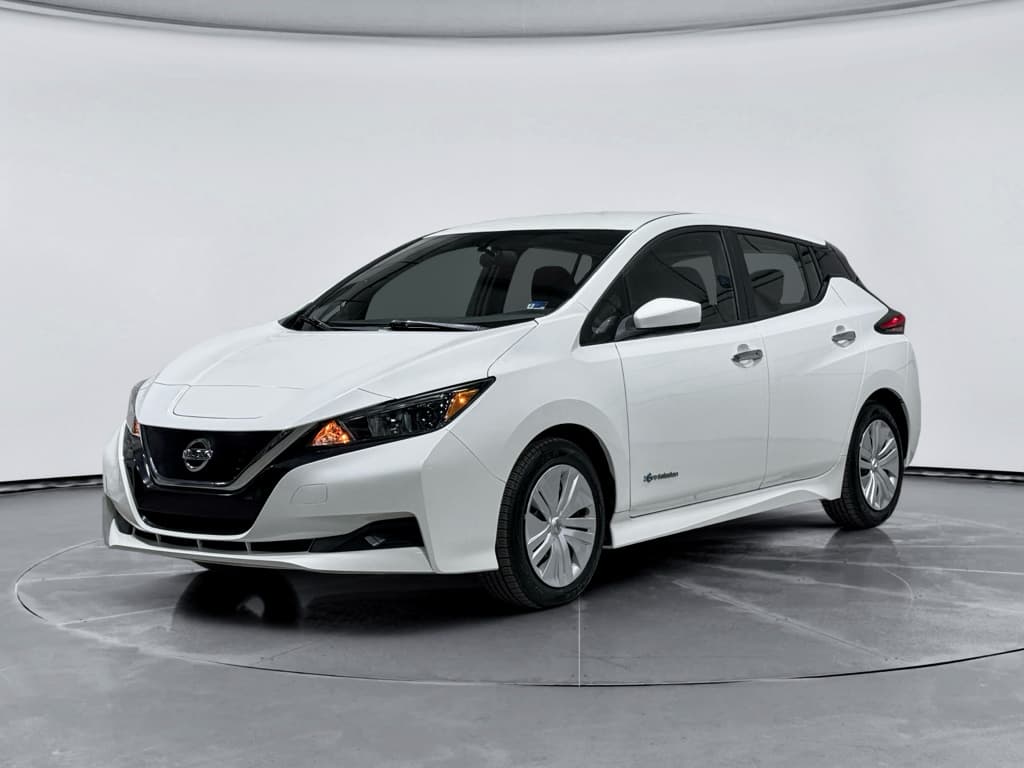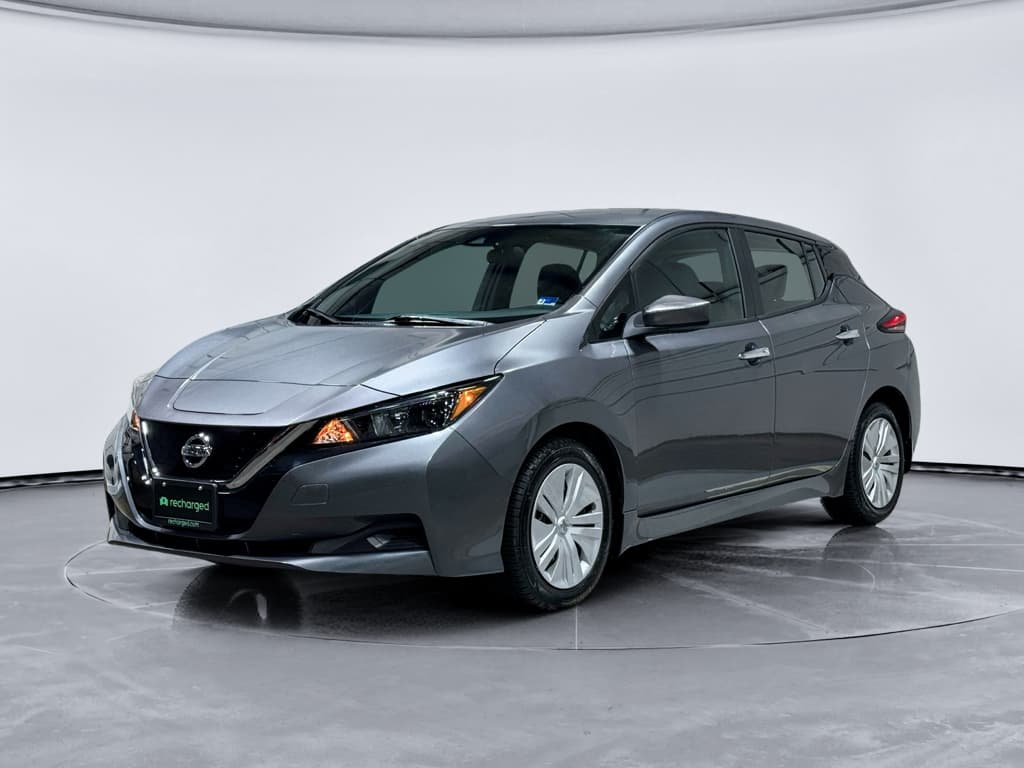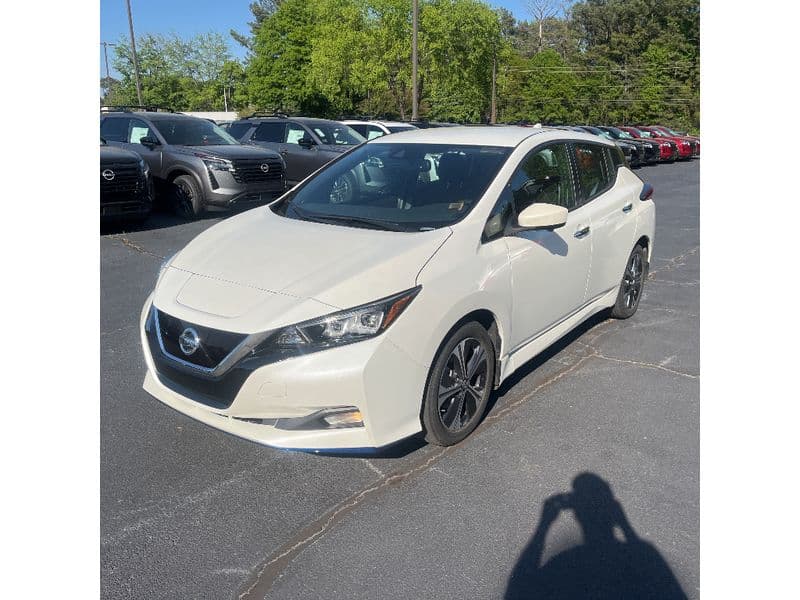
If you’re eyeing a used EV, a 2020 Nissan Leaf can look like a bargain, quiet, practical, and usually thousands less than a comparable Tesla or Hyundai. But before you sign anything, it’s smart to understand the *real* 2020 Nissan Leaf problems owners are reporting, especially around the battery, charging, and recent recalls.
Where the 2020 Leaf fits in
Quick take: Is the 2020 Leaf a bad car?
Why people like the 2020 Leaf
- Smooth, quiet city driving and easy parking.
- Reasonable real‑world range for commuting, especially with the 62 kWh pack.
- Often much cheaper than rival EVs on the used market.
- Simple controls and a familiar hatchback format.
Where problems show up
- Growing reports of battery-module failures, especially on 40 kWh packs.
- Battery range loss and odd state‑of‑charge swings on both 40 and 62 kWh versions.
- Some cars affected by battery‑fire‑risk recalls related to DC fast charging.
- Annoying issues with charging, electronics, and e‑Pedal feel for some owners.
Big picture on reliability
Most common 2020 Nissan Leaf problems
Top problem categories on the 2020 Leaf
What owners and reliability data point to most often
Battery health & failures
Sudden range loss, weak cells or modules, rapid “turtle mode,” and in some cases full battery replacements on relatively low‑mileage cars.
Charging behavior
Cars that won’t DC fast charge, are picky about public stations, or show unstable state‑of‑charge readings, especially under 60%.
Driving & electronics
Odd brake feel with e‑Pedal, warnings like “Service EV system,” infotainment glitches, and random warning lights or accessory failures.
Reliability snapshot for the 2020 Nissan Leaf
Battery issues, failures and degradation
On any used EV, the high‑voltage battery is the heart of the car. With the 2020 Leaf, most serious complaints trace back to that pack, either gradual degradation or outright failures of modules inside the pack.
- Sudden, dramatic loss of usable range over a few weeks instead of gradual decline.
- Battery percentage and estimated miles jumping up and down, especially once you drop below ~60%.
- Car entering turtle mode (reduced power, 30–35 mph max) even with what looks like decent charge left.
- Repeated dealer visits where technicians replace one or more battery modules, sometimes followed by full pack replacements under warranty.
- Owners being advised to avoid DC fast charging (CHAdeMO) due to an open recall while waiting for a software fix.
40 kWh vs. 62 kWh packs
Some owners of 2020 Leafs report batteries that still feel nearly new at 30–40,000 miles. Others describe cars that, within four or five years, can barely cover 50 miles between charges and lurch from 50% to “charge now” in a single trip. In many cases, the culprit is a small number of weak cells deep in the pack, not normal wear, but a defect that triggers warranty action.
Battery-fire risk recalls
How to spot battery trouble on a test drive
Battery health red flags on a 2020 Leaf
1. Compare indicated range to spec
A 2020 Leaf with a 40 kWh pack originally offered around 149 miles of EPA range; the 62 kWh Plus models went up to about 215–226 miles. On a full charge, a severely degraded pack might show under 80–100 miles. Don’t expect brand‑new numbers, but big gaps deserve questions.
2. Watch state of charge below ~60%
Drive the car down from a full charge while watching the battery percentage and predicted miles. If they swing wildly, say 60% to 40% to 50% in minutes, the battery management system may be fighting weak cells.
3. Look for warnings and turtle mode
Ask the seller directly about messages like “Service EV System,” “No power – stop safely,” or frequent turtle‑mode episodes. If you can safely do so, note whether the car suddenly limits you to ~30 mph, even with charge remaining.
4. Ask for fast‑charge history
Frequent DC fast charging, especially in very hot climates, can stress Leaf packs more than average. You don’t need to avoid any fast charging history at all, but be cautious with cars that lived on CHAdeMO stations and show range issues.
5. Use a battery report, not just the dash
The dash’s simple “bars” and range estimate don’t tell the full story. A professional battery health report (like the Recharged Score) that reads individual cell behavior is your best protection against buying a problem pack.

Charging problems: CHAdeMO and home charging
Next up on the 2020 Nissan Leaf problem list: charging that doesn’t behave the way you expect. Some of this is down to the car’s aging CHAdeMO fast‑charging standard; some of it is software, hardware, or owner‑behavior issues.
- Leaf refusing to start a DC fast charge, even at working CHAdeMO stations.
- Home Level 2 charging cutting off early or refusing to initiate with certain wall units.
- Charge port doors or locks sticking, especially in harsh climates.
- Owner confusion about recalls that temporarily restrict fast charging until software is updated.
Understand CHAdeMO’s limitations
If you test‑drive a 2020 Leaf, ask the seller if you can plug into a nearby Level 2 station or their home charger. You’re looking for a clean start to charging, no random cut‑outs, and no warning lights. With DC fast charging, it’s harder to test on the spot, but you can still ask about past behavior and whether the recall work has been completed.
Brakes, e‑Pedal and driving-experience issues
The Leaf’s strong regenerative braking and optional e‑Pedal mode allow mostly one‑pedal driving. When everything works properly, it’s smooth and intuitive. When something’s off, you can get grabby braking, inconsistent pedal feel, or disconcerting transition between regen and friction brakes.
- Jerky or inconsistent deceleration when lifting off the accelerator in e‑Pedal mode.
- Brake noises or vibration under moderate stops, sometimes blamed on regeneration blending with physical brakes.
- Warning lights for traction control or stability control along with “Service EV System” messages.
Don’t ignore EV system warnings
Electronics and interior niggles
Beyond the big‑ticket battery and charging problems, the 2020 Leaf has a familiar set of small irritations: infotainment glitches, camera issues, and intermittent electrical accessories. On their own, they’re rarely deal‑breakers, but they can signal how carefully the car has been maintained.
- Slow or freezing infotainment screen, especially on cold mornings.
- Backup camera intermittently going black or showing error messages.
- Random warning lights for tire‑pressure monitoring, keyless entry, or other accessories.
- Squeaks, rattles, and minor water leaks around doors or hatch in wet climates.
Use this to your advantage when negotiating
Recalls affecting 2019–2020 Leaf battery safety
The 2019 and 2020 Leafs have been swept up in multi‑year recall campaigns targeting a small subset of high‑voltage batteries that can overheat and, in extreme cases, catch fire during Level 3 DC fast charging. The fix is typically a software update that better monitors cell temperatures and can block charging if a pack misbehaves.
Key recall themes for the 2020 Nissan Leaf
Always run the VIN through the NHTSA or Nissan recall lookup tools to see the exact campaigns on a specific car.
| Issue | Model years affected | What Nissan does | What to ask the seller |
|---|---|---|---|
| Battery overheating during DC fast charging | 2019–2022 (including many 2020s) | Software update to detect overheating and prevent unsafe charging; in rare cases pack repair or replacement. | Has the DC fast‑charging recall been completed? Can you show paperwork? |
| High‑voltage battery defects (various) | Selective VIN ranges | Inspection of pack data, module replacements, or full pack replacement when warranted. | Did Nissan ever replace battery modules or the whole pack? When, and at what mileage? |
| Miscellaneous safety/labeling items | 2020 Leaf and other Nissan models | Smaller campaigns around labeling, seatbelt, or software behavior. | Any open recalls left? If so, who will take it to the dealer before sale? |
Recall specifics vary by build date and equipment, so don’t assume two 2020 Leafs have identical histories.
How recalls affect you as a used buyer
Warranty coverage for 2020 Leaf battery and components
As of early 2026, most 2020 Leafs are six years old. That means you’re likely outside the basic bumper‑to‑bumper coverage but still within the high‑voltage battery warranty window, depending on mileage.
Typical 2020 Leaf warranty coverage (US)
Always confirm exact terms by VIN and original in‑service date
Battery capacity & defects
Many Leafs carry an 8‑year / 100,000‑mile warranty on battery capacity dropping below a defined bar threshold, and for certain defects in high‑voltage components. If a pack or modules fail early, Nissan may repair or replace them.
Bumper‑to‑bumper & powertrain
The standard 3‑year / 36,000‑mile basic warranty and 5‑year / 60,000‑mile powertrain coverage are usually expired on a 2020 Leaf by 2026, unless the car has extremely low mileage or extended coverage.
Watch the calendar as much as the odometer
Shopping used 2020 Nissan Leaf: what to check
If you’re still with me, you know the story: a 2020 Leaf can be a quiet, affordable commuter, or a headache if the battery and charging system aren’t healthy. Here’s how to stack the odds in your favor when you’re standing on a lot, browsing online, or working with a marketplace like Recharged.
Pre‑purchase checklist for a 2020 Nissan Leaf
1. Verify battery health with real data
Ask for a recent, detailed battery report, not just “12 bars” on the dash. At Recharged, every car comes with a <strong>Recharged Score</strong> that measures pack health, cell balance, and charging history so you don’t have to guess.
2. Check recall and warranty status by VIN
Run the VIN through official tools to see open recalls and confirm whether battery recalls and software updates are complete. Then ask the seller to show service records for any modules or pack replacements.
3. Understand which battery you’re getting
Confirm whether the car has the 40 kWh or 62 kWh pack. The bigger pack gives you more range, but battery health still matters more than the number on the spec sheet.
4. Test both Level 1/2 and CHAdeMO (if possible)
At minimum, plug into a Level 2 charger and make sure charging starts cleanly and doesn’t cut out. If a convenient CHAdeMO station is nearby and the recall work is done, a short fast‑charge test can be revealing.
5. Look for signs of hard use or neglect
Heavily worn tires, mismatched body panels, neglected cabin, or a warped charge port door suggest the car hasn’t had an easy life. On an EV where the battery is everything, that lack of care is a big warning sign.
6. Decide if CHAdeMO fits your life
If you road‑trip frequently or rely on public fast charging where you live, the Leaf’s CHAdeMO connector may be a real limitation. If you mostly commute, charge at home, and treat fast charging as occasional backup, it’s much easier to live with.
When a 2020 Leaf is a smart buy
How Recharged helps with 2020 Leaf battery risk
Used EVs live or die on battery transparency. That’s why Recharged builds its entire buying and selling experience around verified battery health and clear pricing, exactly what you want if you’re considering a 2020 Leaf.
Shopping a 2020 Leaf through Recharged
How we de‑risk one of the trickiest used EVs
Recharged Score battery diagnostics
Every Leaf we list gets a Recharged Score Report with deep‑dive battery testing: state of health, cell balance, charge history, and more, far beyond what a quick drive or an OBD dongle can tell you.
Fair, transparent pricing
Because we measure battery health, we can price a 2020 Leaf based on what it’s really worth, not what an auction guessbook thinks. That means you’re not overpaying for a weak pack or missing a deal on a strong one.
Financing, trade‑in and selling options
Recharged can help you finance your Leaf, trade in your current car, or even get an instant offer or consignment if you’re ready to sell your existing EV. It’s all done digitally, with EV‑savvy support on tap.
Ready to find your next EV?
Browse VehiclesNot near Richmond, VA? No problem.
FAQ: 2020 Nissan Leaf problems
Frequently asked questions about 2020 Nissan Leaf problems
Bottom line: Should you buy a 2020 Nissan Leaf?
A 2020 Nissan Leaf isn’t a bad car. It’s a pioneering EV in its later years, with quiet manners, practical space, and very attractive used prices. But it is a car where the battery and charging system make or break the deal, and where recalls and module issues have created more noise than you’ll see around some competitors.
If you mostly commute, can charge at home, and buy a car with documented battery health and completed recall work, a 2020 Leaf can be an excellent value play. If you rely heavily on fast charging, live in extreme heat, or can’t get a clear look at the pack’s condition, you’re better off walking away, or letting Recharged help you find a Leaf (or another EV entirely) that’s been vetted from the battery up.