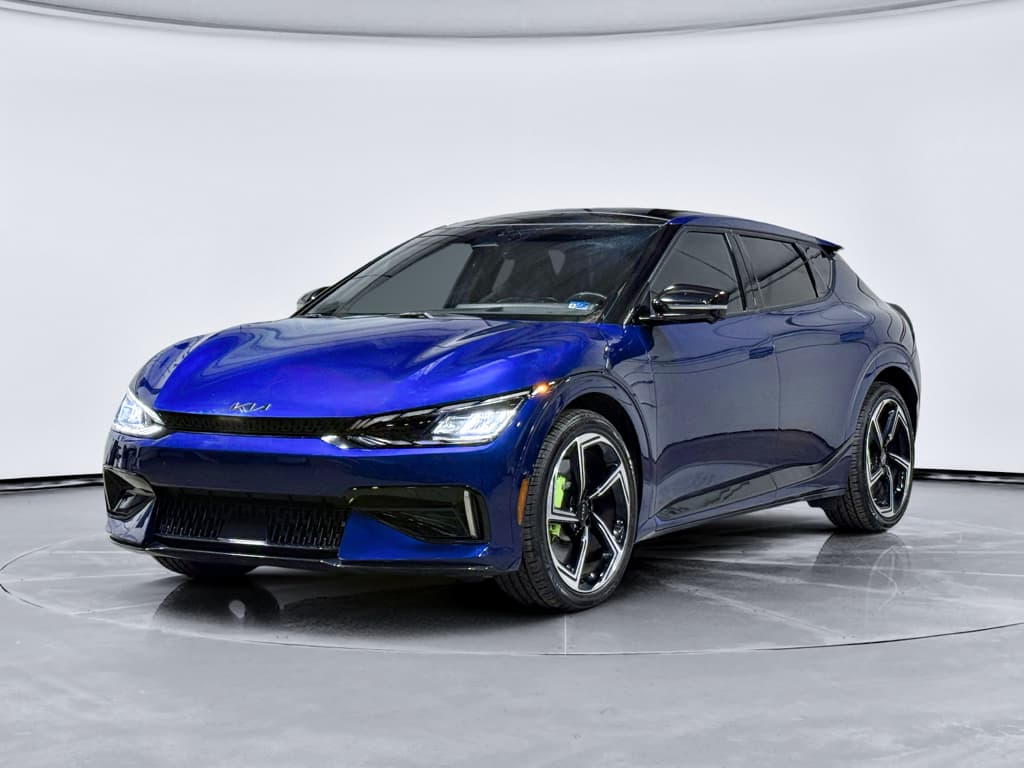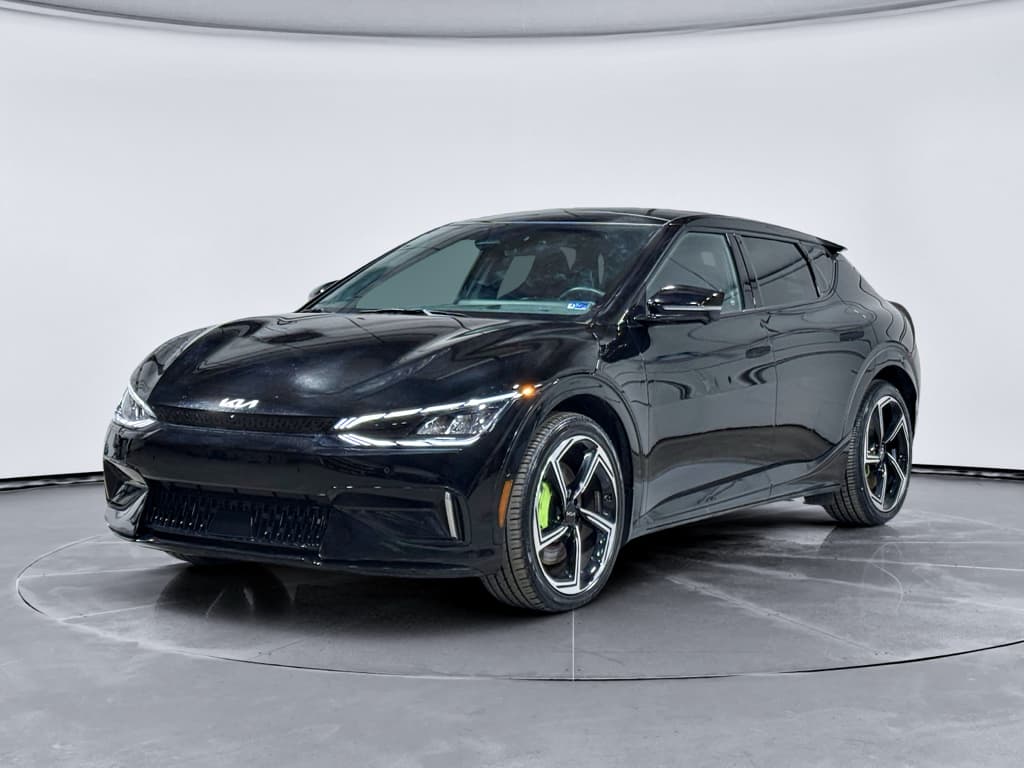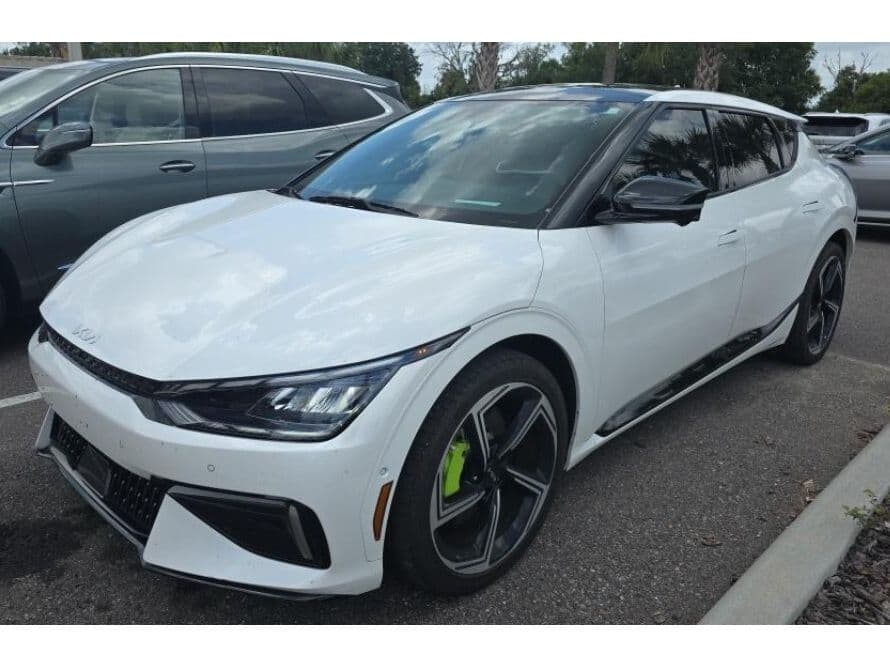
If you’re eyeing a used Kia EV6, you’re probably seeing listings all over the place and wondering: how much should I actually offer? The EV6 has dropped sharply in value, which is good news for buyers, but only if you understand where fair pricing really sits in 2026 and how to use that to your advantage.
Key takeaway on EV6 pricing
Why Kia EV6 used prices are all over the map
If you’ve shopped gas cars before, the used Kia EV6 market can look chaotic. You’ll see similar-looking cars with prices that differ by $8,000 or more. There are three main forces behind this:
- Aggressive depreciation. Multiple analyses show the EV6 losing around a third of its value in the first year and more than 60% by year five. That’s much steeper than most gas crossovers, but typical for first-wave EVs in a fast-moving market.
- Rapid new-EV discounting. As Kia responded to softer EV demand and the loss of federal tax credits, new EV6s have been heavily incentivized with discounts and low-APR financing. Deep new-car deals drag used values down with them.
- Big variation in specs. A base Light RWD feels very different from a GT-Line or GT AWD. Original MSRP for recent model years ranges roughly from the low $40,000s for Light to over $60,000 for GT, so used prices span a wide band too.
All of that volatility is exactly why you shouldn’t pick a number out of thin air. A smart offer starts with current market data, then layers in depreciation, battery health, remaining warranty, trim, and mileage.
Kia EV6 value snapshot in early 2026
Current used Kia EV6 price ranges in 2026
Exact numbers will move month to month and by region, but looking at big listing platforms in early 2026 gives us a solid starting point for what used Kia EV6 prices look like today.
Typical used Kia EV6 asking-price bands (U.S., early 2026)
These are ballpark listing ranges, not hard rules. Condition, options, and regional demand still matter.
| Model year & condition | Typical trim mix | Mileage range | Common asking range |
|---|---|---|---|
| 2022 EV6 (older, higher miles) | Mix of Light/Wind/GT-Line | 35k–70k miles | $22,000–$28,000 |
| 2023 EV6 (mainstream used stock) | Wind & GT-Line RWD/AWD | 20k–45k miles | $24,000–$32,000 |
| 2024 EV6 (low miles, nearly new) | Mostly Wind/GT-Line, some GT | 5k–25k miles | $26,000–$34,000+ |
| 2025 EV6 (demo/early used) | Latest facelifted trims | Under 15k miles | $32,000–$40,000+ |
Use these bands to sanity-check any EV6 listing before you start negotiating.
Remember: asking ≠ transaction price

Step-by-step: how much to offer for a used EV6
Instead of guessing, walk through a simple framework. This lets you turn a scattered marketplace into a concrete, defensible offer on a specific car.
5 steps to calculate a fair offer
1. Anchor to original MSRP
Look up the EV6’s original window-sticker price for its exact trim (Light, Wind, GT-Line, GT) and drivetrain (RWD vs AWD). Recent MSRPs range from roughly the low $40,000s for Light RWD to over $60,000 for GT AWD. This gives you a baseline for how far the car has already fallen.
2. Apply realistic depreciation
As a rule of thumb, a 1‑year‑old EV6 often sells around 30–35% below its original MSRP, and by year five it can be down ~60% or more. Start with those benchmarks, then adjust for mileage: subtract more for 15,000+ miles per year, a bit less for low-mileage garage queens.
3. Compare to live market listings
Search similar EV6s (same year, trim, and ballpark mileage) within 250–500 miles. Note **actual transaction-oriented prices**, not outliers. If you see dozens of comparable Wind AWDs sitting at $30,000–$31,000, that’s your real-world ceiling, not the single outlier at $35,000.
4. Factor in reconditioning and tires
Price out any obvious work the car needs, tires, brakes, windshield, cosmetic repairs, and subtract that from what you’d pay for a clean example. On a modern EV, even a set of tires can easily justify a $1,000+ discount on your offer.
5. Adjust for battery health and warranty
Finally, tweak your number up or down based on a battery report and remaining factory coverage. A strong battery and lots of warranty left justify being closer to the top of the range. A weak battery or unknown history means you stay aggressively on the low end.
Quick mental shortcut
Adjusting your offer for battery health and warranty
With an EV like the Kia EV6, your single biggest unknown is the battery. Two cars that look identical on a lot can have very different remaining range and long‑term value, depending on how they were driven and charged.
- Battery warranty basics. The EV6’s high‑voltage battery is typically covered for around 10 years/100,000 miles against defects. That’s reassuring, but it’s not a blanket guarantee against all degradation, and the fine print matters.
- Real-world degradation. Most well‑treated EV6 packs show manageable range loss in the first few years, but hard DC‑fast‑charging use or lots of hot‑climate highway miles can accelerate degradation. That directly impacts value, especially if the car no longer meets your daily range needs.
- Verified reports beat guesses. A proper battery health report or diagnostic scan is worth real money. A seller who can’t or won’t provide any objective battery info is asking you to pay full price while taking all the risk.
How Recharged de‑risks the battery question
Ready to find your next EV?
Browse VehiclesWhen to move your offer up
- Battery health report shows minimal degradation for age and miles.
- Charging history suggests mostly home Level 2 charging, limited DC fast use.
- Plenty of battery warranty remaining (for example, 6–8 years and 60,000+ miles left).
- Car is in a cold or mild climate rather than consistently hot region.
When to push your offer down
- No battery data, or seller refuses diagnostics.
- Noticeable range loss versus EPA estimates in real‑world tests.
- Extensive DC fast‑charging use (rideshare, road‑warrior history).
- Battery warranty close to expiring, or mileage bumping against the cap.
Trim, year, and mileage: how they change a fair offer
Two EV6s can differ by more than $10,000 in original MSRP. When you’re deciding how much to offer, you need to know which one you’re actually looking at.
How major EV6 trims influence used pricing
Start with trim, then layer on year and mileage to refine your offer.
Light
Entry trim with smaller battery on earlier years and fewer features.
- Lowest MSRPs, so lowest used values.
- Great value if you don’t need max range.
- Your offer should sit meaningfully below Wind/GT-Line comps.
Wind
Volume trim with more range and equipment.
- Sweet spot of features vs. cost.
- Used pricing often clusters here, so lots of comps.
- Offers should track closely to mainstream market averages.
GT-Line / GT
Sportier styling, more performance, sometimes unique options.
- Higher original MSRPs, but also steeper absolute dollar depreciation.
- Some buyers will pay extra; others won’t care.
- Your offer should reflect real demand in your area, not just the badge.
Mileage works like it does on any car, but EVs are especially sensitive because of battery cycles. An EV6 that’s 3 years old with 45,000 miles is not a deal‑breaker, but you should be pricing in the idea that you’re “using up” warranty years and charging cycles faster.
Rough mileage adjustments
Private party vs dealer vs marketplace pricing
Where you buy your EV6 changes both the asking price and how much room there is to negotiate. Each channel prices in its own costs and risks.
How different channels affect your EV6 offer strategy
Use this to calibrate how aggressive your initial offer should be.
| Channel | Typical starting prices | Pros for buyer | Cons for buyer |
|---|---|---|---|
| Franchise/independent dealer | Highest, often $1,500–$3,500 above private party | Reconditioning, easier financing, some warranty options, trade‑in handling | Higher prices, doc fees, more structured negotiation |
| Online EV marketplace (like Recharged) | Market‑aligned, usually competitive with or slightly above well‑informed private sellers | Transparent history reports, nationwide selection, EV‑specialist support, digital paperwork and delivery | Less room for extreme lowball offers, shipping logistics if buying out of region |
| Private party | Lowest upfront asking prices in many cases | Direct negotiation, potential for real bargains, no dealer fees | No reconditioning, limited recourse, variable documentation, harder to validate battery health |
Dealer lots usually start higher but can include reconditioning and financing flexibility. Private sellers are simpler but riskier.
Where Recharged fits in
How to negotiate on a used Kia EV6
Once you’ve done your homework, negotiation becomes a matter of calmly walking the seller through your logic rather than haggling over random numbers.
A simple negotiation playbook for a used EV6
Open with data, not a lowball
Lead with comparable listings, depreciation from original MSRP, and any needed reconditioning. Then present your offer as the logical outcome of those facts, not as a shot in the dark.
Use battery uncertainty as leverage
If there’s no recent battery report, say so directly: you’re being asked to take on an unknown. Put a clear dollar value on that risk (for example, $1,500–$3,000 off what you’d pay with a clean report).
Price in your first-year costs
Mention what you’ll need to spend soon, tires, a home charger, taxes/registration. Sellers are more open to a realistic number when they see the whole picture, not just the sale price.
Be ready to walk away
If a seller won’t budge from an obviously above‑market figure, thank them and move on. In 2026 there’s no shortage of EV6s, and overpaying on one car can erase years of fuel and maintenance savings.
Get pre-qualified first
If you’re financing, walk in with a pre‑qualification offer. On platforms like Recharged, you can <strong>pre‑qualify with no impact to your credit</strong>, which strengthens your position and keeps you focused on price, not monthly payment tricks.
Common mistakes when pricing a used EV6
When people ask “How much should I offer for a used Kia EV6?” the most common problems aren’t mathematical, they’re psychological. Here are the traps to avoid.
Avoid these pricing mistakes with a used EV6
They’re easy to make, and expensive to fix later.
Paying based on monthly payment
If you only focus on keeping the monthly number low, it’s easy for a dealer to hide an inflated price in a longer term or higher rate. Start with the out‑the‑door price, then back into a payment you’re comfortable with.
Ignoring trim and options
A base Light and a loaded GT-Line can look similar in photos, but they’re not priced the same. Confirm exact trim, drivetrain, and major options before you decide if the asking price, or your offer, makes sense.
Guessing about battery health
Don’t assume all low‑mile EV6s have perfect batteries. Without real diagnostics, you could be paying top dollar for a car that’s already missing a noticeable chunk of range.
Chasing the cheapest VIN
That one EV6 priced $3,000 below the pack might be a great deal, or it might have hidden accident history, structural rust, or severe fast‑charge abuse. Use price as a clue to investigate, not a shortcut to a decision.
Safety and structural issues trump all
FAQ: Used Kia EV6 pricing and offers
Frequently asked questions about how much to offer for a used Kia EV6
Bottom line: what a fair used EV6 offer looks like
When you strip away the noise, figuring out how much to offer for a used Kia EV6 comes down to a handful of levers: original MSRP, age and mileage, current market comps, verified battery health, and remaining warranty. In today’s market, that usually means a well‑bought EV6 lands somewhere around 45–55% of its original MSRP after 2–3 years, adjusted a few thousand dollars up or down based on the specifics of the car in front of you.
If a seller can show strong battery data, clean history, and realistic pricing, it’s reasonable to come close to their ask. If they can’t, or if the car is clearly priced above its peers, lean into the numbers and be prepared to walk. With EV6 depreciation as steep as it is, patience and discipline are worth real money.
If you’d rather skip the guesswork, browsing EV6s on Recharged gives you transparent Recharged Score Reports, market‑aligned pricing, EV‑savvy support, and financing options you can pre‑qualify for in minutes. Whether you buy from us or not, using the framework in this guide will help you avoid overpaying and find a used Kia EV6 that delivers the performance and value you’re hoping for.