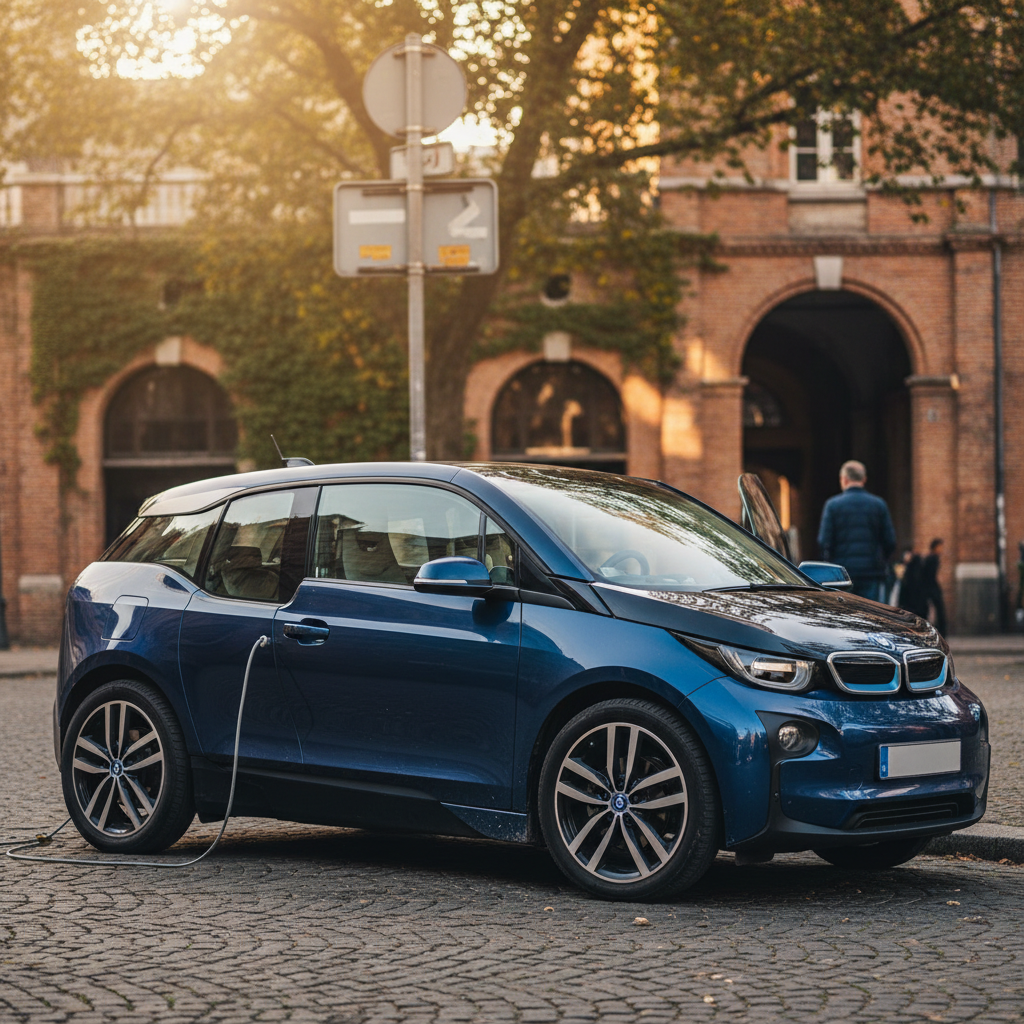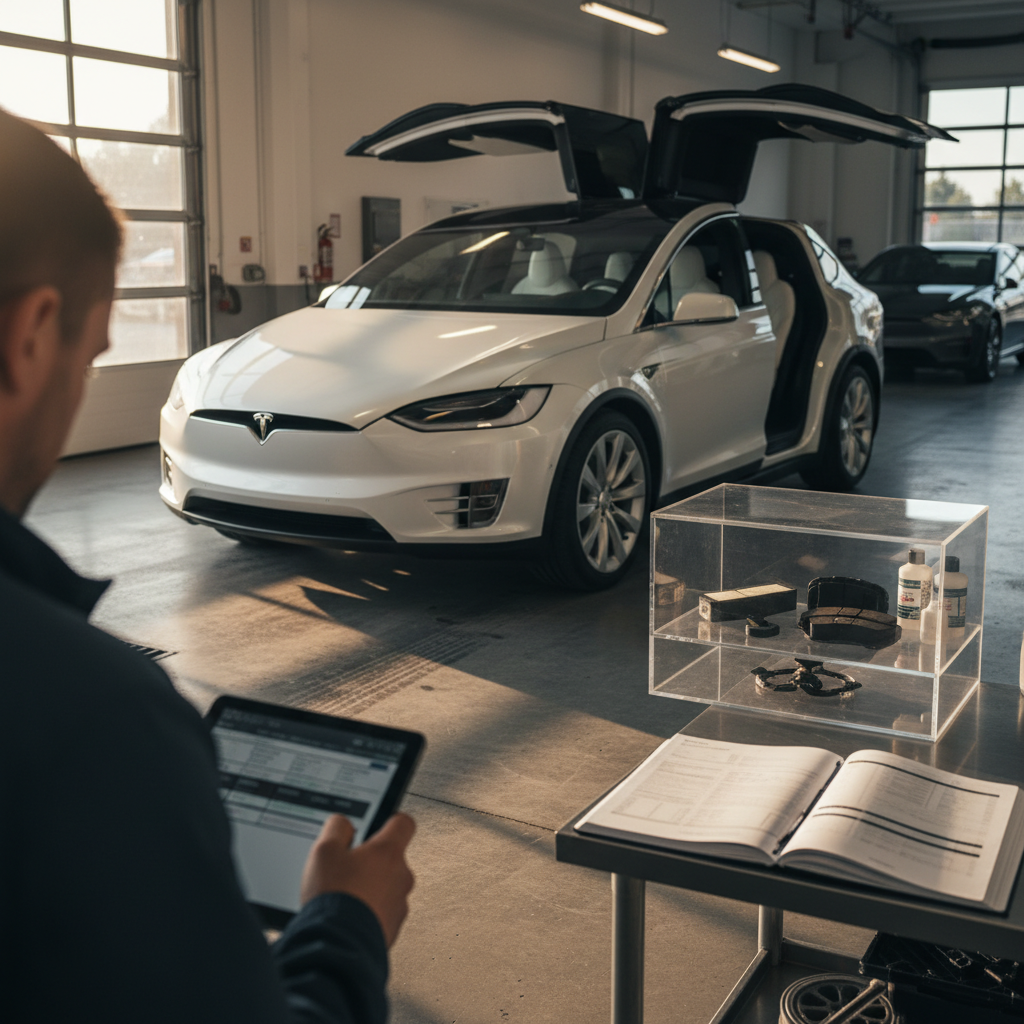
Thinking about whether you should trade in your electric car for a gas car? You’re not alone. After a wave of electric adoption, a noticeable share of owners are now moving back toward gas or hybrid vehicles, usually because of lifestyle changes, charging access, or unexpected costs. Before you hand over the keys, it’s worth understanding how the money, the market, and your options really work in 2026.
Quick take
Why more drivers are trading EVs for gas cars
Top reasons EV owners consider switching back to gas
Most trade‑ins aren’t about hating EVs, they’re about mismatches between the car and real life.
Charging access changed
You might have bought your EV with easy home charging, then moved to an apartment or condo where you’re fighting for outlets, or you lost workplace charging.
Range no longer fits
New job, longer commute, or more highway trips can make a 200–220 mile EV feel tight, especially in winter when real‑world range drops.
Money feels upside‑down
Rapid EV price cuts in 2024–2025 pushed used values down. If you bought new at the peak, your payoff may be higher than your EV’s trade‑in value.
There’s also a psychological piece. Headlines about EV depreciation, charging queues, and tax credit changes have spooked some early adopters. At the same time, the used EV market has matured: more choice, lower prices, and buyers who expect a discount for range or battery uncertainty. That doesn’t mean you have to take a bath, but it does mean you should play the game strategically if you’re thinking about going back to gas.
Don’t confuse “regret” with a bad match
Should you trade in your EV or sell it first?
When you want a gas car and already own an EV, you essentially have three paths: 1. Trade in your EV to the dealer where you’re buying the gas car. 2. Sell your EV outright (online buyer, marketplace, consignment) and then shop for a gas car with cash in hand. 3. Keep the EV and add a cheap gas car (less common, but sometimes makes sense in a multi‑car household).
Trade in vs sell your EV: Which usually leaves you ahead?
Use this as a starting point, actual offers will depend heavily on your specific EV, mileage, and battery health.
| Option | Pros | Cons | Best for |
|---|---|---|---|
| Trade in at dealer | • One‑stop transaction • Sales tax savings in many states • No private‑party hassle | • Typically lower offer than selling yourself • Many dealers still nervous about used EVs | Drivers prioritizing convenience or who are already at a dealer they trust |
| Sell to online buyer | • Simple process, quick offers • Often better than dealer trade‑in • They understand EV pricing better | • You still have to shop for the gas car separately • Offers can change after inspection | Owners in metro areas with strong online‑buyer presence |
| Sell via marketplace/consignment | • Potentially the highest sale price • Full control over asking price | • Time‑consuming, test drives, tire‑kickers • Need strong photos and documentation | Popular models with good battery health and clean history |
Trade‑in is usually easier; selling can net more if your EV is desirable and well‑documented.
Run the three‑quote play
How dealers actually handle EV trade‑ins
From the outside, trading in an electric car for a gas car looks identical to any other trade‑in: the dealer appraises your EV, makes an offer, and rolls the equity (or negative equity) into the new deal. Under the hood, though, many dealers still treat used EVs as risky inventory. That shows up in three ways: lower offers, more conservative assumptions about battery health, and a preference for mainstream models they know they can move quickly.
What the 2026 used EV market means for your trade‑in
In practical terms, that means you might see a surprisingly low trade‑in number on, say, an early short‑range hatchback, but a much more reasonable offer on a newer crossover EV with 250+ miles of range. Dealers are pricing the risk of slow resale and potential battery questions into their offers.
Watch for “EV risk” baked into the numbers
Step‑by‑step: How to trade in an electric car for a gas car
8 steps to trade your EV for a gas car without leaving money on the table
1. Clarify why you’re switching
Write down the specific problems you’re trying to solve, charging access, winter range, towing, road‑trip anxiety, or budget. This will keep you from jumping into a gas car that doesn’t actually fix those pain points.
2. Get a realistic value range for your EV
Use a few tools: instant online offers, valuation sites, and EV‑focused marketplaces. Look at actual sold prices, not just optimistic asking prices, for similar mileage and trim.
3. Pull your EV’s documentation
Gather the title or payoff info, service records, tire receipts, and any third‑party battery health reports. The better documented your EV, the easier it is to defend its value.
4. Fix cheap, obvious issues
Replace worn wiper blades, get a basic detail, and address inexpensive cosmetic items. You don’t need to make it perfect, just eliminate the easiest excuses for a lowball appraisal.
5. Get pre‑qualified for financing
If you’ll be financing the gas car, get pre‑qualified with your bank or credit union and compare rates with the dealer. Knowing your numbers keeps the trade‑in conversation cleaner.
6. Separate the trade‑in from the purchase
Negotiate the gas car price and your EV trade‑in value as two distinct conversations. It’s easier to see if the dealer is over‑ or under‑compensating in one bucket to make the other look better.
7. Compare net out‑the‑door cost
Look at the total transaction: gas car price, taxes, fees, minus your EV’s trade‑in or sale proceeds. In many states, trading in your EV reduces the taxable amount of the new purchase, don’t ignore that line item.
8. Sleep on it
Unless you’re staring at a rare, below‑market gas car, step away for a night. Re‑run your budget, fuel and maintenance estimates, and sanity‑check whether this is a short‑term reaction or a long‑term fit.

The money math: EV vs gas when you switch
What you give up when you leave your EV
- Lower fuel cost per mile in most regions, especially if you had cheap home charging.
- Less maintenance, no oil changes, fewer moving parts, and no exhaust or transmission service.
- Quiet, smooth driving and instant torque, which many owners miss more than they expected.
If you drive a lot of miles, these savings can meaningfully offset your EV’s steeper depreciation over time.
What you might gain with a gas car
- Instant refueling almost anywhere, helpful if your local charging network is weak.
- Long‑distance flexibility if you frequently road‑trip to areas with sparse fast charging.
- Simpler resale expectations, used gas values are more predictable in many segments.
For low‑mileage drivers or those without reliable home charging, these convenience factors can outweigh EV operating‑cost advantages.
To decide whether trading your EV for a gas car makes financial sense, don’t just look at the monthly payment. Build a simple 3–5 year total cost comparison: purchase price or payoff, fuel, insurance, maintenance, and expected depreciation for both vehicles. In 2026, the resale value picture is no longer as lopsided as it was a few years ago, many mainstream EVs now retain value similarly to gas cars, but model choice still matters a lot.
Use conservative assumptions
Battery health and range: How much they change your offer
For an electric car, battery health is the single biggest swing factor in resale value. Dealers and buyers are increasingly asking: How much usable range is left, and how confident can we be that the pack will last the next owner’s use case? Two similar‑looking EVs, same year, similar mileage, can command very different prices if one has a strong, documented battery and the other doesn’t.
How your EV’s battery affects trade‑in value
Think like a cautious buyer looking at your car on the lot.
Healthy battery, long range
Modern pack, strong range (250+ miles when new), and documentation from a trusted test (like a Recharged Score) can put your EV at the top of the pricing band for its year and mileage.
Noticeable degradation
If your real‑world range has dropped 20–30% from new, a savvy dealer will discount aggressively, especially on older city‑range EVs that already started small.
Unknown battery status
No service history, no diagnostics, and vague range estimates push dealers to assume the worst. That usually means a low trade‑in, even if the pack is actually fine.
Why a battery health report pays for itself
Alternatives to trading your EV for a gas car
If your first instinct is to trade in your electric car for a gas car, pause and ask: am I reacting to the wrong problem? In a lot of cases, there are alternatives that solve the pain with less financial damage.
- Switch into a different EV that actually fits your life. If your issue is range, towing, cargo space, or all‑wheel drive, you might be better off in a used crossover EV or plug‑in hybrid rather than a full return to gas.
- Add a cheap gas car for edge cases. Some households keep a used gas wagon, minivan, or truck for road trips and hauling, while daily miles stay electric in the EV.
- Fix the charging problem instead of the car. Installing or upgrading home charging, negotiating for workplace charging, or learning your local DC fast ecosystem can transform a frustrating EV into a great one.
- Refinance instead of replacing. If the monthly payment is the pain point, a refi might relieve the pressure without restarting the depreciation clock on a different vehicle.
Beware the “trade‑out trap”
How Recharged can help if you’re ready to move on
If you’ve worked through the options and still want out of your EV, the way you sell it matters as much as what you buy next. That’s where Recharged is designed to help. Because we specialize in used EVs, we don’t treat your car like an oddball trade we’d rather send to auction, we treat it like what it is: a piece of technology whose value lives and dies on transparent battery health and fair pricing.
Your options with Recharged when you’re done with your EV
Swap into another EV, maximize your sale price, or just get a clean exit.
Get a Recharged Score
Every vehicle sold through Recharged gets a Recharged Score with verified battery diagnostics and pricing transparency. That makes it easier for buyers to trust your EV and pay what it’s actually worth.
Instant offer or consignment
Choose an instant offer for a fast, low‑friction sale, or use consignment to market your EV to a nationwide pool of electric‑curious buyers while our team handles the details.
Shop used EVs or cash out
If electric still makes sense for you, just not this EV, you can roll the proceeds into a different used model on Recharged. Or, if you’re set on gas, you can cash out and walk into a traditional dealership with a stronger position.
Ready to find your next EV?
Browse VehiclesRecharged offers financing, trade‑in support, and nationwide delivery, plus EV‑specialist guidance so you understand exactly what you’re giving up, and what you might be able to keep, if you’re thinking about moving back to gas. Even if you ultimately buy your gas car somewhere else, using an EV‑native marketplace to dispose of your electric car can help you avoid the steepest part of the trade‑in haircut.
FAQ: Trading in an electric car for a gas car
Common questions about trading your EV for a gas car
You absolutely can trade in an electric car for a gas car in 2026, but whether you should is a much more interesting question. In a market where some EVs have fallen hard in value and others are stabilizing, the worst move is to let a nervous dealer quietly price their anxiety into your trade. Take the time to understand what your EV is really worth, how its battery health looks, and whether a different electric or hybrid might solve your headaches with less financial damage. And if you do decide it’s time to move on, using an EV‑specialist platform like Recharged to sell your car can leave you in a stronger position, no matter what you end up driving next.