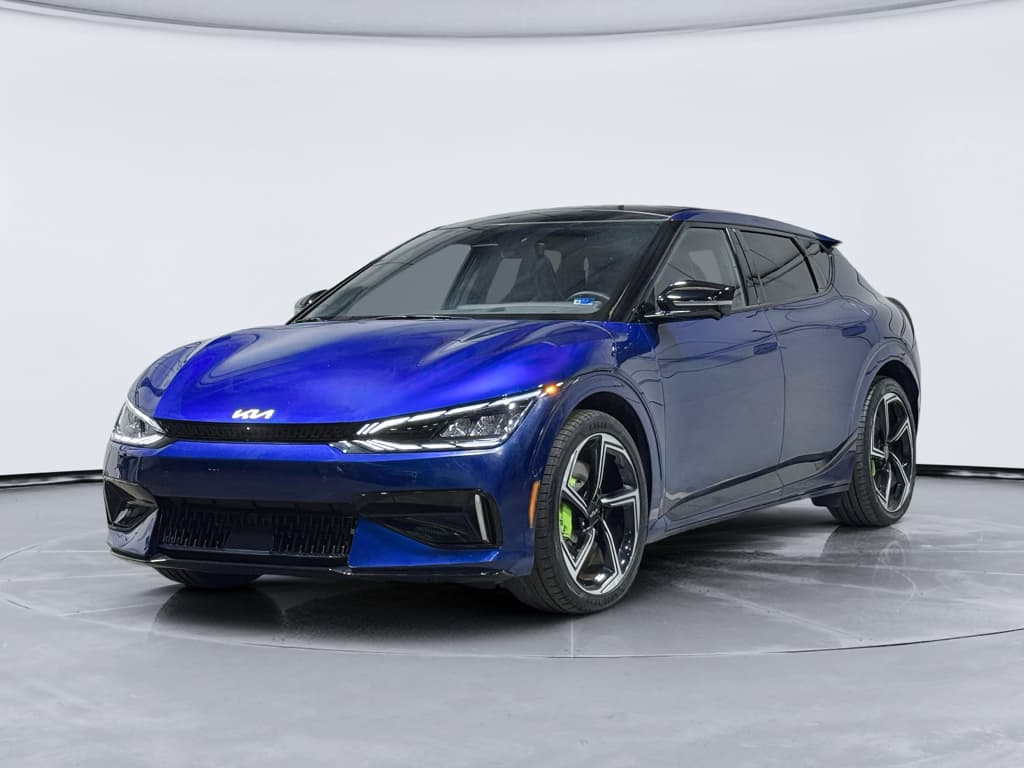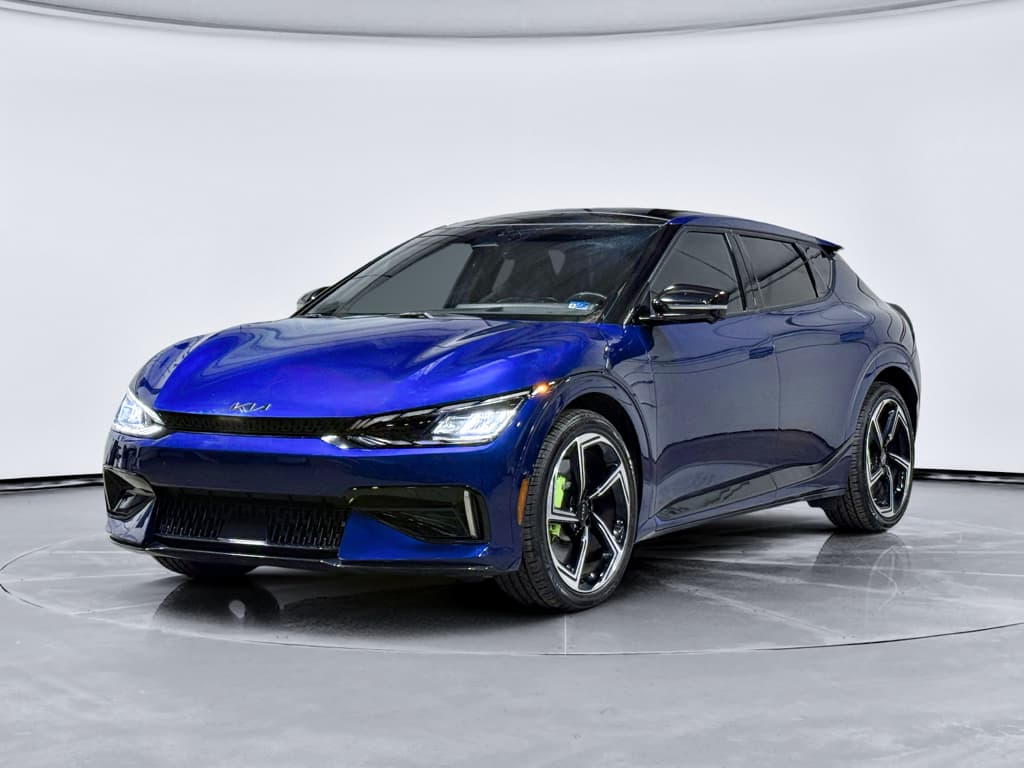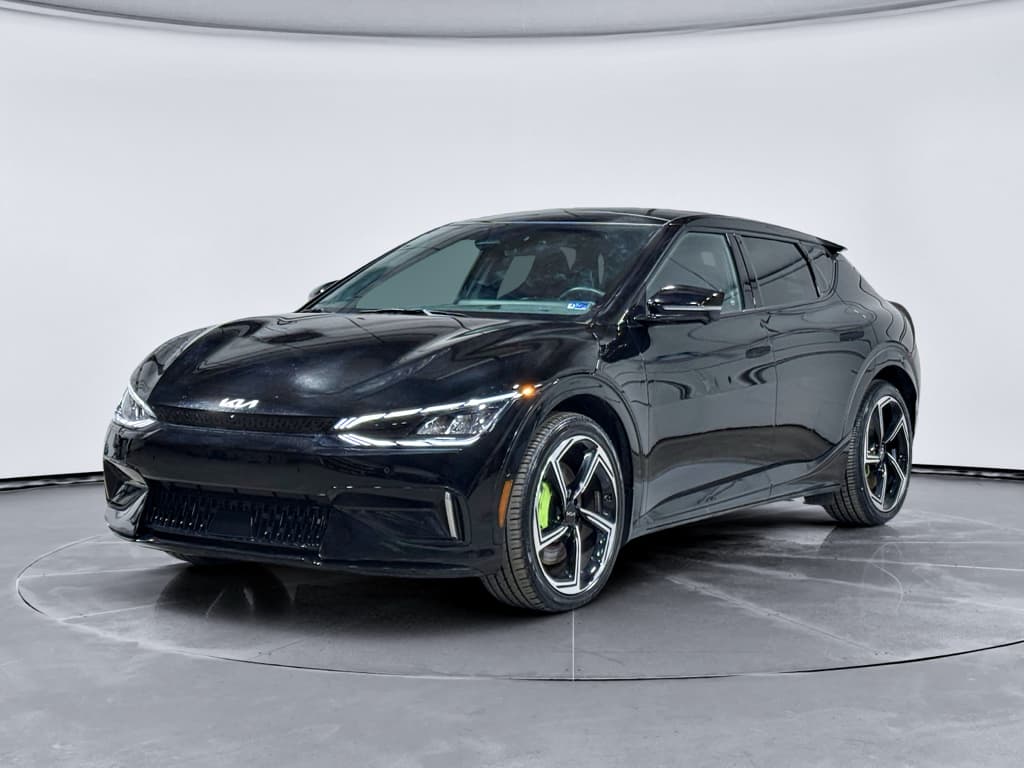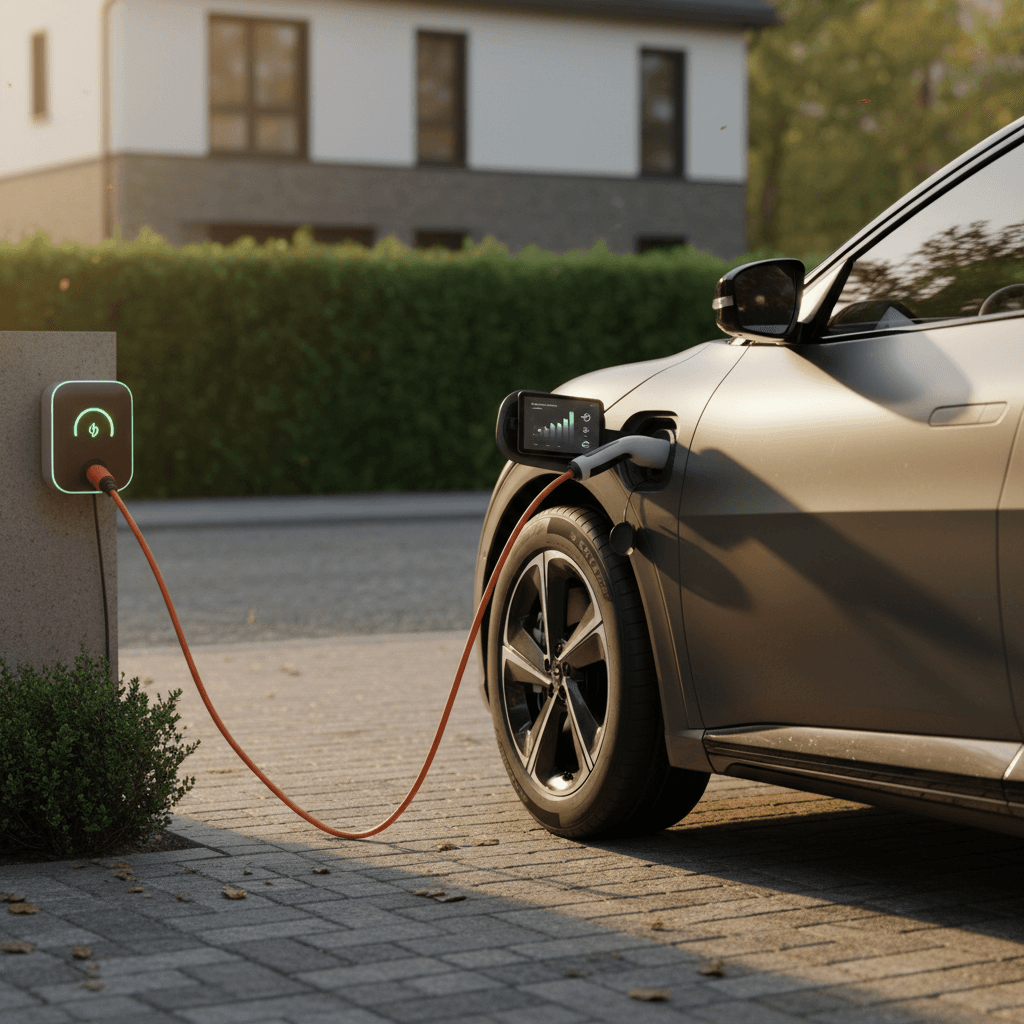
If you’re considering a Kia EV6, or already own one, the big question isn’t just range or charging speed. You want to know **what it actually costs per mile to drive** compared with a gas car. The good news: when you run the numbers, the Kia EV6 is typically one of the cheaper ways to cover miles in the U.S. today.
At-a-glance answer
How much does a Kia EV6 cost per mile to drive?
Let’s start with a simple U.S. baseline and then show you how to customize it for your situation. We’ll assume **home Level 2 charging** and typical mixed driving.
Kia EV6 cost-per-mile snapshots (U.S. 2026)
Using the EPA-rated efficiency of about **29 kWh per 100 miles** for an EV6 Long Range RWD and a rough national-average electricity price of **$0.19 per kWh**, you get: - **Cost per mile (home)** ≈ 0.29 kWh × $0.19 ≈ **$0.055 per mile** - **Cost per mile (DC fast charging)**: if a station charges ~$0.45 per kWh, 0.29 kWh × $0.45 ≈ **$0.13 per mile** Real owners who drive efficiently and have cheaper off‑peak power often land closer to **$0.03–$0.05 per mile** at home, while those in high‑cost states or on fast chargers most of the time can be closer to **$0.08–$0.20 per mile**.
Big regional spread
Kia EV6 efficiency: EPA vs. real‑world
Your **energy use per mile** is the other half of the cost-per-mile equation. The Kia EV6 is relatively efficient for a midsize crossover, but exact numbers depend on trim and conditions.
Typical Kia EV6 efficiency by configuration
Approximate EPA efficiency ratings and real-world ranges for major EV6 variants.
| EV6 version | EPA efficiency (kWh/100 mi) | Approx. mi/kWh | EPA range (mi) | Real-world mixed (mi/kWh) |
|---|---|---|---|---|
| Long Range RWD | 29 | 3.4 | ~310 | 3.0–3.7 |
| Long Range AWD | 27.6 | 3.6 | ~282 | 2.8–3.4 |
| Standard Range RWD | ~30–31 | 3.2–3.3 | ~240 | 2.9–3.5 |
| EV6 GT (performance) | 33–36 | 2.8–3.0 | ~206 | 2.0–2.7 |
Use these as starting points; your driving style, climate, and wheel/tire choice matter a lot.
EPA vs. your driveway
- **Highway at 75–80 mph**: lower efficiency, often 2.3–3.0 mi/kWh for AWD or GT trims
- **City / suburban speeds**: higher efficiency, often 3.3–4.0+ mi/kWh for RWD trims
- **Cold weather**: cabin heating can add 10–30% to energy use, especially on short trips
- **Big wheels & sticky tires**: look great, but they can noticeably raise your cost per mile
Step-by-step: Calculate your EV6 cost per mile
You don’t need a spreadsheet to figure this out. Here’s a simple framework you can reuse whenever your utility changes rates, or if you move.
DIY EV6 cost-per-mile formula
1. Find your real cents per kWh
Grab your latest electric bill and divide **total dollars** by **total kWh used**. Include taxes and fees. That gives you your true **$ per kWh** at home. If your utility offers an EV or overnight rate, calculate that too.
2. Estimate your EV6 efficiency
Start with your **long‑term mi/kWh** from the car’s trip computer. If you’re brand‑new to EVs, use 3.0 mi/kWh for AWD, 3.4 mi/kWh for RWD as a conservative baseline, and update after a few weeks.
3. Use the basic formula
Cost per mile = **(1 ÷ mi/kWh) × electricity price**. Example: 3.3 mi/kWh and $0.18/kWh → (1 ÷ 3.3) × 0.18 ≈ **$0.055 per mile**.
4. Run a best vs. worst case
Plug in an optimistic mi/kWh (slower driving, mild weather) and a pessimistic one (winter, high speeds). This gives you a realistic band instead of a single point estimate.
5. Add public charging if you use it
If you rely on DC fast charging (road trips, apartments), repeat the same formula using **¢/kWh from your charging app**. Then blend home and public costs based on how often you use each.
Example A: Suburban commuter
Assumptions:
- EV6 Long Range RWD
- 3.5 mi/kWh (mix of city/highway)
- $0.17/kWh off-peak EV rate
Cost per mile: (1 ÷ 3.5) × 0.17 ≈ $0.049/mi
At 12,000 miles/year, that’s about **$588/year** in electricity.
Example B: City condo + public charging
Assumptions:
- EV6 AWD
- 3.0 mi/kWh (mostly city, but some highway)
- 50% of charging at $0.20/kWh home, 50% at $0.45/kWh DC fast
Home cost per mile: (1 ÷ 3.0) × 0.20 ≈ $0.067/mi
Fast charge cost per mile: (1 ÷ 3.0) × 0.45 ≈ $0.15/mi
Blended: (0.5 × 0.067) + (0.5 × 0.15) ≈ $0.11/mi
Pro move: track a full month
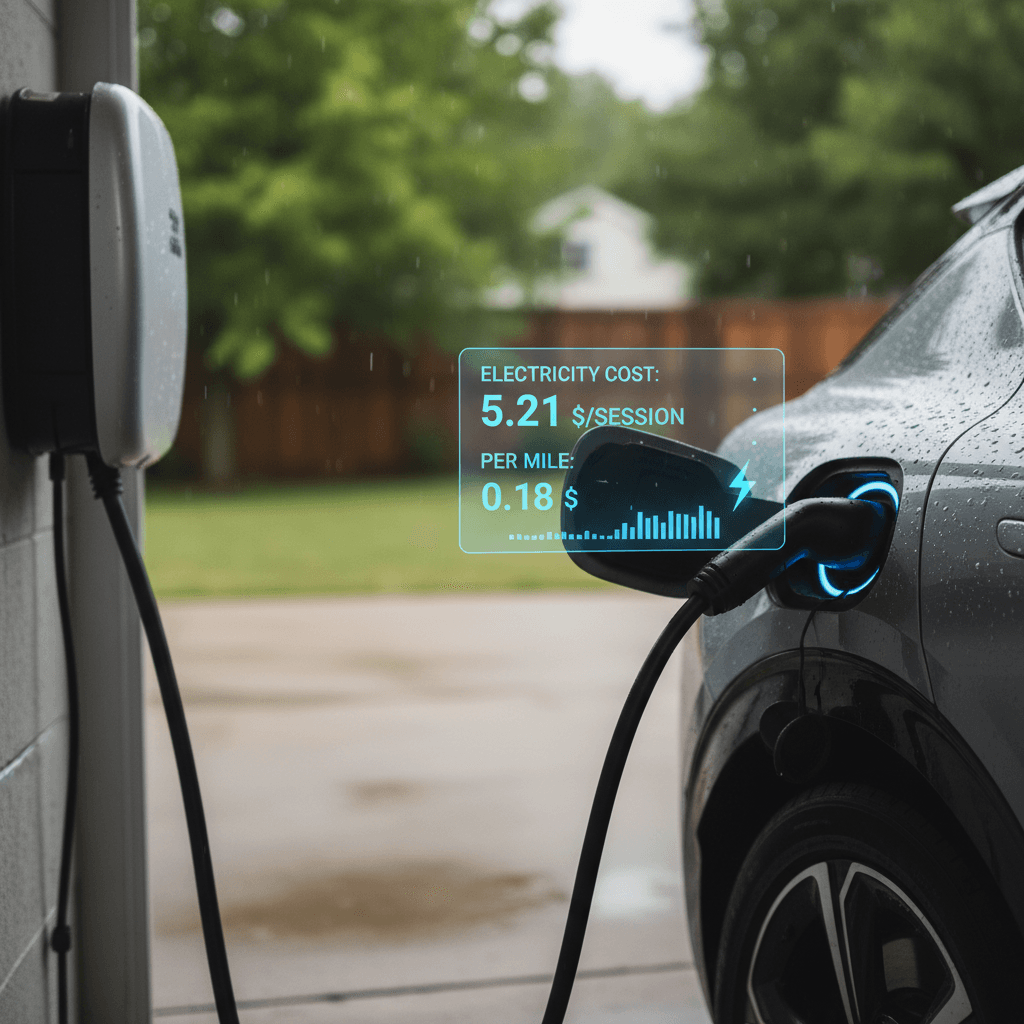
EV6 vs. gas SUV: real cost-per-mile comparison
Looking at electricity alone can undersell how strong the EV6 value proposition is. To put cost per mile in context, compare it against a similarly sized gas crossover.
Kia EV6 vs. comparable gas SUV: fuel cost per mile
Illustrative comparison using typical U.S. fuel and electricity prices in 2025–2026.
| Vehicle | Assumed efficiency | Energy price | Fuel cost per mile |
|---|---|---|---|
| Kia EV6 (home charging) | 3.3 mi/kWh | $0.19/kWh residential | ~$0.058/mi |
| Kia EV6 (fast charging heavy) | 3.0 mi/kWh | $0.45/kWh DC fast | ~$0.15/mi |
| Gas SUV (28 mpg) | 28 mpg | $3.50/gal gasoline | ~$0.125/mi |
| Gas SUV (22 mpg city-heavy) | 22 mpg | $3.50/gal gasoline | ~$0.159/mi |
Your numbers will vary, but the pattern, EV6 significantly cheaper per mile, is consistent across most scenarios.
Even with aggressive use of public fast charging, the EV6 usually undercuts or matches a reasonably efficient gas SUV on **fuel cost per mile**. With mostly home charging, it’s often less than **half the fuel cost per mile** of a similar gas vehicle.
Zooming out: total savings
Other costs that affect your true cost per mile
Fuel isn’t the whole story. To understand your **all‑in cost per mile**, you need to factor in maintenance, tires, insurance, and depreciation. With the EV6, those side costs tend to tilt in your favor, especially if you buy used.
Key cost-per-mile drivers beyond electricity
These categories can quietly add (or subtract) cents per mile from your EV6 ownership.
Maintenance & repairs
EVs like the Kia EV6 don’t need oil changes, timing belts, or exhaust work, and they use **regenerative braking** that stretches pad life. Many analyses put EV maintenance **30–40% lower** than comparable gas cars over time.
Battery health & range
Battery degradation doesn’t directly add a line item to your bill, but it can reduce effective range and resale value. A healthy pack keeps your **cost per usable mile** lower over the life of the car.
Insurance & depreciation
Insurance on EVs can be slightly higher in some markets, but **used EV6 prices have normalized** compared with peak pandemic levels. Buying used can dramatically lower your depreciation cost per mile.
How Recharged helps simplify these variables
How to lower your Kia EV6 cost per mile
You can’t control global energy markets, but you have more levers than you might think when it comes to what you pay per mile to drive your EV6.
Six practical ways to cut EV6 cost per mile
Small behavior changes can add up to hundreds of dollars over the life of the car.
Charge off‑peak when possible
Check if your utility offers **time‑of‑use (TOU)** or EV‑specific rates that make overnight charging much cheaper. Use the EV6’s built‑in **charge scheduling** so you automatically fill up when rates are lowest.
Dial back highway speeds
Above ~70 mph, aerodynamic drag ramps up fast. Dropping from 80 to 70 mph can improve efficiency by 10–20%, directly cutting your electricity cost per mile, especially on long road trips.
Precondition in winter
Use your home charger and climate preconditioning while plugged in so the battery and cabin are warm before you drive. That keeps **cold‑weather efficiency** closer to your summer baseline.
Use Eco mode and regen wisely
Eco mode softens throttle response and encourages smoother driving. Pair it with higher **regen levels** in stop‑and‑go traffic to recapture more energy instead of burning it as heat in the brakes.
Right-size wheels and tires
If you’re cross‑shopping trims or aftermarket wheels, remember that larger, heavier wheels and sticky performance tires hurt efficiency. Stick closer to the stock aero wheel setups if low cost per mile is a priority.
Prioritize home over public charging
Use DC fast charging for what it’s great at, road trips and occasional convenience. For daily use, **home Level 2** almost always offers the lowest cents per kWh and the lowest wear on your battery.
Don’t ignore battery‑friendly habits
Cost-per-mile checklist for current and future owners
Quick cost-per-mile tune-up
Confirm your actual kWh price
Pull up your last electric bill and write down your **all‑in cents per kWh**. If you have different tiers or TOU periods, list those too.
Reset a long‑term trip meter
On your EV6, reset a trip counter and track **miles and mi/kWh** for at least a few weeks of normal driving. This tells you how efficient *you* are, not just what the brochure says.
Estimate yearly electricity cost
Multiply your **annual miles** by your **electricity cost per mile**. That’s your baseline fuel budget for the EV6, which you can compare against a gas car or your previous vehicle.
Audit how often you fast‑charge
If more than ~30–40% of your kWh come from DC fast charging, your **average cost per mile** is probably higher than it needs to be. Look for ways to shift more charging home or workplace Level 2.
Plan for maintenance and tires
Set aside a modest budget for **tire replacements**, cabin filters, and brake fluid changes. Even with much lower routine maintenance than a gas SUV, these items still matter for your true per‑mile cost.
If shopping used, get data
When considering a used EV6, look for **battery health data, service history, and pricing benchmarks**. A marketplace like Recharged bakes this into the Recharged Score so you’re not guessing about hidden cost‑per‑mile risks.
Kia EV6 cost per mile FAQ
Frequently asked questions about Kia EV6 cost per mile
Bottom line: Is the Kia EV6 cheap to drive?
When you zoom out from the marketing claims and look at the math, the **Kia EV6 is genuinely inexpensive to drive per mile** for most U.S. owners, especially if you can plug in at home. At average electric rates and realistic efficiency, you’re typically looking at **roughly five to eight cents of electricity per mile**, versus double that or more for many gas crossovers.
Where the EV6 really shines is in **predictability**. Once you know your kWh price and your typical mi/kWh, you can forecast operating costs with far less drama than trying to guess what gasoline will cost next year. And if you’re shopping used, pairing those numbers with a **battery‑health report and transparent pricing**, like you get with every EV at Recharged, turns cost per mile from a guess into a decision tool.
If you’re ready to quantify your own situation, grab a power bill, reset an EV6 trip meter, and run the simple formulas from this guide. In 10–15 minutes you’ll know whether a Kia EV6 fits your budget, and how to drive it in a way that keeps your **cost per mile** as low as the car’s center of gravity.