If you’ve watched your car’s range estimate tumble on a 100°F day the moment you hit the A/C button, you’ve already met the villain in this story: EV in hot weather range loss. The good news is that summer heat doesn’t wreck range as catastrophically as winter, and most of the loss is under your control if you understand what’s really going on.
Heat vs Cold: Which Is Worse?
How Much Range Do EVs Really Lose in Hot Weather?
Let’s put some numbers around hot-weather range loss so you can tell the difference between “normal” and “something’s wrong.”
Typical EV Range Loss in Hot Weather
If your EV is rated for 300 miles, seeing a realistic 240–260 miles on a 90–100°F day isn’t a sign of a dying battery. It’s simply physics, climate control, and traffic ganging up on you. Where you should start asking questions is if you’re consistently seeing 30–40% range loss in heat while driving gently, then it’s time to look closely at tires, driving speed, and battery health.
Don’t Judge Health from One Sweltering Day
Why Heat Hurts EV Range: Two Separate Issues
1. Short‑term range loss (what you feel today)
On a hot day, your EV spends extra energy on:
- Cooling the cabin with the A/C compressor and fans
- Cooling the battery pack through the thermal management system
- Higher rolling resistance from hot pavement and often softer summer tires
The result: fewer miles per kWh, even if the battery itself is perfectly healthy.
2. Long‑term battery aging (what you feel in a few years)
High temperatures speed up chemical reactions inside lithium‑ion cells. Sitting at a high state of charge in heat, for example, parked at 100% in the sun, gently shaves life off the pack over time.
This kind of calendar degradation doesn’t hit you in one afternoon. It quietly shows up years later as permanently reduced range.
Heat Itself Isn’t Always Bad
A/C vs Speed: What Actually Eats Most of Your Summer Range
The usual suspect in hot weather is A/C, but high speed is the quiet accomplice. Together they can strip away a quarter of your advertised range before you’ve hit your first Buc‑ee’s.
Who’s the Bigger Culprit: A/C or Speed?
Both matter, but not equally, especially on the highway.
Air Conditioning & Climate Control
On a blazing day, the A/C can pull 2–4 kW while it works hardest to cool a super‑hot cabin, then taper down once everything stabilizes.
- City driving: climate load is a big chunk of your total power use.
- Studies show continuous A/C use on a hot day can cost 10–20% of range.
- Ventilating the cabin and pre‑cooling while plugged in makes a big difference.
Highway Speed & Aerodynamic Drag
Above about 45 mph, aerodynamic drag dominates energy use. Drag goes up with the square of speed, so small bumps in speed cost big chunks of range.
- Telematics data shows that at ~86°F, going from 50 mph to 80 mph can cut range by nearly 30%.
- A car that can do ~275 real‑world miles at 50 mph may only see ~200 miles at 80 mph.
- A/C penalty is relatively smaller at these speeds, speed is the main thief.
The Simple Summer Highway Rule
Protecting Your EV Battery in High Temperatures
Short-term range loss is annoying. Long-term battery damage is expensive. Here’s how to keep heat from silently aging your pack before its time, especially if you live in hot states like Arizona, Texas, or Florida.
Hot-Weather Battery Protection Checklist
1. Avoid sitting at 100% in the heat
Reserve full charges for trips you actually take. Day to day, use a charge limit of <strong>70–80%</strong> and only charge to 100% right before departure, particularly important if your car will sit outside in the sun.
2. Park in shade or indoors whenever possible
A simple carport, parking garage, or a shady tree can lower cabin temperatures by 20–40°F compared with direct sun. That means less work for your thermal management system and slower long‑term battery wear.
3. Use scheduled charging
Charge in the cooler parts of the day, overnight or early morning, so the pack isn’t being stressed by high charge currents and high ambient temps at the same time.
4. Go gentler on DC fast charging in extreme heat
Fast charging pushes a lot of current into the battery, which generates heat. On 100°F days, it’s kinder to the pack to use slower or shorter fast‑charge sessions if you’re not in a hurry.
5. Watch for battery overheat warnings
Modern EVs will throttle power or charging speed if the pack gets too hot. If you see repeated warnings in normal driving, that’s a sign to have the system checked, not something to just click past.
Red Flag Behavior to Avoid
Summer Driving Habits That Save Range
You don’t have to drive like a hypermiling monk to keep your summer range under control. A few small, boring habits pay off in very non‑boring miles saved.
- Drive smoothly and anticipate traffic. Hard launches and late braking spike energy use and waste the opportunity for regenerative braking.
- Use Eco or efficiency mode when you don’t need full power. These modes often dial back throttle response and soften A/C demand.
- Pre‑cool while plugged in. Use your app or scheduled departure so the cabin is already comfortable and the battery is at temperature before you unplug.
- Ventilate a parked car before blasting A/C. Open the doors or windows briefly to dump the worst of the heat before asking the compressor to do all the work.
- Keep tires properly inflated. Under‑inflated tires increase rolling resistance and heat, costing you range and stability.
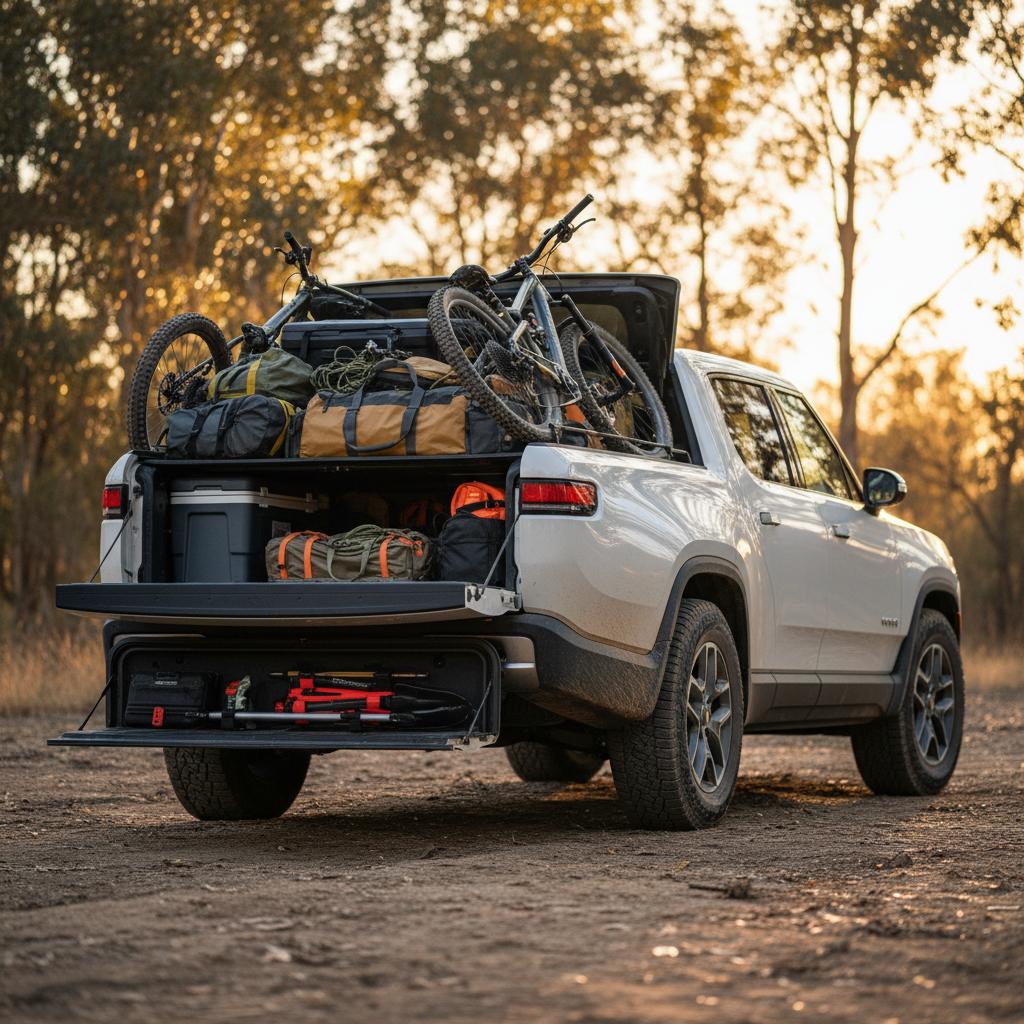
- Lighten the load. Roof boxes, bike racks, and a trunk full of “just in case” gear all add drag and weight, which matter more when the battery is already working hard in the heat.
Windows Down or A/C On?
Smart Summer Charging Strategies
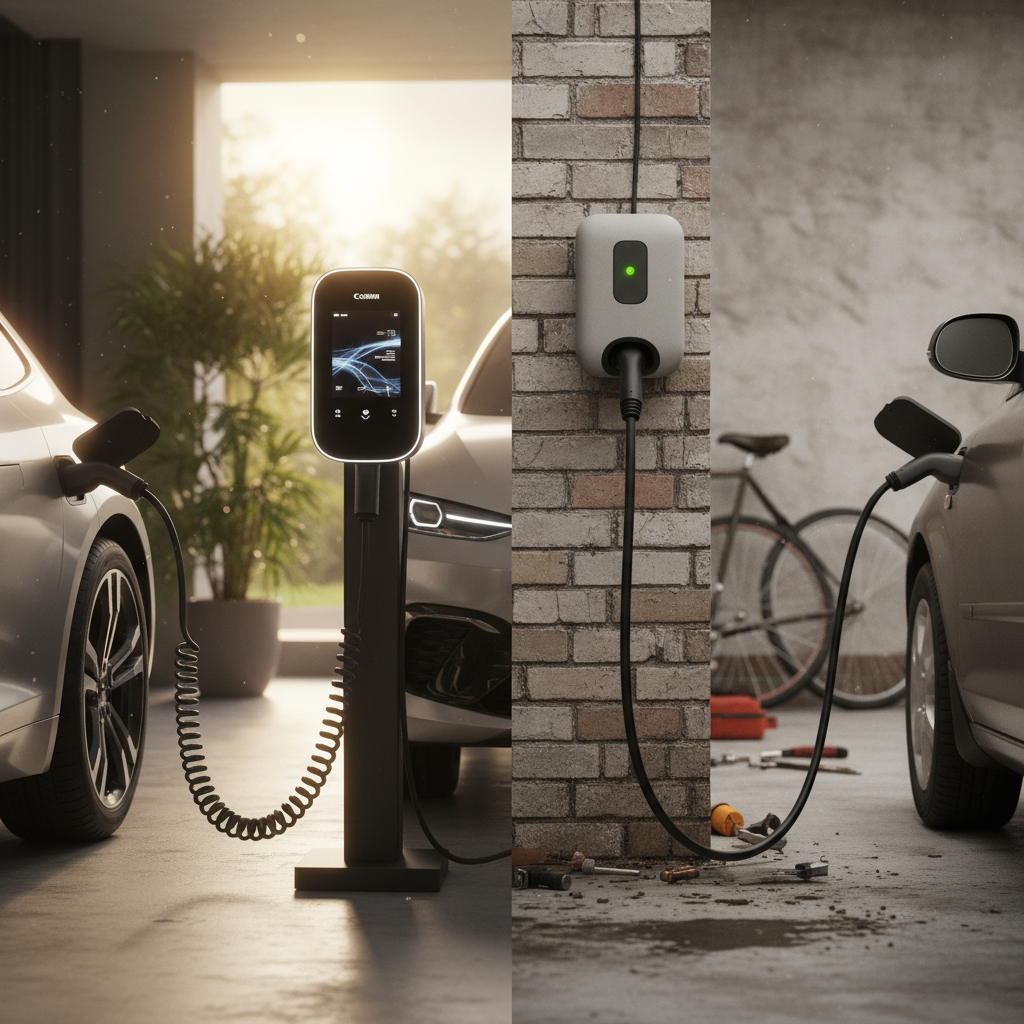
Charging is when your battery is most vulnerable to heat. That’s when current is flowing fastest and temperatures inside the cells rise. You don’t need to baby your car, but a bit of strategy makes a real difference over years of ownership.
Charging in Hot Weather: Better vs. Worse Habits
How small choices around when and how you charge show up later as either preserved range or early degradation.
| Scenario | Worse for Range & Health | Better for Range & Health |
|---|---|---|
| Daily commuting | Charging to 100% every night, car sits outside in the sun all day | Charge to 70–80%, top up before long drives; park in shade when possible |
| Road-trip fast charging | Fast‑charging from 10% to 100% in one shot at noon on a 100°F day | Fast‑charging from 10% to ~70–80%, then driving; charge again later if needed |
| Public Level 2 at work | Plugging in at 9 a.m. and sitting at 100% until 5 p.m. in a hot lot | Scheduling the car to finish charging near the end of your workday |
| Home charging | Charging every time you get home regardless of state of charge | Letting the battery float between ~30–80% most days, with occasional full charges |
| Storage for weeks | Leaving the car at 100% in a hot garage while on vacation | Storing the car around 40–60% state of charge in the coolest spot you have |
You don’t have to be perfect, just consistently land in the “better” column.
Thermal Management Does a Lot, Quietly
Planning Road Trips With Hot-Weather Range Loss
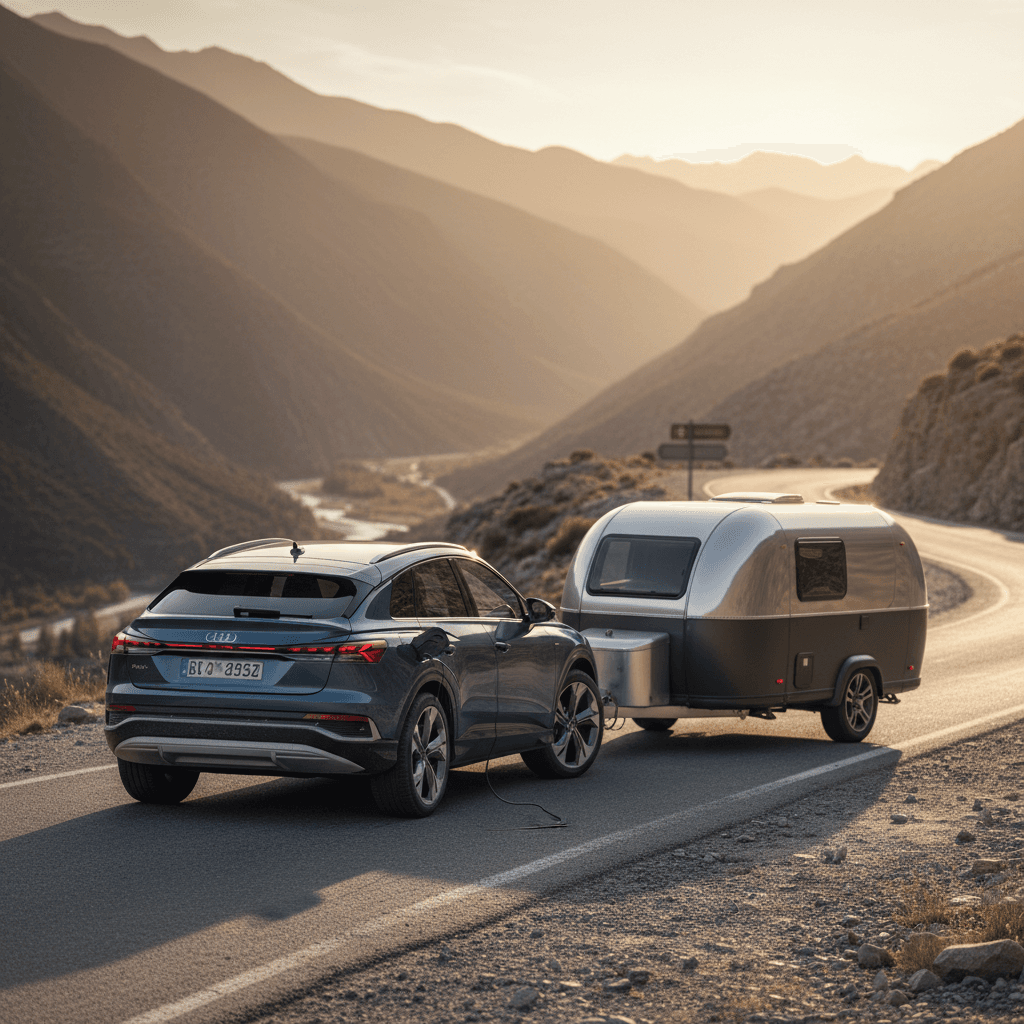
High summer is when EV range paranoia really shows up. Interstate speeds, full cabins, roof boxes, crosswinds, and 100°F air will all chew into your rated miles. The trick is to plan for it instead of being surprised by it.
Hot-Weather Road Trip Tactics
How to keep your summer drive relaxing instead of a white‑knuckle range experiment.
1. Plan with realistic range
Assume you’ll get 70–80% of EPA range in hot weather at highway speeds, less if you’re loaded up with people and cargo.
Most route planners now let you tweak consumption assumptions for heat and speed. Use them.
2. Shorten your charging legs
Instead of trying to stretch from 10% to 90% in one shot, plan more frequent stops from ~10–15% up to 60–70%.
Charging is faster in that mid‑range, and the pack spends less time hot and full.
3. Time your hardest legs
Try to schedule the longest, fastest stretches for morning or evening when temps are lower.
Midday, lean into the heat: take longer breaks, charge, and let the pack cool while you do.
Beware of Fast-Charge Slowdowns
How Recharged Helps You Shop Smart for Hot Climates
If you live where summer is less a season and more a lifestyle, Phoenix, Miami, Dallas–Fort Worth, you want an EV that plays nicely with heat from day one. That’s where buying any random used EV off a classifieds site starts to look less clever.
Battery health you can actually see
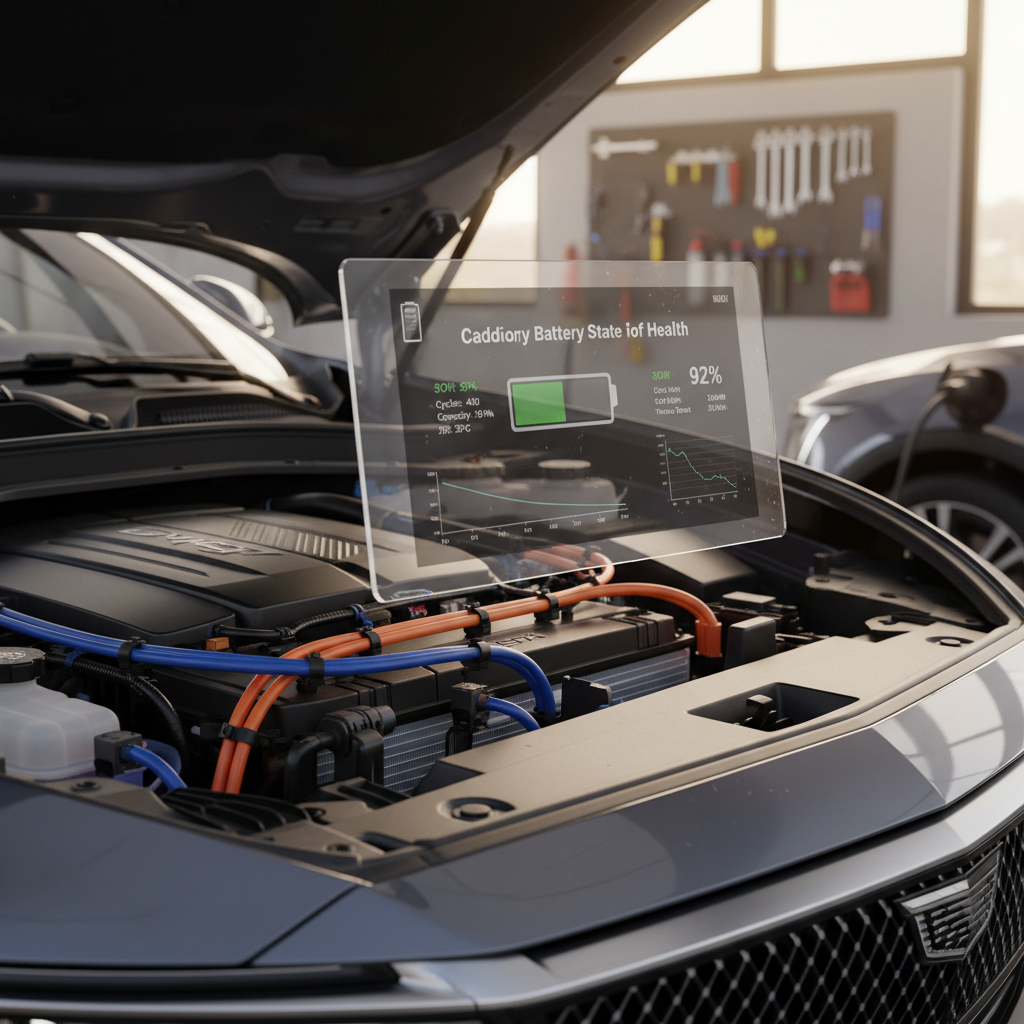
Every vehicle on Recharged comes with a Recharged Score Report that includes verified battery health, not just guesswork based on mileage and model year.
- If an EV spent its life baking at high state of charge, that wear will show up in our diagnostics.
- You get transparent, fair‑market pricing that reflects real battery condition, not just a shiny detail job.
Guidance tailored to your climate
Our EV specialists talk through how and where you drive, including summer temps, commute length, and road‑trip habits, to help you choose models and battery sizes that fit.
- Live in a hot state? We’ll steer you toward EVs with robust thermal management.
- We can walk you through ideal charging routines, from home Level 2 to public fast charging.
- Nationwide delivery and our Richmond, VA Experience Center make the whole process simple and digital‑first.
If you’re trading into an EV after years with a gas car, or selling an EV whose summer range feels “off,” Recharged can help you get an instant offer or consign your car, with the battery story told honestly.
FAQ: EV Range Loss in Hot Weather
Frequently Asked Questions About EVs in Hot Weather
Bottom Line: Driving Your EV Through Summer Heat
Hot weather range loss is real, but it’s predictable and largely manageable. Expect to give up roughly a fifth of your official range on the hottest days once you factor in A/C, higher speeds, and heavy summer traffic. The real enemy isn’t a weekend road trip at 102°F, it’s years of letting a fully charged battery bake in that heat.
Keep your pack out of the sun when you can, avoid treating 100% charge as a lifestyle, and moderate your speed when range matters. Do that, and your EV will treat July in Phoenix much the way it treats April in Ohio, just with more sunscreen and a slightly shorter leash.
And if you’re choosing your next EV with hot weather in mind, that’s exactly where Recharged comes in. Verified battery health, fair pricing, expert guidance, and nationwide delivery mean you start your EV life with eyes wide open, no matter how high the mercury gets.