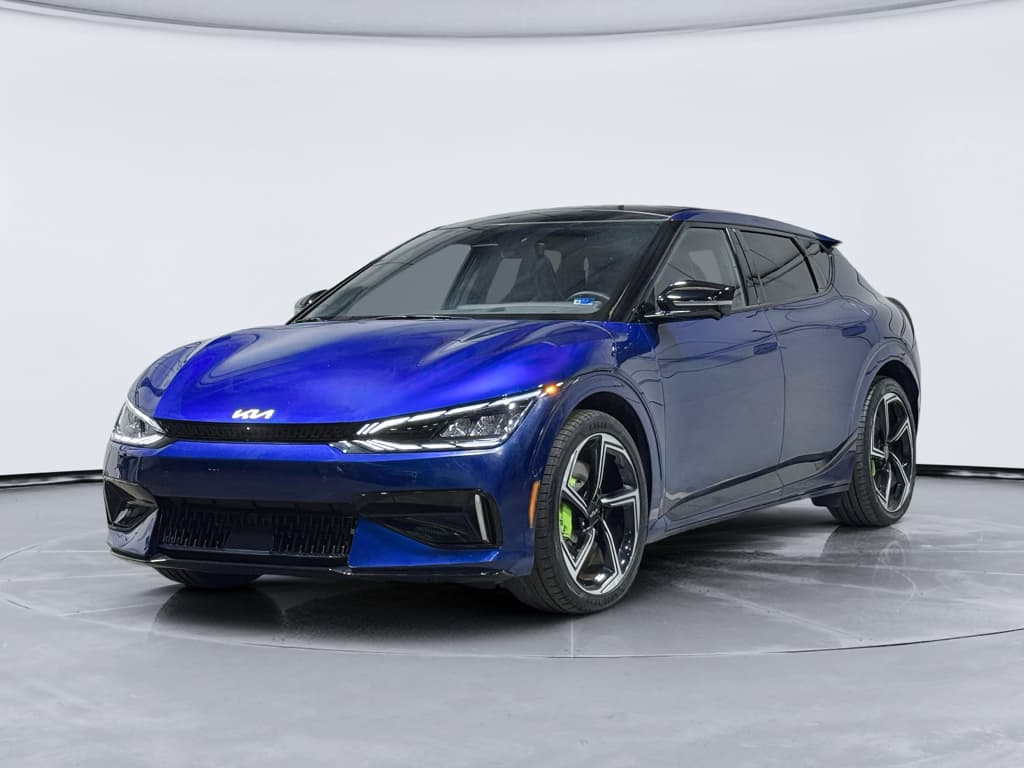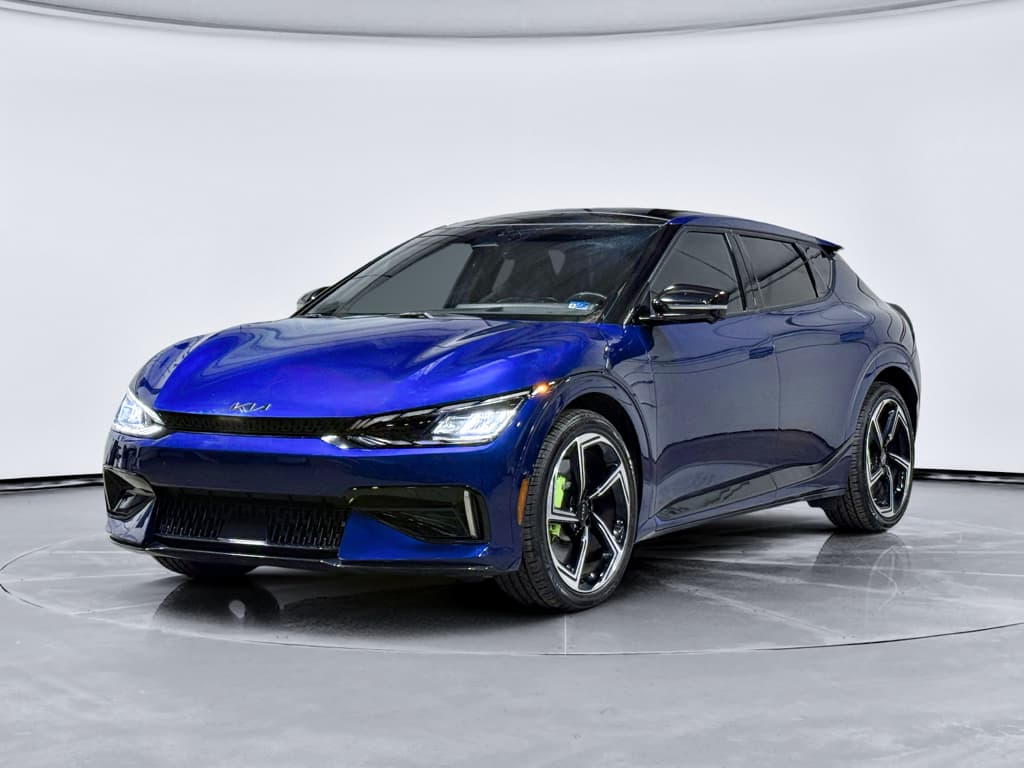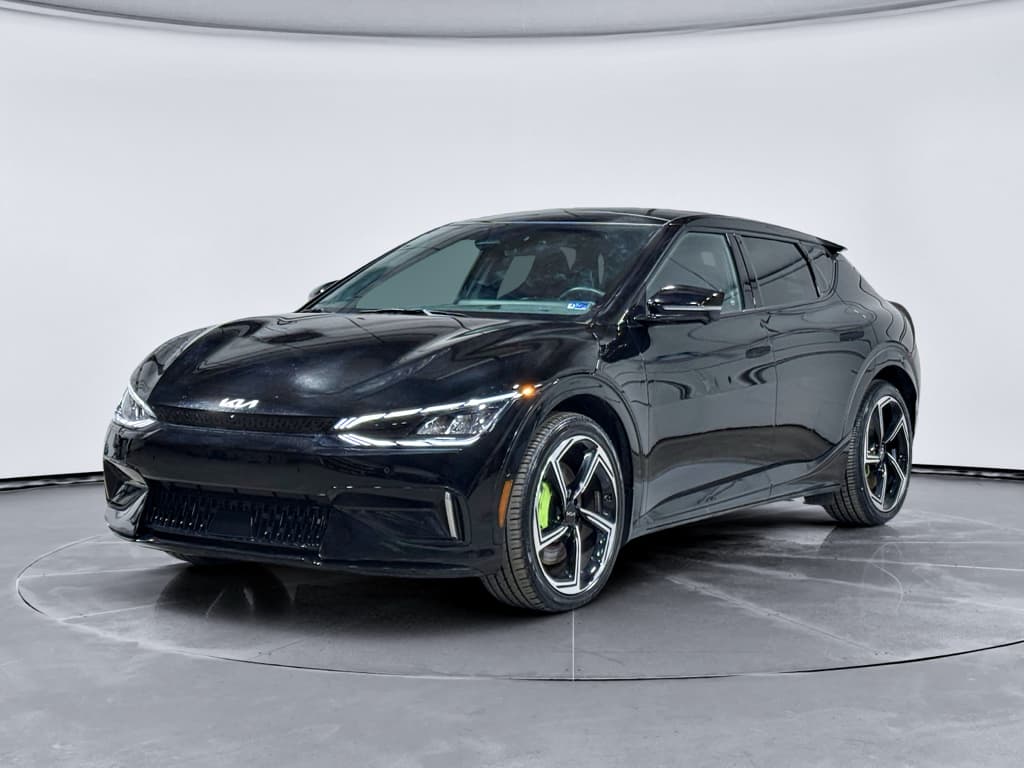
If you’re researching Kia EV6 common problems in 2026, you’re not alone. Early EV6s have some well‑documented issues, especially with the charging control electronics and 12‑volt battery, but the car also has a strong safety record and generally solid long‑term outlook. The goal of this guide is to separate internet horror stories from patterns that really matter, so you can decide whether a new or used EV6 is a smart move for you.
Big Picture on EV6 Reliability
Overview: How the Kia EV6 Is Holding Up by 2026
What’s gone right
- Crash safety: Top ratings from major safety bodies and strong passive protection.
- Battery durability: Real‑world data so far shows modest, in‑line degradation rather than widespread pack failures.
- Driving experience: Owners consistently praise performance, efficiency, and fast‑charging speed when the system is healthy.
Where problems show up
- ICCU failures: The Integrated Charging Control Unit on 2022–2024 models has been the headline problem, prompting multiple recall campaigns.
- 12‑volt battery complaints: Some owners report repeated 12‑volt failures and “dead” cars needing to be jump‑started.
- Software and infotainment bugs: Navigation glitches, failed infotainment updates, and occasional driver‑assist weirdness.
If you’re shopping used, EV6 build year matters. Early 2022–2023 cars are where most serious failures cluster, while later 2024–2025 models benefit from updated hardware and software. In 2026, the key is not to avoid the EV6 altogether, but to avoid the wrong EV6, specifically those without completed recall work or with warning signs in the charging and electrical systems.
Quick List of Kia EV6 Common Problems
- Integrated Charging Control Unit (ICCU) failures that can cause reduced power or complete loss of motive power
- 12‑volt battery drain or repeated 12‑volt battery failures leading to a “no start” condition
- DC fast‑charging sessions that suddenly slow, stop, or won’t initiate, often linked to ICCU/12‑volt issues
- Software and infotainment glitches, including frozen or black screens and buggy navigation updates
- Over‑the‑air (OTA) or USB infotainment updates that fail partway through or temporarily disable features
- Inconsistent driver‑assist behavior (lane‑keep and adaptive cruise needing frequent recalibration or software updates)
- Wind noise, trim rattles, and occasional water‑leak or hatch‑alignment complaints
- Normal but sometimes misunderstood battery‑range loss in extreme cold or at highway speeds
Don’t Treat Every Complaint Equally
ICCU Failures & Loss of Power Recalls
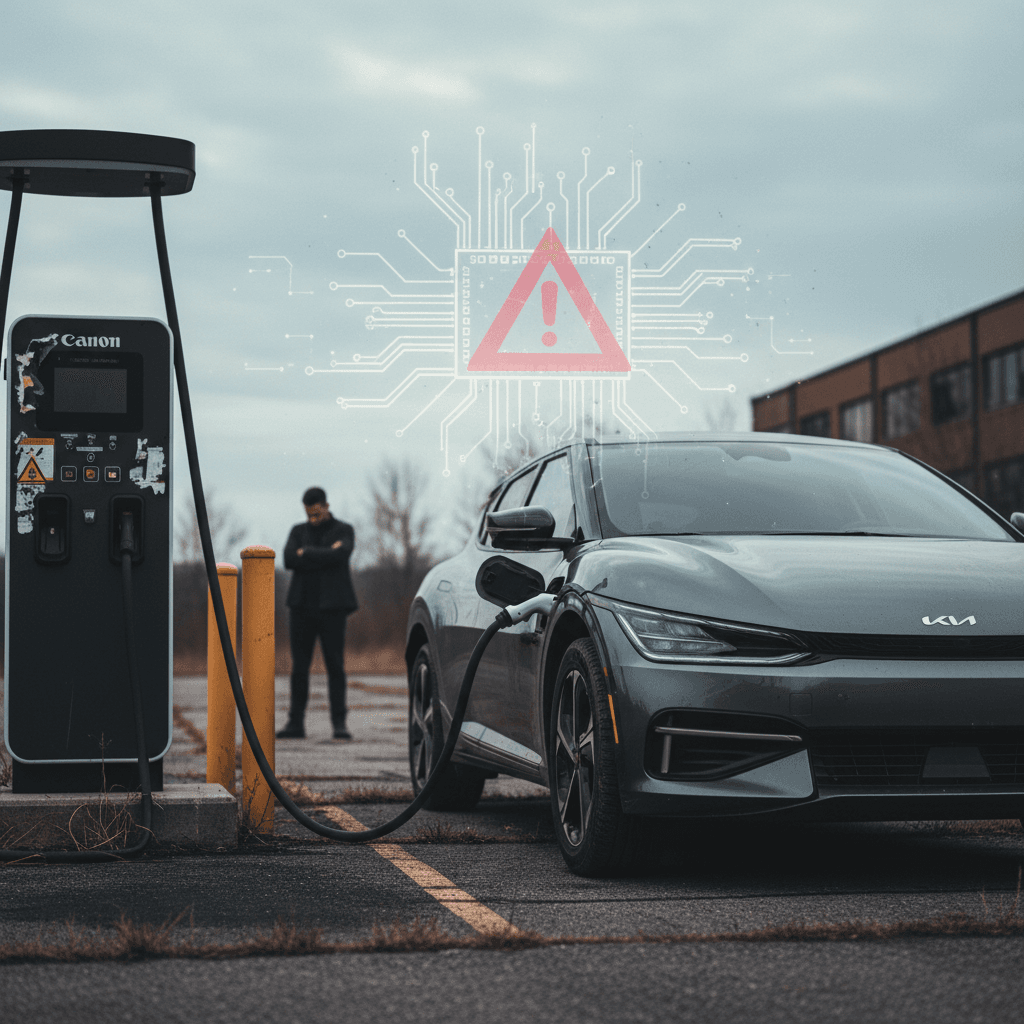
The Integrated Charging Control Unit (ICCU) is the EV6’s power‑electronics brain for on‑board charging. When it misbehaves, you can see everything from reduced performance to an EV6 that eventually won’t move at all. This has been the single most serious and widely documented EV6 issue so far.
ICCU & Power Loss: Why It Matters
Typical early warning signs include warning lights, messages about limited charging or reduced power, and DC fast‑charging that slows or cuts out well below expected power levels. If the ICCU continues to deteriorate, the car can enter limp‑home mode or refuse to drive entirely.
Why ICCU Problems Are a Big Deal
How to Screen an EV6 for ICCU Issues
1. Run the VIN for open recalls
Use a recall lookup tool or ask the seller for a current Kia recall printout. Any open ICCU‑ or power‑loss‑related campaigns should be completed before delivery, not “scheduled later.”
2. Ask specifically about ICCU work
Request documentation of ICCU software updates or hardware replacement. Phrases like “SC302” or later campaign codes on paperwork are good signs the work was done.
3. Test both AC and DC charging
On the test drive, plug into a Level 2 charger long enough to confirm stable charging, and, if possible, run a brief DC fast‑charge session to check that power doesn’t suddenly drop or stop.
4. Watch for warning messages
Before and after driving, scan the cluster for any EV system warnings or reduced‑power messages. Walk away from any car that shows persistent high‑voltage or charging system alerts.
12‑Volt Battery Drain & “Dead” EV6 Complaints
Like most modern EVs, the EV6 still relies on a small 12‑volt battery to boot computers, power locks, and close contactors that connect the high‑voltage pack. When that 12‑volt system misbehaves, the result feels exactly like a dead gas car: the EV6 won’t “start,” even if the main battery is nearly full.
Common 12‑Volt Symptoms EV6 Owners Report
Most are annoying, but they’re fixable once you know what to look for.
Car won’t “ready”
You press the start button and see multiple warning lights, but the EV6 never goes into "Ready" or drive mode.
Intermittent dead car
The vehicle is fine most days but occasionally wakes up completely dead after sitting overnight or at the airport.
App & smart‑charging quirks
Some owners trace 12‑volt drain to aggressive app polling, smart‑charging schedulers, or third‑party chargers constantly pinging the car.
Easy 12‑Volt Risk Reducers
When shopping used, repeated 12‑volt failures on one vehicle are a yellow flag. It might just be a bad battery, or it could point to an underlying control‑module or wiring issue that hasn’t really been fixed. You want records showing both the 12‑volt replacement and any related system updates, not just a string of jump‑starts.
Software, Infotainment & OTA Update Glitches
Kia has leaned hard into connected software and over‑the‑air updates on the EV6. That’s good for keeping features fresh, but it also means you’ll see more minor software annoyances than on a simple, analog car.
- Infotainment updates that leave the center screen blank or frozen until the car is restarted or the update finally finishes
- Navigation map updates via USB or the Kia Navigation Updater tool that are slow, confusing, or fail partway through
- Occasional bugs where in‑car charger status data or public‑charger availability stops updating correctly after an OTA
- Android Auto/Apple CarPlay connection drops or audio glitches that improve only after a full infotainment reset
- Driver‑assist features (lane‑keeping, highway assist) that feel overly assertive until recalibrated or updated
Are OTA Updates Safe to Run?
Charging Issues: Slow, Stuck, or Interrupted Sessions
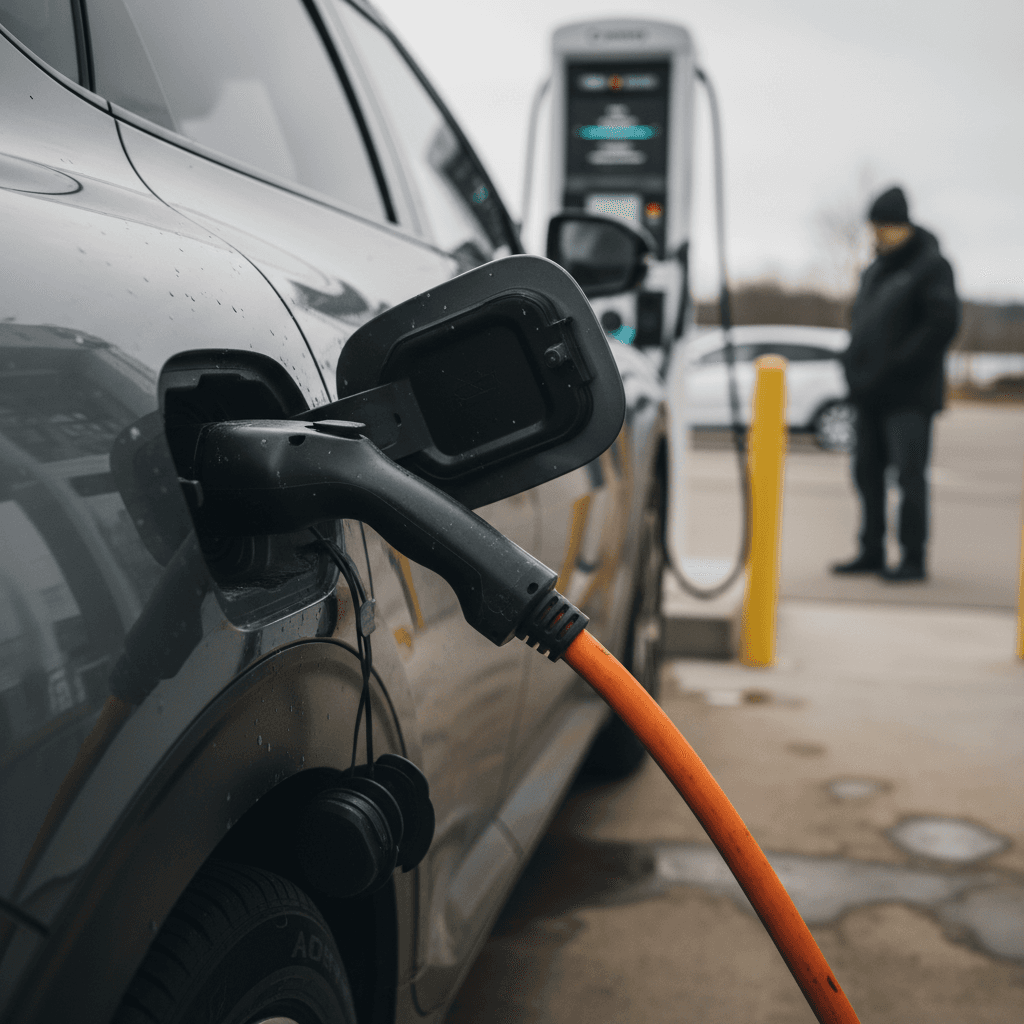
The EV6 is capable of excellent DC fast‑charging speeds when everything is working correctly. Still, a noticeable minority of owners have reported charging sessions that start and stop repeatedly, or never ramp up to the power they expect. The tricky part is that not all of these are the car’s fault, public charger reliability is a real problem in 2026.
Issues likely caused by the car
- Frequent charging interruptions at multiple public networks and at home.
- Repeated DC sessions that stall around 30–40 kW even on high‑power chargers.
- Charging‑system warning messages in the cluster or on the infotainment screen.
Issues likely caused by the charger
- Problems isolated to one specific station or network.
- Other EVs at the same station also failing or charging slowly.
- Staff or online tools reporting that a station is “derated” or under maintenance.
How to Separate Car vs. Charger Problems
High‑Voltage Battery Degradation & Real‑World Range
The good news: by 2026 there is no broad evidence of catastrophic battery degradation across the EV6 fleet. Most owner data and independent battery‑health tracking show modest capacity loss in line with other modern EVs, especially for cars that aren’t fast‑charged to 100% every single day.
- A small drop in range (5–10%) over the first few years is normal and not a red flag.
- High‑mileage or heavy‑fast‑charge cars may show somewhat higher loss, but still typically within warranty guardrails.
- Extremely rapid range loss, unusual cell‑balance warnings, or overheating during charging are not normal and should be investigated immediately.
Don’t Confuse Weather With Degradation
At Recharged, every EV6 we list includes a Recharged Score battery health diagnostic, so you can see how a used car’s pack compares to similar EV6s and spot outliers before you buy.
Noise, Ride Quality & Minor Build Complaints
Beyond big‑ticket items like ICCU and software, the EV6 has its share of smaller complaints you’ll see in owner forums and long‑term reviews. None of these are unique to Kia, but they’re worth knowing about so you’re not surprised on the test drive.
“Everyday” EV6 Complaints Owners Mention
Rarely deal‑breakers, but good negotiation leverage when buying used.
Wind noise
Some drivers notice noticeable wind noise around the mirrors or A‑pillars at highway speed, especially on early builds.
Interior rattles
Occasional trim squeaks or rattles over rough pavement. Often fixable with adjustments, but annoying on a newer car.
Seals & alignment
A small number of owners report hatch alignment, weather‑strip noise, or minor water intrusion that needs dealer adjustment.
Key Recalls & Service Campaigns to Know About
By 2026 the Kia EV6 has been subject to multiple recalls and service campaigns, most of them concentrated on 2022–2024 model‑year vehicles. The exact campaign codes vary, but if you’re buying used, you mainly need to confirm that all safety recalls are closed and major software updates are applied.
Major Kia EV6 Problem Areas Addressed by Recalls
This is a simplified, shopper‑focused summary, always run the VIN for exact open‑recall status.
| Issue | Likely Model Years | What the Campaign Typically Does | Why It Matters |
|---|---|---|---|
| ICCU power‑loss risk | 2022–2023, some 2024 | Updates ICCU software, inspects or replaces hardware | Reduces risk of reduced power or complete loss of motive power. |
| Parking brake / control‑logic glitches | Early 2022 | Updates control modules | Prevents roll‑away or unexpected behavior when parked. |
| Seat belt or air‑bag–related fixes | Select years/trim | Component replacement or software updates | Maintains crash‑safety performance in real‑world crashes. |
| Minor software / instrument‑cluster updates | Multiple years | Refines warnings and system behavior | Improves clarity of alerts and reduces nuisance messages. |
Recall coverage can change over time. Use NHTSA or Kia’s recall lookup tools for current details.
Always Run a VIN Recall Check
Shopping a Used Kia EV6 in 2026: What to Check
In the used market, the Kia EV6 offers a lot of EV for the money: strong range, ultra‑fast charging, and a modern interior. But because early cars had higher‑than‑average ICCU and 12‑volt drama, you need to be more methodical than you might with a simpler gas crossover.
Used Kia EV6 Inspection Checklist for 2026 Buyers
1. Verify model year and build date
Earlier 2022–2023 cars deserve closer scrutiny. Check the door‑jamb label for build date and compare against known recall ranges; later‑build 2024–2025 models tend to have fewer systemic issues.
2. Confirm all recalls and campaigns
Ask the seller for a printed service history showing closed ICCU/power‑loss recalls and any high‑voltage or parking‑brake campaigns. Open recalls should be handled before you take delivery.
3. Get objective battery‑health data
Don’t rely on the dashboard range guess alone. A third‑party battery‑health report, or a Recharged Score report when you buy through Recharged, shows how this EV6’s pack compares with peers.
4. Test DC fast charging
If possible, plug into a reputable fast charger and watch how quickly the EV6 ramps up power, whether it maintains speed, and whether any warnings appear. Sudden drops or repeated aborts deserve deeper diagnosis.
5. Check for 12‑volt history
Review records for 12‑volt battery replacements and electrical diagnoses. One replacement over several years is normal; multiple failures with no clear root cause are a red flag.
6. Exercise every tech feature
On the test drive, run navigation, smartphone mirroring, driver‑assist features, climate control, and camera systems. You’re checking for freezes, black screens, and inconsistent lane‑keeping or cruise behavior.
7. Listen and look for build issues
Drive on highway and rougher surfaces to check for wind noise, rattles, and squeaks. Walk around the car looking for uneven panel gaps, worn weather‑stripping, or signs of water intrusion in the hatch area.
Good News for Patient Shoppers
How Recharged Helps You Avoid Problem EV6s
Buying a used EV6 shouldn’t require a PhD in recalls and high‑voltage electronics. At Recharged, our whole platform is built around making this simpler and more transparent, especially on models like the EV6 with a lot of software and charging complexity.
Why Shop for a Used Kia EV6 Through Recharged?
We bake the hard homework into every listing.
Recharged Score battery & charging diagnostics
Every EV6 gets a Recharged Score report that measures battery health and looks for charging anomalies that might hint at ICCU or 12‑volt problems. You see more than just an odometer reading and a guess‑o‑meter range.
Transparency on recalls & pricing
Our listings highlight open recalls and factor known EV6 problem areas into fair market pricing. That way you’re not overpaying for an early‑build car that still needs important campaign work.
EV‑specialist guidance
Recharged offers EV‑specialist support to walk you through what ICCU work has been done, how the 12‑volt system looks, and whether a particular EV6 fits your daily driving and charging reality.
Financing, trade‑in & delivery
From financing and trade‑ins to nationwide delivery and our Experience Center in Richmond, VA, we handle the logistics so you can focus on choosing the right EV6, not chasing paperwork.
Ready to find your next EV?
Browse VehiclesKia EV6 Problems FAQ (2026)
Frequently Asked Questions About Kia EV6 Problems
Bottom Line: Should You Avoid the Kia EV6?
If all you saw were forum posts and recall headlines, you might conclude the Kia EV6 is a problem child. The reality in 2026 is more nuanced. Early cars did have outsized ICCU and 12‑volt headaches, and these are serious enough that you should never skip a recall check. But once those issues are addressed, most EV6s deliver exactly what owners hoped for: strong range, ultra‑fast charging, and a genuinely enjoyable drive.
So, no, you don’t need to avoid the EV6 outright. You do need to be deliberate: verify recall work, insist on transparent battery‑health and charging data, and walk away from any car with unresolved electrical drama. If you’d rather not manage that process alone, shopping a Recharged EV6 with a Recharged Score report and EV‑specialist guidance is one of the easiest ways to get the upside of this Kia without inheriting someone else’s problems.