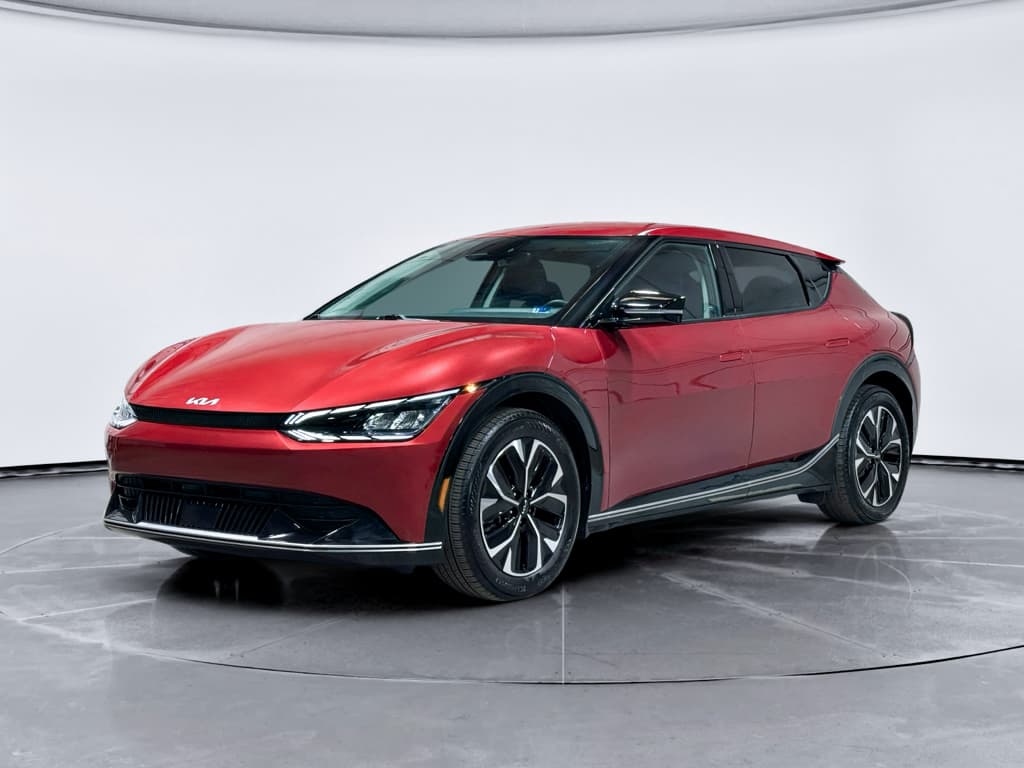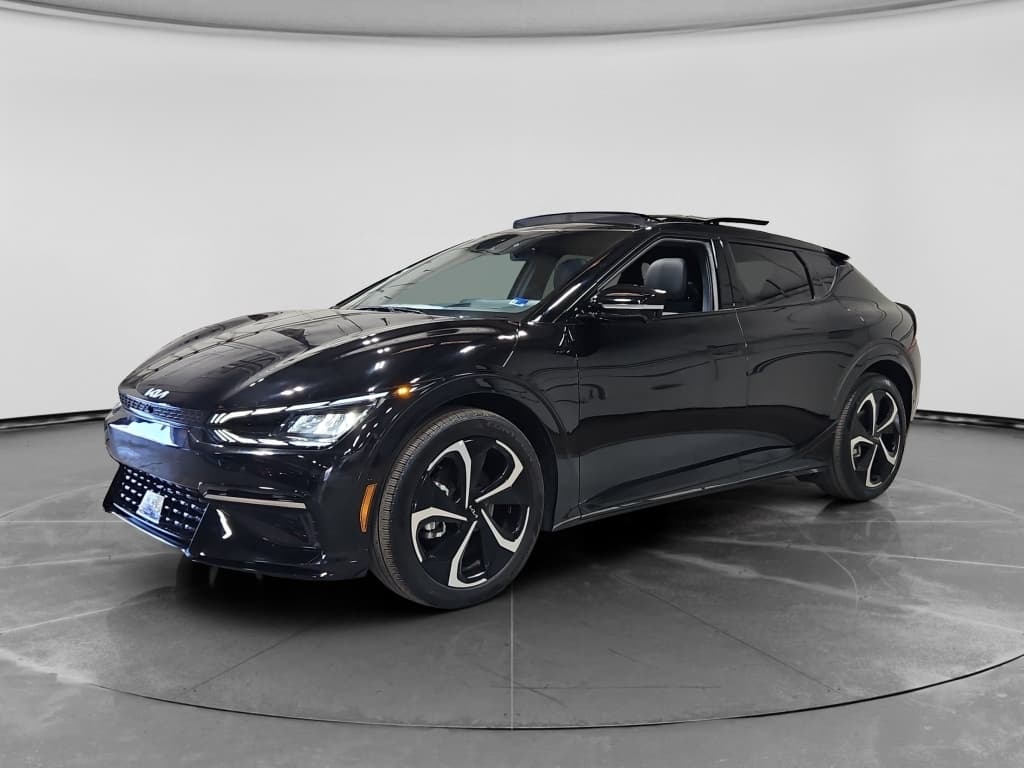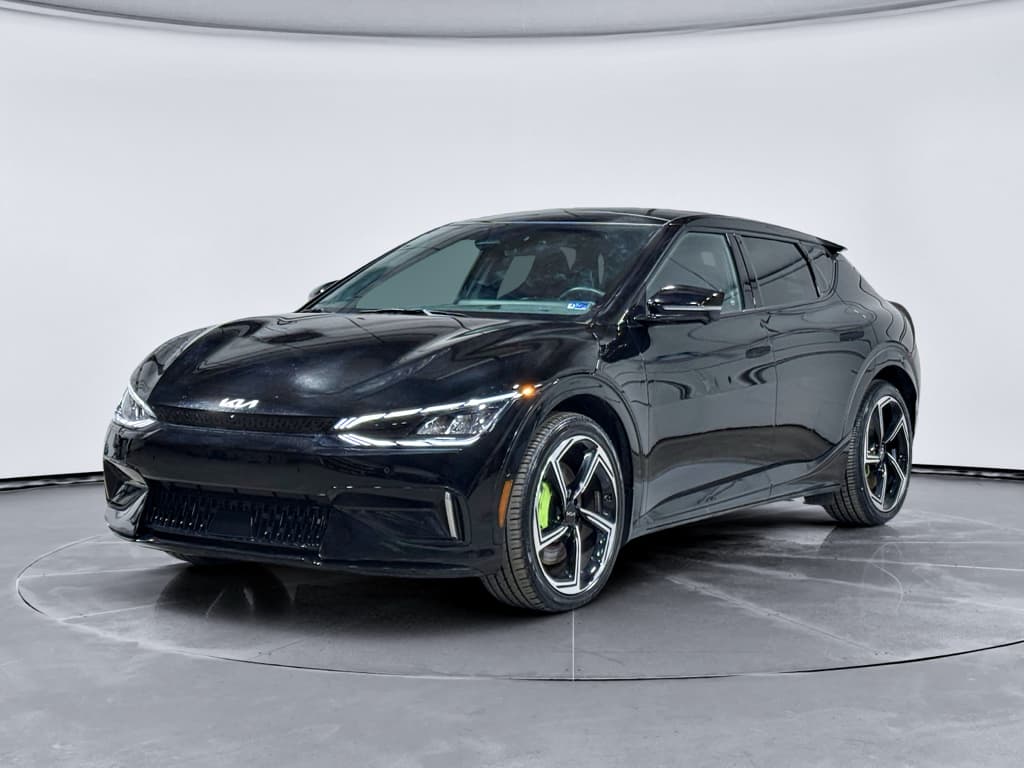
If you’re shopping for a Kia EV6 or already own one, you’ve probably heard mixed stories about insurance costs. Some drivers pay less than they did for a gas SUV; others get hit with eye‑watering quotes. This guide breaks down Kia EV6 insurance costs in plain English and shows you practical ways to get the cheapest insurance you reasonably can, without cutting the coverage that actually protects you and your EV.
What this guide covers
Kia EV6 insurance at a glance
Kia EV6 insurance snapshot (2025)
The headline: the Kia EV6 is neither the cheapest nor the most expensive EV to insure. It usually lands in the middle of the EV pack, but often above a typical gas SUV. The good news is that most of the premium is still in your control, through how you shop, how you drive, and how you configure both the car and your policy.
How much does Kia EV6 insurance cost in 2025?
Different insurance data providers slice the numbers differently, but they all land in a similar ballpark. Recent national analyses peg average full‑coverage Kia EV6 insurance around $2,200–$2,800 per year, or roughly $185–$235 per month, for a 40‑year‑old driver with a clean record and standard coverage limits in a mid‑priced state.
Kia EV6 insurance vs. other vehicles
Indicative national averages for full‑coverage insurance. Your actual rate will depend heavily on age, location, driving record, credit, and chosen limits.
| Vehicle | Fuel type | Typical annual full‑coverage premium | Notes |
|---|---|---|---|
| Kia EV6 | Electric | $2,200–$2,800 | Compact electric crossover; repair and battery costs push premiums up. |
| Toyota RAV4 | Gas | $1,700–$2,000 | Benchmarks many compact SUV insurance studies; cheaper to repair. |
| Hyundai Ioniq 5 | Electric | $2,100–$2,700 | Similar platform to EV6; pricing usually within the same band. |
| Tesla Model Y | Electric | $2,400–$3,100 | Often slightly more expensive than EV6 to insure in national studies. |
| Average U.S. vehicle | Mixed | ~$2,100 | Recent nationwide estimates for full‑coverage insurance across all vehicles. |
Kia EV6 usually costs more to insure than popular gas compact SUVs but sits near the middle of the EV pack.
Why your quote may be higher (or lower)
Why Kia EV6 insurance can feel expensive
If you’re coming from a gas crossover or sedan, your Kia EV6 quotes might feel steep. That isn’t just about the sticker price. A few structural factors make many EVs, including the EV6, more expensive to insure:
- High repair and parts costs. EVs pack advanced electronics, sensors and battery systems into tight spaces. Even minor front or rear collisions can require costly component replacements and calibrated ADAS (advanced driver assistance system) repairs.
- EV‑specific labor and training. Many body shops still treat high‑voltage EV work as specialty labor. That shows up in insurers’ claim cost models, especially for newer platforms like the EV6.
- Vehicle value. A well‑equipped EV6 GT‑Line or GT can cost far more than a mainstream gas SUV. Insuring a $55,000–$60,000 vehicle simply costs more than insuring a $30,000 one.
- Battery risk. Large battery packs are expensive. While catastrophic failures are rare, the potential for high‑dollar claims makes underwriters cautious.
- Market volatility. Rapidly shifting EV price incentives and resale values make it harder for insurers to predict what a total loss will cost, so they often bake in extra margin.
The safety story actually helps
The levers that actually make Kia EV6 insurance cheaper
You can’t change the fact that the EV6 is a modern, high‑value EV. But you do control many of the inputs that insurers use. If your goal is the cheapest realistic Kia EV6 insurance, these are the levers that move the needle the most:
6 high‑impact ways to cut EV6 insurance costs
Start with the items that affect risk and claims cost first, then layer on discounts.
1. Where (and how much) you drive
2. Your driving record
3. Annual mileage & usage
4. Deductibles & limits
5. Bundles & discounts
6. Telematics / usage‑based programs
Quick win: shop by total cost, not just monthly price
Step-by-step: How to get the cheapest EV6 insurance quote
You don’t need insider access to lower your premium. You just need a structured approach. Here’s a simple playbook you can work through in an afternoon before you buy, or any time your renewal notice lands.
9 steps to a cheaper Kia EV6 insurance premium
1. Decide on realistic coverage needs
Before you start quoting, decide your minimum acceptable liability limits (many EV owners choose at least 100/300/50 or higher) and the highest deductibles you’d be comfortable paying if you had a claim.
2. Gather the right data
Have your VIN, estimated annual mileage, garaging address, current policy declarations, and any recent tickets or accidents handy. Consistent inputs across quotes make comparisons fair.
3. Get 5–8 quotes, not 2
Rates for a Kia EV6 swing widely across insurers. Use at least one independent agent or online marketplace plus a few direct‑to‑consumer carriers so you don’t miss a better fit.
4. Ask specifically about EV discounts
Some carriers quietly offer perks for EVs, like discounts tied to advanced safety systems, homeowners with Level 2 chargers, or participation in eco‑driver programs. They’re not always advertised.
5. Explore telematics and usage‑based plans
If you’re a smooth, low‑mileage driver, ask about programs that use a smartphone app or plug‑in device to track behavior. These can unlock immediate sign‑up discounts plus bigger savings over 3–6 months of good driving data.
6. Adjust deductibles strategically
Run the math: how much do you really save per year by moving from a $500 to $1,000 deductible on collision and comprehensive? If the savings are meaningful and you have an emergency fund, it can be an efficient lever.
7. Bundle where it makes sense
Quote your EV6 with the same insurer that covers your home or renters policy, and with at least one other carrier for comparison. Multi‑policy and multi‑vehicle discounts are often among the largest available.
8. Clean up your report where possible
If you have older tickets or minor incidents, ask agents when they’ll age off rating. In some states and with some carriers, simply waiting for a violation anniversary before switching can drop your quote substantially.
9. Re‑shop at renewal and major life events
Marriage, a move to a new ZIP code, adding a second vehicle, or paying down debt can all change how you’re rated. Calendar a yearly shopping check, even if you stick with your current insurer.
When you’re buying or financing an EV6
Ready to find your next EV?
Browse VehiclesChoosing coverages without accidentally underinsuring your EV6
Chasing the absolute cheapest Kia EV6 insurance can backfire if it leaves you exposed in a major loss. EVs are high‑value, and total losses are not uncommon when modern safety systems or structural battery areas are involved. Here’s how to trim fat without cutting into the muscle of your policy.
Where it’s usually safe to save
- Collision & comprehensive deductibles. Moving from a $250 to a $500 or $1,000 deductible can meaningfully lower premiums if you rarely file claims and have cash reserves.
- Rental reimbursement limits. EV6 charging infrastructure is expanding; you may not need the highest rental car allowance if you have another vehicle in the household.
- Roadside assistance overlap. If your EV6 or credit card already includes roadside, you might skip duplicate coverage on the policy.
Where you generally shouldn’t skimp
- Liability limits. A serious crash can easily exceed state minimums. Because EV6 is a high‑value vehicle, carrying robust liability (for example, 100/300/50 or higher) is often a smart baseline.
- Uninsured/underinsured motorist. Protects you if another driver with little or no insurance hits your EV6. This matters in states with low minimum requirements.
- Gap or loan/lease coverage. If you owe more than the EV6 is worth, gap coverage can be inexpensive peace of mind, especially early in a loan or lease.
Watch out for "state minimum" temptations
Insuring a used Kia EV6: what’s different?
If you’re buying a used EV6, especially one that’s a model year or two old, insurance dynamics shift in a few helpful ways. The vehicle’s replacement cost drops, and more repair data gives insurers better visibility into how expensive it really is to put an EV6 back together.
New vs. used Kia EV6 insurance dynamics
Why a used EV6 often costs less to insure than a brand‑new one.
New Kia EV6
- Higher vehicle value means more expensive collision and comprehensive coverage.
- Lenders nearly always require full coverage and may insist on low deductibles.
- Less long‑term claims data can lead some carriers to price more conservatively.
Used Kia EV6
- Lower replacement value typically reduces physical damage premiums over time.
- More actual repair costs on record help insurers fine‑tune pricing.
- Owners sometimes feel comfortable with slightly higher deductibles after a few years.
At Recharged, every used EV6 includes a Recharged Score Report with verified battery health and fair‑market pricing. That kind of transparency makes it easier for you and your insurer to understand what you’re actually protecting, and to choose deductibles and coverage levels that match the car’s true value, not just its original MSRP.
Kia EV6 insurance FAQ
Frequently asked questions about cheap Kia EV6 insurance
Key takeaways for lowering Kia EV6 insurance costs
The Kia EV6 isn’t destined to be brutally expensive to insure, but it does demand a bit more homework than a typical gas crossover. National data suggests most drivers land somewhere in the $2,200–$2,800 per‑year range for full coverage, with plenty of room on either side depending on risk factors. If you want the cheapest realistic Kia EV6 insurance, shop widely, keep your driving record clean, opt into the right discounts, and be deliberate about your deductibles and limits.
When you’re comparing EV6s, especially used ones, don’t separate price, insurance, and battery health into silos. Look at the total cost of ownership. A fairly priced used EV6 with strong battery diagnostics and slightly lower insurance can beat a seemingly cheaper car that hides risk. That’s the lens Recharged is built around: transparent reports, EV‑specialist support, flexible financing and trade‑in options, and nationwide delivery so you can step into EV ownership with eyes wide open and fewer surprises on your insurance bill.