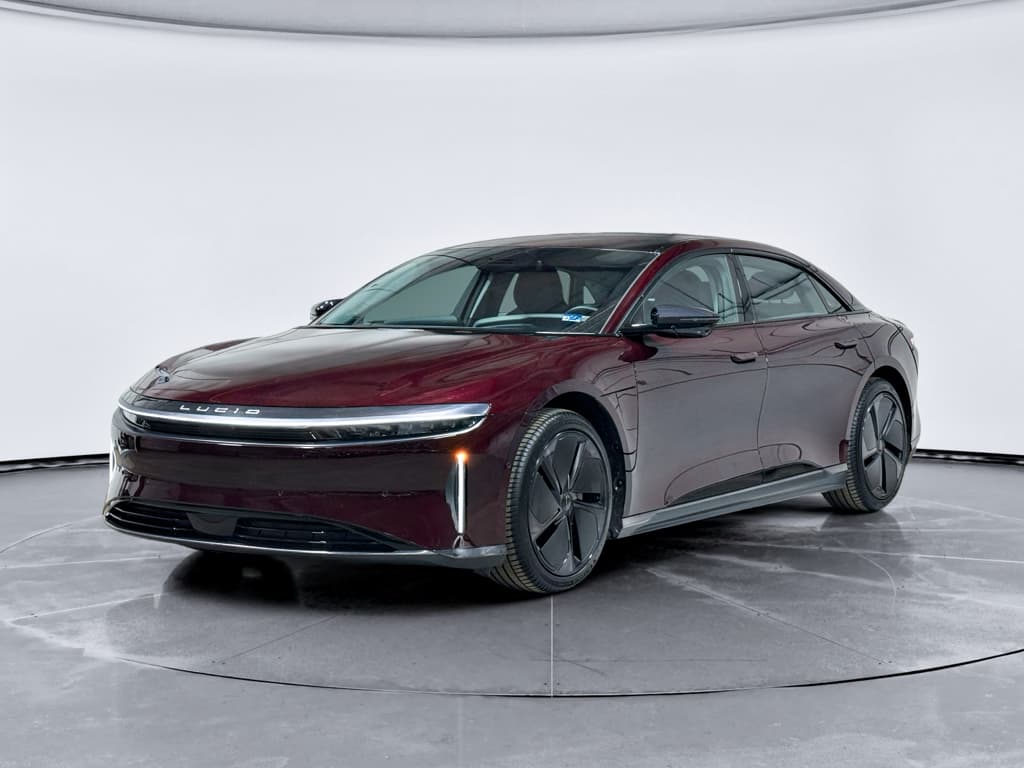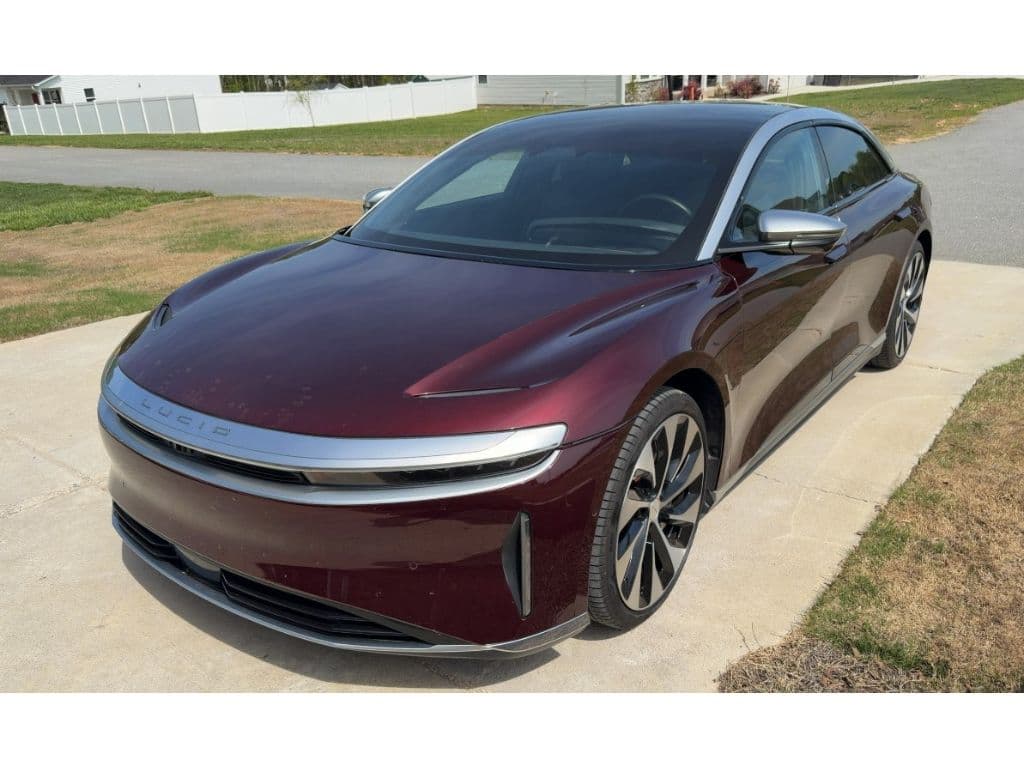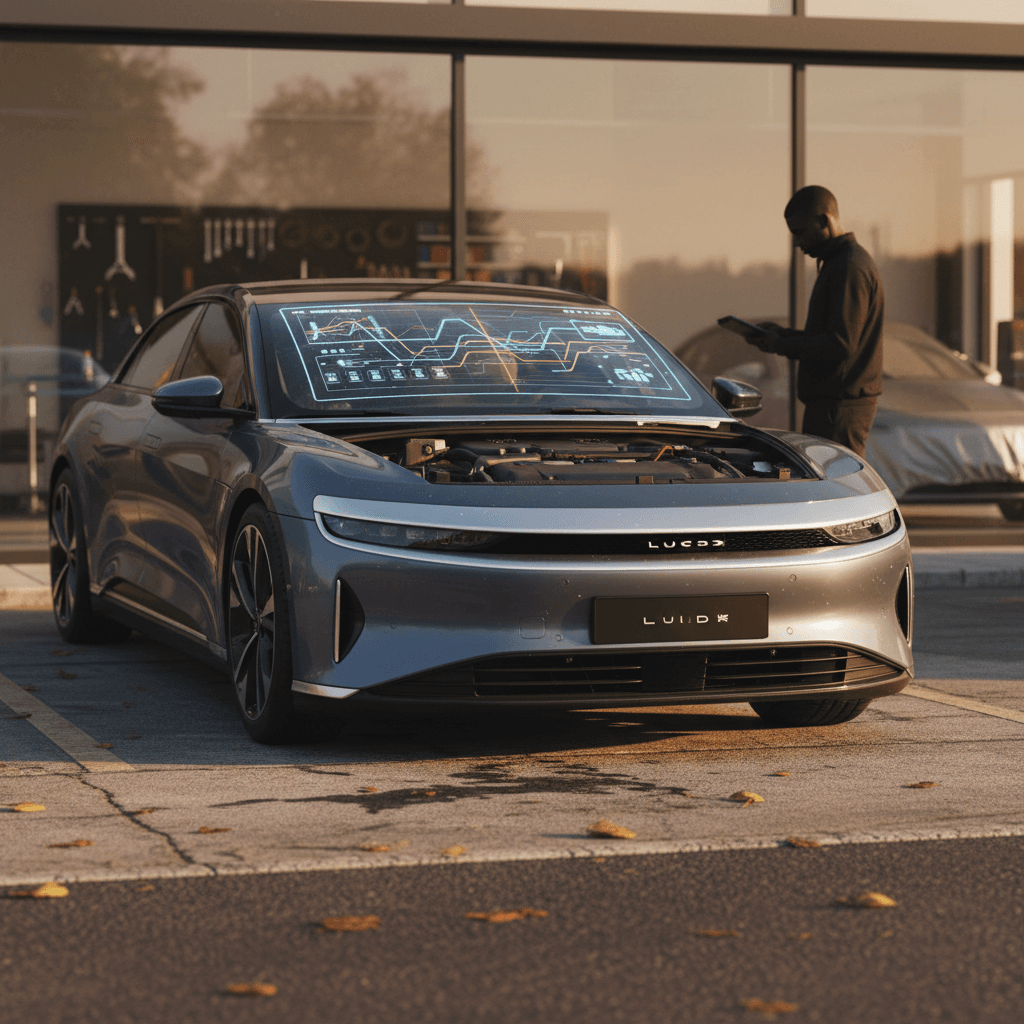
If you’re drawn to the 2024 Lucid Air, you’re not alone. It’s one of the most impressive luxury EVs ever built on paper: huge range, wild performance, gorgeous design. But reliability is where early Lucid Airs have raised the most eyebrows. Before you commit to a new or used Air, you’ll want a clear-eyed look at 2024 Lucid Air reliability, not just the marketing promises.
Bottom line up front
2024 Lucid Air reliability at a glance
Lucid Air reliability snapshot (through early 2026)
Public reliability data for the 2024 Lucid Air is still thin: J.D. Power doesn’t have a published score yet, and many third‑party rating sites list reliability as "N/A" or "to be determined." That said, we already have several strong signals: a very low predicted‑reliability score from Consumer Reports, a long list of recalls affecting early model years, and a wide spread of owner reviews that range from "best car I’ve ever owned" to "most frustrating car I’ve ever owned." The 2024 Air sits squarely in the middle of that storm.
Reliability vs. maturity
How reliable is the 2024 Lucid Air right now?
The fairest way to describe 2024 Lucid Air reliability is this: mechanically promising, operationally inconsistent. Most owners aren’t seeing catastrophic failures every week. Many put thousands of miles on their Air with only minor quirks. But the tails of the distribution are fat: a meaningful minority of owners report serious software glitches, sudden warning messages, occasional loss‑of‑power incidents tied to earlier software, and frustrating service experiences when something does go wrong.
Where the 2024 Air looks solid
- Battery, motor, and efficiency have generally held up well, even on higher‑mileage early cars.
- Thermal management appears robust; extreme‑range claims are borne out in many owner range tests.
- Chassis and braking hardware have not shown widespread systemic defects.
- When software behaves, the Air is one of the smoothest and most refined EVs to drive.
Where reliability still lags
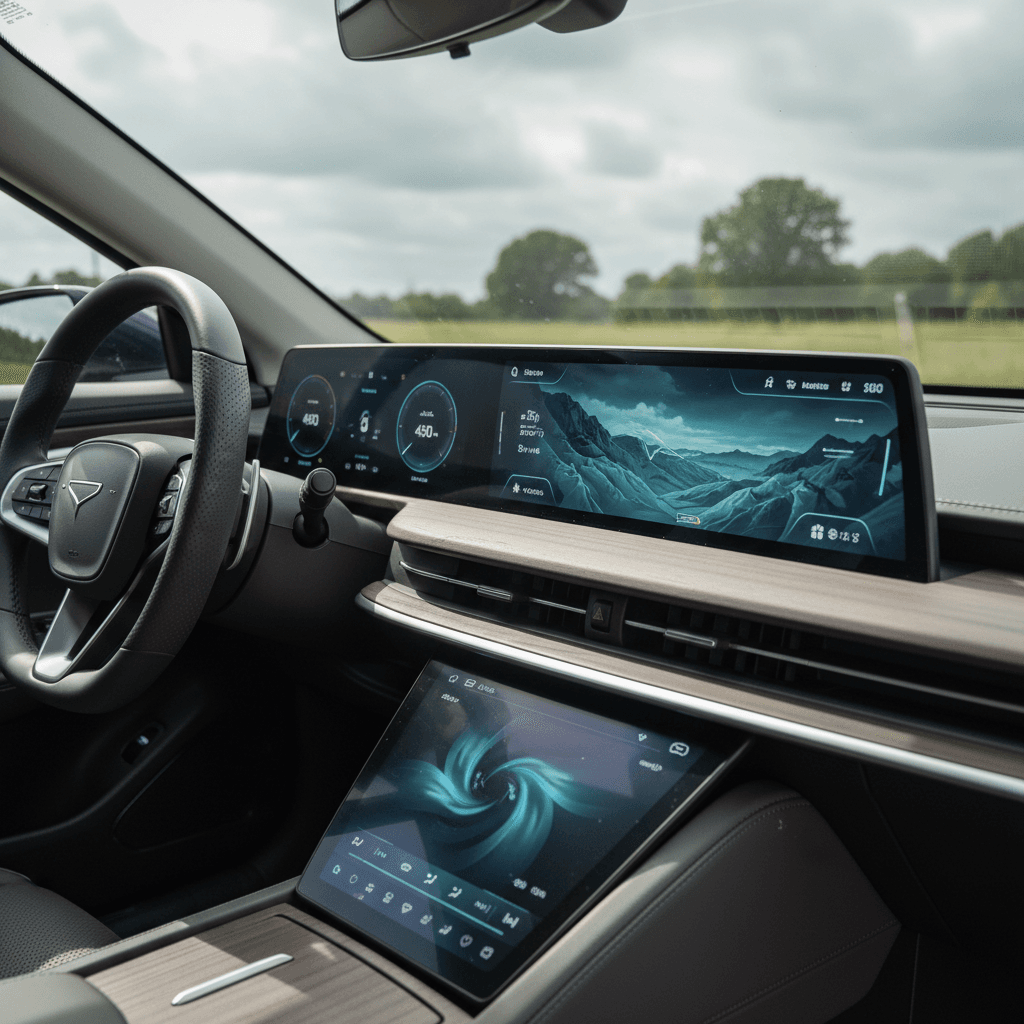
- Software stability remains a recurring pain point: frozen screens, buggy phone‑as‑key, CarPlay glitches, phantom warnings.
- Fit‑and‑finish and hardware niggles (frunk latches, charge doors, interior trim, button failures) show up more than they should at this price.
- Start‑up‑level service capacity means long wait times and inconsistent communication when you do need help.
Who can live with this tradeoff?
Common 2024 Lucid Air problems owners report
Because hard reliability scores lag new models by years, you learn the most about a 2024 Lucid Air by reading owner reviews and forums. Patterns are emerging, and most of them are about software and peripheral hardware rather than motors or battery packs.
Most frequent Lucid Air trouble spots so far
Not every 2024 Air will see these problems, but they’re common enough to watch for when you test‑drive or shop used.
Phone‑as‑key & key fob quirks
Owners frequently complain that the phone‑as‑key feature is unreliable and that the key fob can lag, sometimes taking tens of seconds before the car will unlock or shift into gear. Software updates improve this for some owners, but it’s not universally fixed.
Screen freezes & audio dropouts
Multiple owners report center screens freezing, occasional reboots while driving, or temporary loss of audio including turn‑signal clicks and alerts. These are unnerving in a car that routes almost all controls through the screen.
Charging door & frunk hardware
There are repeated stories of charge doors requiring excessive force to open and front trunks that won’t latch or unlatch correctly without adjustment, often leading to service visits early in ownership.
Less common but higher‑severity issues
These show up less often but matter a lot when they do.
Loss of motive power (software‑related)
Earlier recalls addressed software logic that could cut power to protect high‑voltage components, occasionally while driving. Updates are meant to prevent shut‑down until the car is stopped, but some 2024 owners still describe sudden power‑loss incidents in edge cases.
HV heater / defrost failures
A recall covering 2022–2024 cars targeted high‑voltage coolant heater failures that could limit windshield defrosting. That’s annoying in mild climates and a serious safety issue where ice or heavy fog are common.
Trim, interior & controls
On the nuisance side, some owners report interior trim issues, seat upholstery splitting, and physical button failures (like climate or fan buttons requiring module replacement).
Why low‑frequency issues still matter
Recalls affecting the 2024 Lucid Air
The Lucid Air’s recall history is unusually busy for such a low‑volume car. Many of the early recalls hit 2022 builds hardest, but multiple campaigns extend into the 2023 and 2024 model years. A lot of them are software fixes delivered over‑the‑air, but they still speak to underlying complexity and early‑stage testing gaps.
Major Lucid Air recalls relevant to 2024 models
Exact coverage depends on build date and options package; always run a VIN check on NHTSA.gov or with your dealer.
| Issue | Model years affected | What can happen | Typical remedy |
|---|---|---|---|
| Sudden loss of drive power (HV system logic) | 2022–2023 (some software logic relevant to later builds) | Vehicle can lose motive power if certain connectors open while driving. | Over‑the‑air software update that changes high‑voltage interlock logic and service procedures. |
| High‑voltage coolant heater (HVCH) failure | 2022–2024 | Defroster may not clear windshield, hurting visibility in cold/wet conditions. | Software update plus, in some cases, HVAC hardware replacement. |
| Various early hardware issues (suspension snap rings, tow eyes, etc.) | Mostly 2022 | Risk of component failure or detachment under specific conditions. | Hardware inspection and part replacement at Lucid service centers. |
This is not an exhaustive list of every bulletin, but it captures the higher‑profile safety campaigns that shoppers should know about.
Why OTA recalls still matter
Software vs hardware: what’s actually failing?
It’s tempting to chalk all of the Lucid Air’s issues up to "software," but the story is more nuanced. The Air is a deeply software‑defined car, so code touches almost everything you experience. Yet many headaches start with hardware choices or integration problems that software then has to babysit.
Where software is the main culprit
- Infotainment and UX bugs: frozen screens, delayed haptics, missing audio, CarPlay oddities.
- Connectivity and app issues: phone‑as‑key unreliability, app draining phone battery, inconsistent remote access.
- Drive‑logic faults: early‑generation torque and HV safety logic that erred on the side of shutting the car down.
Where hardware plays a bigger role
- Fragile or mis‑tuned mechanisms: frunk latches, charge doors, stiff cupholders, delicate switchgear.
- HV heater and HVAC components that have seen higher‑than‑expected failure rates.
- Fit and finish issues more like what you’d expect from a first‑time automaker than from Mercedes or Porsche.
What this means if you buy used
Battery and drivetrain reliability on the Lucid Air
Here’s the good news: for all the noise around Lucid reliability, we are not seeing widespread battery pack or motor failures so far. Range claims are very high, and real‑world results, while not always matching EPA stickers, are still excellent for such a powerful, heavy sedan. Early Airs with significant mileage show some normal degradation, but there’s no pattern of catastrophic pack issues like we saw with certain first‑generation EVs a decade ago.
- Lucid’s oversized battery packs and advanced thermal management systems help keep cells in a relatively gentle operating window.
- Aggressive DC fast‑charging is common among owners, yet there’s no systemic evidence of rapid degradation unique to the Air.
- Most drive‑unit issues showing up in forums are one‑off rather than indicative of a design flaw, though, as with any low‑volume car, the sample size is small.
A real strength: core EV engineering
Ownership experience: service quality and downtime
Reliability isn’t just what breaks; it’s how painful it is to get back on the road. This is where Lucid’s start‑up status bites hardest. With only a small network of company‑owned service centers and mobile techs, even minor fixes can turn into major disruptions.
What owners say about Lucid service
Experiences range from concierge‑level to hair‑pulling, depending on where you live and who you get on the phone.
The good stories
- Mobile techs coming to the owner’s home or office for minor fixes.
- Over‑the‑air updates applied quickly after an issue report.
- Friendly staff eager to help, especially for early adopters in key markets.
The bad stories
- Weeks‑long waits for service appointments or parts.
- Cars sitting for extended periods while software teams investigate bugs.
- Owners feeling "stonewalled" when trying to resolve serious failures or discuss buybacks.
Service network reality check
2024 Lucid Air reliability vs Tesla and other rivals
Every luxury EV sedan has some gremlins, but context matters. Compared with its closest peers, the Tesla Model S, Mercedes EQS, Porsche Taycan, BMW i7, the Lucid Air stands out for both its performance and its immaturity.
How the 2024 Lucid Air stacks up on reliability
High‑level view based on public ratings where available and owner‑reported issues through early 2026.
| Model | Overall reliability picture | Typical pain points |
|---|---|---|
| Lucid Air (2022–2024) | Brilliant EV tech with industry‑leading range, but predicted to be among the least reliable new cars on sale. | Software glitches, recalls, hardware niggles, uneven service network. |
| Tesla Model S | No stranger to issues, but years of iteration have ironed out many early‑2010s problems; still average at best. | Build quality, suspension wear, MCU failures on older cars, service delays. |
| Mercedes‑Benz EQS | Conservative EV engineering backed by mature dealer network; generally better than Lucid on day‑to‑day reliability. | Complex infotainment, some air‑suspension and electronics gremlins. |
| Porsche Taycan | Not perfect, but predicted reliability is notably higher than Lucid, with strong dealer support. | High running costs, occasional charging and 12‑V issues. |
| BMW i7 | Newer EV platform but built on decades of 7‑Series experience; early reports show respectable reliability. | Software updates, air‑suspension and comfort‑feature quirks. |
These are directional summaries, not precise scores, but they capture the current state of play.
If you’re purely risk‑averse, almost every rival looks safer than a Lucid Air today. You buy a Lucid because you value its unique combination of range, performance, and design enough to accept more risk than you would with a Taycan or an EQS.
Should you buy a new or used 2024 Lucid Air?
As someone who’s watched automotive start‑ups for years, I’d put the 2024 Lucid Air in the "high reward, high variance" bucket. It can be an incredible car, and a terrible ownership experience, depending on your tolerance for friction and your access to service. Whether it’s a smart buy depends more on you than on the spec sheet.
A 2024 Air can make sense if…
- You live reasonably close to a Lucid service center or major metro they actively support.
- You understand the recall and software history and are comfortable staying on top of updates.
- You value range, performance, and design more than ironclad convenience.
- You can afford downtime, this is not your only car, or your schedule is flexible.
You should probably pass if…
- You need rock‑solid dependability and fast, local service above all else.
- You’re already exhausted by software bugs in your phone and laptop.
- You’re buying your only family car and don’t have a backup if it’s in the shop.
- You’re highly sensitive to unexpected costs, stress, or time without the car.
Thinking used? Risk and reward get amplified
How to shop a used Lucid Air as safely as possible
If the 2024 Lucid Air’s appeal outweighs the risks for you, the next step is to stack the deck in your favor. With a young automaker and a complex flagship, due diligence isn’t optional, it’s the difference between a dream car and an expensive science experiment.
Used Lucid Air reliability checklist
1. Pull the full recall and service history
Run the VIN through NHTSA and ask for service records. Verify that all recall campaigns, especially those involving loss of power and HVAC defrost, have been completed, and look for repeated visits for the same issue.
2. Check software version and OTA behavior
Confirm the car is on the latest stable software and that it’s actually receiving over‑the‑air updates. A car stuck on an old version may have underlying communication or module issues.
3. Stress‑test the screens and controls
During a long test drive, experiment with navigation, audio, phone‑as‑key, CarPlay/Android Auto, drive modes, and driver‑assist. Watch for any freezes, laggy responses, or warning messages.
4. Inspect hardware trouble spots
Open and close the frunk, trunk, and charge door multiple times. Check seats, trim, and all physical buttons or switches. Listen for rattles over rough pavement.
5. Verify DC fast‑charging behavior
If possible, plug into a fast charger and confirm the car ramps to the expected kW, maintains stable charging, and doesn’t throw errors. This is crucial if you road‑trip often.
6. Get independent EV‑specific diagnostics
Traditional pre‑purchase inspections don’t go deep enough on EVs. Look for a report that reads out <strong>battery health, DC fast‑charge counts, and thermal‑management behavior</strong>, not just a visual once‑over.
How Recharged can help
Ready to find your next EV?
Browse VehiclesFAQ: 2024 Lucid Air reliability
Frequently asked questions about 2024 Lucid Air reliability
The 2024 Lucid Air is a landmark EV wrapped in first‑generation risk. If you go in with eyes open, understanding that "reliability" here means living with evolving software, occasional recalls, and a young service network, you can get one of the most compelling electric sedans on the road. If you’d rather let someone else debug the future, there are calmer, more predictable options. Either way, treat reliability as a feature, not an afterthought, and use tools like detailed battery diagnostics and transparent history reports to separate the solid cars from the science projects.