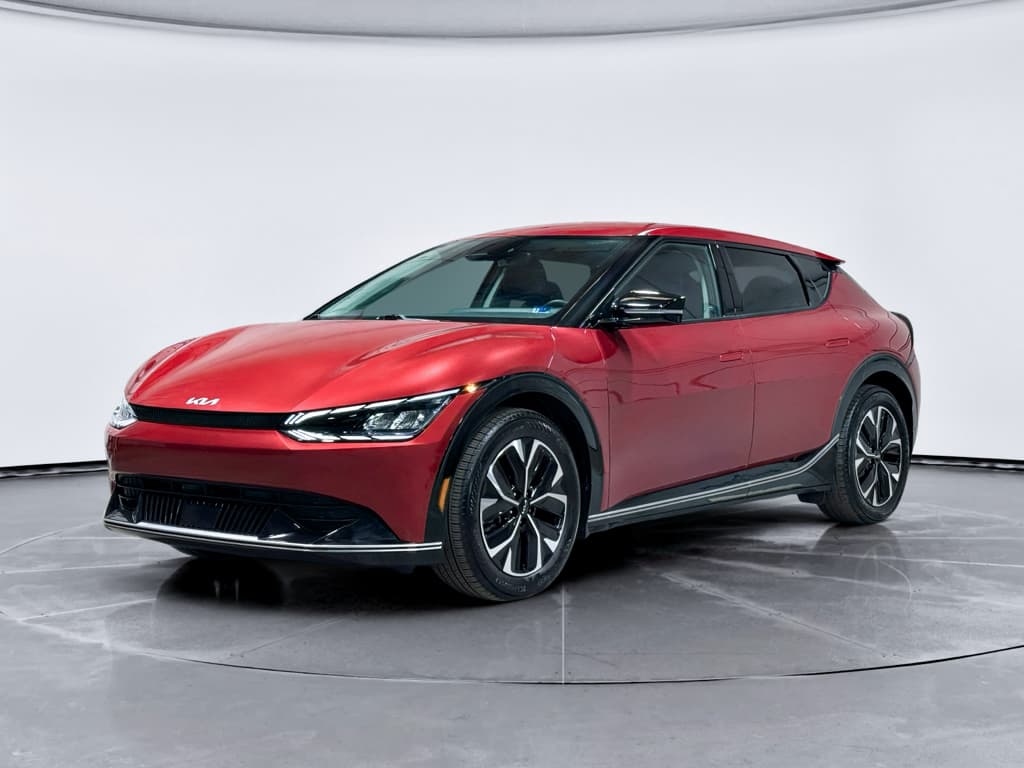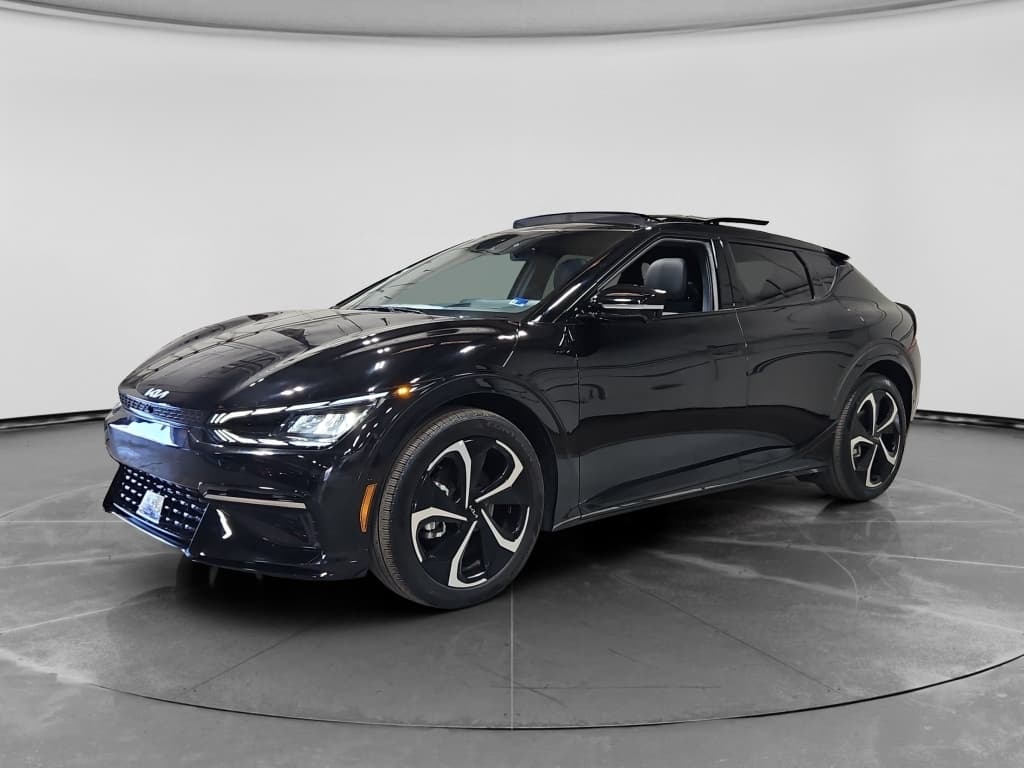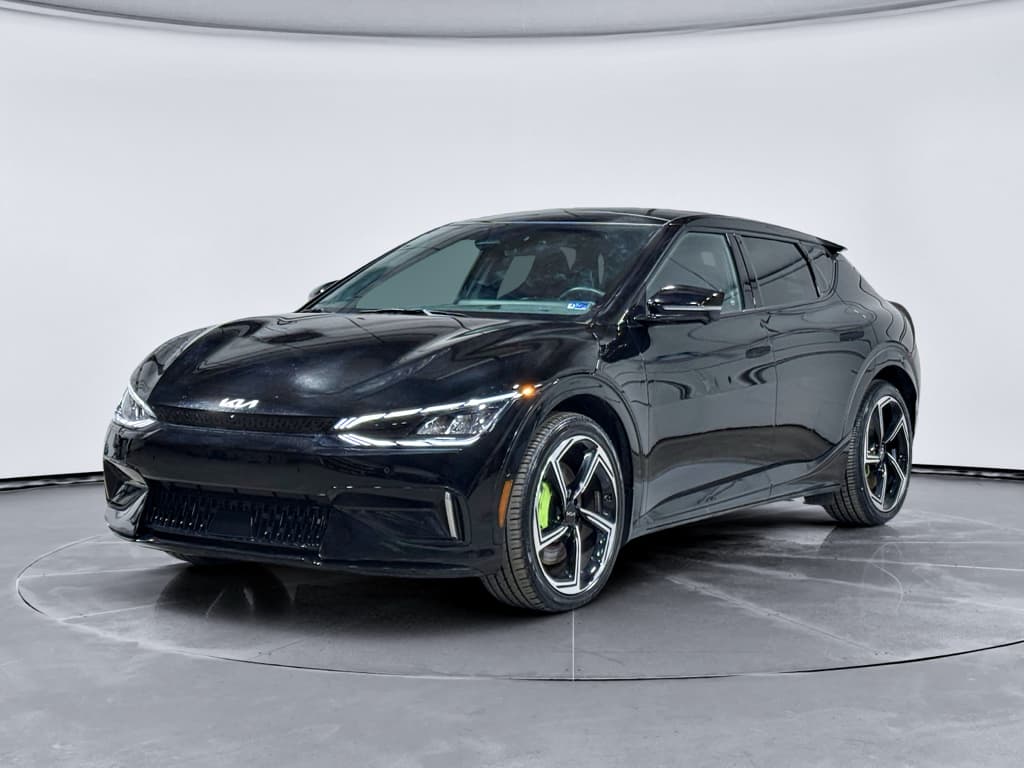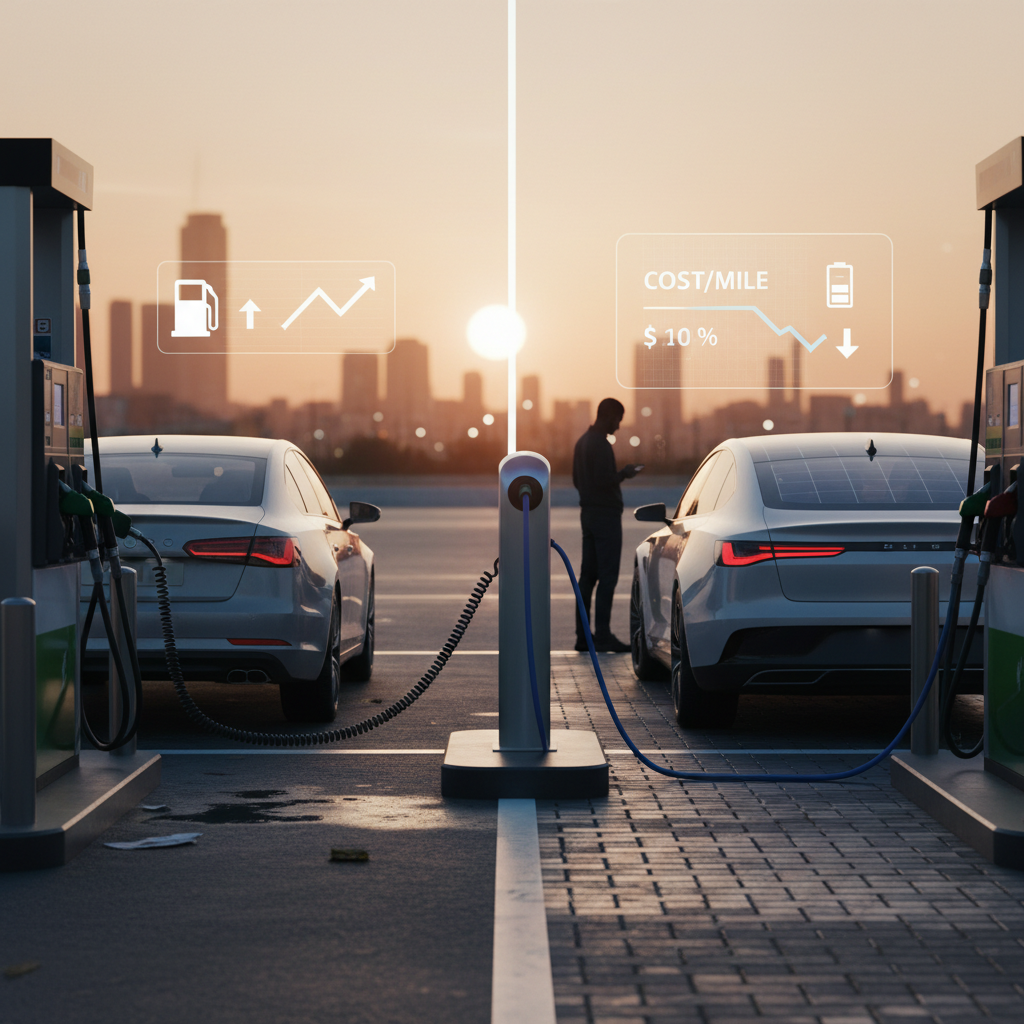
If you’re considering a Kia EV6, or already driving one, the big money question is simple: what does it cost per mile to charge? The good news is that the Kia EV6 is a very efficient EV, and when you charge mostly at home, your charging cost per mile is often just 4–7 cents. Public DC fast charging can be two to four times higher, so understanding the spread will help you budget and choose the right charging mix.
Quick answer: Kia EV6 cost per mile
Kia EV6 charging cost per mile: the basics
To get the **Kia EV6 charging cost per mile**, you multiply two things: 1. **How much energy the EV6 uses per mile** (kWh per 100 miles or miles per kWh), and 2. **How much you pay per kWh** for electricity (home vs public chargers). The EV6 is rated between roughly **27–30 kWh per 100 miles** for most long‑range trims, which works out to about **3.3–3.7 miles per kWh** in EPA testing. Many owners report similar or better numbers in mild weather. On the cost side, U.S. residential electricity in 2025–2026 averages around **$0.16–$0.18 per kWh**, while big‑network DC fast chargers often land in the **$0.40–$0.65 per kWh** range depending on location and membership.
Kia EV6 cost-per-mile snapshot (2026, typical U.S. prices)
EPA efficiency for the Kia EV6 (kWh per 100 miles)
EPA and independent test data list multiple Kia EV6 configurations with slightly different efficiency. You don’t need every decimal place, but it helps to know roughly where your car lands.
Approximate Kia EV6 efficiency by trim (EPA-style)
These are representative values to help you estimate charging cost per mile. Your real‑world results will vary with driving style, temperature, and wheel/tire choices.
| Trim / configuration | Battery pack | Drivetrain | Approx. kWh / 100 miles | Approx. miles per kWh |
|---|---|---|---|---|
| Long Range RWD (most efficient) | 77–77.4 kWh | RWD | ≈27–29 | ≈3.4–3.7 |
| Long Range AWD | 77–77.4 kWh | AWD | ≈28–31 | ≈3.2–3.6 |
| Standard Range RWD | ≈58 kWh | RWD | ≈29–30 | ≈3.3–3.4 |
| GT performance (21" wheels) | 77–77.4 kWh | AWD | ≈34–40+ | ≈2.5–3.0 |
All numbers include charging losses and assume mixed city/highway driving under moderate conditions.
Don’t chase a single “perfect” number
Kia EV6 home charging cost per mile
Let’s start with home charging, because that’s where you unlock the true running‑cost advantage of a Kia EV6. National data suggests average residential electricity around **$0.16–$0.18 per kWh** when you include delivery charges and fees. Some states are under 12 cents, others are well over 25.
- Pick an efficiency figure for your EV6 in miles per kWh (for many owners, 3.3–3.7 is realistic).
- Find your all‑in home electricity price per kWh from a recent bill (energy + delivery + fees).
- Use this formula: **cost per mile = electricity price ÷ miles per kWh**.
Example: long‑range RWD, average U.S. electricity
Lower‑cost electricity example
Say your effective home rate is just $0.12/kWh (some Midwest or Southern utilities, or a good off‑peak time‑of‑use plan) and you average 3.6 mi/kWh.
Cost per mile = $0.12 ÷ 3.6 ≈ $0.033 (3.3¢/mi).
At 12,000 miles per year, that’s about $400/year.
Higher‑cost electricity example
If you’re in a high‑rate area paying $0.25/kWh all‑in and you see closer to 3.2 mi/kWh (colder climate, more highway driving):
Cost per mile = $0.25 ÷ 3.2 ≈ $0.078 (7.8¢/mi).
At 12,000 miles, that’s around $940/year.
Public Level 2 and DC fast charging cost per mile
Public charging introduces two big variables: **higher kWh prices** and, in some cases, **session or parking fees**. For cost‑per‑mile math, we’ll focus on kWh pricing, since that’s the main driver of what you pay.
Typical public charging price ranges (U.S., 2025–2026)
Your local prices may be lower or higher, but these ranges are common on big networks.
Public Level 2
≈$0.20–$0.35 per kWh in many markets, sometimes plus a small session fee or parking fee.
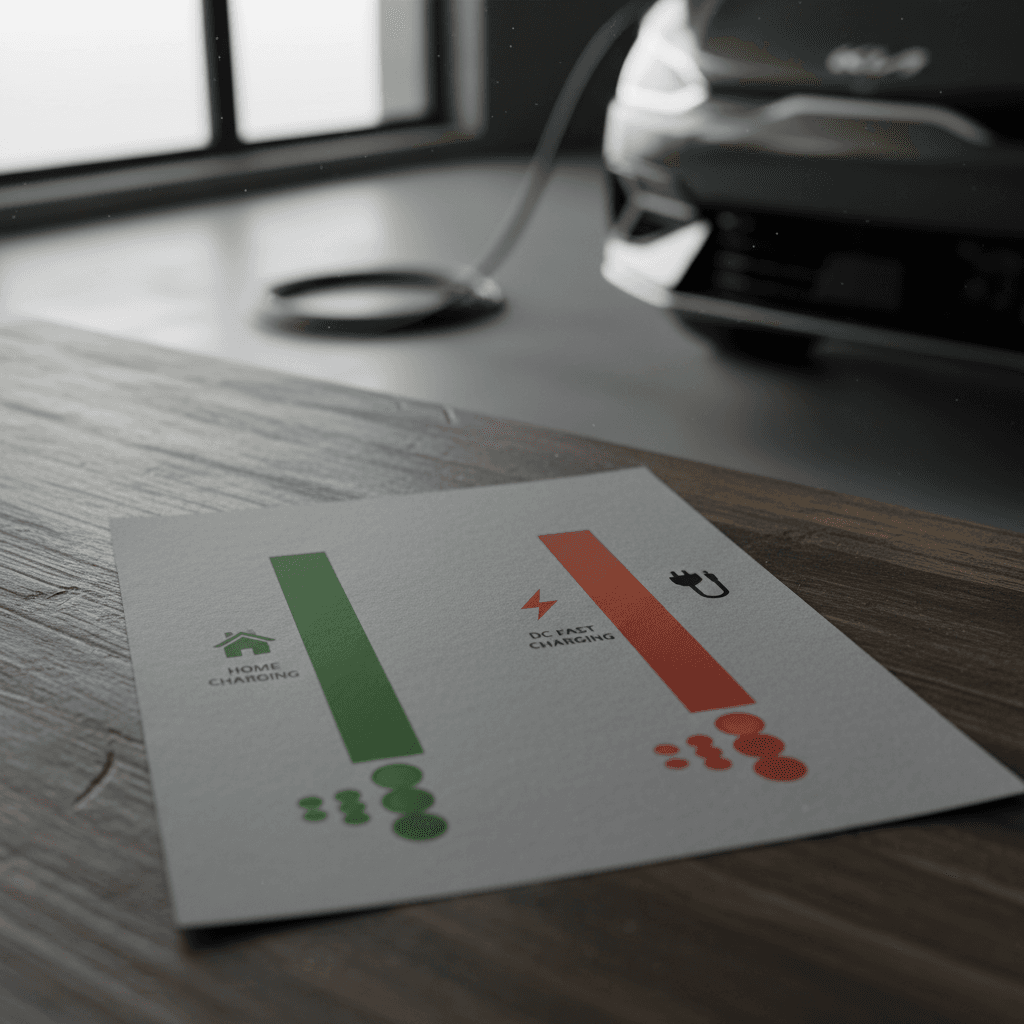
At 3.3–3.7 mi/kWh in an EV6, that’s roughly $0.06–$0.11 per mile.
DC fast (standard rates)
Large networks often post $0.40–$0.65 per kWh standard, sometimes higher on busy corridors.
That usually means $0.12–$0.22 per mile in an EV6 depending on efficiency.
DC fast (membership plans)
Memberships can knock rates into the mid‑30‑cent range, but you’ll pay a monthly fee.
Think roughly $0.10–$0.16 per mile if you’re getting 3.3–3.6 mi/kWh.
Beware of idle and parking fees
Real‑world EV6 cost‑per‑mile examples
Numbers are easier to understand with real scenarios. Below are simplified examples to show how different driving patterns change the Kia EV6 charging cost per mile. These use rounded assumptions, but the math is the same you can use with your own numbers.
Sample Kia EV6 charging cost scenarios
Assumes 12,000 miles/year and a long‑range EV6 averaging ~3.4 mi/kWh overall. Mix of home vs public charging drastically changes annual “fuel” cost.
| Driver type | Home kWh price | DC fast kWh price | Charging mix (home / DC) | Blended cost per mile | Est. annual charging cost |
|---|---|---|---|---|---|
| Suburban commuter (mostly home) | $0.16 | $0.50 | 90% / 10% | ≈$0.055/mi | ≈$660/year |
| Urban driver (more public Level 2) | $0.20 | $0.40 (Level 2) | 60% / 40% | ≈$0.080/mi | ≈$960/year |
| Road‑warrior (heavy DC fast use) | $0.16 | $0.60 | 40% / 60% | ≈$0.115/mi | ≈$1,380/year |
| High‑rate state, city parking | $0.28 | $0.65 + parking | 70% / 30% | ≈$0.105+/mi | ≈$1,260+/year |
You can plug in your own kWh rates and efficiency to mirror these examples for your situation.
How this compares to gasoline
What can change your Kia EV6 charging cost per mile
The formulas are simple, but the real world isn’t. Here are the main variables that push your Kia EV6 charging cost per mile up or down.
Six key drivers of EV6 cost per mile
Understand these levers and you’ll understand your bill.
Climate & seasons
Cold weather increases battery and cabin heating needs, often dropping efficiency to the 2.5–3.0 mi/kWh range on winter highway trips. Hot climates with heavy A/C use also chip away at efficiency.
Speed & driving style
Sustained 75–80 mph driving uses much more energy than 55–65 mph. Aggressive acceleration, heavy braking, and oversized wheels/tires all drag down miles per kWh.
City vs highway mix
City driving with lots of regenerative braking lets the EV6 shine. Pure highway road trips usually yield lower efficiency, especially in wind, rain, or snow.
Home vs public split
The more you can charge on home electricity, especially off‑peak rates, the lower your average cost per mile. Relying on DC fast charging as your primary source pushes you toward gasoline‑car fuel costs.
Time‑of‑use rate plans
Many utilities offer very cheap overnight off‑peak rates and high daytime peak rates. Smart scheduling can easily cut your charging cost per mile by 20–40%.
Battery health & software
A healthy battery and up‑to‑date software keep charging efficiency strong. Serious degradation or thermal issues can reduce usable capacity and alter your real‑world range and energy use profile.
Real‑world owner reports
How to lower your EV6 charging cost per mile
Practical ways to keep your cost per mile low
1. Lean on home Level 2 charging
If you can install a Level 2 charger at home, do it. It lets you charge overnight on the cheapest rates and minimizes time on pricey DC fast chargers. Be sure any 240‑volt work is done by a licensed electrician.
2. Use off‑peak and EV‑specific rate plans
Ask your utility about EV or time‑of‑use (TOU) plans. Charging your EV6 between, say, midnight and 6 a.m. can cost dramatically less per kWh than late‑afternoon peak hours.
3. Precondition while plugged in
On cold days, use the Kia app to warm the cabin and battery while the car is still on the charger. You’ll use grid power instead of battery power, improving miles per kWh once you drive away.
4. Moderate your highway speeds
Driving 70 instead of 80 mph may not feel dramatic, but it can mean the difference between 3.6 and 2.8 mi/kWh on a long trip. Over thousands of miles, that’s real money.
5. Keep tires and wheels efficient
Stick with efficient tire choices and avoid very aggressive wheel/tire packages unless performance is more important to you than efficiency. Proper tire pressure also matters for both safety and range.
6. Plan DC fast sessions strategically
On trips, fast charge mainly to get to the next stop with a buffer, not all the way to 100%. The EV6 charges fastest between roughly 10–60% state of charge; spending extra time at a stall often costs more without adding many miles.
Use apps to preview prices
Used Kia EV6 ownership costs and battery health
If you’re looking at a **used Kia EV6**, the charging cost per mile story gets one more chapter: battery health. A healthy pack keeps the original usable capacity close to new, which helps preserve both range and efficiency.
Why battery health matters for cost per mile
Moderate, normal degradation (say the battery has lost 5–10% of its original capacity over several years) doesn’t usually change your energy per mile very much. You’ll still see roughly the same kWh/100 miles in similar conditions.
But more severe issues, cells out of balance, previous abuse from chronic high‑power fast charging, or thermal problems, can limit how much of the pack is usable. That means more frequent charging, more time at public stations, and a higher effective cost per mile.
How Recharged helps you see the full picture
Every EV sold through Recharged includes a Recharged Score Report that evaluates actual battery health, not just a dash‑displayed range estimate. You’ll see:
- Verified battery state of health and usable capacity
- Charging history patterns where the data is available
- Fair‑market pricing that reflects the car’s true condition
That makes it easier to estimate your real‑world charging cost per mile for the specific Kia EV6 you’re buying, not just what the brochure said when it was new.
Considering a used EV6?
Ready to find your next EV?
Browse VehiclesKia EV6 charging cost per mile: FAQ
Frequently asked questions about EV6 cost per mile
Bottom line: what you’ll really pay per mile
When you boil down all the math, the Kia EV6 is fundamentally an **efficient, low‑running‑cost EV**, as long as you lean on home charging. In today’s U.S. electricity market, most owners will see roughly **4–7 cents per mile** when they plug in at home, and anywhere from **10–22 cents per mile** when they depend heavily on public DC fast charging.
Your personal number will depend on local rates, driving style, climate, and how often you road‑trip, but the formulas are straightforward: cost per mile = electricity price ÷ miles per kWh. Once you know those two inputs, the rest is just multiplication.
If you’re cross‑shopping a **used Kia EV6** against other EVs or against gasoline models, looking at charging cost per mile is one of the smartest ways to compare real‑world affordability. Through Recharged, you can find used EV6s with verified battery health, fair market pricing, transparent charging insights, financing options, and even trade‑in support, so your cost per mile stays as low and predictable as possible, from day one.