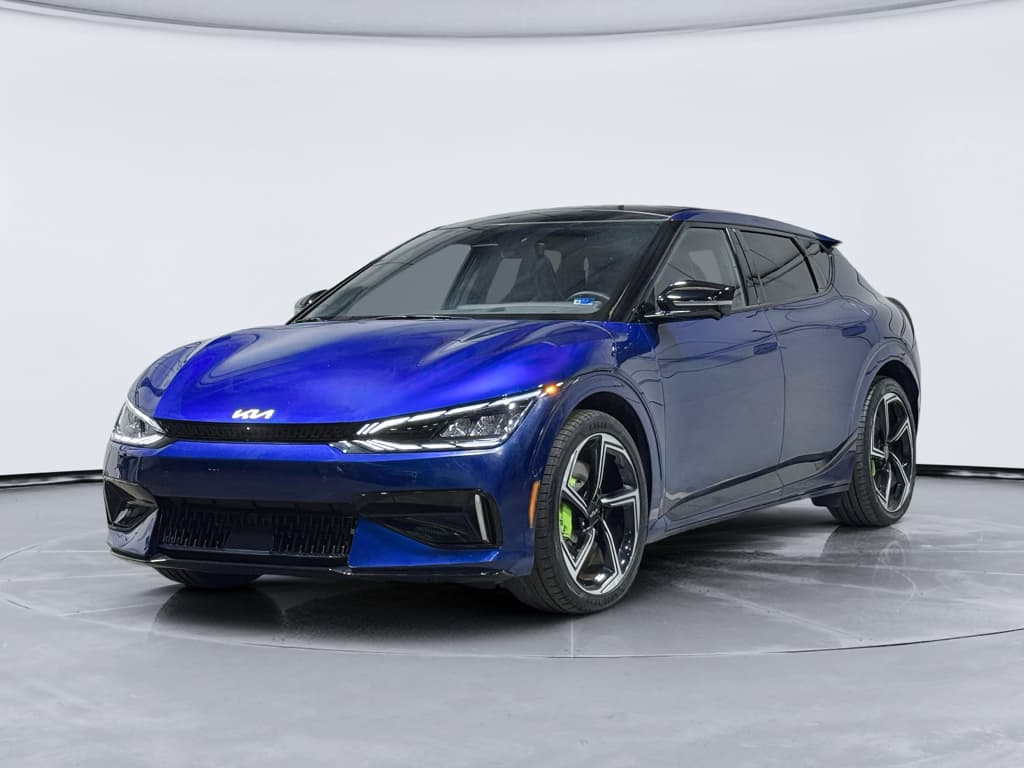
If you’re pricing out a Kia EV6 brake pad replacement, you’re probably seeing everything from bargain‑basement coupons to eye‑watering dealer quotes. Electric vehicles add another layer of mystery: regenerative braking means pads last much longer, but the hardware is still big‑SUV grade. Let’s unpack what EV6 owners in 2026 should really expect to pay, and how often you’ll actually need the job done.
Quick answer
Kia EV6 brake pad replacement cost overview
Typical Kia EV6 brake replacement costs (per axle)
The Kia EV6 uses large disc brakes sized for a two‑ton crossover with serious performance, so parts aren’t as cheap as an economy car, but they’re also not exotic supercar money. National 2024–2026 brake cost data for crossovers and EVs shows pads‑only jobs averaging around $300–$400 per axle, and pads‑plus‑rotors around $350–$600 per axle at independent shops, with dealers often 20–40% higher for the same scope of work.
Translated into EV6‑specific expectations, here’s what’s reasonable in 2026 for one axle (front or rear):
Reasonable Kia EV6 brake pricing (one axle, front or rear)
Approximate 2026 U.S. pricing for common Kia EV6 brake services. Actual quotes will vary by region and shop, but these ranges are a solid sanity check.
| Service | What’s included | Low | Typical | High (dealer/urban) |
|---|---|---|---|---|
| Brake pads only | New pads, hardware where needed, basic cleaning | $220 | $300–$380 | $450 |
| Pads + rotor resurfacing | New pads, rotors machined if within spec | $260 | $340–$420 | $500 |
| Pads + new rotors | New pads and rotors, hardware, cleaning | $350 | $420–$550 | $650 |
| Brake inspection only | Wheel‑off inspection, measure pads/rotors | $0–$50 | $60–$100 | $150+ |
If a quote lands far above the “high” range without a clear reason, get a second opinion.
Watch the wording
How regenerative braking affects EV6 brake wear
The EV6 leans heavily on regenerative braking, the motors slow the car while putting energy back into the battery, so the friction brakes are more like backup singers than the lead vocalist. In normal driving you’re shedding speed mostly with regen, and the pads just step in at very low speeds or harder stops.
Real‑world Kia and other EV owners routinely report going 60,000–100,000 miles on the original pads, sometimes more, because they simply don’t use friction brakes that often. On the flip side, the rotors can start to look ugly before the pads wear out, thanks to shallow use and surface rust, especially in wet or salty climates.
- Light‑footed drivers who use higher regen levels (i‑Pedal or strong Auto mode) can see extremely long pad life.
- Highway commuters who rarely brake hard may see rotors corrode before pads are worn out.
- City drivers who ride the brake pedal or run low regen may wear pads and rotors more like a normal crossover.
- Kia designed the system to occasionally apply the friction brakes (“brake cleaning”) to scrub rust and keep everything working.
Extend your EV6 brake life
Price breakdown: pads vs. rotors and labor
Parts cost: pads and rotors
For a Kia EV6, parts pricing in 2026 looks much like other midsize crossovers:
- Front or rear pad set: roughly $80–$180 for quality aftermarket; dealer/OEM pads can be $150–$250.
- Front or rear rotor pair: in the $150–$300 range depending on brand and coating.
- Hardware kit: $20–$40 for new clips, shims and springs, cheap insurance against noise.
Performance variants or upgraded pads (ceramic, low‑dust) can push you toward the top of those ranges.
Labor cost: what shops actually bill
Brake labor is mostly about access time and whether rotors need extra persuasion to come off:
- Pads only: about 0.8–1.2 hours per axle is typical.
- Pads + rotors: about 1.0–1.6 hours per axle.
- Shop hourly rates: $110–$190 at many independent shops; $160–$250 at big‑city dealers.
Multiply the hours by your local labor rate and add parts, and you’ll land right in that $250–$650 per axle window for the EV6.
Pads only vs. full job
Dealer vs. independent shop for EV6 brakes
Where to service your EV6 brakes
Both dealers and independents can do the job, here’s how to choose.
Kia dealer service department
- Pros: OEM parts by default; up‑to‑date technical service bulletins; easy warranty documentation.
- Cons: Highest labor rates; more aggressive upselling of extras like early brake fluid flushes or "cleaning" services.
- Best for: EV6s still under basic warranty, or if you have a complex noise/pulsation complaint that might involve a TSB.
Independent EV‑savvy shop
- Pros: Lower hourly rates; more flexibility on pad/rotor brands; often more transparent about what’s actually worn.
- Cons: Not every shop is comfortable working around high‑voltage systems.
- Best for: Out‑of‑warranty EV6s, routine pad/rotor jobs, and owners looking to save 20–30% without sacrificing quality.
How to vet a shop for EV work
When should Kia EV6 brake pads actually be replaced?
Kia’s official maintenance schedule for the EV6 focuses on inspecting brakes at regular intervals rather than replacing them on a fixed mileage timer. In the real world, most owners won’t need pads before 60,000 miles, and many can go well past 80,000 if they use strong regen and drive smoothly.
Signs your EV6 brakes really need attention
1. Measured pad thickness under ~3 mm
This is the hard number. If a shop can’t tell you actual pad thickness in millimeters, they didn’t inspect it properly.
2. Grooves, scoring or lip on rotor edge
Deep grooves or a pronounced outer lip on the rotor suggest it’s time for either machining (if within spec) or replacement.
3. Persistent squealing or grinding
Light squeaks can be pad material or surface rust, but <strong>grinding</strong> is a metal‑on‑metal emergency, park the car and get it towed.
4. Pulsation under braking
If the pedal or steering wheel shudders during moderate stops, the rotors may be warped or unevenly worn.
5. One wheel much dustier than the others
Uneven dust and heat can mean a sticking caliper, which accelerates pad wear on that corner.
Don’t let “free inspection” scare tactics rush you
How to avoid overpaying for EV6 brake service
- Get at least two quotes using the same scope of work (pads only vs. pads + rotors) and the same pad type.
- Insist on seeing pad thickness measurements and rotor specs before agreeing to replacement.
- Ask the shop to save the old parts so you can see the actual wear.
- Skip add‑ons like brake system “flushes” or “cleanings” unless they’re backed by the maintenance schedule or a clear problem.
- Avoid coupons that push “lifetime pads”, they often make the money back on frequent “mandatory” inspections and extra services.
Leverage timing to your advantage
Brake fluid and other related maintenance
Even if your pads last a very long time, the brake fluid does not. Kia’s EV6 schedule typically calls for brake fluid replacement around every 48,000 miles or 4 years (check your specific owner’s manual for the exact interval in your market). Fluid absorbs moisture over time, which corrodes internal components and lowers boiling point.
What “lifetime pads” really means
Brakes on a used Kia EV6: what buyers should check
If you’re shopping for a used Kia EV6, brakes are one of the few wear‑and‑tear items you still need to worry about, no oil changes, no exhaust, but two‑ton EVs are hard on friction parts when they are used. The good news: long pad life and predictable costs make brakes a reasonably small line item if you know what you’re looking at.
Used Kia EV6 brake checklist
Ask for recent brake invoices
Has the prior owner already replaced pads or rotors? Recent work with brand names and mileage gives you a clue about when you’ll pay again.
Get a wheel‑off inspection
A pre‑purchase inspection should include taking at least one front and one rear wheel off to measure pad thickness and inspect rotors, not just a quick flashlight peek.
Look for uneven rotor rust
Light surface rust after rain is normal; deep pitting or banding may mean the rotor has been sitting or not engaging properly.
Test for noise and pulsation
During the test drive, do several moderate stops from 40–50 mph. Listen for squeals or grinding and feel for vibration in the pedal or steering wheel.
Factor in one brake job over your ownership
On a well‑driven used EV6, budgeting for <strong>one full pads‑plus‑rotors job</strong> over your next 5–7 years of ownership is usually conservative.
How Recharged handles used EV brakes
Ready to find your next EV?
Browse VehiclesFAQ: Kia EV6 brake pad replacement cost
Kia EV6 brake cost & maintenance questions
Bottom line: EV6 brake costs and long-term ownership
For all the drama the auto industry has cooked up about EV “unknowns,” the Kia EV6’s brakes are satisfyingly ordinary where it counts: you’ll likely buy pads once or twice in the car’s life, and a fair price for a full pads‑plus‑rotors job is in the $400–$600‑per‑axle range at a good independent shop. Regenerative braking quietly stretches your service intervals, and a bit of informed skepticism helps you dodge the padded estimates and unnecessary extras.
If you already own an EV6, use your service visits to get real measurements, not just red‑yellow‑green scare charts. If you’re shopping for a used one, fold a single future brake job into your mental budget and focus on the bigger questions: battery health, charging behavior, and how the car’s been treated. That’s exactly the philosophy behind the Recharged Score Report, so you can see at a glance how brakes, battery and everything in between stack up before you commit.