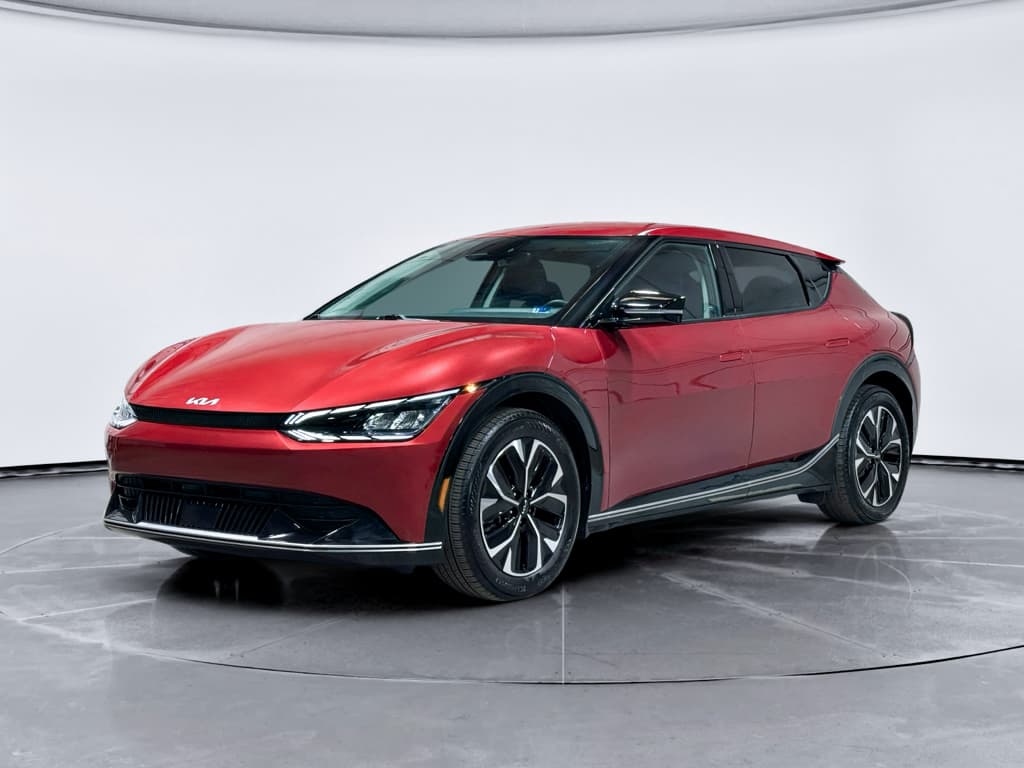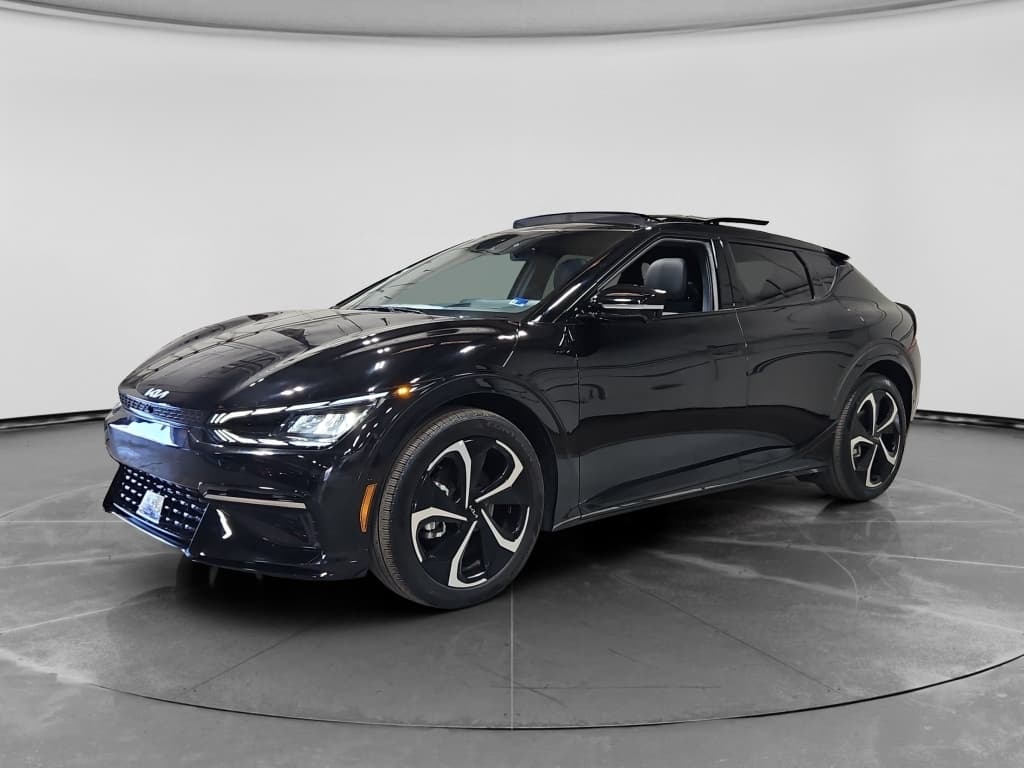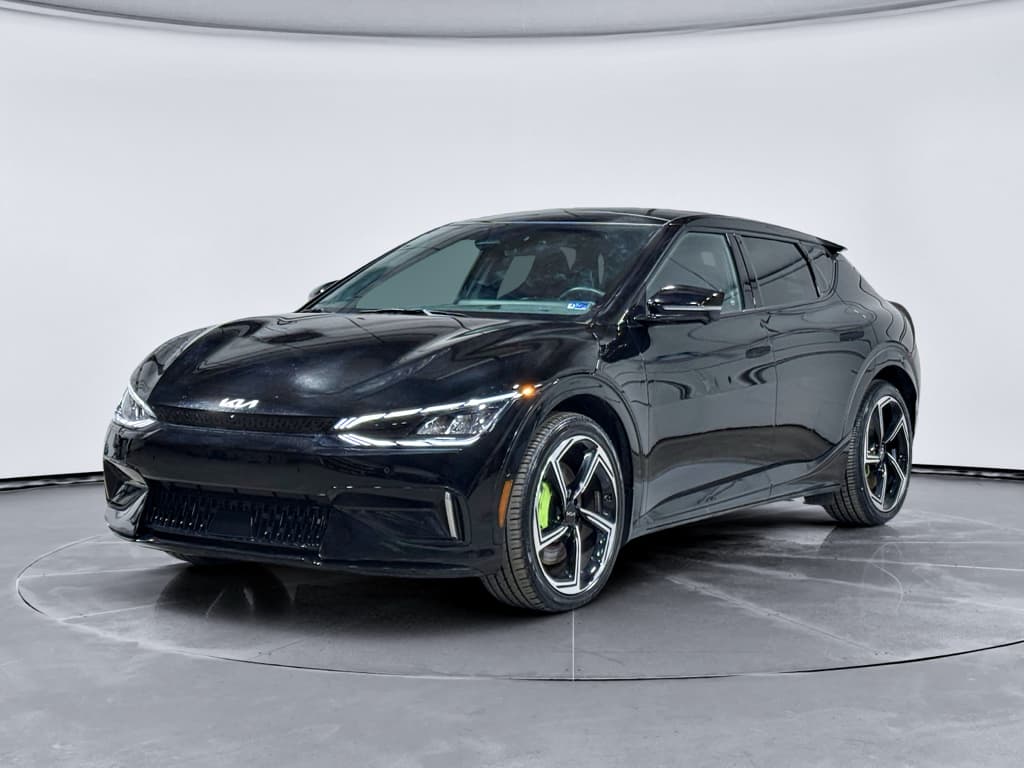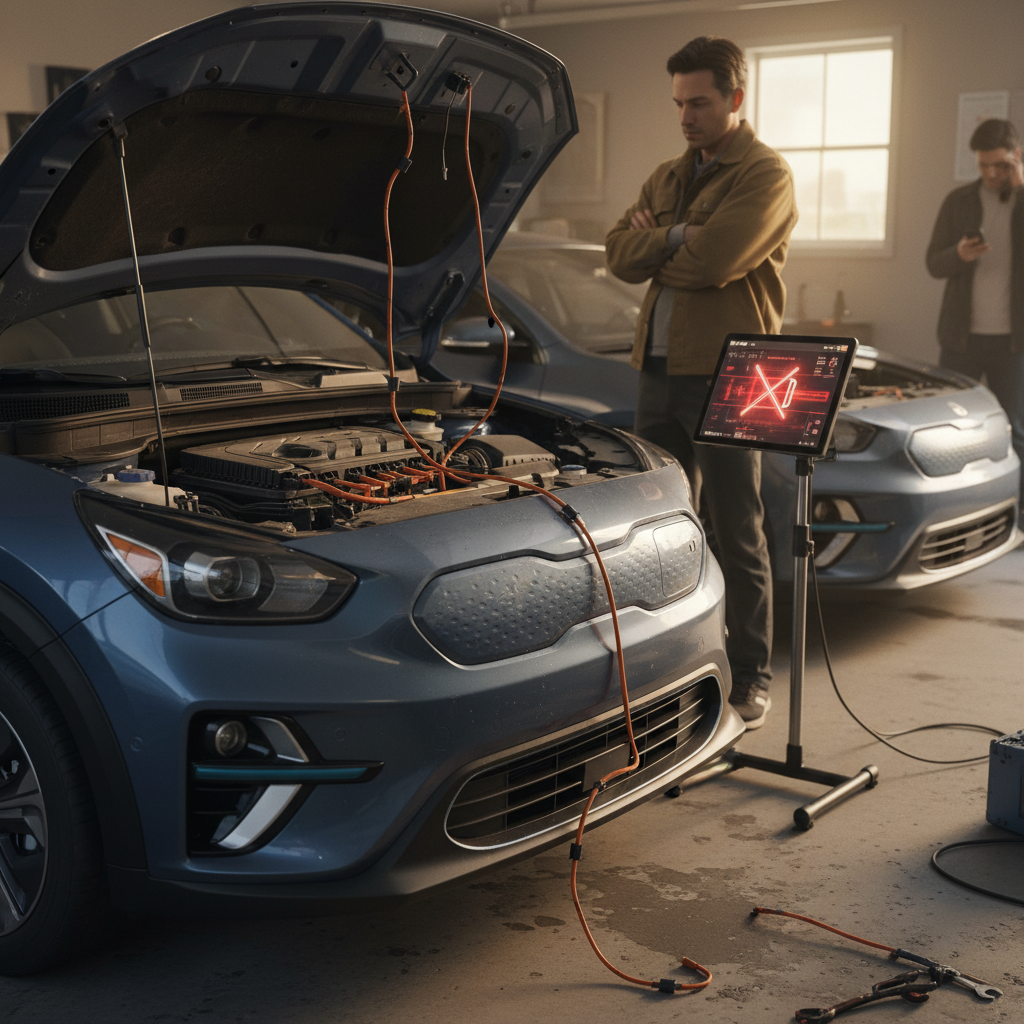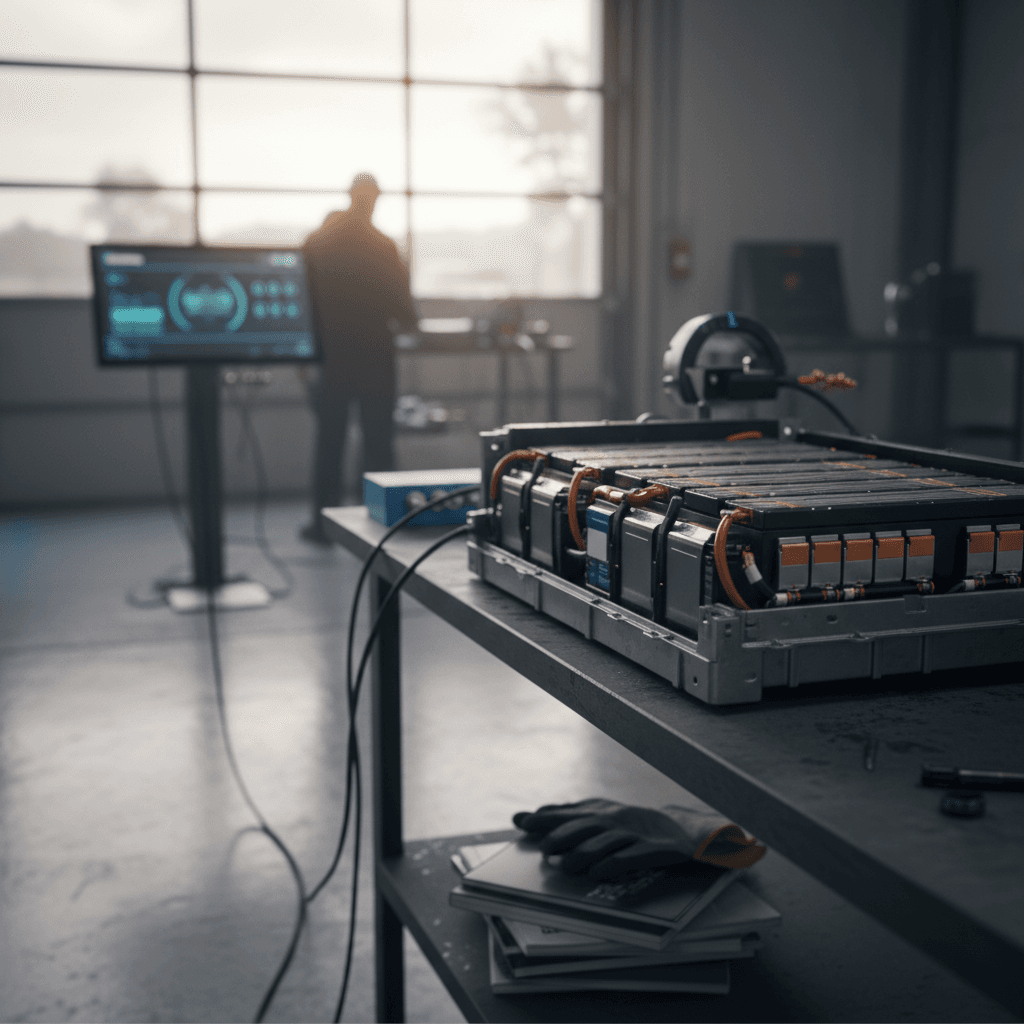
If you’re eyeing a Kia EV6, or you already have one, the **battery warranty details** aren’t just fine print. They’re the difference between driving with quiet confidence and wondering what happens if your high‑voltage pack ever misbehaves. Let’s unpack exactly how the Kia EV6 battery warranty works in 2026, what’s covered, what isn’t, and what it all means if you’re shopping new or used.
Short answer: the EV6 battery warranty in a nutshell
Kia EV6 battery warranty overview
Kia has built a reputation on long warranties, and the EV6 benefits from that. For U.S. models (including 2025 and 2026 EV6s), you’re looking at three overlapping layers of protection that all touch the battery in different ways:
- Basic (bumper‑to‑bumper) warranty: 5 years / 60,000 miles
- Powertrain warranty: 10 years / 100,000 miles (engine, motor, gearbox equivalents)
- High‑voltage (traction) battery warranty: 10 years / 100,000 miles, including specific coverage for defects and capacity loss below 70%
On most spec sheets for a 2024–2025 Kia EV6 you’ll see a line that simply reads **“EV Battery: 10 yr / 100,000 mi”**. That’s the high‑level promise. The fine print in Kia’s Warranty and Consumer Information Manual explains how they define battery defects, how they measure capacity, and where they draw the line on owner abuse or neglect.
Kia EV6 warranty fast facts (U.S. models)
How long does the Kia EV6 battery warranty last?
For U.S. buyers, every Kia EV6 gets the same basic **10‑year / 100,000‑mile high‑voltage battery warranty**. That clock starts on the **Date of First Service** (when the vehicle was first sold or put into service as a demo or lease), not when you buy it used.
Kia EV6 warranty terms by system (U.S.)
Approximate coverage for a 2024–2026 Kia EV6 sold in the United States. Always confirm with the official Warranty and Consumer Information Manual for your model year.
| Coverage type | Term (years) | Mileage limit | Applies to EV6 battery? |
|---|---|---|---|
| Basic (bumper‑to‑bumper) | 5 | 60,000 | Indirectly – covers associated components and early failures |
| Powertrain | 10 | 100,000 | Covers electric motor, reduction gear, related driveline parts |
| High‑voltage (traction) battery | 10 | 100,000 | Yes – explicitly covers the main battery pack |
| Hybrid/EV components | 10 | 100,000 | Covers onboard charger, inverter, some control modules |
| Roadside assistance | 5 | 100,000 | Helps if you’re stranded, but not a repair warranty |
EV6 warranties overlap; the battery is protected under multiple umbrellas, but the dedicated EV battery warranty is the most important for long‑term owners.
Watch the “in‑service” date, not the model year
What the EV6 battery warranty actually covers
Kia splits EV6 battery coverage into two big buckets: **defects in materials or workmanship** and **abnormal capacity loss**. Here’s how those work in practice.
Two sides of the Kia EV6 battery warranty
Defects and capacity loss are handled differently, but both fall under the 10‑year / 100,000‑mile umbrella.
1. Defects & failures
If the EV6’s high‑voltage battery develops a defect in materials or workmanship within 10 years / 100,000 miles, Kia will repair or replace the affected components.
- Examples: failed cell module, internal short, BMS hardware fault, coolant leak into pack.
- Fix may be: module replacement, pack repair, or complete pack swap.
- Parts and labor are covered; you may owe nothing if there’s no misuse.
2. Capacity (degradation) coverage
Separate language in Kia’s warranty manual addresses capacity loss. If the lithium‑ion battery’s usable capacity drops below 70% of original during the warranty period, Kia covers repairs to restore at least that level.
- They may repair modules or replace the pack.
- The goal is to bring capacity back to ≥70% of original, not to 100% like new.
In either case, Kia decides whether to repair the existing pack or replace it entirely. When you hear about owners “getting a new battery under warranty,” it’s usually the result of either a clear defect (hard failure, fault codes) or verified capacity below the 70% line.
New battery, new warranty? Not always.
Battery capacity guarantee and degradation
The line that gets quoted most often from Kia’s warranty manual is the **“70% of original capacity”** clause. In plain English, Kia considers an EV6 battery **normal** if it still has at least 70% of its original usable capacity within 10 years / 100,000 miles.
If diagnostic tests show your EV6 has dropped **below 70%**, Kia’s capacity warranty kicks in. They’ll repair or replace components to bring you back up to at least that threshold. It might not be a brand‑new pack with fresh‑from‑the‑factory range, but it should be a meaningful improvement.
What 70% looks like in real life
Let’s say your EV6 launched with an EPA range of 310 miles on a full charge. Seventy percent of that is about 217 miles. If, after several years, you’re consistently seeing just 200 miles under similar conditions, and Kia’s diagnostics confirm a capacity below 70%, you’re likely in warranty‑claim territory.
Typical EV6 degradation
Real‑world owner data for Hyundai–Kia EVs suggests that with reasonable charging habits, many packs still hold 90%+ capacity after several years and tens of thousands of miles. In other words, dropping under 70% in 10 years is rare unless something is truly wrong or the pack has been abused.
Don’t judge capacity from one road trip
What’s not covered: common exclusions
Kia’s EV6 battery warranty is generous, but it isn’t a blank check. Like other automakers, Kia carves out a long list of **exclusions**, things the company won’t pay for, even if the car is under 10 years and 100,000 miles.
Kia EV6 battery warranty: typical exclusions to know
1. Normal or gradual capacity loss above 70%
If your battery still tests at or above <strong>70% of original capacity</strong>, Kia will call that “normal wear,” even if you’re disappointed by the range. You won’t get a new pack under capacity coverage until it drops below that threshold.
2. Damage from misuse or modification
Using non‑approved charging equipment, tampering with the battery or wiring, attempting DIY repairs, or installing aftermarket performance mods can all give Kia an easy out. High‑voltage hardware is not a playground.
3. Accident or environmental damage
Collision damage, flooding, fire from an external source, or severe corrosion from things like road salt without proper care are typically excluded. Your insurance, not your battery warranty, is meant to cover crash damage.
4. Ignoring warning messages
Driving for long periods with critical warnings illuminated, or refusing recommended repairs, can void coverage for any additional damage that results. If the EV6 says “Service EV system,” don’t keep road‑tripping it.
5. Commercial or extreme use (in some cases)
Rideshare, delivery fleets, or vehicles regularly towing at max capacity might be held to different standards, especially if the owner hasn’t followed Kia’s severe‑use maintenance and charging guidance.
Extreme abuse is on you, not Kia
New vs. used Kia EV6: how the warranty transfers
Here’s where many shoppers, and a few dealerships, get confused. Kia’s famous **10‑year / 100,000‑mile powertrain warranty** doesn’t fully transfer to second owners on all Kia models. But the story is better for EV6 buyers when it comes to the battery.
Original (first) owner
- Gets the full **10‑year / 100,000‑mile** high‑voltage battery warranty.
- Also benefits from the standard 5‑year / 60,000‑mile basic warranty and 10‑year / 100,000‑mile powertrain coverage.
- Everything starts from the Date of First Service.
Second or later owner
- On current EV6 documentation, the **high‑voltage battery warranty is transferable** to subsequent owners for the remaining time and mileage.
- Some pieces of the broader 10‑year powertrain warranty may shorten for second owners, but the EV system and traction battery coverage typically remain strong.
- Always verify the specific terms for your VIN and model year in Kia’s portal or warranty booklet.
Don’t take the salesman’s word for it
If you’re buying a used EV6 from a private seller or independent lot, treat the warranty like a title document: **verify, don’t assume**. That’s one reason serious EV shoppers lean on marketplaces like Recharged, where the battery story doesn’t rely on a shrug and a promise.
Real‑world EV6 battery reliability
Warranty terms are one thing; how often they’re actually needed is another. The encouraging news for Kia EV6 shoppers is that **high‑voltage pack failures remain relatively rare** compared with early EVs from a decade ago.
Industry analyses of Hyundai–Kia EVs from 2017 onward show **low pack replacement rates, often in the 1–2% range under warranty**. Most issues stem from isolated cell or module defects or BMS (battery management system) glitches, not widespread chemical failure.
"Dropping under 70% capacity within 10 years should be the exception, not the rule, for modern Kia EV batteries. When it happens, it’s usually a defect, not just ‘normal wear.’"
12‑volt vs. high‑voltage battery problems
How to protect your EV6 battery (and keep the warranty happy)
You don’t have to baby a Kia EV6, but a few simple habits can keep the battery healthy and reduce your odds of ever needing that 70% capacity guarantee.
Habits that help your Kia EV6 battery last
1. Live between 20% and 80% most days
For daily commuting, aim to keep your EV6 charged in the **20–80%** window. Use 100% charges for road trips or when you truly need the range, not every night out of habit.
2. Use DC fast charging strategically
Kia doesn’t ban frequent fast charging, but repeated high‑power sessions heat the pack. Save 350‑kW blasts for long drives. At home, a Level 2 charger is gentler and cheaper.
3. Avoid parking full in extreme heat
If you live where summers are brutal, don’t leave the EV6 at 100% sitting in the sun all weekend. Either time your charge to finish before departure or stop at 80–90% unless you’re about to hit the highway.
4. Respect warning lights and messages
Any persistent “Check EV System” or high‑voltage warning deserves a prompt visit to the dealer. The sooner a potential fault is logged and addressed, the cleaner your warranty story.
5. Keep software and records up to date
Let dealers apply recommended software updates, and keep service receipts. If you ever need a battery claim, a tidy history of following Kia’s guidance works in your favor.
Good news for normal drivers
Kia EV6 battery warranty vs. other EV brands
One reason the EV6 sells as well as it does is that Kia’s warranty still stacks up nicely against the competition. Most brands now hover around that **8‑year / 100,000‑mile, 70% capacity** sweet spot. Kia goes a bit further on time.
How the Kia EV6 battery warranty compares
Approximate U.S. battery warranty terms for popular 2025–2026 EVs. Always check the official warranty booklet for the exact model and trim you’re considering.
| Brand / model | Battery warranty | Capacity guarantee | Notes |
|---|---|---|---|
| Kia EV6 | 10 yrs / 100,000 mi | 70% | Longer time term than many rivals; strong EV component coverage |
| Hyundai Ioniq 5/6 | 10 yrs / 100,000 mi | 70% | Sibling brand with nearly identical battery terms |
| Tesla Model 3/Y (LR) | 8 yrs / 120,000 mi | 70% | More miles, shorter years; coverage varies by pack size |
| Volkswagen ID.4 | 8 yrs / 100,000 mi | 70% | Typical mainstream EV warranty |
| GM Ultium models | 8 yrs / 100,000 mi | 70% | Pack‑module design favored for repairs |
Kia’s 10‑year term gives you a longer runway than many competitors, especially if you’re a lower‑mileage driver.
Think about years and miles
Buying a used Kia EV6? How Recharged fits in
For used‑EV shoppers, the Kia EV6 battery warranty is a safety net, but only if you know where the net actually is. That’s where a platform like Recharged is built to take the guesswork out of the equation.
How Recharged de‑mystifies a used Kia EV6 battery
You shouldn’t need a law degree and a voltmeter to shop for an EV6.
Recharged Score battery report
Every EV6 on Recharged includes a Recharged Score Report with verified battery health data, range estimates, and pricing benchmarks. You see how the pack is actually performing today, not just what the window sticker said years ago.
Warranty clarity baked in
We verify the original in‑service date and mileage so you know exactly how much of Kia’s 10‑year / 100,000‑mile battery warranty is left. No hand‑waving, no mystery add‑ons you don’t need.
EV‑specialist support & delivery
From financing and trade‑ins to nationwide delivery, our EV specialists walk you through what Kia’s battery warranty means for your specific EV6, today and years down the road.
Ready to find your next EV?
Browse VehiclesIf you’re coming out of a gasoline car, the idea of betting thousands of dollars on a giant lithium‑ion pack can feel risky. Matching Kia’s long battery warranty with transparent, third‑party battery health data is one way to take most of the drama out of that decision.
Kia EV6 battery warranty FAQ
Frequently asked questions about Kia EV6 battery warranty details
Key takeaways for Kia EV6 owners and shoppers
- The Kia EV6’s high‑voltage battery is covered for 10 years or 100,000 miles in the U.S., including defects and capacity loss below 70%.
- Capacity coverage is not a promise of zero degradation; it’s a floor. Anything above roughly 70% of original capacity is considered normal wear.
- The high‑voltage battery warranty is transferable, which makes a used EV6 more attractive, if you verify the in‑service date and mileage.
- Normal charging habits, home Level 2 most days, DC fast charging when needed, avoiding long hot sits at 100%, make it unlikely you’ll ever need a battery claim.
- When you shop used, pairing Kia’s warranty with a verified battery health report, like the Recharged Score, is one of the smartest ways to de‑risk EV ownership.
The Kia EV6 battery warranty won’t magically freeze your pack in time, but it does set a clear safety net: ten years of protection against defects and extreme capacity loss. Understand the boundaries, treat the battery reasonably well, and you’re far more likely to age out of the warranty than to argue over it in a service bay. And if you’re shopping for a used EV6, let Kia’s long coverage and tools like the Recharged Score work together, so the biggest, heaviest component in the car becomes one of the least stressful parts of the deal.