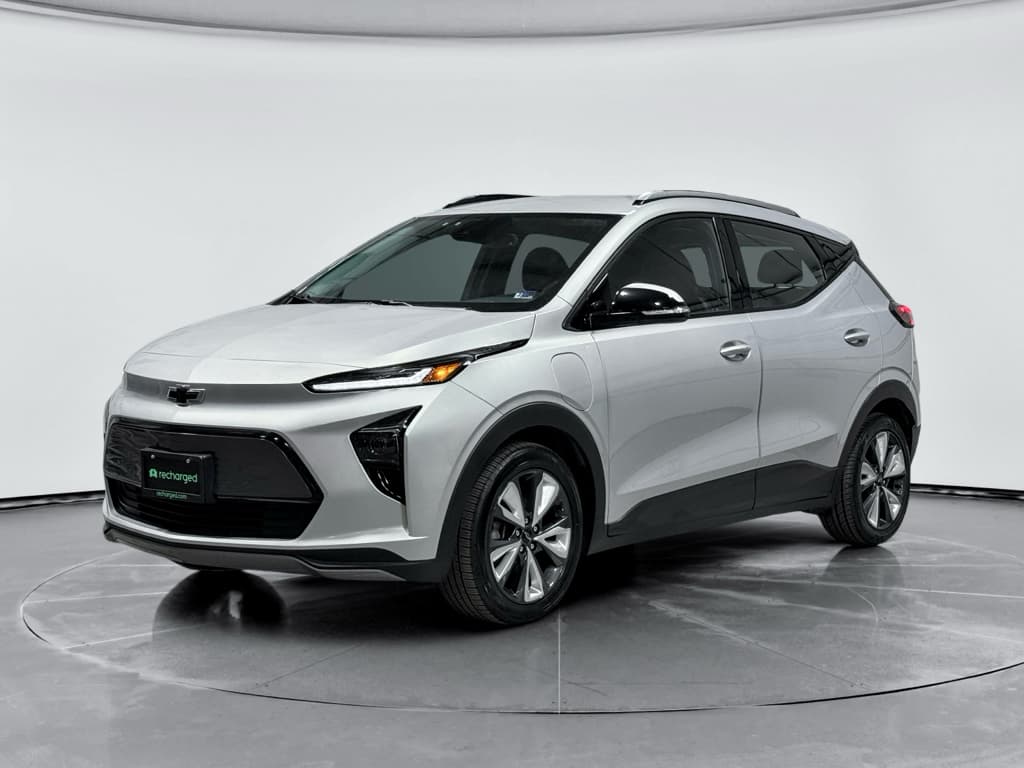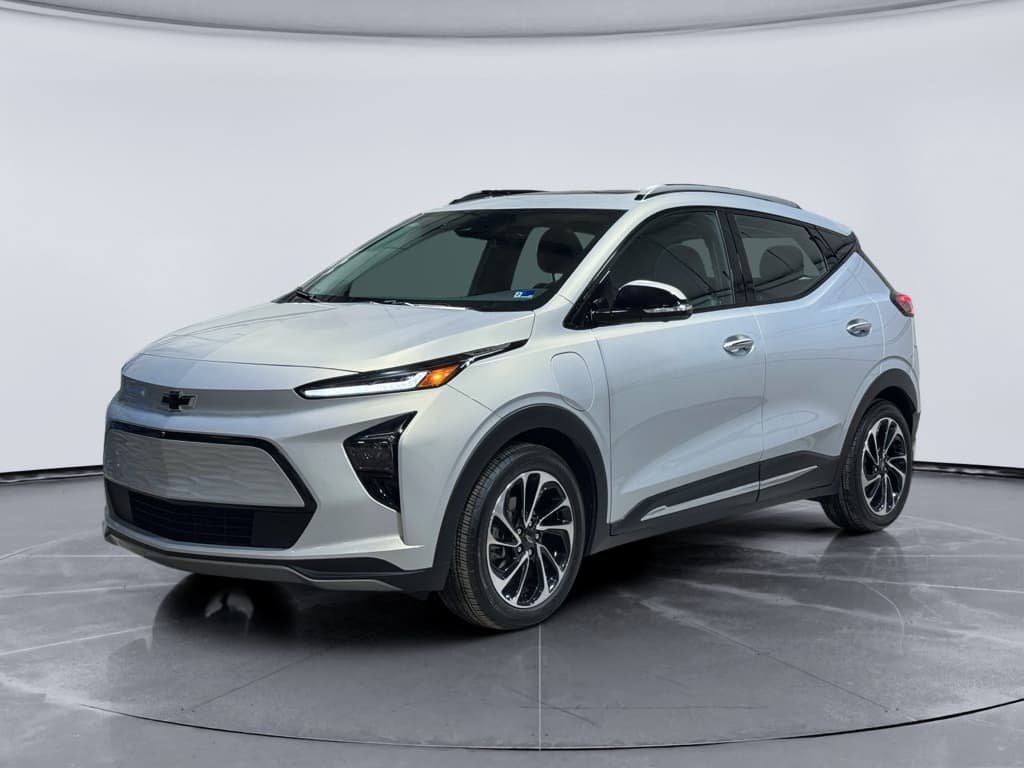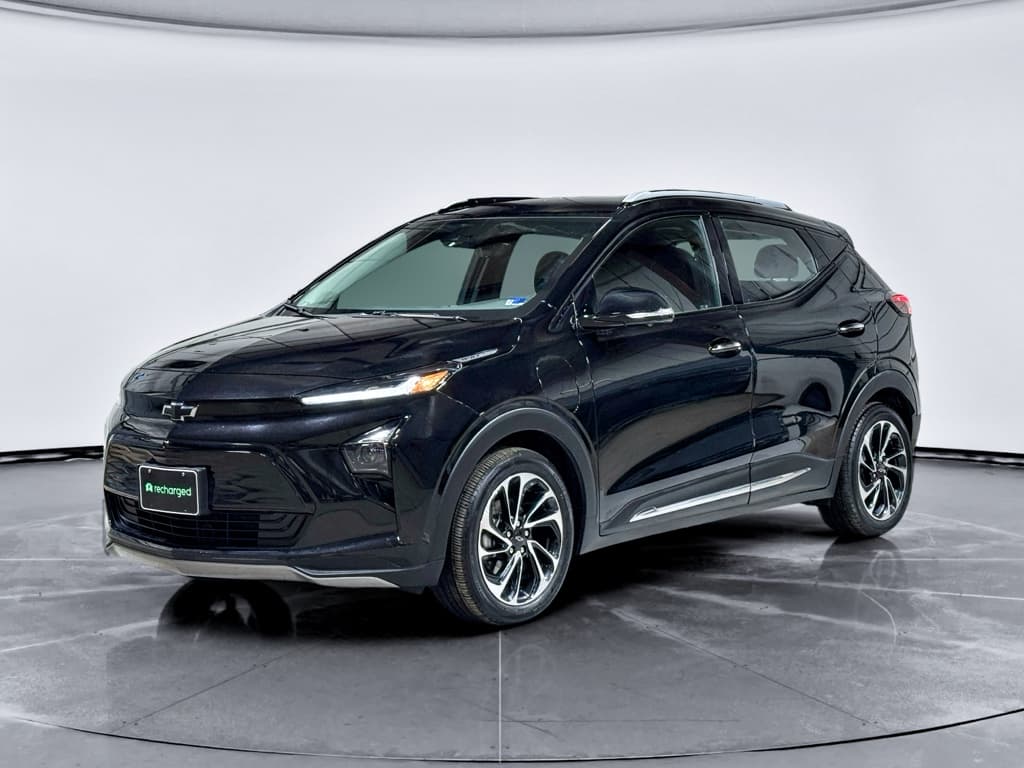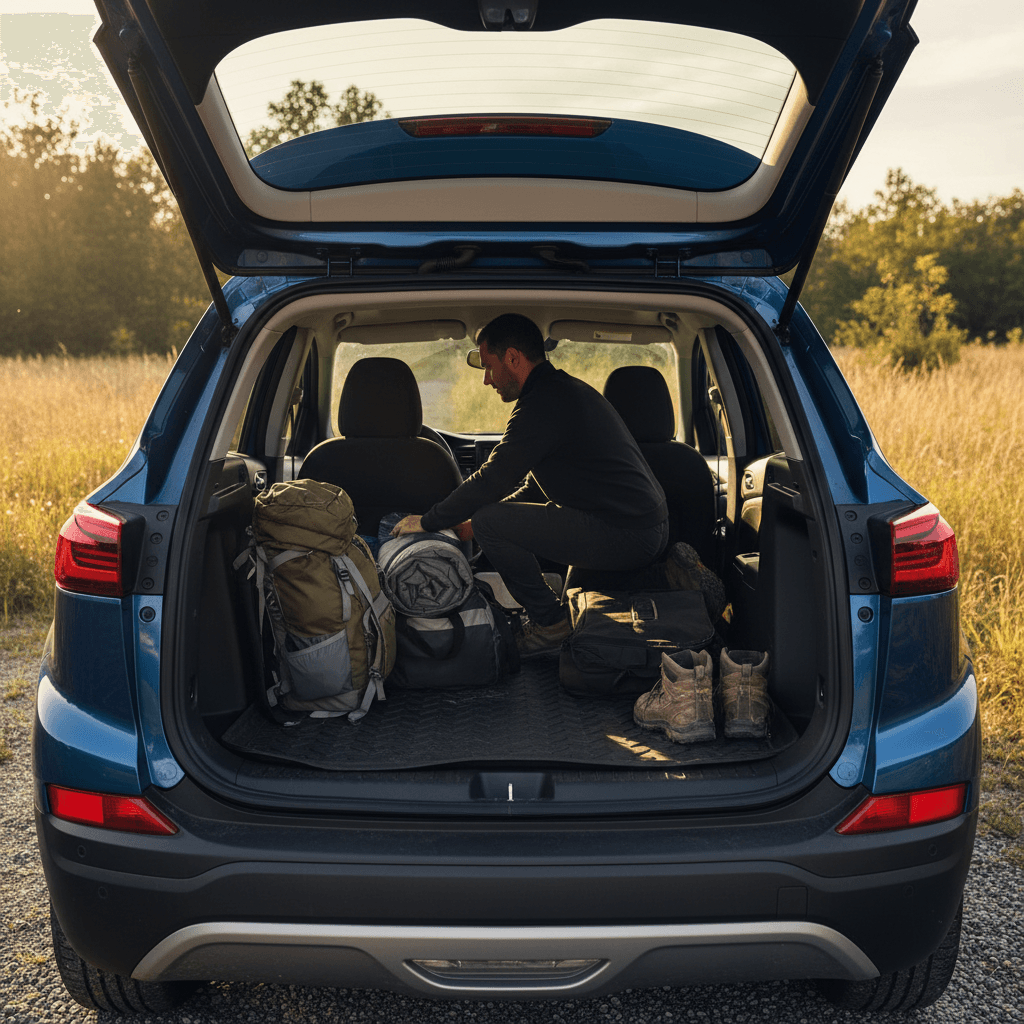
If you’re looking at a Chevrolet Bolt EUV, you’re probably asking a very practical question: how much cargo space does it have with the seats down, and what can you realistically fit back there? Whether you’re hauling gear, doing IKEA runs, or turning the car into a micro-camper, the numbers and the real-world experience don’t always match the marketing brochure.
Quick answer
Chevrolet Bolt EUV cargo space basics
Chevrolet Bolt EUV cargo numbers at a glance
From the factory specs, the Chevrolet Bolt EUV is rated for about 16.3 cubic feet of cargo space behind the rear seats and 56.9 cubic feet with the rear seats folded flat. Those numbers come from GM’s use of the SAE J1100 standard, which is useful for comparisons but doesn’t tell you if a mountain bike, a 6-foot ladder, or a camping mattress will actually fit.
The key point: the EUV trades a tiny bit of rated cargo volume for more rear-seat legroom. On paper the smaller Bolt EV has a hair more cargo volume, but in practice the EUV’s longer body and rear seat area give you more flexibility when the seats are folded down and the whole back half of the car becomes cargo space.
Official cargo specs vs real-world space with seats down
Chevy Bolt EUV cargo specs (factory numbers)
How GM rates the Bolt EUV’s cargo volume with seats up and down.
| Configuration | Cargo volume (cubic feet) | What it means in practice |
|---|---|---|
| Rear seats up | 16.3 cu ft | Typical hatchback trunk: groceries, strollers, a couple of carry-on suitcases |
| Rear seats folded | 56.9 cu ft | Nearly 3.5× more space: large boxes, bikes, flat-pack furniture, car-camping gear |
Published cargo volumes are helpful for comparisons, but you still need real measurements to know what fits.
Those 56.9 cubic feet with the rear seats down are measured up to the roof and into every nook and cranny. In the real world, you’re usually working with a slightly smaller "usable" volume, especially if you want to keep rear visibility or avoid stacking gear right up to the glass.
Why the numbers look smaller than the Bolt EV
So if you’re cross-shopping, don’t get hung up on the tenth of a cubic foot. The more important questions are: how long, wide, and tall is the space when you fold the seats, and how does that match what you need to carry?
Dimensions: how long, wide, and tall is the space?
Approximate floor dimensions
- Length (hatch to front seats): about 57–60 inches with front seats in a normal driving position; up to ~72 inches if you slide them forward aggressively.
- Width between wheel wells: roughly 39–40 inches, enough for most bikes and flat IKEA boxes.
- Max width near hatch opening: closer to 50 inches at the widest point, tapering a bit as you go forward.
- Height to headliner: around 30 inches at the rear, tapering slightly toward the front.
Note: these are real-world measurements reported by owners and media reviews, not official GM specs, but they line up closely with the published cargo volume.
What those numbers mean for cargo
- 6 ft items: A 6-foot ladder or folding table usually fits diagonally, or straight if you slide the passenger seat forward.
- Mattress equivalents: A "small double" or camping pad around 72" × 40" works well on a simple platform.
- Bikes: Most mountain or road bikes fit with the front wheel off; small and medium frames may fit fully assembled if you angle the bars.
- Storage totes: Standard 18–20 gallon bins (about 24–26" long) can be stacked two deep and two wide behind the front seats.
If you’re trying to move something very specific, like framed art or show gear, measure the item and compare it to these approximations before you commit.
Don’t forget the under-floor storage
Bolt EUV vs Bolt EV cargo space with seats down
Bolt EUV vs Bolt EV: cargo comparison
Same platform, slightly different priorities.
Chevy Bolt EV (hatchback)
- Cargo volume seats up: ~16.6 cu ft
- Cargo volume seats folded: ~57.0 cu ft
- Shorter overall: Better efficiency and slightly lower rear load floor.
- Great for: Drivers who prioritize range and don’t need much rear legroom.
Chevy Bolt EUV (crossover-ish)
- Cargo volume seats up: 16.3 cu ft
- Cargo volume seats folded: 56.9 cu ft
- Longer body: More rear legroom and more usable length when seats are folded.
- Great for: Families, rideshare, or anyone who wants extra passenger or camping space.
On spec sheets, the Bolt EV slightly wins the cargo-volume battle by a rounding error. But once you start folding seats and sliding them around, the Bolt EUV’s extra 6 inches of length and roughly 3 inches of added rear legroom make a bigger difference than the 0.1 cubic-foot number suggests.
Think in shapes, not just volume
Real-world use cases: hauling, road trips, and camping
What the Bolt EUV can realistically handle with seats down
1. Home-improvement and IKEA runs
Flat-pack furniture, boxes of flooring, light tools, and supplies are right in the Bolt EUV’s wheelhouse. As long as individual boxes are under 60" long (or can go diagonal), you’ll rarely run into issues.
2. Bikes and outdoor gear
With the rear seats folded, many owners routinely carry one or two bikes, camping gear, and luggage. Removing a front wheel or loosening handlebars makes loading much easier and helps protect the interior.
3. Road trips with pets
Fold one section of the split rear seat and you can give a dog a large, flat area while still keeping seating for one or two rear passengers. With both sections down, a dog crate plus luggage is easy to manage.
4. Light car camping
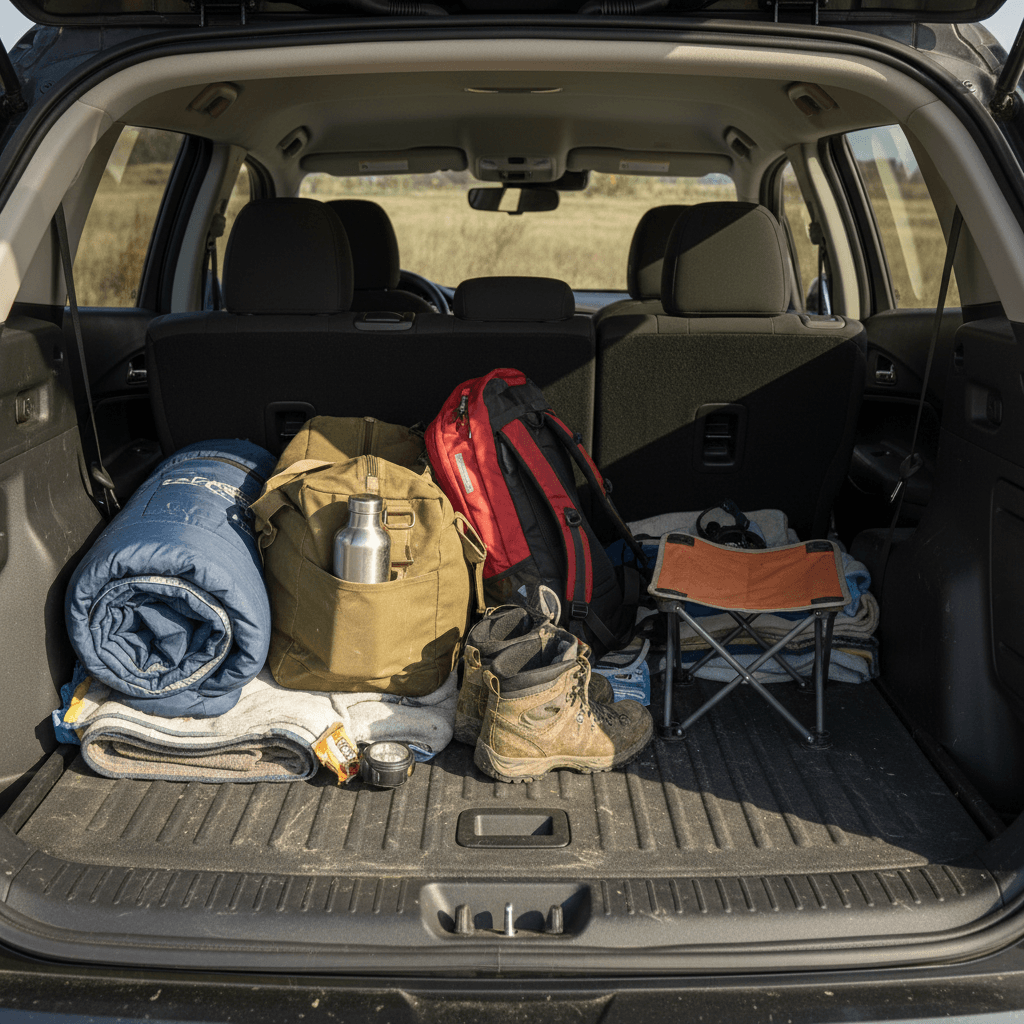
If you’re under about 6 feet tall, or willing to scoot the front passenger seat forward, you can build a simple sleeping platform and use the Bolt EUV as a compact camper. Think backpacker-minimalist, not RV luxury.
5. Trade or gig work
Photographers, makers, and gig workers often find the EUV’s seats-down space enough for bins, light stands, small folding tables, or craft show grids. You might not haul full 4×8 sheets of plywood, but you can do more than you’d expect from something this size.
Where the Bolt EUV really shines
Packing tips to maximize Bolt EUV cargo space
- Use stackable bins instead of loose bags so you can build stable layers and still see out the rear window.
- Keep heavy items low and forward, close to the rear axle, to avoid upsetting handling or stressing the hatch area.
- If you camp in the car, build or buy a slim platform that levels the step between the cargo floor and folded seats, this protects the seat fabric and makes sleeping far more comfortable.
- Consider a roof rack or hitch rack for bikes or especially bulky gear; that preserves interior space for valuables and weather-sensitive items.
- Pack a small soft blanket or cargo liner to protect the rear plastics and seatbacks from sharp corners, pet claws, or dirty gear.
- For long loads, fold just one side of the split rear seat so you can still carry a rear passenger safely with a seat belt.
Watch your weight, not just volume
Is the Chevy Bolt EUV big enough for your needs?
Who the Bolt EUV’s cargo space works best for
Urban and suburban daily drivers
Need a compact footprint for street parking or tight garages.
Occasionally haul big-box-store or IKEA runs, but not building materials every weekend.
Value a low running cost more than SUV-like towing or off-road ability.
Will use public fast charging or home Level 2 for road trips with light luggage.
Outdoor and adventure-focused drivers
Carry one or two bikes, camping totes, and soft gear a few times a month.
Okay with removing a bike wheel or using a roof/hitch rack when needed.
Prefer a simple micro-camping setup to a full van conversion.
Want an EV that still feels easy to maneuver on forest roads and in trailhead lots.
Families and rideshare drivers
Need good rear-seat legroom plus the option to fold seats for strollers, luggage, or bulk shopping.
Like the idea of a small crossover feel without jumping to a larger, heavier SUV.
Use the split-fold rear seats to balance passenger and cargo needs on the fly.
Often carry kids or riders but still need occasional bulk-hauling flexibility.
If your life routinely involves 4×8 sheets, heavy construction tools, or towing, the Bolt EUV isn’t going to replace a pickup or midsize van. But if you mainly need efficient daily transportation that can shape-shift into a surprisingly capable hauler or micro-camper when you drop the rear seats, it’s one of the most useful small EVs on the market.
Looking at a used Bolt EUV?
Cargo specs can be confusing, but when you boil it down the Chevrolet Bolt EUV offers close to 57 cubic feet of space with the seats down and around five feet of usable floor length, more if you’re flexible with seat positions and diagonals. For many shoppers, that combination of compact size, low running cost, and genuinely useful seats-down cargo space is exactly what makes the Bolt EUV so compelling, especially on the used market.