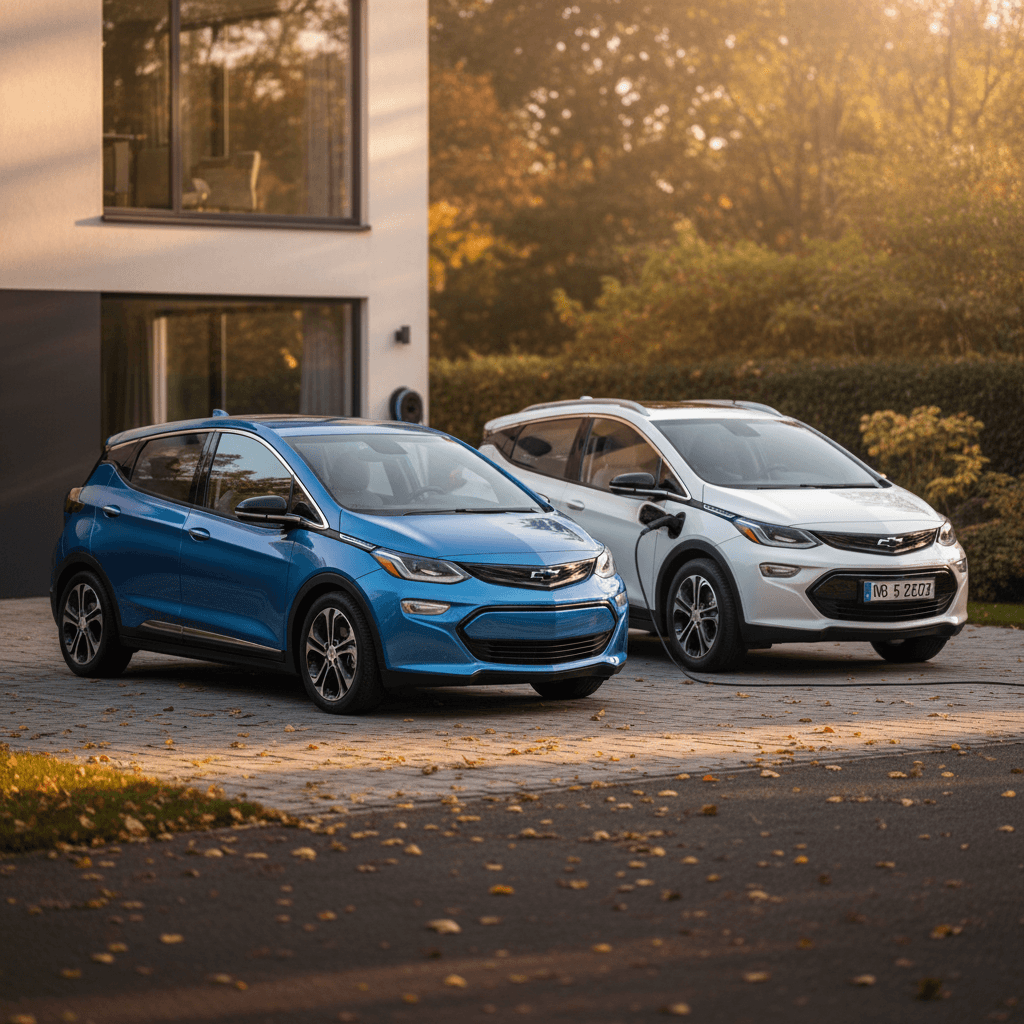
If you’re trying to figure out whether the Chevrolet Bolt is a sedan or an SUV, you’re not alone. GM’s own marketing has called it everything from a compact car to a crossover, and the two versions – Bolt EV and Bolt EUV – blur traditional categories even more. Let’s untangle how the Bolt is actually classified, and what that means if you’re shopping for a used EV.
Key takeaway
Quick answer: Is the Chevrolet Bolt a sedan or an SUV?
- The Chevrolet Bolt EV (2017–2023) is a 5‑door compact hatchback, not a sedan.
- The Chevrolet Bolt EUV (2022–2023) is a taller, longer “crossover” that fits into the subcompact SUV class in most comparisons.
- Neither model has a separate trunk like a traditional sedan – both use a rear hatch and folding seats for cargo.
- If you just need a simple label: Bolt EV = small hatchback, Bolt EUV = small SUV/crossover.
How to describe it at a high level
Bolt EV vs Bolt EUV: Body style basics
Two versions of the Chevrolet Bolt
Same basic idea, different stance and space
Chevrolet Bolt EV (hatchback)
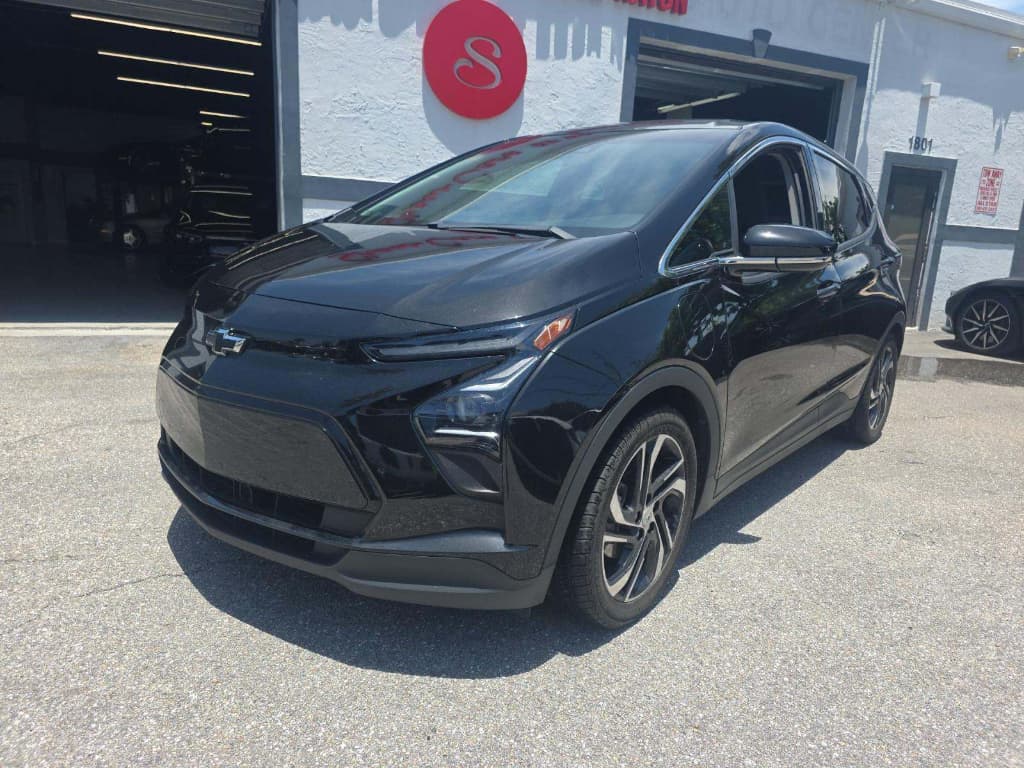
The original Bolt EV is a compact 5‑door hatchback. It rides lower to the ground, with a short overall length that makes it easy to park in the city.
- Lower roofline and seating position
- More "car-like" driving feel
- Great efficiency and maneuverability
- Best for solo drivers or small families in urban/suburban areas
Chevrolet Bolt EUV (small SUV/crossover)
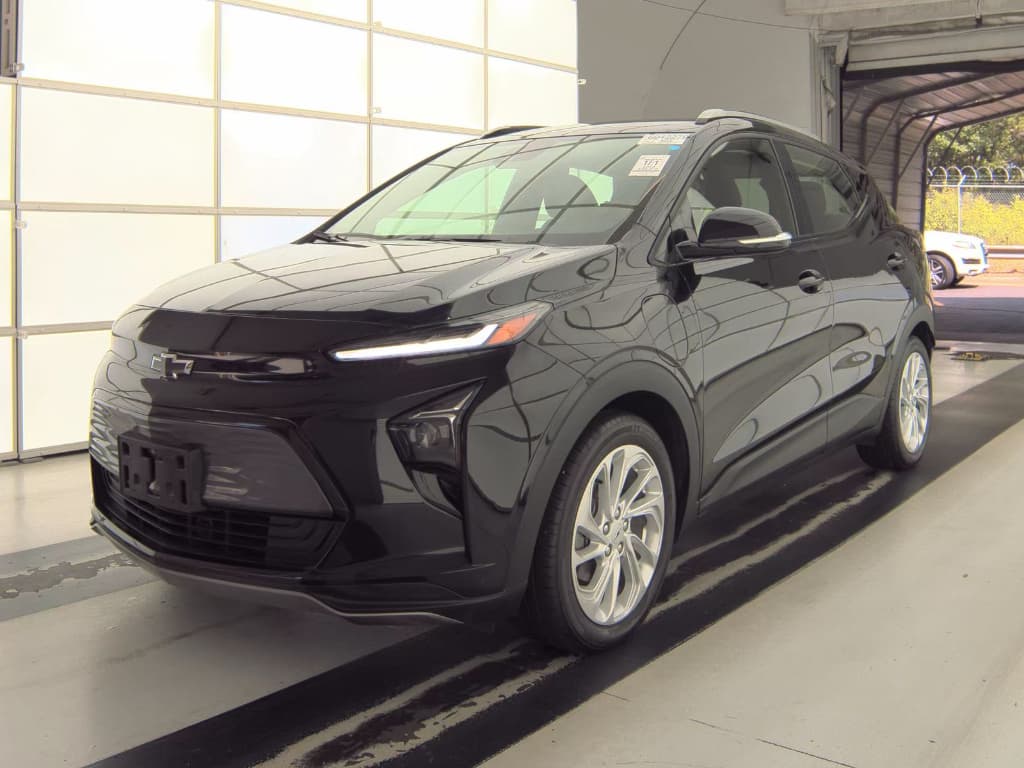
The Bolt EUV is essentially a stretched, slightly taller Bolt with more rear legroom and a more SUV‑like look. GM often calls it a crossover.
- Taller stance and more upright seating
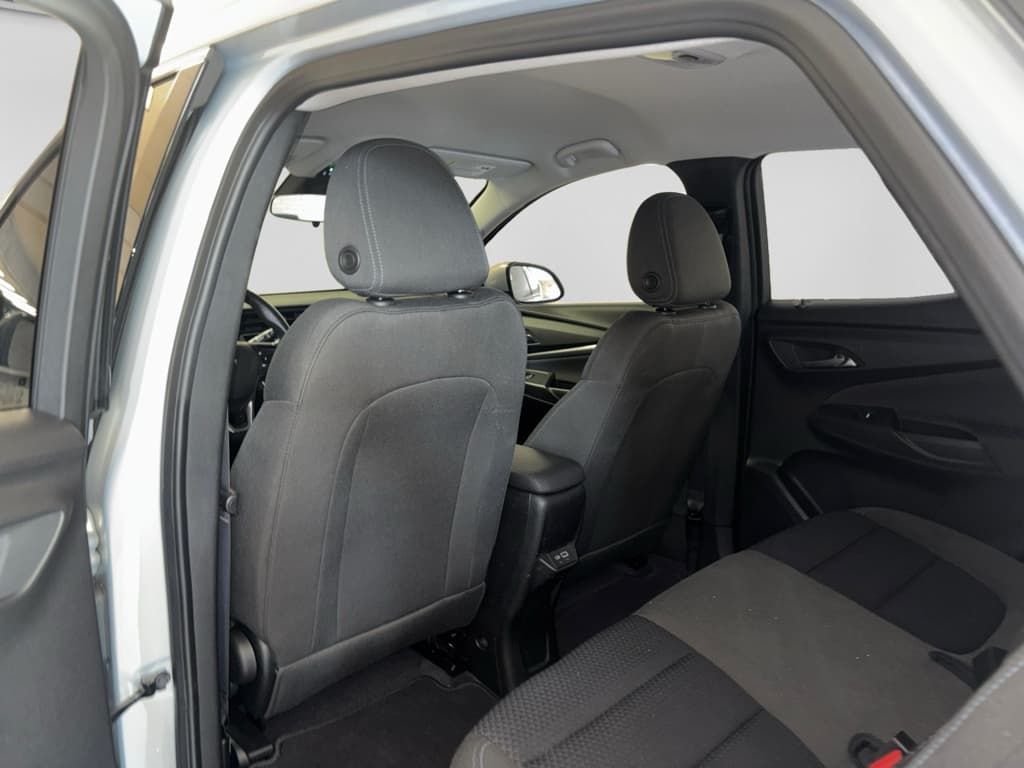
- More rear-seat space than the Bolt EV
- Styling and marketing closer to a subcompact SUV
- Still smaller than most crossovers like a Chevy Equinox
Don’t rely only on the name
How the Bolt compares to sedans and SUVs
The confusion around whether the Chevrolet Bolt is a sedan or an SUV comes from the fact that it “splits the difference” between categories. Looking at shape, height, and utility helps frame it correctly.
Chevy Bolt EV & EUV vs typical sedan and SUV
Approximate comparisons to help you visualize where the Bolt sits in the market.
| Feature | Bolt EV (hatchback) | Bolt EUV (small SUV) | Typical compact sedan | Typical compact SUV |
|---|---|---|---|---|
| Overall height | Short, closer to sedan | Slightly taller, more upright | Low | Tallest |
| Ride height / ground clearance | Lower | Slightly higher | Low | Higher |
| Rear cargo access | Large hatch opening | Large hatch opening | Small trunk opening | Large hatch opening |
| Driving feel | Car-like, nimble | Still car-like but more upright | Car-like | More SUV-like |
| Perception | Often called a hatchback | Often called a small SUV/crossover | Clearly a sedan | Clearly an SUV |
Dimensions vary by model year and trim, but the pattern is consistent: the Bolt EV behaves like a compact hatchback, and the Bolt EUV behaves like a small crossover SUV.
Why classification matters
Space, practicality, and driving position
Practical differences you’ll actually feel
Driving position in the Bolt EV
If you’re coming out of a compact sedan or hatchback, the Bolt EV will feel familiar. The seat height is a bit higher than a low-slung sedan, but still closer to a car than a crossover.
- Easy step-in height for most adults
- Good outward visibility for a small car
- Excellent maneuverability in tight parking lots
Driving position in the Bolt EUV
The Bolt EUV nudges you closer to the small SUV experience. The seat is a bit higher and more upright, and rear passengers get noticeably more legroom.
- More "command" view of the road than the Bolt EV
- Better for taller rear passengers or child seats
- Still smaller and easier to park than traditional SUVs
Good news for city drivers
Is the Bolt right for you? Common use cases
Who each Bolt version fits best
Match your daily life to the right body style
Urban commuters
If you mainly drive in the city and care about easy parking and efficiency, the Bolt EV hatchback is often the better fit.
- Shorter overall length
- Tight turning radius
- Enough cargo for groceries and gear
Small families & car seats
If you regularly carry passengers, especially in the back, the Bolt EUV tends to win.
- More rear legroom
- Easier child-seat access
- More upright seating for kids and adults
Weekend trips & gear
Both Bolts can handle weekend road trips, but the EUV’s extra space and slightly higher ride height make loading gear and bikes a bit easier.
- Fold-flat rear seats
- Hatchback opening for bulky items
- Still more efficient than typical SUVs
Think about parking, not just space
Buying a used Chevy Bolt: What to know
Both the Bolt EV and Bolt EUV ended production of their first generation in late 2023. GM has announced a new Ultium‑based Bolt coming in the future, but for now your options are used Bolts – which is actually good news if you’re value‑oriented. These cars tend to offer strong range for the price, especially compared to newer small EVs.
- Model years: Bolt EV launched for 2017; Bolt EUV joined for 2022.
- Battery and range: Later model years generally offer more range and improved software compared with early cars.
- Recalls: Early Bolt EVs had a widely publicized battery recall and pack replacements; on a used car, you’ll want verification that recall work was completed.
- Charging: All first‑generation Bolts use the CCS DC fast‑charging standard. Many owners will eventually use adapters as the market shifts toward Tesla’s NACS connector.
Battery health matters more than body style
This is where a transparent inspection helps. Every EV sold through Recharged includes a Recharged Score Report, which goes beyond a cosmetic check to include verified battery health, charging history signals, and fair-market pricing benchmarks. If you’re comparing a Bolt EV and a Bolt EUV, that kind of data can highlight which car will actually deliver the range you expect.
Checklist: Choosing between Bolt EV and Bolt EUV
Quick checklist before you decide
1. Measure your parking space
If you have a tight garage or cramped street parking, the shorter Bolt EV hatchback will be easier to live with day-to-day.
2. Sit in the back seat
If you’ll regularly carry adults or rear-facing car seats, physically sit in the back of both. Most people notice the Bolt EUV’s extra legroom right away.
3. Think about how you load cargo
Do you carry strollers, pets, or sports gear? Both versions use a hatchback, but the EUV’s extra length and space behind the front seats can help.
4. Consider your driving mix
Lots of highway miles? Focus more on battery health, range, and driver-assistance features than on body style labels. A healthier battery beats a slightly taller ride height every time.
5. Check charging options
Make sure the car’s charging port standard and included cables fit how you’ll charge at home and on road trips. A Level 2 home charger often changes which range feels "enough."
6. Compare total cost, not just price
Factor in financing, trade‑in value, and delivery. Platforms like Recharged can help you see apples‑to‑apples costs between multiple used Bolts across the country.
Frequently asked questions about Chevy Bolt body style
Chevy Bolt body style FAQ
Bottom line: How to think about the Bolt
If you’re trying to pin the Chevrolet Bolt down to a single label, think of it this way: the Bolt EV is a compact electric hatchback, and the Bolt EUV is a slightly larger, more upright small crossover SUV. Neither behaves like a low‑slung sedan, and both offer hatchback practicality in a very small footprint.
When you’re shopping used, focus less on the marketing labels and more on how the car fits your life: parking, passengers, cargo, and range. Tools like the Recharged Score Report make it easier to compare real battery health and fair pricing across multiple Bolts nationwide, so you can confidently choose the body style – and the specific car – that will actually work for your daily reality.