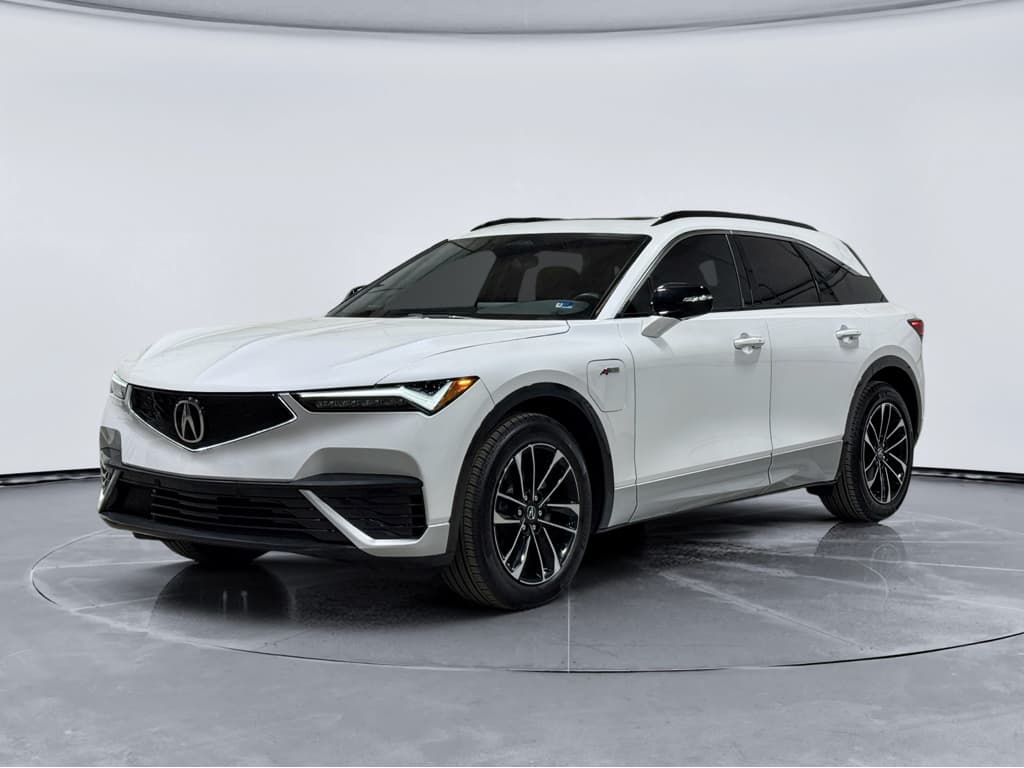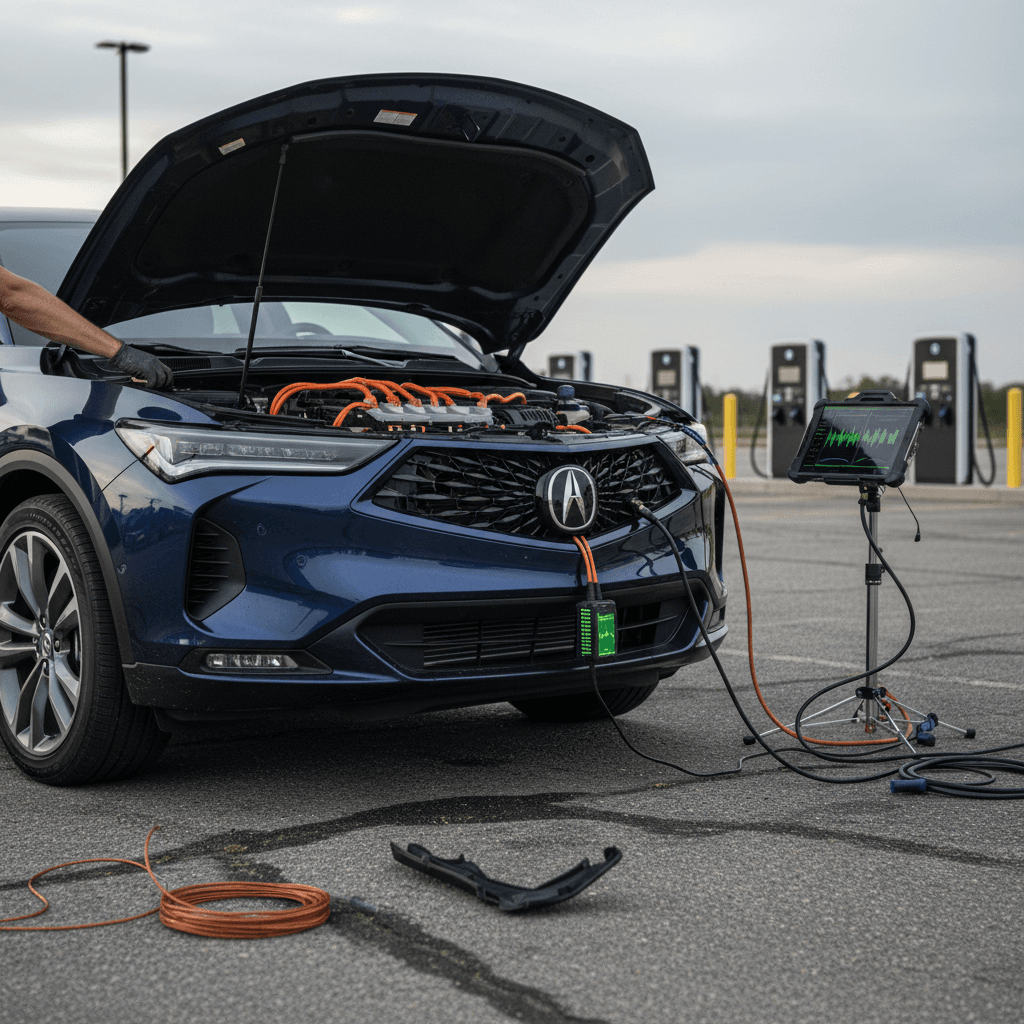
The 2024 Acura ZDX is Acura’s first modern EV and one of several SUVs built on General Motors’ Ultium platform. That makes it quick, quiet, and techy, but it also means early owners are the beta testers. If you’re wondering about 2024 Acura ZDX problems before you buy used, you’re asking the right question.
A quick reality check
Overview: 2024 Acura ZDX and why problems are hard to read
The 2024 ZDX rides on GM’s Ultium EV architecture, shared with the Cadillac Lyriq, Chevrolet Blazer EV, and Honda Prologue. That’s a blessing and a curse. On one hand, it gives Acura a serious EV in a hurry. On the other, it inherits some platform‑wide quirks, particularly in software, charging behavior, and driver‑assistance tuning.
On paper, the ZDX looks strong: 313–500+ horsepower depending on trim, fast DC charging, a big battery, and a premium interior. In practice, early reviews and owner reports paint a more complicated picture. Many issues are not catastrophic failures but nuisance problems, false safety braking, confusing regen controls, and brake performance that doesn’t live up to the badge price.
2024 Acura ZDX: early data snapshot
Is the 2024 Acura ZDX reliable so far?
With any first‑year EV, you have two curves to worry about: hardware durability and software maturity. The ZDX hasn’t been on the road long enough to prove its long‑term durability, but we can say this much:
- There’s no widespread pattern of catastrophic battery or motor failures unique to the ZDX so far.
- Most issues reported are software or calibration related: safety systems, regen behavior, infotainment oddities.
- Because the ZDX is low‑volume and production has already been paused, updates and parts availability over time are worth watching closely.
How to read early-owner problems
Safety system glitches: false braking and parking brake issues
The most concerning early pattern on the 2024 ZDX isn’t the battery or motors. It’s the automatic braking and rear safety systems behaving as if they’ve seen a ghost.
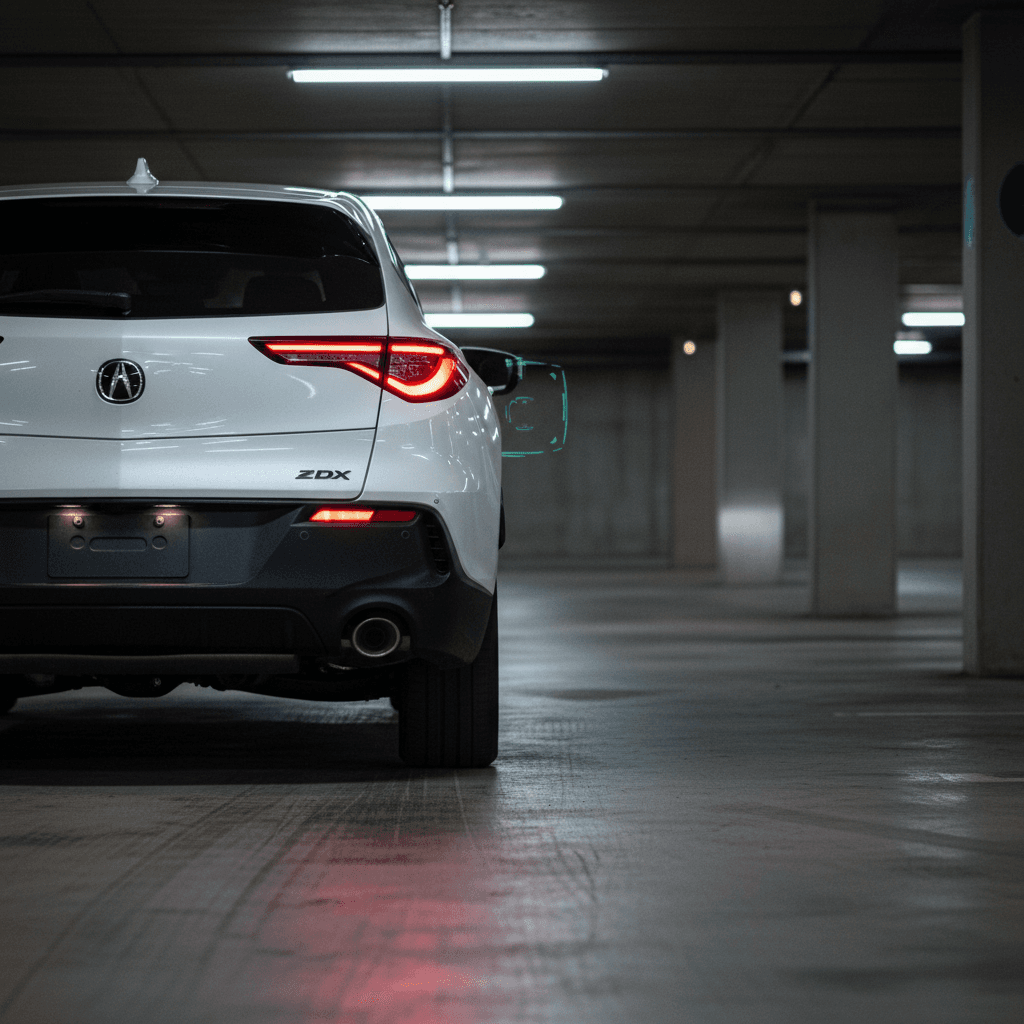
Multiple owners have reported the ZDX’s automatic rear braking engaging for no clear reason. In low‑speed reversing, backing out of a driveway or parking space, the system slams on the brakes even when drivers insist there are no cars, people, or obstacles behind them. In some cases, this has been paired with the parking brake repeatedly engaging in reverse, leaving the driver briefly stranded in traffic or blocking a lane while they fight the system.
Why false braking matters
Common symptoms
- Sudden hard braking while reversing with no visible obstacle.
- Parking brake engaging multiple times when backing up.
- Warnings on the dash about collision mitigation or parking brake.
- Dealer scans show no obvious fault codes.
What to ask the seller
- Have you ever had the rear auto‑brake or parking brake activate unexpectedly?
- Any software updates or TSBs (technical service bulletins) performed for collision‑mitigation or parking assist?
- Any dash‑cam or service records documenting the behavior?
Turn down the paranoia, not the safety
Charging problems: home chargers, software, and Tesla Superchargers
For most owners, the ZDX charges as advertised, especially on DC fast chargers. But early owners have flagged a few annoying edge‑case problems, especially with Level 2 home charging and third‑party hardware.
Where 2024 ZDX charging problems tend to show up
What’s ZDX‑specific and what’s just EV growing pains?
Home Level 2 quirks
Some owners report their non‑Acura Level 2 chargers faulting around 80% state of charge, flashing relay error codes even though the car continues charging. Bumping the limit higher (for example, to 90%) sometimes makes the fault disappear.
It’s not always clear whether the culprit is the wallbox, the ZDX, or how they talk to each other.
Scheduling & “ready by” features
Others describe relay faults or aborted sessions when using the ZDX’s scheduled charging or “ready by” functions, while immediate “charge now” works fine.
This usually points to software timing or communication issues rather than a defective battery.
Tesla Supercharger access
Acura ZDX owners can use Tesla Superchargers via a CCS–NACS adapter. Early feedback suggests charging is generally reliable, but you’re juggling Tesla’s app, Honda/Acura apps, and station availability.
As with any adapter solution, expect occasional handshake or payment hiccups as networks evolve.
Test this before you buy
Brakes, handling, and ride-quality complaints
On a test drive, the ZDX usually feels quiet, composed, and comfortable. The issues here are more about expectations than outright failure. Reviewers went in expecting a sharp, athletic Acura. They got something that feels more like a polite Cadillac understudy.
Major outlets have criticized the ZDX, especially the Type S, for slow steering response, a sense of heavy, wide bulk, and braking hardware that wilts under repeated high‑speed stops. During instrumented testing, hard repeated braking in a Type S has triggered brake fade and even overheat warnings well before you’d expect from performance‑branded Brembos.
- Steering: 3.5 turns lock‑to‑lock, with light effort and limited feedback. Around town this just feels numb; on a winding road, it feels out of sync with the price tag.
- Handling: The ZDX is wide and heavy. It’s stable but not eager; front‑end grip and turn‑in feel less sharp than the Lyriq or some rival EVs.
- Brakes: In normal daily driving, the pedal feels natural, and one‑pedal tuning is excellent. Under repeated hard use, test cars have shown premature fade and overheat warnings that don’t match the Type S marketing.
This is more about character than safety
Battery and Ultium platform concerns
Because the ZDX rides on GM’s Ultium toolkit, some shoppers worry it might inherit the platform’s early teething issues. So far, we’ve seen scattered reports of “Service battery” warnings on low‑mileage ZDXs, occasionally leading to a pack replacement under warranty.
Taken individually, these look like classic first‑batch glitches: a defective module here, a sensor or harness issue there. The good news is that Acura has been honoring the battery warranty as designed. The open question is long‑term degradation, which no one can honestly answer for a vehicle that only hit roads in 2024.
What you should do as a used buyer
Interior build quality and tech annoyances
Acura’s reputation is for slightly nerdy, over‑engineered interiors, buttons where you want them, materials that overdeliver on the price. The ZDX doesn’t fully clear that bar. Reviewers have repeatedly pointed out that switchgear and controls are clearly borrowed from GM parts bins, and the cabin doesn’t feel as special as either a Lyriq or an equivalent‑price German.
Common owner and tester gripes
- Seat comfort that’s fine on short trips but leaves some drivers fidgeting after an hour.
- Regen mode adjustments buried in menus, with unclear status indicators in the cluster.
- Some creaks or buzzes over broken pavement, nothing dramatic, but noticeable given the price.
What’s genuinely good
- Excellent one‑pedal tuning; many testers rank it among the best in any EV.
- Ride quality that’s firm but controlled, with good impact isolation.
- Thoughtful Google‑based infotainment that makes navigation and charging‑stop planning relatively easy.
A bright spot: one-pedal driving
Recalls, service campaigns, and the end of ZDX production
Because the 2024 ZDX is so new, its recall record is still evolving. As of early 2026, there hasn’t been a marquee, model‑defining recall scandal attached specifically to the ZDX the way some siblings have seen charging‑software or wiring‑related actions, but that can change quickly as more miles pile on and more data reaches regulators.
What is clear is that Honda has already ended U.S. production of the ZDX, citing market conditions and shifting its EV focus to future Acura models. That doesn’t mean your ZDX suddenly loses support, parts, software, and factory coverage continue, but it does mean the vehicle is a one‑generation experiment, not a long‑running nameplate.
What a short production run means for you
Should you buy a used 2024 Acura ZDX?
The ZDX is an interesting proposition as a used EV. Dynamically, it’s less engaging than you might expect from Acura, and a few early problems, especially with safety‑system false positives and brake behavior, give pause. But as a comfortable, quiet, fast‑charging electric SUV, it’s fundamentally competent, with a modern platform and access to both traditional CCS networks and Tesla Superchargers via adapter.
If you’re a gadget‑loving commuter who values range, comfort, and Google‑built navigation over Nürburgring fantasies, a well‑sorted ZDX could be a smart buy at the right price. If you’re a back‑road assassin who hears “Type S” and imagines a spiritual successor to the Integra Type R, you’ll likely be disappointed.
Where used ZDXs make the most sense
Checklist: what to inspect before buying a used ZDX
2024 Acura ZDX pre‑purchase inspection checklist
1. Scan for safety-system faults
Ask for any history of collision‑mitigation, rear braking, or parking‑brake warnings. On a test drive, repeatedly reverse in an open lot and see whether the car ever brakes or applies the parking brake without an obstacle.
2. Verify software updates and TSBs
Have the seller provide a service printout from Acura showing all completed software updates and technical service bulletins, especially around driver‑assist, charging, and battery management.
3. Get a real battery health report
Don’t settle for “no warning lights.” Request documented <strong>state‑of‑health data</strong>, recent fast‑charge behavior, and any history of pack or module replacement. A Recharged Score Report, for example, digs into real‑world capacity and charging behavior.
4. Test Level 2 and DC fast charging
Confirm that the ZDX charges cleanly on a home or public Level 2 charger from low to high state of charge without faulting, then fast‑charge it at least once to ensure normal speeds and session behavior.
5. Evaluate brakes under repeated stops
From safe speeds and in a safe area, perform several firm stops in succession. The pedal should remain consistent without sudden fade, pulling, or warning messages. Listen for abnormal noises from the pads or rotors.
6. Live with the ergonomics
Spend time adjusting the seats, experimenting with regen modes, and using the infotainment. If the seat comfort or menu structure irritates you in 30 minutes, it won’t miraculously improve in three years.
7. Confirm warranty and support
Verify remaining bumper‑to‑bumper and battery warranty coverage by VIN with an Acura dealer. Because the ZDX is out of production, you want a clear picture of coverage and any extended‑warranty options.
FAQ: 2024 Acura ZDX problems
Frequently asked questions about 2024 Acura ZDX problems
Bottom line on 2024 Acura ZDX problems
The 2024 Acura ZDX is not a disaster, and it’s not a masterpiece. It’s a first‑generation EV from a brand that usually over‑delivers dynamically, built on a partner’s platform that’s still finding its feet. Its biggest problems so far are calibration and expectations: safety systems that sometimes overreact, brakes and steering that undersell the Type S name, and software that occasionally fumbles the ball with certain home chargers.
For the right buyer, and at the right used price, a carefully vetted ZDX can still be a compelling way into premium EV ownership, especially if you prize comfort, Google‑powered infotainment, and access to a wide charging ecosystem. Just don’t skip the homework. Whether you shop privately, at an Acura store, or through a specialist like Recharged, make sure you see battery‑health data, service history, and real‑world charging behavior before you let the sleek sheetmetal seduce you.