If you’re shopping for an affordable used EV, it’s natural to ask: is the 2021 Chevrolet Bolt EV worth buying in 2026? On paper it’s compelling, 259 miles of EPA‑rated range, zippy performance, hatchback practicality, and prices that often undercut comparable gas cars. But the well‑publicized battery recall and aging fast‑charging tech mean you need to go in with eyes wide open.
Short answer
2021 Chevy Bolt EV at a Glance
2021 Bolt EV key specs (factory ratings)
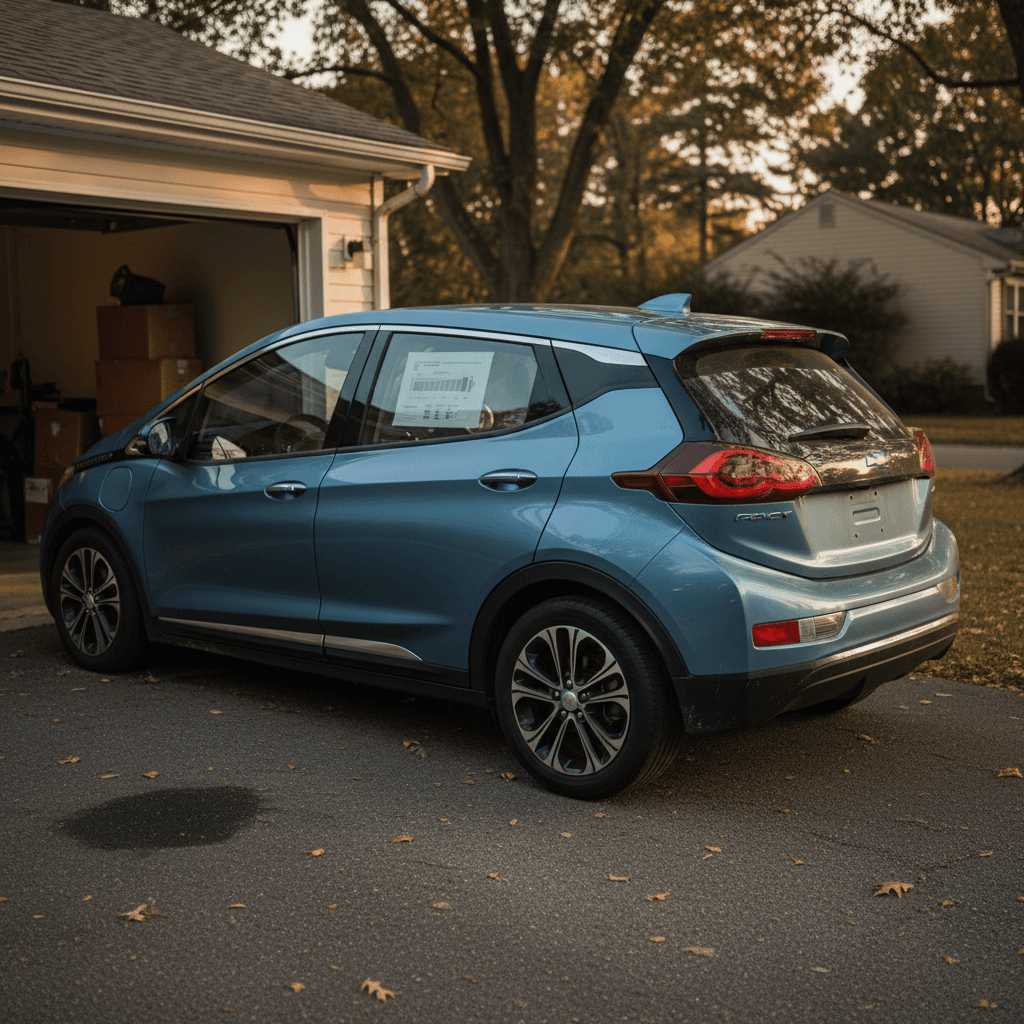
The 2021 Bolt EV is the final year of the first‑generation design before Chevrolet refreshed the styling and interior for 2022. It uses a 66 kWh battery and a single front motor making around 200 horsepower. With a published EPA range of 259 miles, it still stacks up well against many newer compact EVs, especially at today’s used prices.
Trim walk simplified
Market pricing: is the 2021 Bolt EV a good deal?
From a value perspective, the 2021 Bolt EV is in a sweet spot. Original MSRPs were in the mid‑$30,000s, but by early 2026 many examples have seen heavy depreciation. Market data suggests that 2021 Bolts commonly trade somewhere in the mid‑teens, with higher‑mileage cars dipping closer to the $12,000–$13,000 mark and low‑mileage, well‑optioned Premiers commanding more.
Typical 2021 Bolt EV price ranges in 2026 (U.S.)
Approximate asking prices you might see at dealers or online marketplaces. Actual prices will vary by mileage, condition, battery recall history, and region.
| Condition | Odometer | Typical asking price | Notes |
|---|---|---|---|
| High‑mileage commuter | 70,000–100,000+ miles | $11,500–$14,000 | Often former long‑distance commuters; only consider with documented recall and strong battery‑health report. |
| Average used example | 35,000–70,000 miles | $14,000–$18,000 | Where most 2021 Bolts sit; condition and recall proof matter more than tiny price differences. |
| Low‑mileage, loaded Premier | Under 35,000 miles | $18,000–$21,000 | Top‑trim with DC fast charge and safety tech; expect to pay a premium for clean history and fresh battery. |
Use this as a ballpark guide, then focus on individual vehicle history and battery health.
Value verdict
Battery recall: what it means for a 2021 Bolt EV
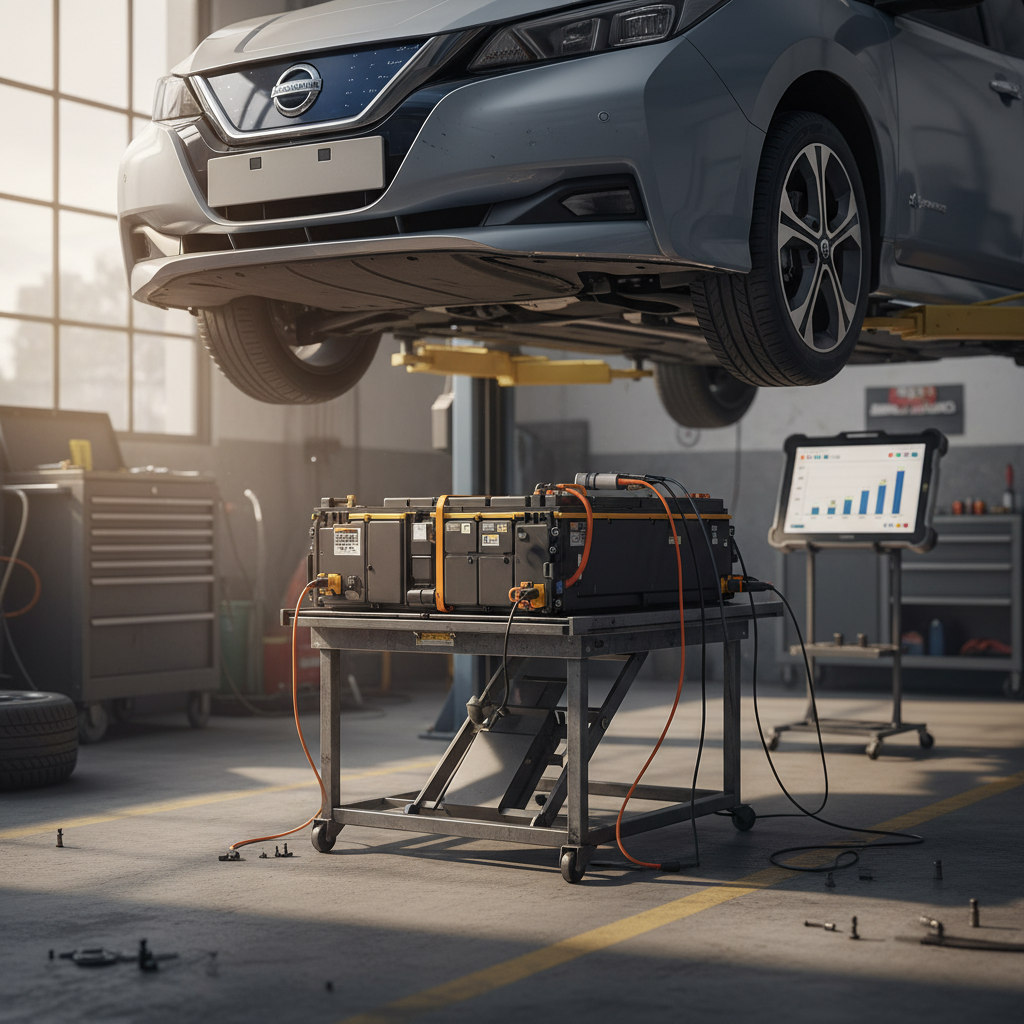
The elephant in the room is the high‑voltage battery recall that affected nearly all first‑generation Bolt EVs, including the 2021 model year. GM recalled 2017–2022 Bolt EVs and 2022 Bolt EUVs to address a fire risk tied to manufacturing defects in certain battery cells. The fix has taken two primary forms: full pack replacement or updated monitoring software (and, on some cars, both).
1. Full battery replacement
- Original pack is removed and replaced with a new or updated pack.
- Often comes with a new or extended battery warranty starting from the replacement date.
- Many owners see like‑new or better usable range after the swap.
2. Software/monitoring update only
- Advanced diagnostic software continuously monitors the pack for abnormal behavior.
- Some cars operated temporarily with an 80% charge cap or reduced usable capacity.
- Long‑term peace of mind is more nuanced if the original pack remains in place.
Non‑negotiable: verify recall completion
Battery & recall checklist for a 2021 Bolt EV
1. Run the VIN through GM’s recall tool
Use Chevrolet’s online recall lookup or ask a dealer to print a recall status report by VIN. The car should show all Bolt‑related campaigns as completed.
2. Ask specifically about battery replacement
Was the pack replaced, or just updated with monitoring software? A <strong>documented replacement</strong> plus extended battery warranty is a major plus for long‑term ownership.
3. Get the in‑car battery warranty details
Confirm the remaining high‑voltage battery warranty in years and miles. A fresh pack installed in 2023 or 2024 may be covered well into the 2030s.
4. Review a third‑party battery‑health report
Tools like the <strong>Recharged Score battery health report</strong> can help you see estimated usable capacity and how the pack has been treated over time.
5. Check for temporary 80% charge limits
Some recall software capped max charge at 80% for a mileage window. Make sure the car you’re buying isn’t stuck in a reduced‑range mode without a plan to remedy it.
Range, charging, and day-to-day use
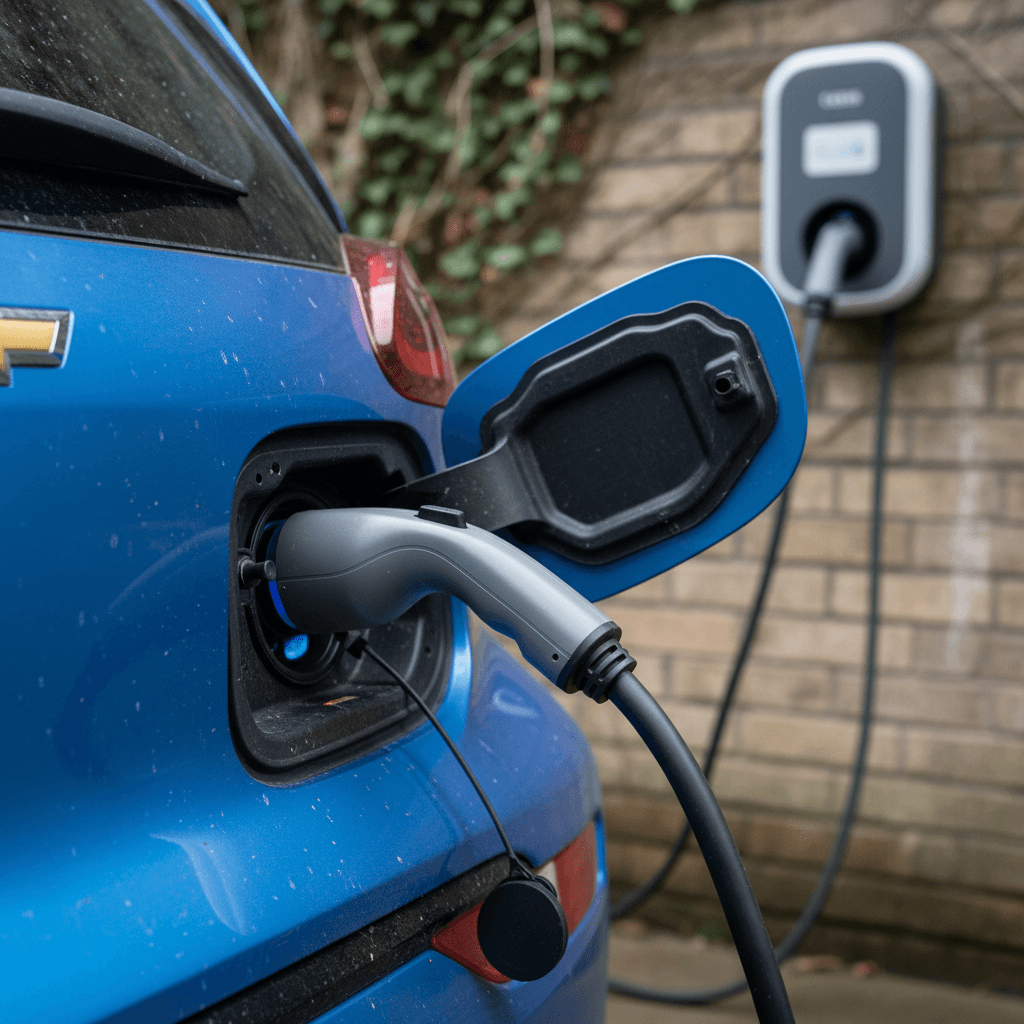
On daily‑driver duty, the 2021 Bolt EV still shines. Its official 259‑mile EPA range remains competitive, and many owners see 3.5–4.0 miles per kWh in mixed driving when they drive efficiently. Where the Bolt shows its age is public DC fast charging: peak rates of around 55 kW are modest by 2026 standards, and the car’s taper curve means road‑trip charging takes longer than in newer EVs that can accept 100–200+ kW.
Charging a 2021 Bolt EV: what to expect
How it fits into a real‑world routine in 2026
Home Level 2 (240V)
With a 32–40 amp Level 2 charger, you can typically go from near empty to full in about 9–10 hours. That’s an easy overnight refill if you have a garage or dedicated parking.
Public Level 2
At 6–7 kW public stations (workplaces, parking garages), expect roughly 25–30 miles of range per hour. Great for topping off while you’re parked for several hours.
DC fast charging (CCS1)
On a healthy pack, you’ll see around 90–100 miles added in about 30 minutes from a low state of charge, then a noticeable taper. Fine for occasional trips, but slower than modern high‑power EVs.
Road‑trip expectations
Ownership costs and depreciation
One of the 2021 Bolt EV’s biggest selling points in 2026 is total cost of ownership. It has already absorbed substantial depreciation, and with low electricity and maintenance costs, many owners find it cheaper to run than an equivalent gas compact, even before fuel‑price volatility is factored in.
Why 2021 Bolt EV ownership costs stay low
If you drive 8,000–12,000 miles a year
- A 2021 Bolt EV can dramatically cut your fuel bill versus a gasoline compact.
- Routine maintenance is simple: tires, brake fluid, 12‑volt battery, and occasional inspections.
- Insurance may be similar to other compact hatchbacks, though it varies by region and carrier.
What can increase costs
- Out‑of‑warranty collision or battery‑related repairs at a dealership can be expensive.
- Outdated or unreliable CCS fast‑charging infrastructure in your area may add time and hassle on road trips.
- Lack of home charging can push you into pricier public Level 2 or DC stations.
Depreciation outlook
Common issues and long-term reliability
Beyond the battery recall, the 2021 Bolt EV has a reputation for being mechanically simple and generally robust. An electric motor, single‑speed reduction gear and relatively few moving parts mean fewer traditional failure points than a gasoline drivetrain. That said, there are some Bolt‑specific quirks and issues to know about.
Known trouble spots on first‑gen Bolt EVs
Most are manageable if you know what to look for
Battery‑related concerns
- The high‑profile recall was driven by a fire risk in some packs.
- A small number of owners still report propulsion‑power‑reduced warnings or replacement batteries failing early.
- This is why proper recall documentation and a battery‑health report are critical before you buy.
Electronics & infotainment quirks
- Occasional reports of backup camera glitches or intermittent infotainment behavior.
- Software updates can help, but out‑of‑warranty module replacements are not cheap.
Interior and trim wear
- Hard plastics can show wear and rattles on rough roads.
- Seat comfort is subjective, some drivers find early Bolt seats narrow on long drives, though 2020–2021 seats are generally improved over the earliest years.
Out‑of‑network repairs
- Not every dealership has deep EV experience.
- For complex diagnostics, seek out a Bolt‑experienced EV technician or a seller that can document high‑quality service history.
Walk‑away signs
Who should buy a 2021 Bolt EV, and who should skip it
A 2021 Bolt EV is a great fit if…
- You want an affordable EV with 200+ miles of real‑world range for daily duty.
- You can charge at home or have consistent access to low‑cost Level 2 charging.
- Your driving is mostly city/suburban with occasional 150–250‑mile weekend trips.
- You value practicality, a tall hatch, fold‑flat rear seats, and easy maneuverability.
- You’re willing to do homework on the recall and battery health rather than buying blindly.
You might want something else if…
- You road‑trip constantly and need super‑fast DC charging and a denser high‑speed network.
- You’re uncomfortable with any lingering recall history, even with documentation.
- You frequently tow or haul heavy loads (the Bolt isn’t rated for serious towing).
- You need all‑wheel drive or extra ground clearance for weather or terrain.
Overall verdict on “worth buying”
How to shop for a used 2021 Bolt EV
Because the 2021 Bolt EV combines attractive pricing with a complicated recall history, you want a structured approach to shopping. Think of it as a three‑part evaluation: vehicle history, battery health, and fit for your lifestyle.
Step‑by‑step: buying a 2021 Bolt EV with confidence
1. Start with the right use case
Confirm that your typical daily driving and charging setup match what the Bolt does well, primarily home‑based charging and moderate daily mileage.
2. Pull a full vehicle history report
Look for accident records, lemon/buyback history, and any mention of battery or high‑voltage repairs. Multiple battery entries aren’t a deal‑breaker if they’re tied to the official recall, but they deserve questions.
3. Verify recall and service records
Ask for printouts of recall completion and major service from a Chevrolet dealer. This is especially important if you’re buying from a non‑GM retailer or private party.
4. Get a professional battery‑health check
At Recharged, every vehicle includes a <strong>Recharged Score battery health report</strong> that translates complex data into an easy‑to‑understand score, so you’re not guessing about pack condition.
5. Test drive with a critical ear
On your drive, check for warning lights, reduced‑power messages, unusual drivetrain noises, excessive wind noise or rattles, and make sure one‑pedal driving and regen feel smooth.
6. Compare total cost, not just price
Stack the Bolt up against a similar gas car using <strong>five‑year fuel and maintenance estimates</strong>. Even if the EV’s sticker is slightly higher, the math often favors the Bolt over time.
How Recharged can help
FAQ: 2021 Chevy Bolt EV worth buying?
Frequently asked questions about the 2021 Bolt EV
Bottom line: is the 2021 Chevrolet Bolt EV worth buying?
When you step back from the headlines and look at how people actually use their cars, a clear picture emerges. If you primarily commute, run errands, and take the occasional moderate‑length trip, a properly vetted 2021 Chevy Bolt EV offers impressive range, effortless one‑pedal driving, compact‑car maneuverability, and very low operating costs, often for the price of a used gasoline hatchback.
The keys are doing your homework on the battery recall, insisting on solid documentation, and making sure the car’s charging profile matches your lifestyle. If that sounds like more legwork than you want to tackle alone, working with an EV‑focused retailer like Recharged, where every car includes a Recharged Score battery report, transparent pricing, and EV‑savvy support, can dramatically simplify the process.
So, is the 2021 Chevrolet Bolt EV worth buying in 2026? For the right buyer, the answer is a confident yes. Treated as the efficient, easy‑to‑live‑with daily driver it was designed to be, and chosen carefully, it remains one of the smartest used‑EV buys on the market today.