If you’re trying to make sense of the **2026 Tesla Model 3 recalls list**, you’re not alone. Tesla’s recall landscape is noisy: some fixes are simple over‑the‑air (OTA) software updates, while others involve genuine hardware risks like potential power loss or hood‑latch failures. This guide pulls together the key recall campaigns that can touch a 2026‑era Model 3 and explains what they mean for current owners and used‑EV shoppers.
Recall data is moving fast
Overview: 2026 Model 3 recalls in context
First, a reality check: there is no single, giant document titled “2026 Tesla Model 3 recalls list” sitting on a shelf somewhere. Instead, your car can be covered by multiple **NHTSA recall campaigns** that may span several model years at once. Tesla is also unusually reliant on **software‑only recalls**, where the official “remedy” is an OTA update rather than a physical repair.
Tesla recalls in the mid‑2020s: quick context
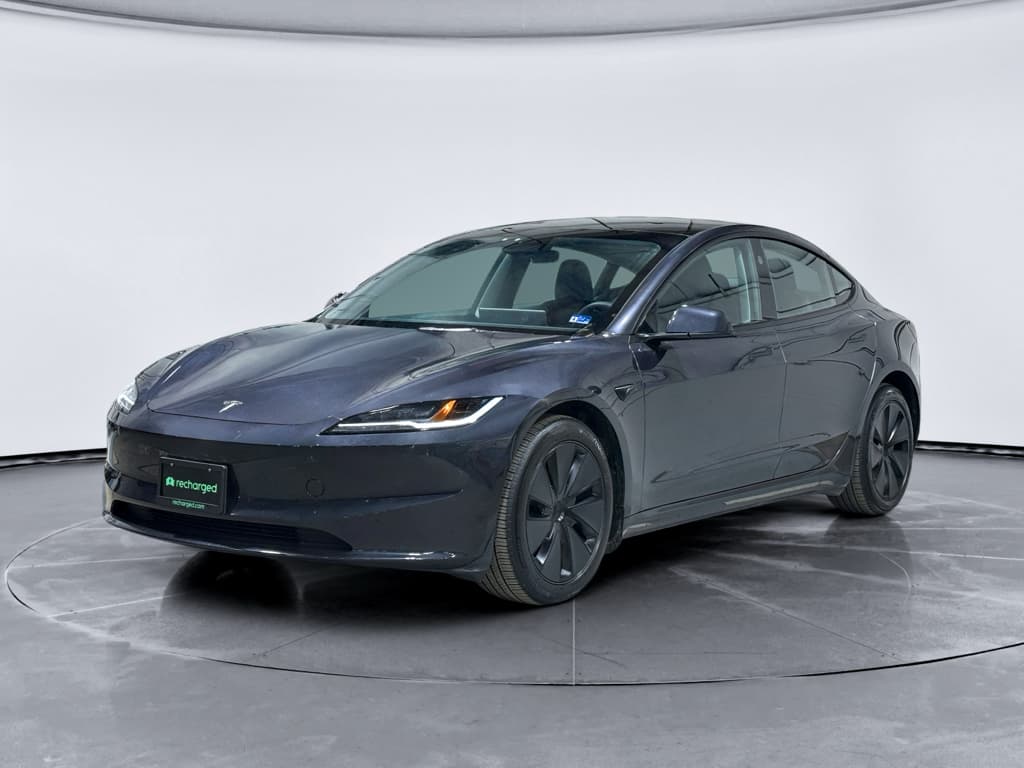
The 2026 Model 3 is essentially a continuation of the refreshed design that started rolling out globally in late 2023 and spread into North America in 2024–2025. That means many recalls labeled as **2024–2025 Model 3** or “recent Model 3” are highly relevant if you’re cross‑shopping or trying to understand likely issues for the 2026 model year.
Don’t rely on lists alone
How Tesla handles recalls: OTA vs. service visits
Over‑the‑air software recalls
Tesla leans heavily on OTA updates to resolve many NHTSA recall campaigns. Typical examples:
- Camera or display glitches fixed by updated firmware.
- Warning‑logic changes when NHTSA finds that a feature isn’t alerting drivers clearly enough.
- Driver‑assistance behavior tweaks (Autopilot/FSD) that change how the car responds in risky scenarios.
In these cases, your Model 3 may never visit a service center. The recall is marked complete once the correct software version is installed.
Physical hardware recalls
Other campaigns still require hands‑on work:
- Battery pack contactor / power‑loss issues that need inspection or hardware replacement.
- Hood‑latch / front‑trunk issues where the hood could open while driving.
- Steering and suspension components if there’s a risk of sudden loss of control.
For these, Tesla will ask you to schedule a visit in the app, sometimes with mobile service coming to you if the job is straightforward.
Quick way to see completed recalls
2026 Tesla Model 3 recalls list (and adjacent model years)
Because the 2026 Model 3 is still very new as of April 2026, most of the clearly documented campaigns are framed around 2024–2025 Model 3 sedans and newer‑generation battery packs and computers. Below is a consolidated view of the recall themes that either explicitly name newer Model 3s or are closely related to the hardware and software in 2026 cars.
Key recall themes touching newer Model 3s
This table summarizes major recall areas that are relevant to late‑generation Model 3s, including the 2026 model year by hardware similarity.
| Recall theme | Primary affected model years | Typical remedy | Risk if ignored |
|---|---|---|---|
| Rearview camera / display issues | 2024–2025 Model 3 (plus S/X/Y) | OTA software update to specific firmware version | Loss of rear visibility when reversing |
| Battery pack contactor & power loss | 2025 Model 3; 2026 Model Y with same hardware | Software plus possible pack/contact inspection or replacement | Potential sudden loss of propulsion |
| Car computer short / display blackout | 2024–2025 Model 3 & S; 2023–2025 X & Y | OTA update to reduce risk of computer shorting | Loss of critical displays and camera feeds |
| Front‑trunk / hood‑latch detection | 2021–2024 Model 3 (carryover design) | Software logic changes to ensure hood is latched before driving | Hood opening while driving, obscuring vision |
| Autopilot / FSD behavior changes | Multiple Tesla models 2017–2025 | OTA updates that change driver‑assist behavior and warnings | Increased crash risk if driver over‑relies on system |
Always run a VIN check to see which specific campaigns apply to your car.
Where the 2026 Model 3 fits
Battery and power‑loss recalls affecting newer Model 3s
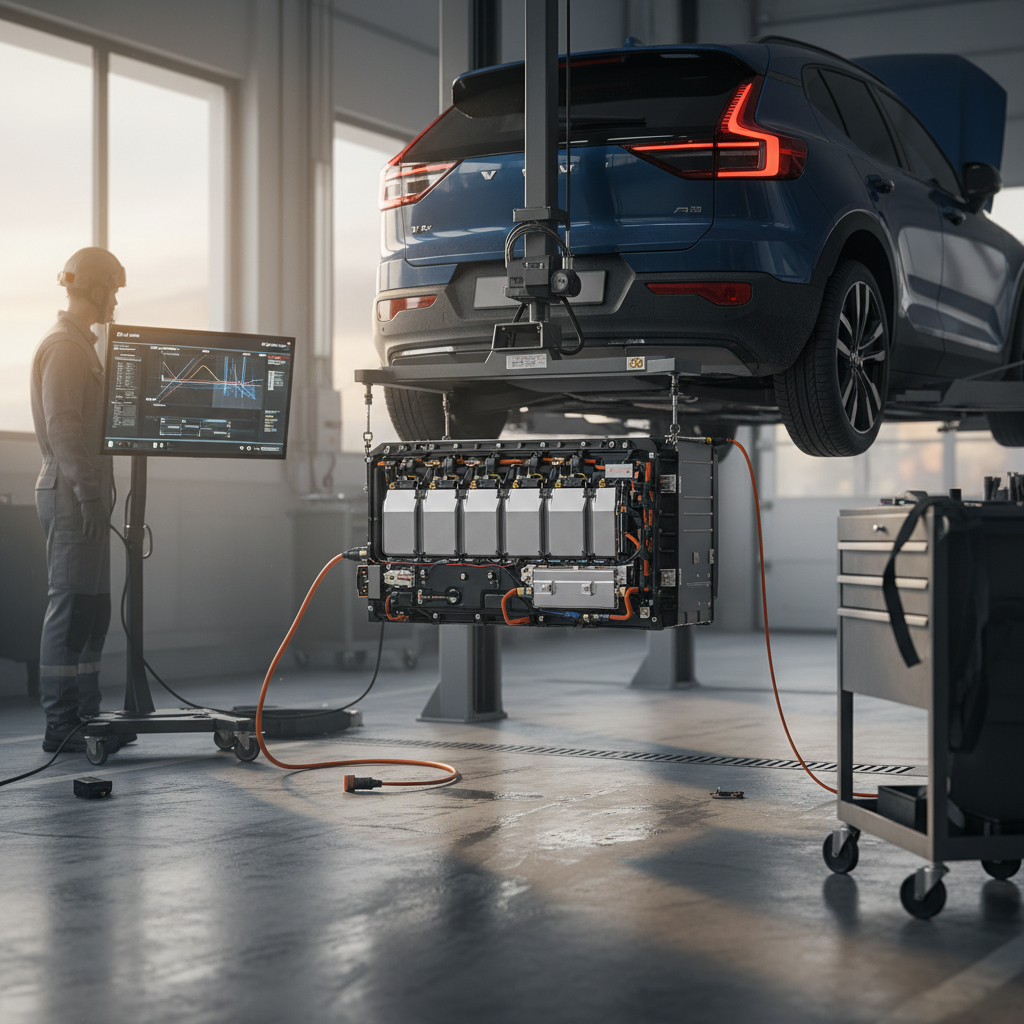
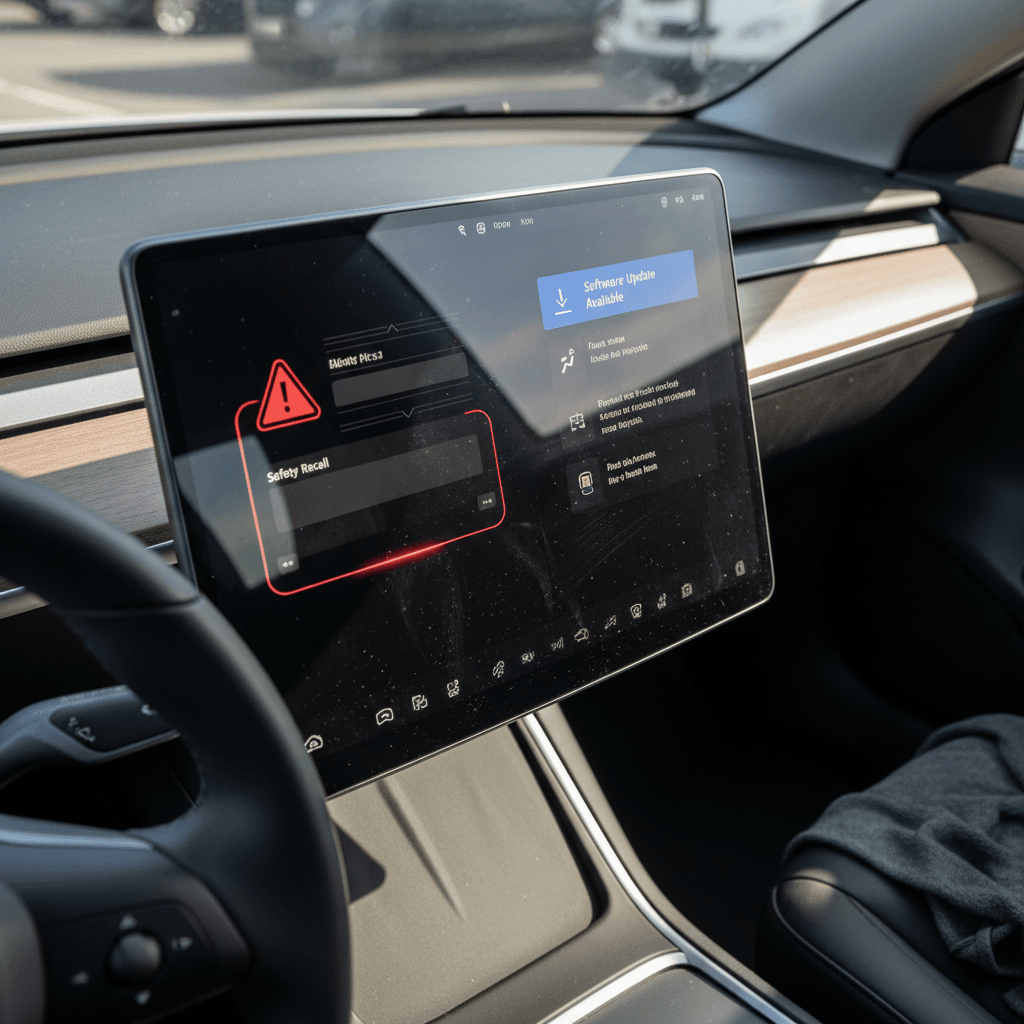
The most consequential recalls for any EV are the ones that can lead to **loss of propulsion**. In late 2025, Tesla filed a safety recall covering roughly **13,000 newer vehicles** for a defect in the battery pack’s contactors, the components that connect the high‑voltage pack to the rest of the car’s power electronics.
Recent battery / power‑loss recall affecting newer Teslas
Primarily focused on 2025 Model 3 and 2026 Model Y, but relevant for 2026 buyers by hardware family.
Which vehicles were named?
According to the recall documentation and industry summaries, the campaign covers:
- 2025 Model 3 built between early March and mid‑August 2025.
- 2026 Model Y built between mid‑March and mid‑August 2025.
The underlying issue is a batch of battery packs with contactors that may fail prematurely.
What’s the actual risk?
If the contactor fails while driving, the car can lose all propulsion. Power steering and power brakes may be affected as the high‑voltage system shuts down, although basic mechanical braking remains.
Owners have reported sudden warnings followed by the vehicle coasting to a stop and needing a tow.
Crucially, not every 2026 Model 3 will use this exact pack and contactor combination. But if you’re buying a car with a **build date overlapping that March–August 2025 window** and it carries over into the 2026 model year on the title, you’ll want to confirm whether its VIN has any open battery‑related recalls or service bulletins.
Battery/power‑loss due diligence for a 2026 Model 3
1. Check build date, not just model year
Open the driver’s door and look at the certification label on the B‑pillar. Note the month and year of manufacture; this is what recall bulletins use to define the affected population.
2. Run a VIN recall search
Use the Tesla VIN Recall Search or NHTSA’s VIN lookup to see if your specific car is flagged for a battery‑related recall or investigation, even if it’s branded as a 2026 model year.
3. Review service history
Ask for Tesla service records showing whether high‑voltage components, contactors, or battery packs have been replaced under warranty or recall.
4. Get independent battery health data
Before buying a used 2026 Model 3, look for a <strong>third‑party battery health report</strong> like a Recharged Score, which tests usable capacity and flags abnormal behavior beyond what a recall captures.
Don’t ignore intermittent power warnings
Software, camera, and display‑related recalls
The other major category of recalls affecting late‑generation Model 3s involves **rearview cameras and central displays**. In early 2025, Tesla announced a campaign covering certain 2024–2025 Model 3 sedans plus other models where the rear camera image might not appear when the car is in Reverse due to specific car‑computer hardware combined with older software.
- Certain 2024–2025 Model 3s built with specific infotainment computers were at risk of momentary or persistent camera failures when shifting into Reverse.
- The remedy was to update affected vehicles to a minimum software release (for example, 2024.44.25.3 or 2024.45.25.6, depending on hardware).
- Owners didn’t need to visit a service center, once the car installed the corrected firmware, the recall was considered remedied.
A 2026 Model 3 built with the same generation of computer could be swept into an **expanded campaign** if NHTSA or Tesla later determine that the hardware/software interaction also affects that VIN range. Even if the recall label only lists 2024–2025, what really matters is whether your specific car’s **part numbers and software version** match the affected population.
Fast way to sanity‑check your camera
Tesla has also run multiple **car‑computer and display‑stability** recalls where the risk was that the central screen could reboot or go blank in a way that temporarily disables backup camera views and key driving information. For a 2026 Model 3, you primarily want to ensure two things: that the **computer generation isn’t in a known bad batch**, and that all relevant software updates have been installed.
Body, latch, and hardware‑related safety recalls
In addition to software and battery topics, late‑model Teslas, including Model 3, have seen structural or hardware recalls around **hood latches and detection logic**. One major campaign covered millions of vehicles where the system didn’t adequately prevent the car from being driven while the hood was unlatched.
What the hood‑latch recall addressed
- Earlier Model 3s (roughly 2021–2024 builds) were part of a large campaign to ensure the front trunk ("frunk") hood was fully latched before driving.
- The remedy often combined software changes with, in some cases, inspection or adjustment of the latch mechanism.
- The goal was to reduce the risk of the hood flying open at speed and blocking the driver’s view.
Relevance for a 2026 Model 3
- If Tesla hasn’t significantly changed the latch hardware or sensing strategy, regulators can expand earlier campaigns to include newer VIN ranges.
- Even without a recall, you should periodically inspect the latch, ensure the hood closes cleanly, and pay attention to any hood‑ajar warnings.
- On a used purchase, check Tesla service records for any hood‑latch or frunk‑related work.
The quiet upside of early recalls
How to check if your specific 2026 Model 3 has a recall
No article, even this one, can replace a **VIN‑specific** lookup. Here’s how to get a definitive answer for your 2026 Model 3 in a few minutes.
Step‑by‑step: confirm recall status on a 2026 Model 3
1. Locate your VIN
Find the 17‑character VIN at the base of the windshield, on the driver’s door jamb label, or in the Tesla app under Controls > Software.
2. Use Tesla’s recall lookup
Go to Tesla’s recall search page, enter your VIN, and review any active or completed recalls. Tesla will show whether the remedy is OTA or requires a service visit.
3. Cross‑check with NHTSA
Visit NHTSA’s VIN lookup tool and enter the same VIN. This ensures you’re seeing all U.S. safety recalls recorded by regulators, not just Tesla’s portal.
4. Check software version in the car
On the center screen, open Controls > Software. Compare your current version to the minimum software listed in any camera or computer‑related recall bulletins.
5. Review service history before you buy
If you’re shopping used, ask the seller for a Tesla service history export. At Recharged, this record is part of our intake process so we can verify that safety work has been completed wherever possible.
CPO isn’t a guarantee
What these recalls mean if you’re buying a used 2026 Model 3
If you’re evaluating a used 2026 Model 3, recall headlines can look intimidating. Tesla appears frequently at the top of annual recall charts, but that’s partly because **software updates that would just be “firmware fixes” on other brands are logged as full recalls**. The key for you as a buyer is to separate nuisance‑level campaigns from genuine safety and reliability risks.
How to interpret 2026 Model 3 recalls as a used‑EV shopper
Not all recalls are equally important when you’re deciding what to buy.
Software‑only recalls
These include camera logic tweaks, UI warning changes, and some driver‑assistance behavior adjustments.
Buying takeaway: As long as the car is on current software and no OTA recalls are outstanding, these shouldn’t materially hurt long‑term value.
High‑voltage / power‑loss recalls
Battery contactor issues or anything that can cause sudden power loss deserve more scrutiny.
Buying takeaway: Confirm the recall remedy was completed and get independent battery‑health data before you commit.
Structural & latch recalls
Hood‑latch, steering, and suspension campaigns cut closer to fundamental safety.
Buying takeaway: Look for clear documentation that inspections or part replacements were done, and walk away from cars where safety work is still pending.
From a purely economic standpoint, a Model 3 that has had its recalls addressed can actually be a **better bet** than one that’s never been through a campaign, because known defects have been corrected and the ownership record is more transparent. The red flag isn’t “this VIN has had recalls,” it’s **“this VIN shows open safety recalls or unexplained warning behavior.”**
How Recharged handles recall status and battery risk
At Recharged, we treat recalls and battery health as two sides of the same safety coin. A clean Carfax and shiny paint don’t tell you whether a 2026 Model 3 has had its battery contactor checked, its hood‑latch logic updated, or its camera firmware brought current.
Our process for a used 2026 Model 3
What happens before a Tesla ever appears on Recharged.com.
1. VIN‑level recall & campaign review
For every Tesla Model 3 we list, we:
- Run the VIN through NHTSA and Tesla recall tools.
- Review Tesla service history when available.
- Flag any open safety campaigns that require owner action.
2. Recharged Score battery diagnostics
We go beyond recall bulletins with a Recharged Score that measures:
- Estimated usable battery capacity vs. original.
- Charge/discharge behavior that might hint at abnormal degradation.
- On‑road performance to catch issues software alone wouldn’t show.
Why this matters for you
Ready to find your next EV?
Browse VehiclesIf you already own a 2026 Model 3 and are considering selling or trading it, Recharged can also help you surface and resolve issues ahead of time so you’re not blindsided by a buyer’s inspection or mid‑transaction recall discovery.
FAQ: 2026 Tesla Model 3 recalls
Frequently asked questions about 2026 Model 3 recalls
Bottom line: Should recalls scare you away from a 2026 Model 3?
A long **2026 Tesla Model 3 recalls list** can look intimidating, but you have to remember how Tesla operates. The company logs many software changes as full recalls, which inflates the raw count without necessarily signaling a fundamentally unsafe car. What matters is whether the truly consequential campaigns, battery contactor issues, hood‑latch problems, steering or structural defects, have been addressed on the specific VIN you’re looking at.
If you’re shopping used, combine a thorough VIN recall check with high‑quality battery health diagnostics and clear service documentation. That’s exactly what Recharged’s intake process and Recharged Score are designed to provide. With the right information, a 2026 Model 3 can still be one of the most compelling EV values on the market, just don’t buy one blind to its recall and battery history.