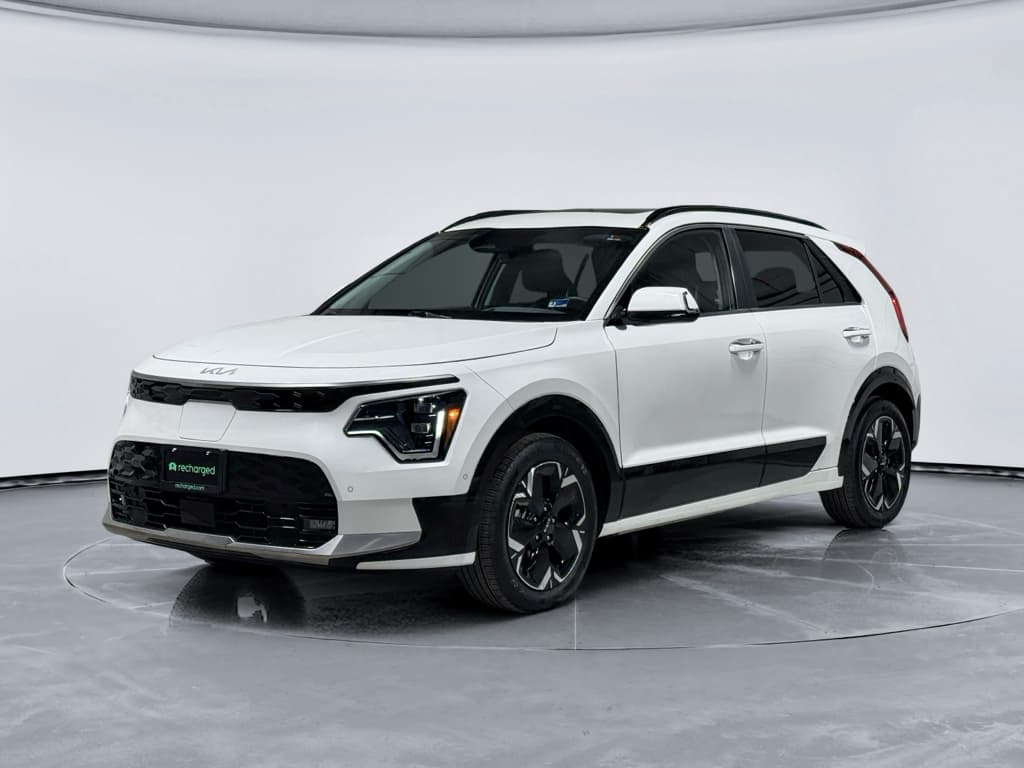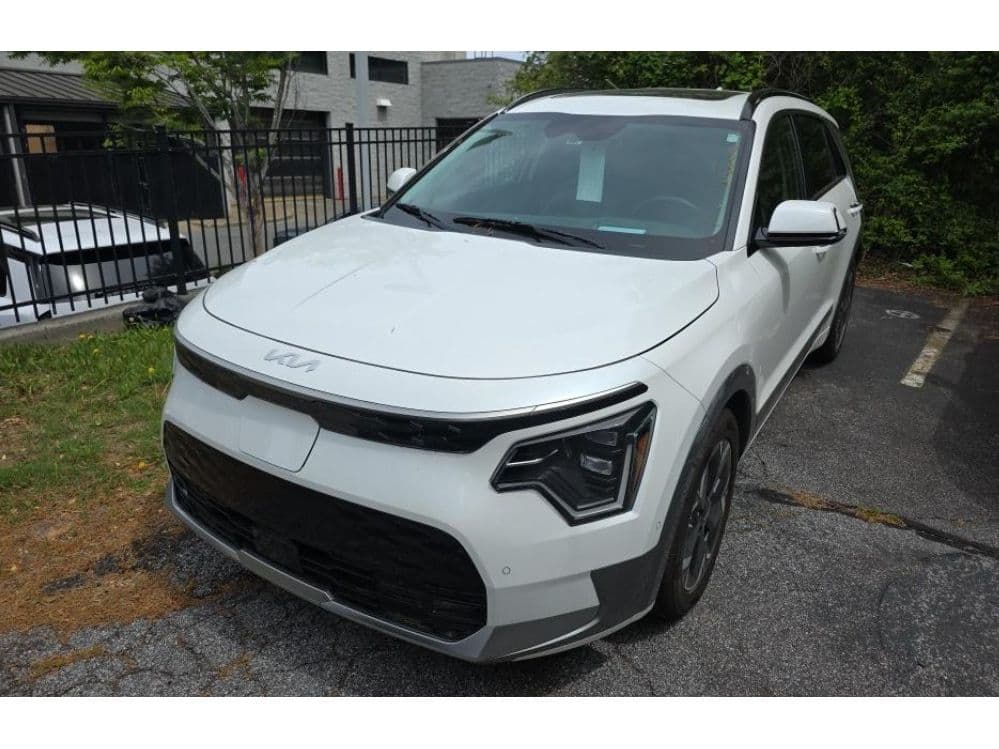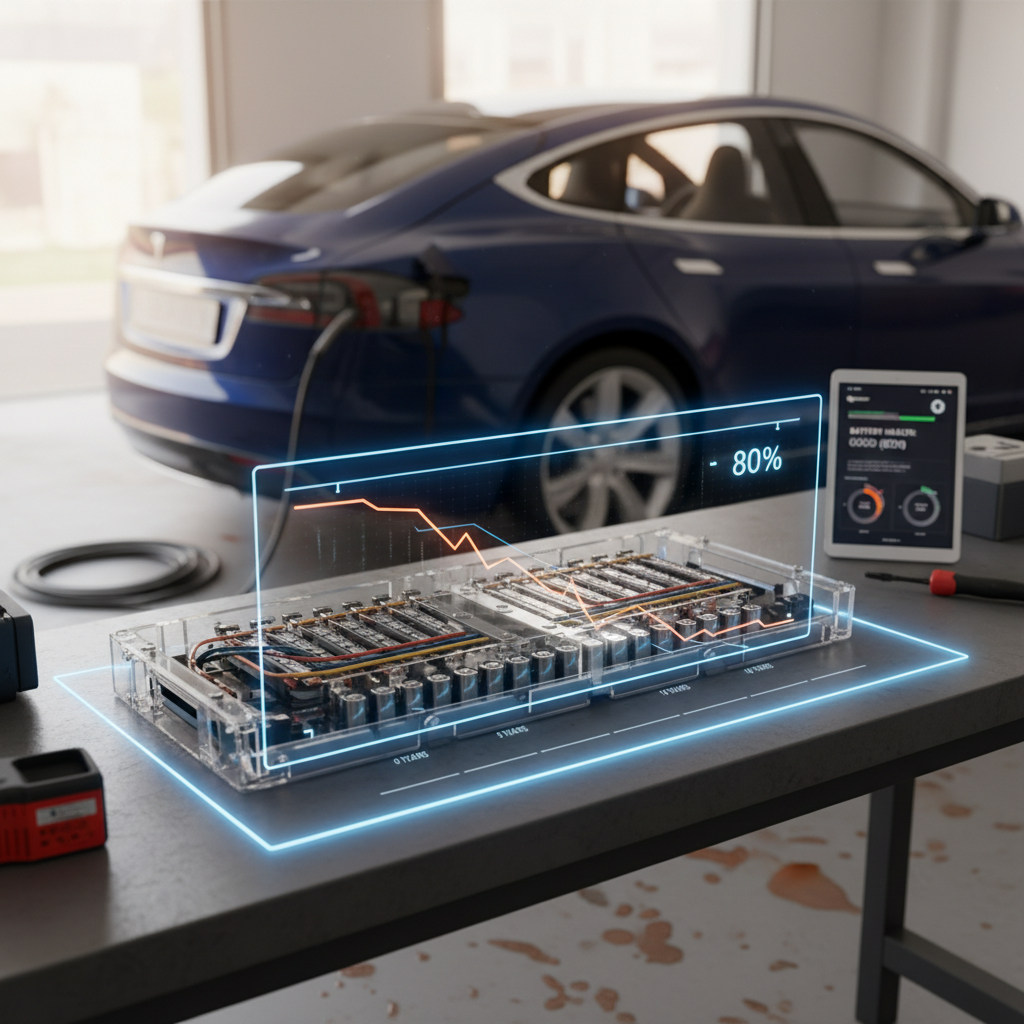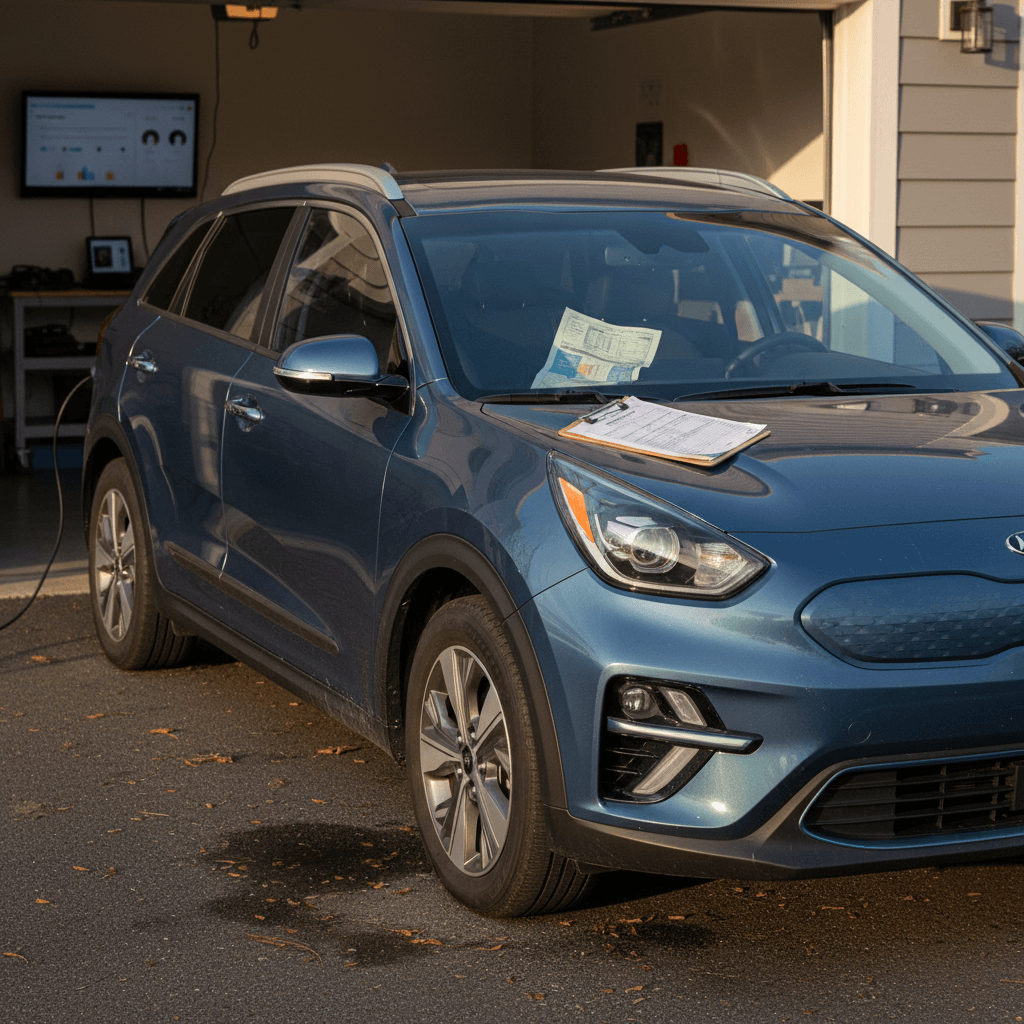
If you’re wondering whether the Kia Niro EV is worth buying in 2026, you’re not alone. The Niro EV sits in a strange spot: it’s more efficient and affordable than many newer crossovers, but its charging tech and performance lag behind the latest dedicated EV platforms. In this guide, we’ll cut through the marketing and look at how the Niro EV really stacks up in 2026, especially as a used buy.
Context for 2026
Quick answer: Is the Kia Niro EV worth buying in 2026?
When the Niro EV is worth buying
- You want an efficient, compact crossover with ~240–253 miles of rated range and mostly charge at home or work.
- You value mainstream comfort over sporty performance and can live with modest fast‑charging speeds.
- You’re shopping used and want to let someone else eat the steep first‑owner depreciation.
- You appreciate long battery warranties and a growing independent EV service ecosystem.
When the Niro EV is not a great fit
- You frequently road‑trip and need very fast DC charging and seamless highway charging stops.
- You want cutting‑edge driver‑assist tech or a performance‑oriented feel.
- You live in an apartment with unreliable charging access and will lean heavily on public fast charging.
- You can stretch your budget to a newer EV with better charging and tax-credit eligibility.
Short verdict for 2026
Model basics: What you’re actually buying
The Niro nameplate covers hybrid, plug‑in hybrid, and fully electric versions. For this article we’re talking about the Niro EV, the battery‑electric model. It launched in the U.S. as a 2019 model and was fully redesigned for 2023, so by 2026 you’ll see two distinct generations on the used market.
Kia Niro EV generations at a glance
Key differences between first‑gen (2019–2022) and second‑gen (2023–2025) Niro EVs you’ll see on the market in 2026.
| Generation / years | Battery & range (EPA) | DC fast-charge peak | Trims (US) | Notable characteristics |
|---|---|---|---|---|
| 1st gen (2019–2022) | 64 kWh, ~239 mi | ~70 kW | EX, EX Premium | Conservative styling, simple interior, similar hardware to Kona EV |
| 2nd gen (2023–2025) | 64.8 kWh, ~253 mi | ~85 kW | Wind, Wave | Bold "Aero Blade" styling, nicer cabin, slightly more range, similar charging profile |
Both generations share the same basic mission, efficient compact crossover, but the 2023 redesign brings a more modern interior and sharper styling, not a radical new powertrain.
Model-year sweet spot
Range and efficiency: Real-world expectations
Kia Niro EV range & efficiency snapshot
On paper, the Niro EV’s range looks modest next to newer 300‑mile crossovers, but that undersells its strengths. Both generations are very efficient, so you often get surprisingly good real‑world range for the battery size, especially in city and suburban driving. In mixed conditions, many drivers see around 3.5–4.0 miles per kWh, which makes the ~64 kWh pack go a long way.
Cold-climate caveat
If your daily driving is under 60–80 miles and you can charge at home or work, the Niro EV’s range is ample. The friction comes when you expect it to double as a stress‑free road‑trip rig, which brings us to charging.
Charging performance and road-trip viability
Here’s where the Niro EV shows its age. Both generations top out at around 70–85 kW on DC fast chargers under ideal conditions, and the charging curve tapers quickly. Kia quotes 10–80% in under 45 minutes on a DC fast charger for the newer generation, but in the real world you should think of it as a 45–55 minute stop when arriving with a low state of charge.
Niro EV charging: strengths vs weaknesses
Solid for commuters, merely adequate for long‑distance travel.
Where charging works well
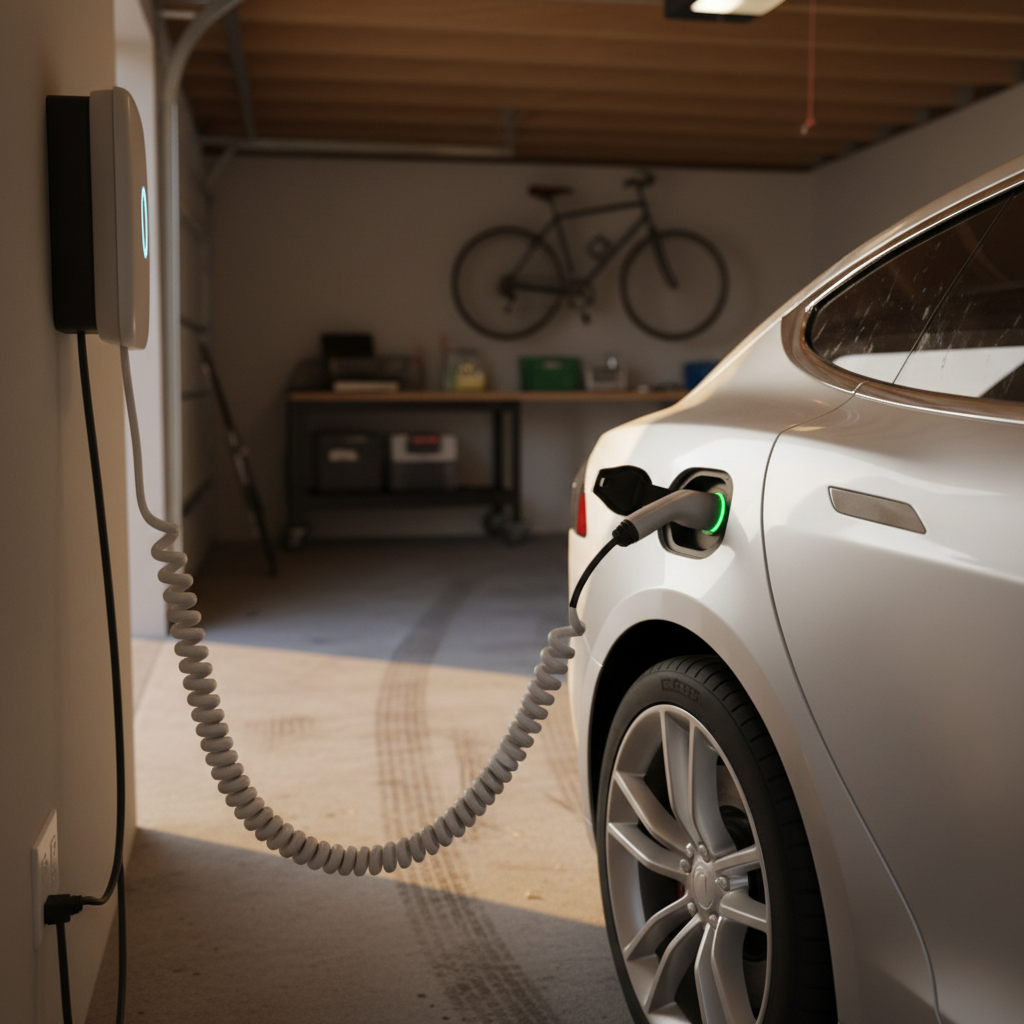
- Level 2 at home or work: ~9–11 hours for 10–100% on a 40‑amp charger.
- Occasional DC fast charging on road trips if you’re patient.
- Plenty of CCS public chargers today; NACS adapters help over time.
Where it feels dated
- Peak DC speed ~70–85 kW when rivals hit 175–250 kW.
- Charging curve that slows notably past ~60%.
- Road‑trip days can feel long if you need multiple deep charges.
Connector landscape in 2026
If your mental model of EV road‑tripping comes from a 250 kW Tesla, the Niro EV will feel slow and dated on DC fast charging. If, however, you see road trips as the exception and daily home charging as the rule, the charging limitations are manageable, especially at the used prices we’re now seeing.
Reliability, warranty, and battery health
So far, the Niro EV has avoided any high‑profile battery pack disasters. Early owner data and third‑party reliability reporting suggest an overall picture of average to slightly above‑average reliability: some nuisance issues with electronics and 12‑volt batteries, but relatively few failures of the main motor or high‑voltage pack compared with some competitors.
Watch for 12‑volt battery gremlins
- Main traction battery: Typically covered by a 10‑year/100,000‑mile warranty on U.S.‑market cars, including degradation protections spelled out in Kia’s fine print.
- Powertrain: Electric motor and reduction gear are also under long warranties, though exact terms vary by model year and original in‑service date.
- Transferability: The high‑voltage battery warranty is generally transferable to subsequent owners, making a 3‑ to 5‑year‑old Niro EV less risky than its age might suggest.
- Battery aging: Real‑world owners with 60,000–80,000 miles commonly report relatively modest range loss when the pack has been treated reasonably. Abuse (frequent 100% DC fast charges and extreme heat) is still a concern.
How Recharged de-risks used Niro EVs
Depreciation and used pricing in 2026
EV depreciation has been brutal across the board as tech improves and federal incentives reshape the market. The Kia Niro EV is no exception, but that’s actually good news if you’re shopping in 2026 rather than selling.
What depreciation looks like for the Niro EV
By 2026, it’s common to see 3‑ to 5‑year‑old Niro EVs selling in the mid‑teens to low‑$20,000s depending on miles, trim, and condition. Analyses of resale curves show depreciation is front‑loaded: years 1–2 are painful for the first owner, then things flatten out. For a second owner coming in at year 3 or 4, you’re effectively buying the car after much of that curve has already happened.
Niro EV vs broader EV depreciation
If you’re cross‑shopping a new Niro EV against a lightly used one, the math is stark: a 2‑ to 3‑year‑old car will often cost $10,000 or more less than a comparable new one, while delivering essentially the same driving experience and still carrying years of battery warranty coverage.
How the Niro EV compares to alternatives
Kia Niro EV vs common alternatives in 2026
High‑level comparison of where the Niro EV shines and where rivals pull ahead.
| Model | Typical used price (2023–24 MY) | EPA range (approx.) | DC fast-charge peak | Key advantages vs Niro EV | Key drawbacks vs Niro EV |
|---|---|---|---|---|---|
| Kia Niro EV | Low‑$20Ks to low‑$30Ks | 239–253 mi | ~70–85 kW | Efficient, compact footprint, good value used, long battery warranty | Slow DC charging, less premium feel than EV6/Ioniq 5 |
| Hyundai Kona Electric | Similar or slightly cheaper | 258 mi | ~70 kW | Similar efficiency, often slightly cheaper used | Smaller rear seat and cargo area |
| Chevy Bolt EUV | Teens to low‑$20Ks | 247 mi | ~55 kW | Very cheap used, decent range, compact size | Tight rear cargo space, GM ended production |
| Hyundai Ioniq 5 / Kia EV6 | Upper‑$20Ks to $40Ks+ | 240–320+ mi | Up to 230–350 kW | Much faster charging, more modern platform and feel | Higher price, larger footprint, sometimes spotty early reliability |
| Tesla Model Y (RWD/Long Range) | Low‑$30Ks to $40Ks+ | 260–330 mi | Up to 250 kW | Supercharger access, fast charging, strong software | Higher purchase price, different service experience, ride/road‑noise trade‑offs |
Exact numbers vary by trim and incentives, but the pattern is consistent: the Niro EV wins on efficiency and used pricing, loses on outright charging speed and cutting‑edge feel.
How to use this comparison
Who the Kia Niro EV is (and isn’t) for
Is the Kia Niro EV a match for your life?
Two archetypes where it really makes sense, and two where it doesn’t.
Great fit: Urban & suburban commuters
- Daily mileage under ~80 miles.
- Reliable home or workplace Level 2 charging.
- Value safety, comfort, and efficiency over speed.
- Want a small crossover footprint that still fits kids or cargo.
Great fit: Budget-conscious first EV buyers
- Shopping used to keep payments reasonable.
- Want to avoid early‑adopter tech risk.
- Plan to keep the car 5+ years and benefit from flattened depreciation.
- Appreciate a long battery warranty and third‑party support.
Weak fit: Frequent long‑distance travelers
- Regular 400–800 mile days.
- Depend heavily on public fast charging.
- Want quick, 20–25 minute charging stops.
Weak fit: Performance & tech enthusiasts
- Expect strong acceleration and sporty handling.
- Want the latest infotainment stacks and hands‑free driving features.
- Value brand cachet and over‑the‑air feature rollouts.
Checklist: What to look for on a used Niro EV
Pre-purchase checklist for a used Kia Niro EV
1. Verify battery health with data, not guesses
Don’t rely solely on the in‑car range estimate. Ask for a <strong>recent battery health report</strong> or have one run independently. Platforms like Recharged include a Recharged Score battery assessment so you can see estimated remaining capacity and pack balance.
2. Confirm remaining factory warranty coverage
Ask for the original in‑service date to calculate how much of the <strong>10‑year/100,000‑mile</strong> battery and EV‑system warranty remains. Make sure the car hasn’t been branded salvage, which can void coverage.
3. Ask about 12-volt battery history
Because 12‑volt issues are a known pain point, look for records showing the 12‑volt battery was <strong>replaced proactively</strong> or at least tested recently. A weak 12‑volt is cheap to fix but annoying to discover on day one.
4. Inspect charging behavior
If possible, do a brief test on both <strong>Level 2 and DC fast charging</strong>. Watch for odd errors, unusual noises from the charge port area, or charging sessions that stop unexpectedly.
5. Check tires and suspension wear
EVs are heavy for their size. Look for <strong>uneven tire wear</strong> and listen for clunks over bumps that could indicate worn suspension bushings, especially on cars with high city miles or rough‑road duty.
6. Review software and recall history
Ask the seller or dealer to confirm that <strong>all recalls and major software updates</strong> have been completed. This can address bugs, charging behavior, or safety systems without costing you out of pocket.
7. Evaluate your charging access honestly
Before signing anything, be brutally honest about where the car will live. If you don’t have <strong>reliable overnight charging</strong>, a range‑efficient but slow‑charging EV like the Niro may not be the best first choice.
FAQ: Kia Niro EV as a 2026 purchase
Frequently asked questions about buying a Kia Niro EV in 2026
Bottom line: Should you buy a Kia Niro EV in 2026?
If you strip away the hype and just look at use cases and numbers, the answer is pretty clear. In 2026, the Kia Niro EV is worth buying if you’re a value‑oriented driver who mostly commutes, has reliable Level 2 charging, and wants a compact crossover that quietly gets the job done. As a used purchase, especially around the 3‑ to 5‑year mark, it offers a compelling combination of price, efficiency, and warranty coverage that many newer, flashier EVs can’t match at the same cost.
It’s not the right EV if you’re chasing the fastest road‑trip experience, cutting‑edge software, or performance thrills. For those buyers, the market now offers better, if more expensive, options. But if you’re ready to step into electric with a pragmatic, budget‑sensible choice, a well‑vetted Niro EV, ideally with a documented battery health report from a retailer like Recharged, still earns a solid "yes" in 2026.