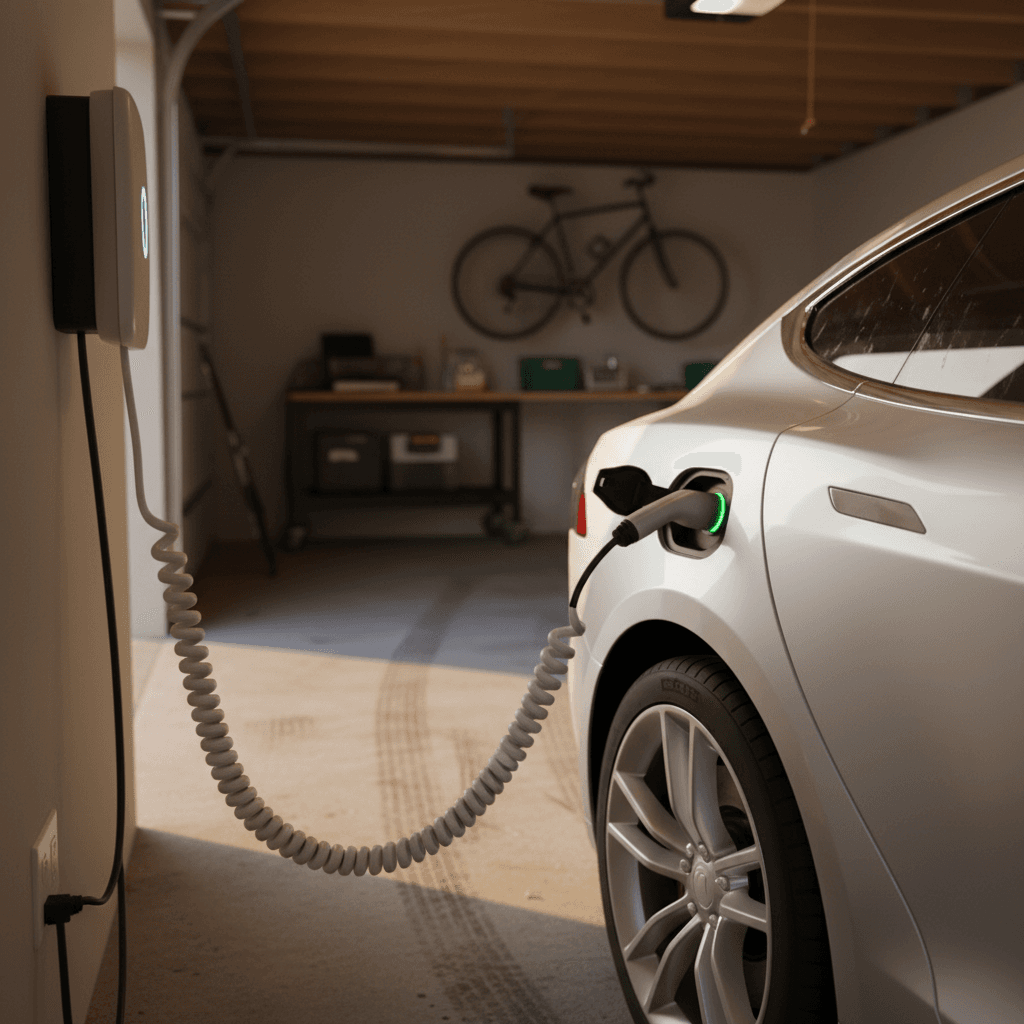
If you’re wondering how long it takes to charge a Tesla Model S, the honest answer is: it depends. Charging time can range from **overnight at home** to **about 25–35 minutes on a fast road‑trip stop**, depending on the outlet, charger, battery size, and how full the pack already is.
At-a-glance answer
Tesla Model S charging time: quick overview
Typical Tesla Model S charging times
Newer Model S trims (Long Range and Plaid) have an EPA range of roughly 350–400 miles on a charge and a usable battery around 95–100 kWh. That means the **charger you use** and **how empty the pack is** make a big difference in how long charging actually takes.
Key factors that change how long charging takes
What actually controls Model S charging time?
It’s more than just the kW number on the charger
Battery size & starting level
A nearly empty 100 kWh pack simply takes longer to fill than a smaller battery. Going from 10% to 80% adds about 70% of the pack, while topping off from 80% to 100% is slower and less efficient.
Charger power (kW)
Level 1 and Level 2 use AC power and are limited by the onboard charger in the car (up to ~11.5 kW in recent Model S). Superchargers supply high‑power DC directly to the battery (up to 250 kW on newer cars).
Battery temperature
Cold batteries charge more slowly. The car will heat the pack when you navigate to a Supercharger, but in very cold or very hot weather you’ll see slower real‑world speeds.
State of charge curve
EVs charge fastest at a low state of charge, then taper down as they get fuller. That’s why most road‑trippers stop around 70–80% instead of waiting to 100%.
Your home electrical service
At home, your panel capacity, breaker size, and wiring limit how much power a Level 2 charger can deliver. Many US homes support 32–48 amp chargers without major upgrades.
Battery age & software limits
Older Model S packs and certain software updates may reduce peak DC fast‑charge rates slightly over time to protect the battery, adding a few extra minutes at high state of charge.
Don’t obsess over 0–100%
Charging a Tesla Model S at home
Home is where most Model S charging happens. Think of it like a smartphone: you plug in when you’re parked, not only when you’re empty. Here’s what different setups look like in the real world.
Level 1: Standard 120V outlet
- Hardware: Tesla Mobile Connector on a typical household outlet.
- Speed: About 2–3 miles of range per hour of charging.
- Overnight gain: ~20–30 miles in 10–12 hours.
- Best for: Low‑mileage drivers (under ~30–40 miles/day), or temporary setups.
If you regularly drive more than 40 miles a day in a Model S, Level 1 will feel slow and you’ll want Level 2.
Level 2: 240V home charger
- Hardware: Tesla Wall Connector or third‑party 240V charger on a 40–60 amp circuit.
- Speed: Roughly 30–44 miles of range per hour, depending on amperage and model year.
- Overnight gain: ~250–300+ miles in 8–10 hours on a modern Model S.
- Best for: Most owners who want to wake up to a nearly full battery every morning.
This is the sweet spot for daily charging and what most Model S owners end up with.
Plan Level 2 around your future EVs too
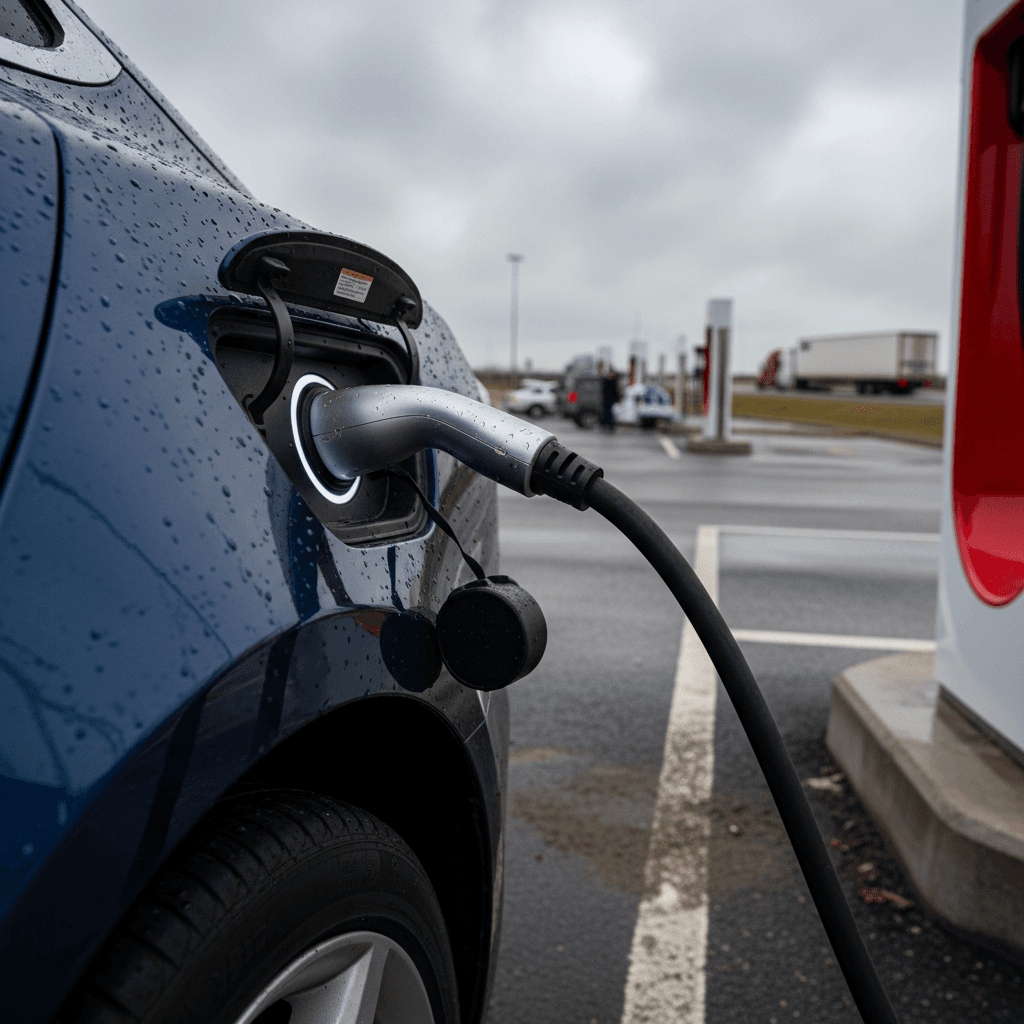
Tesla Model S charging time by charger type
To make things concrete, here’s a simplified look at how long it takes to charge a recent‑generation Model S Long Range or Plaid (around 95–100 kWh usable) under typical conditions. Real‑world times vary with temperature, starting percentage, and charger load, but these ballpark numbers are useful for planning.
Approximate Tesla Model S charging times (recent Long Range/Plaid)
Estimates assume normal temperatures and a healthy battery. Daily driving usually uses just part of this window.
| Charger type | Power (approx.) | 10–80% time | 0–100% time | Best use case |
|---|---|---|---|---|
| Level 1 (120V wall outlet) | 1–1.4 kW | ~40–50 hours | ~50–60+ hours | Emergency/occasional home charging, very low‑mileage drivers |
| Level 2 (240V, 32A – 7.7 kW) | 7–8 kW | ~9–10 hours | ~11–12 hours | Standard 240V dryer‑style circuit in many homes |
| Level 2 (240V, 48A – 11.5 kW) | 10–11.5 kW | ~6–7 hours | ~8–9 hours | Tesla Wall Connector or high‑amp Level 2 at home/work |
| Tesla Supercharger V2 (up to 150 kW) | Typically 60–120 kW avg over session | ~35–45 minutes | Not practical to wait to 100% | Older sites or busy locations; still fast for trips |
| Tesla Supercharger V3 (up to 250 kW) | Often 90–170 kW avg over session | ~25–35 minutes | Not practical to wait to 100% | Preferred for road‑trips; newest Superchargers |
Charging the first 70% of the battery (10–80%) is much faster than the last 20%. Road‑trips are easier if you think in short 10–80% hops rather than one long 0–100% session.
Why 0–100% takes so much longer
Supercharger times for Tesla Model S road trips
On a long highway drive, your question shifts from “How long to fully charge my Model S?” to “How long do I spend stopped at each Supercharger?” The good news: with a modern Model S and dense Supercharger coverage, your stops are usually shorter than a meal break.
- On a V3 Supercharger in mild weather, a recent Model S will often jump from around 10–20% up to 60–70% in roughly 15–20 minutes.
- Going from about 10% to 80% typically takes around 25–35 minutes, assuming the battery is preconditioned and the station isn’t power‑sharing heavily.
- Above 80%, the charging curve tapers, so adding extra range gets progressively slower, fine if you’re eating, but not efficient if you’re trying to minimize trip time.
Smart Supercharger habits for faster trips
1. Navigate to the Supercharger in the car
Your Model S will precondition (warm or cool) the battery on the way, which can noticeably improve fast‑charge speed when you arrive.
2. Arrive with a low, but not scary, state of charge
Charging is fastest when the battery is relatively low. Many owners target arriving with 5–15% remaining to maximize time spent at higher kW.
3. Unplug around 70–80%
Unless you have a long empty stretch ahead, it’s usually quicker overall to depart around 70–80% and make an extra short stop later.
4. Avoid sharing paired stalls when possible
Some older Superchargers share power between stalls. If you see labels like 2A/2B, try to plug into a different pair than someone already using one.
5. Use in‑car trip planning
Tesla’s built‑in Trip Planner automatically routes you through Superchargers and suggests how long to stay at each based on conditions and speed.
Supercharging vs gas stops
How to make your Model S charge faster in real life
6 ways to reduce your effective charging time
You can’t change physics, but you can work with it
Charge while you sleep
The most powerful time‑saver is simple: plug in at home every night. That way, you’re filling the battery during time you’re not using the car at all.
Upgrade to Level 2
If you’re still on a 120V outlet and driving a Model S regularly, moving to a 240V Level 2 charger is a game‑changer for convenience and flexibility.
Precondition in extreme weather
In very cold or hot conditions, use the climate preconditioning and Supercharger navigation to get the battery to a temperature where it can accept faster charge rates.
Plan routing around chargers
On trips, think in segments: drive, charge from ~10–70%, repeat. Short, efficient sessions often beat one long, slow top‑off to 100%.
Use scheduled charging
If your utility offers cheaper overnight rates, set scheduled charging in the Tesla app so most energy flows when it’s both cheaper and your car is parked.
Keep a healthy daily window
For daily use, set your charge limit to around 70–90% instead of 100%. It protects the pack and shortens each charging session.
Charging habits and Model S battery health
How you charge your Model S doesn’t just affect how long it takes today, it also affects how well the battery ages. The basic idea is to avoid extreme stress: don’t live at 0% or 100%, don’t rely on DC fast charging for every single charge, and give the pack time to balance.
- For daily driving, most owners set their limit somewhere between 70–90%, depending on how much range they need.
- It’s fine to charge to 100% before a long trip, just try not to leave the car sitting at 100% for hours afterward.
- Occasional Supercharger use is expected; Tesla designs the pack for it. But if you can do most charging at home on Level 2, you’ll generally see slower long‑term degradation.
- Very frequent deep discharges (running under ~5–10% regularly) can add stress over many years. Aim to plug in before you’re truly at the bottom.
Avoid this common fast‑charging mistake
Charging considerations when buying a used Model S
If you’re shopping for a used Tesla Model S, especially a higher‑mileage example, charging behavior and battery health should be part of your checklist. Two cars with similar odometer readings can feel very different on a road trip if one has a healthier pack or higher DC fast‑charge limits.
Charging questions to ask about a used Model S
Small differences here can change your day‑to‑day experience
How was the car mostly charged?
Ask whether the previous owner mostly used home Level 2 or relied heavily on Superchargers. A highway‑commuter car with smart home‑charging habits often ages better than one fast‑charged daily.
What’s the current usable range?
Compare the displayed full‑charge estimate to the original EPA rating for that trim. A modest drop over time is normal; a big drop might warrant deeper inspection.
How does it charge at a Supercharger?
If you can, observe at least one fast‑charge session. Does the car hit reasonable kW numbers at low state of charge and taper normally, or does it seem capped unusually low?
Any charging‑related service history?
Review service records for replaced packs, onboard chargers, or high‑voltage components. Repaired or replaced components aren’t deal‑breakers, but you’ll want documentation.
How Recharged helps on the used side
Ready to find your next EV?
Browse VehiclesIf you already own a Model S and are thinking about trading up, or moving from another EV into a Tesla, Recharged can also help with trade‑in valuations, financing, and nationwide delivery so you can upgrade without losing your existing charging setup at home.
FAQ: Tesla Model S charging times
Common questions about Tesla Model S charging time
Bottom line: how long to charge a Model S?
If you remember nothing else, remember this: a Tesla Model S charges slowly but invisibly at home, and quickly enough for real‑world road‑trips on Superchargers. Overnight on a 240V Level 2 charger, you’ll basically always wake up with the range you need. On the highway, plan on roughly 25–35 minutes at a Supercharger to go from around 10% back up to 70–80%.
From there, it’s about matching your charging setup to your lifestyle. If you’re still figuring out which Model S, or which used EV, fits your daily routine, Recharged can help with transparent battery health reports, fair pricing, and EV‑savvy guidance so you know exactly what charging will look like in your driveway and on your next road trip.