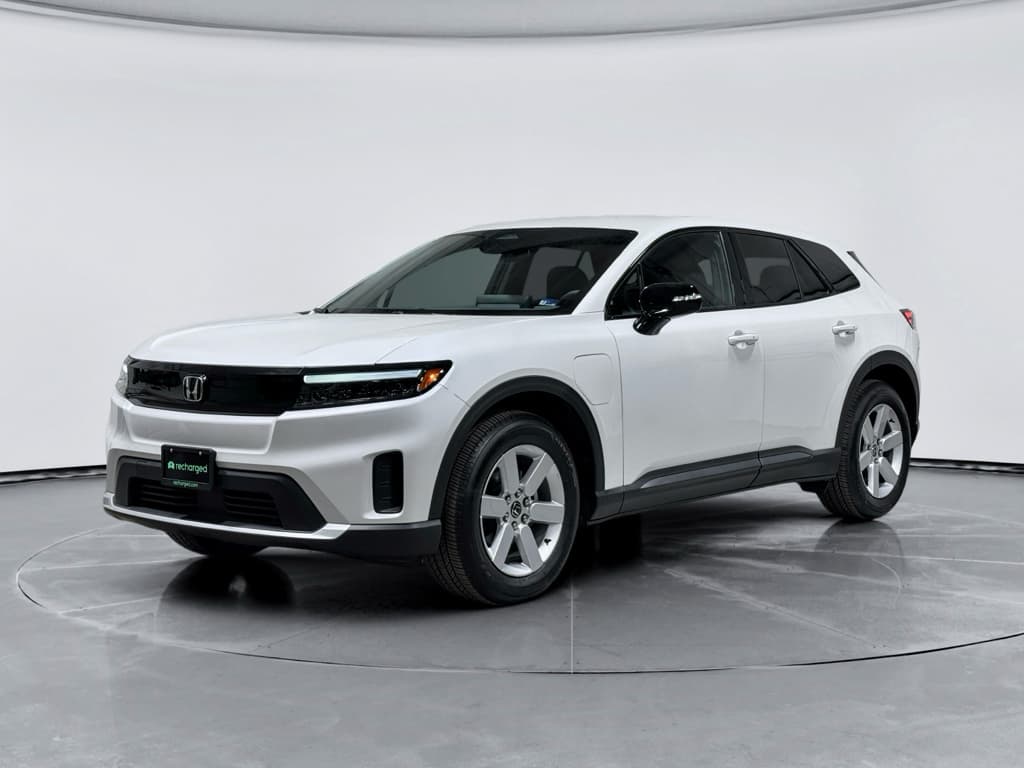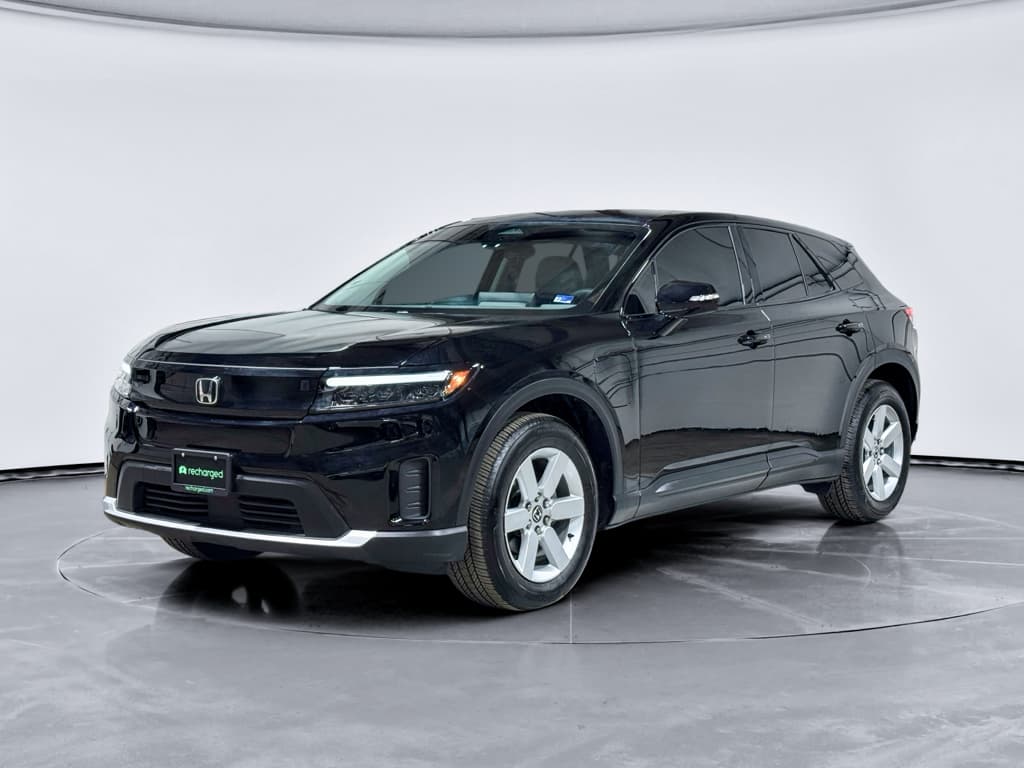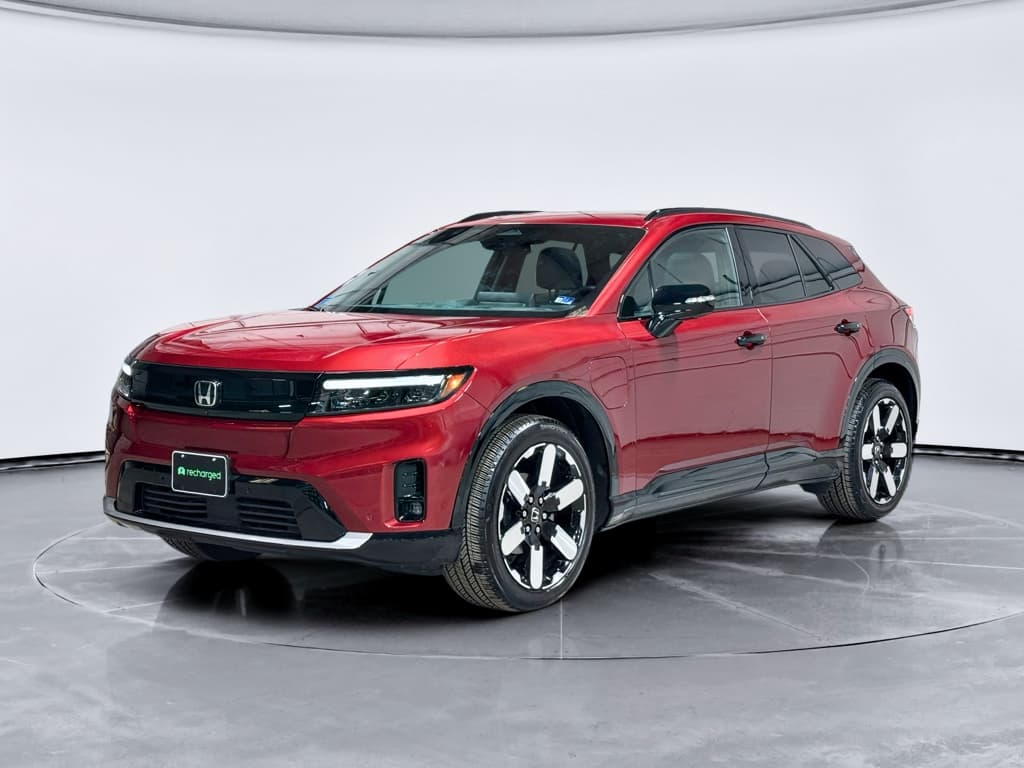
If you’re wondering whether the Honda Prologue is worth buying in 2026, you’re not alone. Honda’s first mass‑market long‑range EV launched into a rapidly shifting market: tax credits have changed, NACS fast‑charging is rolling out, and used EV prices have cooled. The Prologue sits right in the middle of that turbulence, sometimes a great value, sometimes a tough sell, depending on how and where you drive.
Context: Model years available in 2026
Quick answer: Is the Honda Prologue worth buying in 2026?
- If you can buy a discounted 2024 or 2025 Prologue (especially EX or Touring) for a strong price, it can be one of the better value midsize EV SUVs in 2026.
- If you pay close to full MSRP for a new 2025/2026 Prologue, you’re in the same price space as more efficient, better‑integrated EVs like the Tesla Model Y and Hyundai Ioniq 5, so it’s a harder justification.
- For most shoppers, the Prologue makes sense if you want a roomy, straightforward EV SUV from a familiar brand, care more about comfort than bleeding‑edge performance, and are comfortable with a GM‑based platform underneath a Honda badge.
Short verdict
Honda Prologue basics in 2026: What you’re actually getting
The Prologue is a midsize, two‑row electric SUV sharing GM’s Ultium platform and 85 kWh liquid‑cooled battery pack. That common architecture underpins the Chevy Blazer EV, but Honda tuned the Prologue to feel more familiar to traditional Honda buyers: conservative styling, intuitive controls, and a roomy cabin instead of a tech‑show interior.
Honda Prologue key specs (2024–2025 models)
These specs underpin what you’ll see in dealer listings and used‑market ads in 2026.
| Item | Specification |
|---|---|
| Battery | Approx. 85 kWh Ultium lithium‑ion, liquid‑cooled |
| Drivetrains | Single‑motor FWD or dual‑motor AWD |
| Power | FWD ~210–220 hp; AWD around 280–290 hp (varies by year/trim) |
| EPA range window (2024–2025) | Roughly 260–303 miles depending on trim and wheels |
| Seating | 5 passengers, two rows |
| Cargo space | Competitive with other midsize EV SUVs |
| Charging | DC fast charging with NACS/CCS support depending on build year and adapter; up to ~150–155 kW peak on most trims |
| Platform | GM Ultium shared with Chevy Blazer EV; Honda‑specific tuning and interior |
Exact range, power, and pricing vary slightly by model year and wheel size, but this table captures the core layout.
Built by whom, exactly?
Range and charging: Good enough, but not class‑leading
Honda Prologue range and charging at a glance
For daily use, the Prologue’s range is solid. Late‑2024 and 2025 FWD models can crack about 300 miles EPA when equipped with the smaller wheels. AWD trims sit a bit lower, in the high‑200‑mile band. That’s enough buffer for most commuters to skip public charging entirely and live on home Level 2.
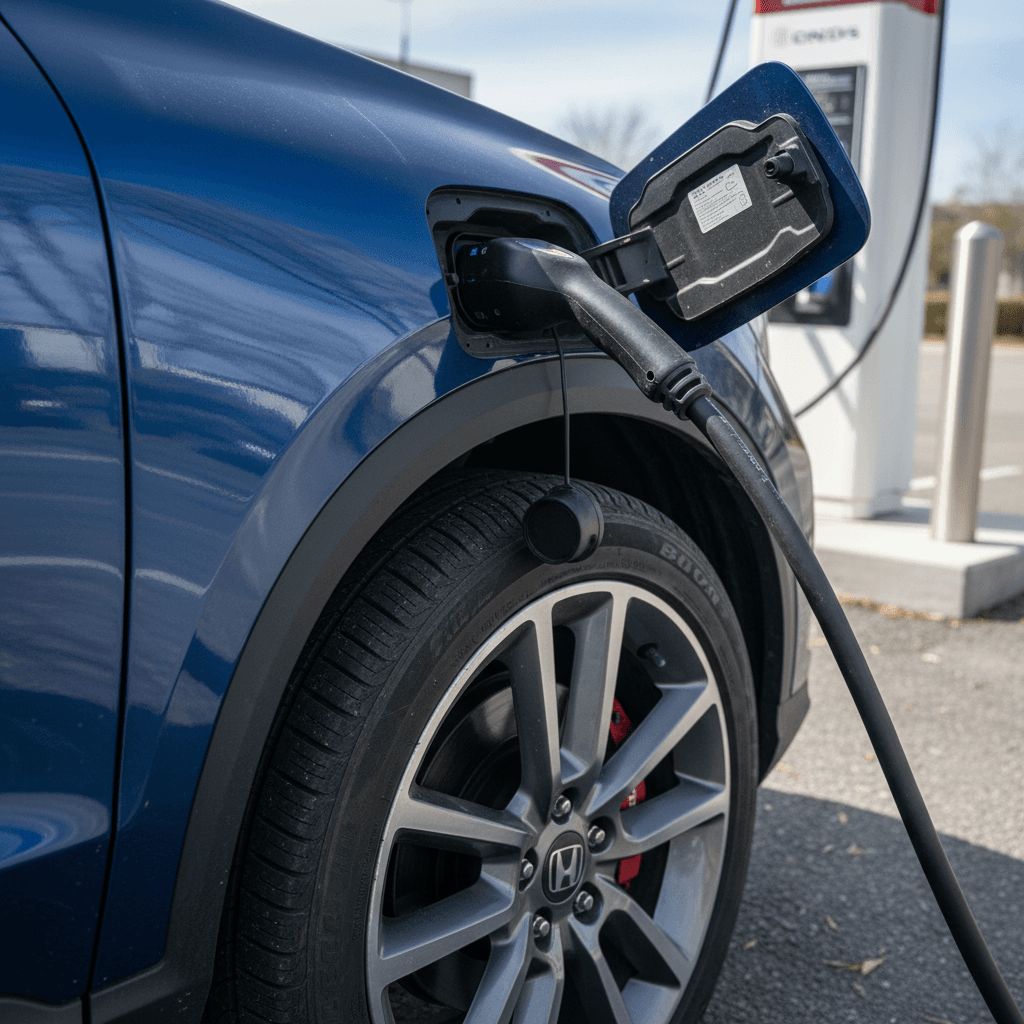
Charging is where the Prologue starts to feel merely “fine” rather than standout. Its Ultium‑based pack can accept around **150 kW peak DC fast‑charging**, which is respectable but not in the same league as 800‑volt architectures like Hyundai’s E‑GMP cars. On a good DC fast charger you’re realistically looking at **20–35 minutes to go from a low state‑of‑charge to a comfortable highway buffer**, assuming the station and weather cooperate.
Think in use‑cases, not just numbers
Where the Prologue works well
- Suburban commuting with predictable daily mileage
- Weekend trips under ~200 miles each way
- Drivers with garage or driveway charging
- Regions with growing DC fast‑charging from multiple networks
Where it may frustrate you
- Frequent 800+ mile road trips where charging speed is critical
- Areas with thin charging infrastructure
- Drivers expecting Tesla‑level charging reliability
- Owners who can’t install Level 2 and must rely on public AC
Driving experience, space, and tech
The Prologue drives like what it is: a comfortable, relatively heavy midsize SUV with **smooth but not thrilling acceleration**. Even the dual‑motor AWD versions skew more toward confidence and traction than neck‑snapping launches. If you’re coming out of a CR‑V or Pilot, the Prologue will feel familiar, just quieter and more linear.
What it’s like to live with a Prologue
Strengths and weak spots from a daily‑driver perspective
Space & comfort
The Prologue offers generous rear‑seat space and a flat floor, making it easy to carry adults or child seats. Ride quality is tuned for comfort, not sport.
Infotainment & tech
A large central touchscreen with built‑in Google apps (Maps, Assistant, etc.) is a highlight. Traditional controls remain for key functions, which many buyers prefer over full touchscreen minimalism.
Safety & driver assist
Honda Sensing driver‑assist features (adaptive cruise, lane‑keeping, etc.) are standard, though early software on 2024s has drawn some complaints. Later updates and 2025+ builds tend to be more polished.
Noise and ride feel
Pricing, incentives, and the 2026 market reality
The Prologue launched with **MSRPs in the high‑$40Ks to high‑$50Ks**, similar to other midsize EV SUVs. But by late 2024 and through 2025, EV demand cooled and inventory stacked up. That’s pushed **transaction prices significantly below sticker**, especially on remaining 2024s and some 2025s.
Typical 2026 price landscape for Honda Prologue (rough, U.S. market)
Exact numbers vary by region, trim, mileage, and incentives, but these ranges reflect where the Prologue tends to sit by early 2026.
| Configuration | Typical 2026 real‑world pricing | Notes |
|---|---|---|
| New 2025 Prologue EX FWD | Low–mid $40Ks after discounts | Dealers often advertise prices net of tax credits or rebates; read the fine print. |
| New 2025 Prologue AWD Touring/Elite | High $40Ks–low $50Ks | Heavier discounts possible on in‑stock inventory vs factory orders. |
| Used 2024 Prologue EX/Touring (low miles) | Mid‑$20Ks–mid‑$30Ks | Depreciation has been steep; many 2024s undercut comparable gas SUVs on price. |
| Used 2025 Prologue (low miles) | Low‑$30Ks–low‑$40Ks | Less depreciation than 2024s but still below original MSRP. |
Always check current local listings and incentives, this table is a directional guide, not a quote.
Tax credits in 2026: Don’t assume you still qualify
New vs used Honda Prologue in 2026
Buying new (2025–2026 Prologue)
- Latest software and incremental range/feature updates.
- Full new‑car warranty and battery coverage.
- Less risk of early‑build bugs that affected some 2024s.
- But: higher upfront cost, and **EVs are still depreciating quickly**.
Buying used (mostly 2024–2025)
- Some 2024s are selling **far below original MSRP**, creating strong value if condition and software are sorted.
- Many buyers effectively let the first owner eat the steepest depreciation.
- Still plenty of remaining battery warranty coverage.
- But: you must vet charging behavior, software history, and recall work more carefully.
Where Recharged fits in
How the Prologue compares to Tesla, Hyundai, and others
Honda Prologue vs key 2026 EV SUV rivals
High‑level comparison to the most cross‑shopped alternatives.
| Model | Approx. price band (2026, real‑world) | Range & charging | Key strengths | Key weaknesses |
|---|---|---|---|---|
| Honda Prologue | Used mid‑$20Ks–$30Ks; new mid‑$40Ks–$50Ks | ~260–303 mi; ~150 kW DC | Roomy, straightforward, good Google‑based infotainment, strong discounts on older stock | Charging network less seamless than Tesla; not as efficient or fast‑charging as top rivals |
| Tesla Model Y | Used low‑$30Ks+; new mid‑$40Ks–$50Ks | Generally 280–330+ mi; fast Supercharging | Best‑in‑class charging ecosystem; strong efficiency; frequent OTA updates | Sparse interior not for everyone; build quality variability; pricing can swing |
| Hyundai Ioniq 5 | Used high‑$20Ks–$30Ks; new low‑$40Ks–$50Ks | ~260–320 mi; very fast DC on 800V | Ultra‑fast DC charging; comfortable, airy interior; good warranty | Less cargo space than a boxy SUV; styling polarizing for some |
| Ford Mustang Mach‑E | Used mid‑$20Ks–$30Ks; new low‑$40Ks–$50Ks | ~250–320 mi; decent DC | Fun to drive; improving NACS access; familiar Ford dealer network | Tighter rear space; software and early build quality have been mixed |
Exact specs vary by trim and year; this table focuses on typical mainstream configurations.
Against this field, the Prologue’s value proposition is clear: it trades some efficiency and charging pizazz for **familiar ergonomics, a spacious cabin, and often a lower transaction price**, especially used. For a lot of families cross‑shopping compact crossovers and midsize SUVs, that’s enough.
Ownership, reliability, and battery health
Because the Prologue only hit the market in 2024, we don’t have a decade of reliability data. We do, however, have three important signals: GM’s Ultium track record so far, Honda’s cautious approach to range estimates, and early‑owner feedback.
- Battery and range behavior. Many Ultium‑based EVs, including the Prologue, appear to use conservative EPA ratings. Some owners report real‑world range slightly above the window‑sticker number when driven efficiently, especially in mild weather.
- Early 2024 software bugs. There have been scattered reports of infotainment freezes, warning lights, and braking‑system messages on early 2024 Prologues. Most of these issues appear software‑related rather than hardware defects, and later builds/software updates have helped, but it’s another reason to vet used 2024s carefully.
- Honda vs GM responsibilities. Warranties and service are handled through Honda dealers, but many deeper powertrain and software components are GM‑sourced. That can mean occasional finger‑pointing on complex issues and more dependence on up‑to‑date service bulletins.
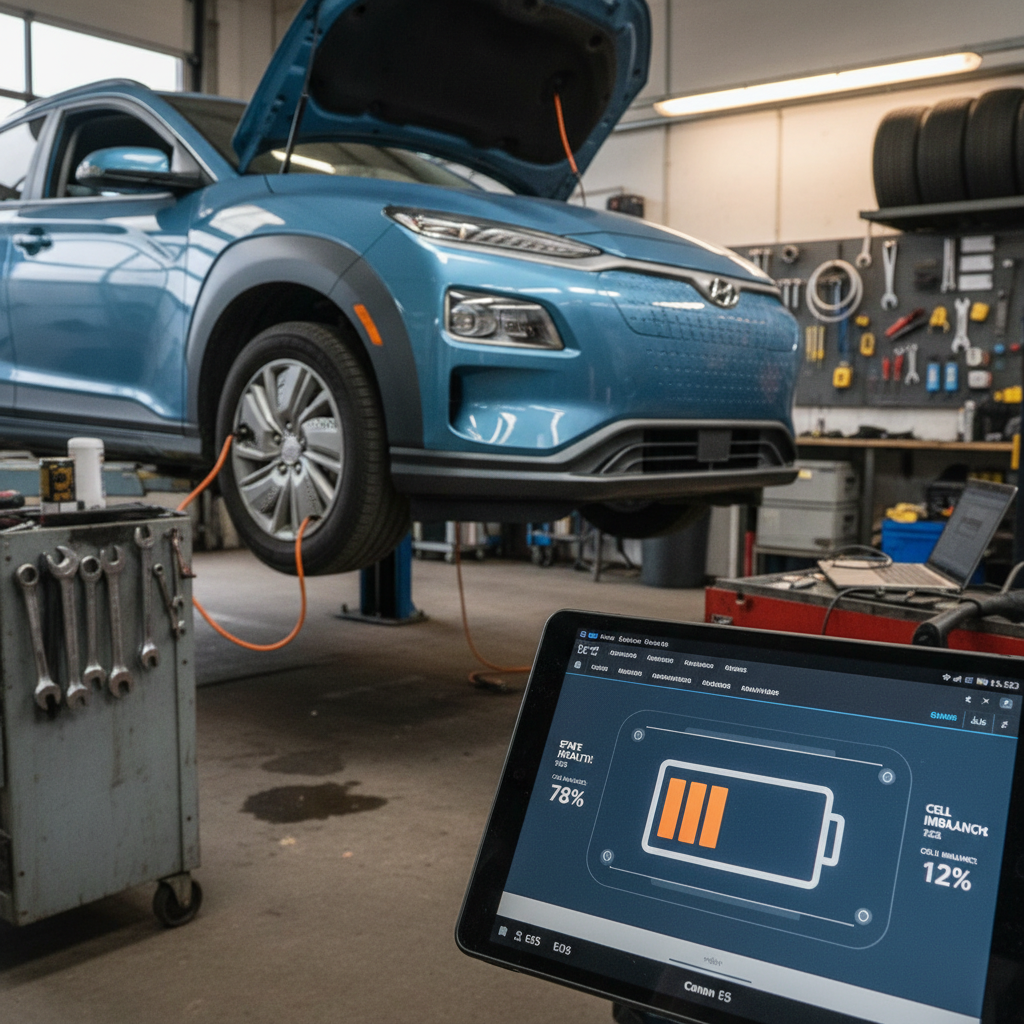
Don’t skip the battery health check
Who should (and shouldn’t) buy a Prologue in 2026
Is the Honda Prologue a fit for your use case?
Match the SUV to how you actually drive, not just to the brochure.
Great fit if…
- You want a comfortable, roomy EV SUV with familiar controls rather than a tech lab on wheels.
- You have home Level 2 charging and mostly do commuting and regional trips.
- You find a **used or discounted Prologue** priced clearly below a comparable Model Y or Ioniq 5.
- You like Honda’s general driving feel and dealer network and are okay with a GM‑based platform.
Probably not your best choice if…
- You road‑trip cross‑country several times a year and want **the best fast‑charging + network combo**.
- You care deeply about efficiency, software polish, and OTA updates, areas where Tesla and Hyundai/Kia tend to lead.
- You can get similar money on a rival with **better leasing or financing terms** or stronger incentives in your state.
Checklist before you buy a Honda Prologue
Pre‑purchase checklist for a 2024–2026 Honda Prologue
1. Confirm your real price out‑the‑door
Ask the dealer or seller for a written breakdown that separates MSRP, discounts, doc fees, and any claimed incentives. Don’t let a “price after $7,500 credit” banner distract you from what you’ll actually pay today.
2. Verify tax credit and state incentives
Federal rules shifted after 2025, and some state programs changed as well. Before you count any credit into your budget, confirm eligibility for the specific <strong>model year, VIN, and your income level</strong> using current resources or a tax professional.
3. Test DC fast‑charging behavior
If possible, take the Prologue to a DC fast charger during your test drive. Watch how quickly it ramps up, whether it holds power steadily, and whether the software behaves normally. This can reveal hidden issues and give you a feel for real‑world road‑trip performance.
4. Check software version and recall status
Ask the dealer to confirm that all <strong>software updates and recalls</strong> have been applied, especially on 2024 Prologues. An updated infotainment and driver‑assist suite will improve everyday usability and peace of mind.
5. Get an independent battery health report
For used Prologues, don’t rely on guesswork. Use a marketplace like <strong>Recharged</strong> that includes a quantified battery‑health report, or work with a shop familiar with Ultium‑based EV diagnostics.
6. Compare total cost of ownership to rivals
Look beyond sticker price. Factor in insurance, financing or lease terms, your local energy costs, and expected depreciation. In some markets a slightly more expensive Model Y or Ioniq 5 could cost similar money to own over 5–7 years.
FAQ: Honda Prologue buying questions for 2026
Frequently asked questions about buying a Honda Prologue in 2026
Bottom line: Is the Honda Prologue worth it for you?
In 2026, the Honda Prologue lands squarely in the “it depends” camp, but with a clear pattern. At full sticker, it’s up against sharper, more mature EVs. As a **discounted or used buy with solid battery health**, it becomes a compelling, sensible EV SUV for families who value space, simplicity, and a more traditional driving experience over charging bragging rights.
If you mostly commute locally, have, or can install, home Level 2 charging, and find a Prologue priced noticeably below a comparable Model Y or Ioniq 5, it’s absolutely worth a serious look. Before you pull the trigger, have the specific VIN evaluated for software updates, recalls, and battery condition. A marketplace like Recharged bakes those checks into every purchase with its Recharged Score battery report, expert EV support, financing options, trade‑in offers, and nationwide delivery, so you’re not guessing your way into a first‑generation EV.
Do that homework, buy at the right price, and the Honda Prologue can be a smart, future‑proof entrance into EV ownership rather than a science experiment on wheels.