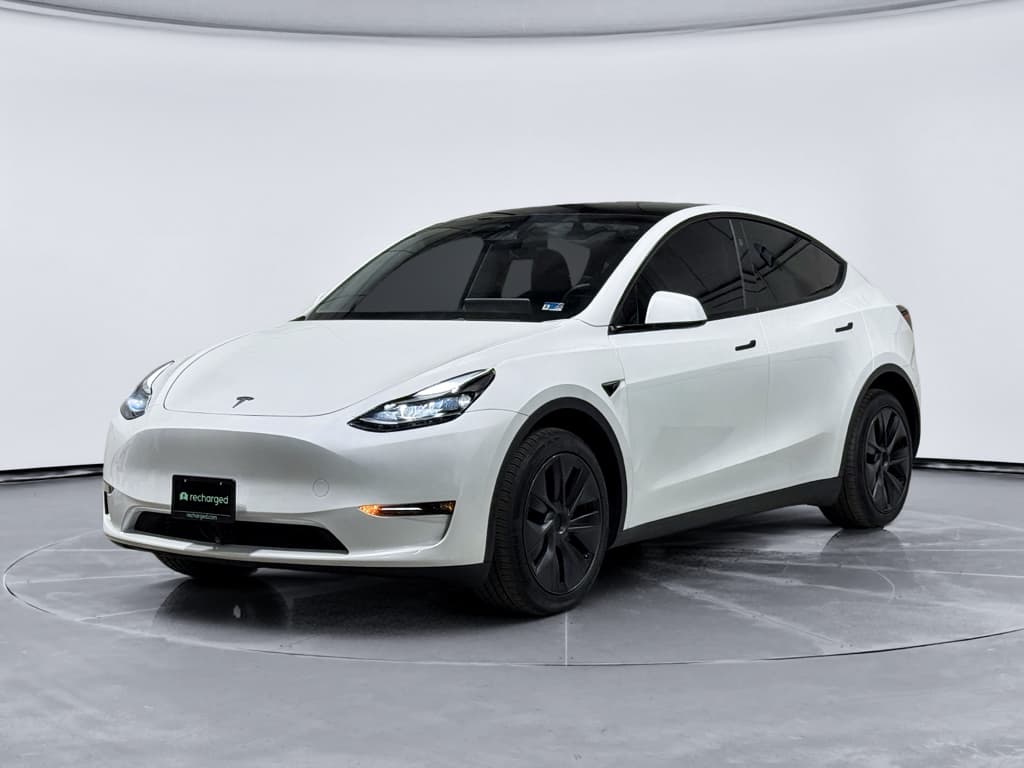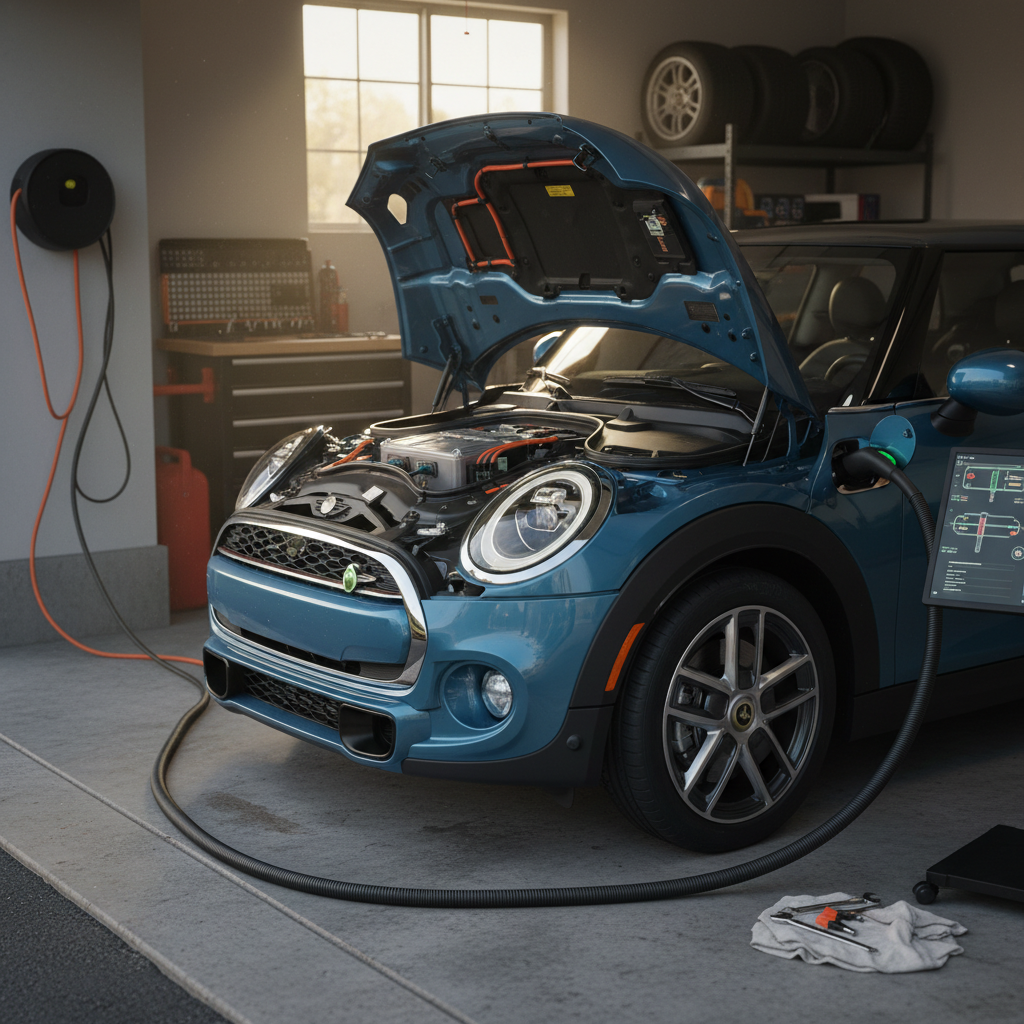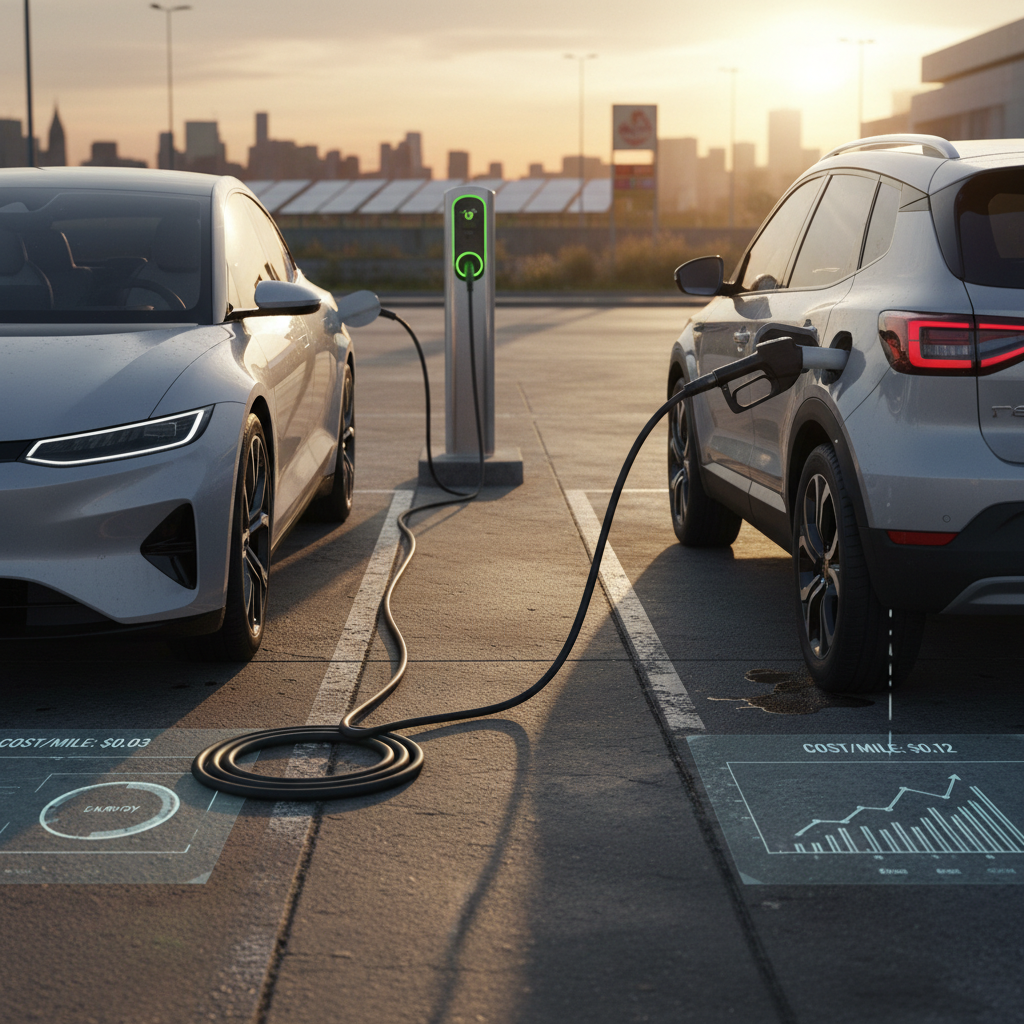
If you’re eyeing that sleek Model 3 in the next lane and wondering, “Is a used Tesla actually worth buying?”, you’re not alone. With new EV incentives changing, used prices jumping around, and a lot of rumor-level chatter about batteries and repair bills, it’s tough to know if you’re getting a smart deal or a very expensive science project.
Quick answer
Should you buy a used Tesla in 2026?
Used Tesla market at a glance (2026, U.S.)
Right now, the used market is upside‑down compared with what longtime car shoppers are used to. New EV incentives changed in late 2025, and used Tesla prices have actually ticked up while many other used EVs got cheaper. That means your job isn’t just finding a Tesla you like, it’s deciding whether this particular car at this particular price is worth it compared with alternatives.
Who should NOT buy a used Tesla
How much does a used Tesla cost right now?
Used prices move every month, but as of early 2026, here’s the ballpark for mainstream models in the U.S. You’ll see wide swings based on trim, mileage, condition, and battery size, but these ranges are useful reality checks when you’re shopping online.
Typical used Tesla price ranges (early 2026, U.S.)
Approximate retail asking prices from large online marketplaces and valuation tools. Your local market may skew higher or lower.
| Model & years | Typical price range | Notes |
|---|---|---|
| Model 3 (2018–2019) | $18,000–$24,000 | Early cars; great entry point if battery checks out. |
| Model 3 (2020–2022) | $22,000–$28,000 | Sweet spot for value and updated hardware. |
| Model 3 (2023–2024) | $27,000–$35,000 | Newer tech; sometimes close to leftover new‑car pricing. |
| Model Y (2020–2022) | $29,000–$36,000 | Family favorite; commands a premium over Model 3. |
| Model Y (2023–2024) | $34,000–$42,000 | Often cross‑shopped with brand‑new compact SUVs. |
| Model S/X (2016–2019) | $25,000–$40,000+ | Tempting luxury; bigger repair and battery‑replacement risk. |
Always compare any listing against multiple value guides and local comps, not just one website.
Reality check on price
Big advantages of buying a used Tesla
Why a used Tesla can be a smart buy
You’re not just buying a car, you’re buying into a charging network, software ecosystem, and a very different ownership experience.
Lower entry price
Access to Superchargers
Performance & efficiency
Over‑the‑air software
Simple drivetrains
Running‑cost savings
Real downsides and risks to watch for
1. Battery and high‑voltage repairs are expensive
EVs don’t need engine rebuilds, but they have something just as serious: a high‑voltage battery pack and drive units. Major failures out of warranty can run into the five figures. While Tesla packs have aged better than many feared, you can’t treat them like they’re indestructible.
2. Repair experience can be frustrating
Body repairs, glass, and electronics can involve longer wait times and higher costs than a typical Toyota or Honda. You may be limited to Tesla Service or a small number of EV‑savvy independent shops in your area.
3. Ride quality, noise and build quirks
Test‑drive with your senses turned up. Some Teslas ride firmly, wind noise can vary, and panel alignment or trim issues aren’t rare on earlier builds. If you’re coming out of a Lexus, adjust expectations.
4. Features can be software‑locked
Performance upgrades, Full Self‑Driving, and some connectivity features are software licenses, not hardware guarantees. Some don’t transfer between owners or may require a subscription. Never pay extra for a feature the car doesn’t currently have in writing.
Walk‑away signs
Battery health, degradation and Tesla’s warranty
This is the heart of the “is a used Tesla worth buying?” question. The car can look perfect and drive beautifully, but if the battery is tired, or nearly out of warranty, you’re taking on a lot more risk than a casual test drive will reveal.
Tesla battery & drive unit warranties (original U.S. coverage)
Tesla’s battery warranties follow the car, not the first owner, based on in‑service date and mileage.
| Model | Coverage | Capacity guarantee |
|---|---|---|
| Model 3 / Model Y (most trims) | 8 years / 100,000–120,000 miles | At least 70% battery capacity retained during warranty period. |
| Model S / Model X / Cybertruck | 8 years / 150,000 miles | At least 70% battery capacity retained during warranty period. |
Always verify coverage using the car’s in‑service date and current odometer reading.
What real‑world degradation looks like
Battery‑health checks before you say yes
Confirm remaining warranty
Ask for the original in‑service date and mileage, then confirm how much of the 8‑year / mileage battery warranty is left. A car with 3+ years of coverage remaining is very different from one that’s about to age out.
Request a real battery health report
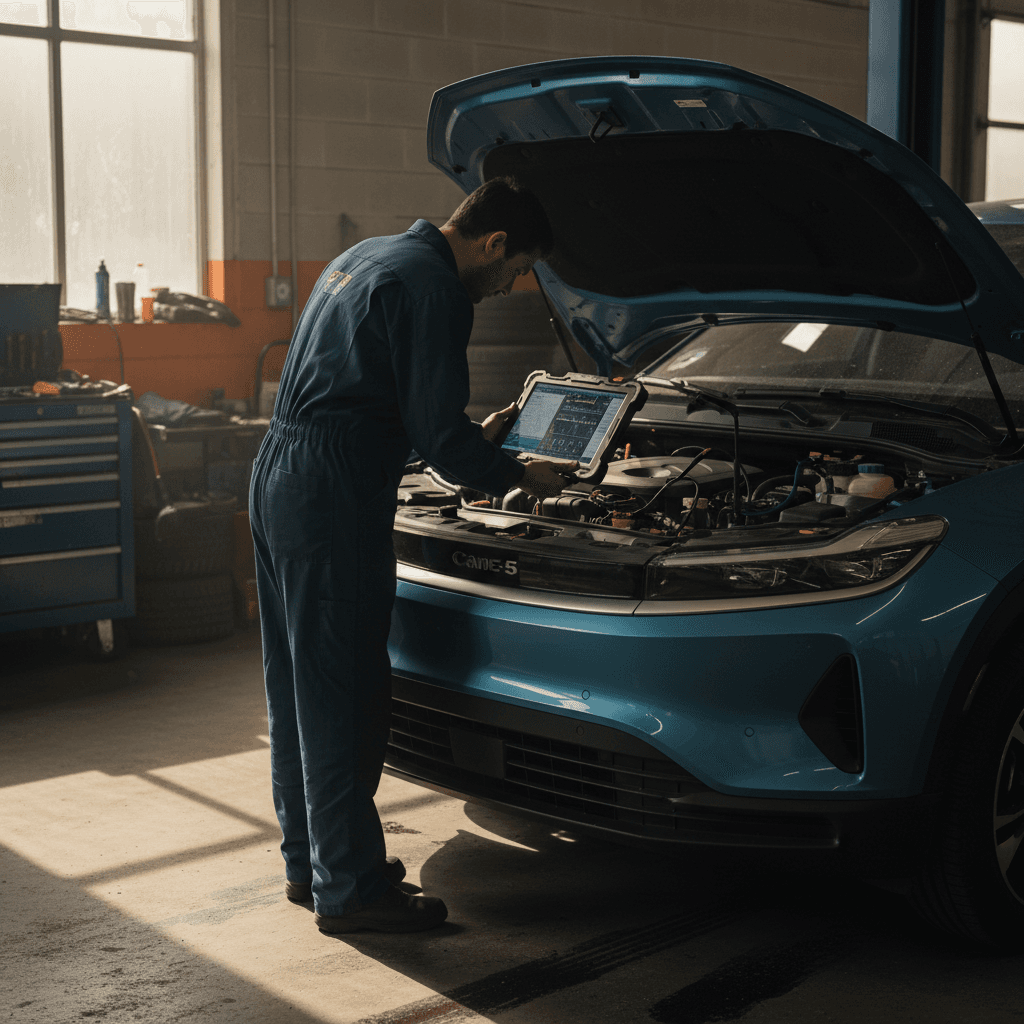
Don’t rely just on the dash range number. A professional report (like the <strong>Recharged Score battery diagnostic</strong>) looks at usable capacity, cell balance and how the pack has been used.
Ask about charging habits
Look for mostly home Level 2 charging, limited DC fast charging, and daily charge limits around 70–80%. Frequent supercharging and max‑charging to 100% can shorten battery life.
Compare range to original spec
Check the current full‑charge range against the original EPA rating for that trim. A modest drop is normal; a huge gap suggests deeper issues or very hard use.
Check for battery‑related alerts
Make sure there are no persistent error messages related to the battery, charging system, or drive unit, and that the car charges normally on both AC and DC.
Model‑by‑model guide: Which used Tesla is worth it?
How different used Tesla models stack up
Every Tesla has a personality. Here’s what to know before you fall in love with the badge.
Model 3: The smart money pick
Model Y: Family‑friendly and in demand
Model S: Luxury for less, with caveats
Model X & niche models
Think "trim and pack" not just year
Used Tesla vs new EV vs gas car
When you plug numbers into a calculator instead of just looking at sticker prices, the question becomes: compared to what? A used Tesla is fighting for your dollars against brand‑new compact SUVs, other used EVs, and the familiar four‑cylinder gas sedan with the discount lease deal.
Used Tesla
- Pros: Lower price than new, access to Superchargers, strong performance, potential warranty coverage.
- Cons: Battery uncertainty, shorter warranty term, repair access varies by region.
New EV (non‑Tesla)
- Pros: Full factory warranty, latest tech, may qualify for state/local incentives.
- Cons: Higher price, charging network may be less convenient than Tesla’s (depending on brand and region).
Efficient gas car
- Pros: Familiar ownership, wide service network, lower upfront price in many cases.
- Cons: Higher fuel and maintenance costs over time, no EV driving experience, emissions.
Where a used Tesla usually wins
How to evaluate a used Tesla like a pro
Buying a used Tesla shouldn’t feel like reading binary code. You don’t need to be an engineer, but you do need a more structured process than “the paint is shiny and the screen is big.” Here’s a practical roadmap you can follow whether you’re buying from a private seller, a franchise dealer, or an EV‑focused marketplace like Recharged.
10‑step checklist for vetting a used Tesla
1. Start with the VIN and history
Pull a full vehicle‑history report. Look for accident records, title status (clean, salvage, rebuilt), odometer inconsistencies, and manufacturer buybacks.
2. Confirm software and feature set
Sit in the car and go through the menus. Confirm Autopilot, Enhanced Autopilot, or FSD status, premium connectivity, and any acceleration or performance upgrades that are being advertised.
3. Check warranty status
Ask for the in‑service date and mileage, then map out what’s left of the basic and battery/drive‑unit warranties. Get this in writing on the bill of sale.
4. Inspect exterior and interior carefully
Look for uneven panel gaps, repaint lines, wheel damage, windshield chips, and water leaks. Inside, test every seat, window, light, and the big center screen.
5. Test all charging methods
If possible, plug into a Level 2 charger and a DC fast charger. Confirm the car charges normally, at reasonable speeds, with no error messages.
6. Drive it like you mean it
On the test drive, check for shuddering under acceleration, steering vibrations, odd suspension noises, and wind noise. Try highway speeds, tight turns, and low‑speed parking maneuvers.
7. Look at tires and brakes
Performance and heavy EVs can chew through tires. Uneven wear may point to alignment or suspension issues. Make sure pads and rotors aren’t near the end of their life.
8. Scan for error codes
If you’re buying through a marketplace like Recharged, this is done for you. Otherwise, consider a pre‑purchase inspection by an EV‑savvy shop with the right diagnostic tools.
9. Get a battery health report
This is where a <strong>Recharged Score battery diagnostic</strong> shines, turning guesses about range into a clear report on pack health and how it compares with similar Teslas.
10. Compare to the broader market
Before you sign, compare the asking price to multiple value guides and to similar cars on Recharged and other platforms. A great car can still be a bad deal at the wrong price.
How Recharged simplifies this
Financing and true cost of a used Tesla
With used‑car prices hovering around $30,000 for a typical late‑model vehicle in the U.S., your monthly payment can easily rival a small mortgage. EVs reshuffle the math: you may pay a bit more upfront than for an older gas car, but you’re spending less each month on fuel and maintenance.
Key cost factors to run before you buy
Don’t just shop the payment, shop the whole picture.
Monthly payment vs fuel savings
Maintenance and repairs
Home charging setup
Resale and depreciation
Use financing as a safety filter
With Recharged, you can pre‑qualify for financing online with no impact to your credit, see real terms up front, and compare different down‑payment scenarios before you fall for a particular VIN.
Frequently asked questions about buying a used Tesla
Used Tesla buying FAQ
Bottom line: Is a used Tesla worth buying?
A used Tesla is worth buying when three things line up: the price is right for your budget, the battery and history check out, and the charging and repair landscape makes sense where you live. For many drivers in 2026, that makes a well‑bought Model 3 or Model Y one of the smartest ways to get into an EV, blending performance, tech, and real‑world usability in a way few competitors match.
If you’re not sure where to start, browsing cars with a Recharged Score Report can shortcut a lot of worry. You’ll see verified battery health, transparent market‑based pricing, financing options, and support from EV specialists who do nothing but electric. That way, when you finally plug in your first used Tesla at home, you’ll feel excited, not nervous, about the decision you made.