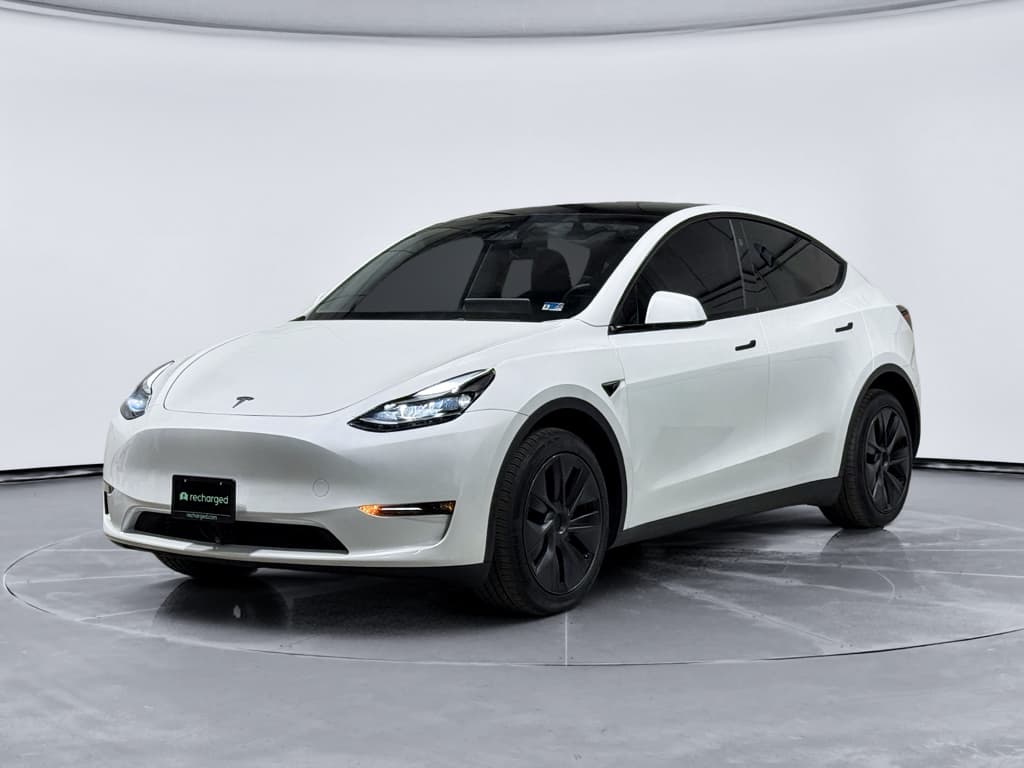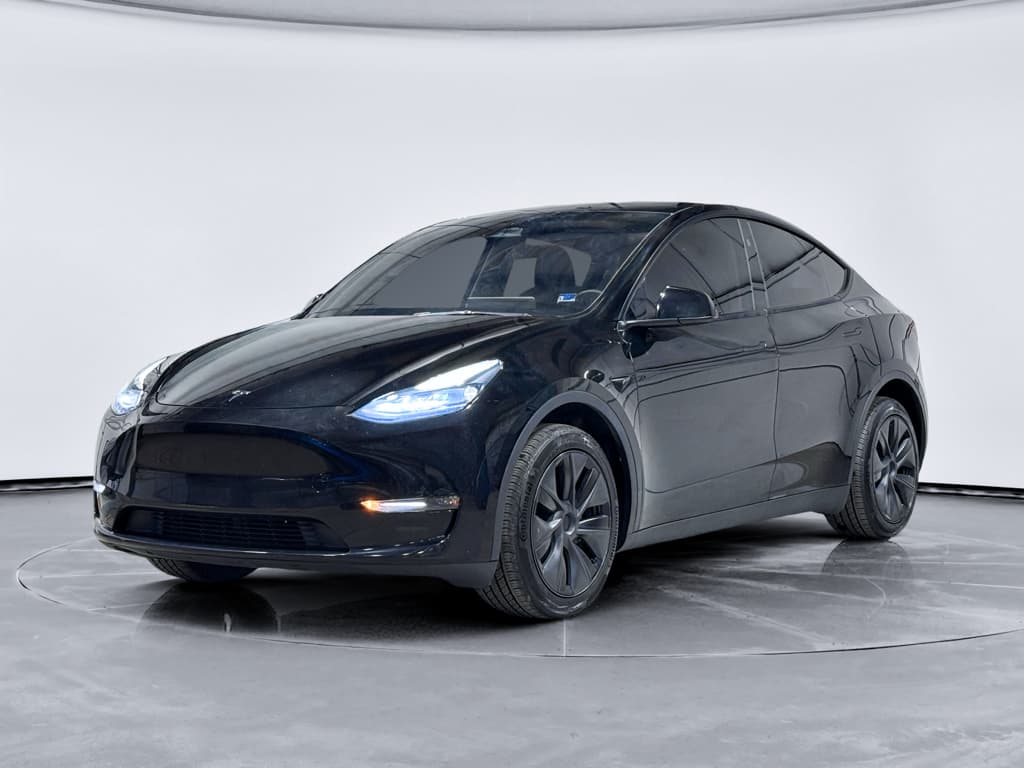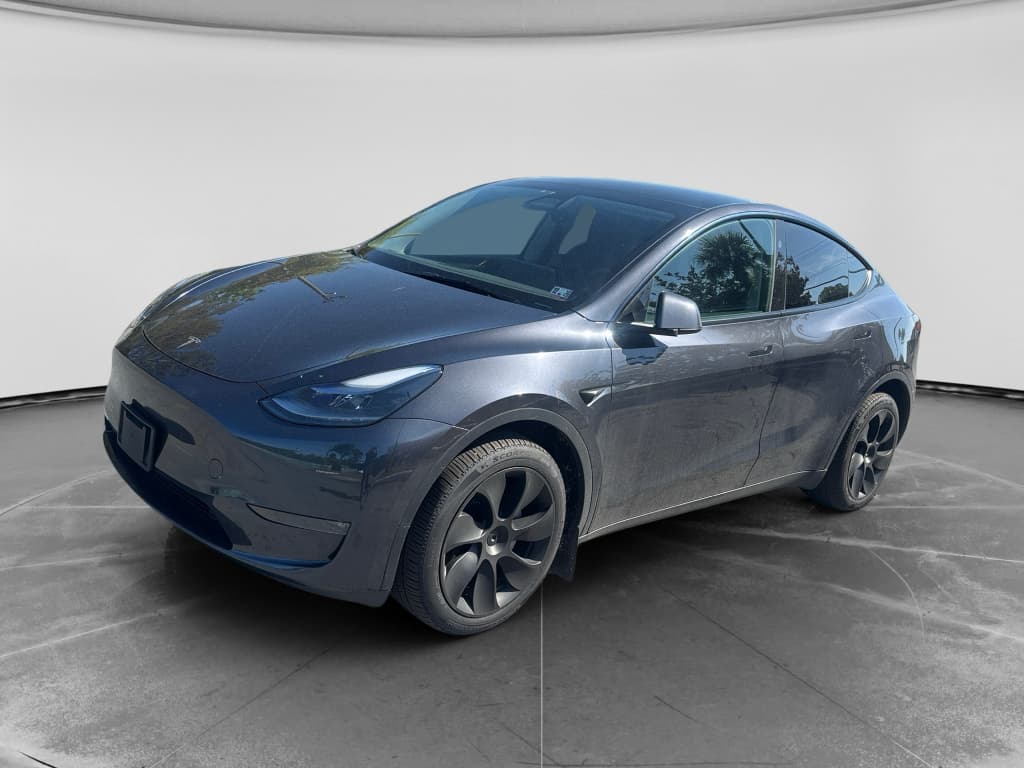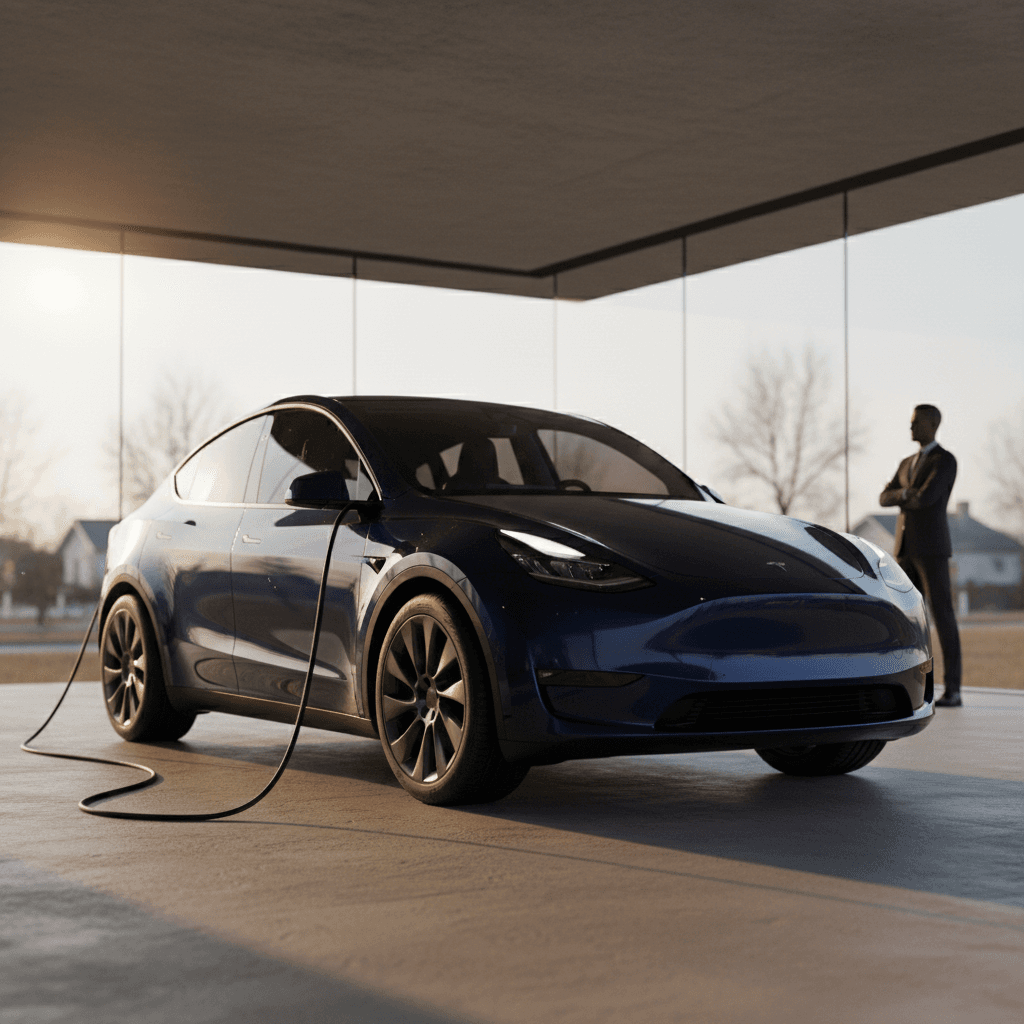
If you’re wondering whether the 2026 Tesla Model Y is a good buy, you’re not alone. The Model Y is still the world’s benchmark electric crossover, but by 2026 it’s also facing tougher competition, more scrutiny on reliability, and an increasingly attractive used-EV market. The 2026 model rides on the updated “Juniper” refresh, so the question isn’t just “is it good?” but “is it good for you compared with a cheaper used Y or a rival EV?”
Key context for 2026 shoppers
Quick answer: Is the 2026 Model Y a good buy?
Short answer
If you value range, charging access, and software above everything else, the 2026 Tesla Model Y is still one of the best EV crossovers you can buy in 2026. The Juniper‑era updates improve refinement, tech, and efficiency, and for many buyers it’s a solid choice.
The caveats
However, it’s not a no‑brainer. You’re paying a premium for a vehicle with mixed long‑term reliability signals, rising competition from brands like Hyundai, Kia, and GM, and a used‑Model‑Y market that can deliver 80–90% of the experience for far less money, especially when you factor in depreciation.
- Great buy if you prioritize the Supercharger network, over‑the‑air updates, and strong performance in a compact family EV.
- Good but not unbeatable on price; value depends on local incentives and how aggressive Tesla’s discounts are when you buy.
- Questionable buy if you’re sensitive to build‑quality quirks, dependability concerns, or if a discounted used Model Y (with verified battery health) would already meet your needs.
What’s new on the 2026 Tesla Model Y (Juniper refresh)?
By 2026, all new Model Y builds are effectively part of the Juniper refresh cycle that began rolling out globally in 2025. Tesla doesn’t brand it loudly, but if you’re cross‑shopping a 2024–2025 Y against a 2026, you should understand what’s changed.
Major 2026 Model Y Juniper‑era changes
What you actually notice day to day
Refined exterior
- Subtle front and rear fascia tweaks
- Revised lighting signatures on many trims
- Improved aero for a bit more efficiency
Interior + screen updates
- Larger center display in some markets and trims
- Materials and trim updated for a more premium feel
- Improved noise insulation vs early Model Y years
Hardware & sensors
- Newer Autopilot/FSD hardware generation in 2026 builds
- Refined camera housings and sensor cleaning tech
- Incremental tweaks to thermal and electronics systems
How to tell if it’s a Juniper‑era Model Y
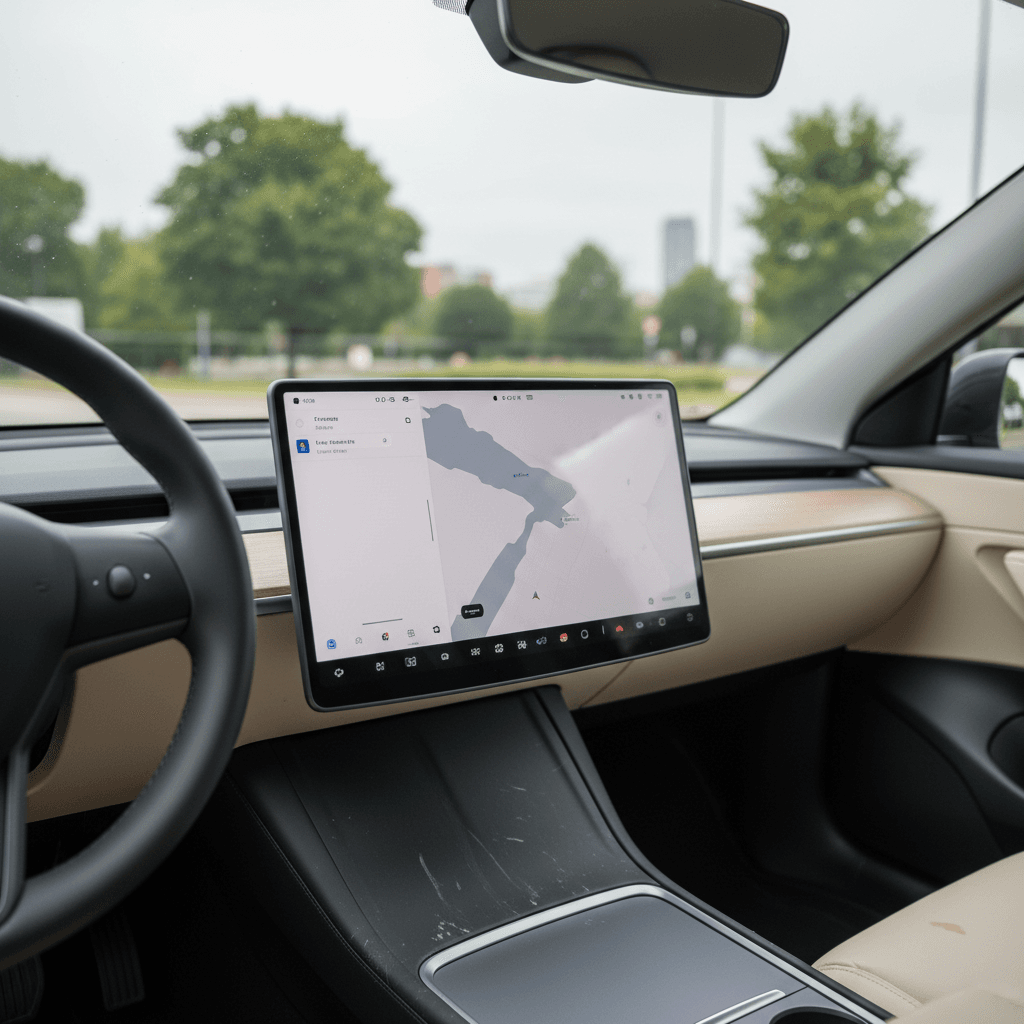
Under the skin, battery capacities and motor outputs stay broadly similar to late‑2024 and 2025 cars. You’re not missing a radical leap in chemistry or charging speeds by choosing a 2024–2025 Y over a 2026; most of the improvement is in cabin feel, noise levels, and the latest driver‑assistance hardware and software.
2026 Model Y pricing, incentives, and total cost picture
Tesla’s pricing moves quickly, but as of early 2026, the Model Y still sits in the upper‑$40k to mid‑$50k range for common trims before fees and taxes in the U.S., with cheaper RWD or “affordable” variants showing up intermittently in inventory. The real question is how that stacks up against deals on leftover 2025s and the growing pool of used Model Ys.
2026 Model Y vs alternatives: rough U.S. price bands
Approximate starting MSRPs before destination, taxes, and incentives as of early 2026. Always check current pricing in your zip code.
| Vehicle | Type | Approx. starting price (USD) | Notes |
|---|---|---|---|
| 2026 Tesla Model Y RWD / Standard | New EV | $45,000–$48,000 | Price and availability vary; Tesla frequently adjusts online pricing. |
| 2026 Tesla Model Y Long Range AWD | New EV | $50,000–$55,000 | Most popular configuration for range and traction. |
| Lightly used 2024–2025 Model Y | Used EV | $34,000–$45,000 | Large spread based on miles, trim, and condition; depreciation is your friend. |
| Hyundai Ioniq 5 / Kia EV6 (2026) | New EV | $43,000–$55,000 | Highly competitive tech, fast charging, strong warranties. |
| Chevrolet Equinox EV (2026) | New EV | high‑$30k–low‑$40k | Undercuts Model Y on price but smaller and less performance‑oriented. |
Price bands are directional, not quotes. Tesla changes pricing often, and dealer incentives for rivals can be significant.
Watch the incentives math in 2026
How the Model Y stacks up on ownership costs
Where the 2026 Model Y can look less compelling is depreciation. Earlier model years lost value quickly as Tesla cut prices and competitors arrived. If Tesla discounts the 2026 line to keep factories full, which they’ve done repeatedly, early buyers may see heavy paper losses even though the car still drives like new.
Reliability, safety, and build quality: what the data says
The Model Y’s story is a bit of a paradox: excellent crash safety and strong owner satisfaction on one side, and elevated defect and repair rates on the other, especially in its early years.
2026 Model Y reliability: the good, the bad, and the nuanced
What we can infer from 2022–2025 data and early 2026 reports
Safety & crashworthiness
- Model Y has consistently earned top crash scores from U.S. and European agencies.
- Strong passive safety structure and advanced active safety tech.
- Many owners choose it specifically for safety performance.
Reliability red flags
- German TÜV reports found high defect rates for 2–3‑year‑old Model Ys, especially 2022–2023 builds.
- Issues range from suspension and brakes to lighting and electronics.
- U.S. recall activity continues around software, driver‑assist behavior, and isolated hardware problems.
Owner satisfaction
- North American owners still rate the Model Y highly for performance, tech, and charging convenience.
- Surveys often show satisfaction scores in the high‑60s to 70%+ range for reliability perception, even when hard data is mixed.
- Software improvements can fix some annoyances over time.
Don’t ignore build variation
For 2026 specifically, the newest hardware and incremental fixes (like updated camera housings and minor component redesigns) should help reduce some failure points seen in 2021–2023 cars. But there’s no evidence that the Model Y has suddenly become a paragon of Toyota‑like reliability. Treat it as a technologically advanced car that may require more attention than a boring compact SUV, and budget time and money accordingly.
Charging and road‑trip experience in 2026
Charging is where the 2026 Model Y still earns its keep. You’re not just buying a car, you’re buying access to Tesla’s Supercharger network, which by 2026 is opening up to more non‑Tesla brands but still works most seamlessly with Tesla vehicles.
Real‑world charging pros and cons
How the 2026 Model Y fits into the 2026 charging landscape
The upside
- Dense Supercharger coverage on major U.S. corridors and many secondary routes.
- Automatic payment and simple plug‑and‑charge experience.
- Reasonable DC fast‑charging speeds, especially when arriving with a low state of charge.
- Good integration with Tesla’s trip planner for routing via chargers.
The trade‑offs
- Charging curves haven’t leapt ahead, some rivals now charge faster on 800‑V platforms.
- Peak speeds look great in brochures, but real trips depend on how low you’re willing to run the battery.
- Supercharger congestion can still crop up in peak travel windows.
Home charging is the real game‑changer
When the 2026 Tesla Model Y is a great buy
Instead of asking whether the 2026 Model Y is a good buy in the abstract, match it to specific use cases. Here’s where the car really shines.
Scenarios where a 2026 Model Y makes strong sense
If these sound like you, the 2026 Y is worth serious consideration
Young family hauler
You need space for kids, strollers, and gear in a compact footprint. The Model Y’s upright seating, hatchback cargo area, and strong safety scores make it a compelling alternative to a compact SUV or minivan.
Performance‑minded commuter
You want quick acceleration, one‑pedal driving, and modern tech without jumping to a dedicated performance EV. Even non‑Performance Model Ys feel brisk, and instant torque makes daily driving effortless.
High‑mileage driver
If you’re piling on miles, the fuel‑and‑maintenance savings of an EV add up quickly. A new 2026 Y gives you the longest runway before major wear items become an issue, and the latest hardware for driver‑assist features.
Good buy signal
When a used Model Y or rival EV is the smarter move
On the other hand, the 2026 Model Y is absolutely not the default best choice for every shopper. Here’s where it can be a weaker value.
Consider a used Model Y instead if…
- Budget is tight. A 2–3‑year‑old Y can be tens of thousands cheaper than a new 2026 while delivering similar range and performance.
- You’re ambivalent about the latest Autopilot hardware. If you don’t plan to pay for advanced driver‑assist packages, older hardware may be perfectly adequate.
- You care more about value than being on the latest software build. Tesla backports many features to older cars via OTA updates.
Consider non‑Tesla rivals if…
- Ride quality and cabin comfort matter more than charging network access. Some Korean and European EVs ride better and feel more premium inside.
- You want a traditional dealer relationship. If you prefer face‑to‑face sales and service, brands with established dealer networks may suit you better.
- You’re wary of Tesla’s driver‑assist controversies. Other brands may have more conservative but better‑documented ADAS behavior.
Beware of overpaying for “new”
New vs used Model Y: where Recharged fits in
Recharged doesn’t sell brand‑new 2026 Teslas; our focus is on making the used EV side of this decision far less risky. If you’re on the fence between a new 2026 Model Y and a used one, the right data can tip the scales.
How Recharged helps if you skip the brand‑new 2026
Reducing the downside of buying a used Model Y
Verified battery health
Every used EV on Recharged comes with a Recharged Score Report, including battery health diagnostics. You see how much usable capacity remains instead of guessing from a dash estimate.
Fair pricing and financing
We benchmark vehicles against fair‑market data so you aren’t overpaying for a 2–3‑year‑old Model Y. You can finance through Recharged, just like a traditional dealer, without the usual pressure.
Trade‑in and delivery
Recharged can buy your current vehicle or handle a trade‑in, and arrange nationwide delivery. Our EV specialists walk through charging, battery care, and ownership basics, so a used Tesla feels approachable even if it’s your first EV.
Ready to find your next EV?
Browse VehiclesIf your budget says “new compact SUV money” but your head says “don’t take the full depreciation hit,” a lightly used 2024–2025 Model Y with a strong Recharged Score can land you in essentially the same experience as a 2026 car for a lot less cash.
Checklist: Should you buy a 2026 Model Y?
Run through these questions before you place an order
1. Do you have reliable access to home or workplace charging?
If the answer is no, run the numbers on public‑charging availability and cost in your area first. Without convenient Level 2 charging, a new 2026 Model Y (or any EV) can become frustrating fast.
2. Are you comfortable with Tesla’s direct‑to‑consumer service model?
You won’t have a traditional dealer advocate. Most interactions happen through the app, with mobile service for many issues. Some people love it; others miss having a local dealer relationship.
3. How sensitive are you to interior quality and noise?
Juniper‑era cars are quieter and nicer than early Ys, but if you’re cross‑shopping luxury‑badge EVs, sit in them back to back. If soft‑touch materials and isolation matter more than charging convenience, the 2026 Y may feel a step down.
4. Would a 2–3‑year‑old Model Y already meet your needs?
If a used Long Range or Performance Model Y with verified battery health, modern software, and remaining warranty does what you need, the premium for a new 2026 might not pencil out.
5. Are you okay with potential reliability quirks?
The Model Y is not a reliability disaster, but it isn’t a Camry either. Go in expecting some software updates, potential minor fixes, and the occasional service visit rather than flawless, appliance‑like operation.
6. Have you cross‑shopped at least one non‑Tesla EV?
Before deciding, drive a credible rival, Hyundai Ioniq 5, Kia EV6, Chevrolet Equinox EV, or similar. Even if you come back to the Y, you’ll do it with clearer eyes about what you’re getting and giving up.
Frequently asked questions about the 2026 Model Y
2026 Tesla Model Y FAQ
Bottom line: Is the 2026 Tesla Model Y a good buy?
The 2026 Tesla Model Y is a very good EV and, for many households, still one of the most compelling all‑around electric crossovers on the road. The Juniper‑era updates, Supercharger access, and Tesla’s software ecosystem add up to a package that’s hard to beat if you value convenience, performance, and tech.
But “good EV” and “good buy” aren’t always the same thing. The 2026 Y carries real trade‑offs: a patchy quality track record, fast‑moving pricing that can sting early buyers, and alternatives, both new and used, that may offer better ride quality or value. For shoppers willing to consider a used Model Y with a verified Recharged Score Report, you can often capture most of what makes the 2026 car special while leaving more money in your pocket.
If you’ve run through the checklist, cross‑shopped at least one rival, and still come back to the 2026 Model Y, you’re probably the kind of driver it was built for. If instead you find yourself wincing at the payment or worrying about depreciation, it’s worth taking a serious look at a carefully vetted used Model Y or another used EV on Recharged before you sign on the dotted line.