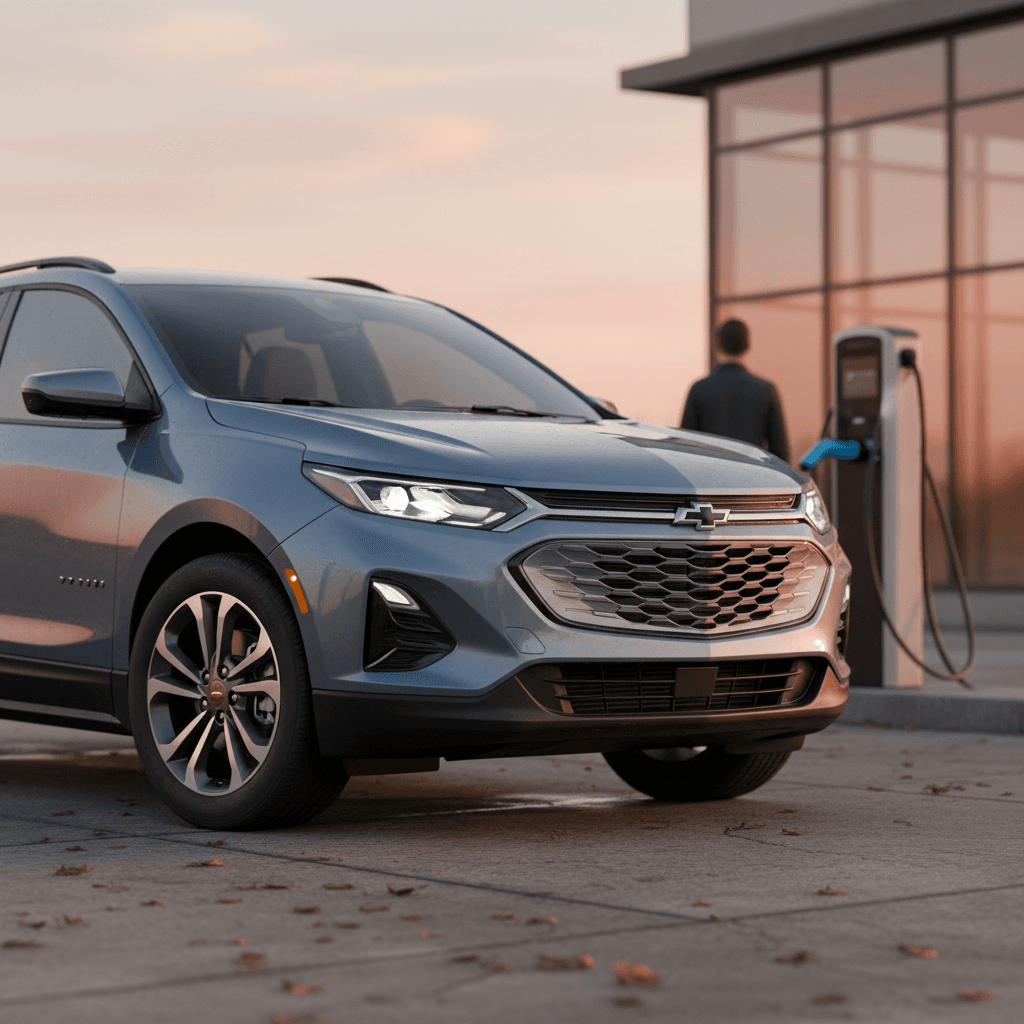
If you’re asking yourself, “Is the 2026 Chevrolet Equinox EV a good buy?” you’re not alone. Chevy’s compact electric SUV promises big range, mainstream pricing, and familiar branding in a segment dominated by Tesla, Hyundai, and Ford. On paper, it looks like the people’s EV. In practice, the answer is more nuanced, especially once you dig into charging behavior, real-world range, and long‑term value.
Short answer
Who the 2026 Equinox EV Is (Really) For
Drivers the Equinox EV fits well
- Suburban commuters doing 20–60 miles a day with access to home Level 2 charging.
- Small families who need a roomy back seat and good cargo space but don’t want a huge SUV.
- Brand‑loyal Chevy owners ready to go electric without jumping to a premium badge.
- EV first‑timers who value range and comfort over neck‑snapping acceleration.
Drivers who should think twice
- Heavy road‑trippers who depend on DC fast charging several times a month.
- Apartment dwellers with unreliable or expensive public charging as their primary source.
- Performance seekers who want Model Y or Mustang Mach‑E levels of punch and handling.
- Impatient early adopters who’ll be aggravated by first‑few‑years software and charging quirks.
2026 Equinox EV: Key Specs at a Glance
2026 Chevrolet Equinox EV Highlights
2026 Equinox EV Trims, Pricing, and Range (Approximate)
Approximate MSRPs including destination for 2026, plus EPA‑estimated range where published. Always confirm current pricing and incentives with a dealer.
| Trim | Drivetrain | Approx. Starting Price (incl. dest.) | EPA Range (mi) |
|---|---|---|---|
| LT 1 | FWD | $34,995 | Up to 319 |
| LT 1 | AWD | ≈$38,000 | Just over 300 |
| LT 2 | FWD | ≈$41,800 | Up to 319 |
| LT 2 | AWD | ≈$45,000 | Just over 300 |
| RS | FWD | ≈$44,000 | Up to 319 |
| RS | AWD | ≈$47,000+ | Just over 300 |
AWD adds roughly $3,000+ over FWD across trims and slightly reduces range.
Shopping tip
Pricing and Value: Is It Truly “Affordable”?
Chevrolet markets the Equinox EV as “America’s most affordable 300‑plus‑mile EV.” On an EPA‑range‑per‑dollar basis, they’re not wrong. A roughly $35,000 compact SUV that offers over 300 miles of range is rare air. But value isn’t just the sticker price; it’s what you get for that money versus alternatives, and how easy the car is to live with long‑term.
- Pros on value: long range for the segment, lots of standard safety tech, huge 17.7‑inch central screen on all trims, familiar Chevy dealer network.
- Cons on value: DC fast‑charging performance lags Korean and Tesla rivals, interior materials are more practical than premium, and some features are locked to higher trims.
Mind the incentives
Range and Efficiency: How Far Does It Really Go?
On paper, the 2026 Equinox EV is a range star: up to 319 miles EPA‑estimated on FWD models and just over 300 miles when you add all‑wheel drive. That’s competitive with Tesla Model Y Long Range and ahead of many similarly priced rivals from Ford and Volkswagen. In the real world, your results will depend heavily on climate, speed, and wheel/tire choice.
Real‑World Range: What Owners Can Expect
EPA numbers are a starting point, not a promise.
Mild weather, mixed driving
In 50–75°F temps with a mix of city and highway driving, many owners should see 260–290 miles from a full charge on FWD trims if they’re not driving aggressively.
Cold‑weather commuting
In winter, range can drop 20–30%. Plan on 210–240 miles between charges if you’re using cabin heat regularly, especially on short trips where the pack never fully warms.
Highway road trips
At 70–75 mph, air‑resistance tax is real. Expect something in the 220–260‑mile window per charge, depending on conditions and wheel size.
EV winter reality check
Charging Experience: Strengths and Frustrations
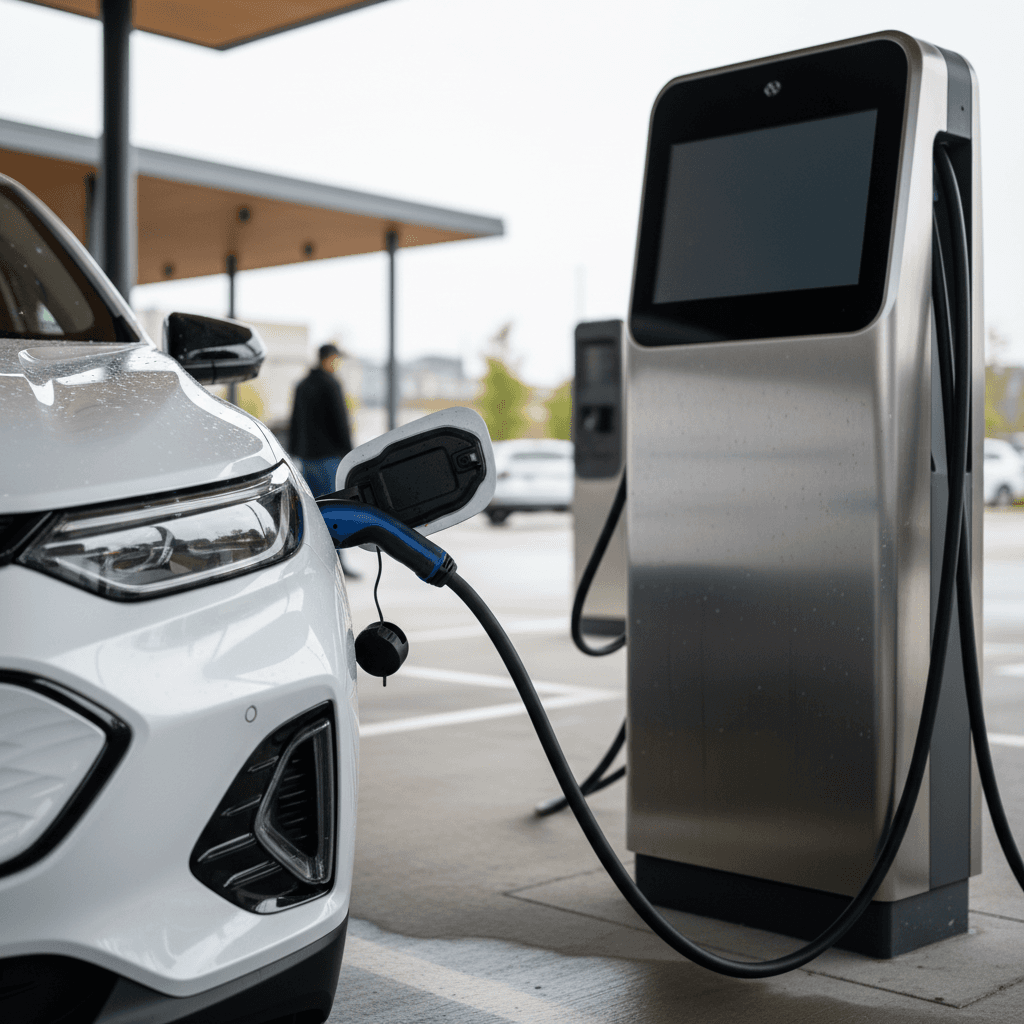
Charging is where the 2026 Equinox EV’s résumé gets complicated. On the spec sheet, Ultium hardware looks impressive: Level 2 AC charging at home around 11.5 kW, and DC fast‑charging peaks in the neighborhood of 150–190 kW depending on drivetrain. In the wild, the car’s relatively low battery voltage and conservative charging curve mean it often can’t hold those speeds for long, and at many 50–150 kW stations, you may see far less than the headline numbers.
Charging Basics: What to Expect With the Equinox EV
Approximate figures based on Ultium specs and early owner experiences. Actual results vary with temperature, station, and state of charge.
| Charging Type | Power (Approx.) | Typical Use Case | Rough Time | |
|---|---|---|---|---|
| Level 1 (120V) | 1–1.5 kW | Emergency, overnight top‑off | 30–40+ hours 0–100% | |
| Level 2 (240V) | Up to ~11.5 kW | Home or workplace charging | 8–10 hours 0–100% | |
| DC Fast (150–190 kW peak) | Varies a lot | Road trips, quick top‑ups | ~30–40 min 10–80% in good conditions |
Think in terms of “time from 10–80%” rather than just peak kW.
The charging‑curve caveat
How to Get the Best DC Fast‑Charging Experience
1. Arrive with a low state of charge
Aim to hit the charger between 10–20% battery. The lower you are (within reason), the more time the car will spend near its peak charging rate.
2. Use the car’s DC fast‑charge prep
In cold or very hot weather, use the Equinox EV’s navigation or charging menu to warm or cool the battery before you plug in. That alone can double your observed charge rate.
3. Prefer higher‑amp stations
Because the Equinox EV uses a comparatively low‑voltage pack, it needs higher current (amps) to reach its peak kW. Some “150 kW” chargers can’t supply enough amps at lower voltage, so look for newer hardware from major networks.
4. Stop around 80% on road trips
Like all modern EVs, the Equinox EV slows charging dramatically above ~80%. On a long drive, it’s usually faster overall to unplug around 75–80% and hop to the next charger.
Where the Equinox EV shines: home charging
Daily Usability: Space, Tech, and Ride Quality
Set aside the electrons for a moment and the 2026 Equinox EV is, at heart, a very conventional compact family SUV. That’s a compliment. It rides on GM’s Ultium platform, but in day‑to‑day use it feels approachable and familiar: good outward visibility, an intuitive driving position, and proportions that make parking at Trader Joe’s only mildly annoying, not traumatic.
Living With the Equinox EV Day to Day
Where it feels thoughtfully designed, and where it doesn’t.
Cabin & cargo
Space is generous for a compact SUV. Adults fit comfortably in both rows, and there’s enough cargo room for strollers, sports gear, or a Costco run. The flat EV floor helps rear‑seat comfort.
Tech & interface
Every trim gets the big 17.7‑inch center screen with Google built‑in, plus digital instruments. The interface is generally clear, though some drivers will miss physical climate controls.
Ride & noise
Ride quality is tuned for comfort rather than canyon‑carving. It’s quiet, composed, and unhurried. If you want razor‑sharp steering feedback, look elsewhere; if you want a calm commute, this is your lane.
Family‑friendly touches
Reliability, Battery Health, and Warranty
The 2026 Equinox EV is still early in its life cycle, which means long‑term reliability data is limited. What we do know: GM’s Ultium platform is shared across multiple models, spreading development cost, and, unfortunately, any early‑run bugs. Chevrolet backs the Equinox EV’s high‑voltage components with a typical 8‑year/100,000‑mile battery warranty, plus a standard bumper‑to‑bumper and powertrain warranty.
- Early Ultium vehicles have seen software and charging‑network teething issues, but the underlying pack chemistry is designed for long life with robust thermal management.
- Battery degradation in modern EVs is usually modest in the first 5–8 years if the car isn’t abused by constant DC fast charging or extreme climates.
- Because the Equinox EV uses a sizable 85 kWh pack, it can lose some capacity over time and still deliver very usable range for daily driving.
How Recharged helps on the used side
How the 2026 Equinox EV Compares to Rivals
2026 Equinox EV vs Key Electric SUV Rivals
High‑level comparison of where the Equinox EV lands in the compact electric SUV class.
| Model | Strengths | Weak Spots | Who It Suits |
|---|---|---|---|
| Chevy Equinox EV | Long range for the price, practical interior, big screen, familiar brand | DC fast‑charging curve, interior isn’t premium, early‑generation Ultium quirks | Value‑focused shoppers, Chevy loyalists, home‑charging commuters |
| Tesla Model Y | Supercharger access, strong performance, polished software ecosystem, high efficiency | Higher pricing when similarly equipped, firmer ride, minimalist cabin not for everyone | Tech‑forward buyers, frequent road‑trippers, those who want the Tesla ecosystem |
| Hyundai Ioniq 5 / Kia EV6 | Ultra‑fast 800‑V charging, distinctive styling, solid efficiency | Higher prices, some dealer markups, smaller dealer footprint in rural areas | Road‑trip fans, design‑conscious buyers, early adopters |
| Ford Mustang Mach‑E | Engaging drive, strong performance trims available, familiar brand | Charging network still patchy in some regions, weight and efficiency not best‑in‑class | Drivers who want some fun with their practicality and already like Ford products |
The Equinox EV wins big on range‑per‑dollar, but trails on charging speed and brand cachet.
Watch the charging landscape
Is the 2026 Equinox EV a Good Buy? Ownership Scenarios
Scenario 1: Home‑charging commuter
You drive 40–70 miles a day, mostly around town, and can install a Level 2 charger in your garage.
Verdict: Very good buy. You’ll rarely touch DC fast chargers, you’ll enjoy the big range buffer, and the calm ride and large screen make the daily grind easier.
Scenario 2: Apartment dweller on public charging
You live in a city, rely heavily on public Level 2 and DC fast charging, and don’t have assigned home parking.
Verdict: Mixed. The Equinox EV’s conservative fast‑charging curve can make frequent public charging feel slow and expensive. Consider a faster‑charging rival unless pricing or local dealer support tips the scales.
Scenario 3: Road‑trip family
You take several long highway trips a year with kids, luggage, and tight schedules.
Verdict: Good, if you’re patient planners. The range is great, space is solid, but you’ll want to learn how to precondition the battery and plan around that 10–80% sweet spot.
Buying New vs. Waiting for Used on Recharged
Because the Equinox EV is positioned as a mass‑market electric SUV, it’s almost guaranteed to show up in quantity on the used market a few years after launch. That gives you two distinct plays: buy new now and enjoy the full warranty and incentives, or let someone else take the first‑owner depreciation hit and shop a Recharged‑certified used Equinox EV later with a clear window into the battery’s health.
Should You Buy New Now or Wait for Used?
You may lean new if…
You want the latest software and hardware updates, you qualify for strong incentives, and you plan to keep the car for 7–10 years.
You may lean used if…
You’re value‑driven, comfortable letting the first owner debug early issues, and want to see independent <strong>battery health data</strong>, which is exactly what a Recharged Score report delivers.
How Recharged fits in
Recharged specializes in used EVs, including Ultium‑based models like the Equinox EV. Vehicles come with a verified <strong>Recharged Score battery health report</strong>, transparent pricing, financing options, and nationwide delivery, so you can comparison‑shop cross‑country inventory from your couch.
FAQ: 2026 Chevrolet Equinox EV
Frequently Asked Questions About the 2026 Equinox EV
Bottom Line: Should You Buy the 2026 Equinox EV?
So, is the 2026 Chevrolet Equinox EV a good buy? If your life looks like the use case it was built for, a home‑charging suburban commuter who wants a sensible family SUV, it’s not just good, it’s one of the smarter plays in the market: long range, mainstream pricing, easy manners, and a familiar badge.
If, however, your EV world revolves around DC fast chargers and road‑trip efficiency, or you want cutting‑edge charging tech and a premium interior, the Equinox EV moves from “obvious choice” to “solid but compromised option.” In that case, Hyundai/Kia’s 800‑V offerings, Tesla’s Model Y, or future GM models with improved charging curves may suit you better.
The good news is that you don’t have to guess. Whether you end up buying new or waiting for a used example, Recharged can help you compare real‑world range, charging behavior, and verified battery health across the Equinox EV and its rivals, so your next electric SUV isn’t just a good idea on paper, but a good buy in your driveway.