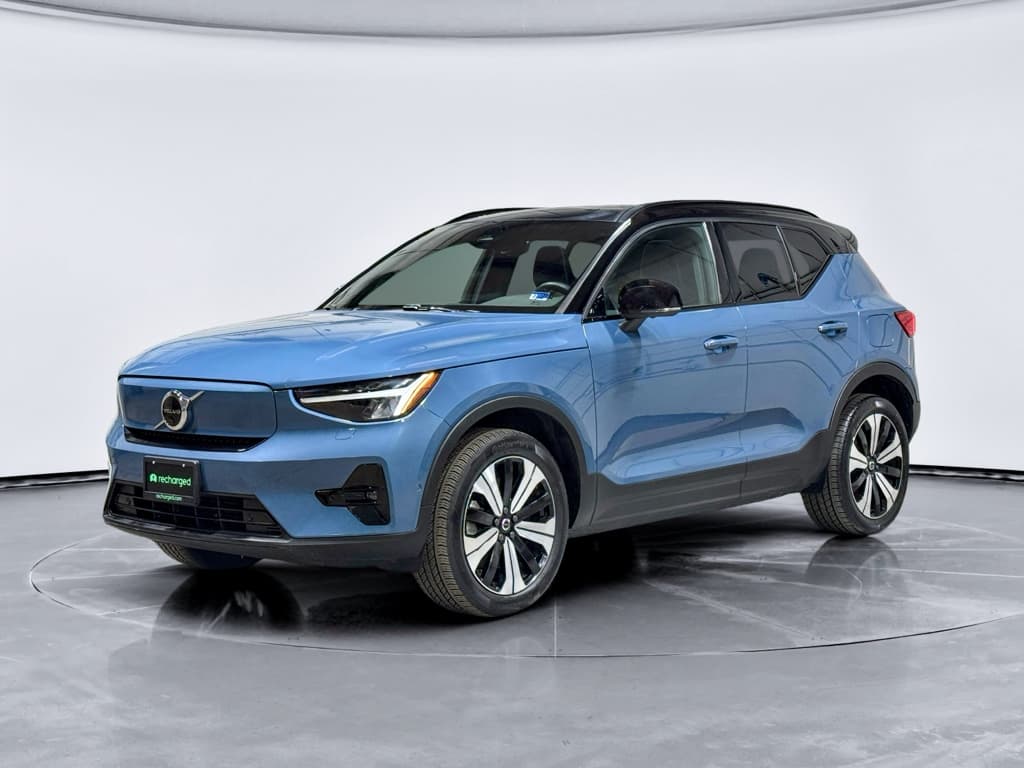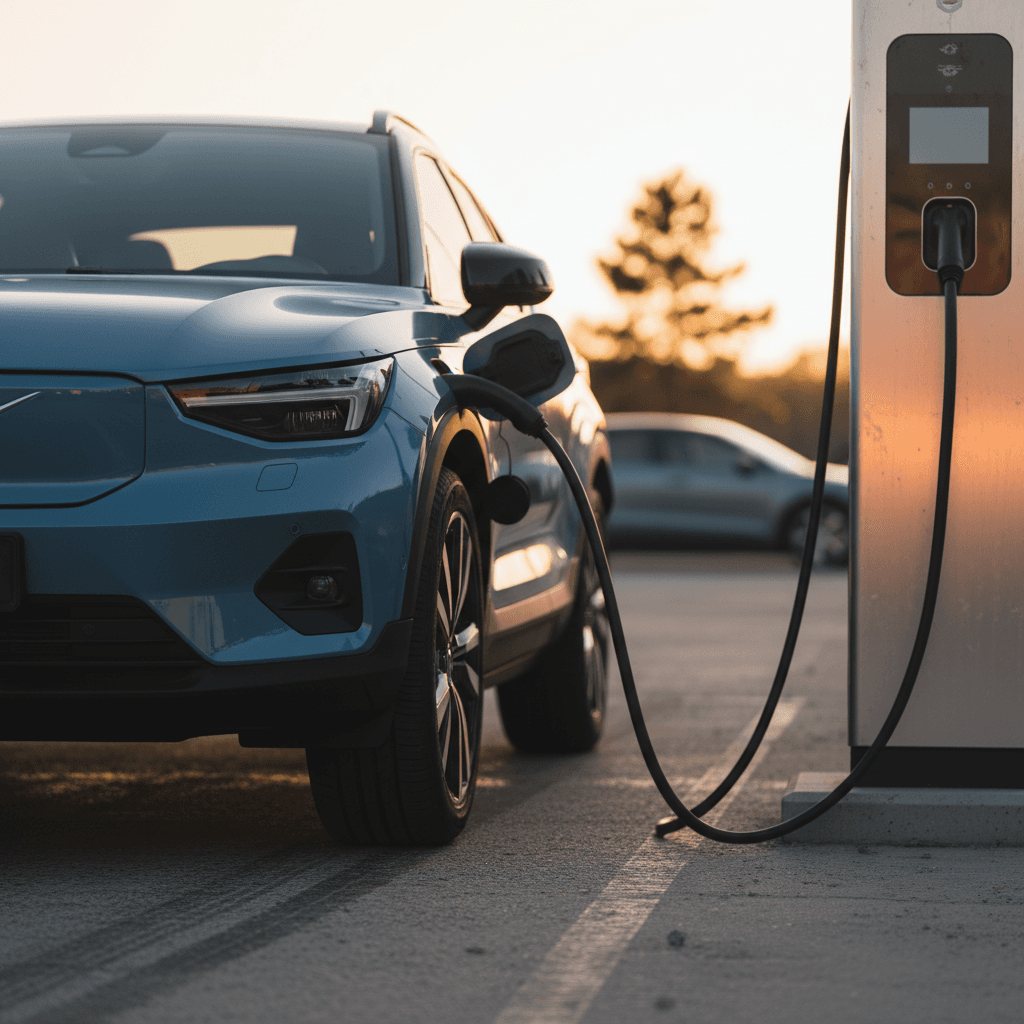
If you’re looking at a Volvo EX30, you’ve probably seen the headline figure: up to 134–153 kW DC fast charging and roughly 25–30 minutes from 10–80%. On paper, that sounds great, but what does a real-world Volvo EX30 charging speed test actually look like when you pull up to a public fast charger or plug in at home?
Quick takeaway
Volvo EX30 charging speed overview
The EX30 is a small SUV with a small-ish battery and relatively strong DC charging capability. That combination is exactly what you want for snappy charge stops. There are a few key specs you should keep in mind before diving into any charging speed test results:
- Two main battery sizes: about 49 kWh usable (Standard Range, LFP) and 64 kWh usable (Extended Range, NMC).
- DC fast charging peak power: roughly 134 kW for the Standard Range and 150–153 kW for Extended Range trims.
- Official Volvo guidance: around 30 minutes from 10–80% on a 175 kW DC fast charger in ideal conditions.
- On-board AC charger: 11 kW, so a typical 40A Level 2 home charger is a good match.
- EPA-rated range (single motor): about 260 miles in U.S. spec, so 10–80% is roughly 180 miles of usable highway range when new.
Good news for shoppers
Battery and charging specs at a glance
Key Volvo EX30 battery & charging specs
Approximate specifications for U.S.-market Volvo EX30 variants. Always check the window sticker or owner’s manual for exact details on the car you’re considering.
| EX30 variant | Usable battery capacity | Peak DC fast charge power | 0–100% AC charge (11 kW) | 10–80% DC charge (ideal) |
|---|---|---|---|---|
| Single Motor Standard Range (LFP) | ~49 kWh | Up to 134 kW | ~5 hours | ~27–30 minutes on 50–175 kW DC |
| Single Motor Extended Range (NMC) | ~64 kWh | Up to 150–153 kW | ~6.5 hours | ~25–28 minutes on 175 kW DC |
| Twin Motor Performance (NMC) | ~64 kWh | Up to 150–153 kW | ~6.5 hours | Similar to Extended Range; a few minutes longer if starting warm from spirited driving |
The EX30’s modest battery size paired with 134–153 kW DC capability is the backbone of its quick 10–80% charging performance.
Lab specs vs. roadside reality
DC fast charging speed test: 10–80% in the real world
Let’s walk through what a typical Volvo EX30 charging speed test looks like at a modern highway DC fast-charging station rated at 150–200 kW. We’ll assume a single‑motor Extended Range EX30 with the 64 kWh usable battery and a reasonably warm pack (you’ve been driving at least 20–30 minutes).
Sample EX30 10–80% fast-charging session
Approximate numbers to help you picture a real stop, not just brochure specs.
0–10%: get to the charger
You typically don’t want to arrive below about 5–10% unless you have to, but the lowest state of charge is where the EX30 can pull the highest power.
Arriving at 10% also gives the pack a chance to warm up while driving, which improves charging speed.
10–40%: peak power zone
From 10–40%, the EX30 often holds between 120–150 kW on a capable charger. This is the ‘money’ part of the session.
Expect to add roughly 70–80 miles of highway range in the first 10–12 minutes.
40–60%: still strong, starting to taper
Between 40–60%, the car begins to taper power, trending toward the 80–110 kW range. You’ll feel the added miles slow slightly but still arrive quickly.
Another 50–60 miles in the next 8–10 minutes is common in decent conditions.
60–80%: diminishing returns
After roughly 60%, charging power steps down more aggressively, think 60–90 kW easing toward 50 kW or less by 80%.
This is where many savvy drivers unplug, because you’re paying more time per mile.
Volvo EX30 DC charging performance snapshot
Aim for 10–60%, not 20–100%
Understanding the EX30 charging curve
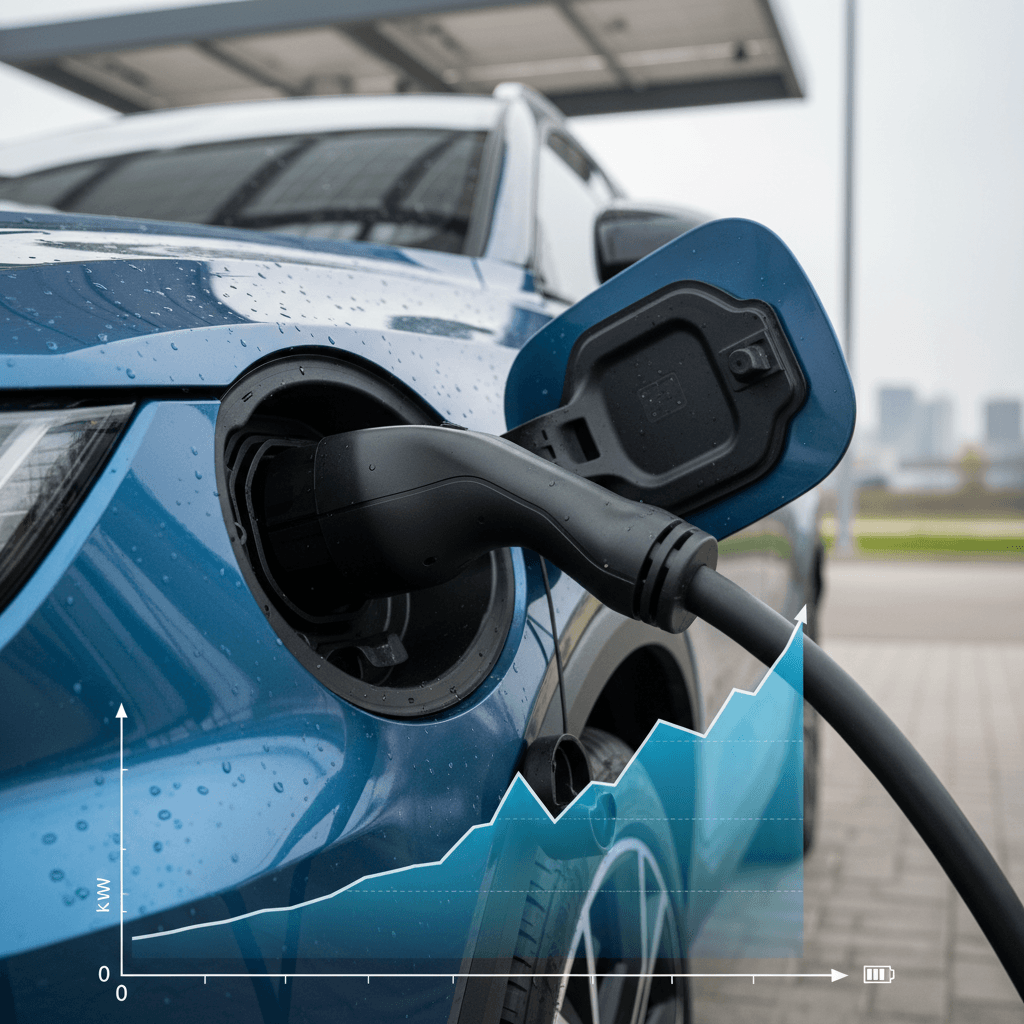
Every EV follows a charging curve, a graph that shows how power ramps up, holds, and then tapers off as the battery fills. The Volvo EX30 is no different, and if you understand its basic curve, you can make smarter choices at the plug.
1. The ramp-up
When you first plug in at low state of charge (say 5–15%), the charger and car communicate, then ramp current up. In a well‑preconditioned EX30, you may see it shoot quickly toward 120–150 kW if the charger can provide it.
If the battery is cold, the ramp will be slower and the initial plateau lower.
2. The taper
After roughly 30–40%, the EX30 gradually reduces power to protect battery longevity. The closer you get to 80%, the more obvious that taper becomes. Above 80%, speeds can fall under 40–50 kW, which is why going all the way to 100% at a DC fast charger is rarely time‑efficient.
Think of it as turning down the hose as the ‘tank’ gets full to keep everything healthy.
Why Volvo slows charging
Home and Level 2 charging: how long is “overnight”?
While DC fast charging gets the headlines, most of your life with an EX30 will be spent charging at home, work, or slower public Level 2 stations. Here’s how that looks in practice.
Approximate Volvo EX30 AC charging times
These estimates assume a healthy battery, typical 240V residential power, and mild weather. Your results can vary based on many factors, including utility voltage, charger brand, and onboard vehicle loads.
| Outlet / charger | Voltage & amps | Approx. power | 0–100% time (49 kWh pack) | 0–100% time (64 kWh pack) |
|---|---|---|---|---|
| Standard wall outlet ("trickle") | 120V, 12A | ~1.4 kW | 30–36 hours | 40–46 hours |
| Upgraded 240V Level 2, 32A | 240V, 32A | ~7.7 kW | 7–8 hours | 8.5–9.5 hours |
| High‑power Level 2, 40A | 240V, 40A | ~9.6 kW | 5.5–6.5 hours | 7–8 hours |
| Public Level 2 (11 kW) | 208–240V, 48A | ~11 kW (EX30 max) | 5 hours | 6.5 hours |
Home charging is where the EX30 is easiest to live with: plug in and wake up to a full battery.
What this means day to day
How many miles per minute of charging?
Raw kilowatts are helpful, but most drivers care about miles. With the EX30’s efficiency and battery sizes, you can translate charging power into roughly how many miles of range you gain per minute on the plug.
- At peak DC power (120–150 kW) and highway efficiency, expect around 6–8 miles of range per minute from 10–40%.
- In the mid‑band (70–110 kW), figure 4–6 miles per minute.
- Near 80% state of charge, when power falls below 60 kW, that can drop to 2–4 miles per minute, which is why many drivers unplug around 60–70% unless they need a longer gap between stops.
- On a solid 40A Level 2 home charger, you’ll usually see roughly 20–30 miles of range per hour of charging, depending on wheel/tire choice and conditions.
Use time, not just percentage
Factors that slow or speed up your EX30 charging
Two EX30s can plug into the same charger and see very different charging speeds. Here are the main variables that influence any charging speed test, and what you can actually control.
5 big variables in EX30 charging speed
Some you can manage, some you can’t, but all help explain test results.
Battery temperature
Cold batteries charge slowly. If you fast‑charge right after highway driving, the pack is warmer and closer to ideal.
In very cold weather, expect DC sessions to stretch 5–15 minutes longer.
Charger power & sharing
A 50 kW station caps your speed no matter what your EX30 can accept. Some sites also share power between stalls.
Two cars on a 150 kW cabinet might each see ~70–80 kW, not 150.
Arrival state of charge
Arriving at 40–50% instead of 10–20% means you skip the fastest part of the charging curve.
Plan to arrive lower (but not empty) for best speeds.
Weather & HVAC use
Running heat or A/C while charging can shave a few kilowatts off what reaches the battery.
Not a huge factor, but it adds up over long sessions.
Battery health & software
Over time, software updates and minor battery degradation can slightly change your observed speeds and capacity.
Healthy packs charge more predictably; abused ones may throttle earlier.
Terrain & driving before stop
Coming off a long highway run warms the pack nicely. A short hop from your driveway often doesn’t.
If you can, drive 15–20 minutes before a big fast‑charge session.
Don’t blame the car too quickly
Smart charging strategies for daily driving and road trips
Charging speed numbers matter, but how you use them day to day is what really shapes your ownership experience. The EX30’s strengths are quick top‑ups and easy overnight home charging. You can lean into that.
Practical Volvo EX30 charging strategies
1. Set a home charge limit around 80–90%
For everyday driving, there’s little need to charge to 100% every night. Capping home charging near 80–90% reduces time and is easier on long‑term battery health.
2. Use navigation to precondition for fast charging
When available in your region, set the DC fast charger as your destination in the built‑in navigation. The EX30 can then precondition the battery so it’s closer to the ideal temperature when you plug in.
3. Plan stops based on time, not just distance
On a road trip, think in 120–150 mile segments and 15–25 minute stops. That approach keeps you squarely in the EX30’s fastest charging zone and reduces fatigue.
4. Favor 150–200 kW sites when you can
The EX30 can use the extra headroom of a 150+ kW charger, especially from low state of charge. On older 50 kW units, expect 10–80% to take closer to 50–60 minutes.
5. Keep a Level 2 home solution on your must‑have list
If you’re shopping for an EX30 and don’t have a 240V outlet yet, budget for either a home Level 2 installation or access to reliable workplace charging. It unlocks the car’s best day‑to‑day experience.
6. Don’t obsess over 0–100% test results
Most detailed charging tests push from low single digits toward 100% to map the full curve. In real life, you’ll live almost entirely in the 10–80% window, so focus your planning there.
Used Volvo EX30: what charging speed can tell you
If you’re considering a used Volvo EX30, charging behavior is a valuable but often overlooked clue to the car’s history and battery health. While you can’t diagnose everything from a single session, a thoughtful charging test pairs nicely with a battery health report.
Red flags in a charging test
- Very low peak power (for example, stuck under ~60–70 kW on a known good 150 kW charger with a warm battery).
- Extremely early taper, where power plunges well before 40% repeatedly.
- Erratic charging behavior, power fluctuates wildly while other cars on the same site charge normally.
- The car or charger aborts sessions without a clear error like payment failure.
Any one of these can have multiple explanations, so repeat tests when possible.
How Recharged can help
If you’d rather not interpret a charging curve on your own, a marketplace like Recharged can do a lot of that homework for you. Every EV we list comes with a Recharged Score battery health report, verified pricing, and EV‑specialist guidance to walk you through what those numbers mean.
That way, you’re not just guessing whether a particular EX30 still delivers the charging performance it had when it rolled off the lot.
Pro move for EX30 shoppers
Volvo EX30 charging speed test FAQ
Frequently asked questions about Volvo EX30 charging speed
Bottom line: is the Volvo EX30 a fast charger?
Viewed strictly by the numbers, the Volvo EX30 is not the single fastest‑charging EV on the road, but in its segment, it’s impressively quick and, just as important, very usable. A compact battery, roughly 134–153 kW of DC capability, and an honest 25–30 minute 10–80% window make for painless road‑trip stops and effortless overnight charging at home.
If you’re cross‑shopping the EX30 against rival compact EVs, focus less on tiny differences in peak kilowatts and more on how the whole package fits your life: range, charging curve, and access to reliable charging where you actually drive. And if you’re weighing a new EX30 against a used one, pairing a real‑world charging speed test with a verified Recharged Score battery health report can give you the kind of clarity that used‑car buyers usually only dream of.