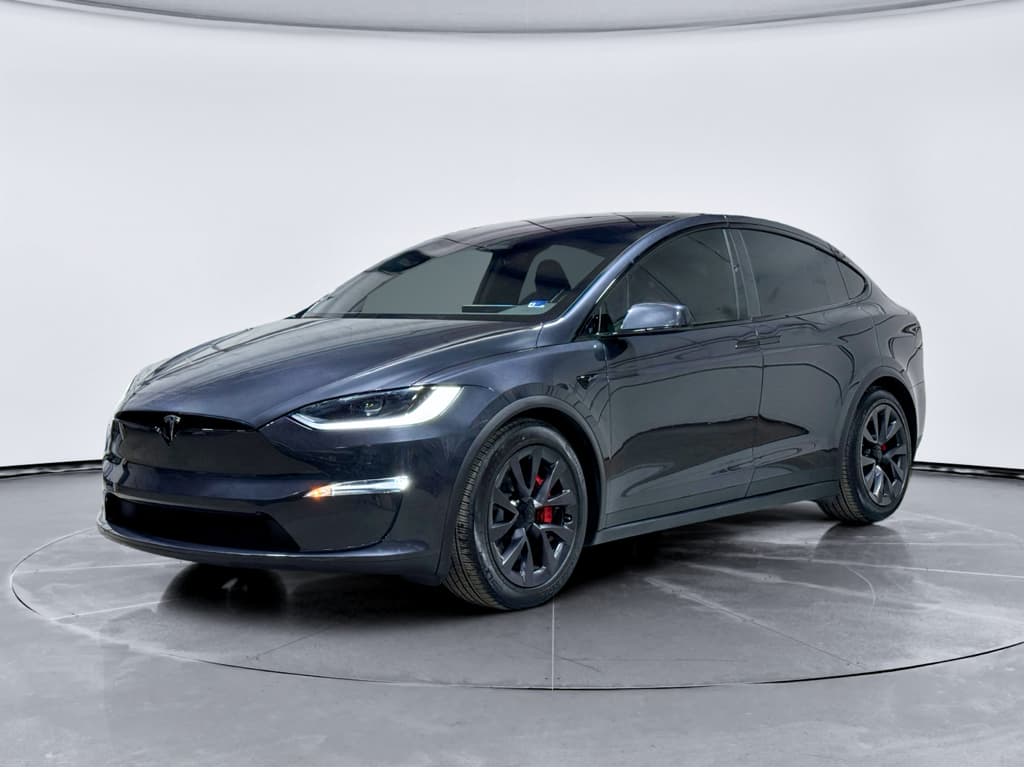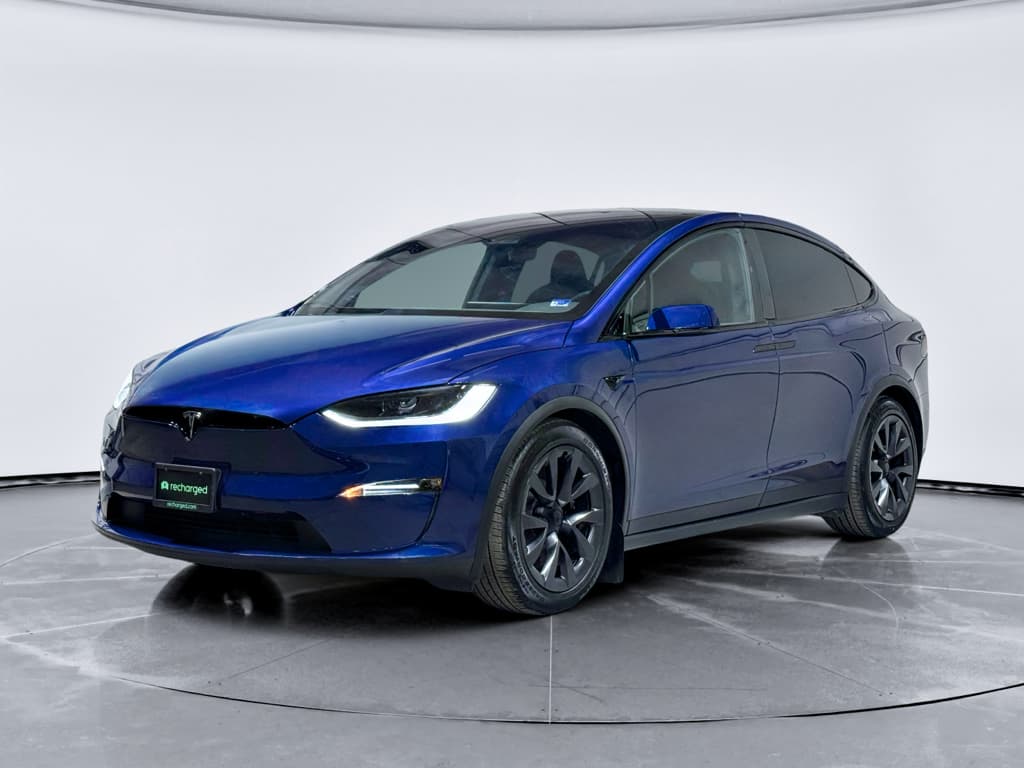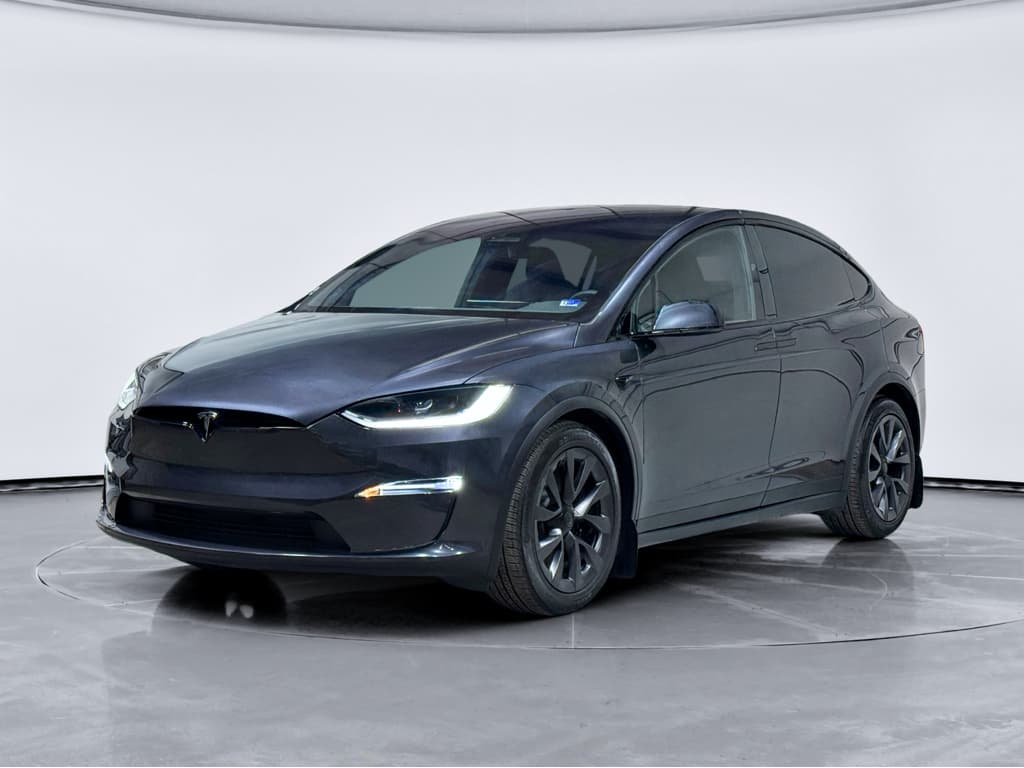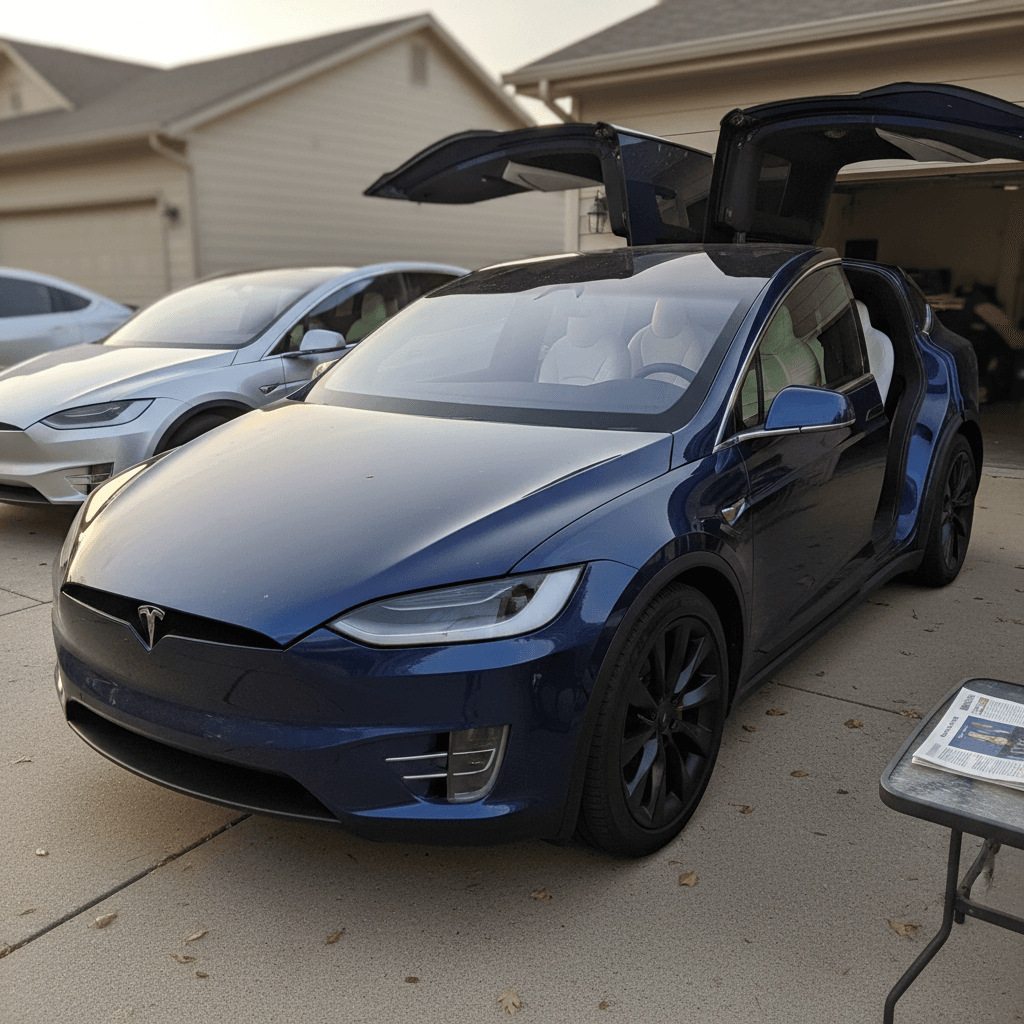
If you’re wondering whether the 2025 Tesla Model X is a good buy, you’re not alone. It’s one of the few all-electric, three‑row luxury SUVs with supercar acceleration and access to Tesla’s Supercharger network, yet it’s also expensive, aging, and now discontinued after 2025. That combination makes it both tempting and tricky, especially if you’re weighing it against a used Model X or something like a Mercedes EQS SUV or Kia EV9.
Key context for 2025 shoppers
Quick answer: Is the 2025 Model X a good buy?
When the 2025 Model X is a good buy
- You want an all‑electric, three‑row SUV that can genuinely replace a gasoline family hauler.
- You value long range (around 320–340 miles EPA depending on wheel choice and trim) and seamless road‑trip charging on the Tesla Supercharger network.
- You care more about performance and tech than having the very latest interior design.
- You find either a discounted new 2025 or a low‑mile 2023–2025 used example priced meaningfully below original MSRP.
When it’s not a great buy
- You don’t need three rows or the Falcon Wing doors, but still want a Tesla, Model Y or a non‑Tesla rival will be more rational.
- Price matters more than performance. New 2025 pricing typically runs in the high‑$80Ks to around $100K+ range, and even used examples aren’t cheap.
- You’re worried about long‑term parts availability and resale for a model that’s been discontinued.
- You prefer a traditional luxury SUV interior and dealership support experience.
Bottom line up front
2025 Model X trims, range, and performance
For 2025, Tesla keeps the Model X lineup simple: a dual‑motor all‑wheel‑drive version (often just called Model X or Long Range) and the tri‑motor Model X Plaid. Both share the same basic body and battery pack, but their personalities are very different.
2025 Tesla Model X snapshot
- Model X (dual motor) – All‑wheel drive, strong acceleration (0–60 mph in the mid‑3‑second range), and the longest range in the lineup, roughly 330–350 miles depending on wheel choice and conditions.
- Model X Plaid (tri‑motor) – Adds a third motor for staggering acceleration (around 2.5 seconds 0–60). Range is still very good, roughly low‑ to mid‑300s, but a bit lower than the dual‑motor, particularly on 22‑inch wheels.
- Charging – Both trims support high‑power DC fast charging and can use most Superchargers in North America. At home, you’ll charge on a 240‑volt Level 2 circuit, just like other EVs.
Wheel choice matters for range
What makes the 2025 Model X appealing?
Why shoppers still gravitate to the Model X
Strengths that are hard to replicate in one package
True three‑row EV
The Model X is one of the few EVs that can genuinely handle three rows of passengers plus cargo without feeling underpowered or short on range.
Supercar performance
Even the “regular” dual‑motor X is quick. The Plaid version is one of the fastest SUVs in the world, period.
Charging convenience
Access to Tesla’s Supercharger network still gives the Model X an edge for road‑trip simplicity, especially compared with many rival luxury EV SUVs.
Tech‑forward cockpit
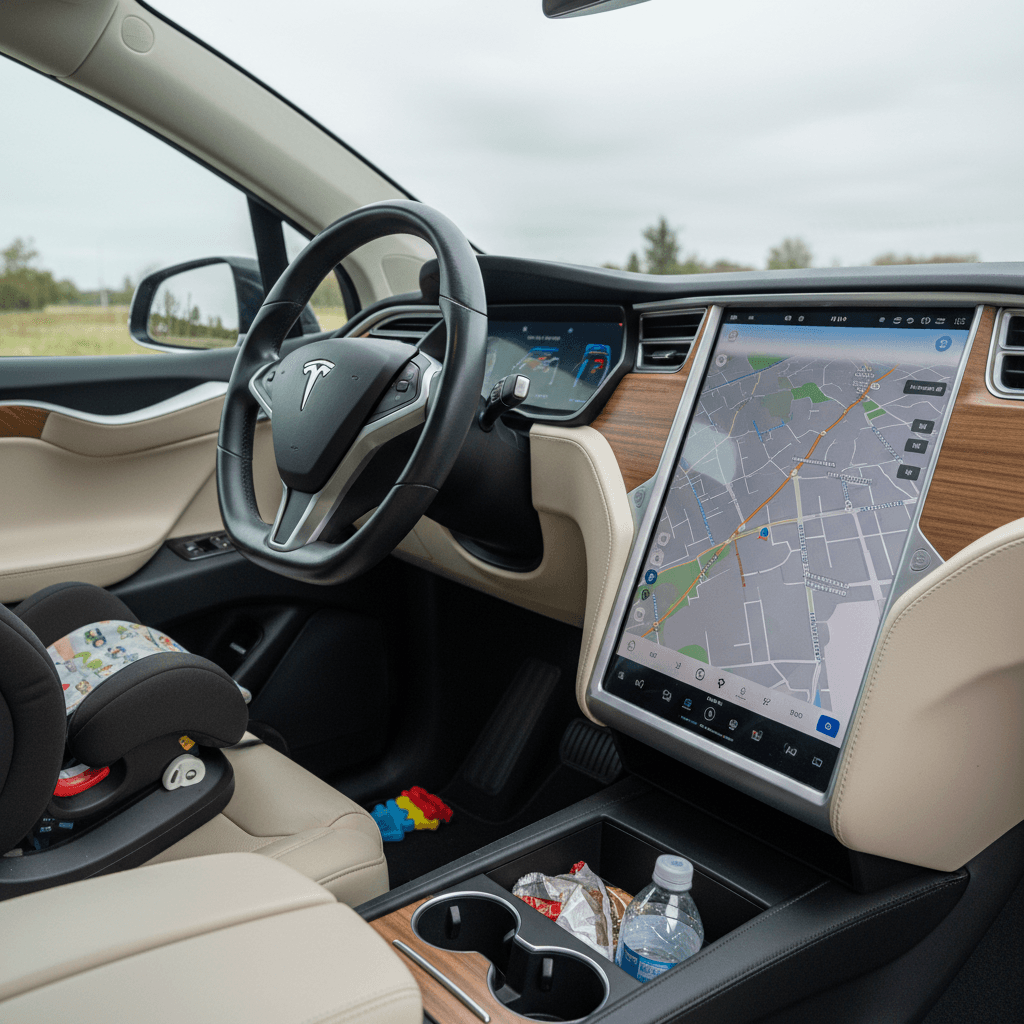
Massive center touchscreen, over‑the‑air software updates, and strong app integration make the X feel more like a rolling device than a traditional SUV.
Smooth, quiet drive
Air suspension, instant torque, and a low center of gravity make the Model X a relaxed highway cruiser despite its size.
Solid crash protection
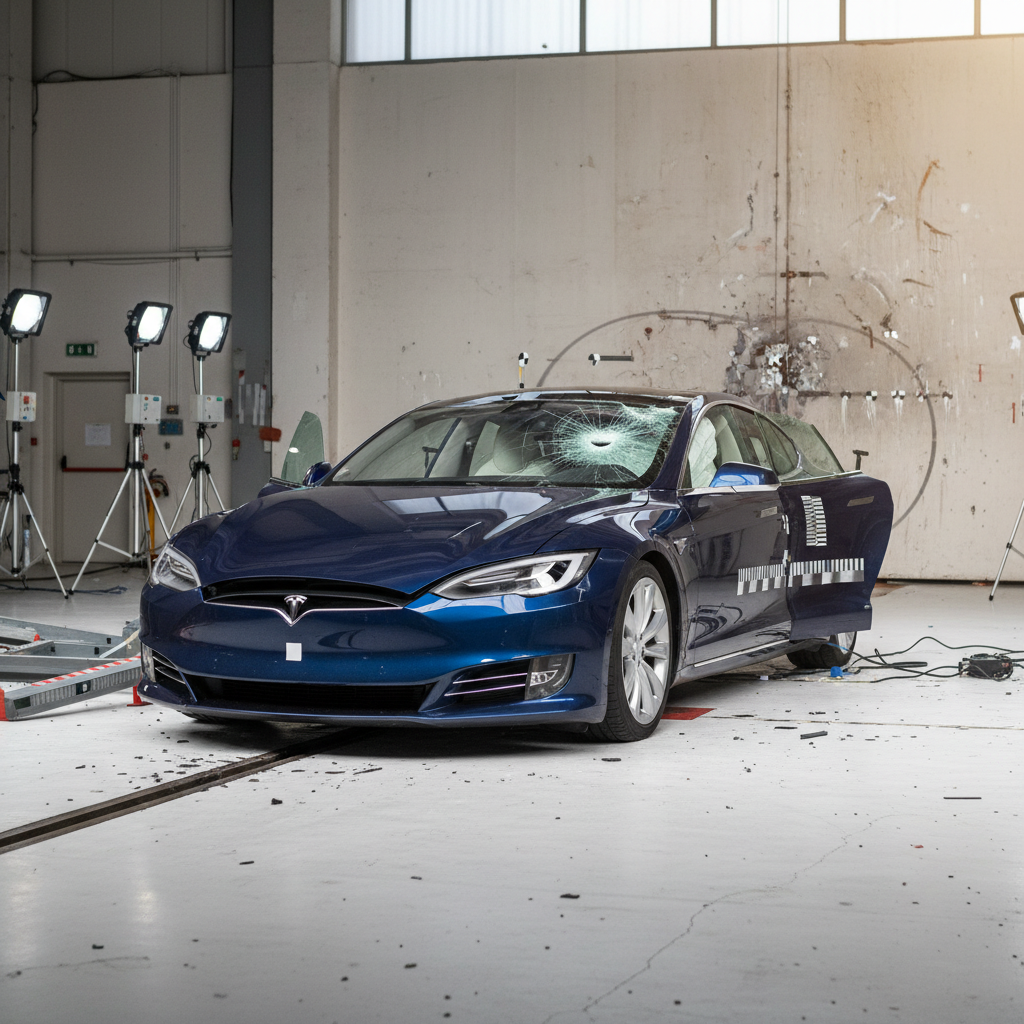
EV packaging (big crumple zones, low center of gravity) and Tesla’s active safety features combine for strong safety credentials relative to gas SUVs.
Software grows with the car
Where the 2025 Model X falls short
None of this means the 2025 Model X is perfect. In fact, many shoppers who love the idea of it end up walking away after they study price, practicality, and Tesla’s unique ownership experience. Here are the pain points you’ll want to think through before you sign anything.
- Price vs. cabin polish – The Model X costs like a flagship German SUV, but interior materials, seat comfort, and noise isolation don’t always feel as rich as an equivalent BMW, Mercedes, or Audi.
- Aging design – The basic interior and exterior design dates back years. Tesla has updated software and hardware along the way, but the X hasn’t seen the sort of full redesign rivals have.
- Quirky controls – The steering yoke (or yoke‑inspired wheel), touchscreen‑heavy controls, and minimal physical buttons are love‑it‑or‑hate‑it. If you prefer a conventional cockpit, sit in one before you buy.
- Build quality can be inconsistent – Panel gaps, wind noise, trim rattles, and Falcon Wing door alignment issues still show up in owner reports. Some examples are flawless; others are frustrating.
- Falcon Wing doors – They’re dramatic and genuinely helpful for tight parking lots, but add long‑term complexity. Out‑of‑warranty repairs can be pricey if something in the mechanism fails.
- Service and parts – Tesla’s direct‑to‑consumer service model works well for some owners and poorly for others. In some regions, waits for service appointments or parts can be longer than you’d see with a traditional dealer network.
Don’t buy on looks alone
New vs. used Model X: Depreciation and value
One of the biggest reasons shoppers ask whether the 2025 Model X is a good buy is depreciation. Like most luxury vehicles, the X drops a lot of value in its first few years, often tens of thousands of dollars, then levels out. That makes a carefully chosen used Model X potentially a much smarter financial move than buying a 2025 brand‑new.
How Tesla Model X value typically behaves
Illustrative example using typical market patterns for large luxury EVs; individual vehicles vary by mileage, options, and condition.
| Age of Model X | Typical buyer scenario | What you’re paying for | Pros | Cons |
|---|---|---|---|---|
| New 2025 | You order from Tesla or buy new inventory | Full 2025 price (often high‑$80Ks to $100K+) | Latest hardware, full warranty, your exact spec | Fastest depreciation, highest sales tax and insurance |
| 1–2 years old (2023–2024) | You buy a low‑mile used X | Roughly 20–30% off original MSRP in many cases | Sweet spot of price vs. remaining modern tech | You inherit someone else’s options and color choices |
| 3–5 years old (2020–2022) | You buy a well‑kept earlier refresh | Substantially lower price; big savings vs. new | Best value per dollar if battery health is strong | Shorter remaining warranty; more wear and tear |
Used buyers often capture the steepest depreciation that occurs in years 1–3.
What the depreciation math means for you
This is exactly where a marketplace like Recharged can help. Because Recharged focuses on used EVs, every Model X comes with a Recharged Score Report that includes verified battery health, fair‑market pricing based on real‑time data, and expert guidance on how that specific vehicle’s depreciation curve looks going forward. Instead of guessing whether a particular 2023 or 2024 X is a good deal, you get hard numbers.
2025 Model X reliability, safety, and battery health
Tesla has steadily improved the Model X over the years, but it’s still a complex vehicle with a lot of moving, and electronic, parts. When you’re deciding whether a 2025 Model X is a good buy, you’ll want to think about three related topics: general reliability, crash and active safety, and long‑term battery health.
What to know about owning a 2025 Model X long‑term
Mechanical reliability
The powertrain itself tends to be robust, but air suspension components, door mechanisms, and interior hardware can be trouble spots as the vehicle ages.
Safety & driver assist
Strong crash performance and standard active‑safety tech are positives. But driver‑assist systems still rely on the driver staying fully engaged, despite the marketing.
Battery longevity
Most Model X packs show moderate, gradual degradation. High‑mileage and repeatedly fast‑charged examples may lose more range, which is why a battery health check is critical.
Don’t skip the battery report on a used X
Pre‑purchase checks for any 2025 (or used) Model X
1. Confirm remaining battery capacity
Use a professional battery health scan (like the one in the Recharged Score Report) to understand how much usable capacity remains versus a new pack.
2. Inspect doors and seals closely
Check all doors and Falcon Wing doors for smooth operation, proper alignment, and unusual noises. Look for water leaks or excessive wind noise on a test drive.
3. Review service history
Ask for Tesla service records. Multiple visits for the same issue, particularly electrical gremlins, deserve extra scrutiny or a price discount.
4. Evaluate tire and suspension wear
The Model X is heavy and powerful. Uneven tire wear or a bouncy ride can signal alignment problems or tired suspension components.
5. Check software status
Verify that the car is on current software, that all features you expect (like premium connectivity or certain driver‑assist options) are active, and that there are no open recalls.
6. Confirm warranty coverage
Know exactly how much basic, powertrain, and battery warranty remains, and what’s transferable, before you commit.
Is the 2025 Model X still a smart buy now that it’s ending?
In early 2026, Tesla confirmed that the Model X (and Model S) will be phased out to free up manufacturing capacity for other projects, including its robot initiatives. That announcement caused used values for both models to tick up as shoppers realized this might be their last chance to buy Tesla’s flagship SUV.
Reasons the end of production helps 2025 buyers
- Short‑term resale support – Scarcity can support values in the near term; some buyers want “the last of the line.”
- Mature product – By 2025, many early‑run issues had been addressed, and software/hardware had years to mature.
- All the big updates are already baked in – You’re not buying just before a major redesign; you’re buying the final chapter.
Reasons it may give you pause
- No next‑gen Model X – If you like driving the latest generation of tech and design, this is as far as the X goes.
- Long‑term parts and support questions – Tesla should support vehicles for years, but their focus will increasingly be on high‑volume models.
- Policy and tax‑credit shifts – As EV incentives evolve, newer models on updated platforms may qualify for more favorable treatment than an end‑of‑line X.
Think in 5–8‑year terms
Who should, and shouldn’t, buy a 2025 Model X
Is the 2025 Model X a match for you?
Use this as a quick self‑screen before you dive into listings
Great fit if…
- You’re a family or road‑trip driver who needs real three‑row space and strong range.
- You value performance and tech more than soft‑touch leather and chrome‑plated cupholders.
- You’re comfortable with Tesla’s app‑centric service, charging, and ownership model.
- You’ve budgeted properly not just for the payment but for insurance, tires, and potential out‑of‑warranty repairs down the road.
Probably not your SUV if…
- You rarely use more than two rows and just want an efficient Tesla SUV, a Model Y makes more sense financially.
- You want the traditional luxury dealership experience with loaner cars and in‑person service advisors.
- You’re highly risk‑averse about new technology and prefer something simpler and cheaper to maintain.
- You expect rock‑solid panel fit and zero squeaks in a six‑figure SUV; the X can be too hit‑or‑miss for perfectionists.
Shopping tips and how Recharged can help
If you’ve decided the 2025 Model X, or a lightly used Model X from a nearby year, belongs on your shortlist, the next step is to shop strategically. This is not a vehicle where you want to impulse‑buy the first one with shiny paint and a full charge.
Smart ways to shop for a 2025 or used Model X
1. Decide new vs. used up front
Run payments, insurance, and tax implications for a new 2025 X versus a 1–4‑year‑old used example. Often you can get 90% of the experience for far less money by going used.
2. Prioritize battery health over miles
A well‑cared‑for 60,000‑mile Model X with strong battery health is often a better bet than a 20,000‑mile car that’s been fast‑charged daily and shows significant degradation.
3. Check options you can’t easily add later
Seat configuration (six vs. seven seats), tow package, wheel size, and interior color are hard or impossible to change later. Software upgrades are much easier.
4. Drive it the way you’ll use it
If you’ll have kids and cargo on board, test‑drive with passengers and gear. Use a familiar route with highway speeds to check noise, ride comfort, and performance with weight on board.
5. Get an independent evaluation
Beyond Tesla’s own inspection, a third‑party EV‑specialist look at the suspension, tires, brakes, and underbody can surface issues you’ll want to negotiate on or avoid.
6. Use data, not vibes, to judge price
Leverage pricing tools and condition‑adjusted comparables. On Recharged, every Model X comes with a <strong>Recharged Score Report</strong> that includes fair market pricing, depreciation outlook, and battery diagnostics so you can move quickly when a genuinely good deal appears.
How Recharged simplifies buying a used Model X
Ready to find your next EV?
Browse VehiclesFAQ: 2025 Tesla Model X buying questions
Frequently asked questions about buying a 2025 Model X
So, is the 2025 Tesla Model X a good buy? For the right driver, absolutely. It’s still one of the few vehicles that combines real three‑row utility, serious range, blistering performance, and road‑trip‑ready charging in one package. But it’s also expensive, imperfectly built, and nearing the end of its production run. That’s why the smartest Model X buyers today focus less on the badge and more on the specific vehicle: its price, its battery health, its service history, and its fit for their daily life. If you approach it that way, and lean on tools like the Recharged Score Report to separate great examples from risky ones, a 2025 or lightly used Model X can be far more than just a good buy. It can be the last gasoline‑era SUV you ever feel the need to own.