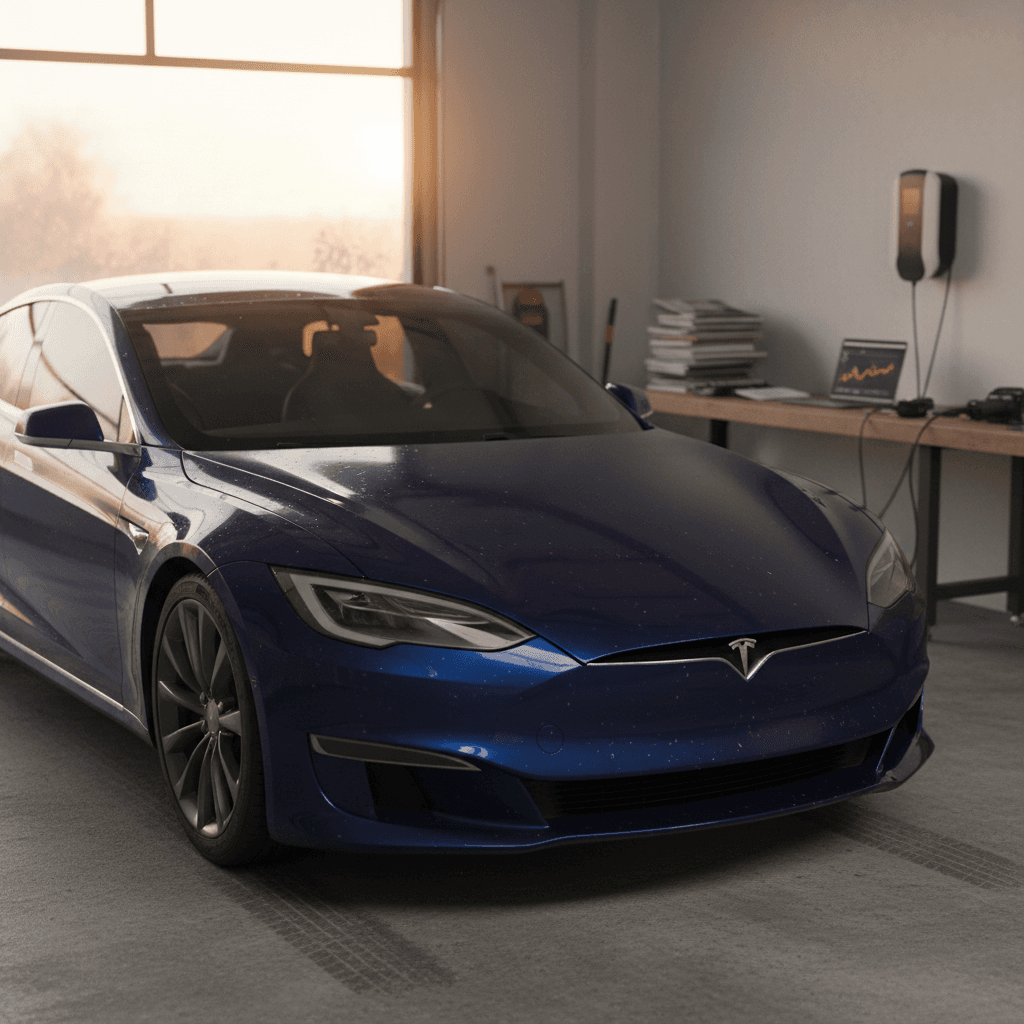
If you’re asking yourself whether the 2025 Tesla Model S is a good buy, you’ve picked a complicated moment in time. The car is as quick, efficient and tech-forward as ever, but as of early 2026 Tesla has officially stopped taking custom orders for the Model S. That turns this sleek flagship sedan into something unusual: a cutting‑edge EV that’s also an instant future classic.
Key Takeaway
Overview: Is the 2025 Tesla Model S a Good Buy?
2025 Tesla Model S at a Glance
The 2025 Model S sits in a strange but interesting spot. It’s not radically different from 2023–2024 cars; the big redesign happened back in 2021. Later tweaks added things like updated front fascia and camera placement, but mechanically you’re still getting the same basic package: enormous range, hypercar‑level acceleration in Plaid form, and Tesla’s mature software ecosystem.
- Pros: insane straight‑line performance, real 300+ mile highway range, Supercharger access, big hatchback practicality, minimalist interior with strong software
- Cons: discontinued model, spotty build quality history, controversial yoke/steering wheel ergonomics on some cars, expensive out‑of‑warranty repairs, stiff ride compared with luxury rivals
Discontinued in 2026
What’s Special (and Not) About the 2025 Model S
With Tesla, model years matter less than build dates. The 2025 Model S is essentially a continuation of the 2021–2024 “refresh” car: updated interior with the horizontal center screen, rear screen for passengers, heat pump, and the wild Plaid tri‑motor variant. For 2025, Tesla focused on small refinements and pricing tweaks rather than a wholesale redesign.
2025 Model S: What You’re Really Getting
Less about model year, more about generation
Mature Refresh Platform
The 2025 Model S is built on the 2021+ refresh platform, which means:
- Modern interior and infotainment
- Heat‑pump efficiency gains
- Updated crash and safety revisions over early cars
Still a Performance Benchmark
Even in Dual Motor form, the Model S outruns most performance sedans. The Plaid remains one of the quickest production cars ever sold, period.
Hardware & Software Maturity
By 2025, most early‑refresh software gremlins had been ironed out. You’re buying into a more stable version of the same hardware stack rather than a first‑year experiment.
Model Year vs Build Date
Pricing: What Is a 2025 Model S Worth in 2026?
Because Tesla pricing is a moving target and the Model S is now discontinued, values are in flux. Broadly, you’ll see Dual Motor (formerly Long Range) cars in the mid–$50,000s to mid–$70,000s depending on miles and options, with Plaid examples stretching into the $80,000–$90,000 range when mileage is low. Local markets and the general EV slump or rebound in your region can move those numbers up or down.
Typical Asking Prices for 2025 Tesla Model S (Early 2026, Used Market)
Approximate ranges for U.S. retail listings; your local market may vary.
| Trim / Mileage | Approx. Price Range | What You’re Getting |
|---|---|---|
| Dual Motor, 10k–20k mi | $65,000–$75,000 | Near‑new car, still under factory warranty, great for long‑range commuters |
| Dual Motor, 25k–40k mi | $55,000–$65,000 | Best value zone if battery checks out and service history is clean |
| Plaid, under 15k mi | $80,000–$95,000 | Supercar performance, likely enthusiast‑owned, premium wheels/paint |
| Plaid, 20k–35k mi | $70,000–$85,000 | Still brutally fast, better price but inspect tires, brakes, and battery closely |
Prices assume clean history and no obvious battery or accident issues.
How Discontinuation Affects Value
Trim Guide: 2025 Model S Dual Motor vs Plaid
Dual Motor (Formerly Long Range)
- Motors: Dual‑motor AWD
- Power: ~670 hp
- 0–60 mph: roughly 3.1 seconds
- Range: around 375–400+ miles EPA, depending on wheels
- Wheels: Smaller wheels often mean better efficiency and a nicer ride
For most buyers, this is the sweet spot. It’s already much quicker than anything with a German badge that doesn’t say "GT3" on the decklid, and you keep the excellent highway range.
Plaid
- Motors: Tri‑motor AWD
- Power: advertised around 1,000 hp
- 0–60 mph: as low as 1.99 seconds with rollout
- Range: a bit lower than Dual Motor due to performance tuning and wheels
- Wear: More stress on tires, brakes, and drivetrain; insurance can be higher
The Plaid is Tesla at full volume, a drag‑strip monster with a family‑car silhouette. It’s brilliant but arguably overkill unless you will regularly enjoy that performance.
Don’t Overbuy for the Launch Control You’ll Never Use
Battery, Range and Longevity
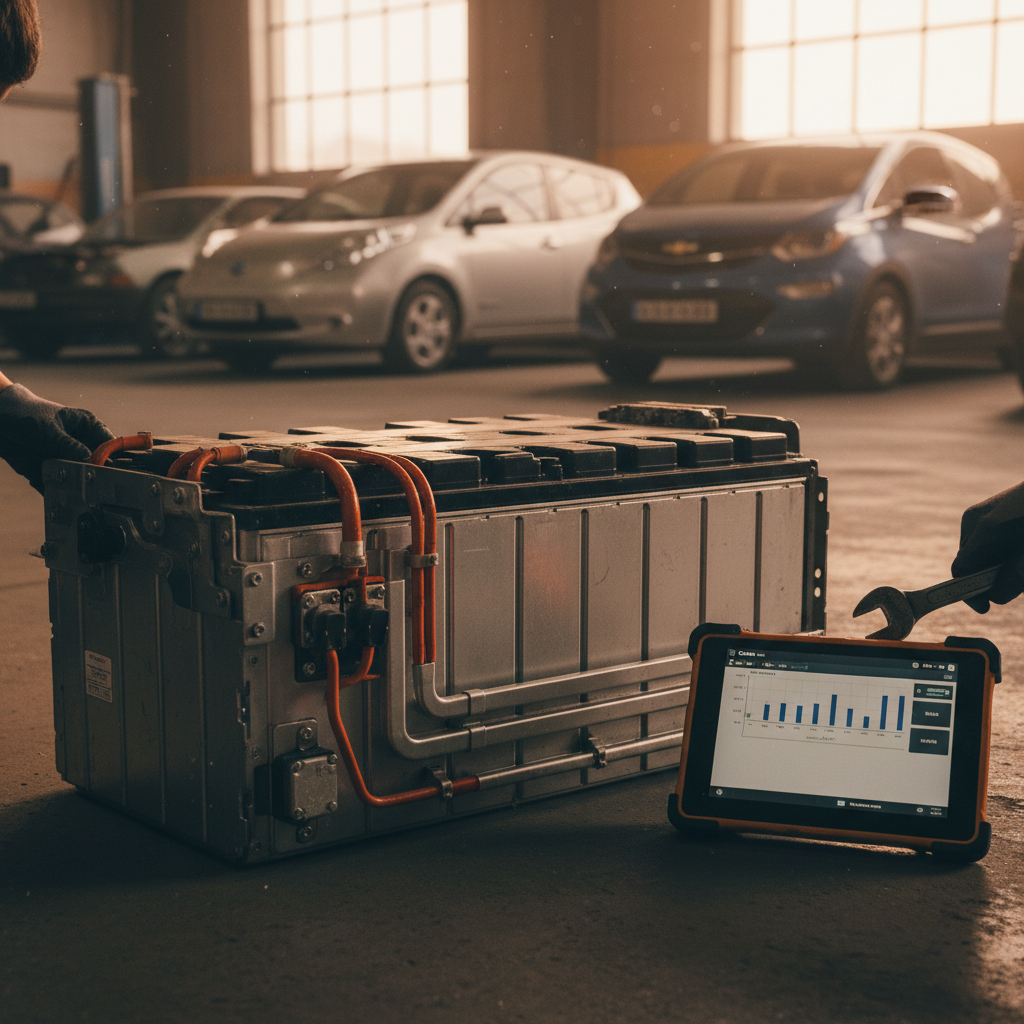
The battery is the whole ballgame with any used EV, and the 2025 Model S is no exception. Tesla’s big packs have generally shown modest degradation in the first 100,000 miles when treated reasonably, but failures do occur, and out‑of‑warranty replacement costs can be eye‑watering.
2025 Model S Battery: The Good and the Caveats
Why it’s a strength, and a risk
Excellent Real‑World Range
Even after a few years, many Model S owners report real‑world highway ranges over 300 miles, which is still elite today. For road‑trippers, this is the main reason to buy a Model S instead of a smaller Tesla.
Warranty Coverage
Most 2025 Model S cars will still be within the 8‑year/150,000‑mile battery and drive unit warranty (exact terms depend on spec). That’s a major safety net if you buy a low‑mileage example.
Degradation & Failure Risk
Some older Model S packs have experienced sudden failures or accelerated degradation. It’s not widespread panic territory, but it’s enough that you want independent, data‑driven battery health checks, not just assumptions based on the dash estimate.
Why a Third‑Party Battery Health Test Matters
At Recharged, every vehicle comes with a Recharged Score Report built around that kind of independent battery analysis. Instead of guessing from a percentage icon, you see how the pack compares to peers and how much real, usable range you should expect in daily driving.
Reliability and Ownership Experience
The Model S is simultaneously one of the most advanced and most polarizing EVs to live with. Owners who get a good car absolutely love it; owners with problem children can feel like unpaid beta testers. With a 2025 model, you’re buying into the tail end of a long production run, most glaring early‑generation issues have been addressed, but there are still some watch‑outs.
- Electronics & software: The car is a rolling computer. Over‑the‑air updates can fix bugs, but also occasionally introduce new ones.
- Interior trim and rattles: Build quality has improved versus early cars, but squeaks, rattles, or panel misalignment aren’t unheard of.
- Suspension & tires: Heavy car + massive torque = faster tire wear and increased stress on suspension components, especially on Plaid and/or 21" wheels.
- Service experience: Tesla’s service network can be excellent or frustratingly slow, depending on where you live. Mobile service is a plus, parts availability for a discontinued model may gradually become a minus.
Out‑of‑Warranty Sticker Shock
The Model S remains one of the most emotionally compelling ways to do 400 electric miles, but ownership is best suited to people who understand that cutting‑edge tech ages more like a smartphone than a Camry.
Charging Experience and Road Trips
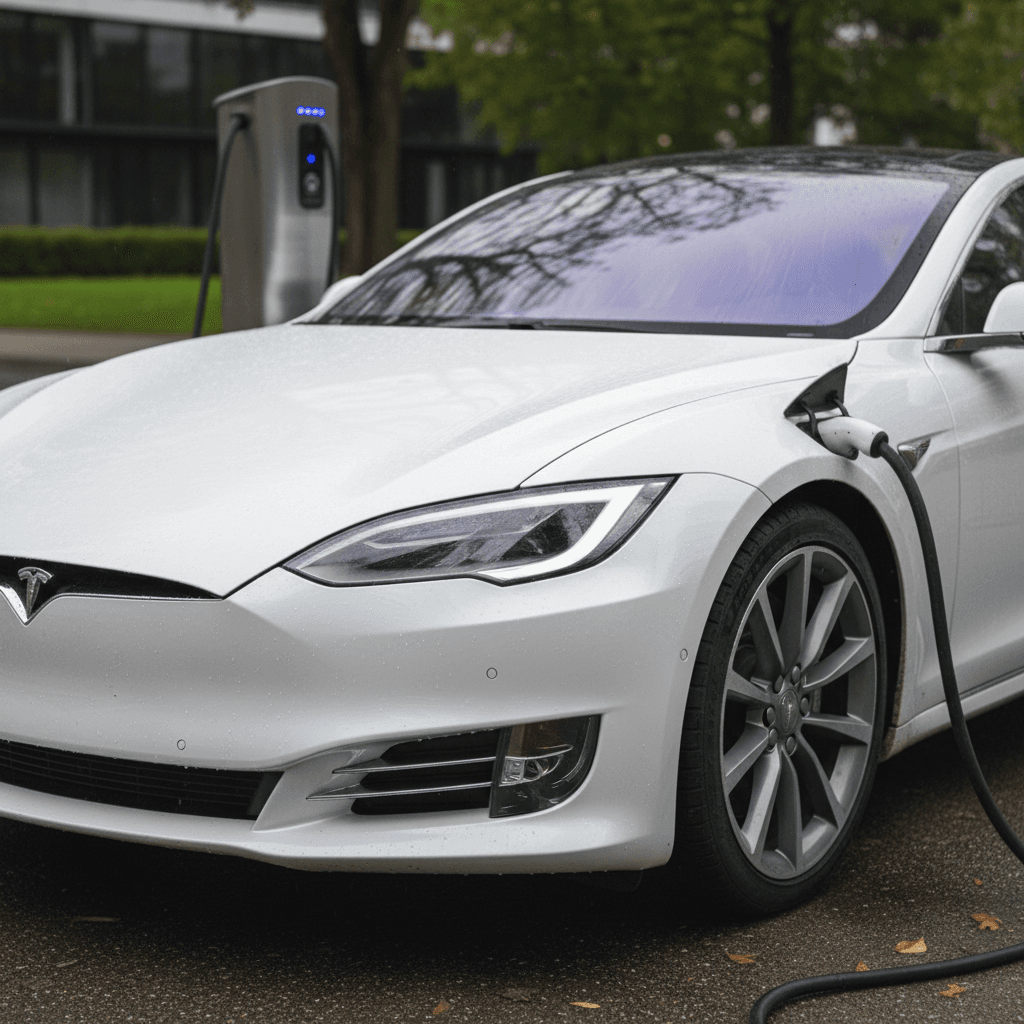
Here’s where a 2025 Tesla Model S still feels like cheating. With native NACS hardware and full access to Tesla’s Supercharger network, long trips are dramatically simpler than in most non‑Tesla EVs. Plug in, walk away, the car and station handle the rest.
Real‑World Charging With a 2025 Model S
Why the experience still matters in 2026
Supercharger Advantage
You get access to one of the densest fast‑charging networks in North America. Most sites are well‑lit, easy to use, and integrated with the car’s navigation so you can precondition the battery on the way.
Home Charging Considerations
A 240‑volt Level 2 charger at home turns the Model S into an effortless daily. Overnight top‑offs cover most weekly driving; the huge pack isn’t a liability as long as you can plug in at home or work.
Think About Your Charging Life, Not Just the Car
Who Should (and Shouldn’t) Buy a 2025 Model S
Great Buy For…
- High‑mileage drivers who routinely see 200–300 miles in a day and value fewer charging stops.
- Performance enthusiasts who want supercar acceleration in a four‑door package.
- Tech‑forward owners who like Tesla’s software‑centric approach and don’t mind learning the quirks.
- Used‑market shoppers who understand EV depreciation and want flagship hardware for mid‑range money.
Probably Not the Right Car If…
- You mainly drive short urban trips and rarely leave town.
- You prioritize traditional luxury cues: quiet isolation, plush ride, tactile buttons.
- You’re allergic to software glitches or changing interfaces.
- Your budget can’t comfortably absorb an unexpected major repair once the warranty is up.
Quick Verdict
Checklist: What to Check Before You Buy
Pre‑Purchase Checklist for a 2025 Model S
1. Get an Independent Battery Health Report
Ask for a recent, third‑party battery diagnostic, ideally something more rigorous than just the on‑screen range estimate. At Recharged, this is baked into the Recharged Score, so you don’t have to arrange it yourself.
2. Confirm Warranty Status and In‑Service Date
Verify the original in‑service date, mileage, and remaining coverage on the basic and battery/drive unit warranties. This matters more than the model year printed on the registration.
3. Review Service History and Recalls
Look for records of high‑voltage repairs, suspension work, and any repeated software‑related visits. A car that’s been to service five times for phantom alerts is telling you something.
4. Inspect Wheels, Tires and Brakes
Plaid and 21" wheel cars chew through performance tires. Check for uneven wear, curb rash, and brake life, these costs add up quickly on a heavy, fast EV.
5. Test All Driver‑Assist Features
On a thorough test drive, verify Autopilot, adaptive cruise, lane‑keeping, and parking features. Glitches can be software, hardware, or both, and diagnosing them after purchase is stressful.
6. Evaluate Interior Wear and Build Quality
Listen for rattles, check panel alignment, operate every window and seat function. A quiet, tight‑feeling car now is more likely to age gracefully.
7. Confirm Charging Hardware and Cables
Make sure you’re getting the correct charging cable, adapters, and that the charge port operates smoothly. Test fast‑charging performance if possible, poor rates can indicate battery or thermal issues.
How Recharged Can Help You Buy Smarter
Shopping for a discontinued flagship EV like the 2025 Model S is equal parts opportunity and risk. That’s exactly the kind of scenario Recharged was built for. Instead of rolling the dice on a random listing, you can shop a curated inventory of used EVs, Model S included, where the hard homework is already done.
Why Consider a 2025 Model S Through Recharged
Flagship EV, without the blind spots
Recharged Score Battery Diagnostics
Every vehicle includes a detailed Recharged Score Report with verified battery health and real‑world range expectations, so you’re not guessing from a dashboard percentage.
Transparent, Fair Pricing
Recharged benchmarks each car against the broader used‑EV market to keep pricing honest, especially important when a model like the S is rare and discontinued.
Nationwide, Digital‑First Experience
Browse online, get expert EV‑specialist support, line up financing or trade‑in, and have your car delivered nationwide, or visit the Recharged Experience Center in Richmond, VA.
Ready to find your next EV?
Browse VehiclesIf you already own an EV and want to move into a 2025 Model S, Recharged can also help with trade‑ins, instant offers, or consignment, so you don’t have to sell your old car privately to make the numbers work.
2025 Tesla Model S FAQ
Frequently Asked Questions About the 2025 Tesla Model S
Bottom Line: Is the 2025 Model S Worth It?
The 2025 Tesla Model S is an unusual proposition: a still‑state‑of‑the‑art electric flagship that’s already been sent to the history books by its own maker. That makes it both tempting and a little risky. If you buy carefully, prioritizing battery health, warranty runway, and clean history, it can deliver a driving experience no other used EV in its price range can touch.
If you just want a quiet, efficient electric appliance, this may be more car, more complexity, and more risk than you need. But if you’ve always wanted a Model S and you’re willing to approach the process with eyes open and good data, a 2025 can absolutely be a good buy in 2026, and with help from a used‑EV specialist like Recharged, it can also be a smart one.