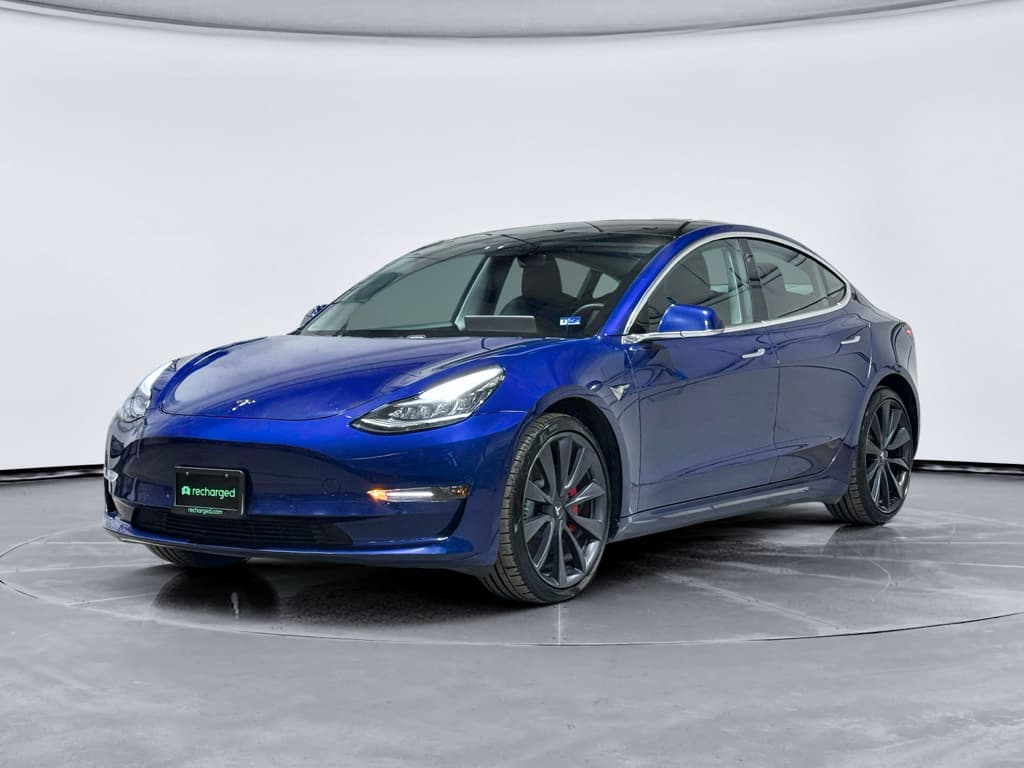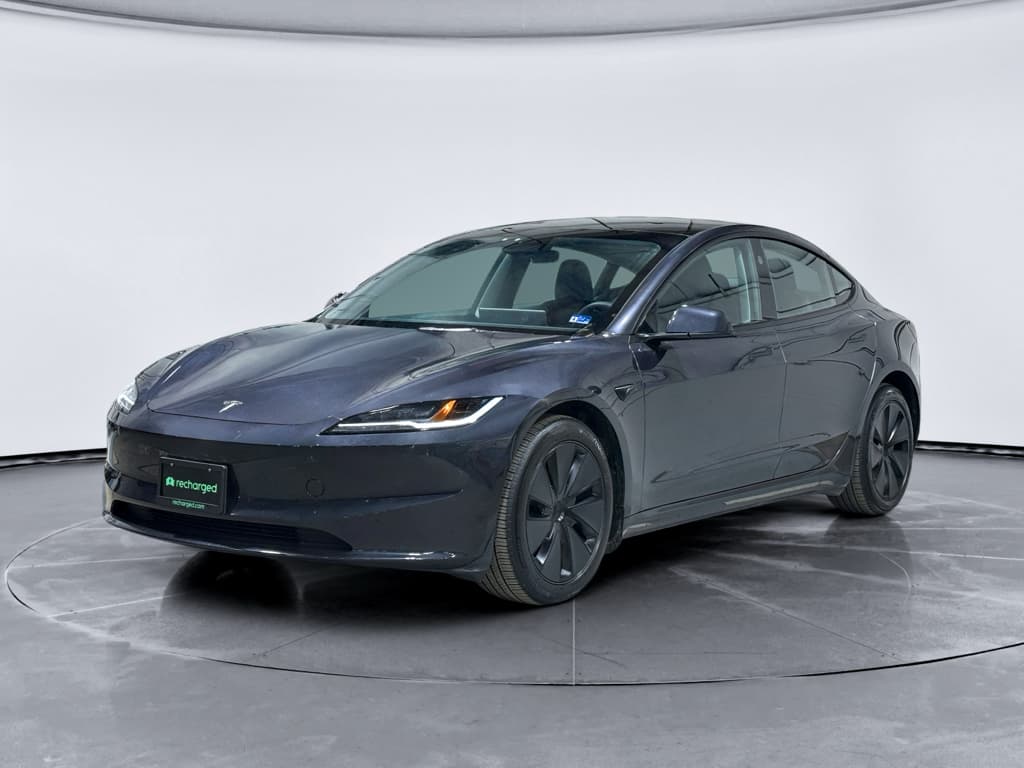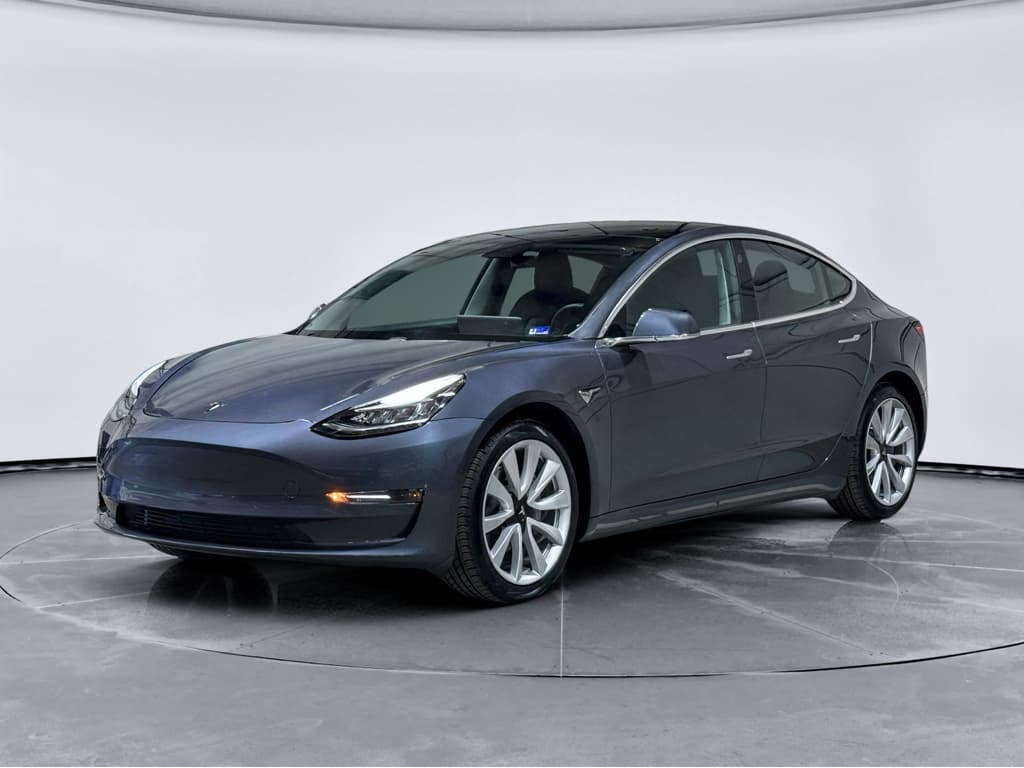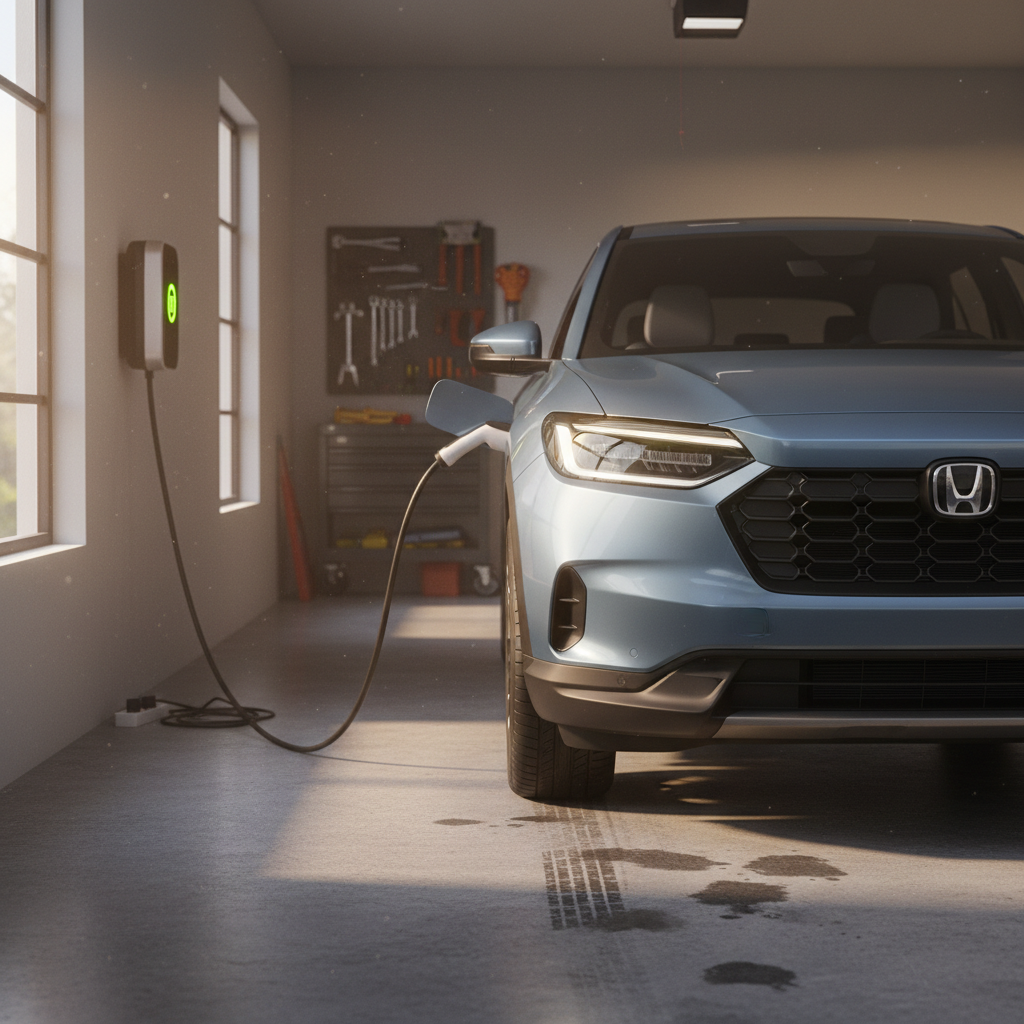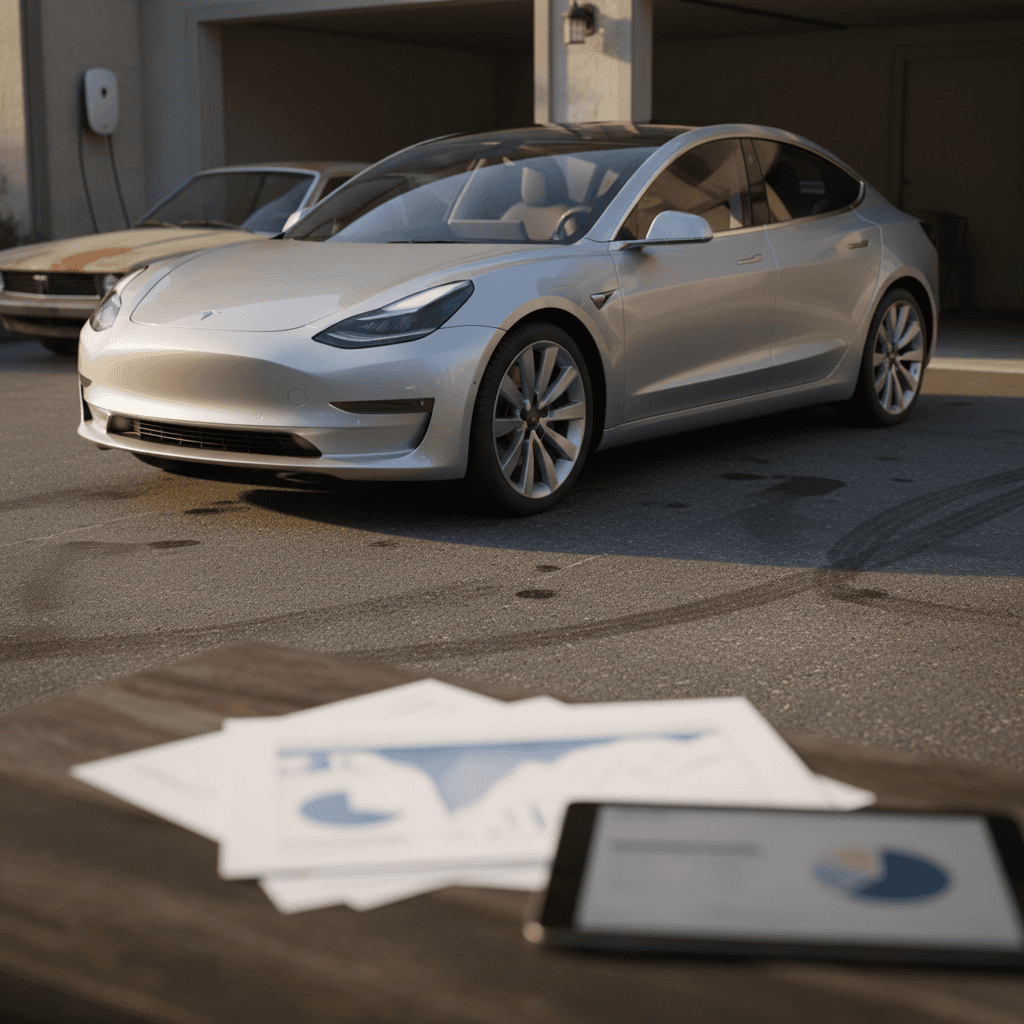
You’re not alone if you’re wondering whether the 2025 Tesla Model 3 is still a good buy in 2026. Between price cuts, software drama and a fast‑moving EV market, it’s fair to ask if this icon is a smart place to park your money, or a depreciation trap. Let’s walk through the data, the ownership experience, and how it stacks up against other used EVs so you can decide with clear eyes.
Context: what we mean by “2025 Model 3”
Short answer: is the 2025 Tesla Model 3 a good buy?
When it is a good buy
- You can buy slightly used (1–2 years old) after the steepest depreciation.
- You value charging access and efficiency more than cabin materials or dealer support.
- You’re comfortable with Tesla’s software‑first, service‑lite ownership model.
- You verify strong battery health and clean history up front.
When it’s not your best move
- You want traditional dealership service, loaners, and phone support.
- You’re highly sensitive to resale swings over the next 3–5 years.
- You need a hatchback/SUV body style, not a sedan trunk.
- You’re uneasy about Autopilot/FSD controversy or frequent UI changes.
Big picture
What changed with the 2025 Tesla Model 3 “Highland”?
The 2025 Model 3 in the U.S. is effectively the continuation of the "+Highland" refresh that rolled out globally starting in late 2023. That update did more than tweak the headlights, it reshaped what daily life with a Model 3 feels like.
Key 2025 Model 3 Highland changes
Most are subtle but meaningful if you’re cross‑shopping older years
Refined exterior
Quieter, nicer cabin
Ride & handling
- Steering stalks are gone, gear selection and turn signals move to the steering wheel and screen.
- The rear screen (on many builds) gives back‑seat passengers climate and media control.
- Front seats are more supportive, especially for longer drives.
- Tesla continues to iterate via over‑the‑air updates, so software behavior in a 2025 car can change over time.
Shopping tip
Pricing and depreciation: what you’ll actually pay
2025 Tesla Model 3 money snapshot (U.S., late 2025–early 2026)
A new 2025 Model 3’s sticker has bounced around as Tesla chases volume and reacts to incentives. The headline for you as a buyer: depreciation has already done a lot of work, and used prices are no longer in free‑fall the way they were in 2023–2024. The downside is volatility, Tesla can still move the market with a single price cut or incentive change.
Typical 2025 Model 3 price ranges in 2026
Approximate real‑world asking ranges in the U.S. for lightly used 2025 Model 3s (1–2 years old), assuming average miles and clean history. Exact numbers vary by market, equipment and mileage.
| Trim | Example use case | Typical asking range (used) | Notes |
|---|---|---|---|
| Rear‑Wheel Drive | Commuter, first EV | Low $30,000s | Least expensive way into a 2025; shorter range but still efficient. |
| Long Range | Frequent freeway, road trips | Mid–high $30,000s | Sweet spot for range and value in most U.S. climates. |
| Performance | Enthusiast, multi‑use | Low–mid $40,000s | Quickest but watch tire wear, insurance and wheel damage. |
Use these as guardrails, then adjust for mileage, options and battery health.
Watch the depreciation curve
Battery, range and charging: where the Model 3 still shines
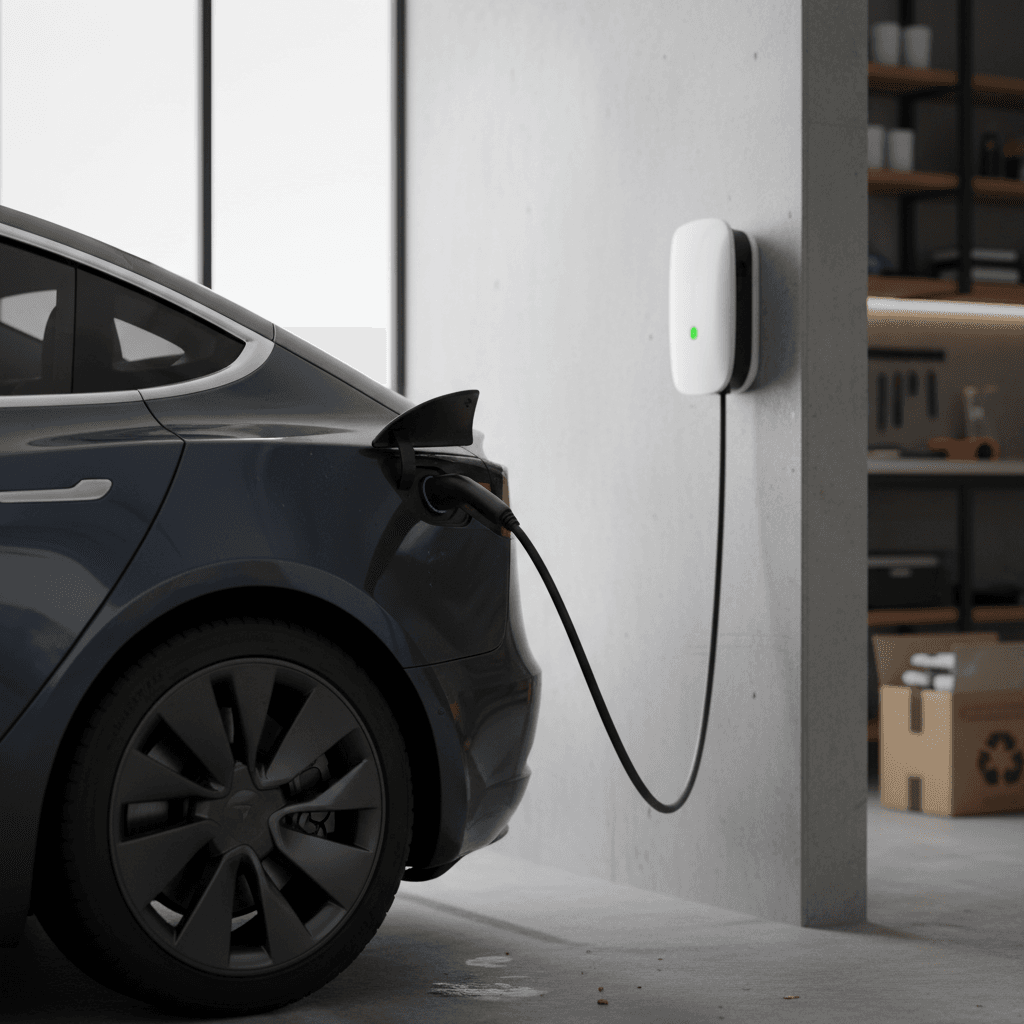
If you’re buying an EV, battery health and charging access matter more than 0–60 times. The 2025 Model 3 continues to be one of the most efficient electric sedans on sale, with real‑world range that often punches above its rated numbers when driven reasonably.
2025 Model 3 battery & charging strengths
What you’re getting beyond the badge
Strong usable range
Supercharger access
High efficiency
Battery chemistry note
Over time, every EV battery loses some capacity. The good news is that most Model 3 packs have shown slower real‑world degradation than early EV skeptics predicted, especially when owners avoid constant DC fast‑charging and extreme heat. The bad news is that replacement packs are still expensive, so verifying battery health on a used 2025 Model 3 is non‑negotiable.
How Recharged reduces battery guesswork
Ownership experience: tech, comfort and safety
Beyond the numbers, the 2025 Model 3’s appeal lives in daily use: quick acceleration, simple charging, and a tech‑forward cabin that still feels different from a traditional luxury sedan. But it’s not without trade‑offs.
What day‑to‑day life with a 2025 Model 3 feels like
Pros that win owners over, and the quirks you should know about
Minimalist, software‑first cabin
Comfortable, quiet ride
Strong safety performance
Autopilot and FSD expectations
On the support side, Tesla operates more like a tech company than a traditional dealer network. Service is app‑first, mobile technicians handle a lot of jobs, and communication is streamlined but can be impersonal. Some owners love the no‑haggling, no‑dealership model; others miss having a local advisor they know by name.
Downsides and risks before you buy a 2025 Model 3
- Depreciation volatility: Tesla’s history of sudden price cuts can move used values almost overnight, especially for nearly‑new cars.
- Build variability: Panel alignment and minor trim issues are better than in early years, but you still want to inspect close gaps, glass, and seals.
- Service access: If you live far from a Tesla Service Center, even simple issues may mean taking time off for visits or waiting for mobile service slots.
- Software changes: Over‑the‑air updates can improve the car, or change behavior in ways you may not like (UI rearrangements, feature gating, etc.).
- Trunk vs. hatchback: The Model 3’s sedan trunk is less flexible than a hatch or SUV if you haul bulky cargo. Families may be better in a Model Y or other compact SUV EV.
Don’t skip a history and damage check
Should you buy new or used 2025 Model 3?
Leaning toward a new 2025 Model 3
- You qualify for attractive financing or lease rates that offset first‑year depreciation.
- You want the latest hardware build and software configuration from day one.
- You plan to keep the car 7–10 years, so early depreciation is less important.
- Peace of mind from full factory warranty is worth the premium to you.
Leaning toward a used 2025 Model 3
- You’d rather let the first owner absorb the sharpest value drop.
- You can verify battery health and get a documented service history.
- You’re cross‑shopping 3–5‑year‑old EVs and care about cost per mile.
- You want more car for the money versus a brand‑new, smaller EV.
How Recharged can help you split the difference
How the 2025 Model 3 compares to other used EVs
2025 Model 3 vs popular used EV alternatives
High‑level comparison focused on the questions most shoppers actually ask: range, space, and running costs.
| Model | Body style | Real‑world range (approx.) | Interior space | Charging experience | Who it fits best |
|---|---|---|---|---|---|
| 2025 Tesla Model 3 | Compact sedan | 230–330 mi depending on trim | Tight rear headroom, sedan trunk | Excellent: Superchargers + growing NACS options | Drivers who prioritize efficiency, tech, and road‑trip ease. |
| Hyundai Ioniq 5 (’22–’24) | Compact SUV | 220–290 mi | More headroom, hatchback utility | Good: CCS fast‑charging, expanding NACS access over time | Families who want more cargo space and a softer ride. |
| Chevy Bolt EUV (’22–’23) | Subcompact hatch | 200–240 mi | Smaller but tall cabin | Adequate: slower fast‑charging, future NACS support emerging | Budget buyers with modest range needs. |
| Polestar 2 (’22–’24) | Premium liftback | 220–270 mi | More upscale interior feel | Good CCS fast‑charging, NACS adapters rolling out | Buyers who want something less common than a Tesla. |
Use this table to decide whether a 2025 Model 3 fits your life better than a used compact SUV or another sedan.
Why the Model 3 still dominates road‑trip math
Checklist when shopping for a 2025 Tesla Model 3
2025 Model 3 buyer’s checklist
1. Confirm build, trim and options
Verify it’s truly a 2025 Highland‑spec car and confirm whether you’re looking at RWD, Long Range or Performance. Check for option packages like upgraded wheels or premium audio.
2. Pull the full vehicle history
Look for accident records, airbag deployments, theft, floods and repeated body‑shop visits. Walk away from anything with unclear or missing history, especially on salvaged or rebuilt titles.
3. Get objective battery health data
Don’t rely solely on an in‑car range estimate. Use a trusted battery health report, like the <strong>Recharged Score</strong>, or an independent EV‑savvy shop that can interpret pack data.
4. Inspect tires, wheels and suspension
Performance trims and large wheels are more prone to curb rash, bent wheels and accelerated tire wear. Listen for clunks over bumps and check for uneven tire wear that might indicate alignment issues.
5. Test all driver‑assist and safety features
Make sure adaptive cruise, lane‑keeping, cameras, parking sensors and emergency braking all behave as expected. Verify whether paid software options like FSD are actually attached to the car and will transfer.
6. Evaluate charging fit for your life
Confirm you have a realistic home‑charging plan, 120V will work for light users, but most buyers will want a 240V Level 2 solution. Look at your typical weekly miles and how often you’ll lean on DC fast‑charging.
7. Run the total cost of ownership
Factor in insurance (often higher than average), electricity vs. gas savings, expected maintenance (tires, brakes, suspension) and projected depreciation over the years you plan to keep the car.
8. Compare to a 3–5‑year‑old EV
Before you commit, price‑compare a lightly used 2025 Model 3 against slightly older competitors. In some cases a 3‑ or 4‑year‑old Model 3 with excellent battery health can deliver similar value for less money.
FAQ: 2025 Tesla Model 3 buying questions
Frequently asked questions about buying a 2025 Model 3
Bottom line: is it a good buy for you?
The 2025 Tesla Model 3 remains one of the most compelling all‑around EVs you can buy in 2026, especially if you value efficiency, fast and simple charging, and a modern driving experience. Its biggest weaknesses aren’t in the battery or the way it drives, they’re in depreciation volatility, service accessibility and the reality that software and policy can change underneath you.
If you go in clear‑eyed, buy at a sensible price, and insist on a transparent look at battery health and history, the 2025 Model 3 can be a very good buy. If you’d rather not navigate all of that alone, Recharged was built around exactly this problem: helping shoppers find used EVs, Model 3s included, with verified battery health, fair market pricing, financing, trade‑in options and nationwide delivery, all backed by EV‑specialist support from first click to final signature.