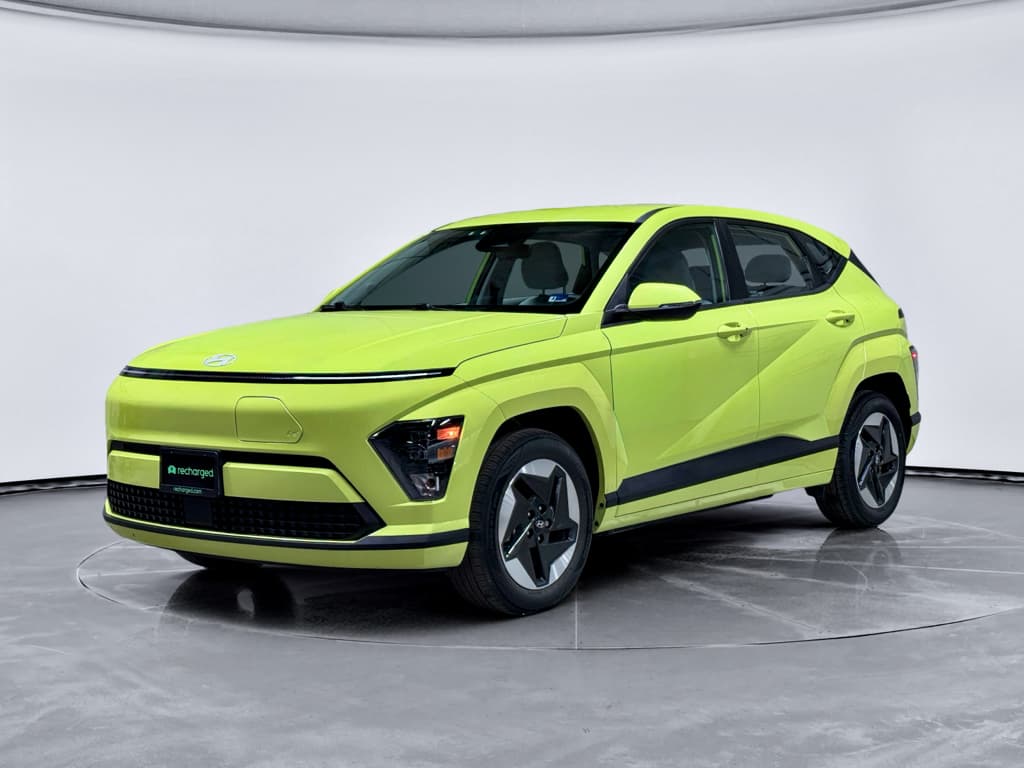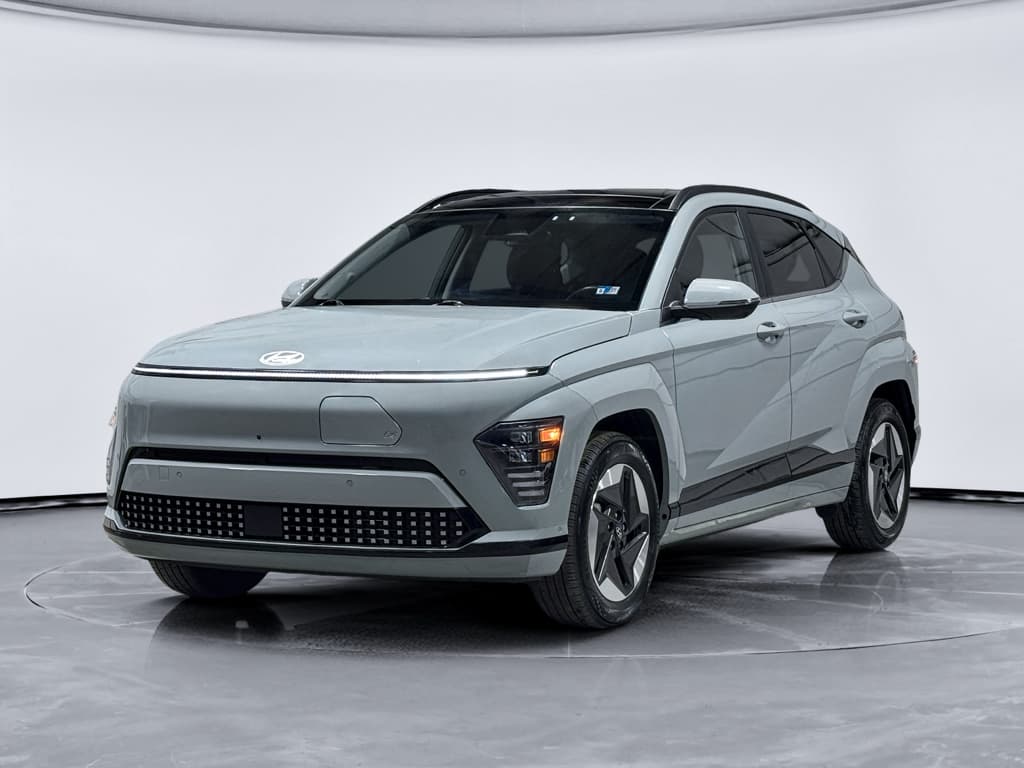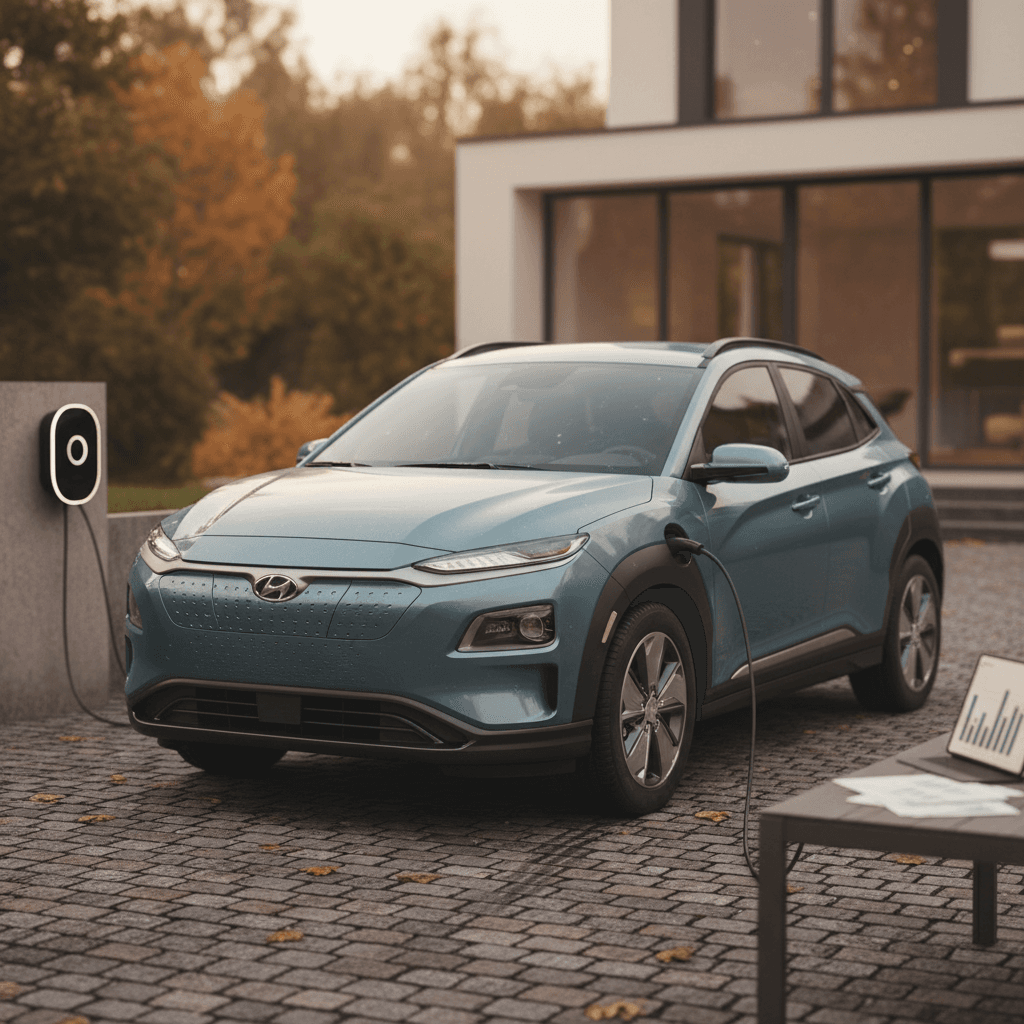
If you’re shopping affordable EVs, it’s natural to ask “is the 2025 Hyundai Kona Electric a good buy?” On paper, it’s one of the most efficient electric SUVs on the market, with solid range, a long warranty, and much lower prices than many trendy crossovers. But it’s also a subcompact with some quirks, uneven dealer support, and a complicated reliability story that you should understand before you sign on the dotted line, especially if you’re looking at a used one.
The short version
Quick answer: Is the 2025 Hyundai Kona Electric a good buy?
When it is a good buy
- You want one of the most efficient EVs sold in the U.S. today.
- Your driving is mostly commuting and around‑town errands, not cross‑country road trips.
- You value driver‑assist tech and comfort features more than brute power.
- You’re open to buying a **used** 2025 Kona Electric once they start coming off lease, to maximize value.
When it’s not the best choice
- You routinely drive 300+ mile days and rely on public fast charging.
- You need generous rear‑seat space for adults or teens.
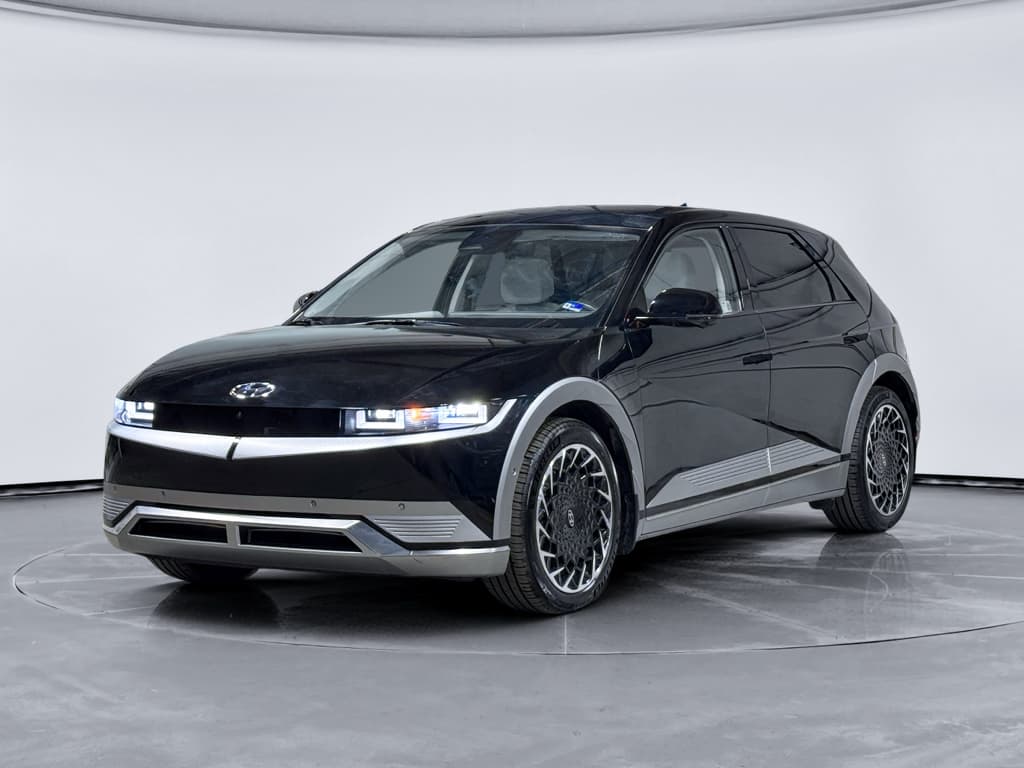
- You want the fastest DC charging or an 800‑volt architecture (think Hyundai Ioniq 5/6, Kia EV6).
- You hate dealing with dealer‑centric service networks and want a fully direct‑to‑consumer ecosystem.
2025 Hyundai Kona Electric: key numbers at a glance
2025 Kona Electric basics: trims, range & pricing
For 2025, the Hyundai Kona Electric sits in the subcompact SUV class. It’s front‑wheel drive only, with two battery options and four primary trims in the U.S.: SE, SEL, N Line, and Limited. The big picture is simple: the SE is the range‑shorter budget play, while SEL, N Line, and Limited get the bigger pack and more power.
2025 Hyundai Kona Electric trims (U.S.)
High‑level overview of how the 2025 Kona Electric lineup is structured. Exact specs and pricing vary slightly by region and options.
| Trim | Battery (usable) | Approx. EPA range | Power | Highlights (simplified) |
|---|---|---|---|---|
| SE | 48.6 kWh | ~200 mi | Lower output single motor | Entry price, smaller battery, lighter weight |
| SEL | 64.8 kWh | ~240–250 mi | Higher output single motor | Longer range, more equipment value sweet spot |
| N Line | 64.8 kWh | ~235–245 mi | Same power, sport‑tuned | Sportier styling and tuning vs. SEL |
| Limited | 64.8 kWh | Up to ~261 mi | Same power, loaded | Most luxury features, longest rated range |
Always confirm final pricing, options and range numbers on Hyundai’s official site and with your dealer.
Trim‑choice tip
What the 2025 Kona Electric does really well
Core strengths of the 2025 Kona Electric
Why this subcompact EV punches above its weight
Outstanding efficiency
Compelling value
Strong warranty coverage
Everyday strengths you’ll notice in daily driving
Not just spreadsheet wins, these matter in traffic
Easy to live with
Smooth, responsive performance
Modern cabin tech
Where the 2025 Kona Electric falls short
- Tight rear seat and cargo space. This is fundamentally a subcompact, not a mid‑size crossover. Adults will notice the limited rear legroom, and cargo with seats up is fine for groceries, not great for big strollers and gear.
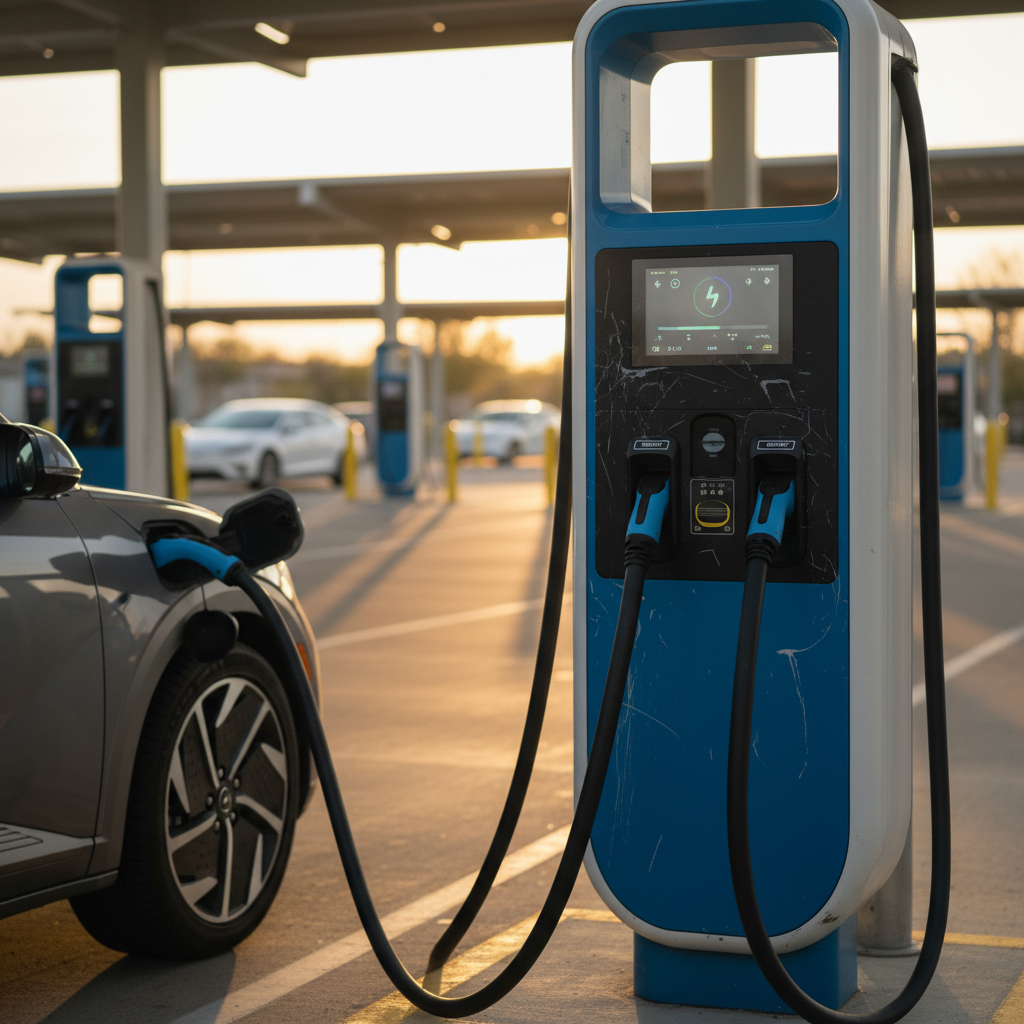
- DC fast‑charging is just OK. The Kona Electric’s peak DC rate and charge curve are acceptable for occasional road trips, but nowhere near the ultra‑fast 800‑volt setups in newer Hyundai/Kia EVs. If your life revolves around public fast charging, this matters.
- Front‑wheel drive only. There’s no all‑wheel‑drive option. That’s fine for many climates, but something to factor in if you live where winter gets serious and you’re used to AWD.
- Dealer experience is hit‑or‑miss. Hyundai’s retail model means your experience will depend heavily on your local dealer, from pricing transparency to whether they actually understand EV service and warranty processes.
- Not as future‑proof on charging tech. The Kona Electric sticks with a fairly conventional 400‑volt architecture and modest DC rates. It doesn’t offer the cutting‑edge charging sophistication of Hyundai’s E‑GMP‑based EVs.
Space reality check
Range and charging: real-world ownership
On paper, the 2025 Hyundai Kona Electric delivers roughly 200–261 miles of EPA range, depending on trim and battery. In real life, efficiency is the Kona’s superpower. Drivers who stay near the speed limit and do mostly suburban or city driving often see better than EPA range, squeezing extra miles out of the relatively modest pack.
Daily commuting sweet spot
If your routine looks like 30–70 miles per day, the Kona Electric is nearly ideal. You can charge overnight on a Level 2 home charger, wake up with a full battery, and rarely think about public charging. Even the smaller‑battery SE can easily cover a typical American commute with margin for detours.
Because the Kona is so efficient, you’re not paying to lug around a huge battery you rarely use, something that quietly matters over the long term.
Road trips and fast charging
The flip side is long‑distance travel. The Kona Electric’s DC fast‑charging speeds are good enough for occasional weekend trips, but if you’re regularly stringing together 250–350‑mile days, you’ll feel the slower charging and modest peak rates compared with newer EV platforms.
If your lifestyle is road‑trip‑heavy, you may want to look at an E‑GMP‑based Hyundai or Kia, or a rival with faster DC performance.
Charging strategy tip
Reliability, recalls & battery health
Earlier generations of the Kona Electric were caught up in high‑profile battery recalls overseas and saw mixed reliability scores, in part because any early‑EV issue gets amplified. By the time you get to the 2023–2025 generation, the picture is more nuanced: owner satisfaction is generally good, major battery‑pack failures are rare, but there are still scattered reports of drivetrain noise, warning lights, or electronics gremlins that can be slow to resolve at some dealers.
What we know about Kona Electric reliability so far
How it stacks up against other affordable EVs
Battery longevity looks solid
Some drivetrain and electronics quirks
Dealer‑dependent experience
Used‑EV due diligence is non‑negotiable
2025 Kona Electric vs. key rivals
To decide if the 2025 Hyundai Kona Electric is a good buy, you have to look at what else is out there in the same budget. Think of rivals like the Nissan Leaf, Chevrolet Equinox EV, Kia Niro EV, and some older used Teslas.
How the 2025 Kona Electric stacks up
High‑level comparison vs. common alternatives for budget‑minded EV shoppers.
| Model | Typical price (new or comparable used) | Approx. range | Charging strength | Key advantage vs. Kona | Key drawback vs. Kona |
|---|---|---|---|---|---|
| Hyundai Kona Electric (2025) | Low‑ to mid‑$30Ks new; attractive used pricing | ~200–261 mi | OK DC, strong efficiency | Top‑tier efficiency, strong warranty, familiar crossover feel | Tight rear seat; DC charging only average |
| Nissan Leaf (latest) | Often cheaper used than Kona | ~150–215 mi | Older CHAdeMO standard | Lower purchase price, simple tech | Shorter range on base cars, CHAdeMO limits fast‑charging options long‑term |
| Kia Niro EV | Similar or slightly higher | ~253 mi | Comparable | More interior space and cargo | Generally pricier; efficiency not quite as strong |
| Chevrolet Equinox EV | Competitive new; used market still developing | ~250–300+ mi (trim‑dependent) | Modern CCS/NACS fast charging | More space, longer range, newer architecture | Higher transaction prices; early‑adopter unknowns |
| Older used Tesla Model 3 | Varies widely by year/miles, often similar money used | ~220–300+ mi | Very strong DC on Supercharger network | Road‑trip‑ready fast charging and software ecosystem | Sedan form factor; older cars may have more wear and tear |
Specs and pricing are approximate; always check current data when you’re actually shopping.
Where the Kona Electric really earns its keep
Who the 2025 Kona Electric is (and isn’t) for
Great fit for
- Suburban commuters with consistent daily mileage and the ability to charge at home or work.
- First‑time EV buyers who want something that still feels like a normal small SUV.
- Cost‑sensitive shoppers who care about efficiency and warranty more than prestige or maximum range.
- Multi‑car households where the Kona Electric can handle the bulk of miles while a gas or long‑range EV covers occasional road trips.
Not ideal for
- Families who routinely carry four adults and lots of cargo.
- Drivers who live on DC fast chargers because they can’t install home charging.
- Shoppers who want the latest 800‑volt tech, AWD and 300+ miles of range in a single package.
- People burned out on dealing with traditional dealer sales tactics and who prefer a fully online, fixed‑price buying model end‑to‑end.
Buying tips: new vs. used and what to check
Smart steps before you buy a 2025 Kona Electric
1. Start with how you’ll drive it
Write down your <strong>typical daily mileage</strong>, how often you take 200–300‑mile trips, and whether you can install home charging. If you mostly drive locally and can plug in at home, the Kona Electric jumps up your shortlist.
2. Pick the right trim for your use
If budget allows, prioritize the <strong>larger‑battery trims</strong> (SEL, N Line, Limited). The extra flexibility is worth it for most owners, and these trims tend to be more desirable on the used market.
3. Get a proper battery‑health report
For used examples, insist on <strong>objective battery diagnostics</strong>, not just a guess based on range left in the gauge. Recharged’s <strong>Recharged Score</strong> includes quantified battery health so you know what you’re buying.
4. Check for recalls and software updates
Ask for documentation that <strong>recall work and key software updates</strong> have been completed. Many EV issues are resolved, or at least improved, by updated firmware.
5. Evaluate dealer and service options
Search reviews for your local Hyundai dealers with an eye toward <strong>EV service experiences</strong>. A good EV‑literate service department can make ownership dramatically smoother.
6. Plan your charging setup early
If you’re a homeowner, budget for a <strong>proper Level 2 charger</strong> and any electrical work. If you rent, research workplace and public Level 2 options along with DC fast‑charging networks you’ll rely on.
How Recharged can simplify the process
FAQ: 2025 Hyundai Kona Electric
Frequently asked questions about the 2025 Kona Electric
Bottom line: Should you buy a 2025 Hyundai Kona Electric?
If you strip away the hype and focus on fundamentals, the 2025 Hyundai Kona Electric is a very competent, very efficient small EV that makes a ton of sense for the right driver. It’s not the most spacious, the fastest‑charging, or the flashiest. What it offers instead is an honest combination of range, efficiency, warranty coverage, and everyday usability that fits how most people actually drive.
So, is the 2025 Hyundai Kona Electric a good buy? For commuters and budget‑conscious shoppers who can charge at home and don’t need a big family hauler, the answer is a confident yes, especially once 2025 models start showing up on the used EV market, where its efficiency and warranty can shine. If you’re that driver, and you want transparency around battery health, fair pricing, and EV‑savvy guidance, a Recharged‑inspected Kona Electric is one of the cleaner, lower‑risk ways to step into electric ownership.