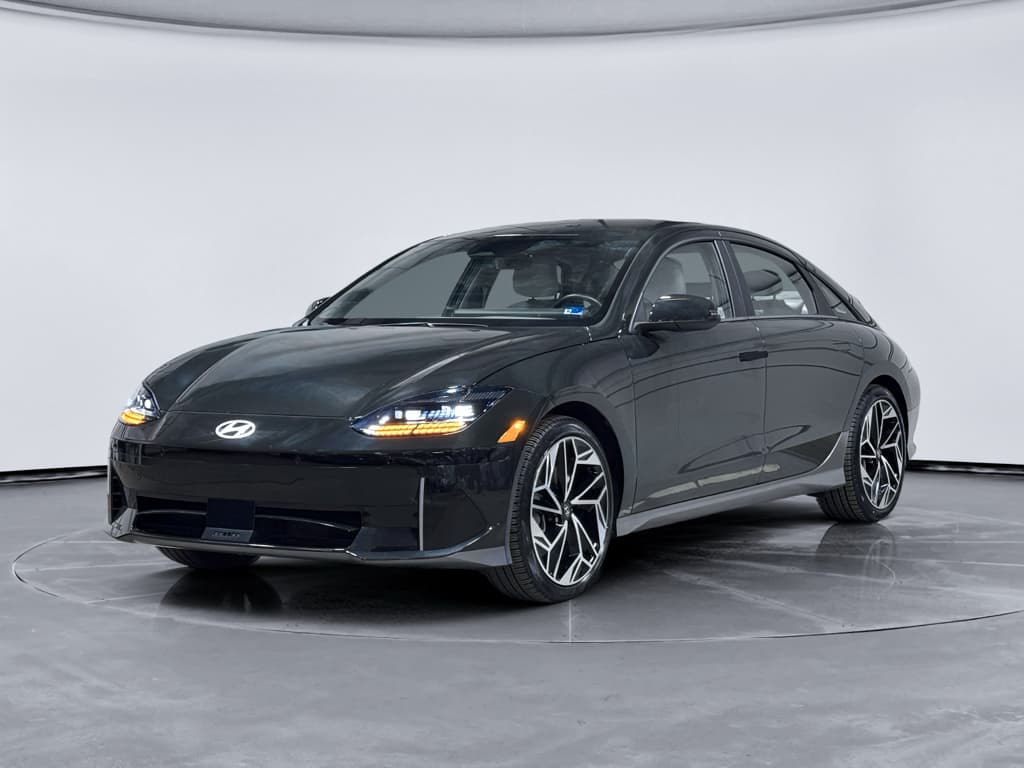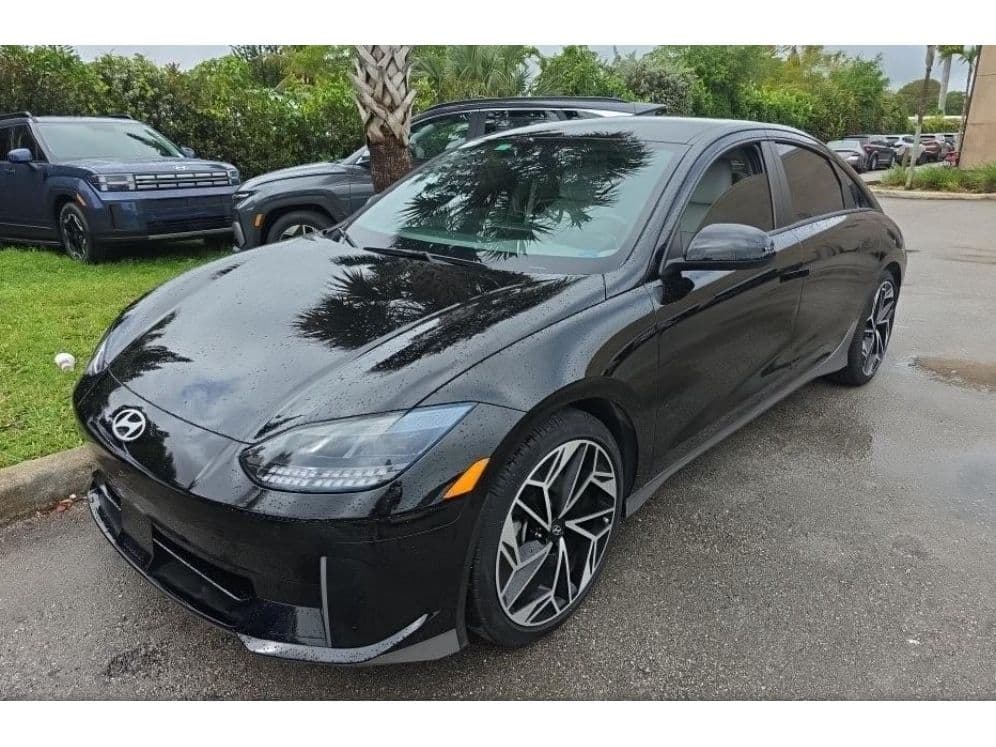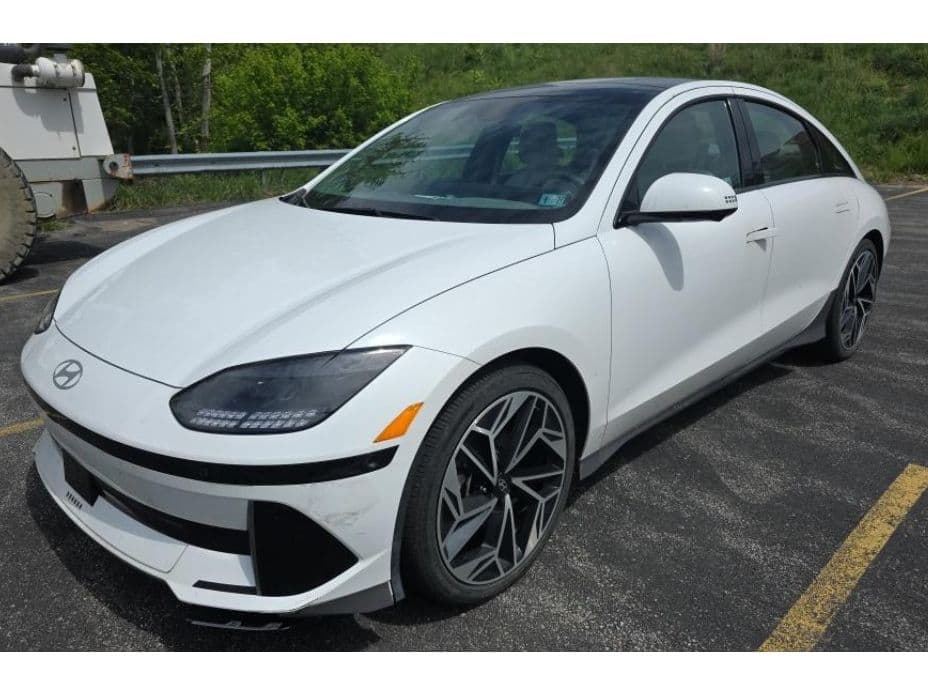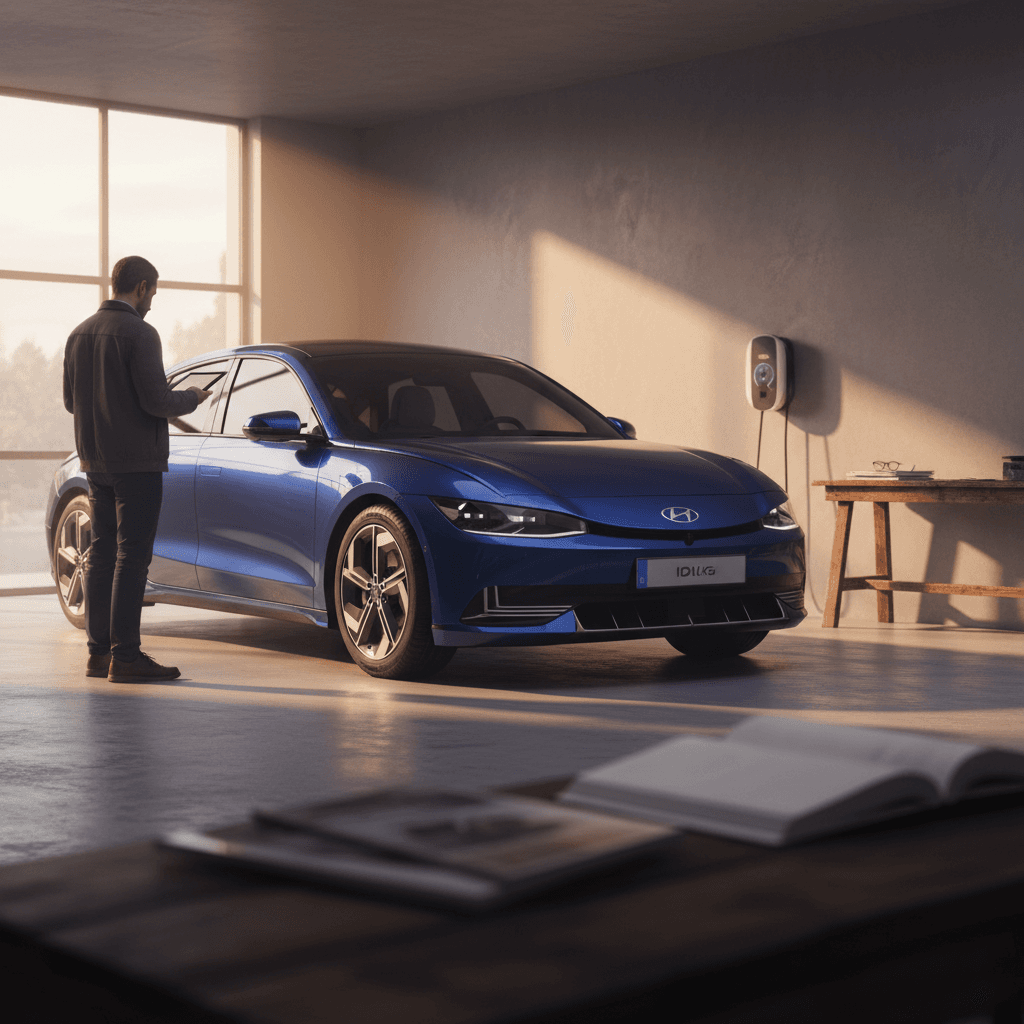
You’re looking at the 2025 Hyundai Ioniq 6 and wondering, **“Is this actually a good buy?”** On paper it’s one of the most efficient EVs you can buy, with ultra‑fast charging and a wild, wind‑tunnel‑smooth shape. In the real world, though, you care about range, reliability, warranty support, and what it’ll be like to live with, especially if you’re eyeing a used Ioniq 6 on a marketplace like Recharged.
Snapshot: 2025 Ioniq 6 in one sentence
Quick answer: Is the 2025 Ioniq 6 a good buy?
2025 Hyundai Ioniq 6 key numbers (US market)
If you prioritize **range, efficiency and charging speed** over a high‑riding SUV body, the 2025 Hyundai Ioniq 6 is absolutely a **good buy**, often a better one than more familiar names like the Tesla Model 3 for road‑trip ease and comfort. Where you need to keep your eyes open is on: - Early‑run **ICCU (charging electronics) failures** that Hyundai has been addressing through software and hardware updates - The sedan body style in a market that pays a resale premium for SUVs - How the specific car you’re buying has been driven and charged over its first few years This is where buying through a marketplace like Recharged helps: every car gets a Recharged Score battery‑health report, transparent pricing, and EV‑savvy guidance so you’re not guessing about range or past issues.
Rule of thumb
What changed for 2025 vs. 2024 Ioniq 6
Hyundai didn’t reinvent the Ioniq 6 for 2025, the big styling and engineering refresh is scheduled for the 2026 model year. Instead, the 2025 car is a **lightly updated** version of the 2024, which can be good news for reliability because you’re not dealing with brand‑new hardware.
2025 vs. 2024 Ioniq 6: the meaningful differences
Small tweaks, same basic strengths
Equipment and tech
- High‑end trims pick up **standard head‑up display** and small feature tweaks depending on market.
- Infotainment and driver‑assist tech remain broadly the same layout and interface as 2024.
Range & efficiency
- EPA ranges still run from the **mid‑200s to mid‑300s** miles depending on trim, wheels and drivetrain.
- Some trims see a tiny range adjustment on paper; real‑world differences are negligible.
Pricing
- MSRP nudges upward versus 2024, but Hyundai and dealers often counter with incentives or discounts.
- Because sedans are slower sellers than SUVs, **real transaction prices** can be attractive, especially on remaining inventory and nearly new used cars.
Reliability running changes
- Hyundai continues to push **ICCU‑related software and component updates** across the E‑GMP lineup.
- By 2025 production, many early glitches have been ironed out, and affected cars are typically covered under warranty.
Don’t overpay for the badge year
Range, battery and charging: what to expect
The Ioniq 6’s superpower is **efficiency**. Hyundai offers two battery sizes globally, but in the US the story is simple: you’ll almost always see the larger **77.4 kWh “Long Range” pack**, with either rear‑wheel drive (single motor) or HTRAC all‑wheel drive (dual motor). Official EPA ratings for 2025 track closely with the 2023–2024 cars: roughly **240–342 miles** depending on trim, wheel size, and drivetrain, with the most efficient rear‑drive models on smaller wheels at the top of the range and AWD on 20‑inch wheels at the bottom.
Typical 2025 Ioniq 6 range by configuration (approximate EPA)
Exact EPA figures vary slightly by trim and wheel size, but this gives you a realistic ballpark.
| Configuration | Battery | Drive | Wheels | Approx. EPA range |
|---|---|---|---|---|
| SE / SEL Long Range | 77.4 kWh | RWD | 18 in | Mid‑330s miles |
| Limited Long Range | 77.4 kWh | RWD | 20 in | High‑200s to low‑300s miles |
| SE / SEL Long Range AWD | 77.4 kWh | AWD | 18 in | Low‑300s miles |
| Limited Long Range AWD | 77.4 kWh | AWD | 20 in | Around 240–260 miles |
Choose spec carefully, wheels and drivetrain can swing range by 80–100 miles.
Real‑world range reality check
Everyday charging
- AC charging: Onboard charger supports up to roughly 10–11 kW on Level 2, so a 48‑amp home charger can take you from low to full overnight.
- Apartment life: If you’re limited to slower public Level 2, the Ioniq 6’s efficiency means you get more miles per hour of charging than many rivals.
- Hyundai has historically bundled free DC fast‑charging sessions with new purchases; by 2025 the specific offers change, so read the fine print.
Road‑trip charging
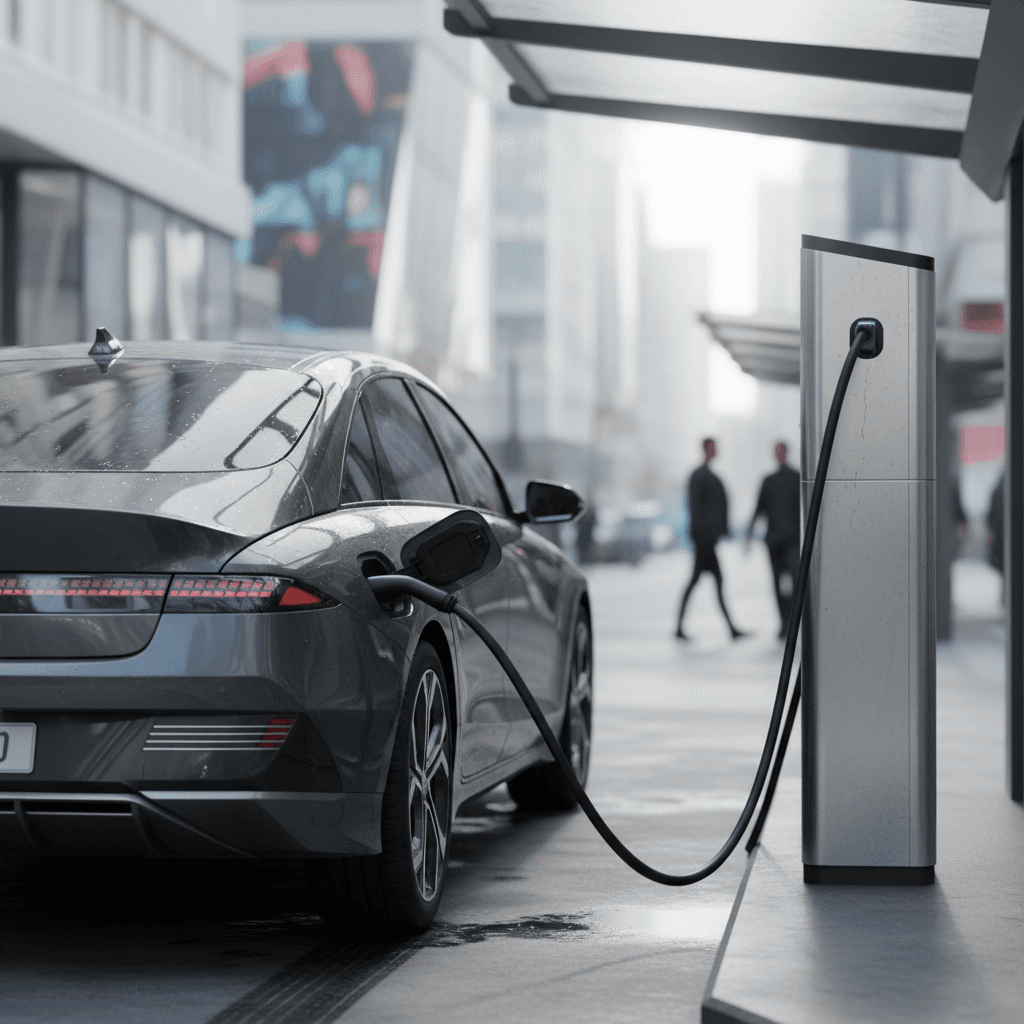
- 800‑volt architecture: On a 350 kW high‑power DC charger, Hyundai quotes **10–80% in about 18 minutes** under ideal conditions.
- Peak speeds: Peak DC rates are competitive with or better than many rivals in this price class, and the charge curve is generally well managed.
- Network reality: Your experience will depend on charger quality (Electrify America, EVgo, etc.) and how busy the station is, so plan extra buffer time.
Driving experience, comfort and tech
If you grew up on crossovers, the Ioniq 6’s **low, slippery sedan body** can be a surprise, in a good way. It feels planted and quiet, with the kind of relaxed, long‑legged gait that makes highway miles disappear. In all‑wheel‑drive form it’s properly quick; in rear‑drive guise it’s more about easy torque than neck‑snapping launches.
- Cabin is airy up front, with a minimalist dash and wide twin screens that feel modern but not gimmicky.
- The rear seat offers good legroom; headroom is tighter for tall passengers because of the coupe‑like roofline.
- Ride quality skews comfortable rather than sporty; it’s softer than a Tesla Model 3 and closer to a Polestar 2 or VW ID.7 in feel.
- Noise isolation is strong for the class, wind and road noise are well controlled at US freeway speeds.
Driver‑assist and infotainment
Reliability and known issues: ICCU and more
Here’s where you’ve probably heard some noise. The Ioniq 6 rides on Hyundai’s **E‑GMP platform**, shared with the Ioniq 5, Kia EV6 and others. That’s good, shared parts and experience, but it also means the sedan has inherited some of the same early‑generation teething problems, especially around the **ICCU (Integrated Charging Control Unit)** and DC fast‑charging components.
Known reliability themes to understand
1. ICCU and charging electronics
A subset of early E‑GMP cars have suffered ICCU failures or charging faults that can strand the vehicle or prevent proper DC fast‑charging. Hyundai has been rolling out software updates, TSBs and component replacements under warranty. When shopping, confirm any related recall or service bulletins have been performed.
2. Charge‑port door and weather issues
Some 2023–2025 Ioniq 6 models have been recalled for charge‑port door problems where the cover could detach. It’s an annoyance more than a safety crisis, but it’s worth verifying recall completion on any car you’re considering.
3. Software updates and bug fixes
Like most modern EVs, the Ioniq 6 is software‑heavy. Infotainment glitches, warning lights and occasional driver‑assist quirks crop up in owner forums but are often resolved with updates. A car with a documented service history is worth more than one with missing records.
4. Battery longevity outlook
Long‑term data is still building, but early reports suggest Hyundai’s E‑GMP packs are holding capacity well when owners avoid chronic 100% DC fast‑charging. Here, a third‑party battery‑health check, like the <strong>Recharged Score</strong>, is worth its weight in gold.
Why your dealer choice matters
Pricing, deals and resale value
New‑EV pricing shifts almost monthly in 2025 and 2026, but the Ioniq 6 sits in an interesting sweet spot. It’s **less of a household name than the Ioniq 5 or Tesla Model 3**, so demand is softer, which can be your opportunity.
How the 2025 Ioniq 6 stacks up on value
Sticker price is only part of the story
New car pricing
MSRPs for the 2025 Ioniq 6 span from the high $30Ks into the $50Ks for a loaded AWD Limited. But in the real world, Hyundai and dealers often apply manufacturer incentives, dealer discounts, or low‑APR financing to keep cars moving.
Used & off‑lease deals
Because sedans trail SUVs in popularity, slightly used Ioniq 6s often list for **less than comparable Ioniq 5s or Model 3s**, even with similar battery size and range. That makes them compelling on marketplaces like Recharged, where you can compare battery health and pricing side by side.
Resale value
Resale performance is solid but not class‑leading. The Ioniq 6 doesn’t hold value quite like a Tesla, but that also means **you benefit on the buy‑in**. Over 5–8 years, total cost of ownership can undercut many gas sedans once you factor in fuel and maintenance savings.
Leasing vs. buying
How the 2025 Ioniq 6 compares to rivals
2025 Ioniq 6 vs key electric sedan rivals
High‑level comparison of where the Ioniq 6 shines and where competitors fight back.
| Model | Body style | Max EPA range (approx.) | Charging strength | Notable pros | Potential downsides |
|---|---|---|---|---|---|
| Hyundai Ioniq 6 | Mid‑size sedan | Up to mid‑330s miles | Excellent 800V fast‑charging | Superb efficiency, comfy ride, strong warranty | Less brand cachet, sedan‑only body |
| Tesla Model 3 | Compact sedan | High‑300s in some trims | Very strong on Supercharger network | Great efficiency, huge charging network | Ride can be firmer, interior more austere |
| Polestar 2 | Liftback sedan | High‑200s to low‑300s | Good but not class‑leading | Premium feel, Scandinavian design | Less rear space, smaller dealer network |
| VW ID.7 (where available) | Large hatchback | Low‑300s (est.) | Competitive DC speeds | Spacious, practical cabin | Brand new model; long‑term data thin |
| Ioniq 5 (sibling SUV) | Compact SUV | Low‑300s | Same 800V platform | Higher seating position, more cargo | Less slippery; range a touch lower at speed |
Think of the Ioniq 6 as the efficiency and comfort play among EV sedans.
Where the Ioniq 6 really wins
Who the 2025 Ioniq 6 is right (and wrong) for
Great buy if you…
- Regularly drive highway distances and want outstanding range and fast‑charge capability.
- Prefer a **smoother, more comfortable ride** to ultra‑sporty handling.
- Like the idea of an EV that’s a bit different from the usual crossover crowd.
- Have **reliable home or workplace Level 2 charging** and can take advantage of the car’s efficiency.
- Plan to keep the car for several years and value Hyundai’s **10‑year battery warranty**.
Might want to look elsewhere if you…
- Need **SUV‑style cargo space** or higher seating for mobility reasons.
- Live far from any Hyundai dealer with proven EV experience.
- Do most of your driving in **extreme cold** and demand max winter range; a boxier SUV with heat pump and bigger battery may suit better.
- Are extremely risk‑averse about first‑generation hardware and prefer an EV with a longer reliability track record.
Buying a used or off‑lease Ioniq 6: what to check
By 2026, many early 2023–2025 Ioniq 6s are entering the used market and off‑lease channels. That’s where the car can go from “good buy” to “steal”, if you’re careful. Here’s how to separate the gems from the headaches.
Used Ioniq 6 inspection checklist
1. Battery health and fast‑charge history
Ask for a **battery‑health report** that shows usable capacity versus original, plus any indications of chronic DC fast‑charging. On Recharged, this is built into the <strong>Recharged Score</strong>, so you can see at a glance how the pack is aging.
2. ICCU, recall and TSB records
Run the VIN through Hyundai’s recall lookup and confirm any ICCU‑related campaigns, charge‑port door fixes, or software bulletins have been completed. A seller or dealer should be able to show documentation.
3. Charging behavior on a test drive
If possible, arrive at the test drive with the battery at a moderate state of charge and plug into a nearby public DC fast charger. Confirm the car connects quickly and ramps up to a healthy charge rate without errors or warning lights.
4. Tires, wheels and alignment
Those wind‑cheating wheels and low‑slung body are easy to curb. Check for wheel rash, uneven tire wear, or steering pull that might hint at suspension damage from potholes or impacts.
5. Interior tech and driver‑assist systems
Test every camera, sensor, and assist feature. Adaptive cruise, lane‑centering, blind‑spot view monitors, parking sensors and 360 cameras should all behave consistently and without error messages.
6. Remaining warranty and ownership costs
Confirm in‑service date and remaining coverage on the **5‑year/60k basic** and **10‑year/100k battery** warranties for original owners (transferred coverage may differ). Ask for a rough estimate of insurance and factor in your local electricity rates.
How Recharged helps with used Ioniq 6 shopping
FAQs: 2025 Hyundai Ioniq 6 as a buy
Frequently asked questions about the 2025 Ioniq 6
Bottom line: Is the 2025 Hyundai Ioniq 6 a good buy?
Look past the swoopy styling and you’ll find that the **2025 Hyundai Ioniq 6 is one of the most rational EV buys on the market**. It delivers serious range, truly fast charging, a comfortable and quiet ride, and a warranty that takes some of the fear out of early‑generation hardware. Its main knocks, emerging reliability data and a sedan body in an SUV‑obsessed world, are exactly what help push prices into value territory for smart shoppers.
If you’re willing to do a bit of homework on recalls and service history, and you’re realistic about your charging situation, a 2025 Ioniq 6, especially a carefully vetted used example with a strong **Recharged Score battery‑health report**, can be a standout choice. For the right driver, it isn’t just a good buy; it’s a quietly brilliant one.