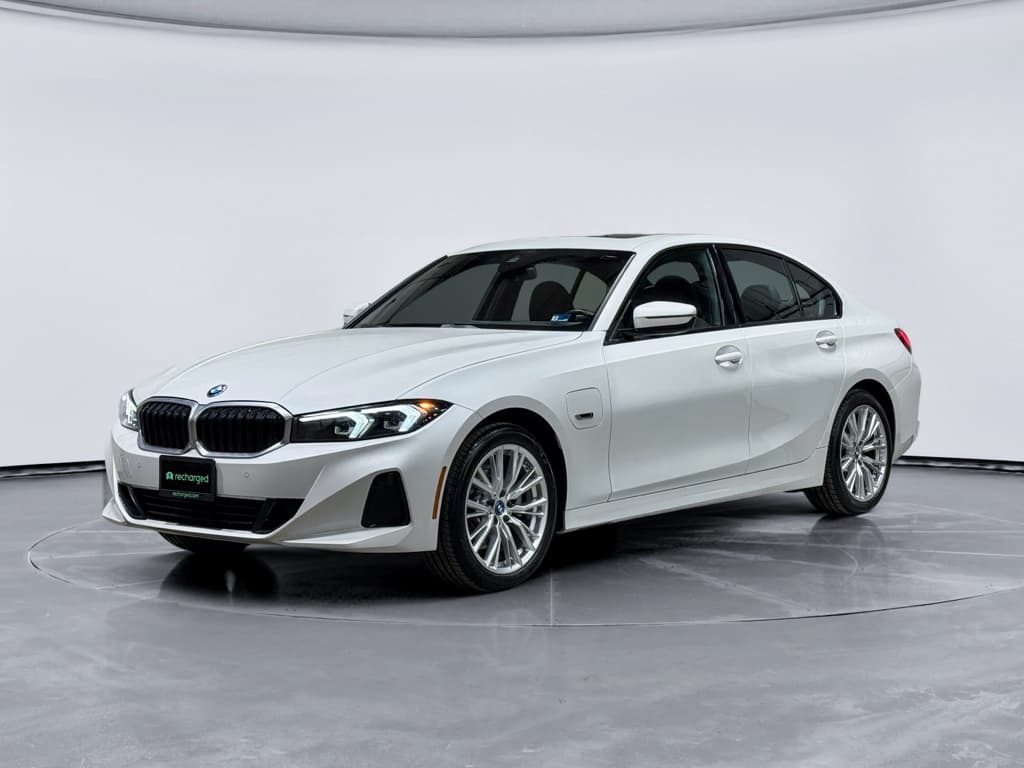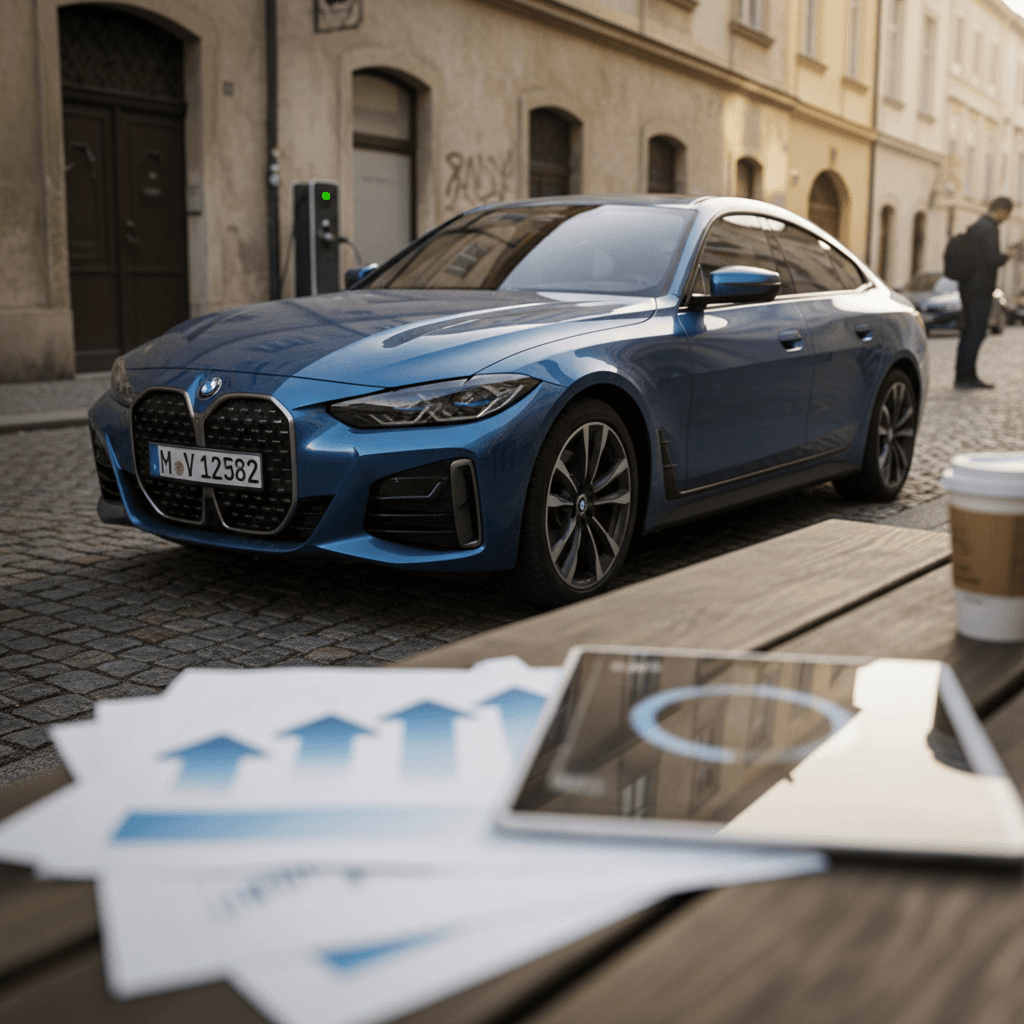
If you’re wondering “is the 2025 BMW i4 a good buy?”, you’re not alone. BMW’s all‑electric Gran Coupe has quickly become one of the most cross‑shopped luxury EVs in the U.S., especially among shoppers who want BMW dynamics without going all‑in on Tesla’s ecosystem. The twist: the i4’s sharp depreciation means your answer may be very different depending on whether you’re buying new or used.
Key context for 2025 shoppers
Quick answer: Is the 2025 BMW i4 a good buy?
When it is a good buy
- You want a sporty, premium EV that drives more like a 3 Series than an appliance.
- Your daily driving easily fits within 250–300 miles of real‑world range.
- You plan to keep the car for several years and care more about driving feel and comfort than absolute lowest cost of ownership.
- You’re shopping the used market, where steep early depreciation turns into real bargains.
When it’s not the smartest move
- You’re payment‑sensitive and want the slowest‑depreciating EV you can find.
- You live where public fast charging is sparse and don’t have home charging.
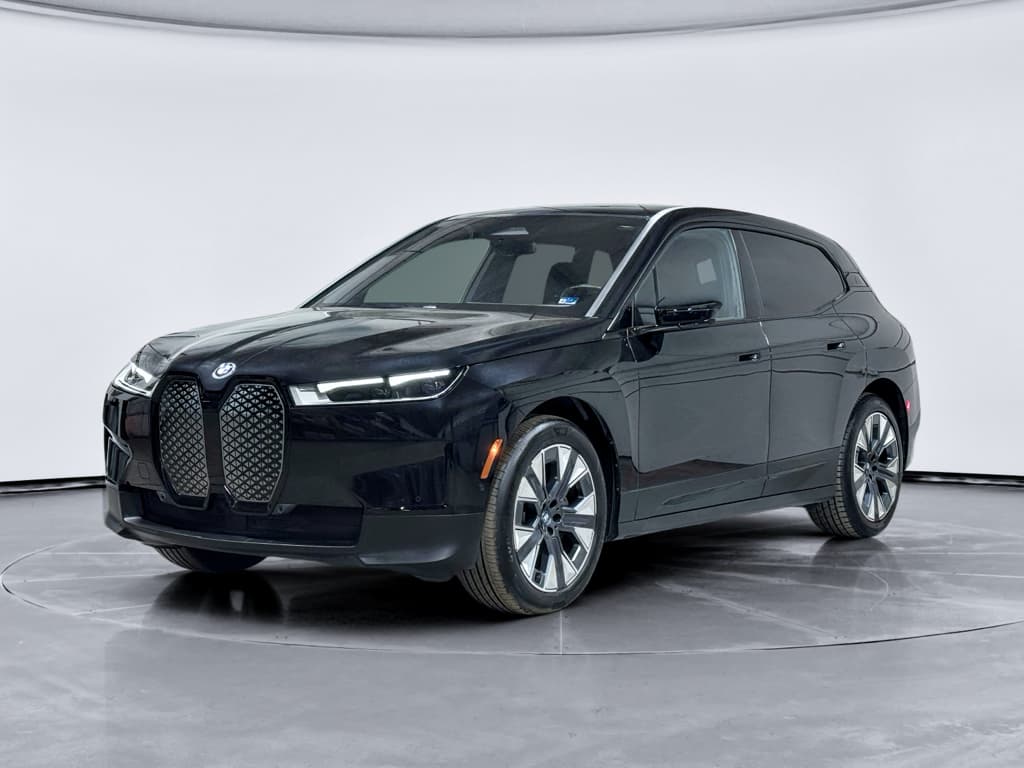
- You want maximum cargo space or SUV ride height, think iX, Model Y, or Ioniq 5 instead.
- You plan to flip the car in 2–3 years and care deeply about resale value.
Our high‑level verdict
2025 BMW i4 trims, range, and pricing at a glance
For 2025, BMW keeps the i4 lineup familiar: single‑motor rear‑drive models focused on efficiency and dual‑motor all‑wheel‑drive trims that lean into performance. Exact MSRPs vary by options and destination, but here’s the big picture so you can sanity‑check quotes.
2025 BMW i4 core trims (U.S. overview)
Approximate EPA range figures and price positioning for the main 2025 i4 variants. Always check a current window sticker or BMW’s site for exact numbers.
| Trim | Drivetrain | Approx. EPA range | Performance feel | New‑car price positioning* |
|---|---|---|---|---|
| eDrive35 | RWD, single motor | ~260 mi | Smooth, adequate, not wild | Entry point; typically mid‑$40Ks before options |
| eDrive40 | RWD, single motor | ~290–300 mi | Quicker, still comfort‑biased | Upper‑$40Ks to low‑$50Ks well‑equipped |
| xDrive40 | AWD, dual motor | ~300 mi (on efficient wheels) | Strong shove, all‑weather grip | Similar or slightly above eDrive40 once optioned |
| M50 | AWD, dual motor | ~245–270 mi | Genuinely rapid, M‑lite feel | Often mid‑$60Ks+ with popular packages |
BMW continues to refine the i4 but the basic trim ladder remains familiar for 2025.
Trim choice in one sentence

BMW i4 in the real world: Numbers that matter
Strengths: Where the 2025 i4 really shines
Why many shoppers still pick the i4 in 2025
The 2025 BMW i4 plays to BMW’s traditional strengths while fixing some early‑EV growing pains.
It drives like a BMW
Competitive range & charging
Improving reliability picture
Quiet, relaxed highway manners
M50 delivers real performance
Mature interior and tech
Where the value shows up day‑to‑day
Weak spots and ownership caveats to know about
- Tight rear space and trunk opening: The Gran Coupe body looks great but rear headroom and cargo access lag behind boxier EV crossovers. If you have tall rear passengers or bulky strollers, you’ll feel it.
- Options drive price up fast: BMW’s package strategy means a “reasonably equipped” i4 can climb well past its base MSRP. That stings when you remember how quickly these cars are depreciating.
- No SUV ride height: This is a low‑slung car. If you’re coming from an X3 or RAV4, getting in and out may feel less convenient, especially in tight parking lots.
- Charging network still matters: BMW doesn’t have its own fast‑charging network, so your experience is only as good as Electrify America, EVgo, and co. in your region, at least until NACS access and adapters are common.
- Steep early depreciation: As we’ll get into, the i4 has been losing value faster than some gas BMWs and a few rival EVs. That’s rough if you buy new and sell early.
Reality check on tech pace
Depreciation, resale, and why the i4 shines as a used buy
From a purely financial standpoint, this is the section that probably matters most. Multiple data sources now show the BMW i4 losing a large chunk of its value in the first 3–5 years, more than many comparable gas sedans and roughly in line with, or slightly worse than, the broader luxury EV average.
How the BMW i4’s value typically drops
Directionally, here’s how a well‑optioned BMW i4 that stickered around $60,000 new might depreciate in the U.S. market, based on current resale data and forecasts.
| Age of vehicle | Typical depreciation from MSRP | Indicative resale value | What it means for you |
|---|---|---|---|
| Year 1–2 | ~30–40% | $36,000–$42,000 | Biggest hit happens early; leases and first owners eat this drop. |
| Year 3 | ~40–50% | $30,000–$36,000 | Many cars sit around half their original sticker within ~36 months. |
| Year 5 | ~60–70% | $18,000–$24,000 | Forecasts suggest the i4 could lose around two‑thirds of MSRP over five years. |
Depreciation is an average, not a guarantee, mileage, incentives, region, and spec all matter.
How this compares to other EVs
If you’re buying new in 2025
- Expect a sizable value drop in the first 2–3 years, especially if EV incentives change again or BMW refreshes the model more aggressively.
- Leasing can make sense if you want to let BMW Financial Services shoulder the resale risk, just be realistic about milage and end‑of‑lease options.
- Putting a lot of cash down on a car that may lose two‑thirds of its value in five years isn’t always the best capital allocation.
If you’re buying used (Recharged’s wheelhouse)
- This is where the i4 gets interesting: a 2–3‑year‑old car can be tens of thousands cheaper than when it rolled off the lot.
- You still get modern range, charging, and tech, plus remaining battery warranty.
- Verifying battery health and pricing against original MSRP is crucial, which is exactly what a Recharged Score report is built to show you.
Why Recharged likes the i4 as a used EV
Ready to find your next EV?
Browse Vehicles2025 BMW i4 vs. key alternatives
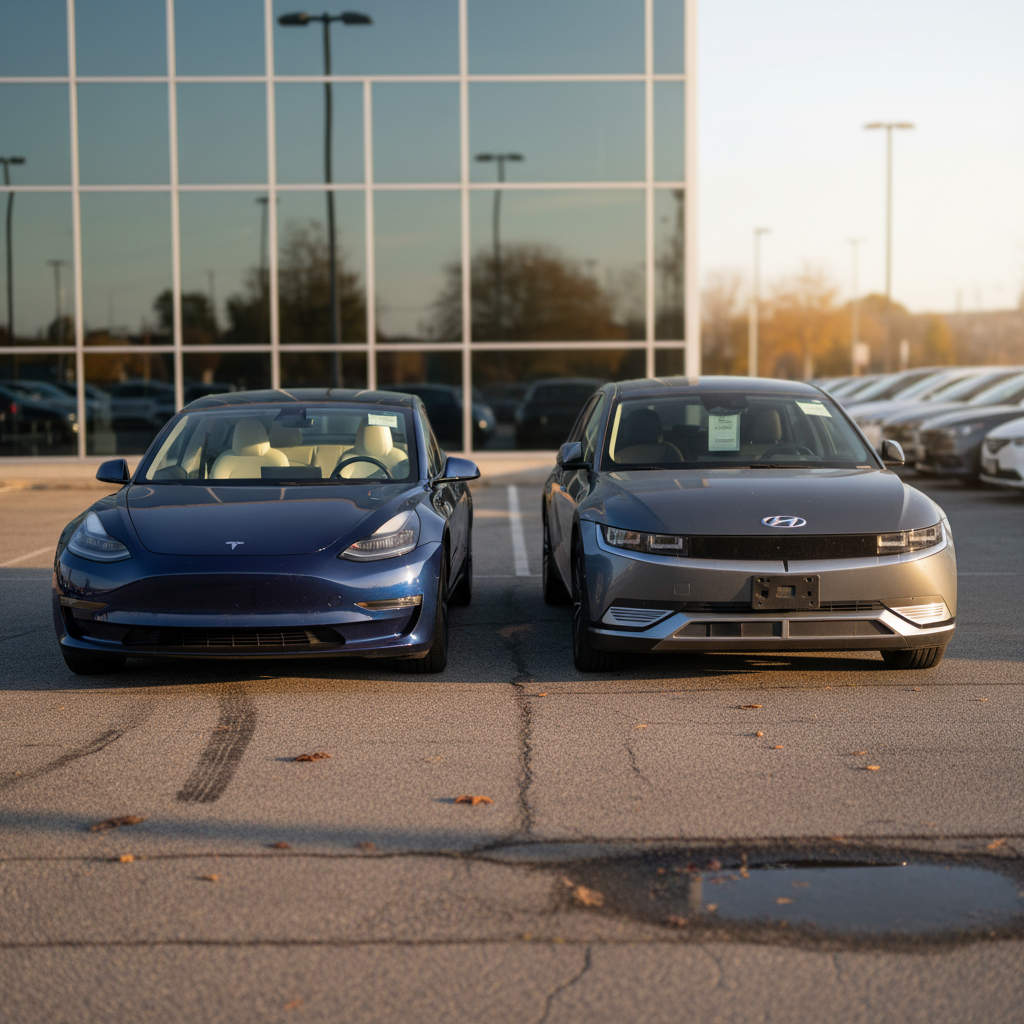
You’re not cross‑shopping the 2025 i4 in a vacuum. Most shoppers are also looking at Tesla Model 3/Model Y, Polestar 2, Hyundai Ioniq 5/6, or maybe a Mercedes‑Benz EQE. Here’s how the i4’s value story stacks up.
How the i4 compares to rival EVs
Big themes, not every niche spec.
vs. Tesla Model 3
- Driving feel: i4 feels more solid and premium; Model 3 is lighter and more playful.
- Charging: Tesla’s network still wins for ease of use, though NACS adoption will narrow the gap.
- Depreciation: Some Model 3s hold value better; i4 is more likely to be a bargain on the used side.
vs. Hyundai Ioniq 5 / 6
- Charging: Hyundai’s 800‑V architecture can charge faster in ideal conditions.
- Cabin: Ioniq 5 has more space and a lounge‑like vibe; i4 feels more traditional luxury.
- Resale: Both have seen price pressure, but BMW’s badge and driving dynamics still carry weight in the used market.
vs. Polestar 2, Mercedes EQE
- Brand pull: BMW’s dealer network and brand recognition can make long‑term ownership simpler.
- Driving character: i4 leans sportier than Polestar 2 and many EQE variants.
- Value: All of these depreciate heavily; your best move is often the cleanest, best‑priced used example with documented battery health.
Who the 2025 i4 is (and isn’t) right for
Match the 2025 i4 to your use case
Great fit
You want a <strong>luxury sedan feel</strong> in an EV rather than a crossover vibe.
You commute within 40–80 miles a day and can charge at home most nights.
You prioritize <strong>handling, ride quality, and cabin refinement</strong> over absolute spec‑sheet range.
You’re comfortable keeping the car at least 5–7 years <em>or</em> buying it after the steepest depreciation is already baked in.
Maybe not ideal
You regularly carry tall adults in the rear seats or need maximum cargo flexibility.
You rely heavily on public fast charging in an area with spotty infrastructure.
You trade out of cars every 2–3 years and obsess over <strong>residual values</strong>.
You want the most cutting‑edge driver‑assist tech and 800‑V charging speeds at all costs.
How to shop a 2025 BMW i4: New vs. used
Smart shopping checklist for a 2025 BMW i4
1. Decide new vs. used based on depreciation
If you’re buying <strong>new</strong>, get comfortable with the idea that the car may be worth 30–40% less in three years. If that makes you queasy, focus on lightly used 2023–2025 examples where the first owner already took the hit.
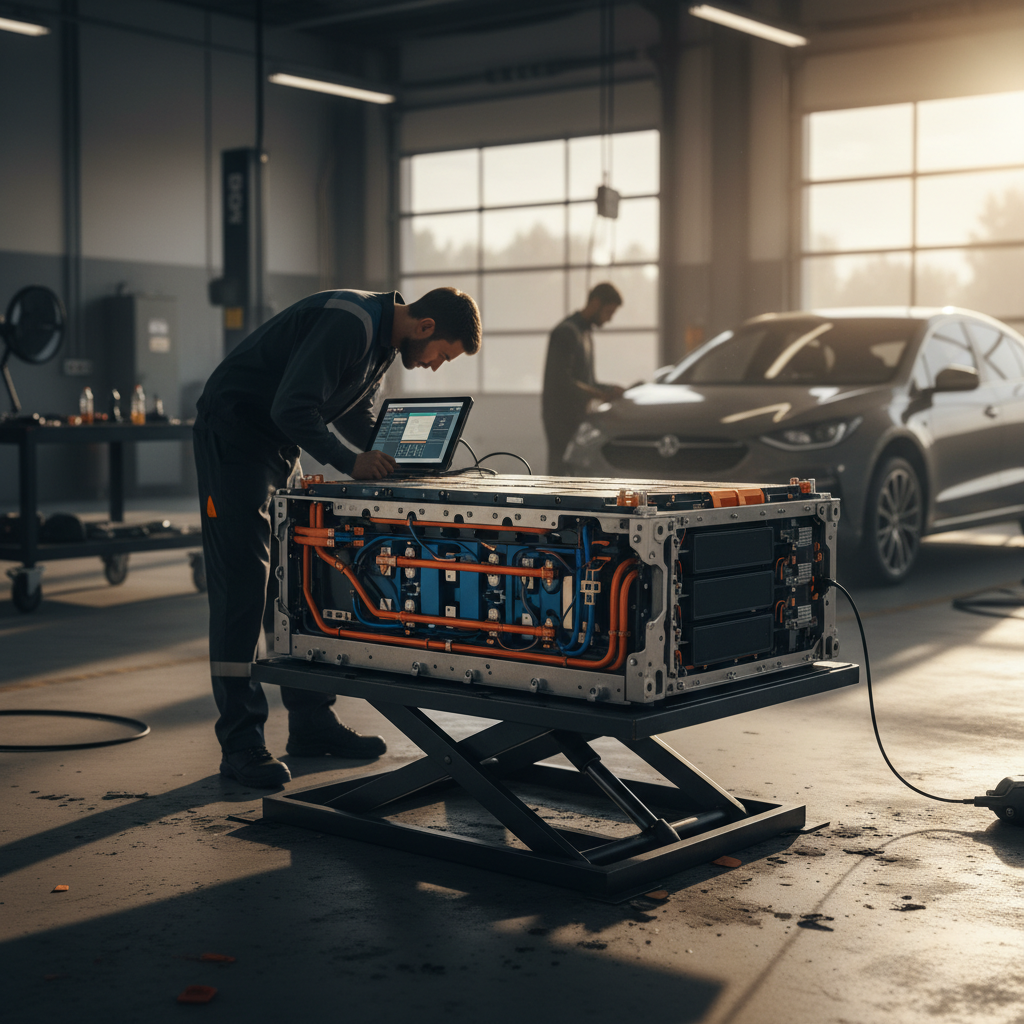
2. Verify battery health, not just mileage
EV mileage doesn’t tell the whole story. A <strong>Recharged Score battery‑health report</strong> uses diagnostics to show how the pack is aging, so you’re not guessing about degradation or how the previous owner charged it.
3. Compare asking price to original MSRP
Use the VIN to pull the original window sticker or build sheet. Seeing that a car stickered at $64,000 and is now $38,000 tells you a lot more than vague “good deal” language in a listing.
4. Check charging habits and hardware
Ask how the car was typically charged, home Level 2 vs. constant DC fast charging, and confirm it includes the cables and adapters you need for your local networks. Plan where you’ll charge before you buy.
5. Test the tech, not just the test drive
Spend time with iDrive, driver‑assist systems, and phone pairing. Make sure you’re comfortable with the interface, over‑the‑air update cadence, and the way lane‑keeping/assist features behave on your usual roads.
6. Run total cost of ownership numbers
Factor in <strong>insurance, taxes, electricity rates, and projected depreciation</strong> instead of focusing only on the monthly payment. A slightly cheaper payment on a car that tanks in value can cost you more long‑term.
Where Recharged fits into your i4 search
FAQ: 2025 BMW i4 buying questions
2025 BMW i4: Frequently asked questions
Bottom line: Is the 2025 BMW i4 a good buy?
The 2025 BMW i4 is a very good EV to own if you value driving feel, refinement, and a familiar luxury‑car experience more than absolute cutting‑edge specs. As a new‑car purchase, it’s harder to recommend purely on value because of its aggressive early depreciation. As a used EV, however, that same depreciation flips into an opportunity, letting you buy a sophisticated, long‑range BMW EV for far less than its original MSRP.
If you’re leaning toward an i4, your smartest play is usually to shop the used market, compare asking prices to original stickers, and insist on verified battery‑health data. That’s exactly where a platform like Recharged can help, pairing every used i4 with a Recharged Score report, transparent pricing, nationwide delivery, and EV‑specialist support from test‑drive questions through signing papers.
Do that homework, and yes, the 2025 BMW i4 can be a very good buy. Skip it, and you risk overpaying for a car that someone else already paid handsomely to drive off the lot.