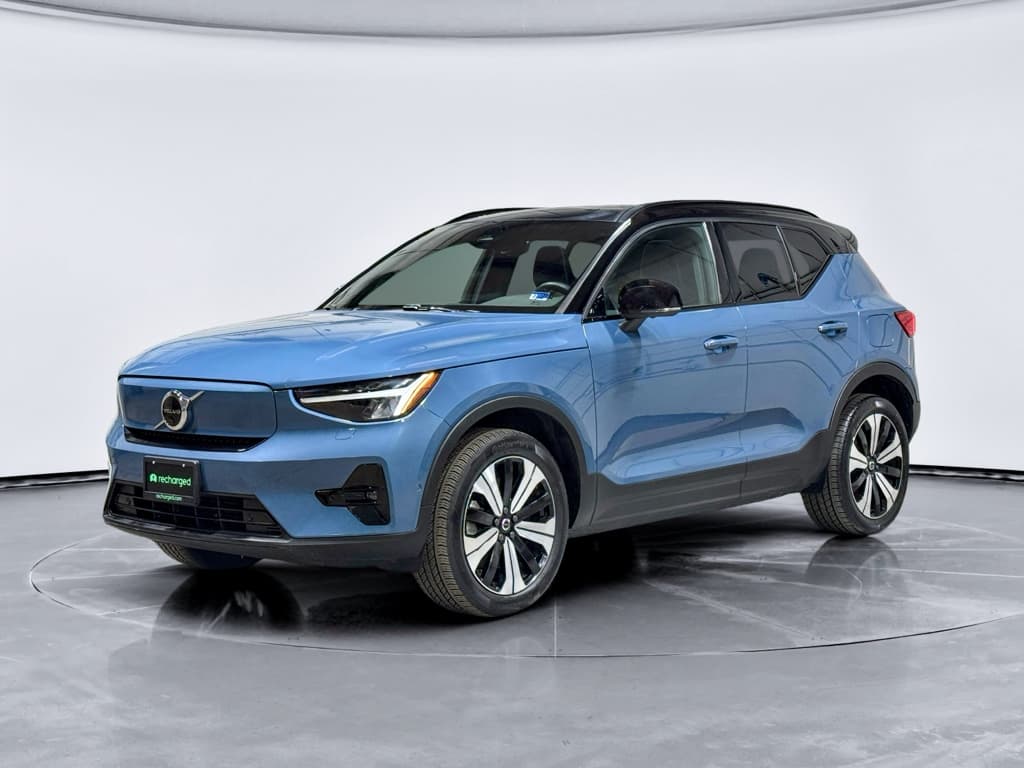
If you’re wondering whether the 2024 Volvo EX30 is a good buy in 2026, you’re not alone. Volvo’s smallest and least‑expensive EV launched with strong specs, standout safety scores and eye‑catching design, but also some high‑profile software bugs, recalls and, now, a U.S. market exit. That mix makes the EX30 one of the trickiest electric SUVs to evaluate on the used market.
The short answer
Volvo EX30 key specs and what they mean for you
2024 Volvo EX30: headline numbers
On paper, the EX30 package is compelling. Most U.S. 2024 models use a ~69 kWh (nominal) battery and deliver EPA‑estimated range in the 250–275‑mile neighborhood, depending on single‑ or dual‑motor setup and wheel size. Performance is brisk, even the base rear‑drive car is quick enough for comfortable highway passing, while the Twin Motor Performance variant is legitimately fast by compact‑SUV standards.
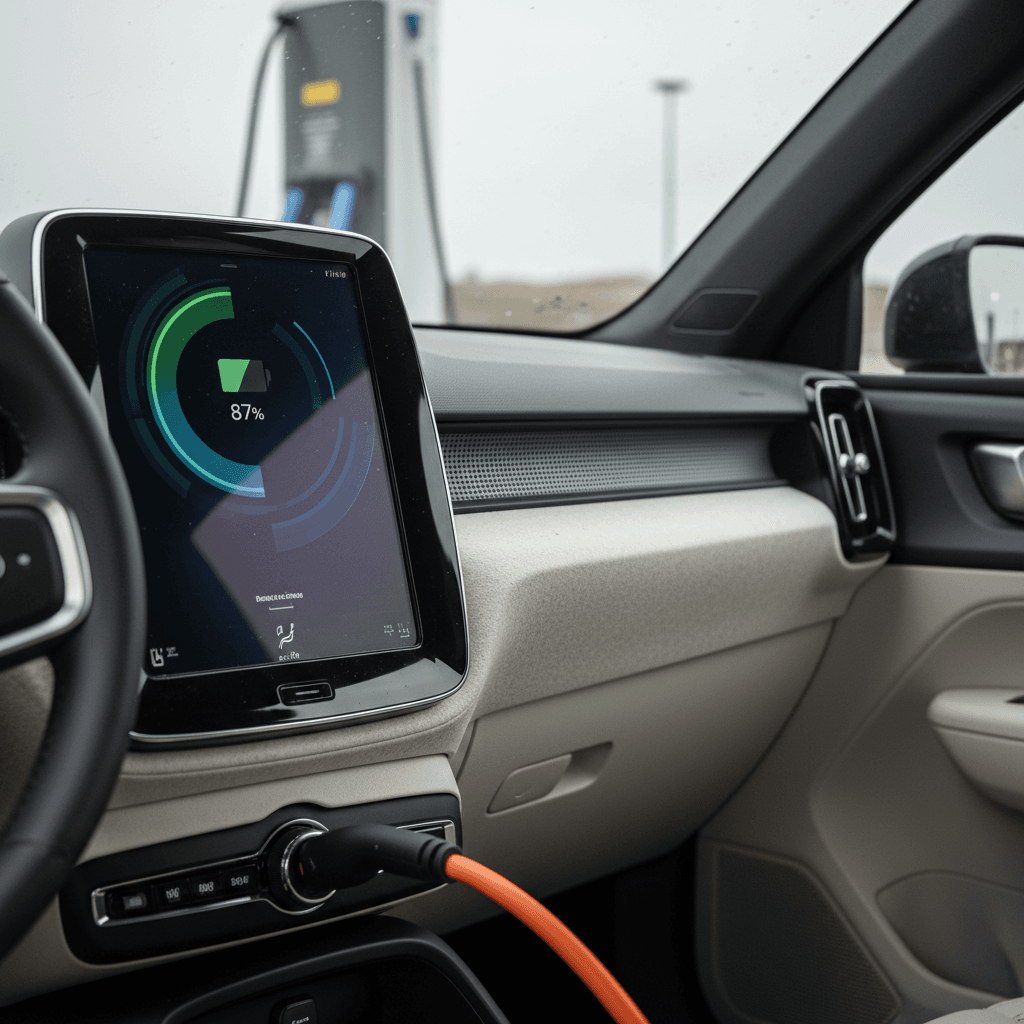
Charging is competitive rather than class‑leading. Volvo quotes DC fast‑charge peaks around 150–175 kW, with a 10–80% session in the high‑20‑minute to 30‑minute range if you find a healthy fast charger. That’s not Hyundai‑Kia‑level speed, but it’s workable for mixed city and regional driving.
Spec tip
Pricing, value and Volvo’s U.S. withdrawal explained
Originally, the 2024 EX30 launched as Volvo’s most affordable EV, undercutting the larger XC40 Recharge and even some mainstream compact SUVs once incentives were factored in. But by late 2025 and early 2026, the story changed: shifting federal tax‑credit rules and cost pressures pushed transaction prices up, and Volvo ultimately confirmed that the EX30 will be withdrawn from the U.S. market after a short run.
What that means for value
- New inventory at U.S. dealers is limited and often discounted to clear remaining stock.
- Used prices are softening faster than average, since some shoppers worry about long‑term support.
- For a patient buyer who does their homework, that can translate into strong price‑to‑spec value.
But there’s a flip side
- Future parts availability and software updates will depend on Volvo’s global plans, not U.S. volumes.
- Resale value is uncertain. A niche EV that exits the market early rarely holds value like a high‑volume model.
- Lenders and insurers may treat the EX30 more cautiously than, say, a Tesla Model Y.
Market‑exit caveat
From a used‑EV perspective, that combination of early exit and soft demand can create opportunity. If you find a well‑maintained 2024 EX30 at a compelling discount versus rivals, and you plan to keep it for a while, the numbers can work in your favor. That’s where a transparent, battery‑health‑driven marketplace like Recharged can help you separate a genuinely good deal from a problem child.
Range and charging: real‑world ownership picture
EPA estimates are one thing; real‑world behavior is another. Independent testing and early owner reports suggest that mixed‑driving range for the 2024 EX30 tends to land 10–20% below EPA in typical U.S. conditions, especially at 70–75 mph highway speeds. That’s normal for many EVs, but it means planning on more like 210–230 miles of usable highway range rather than the headline number.
How EX30 range and charging feel day to day
Different patterns, different experiences
Urban & suburban commuters
If you mostly drive under 60 miles a day, the EX30’s range is plenty. Overnight Level 2 charging will easily top you back up.
Think of it as an efficient, small luxury crossover that never visits a gas station.
Weekend getaways
For 150–250‑mile trips, you’ll likely need a single DC fast‑charge stop each way. Plan for roughly 25–35 minutes from low state‑of‑charge back to 80%.
Good charger location planning matters more than in longer‑range rivals.
Frequent long‑distance drivers
If you regularly drive 300+ miles in a day, the EX30’s modest range and only average DC speeds may feel limiting.
In that case, a larger‑battery EV or plug‑in hybrid may be a better fit.
Charging‑network tip
Home charging is straightforward. Like most modern EVs, the EX30 is designed around Level 2 (240‑volt) charging. A 32–40‑amp home charger can comfortably refill the battery overnight, even from a low state of charge. On a used purchase, you’ll want to verify whether the original portable charger, wallbox or any adapters are part of the deal, as those extras can easily add $500–$1,000 if you have to source them yourself.
Safety scores and small‑SUV practicality
Safety is one of the EX30’s biggest selling points. Euro NCAP testing, published in December 2024, awarded the EX30 a five‑star overall rating with strong adult and child‑occupant scores and a high Safety Assist result. That aligns with Volvo’s long‑standing reputation for over‑engineering crash structures and driver‑assist tech, even in its smallest products.
What you gain, and give up, with a small premium EV
EX30 strengths and compromises
Safety & comfort strengths
- Five‑star Euro NCAP safety rating and robust ADAS suite.
- Solid, planted feel on the highway despite small footprint.
- Quiet cabin and premium materials for the price class.
- Easy to park and maneuver in tight urban spaces.
Space & practicality trade‑offs
- Back seat and cargo area are tighter than many U.S. buyers expect from an SUV.
- Limited small‑item storage compared with larger crossovers.
- One large central screen controls nearly everything, there are very few physical buttons.
When size works in your favor
Software issues, recalls and reliability risk
Here’s where the 2024 EX30 gets complicated. Early production cars drew criticism for buggy software: center screens that froze or rebooted, missing or delayed promised features, glitchy connectivity, and warning messages that didn’t always line up with what the car was actually doing. Volvo has pushed multiple over‑the‑air (OTA) updates, and some owners report meaningful improvement, but the car’s reputation as a “software‑first” experiment cuts both ways.
- Display failures or test‑pattern screens temporarily hiding speed and critical info (subject to early recall actions in some markets).
- Inconsistent infotainment performance, slow boot times, app crashes, dropped data connection.
- Driver‑assist systems that feel overly sensitive or inconsistent, requiring owners to dive into menus to tame alerts.
- OTA updates that fix some issues but occasionally introduce new quirks, at least temporarily.
Battery‑related recall note
It’s important to separate frustration from fundamentals. Glitchy infotainment and half‑baked features are annoying; a frozen instrument display or HV‑battery overheating risk is a bigger deal. When you combine those with Volvo’s decision to withdraw the EX30 from the U.S., you’re left with a car that demands more due diligence than the average used EV.
“The EX30 shows where the industry is headed, software‑defined, compact EVs with big safety tech, but it also shows how painful first‑generation software can be when it’s rushed to market.”
Who should, and should not, buy a 2024 EX30
The EX30 is a good buy if you:
- Want a small, premium EV for urban or suburban driving.
- Value top‑tier safety scores and modern driver‑assist tech.
- Are comfortable living through the occasional software quirk or update.
- Plan to keep the car long‑term rather than flip it in 2–3 years.
- Can secure a meaningful discount versus similarly equipped rivals.
You may want to skip it if you:
- Are buying your first EV and want the smoothest, least fussy experience.
- Regularly drive 300+ miles in a day and need maximum range and ultra‑fast charging.
- Are highly sensitive to infotainment or connectivity glitches.
- Rely on strong resale value to make your numbers work.
- Prefer an established, high‑volume EV like a Model Y or Ioniq 5 with longer U.S. track records.
How the 2024 EX30 compares to rivals
2024 EX30 vs key small‑EV rivals (high‑level view)
Approximate comparisons based on 2024–2025 U.S.‑market specs. Always verify exact figures for the year and trim you’re considering.
| Model | Strengths vs EX30 | Where EX30 is stronger |
|---|---|---|
| Tesla Model Y (RWD/Long Range) | More range, wider charging‑network access, stronger resale and OTA track record. | Smaller, easier to park; more premium interior feel to some shoppers; Euro‑tested safety story. |
| Hyundai Kona Electric (2nd gen) | Often cheaper used, decent range, longer warranty, simpler software. | EX30 offers more performance, perceived luxury and stronger crash‑test branding. |
| Hyundai Ioniq 5 / Kia EV6 | Much faster DC charging, more interior space and road‑trip comfort. | EX30 is easier to live with in tight cities and usually costs less up front. |
| Chevy Equinox EV (when discounted) | American brand support, competitive range, dealer footprint. | EX30 counters with distinctive design, higher‑end feel and Volvo safety halo. |
EX30 holds its own on performance and safety, but trails some rivals on range, charging speed and track record.
How to read these comparisons
Buying a used EX30: what to check
If you decide the 2024 Volvo EX30 fits your life, the difference between a great buy and a headache often comes down to the specific car you choose. Used EVs live or die on battery health, software status and prior owner behavior, and the EX30 is no exception.
Used 2024 EX30 pre‑purchase checklist
1. Confirm recall and software‑update history
Ask for a printout from a Volvo dealer showing all completed recalls and software campaigns, including fixes for display bugs and any high‑voltage‑battery recall actions. Walk away from cars that haven’t been brought fully up to date.
2. Get an independent battery‑health report
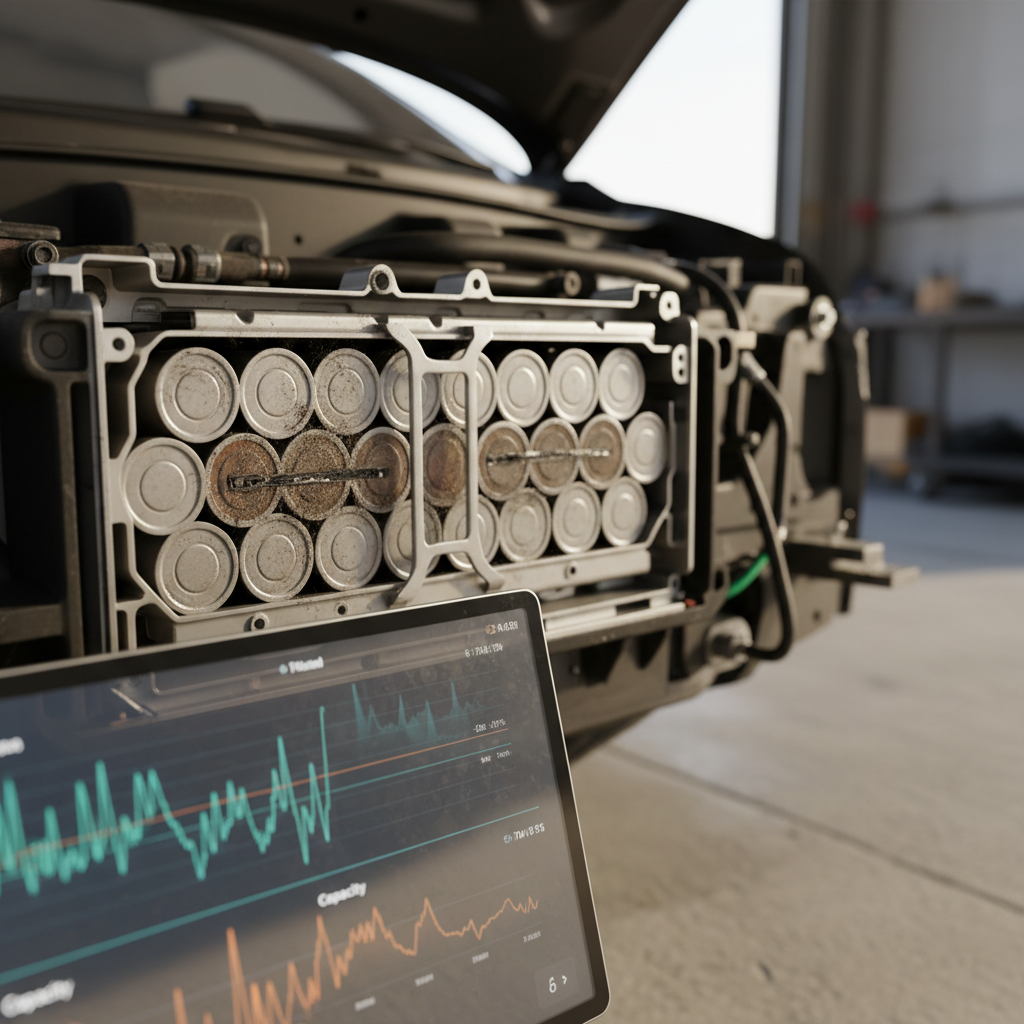
Battery capacity is a huge driver of long‑term value. A platform like <strong>Recharged</strong> provides a Recharged Score Report with <strong>verified pack health</strong>, giving you a clearer view than a simple dash‑display estimate.
3. Inspect charging behavior in person
Test both Level 2 and, if possible, DC fast charging before you buy. Watch for unusually slow rates, repeated charge stops or overheating warnings, all potential signs of deeper issues.
4. Live with the software for an hour
During a test drive, spend real time in the menus. Pair your phone, use navigation, stream audio, try driver‑assist features. If the interface feels laggy or confusing to you now, it won’t magically feel better later.
5. Check for physical quality issues
Look for panel‑gap inconsistencies, water leaks around doors and hatch, wear on the driver’s seat and steering wheel, and rattles over rough pavement. Early‑build cars sometimes show more teething issues.
6. Run the numbers on total cost
Compare insurance quotes, expected depreciation, charging costs and potential repair exposure against alternatives like a Model Y or Ioniq 5. A low purchase price can be wiped out if resale or repairs surprise you.
Where Recharged fits in
FAQ: Is the 2024 Volvo EX30 a good buy?
Common questions about the 2024 Volvo EX30
Bottom line: Is the 2024 EX30 worth it?
The 2024 Volvo EX30 is one of the most interesting EVs on the road right now: a small, stylish, safety‑focused crossover that promised to democratize premium electric driving, and then stumbled on software and market realities. That combination has turned it into a high‑potential used‑EV bargain for some shoppers and a hard pass for others.
If you’re the kind of driver who values design, safety, city‑friendly size and is willing to trade some polish and predictability to get a good deal, then yes, the 2024 EX30 can be a good buy, especially when you verify battery health, recall status and software history up front. If you want the smoothest, least‑complicated EV ownership experience, you’re likely better served by a more proven model, even if it costs a bit more.
Either way, the key is transparency. Before you sign anything, make sure you understand the specific car’s condition, battery health and pricing versus the broader used‑EV market. That’s exactly what a data‑driven platform like Recharged is built to deliver, so you can enjoy the upsides of EV ownership without getting surprised by the fine print later.