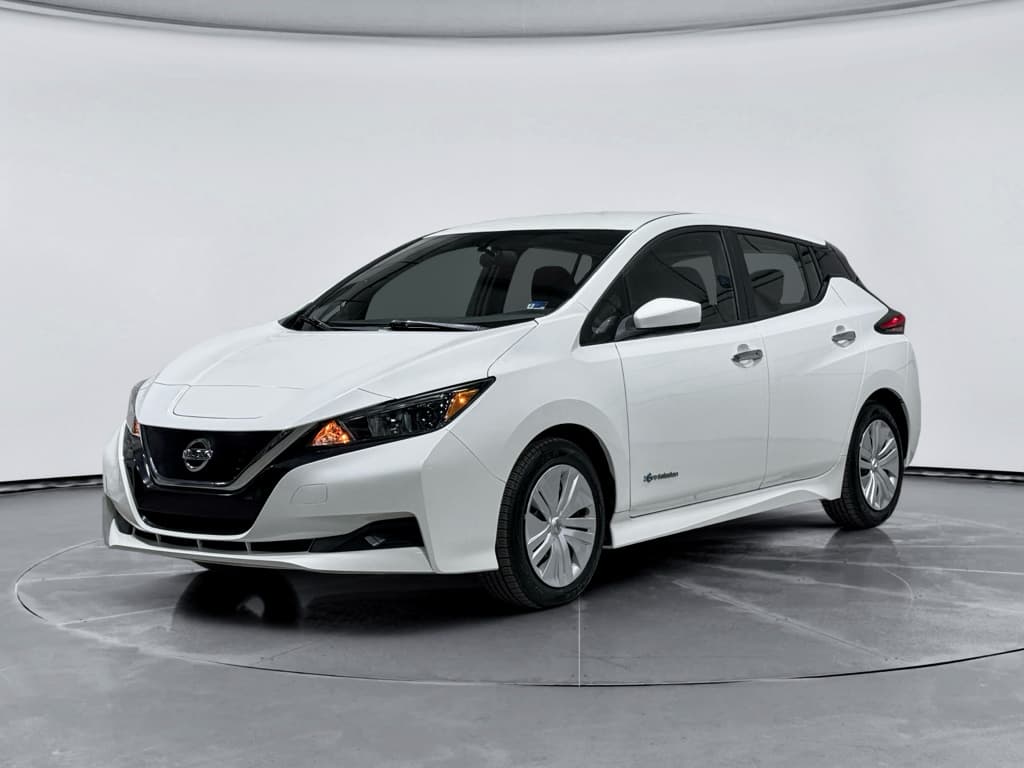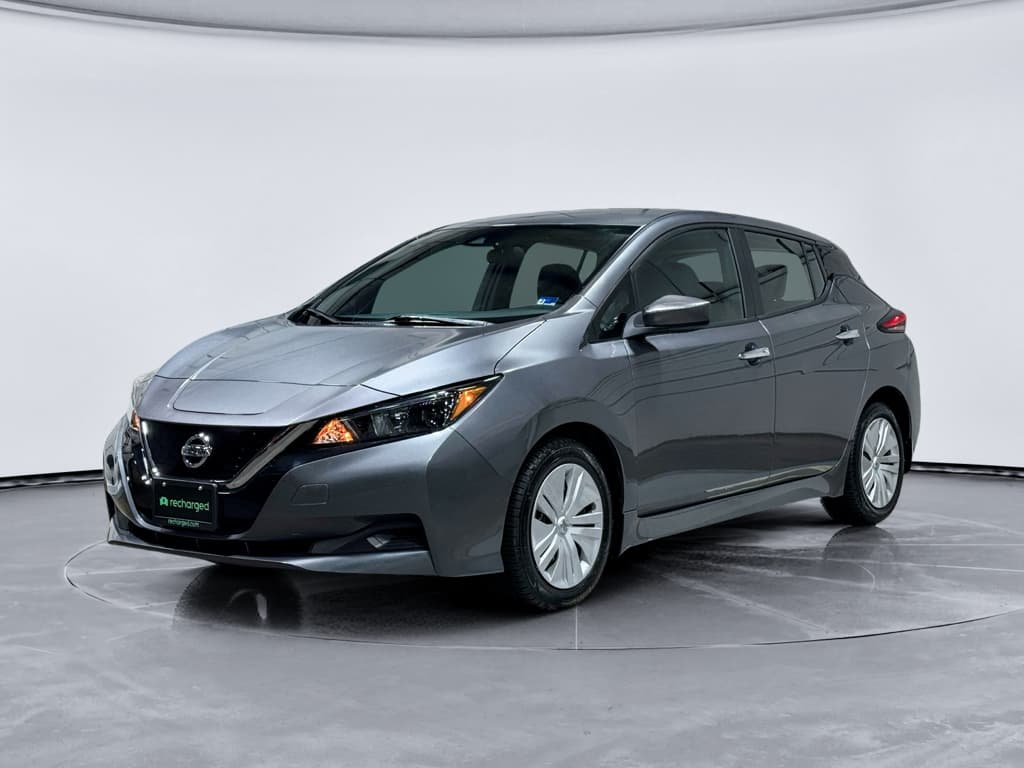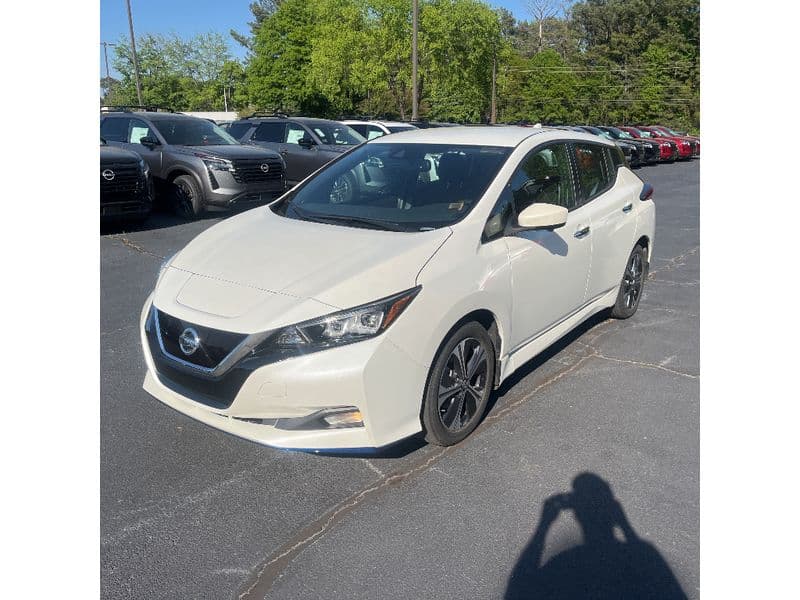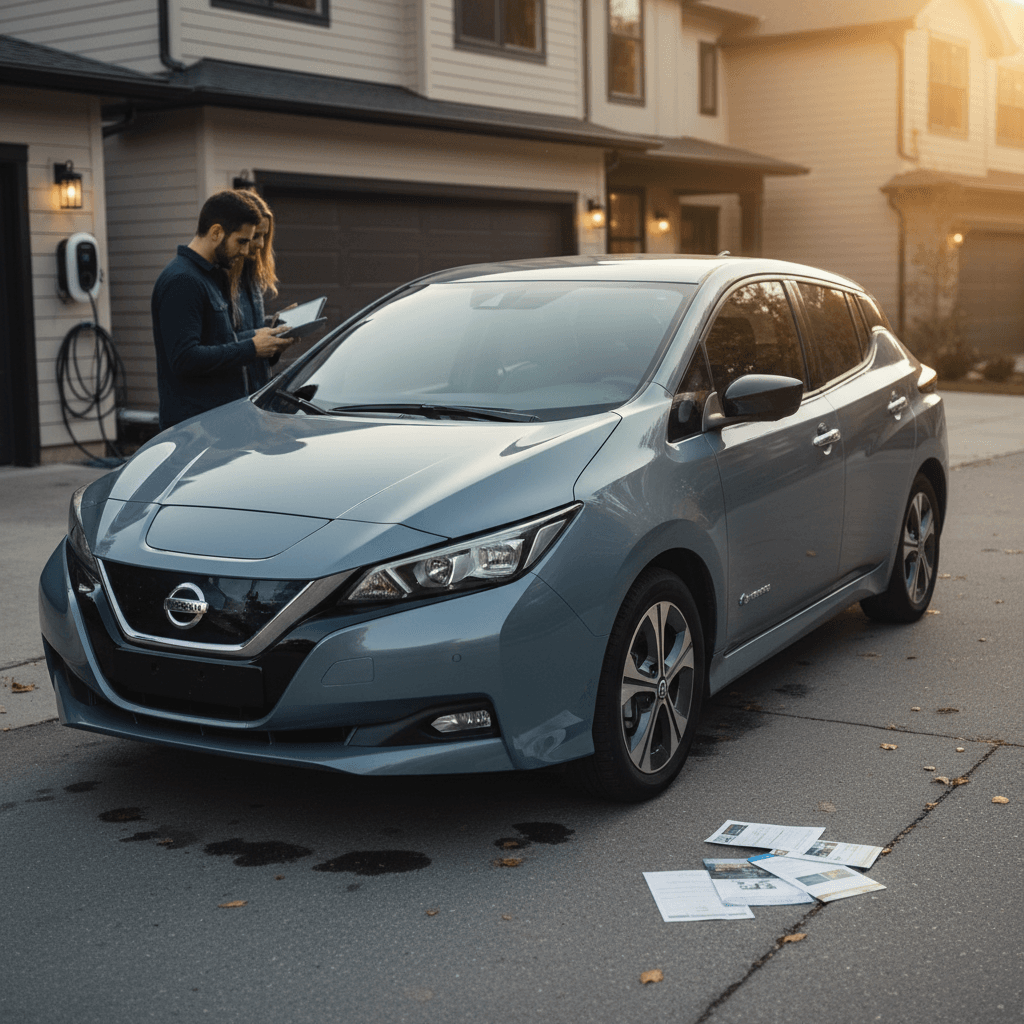
If you’re eyeing a used EV and wondering if the 2024 Nissan Leaf is a good buy in 2026, you’re not alone. The Leaf is one of the oldest nameplates in the electric world, which makes it both familiar and a little complicated. To know if it’s right for you, you need to look past the window sticker and dig into range, battery health, and how you’ll actually use it day to day.
Context: Where the 2024 Leaf sits today
Quick answer: Is the 2024 Nissan Leaf a good buy?
When it is a good buy
- You want an inexpensive, reliable EV for city or suburban commuting.
- You can live with 150–215 miles of EPA range depending on battery size.
- You mostly charge at home on Level 2 and rarely need DC fast charging.
- You value a proven platform with simple controls over the latest tech flash.
When it’s not a good buy
- You regularly do long highway trips and rely on fast charging.
- You live in a region with extreme heat and outdoor parking, which is tougher on Leaf batteries.
- You want cutting‑edge driver‑assist tech or the newest battery chemistry.
- You can stretch your budget to a newer‑design EV (like a newer crossover Leaf replacement) with more range.
Bottom‑line verdict
2024 Nissan Leaf at a glance: specs that matter used
2024 Nissan Leaf key numbers (U.S. models)
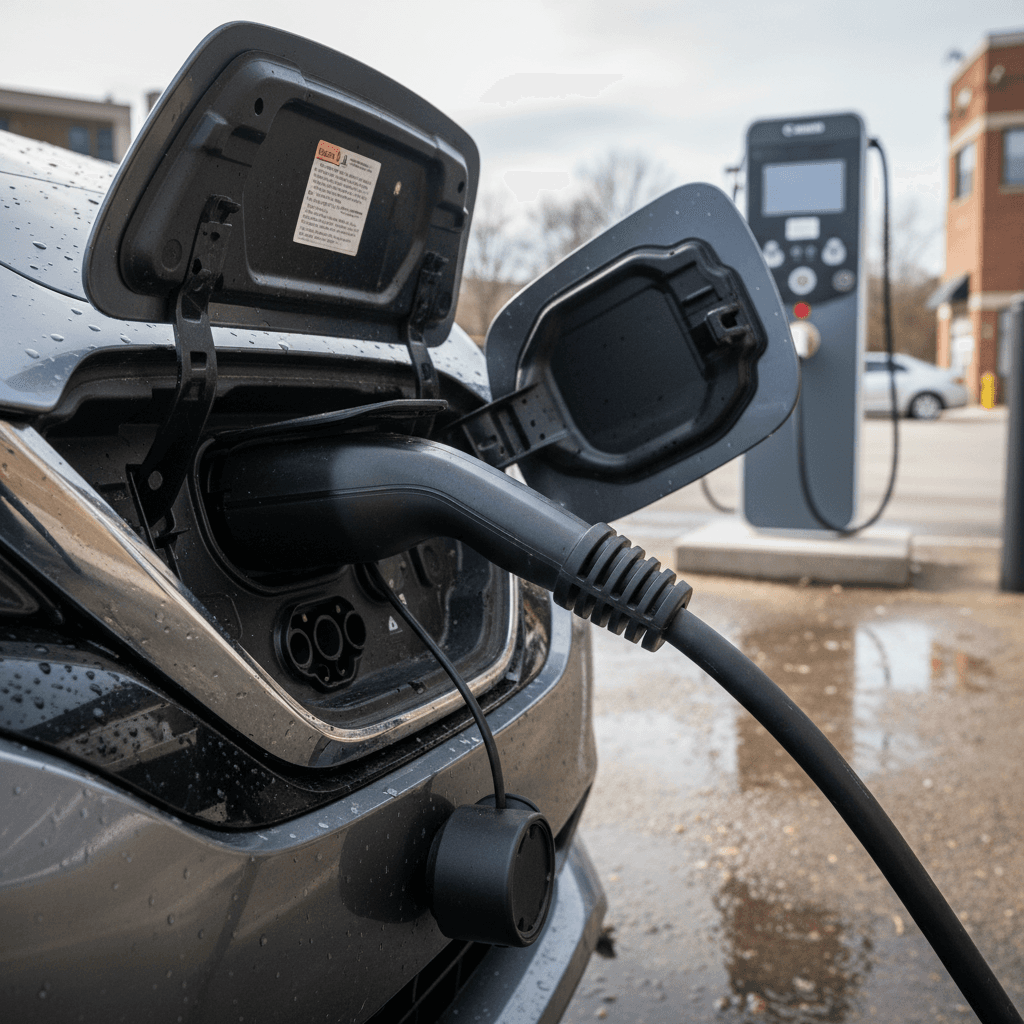
The 2024 Leaf came in two main flavors: the standard Leaf S with a 40 kWh battery and the Leaf SV Plus with a 62 kWh pack. Both use a CHAdeMO fast‑charge port instead of the now‑standard CCS or NACS connectors, which is a big piece of the puzzle we’ll unpack later.
2024 Nissan Leaf trims overview (used‑buyer view)
The basics you actually need when comparing used 2024 Leafs.
| Trim | Battery | EPA Range | Horsepower | DC Fast Charging | Notable Features |
|---|---|---|---|---|---|
| Leaf S | 40 kWh | 149 miles | 147 hp | Up to ~50 kW | Base interior, smaller wheels, good city car |
| Leaf SV Plus | 62 kWh | 212 miles | 214 hp | Up to ~100 kW peak but typically lower | More power, more range, better for mixed driving |
Exact equipment can vary by region; always confirm features on the specific car you’re considering.
Where the 2024 Leaf shines for used buyers
2024 Nissan Leaf strengths in the used market
Why this older‑design EV can still make a lot of sense.
Low purchase price
Because the design was aging by 2024, the Leaf depreciates faster than newer rivals. That’s bad news for first owners, but great news for you. A clean 2024 Leaf often costs thousands less than similarly sized EVs with similar range.
Proven, simple EV hardware
The Leaf has over a decade of real‑world history. Most of the bugs were shaken out long before 2024, and the drivetrain is known for being smooth and low‑drama when properly maintained.
Excellent city and suburb car
Compact footprint, easy visibility, and instant EV torque make the Leaf a relaxed commuter. If your daily loop is well under 100 miles, even the smaller‑battery 2024 S can feel effortless.
Used‑EV sweet spot
Inside, the 2024 Leaf won’t wow anyone who’s been in the latest luxury EVs, but that’s not the mission. Controls are straightforward, there’s physical climate hardware (a blessing when you’re wearing gloves), and cargo space is generous for a compact hatchback. You’re buying honest, practical transportation, not a rolling tech demo.
Where the 2024 Leaf falls behind newer EVs
- Range per dollar: The SV Plus still tops out around 212 miles EPA, while many 2024–2026 rivals clear 260–300 miles.
- Fast‑charging speed: Even in ideal conditions, the Leaf’s pack charges slower than modern 800‑volt or high‑power 400‑volt systems.
- CHAdeMO connector: Public networks are prioritizing CCS and now NACS. CHAdeMO locations are shrinking, especially away from major corridors.
- Thermal management: The Leaf relies on air‑cooled battery tech, which can be more vulnerable to heat than liquid‑cooled rivals if abused.
- Future resale: As the all‑new crossover‑style Leaf replacement spreads and CHAdeMO dies out, resale values for older‑style Leafs are likely to soften further.
The big hitch: CHAdeMO
Battery health, degradation, and warranty on a 2024 Leaf
If there’s one thing you should obsess over when asking whether a 2024 Nissan Leaf is a good buy, it’s battery health. The Leaf’s pack doesn’t have liquid cooling like many newer EVs, so abuse, fast‑charging habits, and hot climates matter more than on some rivals.
Battery warranty basics
- Coverage: 8 years / 100,000 miles from original in‑service date.
- Capacity warranty: If the battery drops below 9 of 12 bars on the dashboard gauge within that period, it may qualify for warranty replacement or repair.
- Transferable: This coverage typically transfers to you as a used buyer, but verify with a dealer based on VIN.
Real‑world degradation patterns
- Early years usually see the fastest drop, then things level out.
- Cars in hot, sunny climates with lots of DC fast charging tend to lose capacity faster.
- Garage‑kept cars, charged mostly to 80–90% on Level 2, often age far more gracefully.
Watch out for abused batteries
This is exactly where Recharged leans in. Every EV we list includes a Recharged Score Report with verified battery health instead of just guessing from a dash gauge. For a Leaf, that kind of detail is the difference between years of easy commuting and a car that suddenly can’t cover your Tuesday.
Range and charging: Can a 2024 Leaf fit your life?
Match the 2024 Leaf to your daily driving
Think in real‑world miles, not brochure numbers.
Daily commute under 40 miles
Either 2024 Leaf works easily, even with some degradation. You’ll likely charge every few days on a 240‑volt Level 2 charger at home.
Daily commute 40–80 miles
The SV Plus (62 kWh) is the safer choice, especially in winter or on highways. You’ll enjoy extra buffer for detours, HVAC use, and aging.
Frequent 150+ mile trips
This is where the Leaf starts to struggle. Limited range plus aging CHAdeMO infrastructure make it a tougher companion for regular long‑distance runs.
Home charging changes everything
Quick checklist: Will the Leaf’s range and charging work for you?
1. Map your longest regular day
Look at the <strong>longest day you drive every week</strong>, not the average. If that fits comfortably inside the Leaf’s real‑world range with 20–30% buffer, you’re in good shape.
2. Consider winter and HVAC use
Heat and A/C can chop a noticeable chunk off your usable miles. If you live where winters are serious, assume 20–30% less range than the EPA rating.
3. Check CHAdeMO coverage near you
Open your favorite charging app and filter for CHAdeMO. If your region is thin on those plugs already, don’t count on things improving over the next few years.
4. Confirm home or workplace charging
If you rely entirely on public Level 2, even a relatively efficient EV can feel like a chore. Home or regular workplace charging makes the Leaf far more compelling.
What should a used 2024 Nissan Leaf cost?
Exact pricing will depend on mileage, trim, battery health, region, and whether the car still qualifies for any used‑EV incentives where you live. But it helps to think in relationships rather than single numbers.
- Expect a 2024 Leaf S (40 kWh) to undercut many similar‑age, similar‑range EVs from other brands.
- SV Plus models should cost more but also hold value better thanks to their extra range and power.
- Unusually cheap cars often have a story: high miles, fast battery loss, accident history, or all of the above. Treat them as suspects until proven innocent.
- Leafs with documented battery health, clean history reports, and remaining warranty will command, and deserve, a premium over mystery cars.
Think in cost‑per‑usable‑mile
Who the 2024 Nissan Leaf is (and isn’t) right for
Great fit for
- Suburban commuters doing 20–70 miles a day with home charging.
- Two‑car households where the Leaf handles local duty and another car does road trips.
- First‑time EV drivers who want a gentle, affordable on‑ramp into electric ownership.
- Budget‑conscious buyers who’d rather save thousands up front than chase every new tech feature.
Not ideal for
- Frequent long‑distance drivers who depend on public fast charging.
- Drivers in very hot climates who park outside all day and fast‑charge often.
- Tech obsessives who want the latest software, hands‑free driving, or giant screens.
- Single‑car households that routinely need 200+ mile highway days with no backup plan.
Inspection checklist before you buy a 2024 Leaf
Used 2024 Leaf inspection checklist
1. Verify battery bars and health
With the car fully charged, check the dash capacity bars, ideally you’ll see <strong>all 12</strong> on a young 2024 Leaf. If you have access to a detailed battery scan (like the Recharged Score), use that to confirm state of health beyond the simple bar display.
2. Confirm remaining battery warranty
Ask for the original in‑service date and odometer reading to see how much of the <strong>8‑year/100,000‑mile</strong> battery warranty remains. Call a Nissan dealer with the VIN if needed.
3. Look for heat and fast‑charge history clues
A Sunbelt life with lots of CHAdeMO use isn’t automatically bad, but treat it as a reason to look harder at the battery report. Ask where the car lived and how it was charged.
4. Test both Level 2 and (if possible) CHAdeMO
Plug into a Level 2 charger and make sure charging begins promptly. If you have a CHAdeMO station nearby, a short fast‑charge session can reveal connector or communication issues before you buy.
5. Check tires, brakes, and suspension
EVs are easy on engines, but they’re still cars. Uneven tire wear, noisy brakes, or clunks over bumps can hint at neglect, walk away if the seller won’t address them.
6. Review history and recalls
Pull a vehicle history report, check for open recalls, and verify that any past recall work, especially EV‑system related, was completed at an authorized dealer.
How Recharged helps with used 2024 Leaf shopping
Shopping for a used 2024 Leaf on a generic classifieds site can feel like a trust exercise. You’re relying on a stranger’s word for the single most important component, the battery, and trying to decode range claims from a few photos of a dash readout.
What you get with a Leaf from Recharged
Built to take the guesswork out of used EVs.
Recharged Score battery report
Every Leaf on Recharged comes with a Recharged Score Report that includes verified battery health, charging history insight where available, and fair‑market pricing context so you’re not guessing about range or value.
Financing & trade‑in support
You can finance your Leaf, value a trade‑in, or get an instant offer for your current car through Recharged, all online. If you’re underwater on a current loan, our EV‑specialist team can help you understand options.
Nationwide delivery & EV‑savvy help
Recharged offers nationwide delivery and EV‑specialist guidance from first click to final signature. Prefer to see an EV in person? Visit our Experience Center in Richmond, VA for hands‑on help.
Ready to find your next EV?
Browse VehiclesFAQ: 2024 Nissan Leaf as a used buy
Frequently asked questions about the 2024 Nissan Leaf
Bottom line: Should you buy a 2024 Nissan Leaf?
If your mental picture of EV ownership is quiet mornings, a charged car waiting in the driveway, and predictable daily miles, the 2024 Nissan Leaf can be a very good buy. It’s not glamorous, it’s not the newest thing on the block, and it asks you to live within modest charging and range limits, but in return, it offers honest, affordable electric driving.
Where the 2024 Leaf stumbles is the same place many early EVs do: fast‑charging speed, an aging connector standard, and limited highway stamina. If those are must‑haves, look to newer, longer‑range models. But if you’re shopping smart, pairing the right trim with your real‑world needs, and insisting on a clear picture of battery health, ideally via something like the Recharged Score Report, a used 2024 Leaf can quietly be one of the savviest EV buys on the road right now.