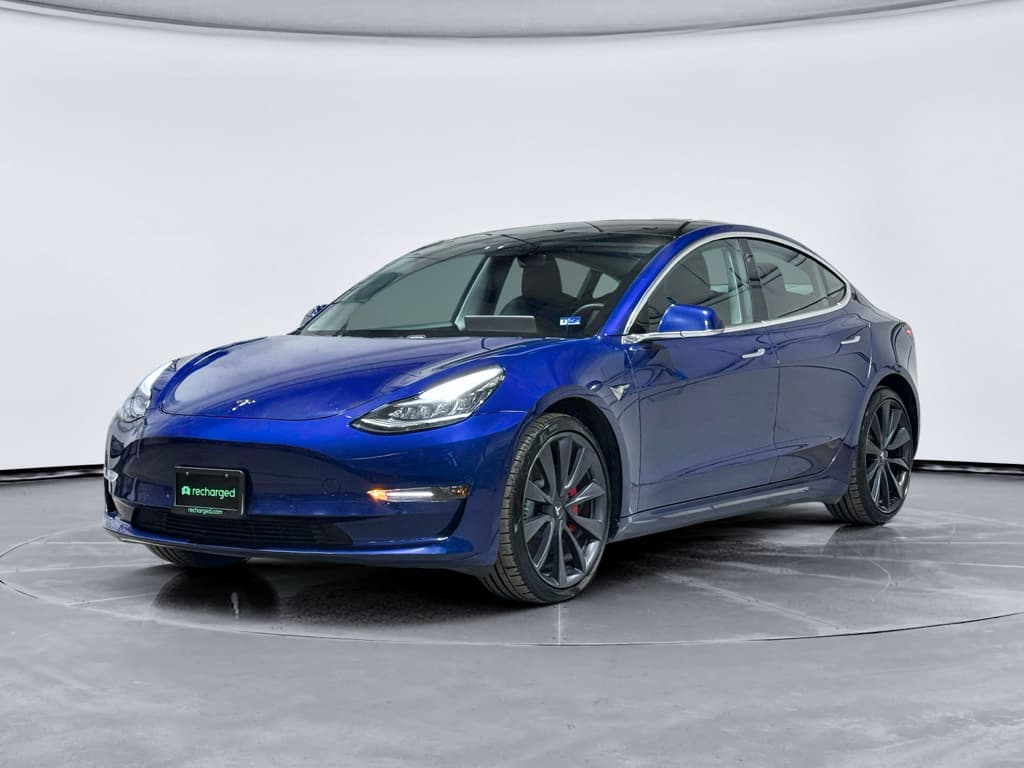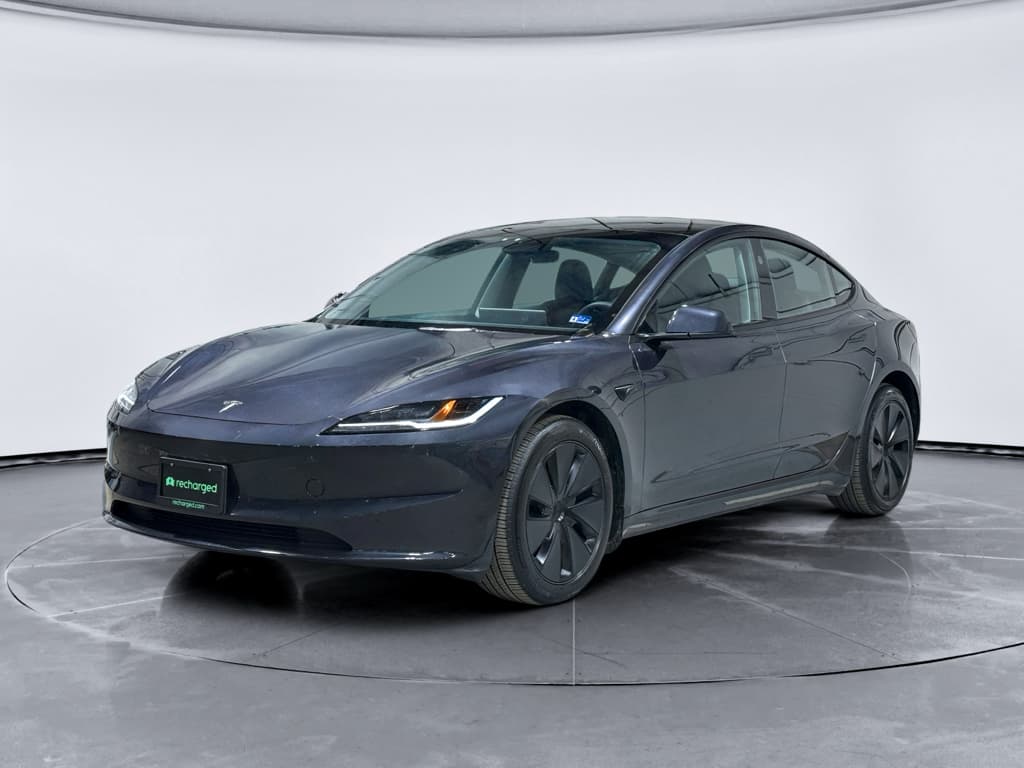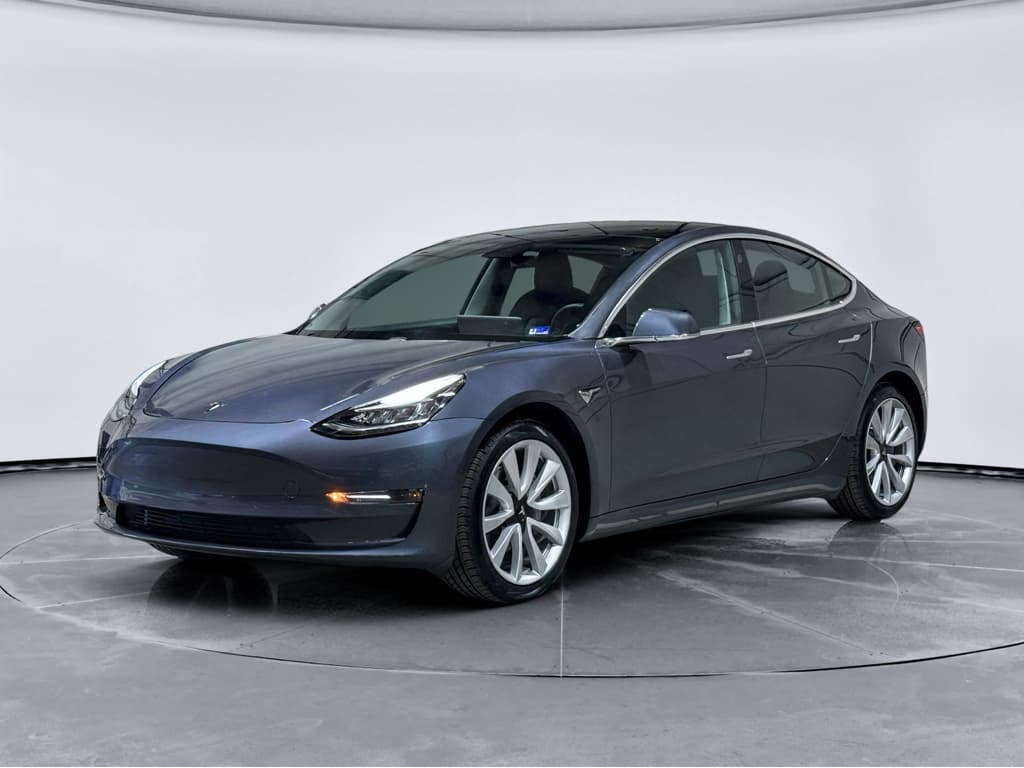
If you’re asking yourself, “Is a 2023 Tesla Model 3 a good buy in 2026?” you’re not alone. The 2023 model year sits in a sweet spot: modern tech, long range, most early teething issues worked out, and a big chunk of depreciation already behind you. But not every used Tesla is created equal, and battery health matters far more than on a gas car.
Quick answer
Bottom line: Is a 2023 Tesla Model 3 a good buy?
Why it is a good buy
- Excellent real-world efficiency and range for the money.
- Access to Tesla’s Supercharger network for easy road trips.
- Strong safety scores and modern driver-assistance tech.
- Depreciation has "normalized" after the 2021–2023 price swings, so you’re not buying at the peak.
- Over-the-air software keeps the car feeling newer than its model year.
Where you need to be cautious
- Battery and high-voltage components are expensive if abused or damaged.
- Build quality and squeaks/rattles can vary by individual car.
- Some owners drive very high annual mileage as rideshare or delivery, this can accelerate wear.
- Insurance and repair costs can be higher than similar non-luxury sedans.
- Not all cars have the same feature set (e.g., paid vs. free connectivity, Enhanced Autopilot, FSD history).
If you find a clean, accident-free 2023 Model 3 with documented history and healthy battery diagnostics at a fair market price, it’s one of the strongest all-around used EV buys available right now. The key is knowing which trim you’re looking at, what it’s really worth in 2026, and how to separate a great car from a risky one.
2023 Model 3 trims, range, and battery details
For 2023 in the U.S., the Tesla Model 3 lineup was straightforward, with three main variants:
2023 Tesla Model 3 trims at a glance
Key specs for the main 2023 Model 3 variants on typical wheel options.
| Trim | Drive | Approx. EPA Range (mi) | Battery Type | 0–60 mph (sec) |
|---|---|---|---|---|
| RWD (Standard Range) | RWD | ~272 | LFP pack (~60 kWh usable) | ~5.8 |
| Long Range AWD | Dual-motor AWD | ~333 | NMC pack (~75 kWh usable) | ~4.2 |
| Performance AWD | Dual-motor AWD | ~315 | NMC pack (~75 kWh usable) | ~3.1 |
Always confirm exact wheel size, 20-inch wheels reduce range versus 18- or 19-inch options.
Battery chemistry matters
While EPA ratings for the 2023 Model 3 are impressive on paper, remember that real-world range is usually lower than the window sticker numbers, especially at freeway speeds, in winter, or with 20-inch wheels. Still, compared with many 2021–2022 EVs, a 2023 Model 3 offers class-leading efficiency, which helps keep running costs low and road trips simple.
Pricing: What should you pay in 2026?
Where 2023 Model 3 prices typically land in 2026
Used EV prices swung wildly between 2021 and 2023. By 2024–2025, Model 3 resale values settled into a more normal depreciation curve, which is good news if you’re buying in 2026. You’re no longer paying an inflated “Tesla tax” the way early adopters did, but you still get modern tech and strong range.
Watch out for mileage outliers
Typical 2023 Model 3 asking-price bands in 2026
Ballpark shopping bands; actual prices vary by region, mileage, options, and condition.
| Trim & mileage | Sharply priced | Fair market | Aggressive/overpriced |
|---|---|---|---|
| RWD, 30k–40k miles | Low $20Ks | Mid-$20Ks | High-$20Ks+ |
| Long Range, 30k–40k miles | Mid-$20Ks | High-$20Ks | Low-$30Ks+ |
| Performance, under 30k miles | High-$20Ks | Low-$30Ks | Mid-$30Ks+ |
Use this as a starting point, then adjust for mileage, features, and verified battery health.
These ranges assume a clean title and no major accident history. A branded-title car, panel replacement without proof of proper repair, or noticeable battery degradation should push a 2023 Model 3 toward the bottom of the range or below it. At Recharged, we lean on both market data and our battery-health diagnostics to price used Model 3s transparently, so you can see exactly how a car’s condition affects value.
Reliability and known issues for the 2023 Model 3
The 2023 Model 3 benefits from years of Tesla gradually tightening up quality control. Crash-test organizations have continued to rate the Model 3 highly for safety, and owner surveys point to better-than-average EV reliability overall, though not trouble-free. Most issues are annoyances and wear items, not catastrophic failures.
Common 2023 Model 3 complaints to check for
Most are manageable if you know where to look.
Exterior fit & finish
Some cars still show inconsistent panel gaps, misaligned doors or trunk, or paint blemishes. These are mostly cosmetic but can hint at build quality or prior repairs.
Wind & road noise
Wind noise around mirrors or seals and tire roar on rough pavement are common owner complaints. Inspect weatherstripping and listen carefully on a highway test drive.
Software quirks
Most bugs are minor and patched via updates, but verify that all cameras, Autopilot functions, Bluetooth, and the touchscreen operate smoothly.
Suspension & tires
Heavier EVs like the Model 3 can go through tires and suspension components faster. Look for uneven tire wear, clunks over bumps, or wandering steering.
Charging hardware
Public-charging wear, bent pins, or previous home-charger wiring issues can cause inconsistent charging. Inspect the charge port, cables, and check for error messages in the service menu.
Battery & HV system
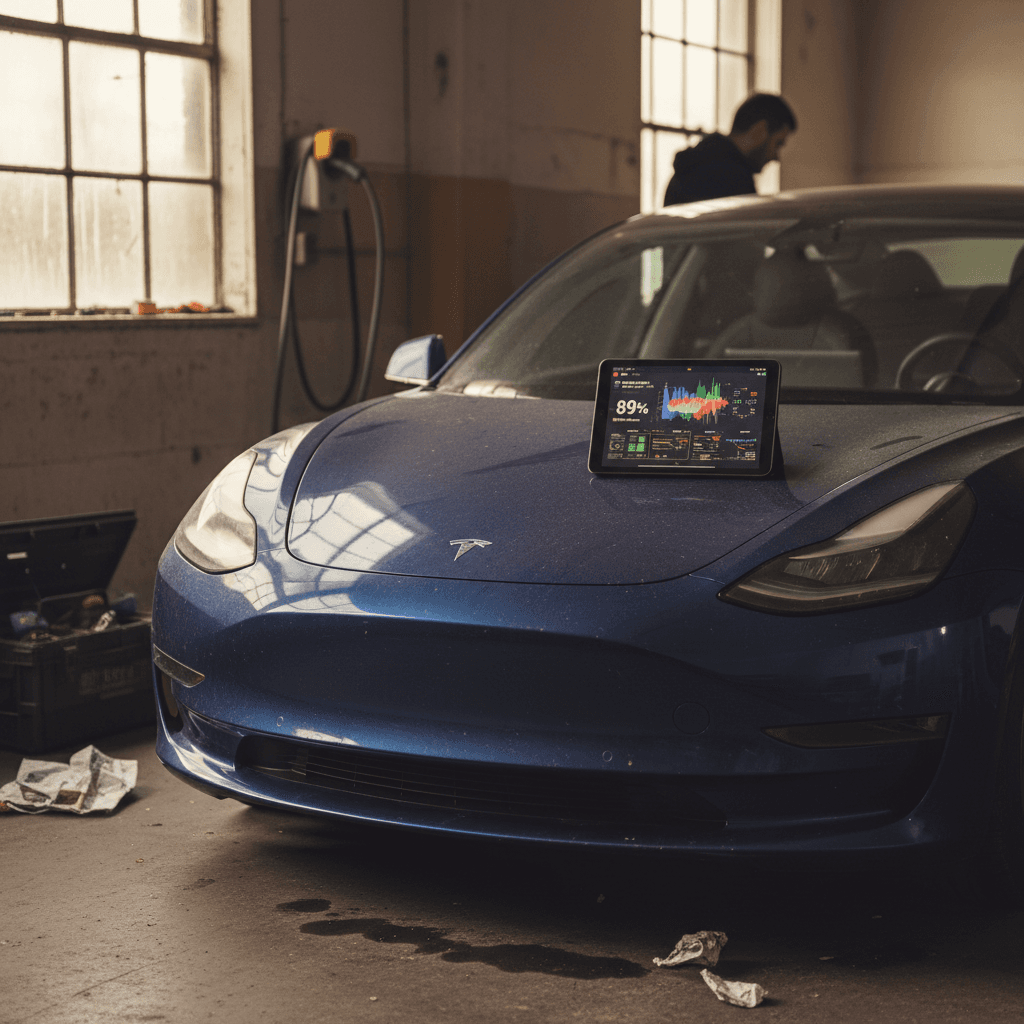
Serious battery or drive-unit failures are rare but costly. Ask for a battery health report and confirm no unresolved high-voltage system warnings.
Safety remains a strong point
In short, a 2023 Tesla Model 3 is not a fragile science experiment. It’s a maturing product with known, manageable issues. Your best protection is a thorough pre-purchase inspection, with special attention paid to software, prior repair quality, and, above all, battery condition.
Running costs: charging, insurance, and depreciation
- Electricity is usually the biggest savings: many owners effectively pay the equivalent of 80–120 mpg compared with a gas car of similar size.
- Maintenance is generally lower than on a comparable gasoline sedan: no oil changes, fewer moving parts, and brake wear reduced by regenerative braking.
- Tires can be a cost hot spot, especially on Performance models with stickier rubber and 20-inch wheels.
- Insurance can be higher than for some compact/midsize sedans because of higher repair costs and Tesla’s parts pricing.
- Depreciation has cooled off: after a steep correction in 2023–2024, the Model 3 now follows a more typical three- to five-year curve.
Use home charging to unlock the savings
Compared with a similarly priced used luxury compact sedan, a 2023 Model 3 can save you hundreds of dollars per year on fuel and routine maintenance, yet may cost more to insure. Over a typical three- to seven-year ownership window, that still adds up to compelling total cost of ownership, especially if you drive more than 10,000–12,000 miles per year.
How the 2023 Model 3 compares to rivals
2023 Model 3 vs. popular used EV rivals
High-level comparison of the 2023 Model 3 against some common alternatives shoppers cross-shop in 2026.
| Model | Strengths | Weaknesses vs. 2023 Model 3 |
|---|---|---|
| Tesla Model 3 (2023) | Class-leading efficiency, Supercharger access, minimalist tech-forward cabin | Ride can feel firm, interior not as plush as some competitors |
| Hyundai Ioniq 5 / Kia EV6 (2023) | Roomier cabins, very fast DC charging, distinctive design | Less efficient day-to-day, smaller charging network in some regions |
| Polestar 2 (2023) | Premium interior feel, solid driving dynamics | Charging network not as seamless, often pricier used |
| Chevy Bolt EUV (2023) | Lower entry price, great city efficiency | Shorter range and smaller car overall; GM has exited Bolt for now |
| BMW i4 eDrive40 / M50 (2023) | Upscale interior, BMW driving feel | Higher price, more complex options, not as efficient |
Exact specs vary by trim; always compare specific vehicles, not just nameplates.
If you value range, charging convenience, and tech ahead of soft-touch materials and traditional luxury, the 2023 Model 3 remains a benchmark. If you want a cushier ride, a hatchback cargo opening, or a more traditional cabin, one of the Korean or European rivals may suit you better, even if you give up a bit of efficiency.
Key benefits of buying a 2023 Model 3 used
Why a 2023 Model 3 makes sense as a used buy
Three core advantages stand out in 2026.
Strong real-world range
Even the RWD model offers range that still beats many new EVs sold in 2026, especially at this price point. The Long Range and Performance trims are road-trip friendly when paired with the Supercharger network.
Supercharger access
Tesla’s DC fast-charging network remains the most convenient for many U.S. drivers. With a 2023 Model 3, route planning and charging are integrated directly into the car’s navigation.
Mature OTA software
Over-the-air software updates have steadily refined the user interface, driver-assistance behavior, and efficiency. A well-kept 2023 Model 3 can feel more modern than its model year suggests.
You’re effectively buying into a mature ecosystem of apps, charging, and service options. That’s a major advantage over some newer EVs that haven’t yet proved themselves over multiple years and software cycles.
Risks and red flags to watch for
Top 5 red flags on a used 2023 Model 3
A used EV is only a bargain if you’re not inheriting someone else’s expensive problem. That’s especially true with a vehicle like the Model 3, where the battery pack and high-voltage components represent a large share of the car’s value.
Checklist: What to inspect on a used 2023 Model 3
Pre-purchase checklist for a 2023 Tesla Model 3
1. Confirm trim, options, and software
From the main screen, verify whether the car is RWD, Long Range, or Performance. Check for paid software features like Enhanced Autopilot or Full Self-Driving and whether they’re still active, don’t assume they’ll transfer without confirmation.
2. Review title status and accident history
Pull a full vehicle-history report. Look for accidents, airbag deployments, or flood damage. Even minor incidents are fine if the repairs are well documented and the price reflects the history.
3. Get a real battery health assessment
Don’t rely only on the displayed range at 100%. Use a professional battery-health scan or a service like the Recharged Score battery diagnostic to see how this car compares to healthy peers of the same age and mileage.
4. Inspect tires, brakes, and suspension
Check for uneven tire wear, cupping, or cheap mismatched replacements. On the test drive, listen for clunks over bumps and feel for steering vibration or pull that could hint at alignment or suspension issues.
5. Test charging at home-level and fast-charging speeds
If possible, plug into a Level 2 charger and, separately, visit a fast charger. Confirm the car charges reliably, reaches reasonable power levels for its state of charge, and does not throw any charging errors.
6. Evaluate interior wear and electronics
Look for excessive seat wear, squeaks, rattles, or broken trim that suggest hard use. Test all windows, locks, cameras, audio, Bluetooth, HVAC, and connectivity features. Make sure the touchscreen is responsive and free of ghost touches.
7. Check software, recalls, and service records
From the Service menu, confirm the car is up to date on recalls and software. Ask for invoices or screenshots of previous service visits, especially for any high-voltage or safety-related work.
How Recharged simplifies this checklist
FAQ: 2023 Tesla Model 3 as a used buy
Frequently asked questions about buying a 2023 Model 3 used
Should you buy your 2023 Model 3 from Recharged?
If you’ve decided that a 2023 Tesla Model 3 is the right fit, your next decision is where to buy. With a vehicle as software- and battery-dependent as a Model 3, buying from a source that understands EVs isn’t a luxury, it’s protection. Recharged was built from the ground up around used EVs, with a Recharged Score Report on every car that includes verified battery health, accident and title checks, and fair market pricing analysis. You can handle the entire process digitally, get expert EV-specialist support, explore trade-in and financing options, and arrange nationwide delivery or a visit to our Experience Center in Richmond, VA.
So, is a 2023 Tesla Model 3 a good buy? In 2026, for many drivers, the answer is a confident yes, provided you buy the right car at the right price, with the right information. If you want help making that decision with clarity instead of guesswork, start your search with Recharged.