If you own, or are eyeing, a 2020 Porsche Taycan, you’ve probably heard about multiple recalls involving software shutdowns, high‑voltage battery risks, and even brake hoses. This guide pulls the entire 2020 Porsche Taycan recalls list into one clear, owner‑friendly article so you can see what’s been fixed, what still needs attention, and how to shop smart for a used Taycan.
Quick take
Overview: How many recalls affect the 2020 Taycan?
2020 Taycan recalls at a glance
- A software recall for sudden loss of power
- Multiple waves of high‑voltage battery short‑circuit recalls expanding through 2024
- A front brake hose recall covering 2020–2025 Taycans
Recall timeline for the 2020 Porsche Taycan
- 2020–early 2021: First owner complaints surface about sudden loss of power and battery‑related issues on early Taycans.
- July 2021: Porsche launches a large software update recall to stop the car from shutting down unexpectedly while driving.
- 2023–2024: Porsche and LG Energy Solution identify high‑voltage battery modules that can short circuit, triggering several related recalls and monitoring campaigns for 2020–2024 Taycans.
- June 2024: A new recall targets front brake hoses that can crack and leak fluid on 2020–2025 Taycans.
- Late 2024–2025: Battery recalls are expanded and consolidated, with software monitoring and selective battery module replacement as the long‑term fix.
Important for used‑car shoppers
Recall 1: Sudden loss of power from software glitch
One of the earliest big headlines for the Taycan was a software‑related loss‑of‑power recall that hit 2020 and 2021 cars. Owners reported the car suddenly shutting down while driving, often accompanied by battery fault messages.
What was going wrong?
The Taycan uses multiple control units to manage power delivery from the battery to the motors. In affected 2020 Taycans, the software that monitors communication between these safety‑critical modules could falsely detect a communication fault.
When that happened, the system sometimes ordered a full shutdown of the high‑voltage system, leaving drivers with little or no propulsion, even though nothing was mechanically broken.
What did the recall fix?
Porsche issued a software update at its dealers to change how the car monitors and reacts to those internal communication checks. The updated programming is designed to prevent unnecessary shutdowns, while still protecting the car if a genuine fault occurs.
Dealers typically perform this update in a single visit, and it’s free as part of the recall.
How to tell if it’s been done
Recalls 2–4: High‑voltage battery short‑circuit and fire risk
The headline problem for 2020–2024 Taycans is a series of high‑voltage battery recalls affecting certain battery modules supplied by LG Energy Solution. In rare cases, these modules can short circuit internally, which raises the risk of a thermal event (fire) without much warning.
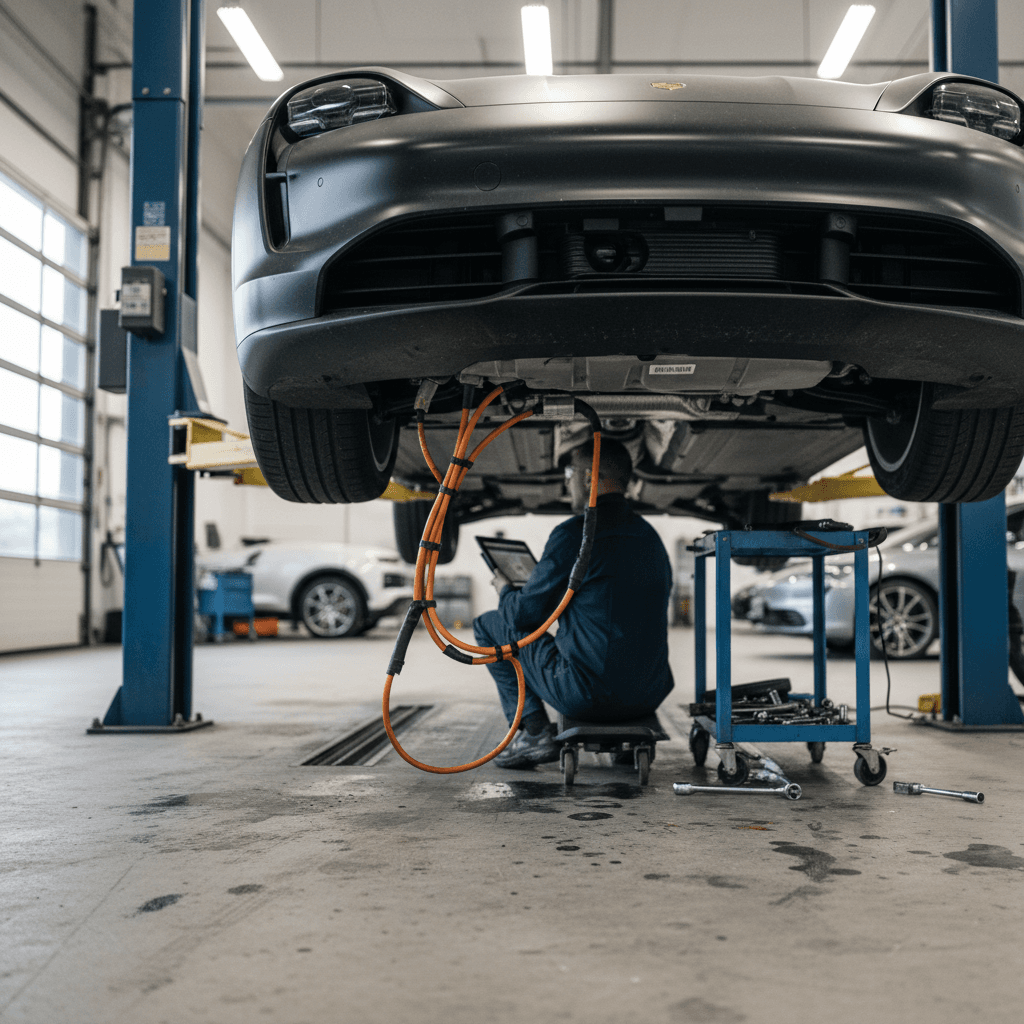
Three overlapping battery‑related recall waves
Most 2020 Taycans are covered by at least one of these campaigns
1. Early battery module checks
Initial recalls focused on specific production batches with a higher risk of internal short circuits.
- Model years: 2020–2022 primarily
- Remedy: Battery inspection, and module or pack replacement if defects found
2. Software monitoring & 80% limit
As Porsche gathered more data, later campaigns added advanced monitoring software.
- Car may be limited to ~80% charge
- Software looks for early signs of module failure
3. Expanded 2024–2025 campaigns
By late 2024, Porsche rolled multiple campaigns into a wider recall covering 2020–2024 Taycans.
- Focus on preventive diagnostics
- Targeted module replacements where data shows risk
- Not every 2020 Taycan will need a new battery pack, even if it’s under a battery recall. Many cars only need software and ongoing monitoring.
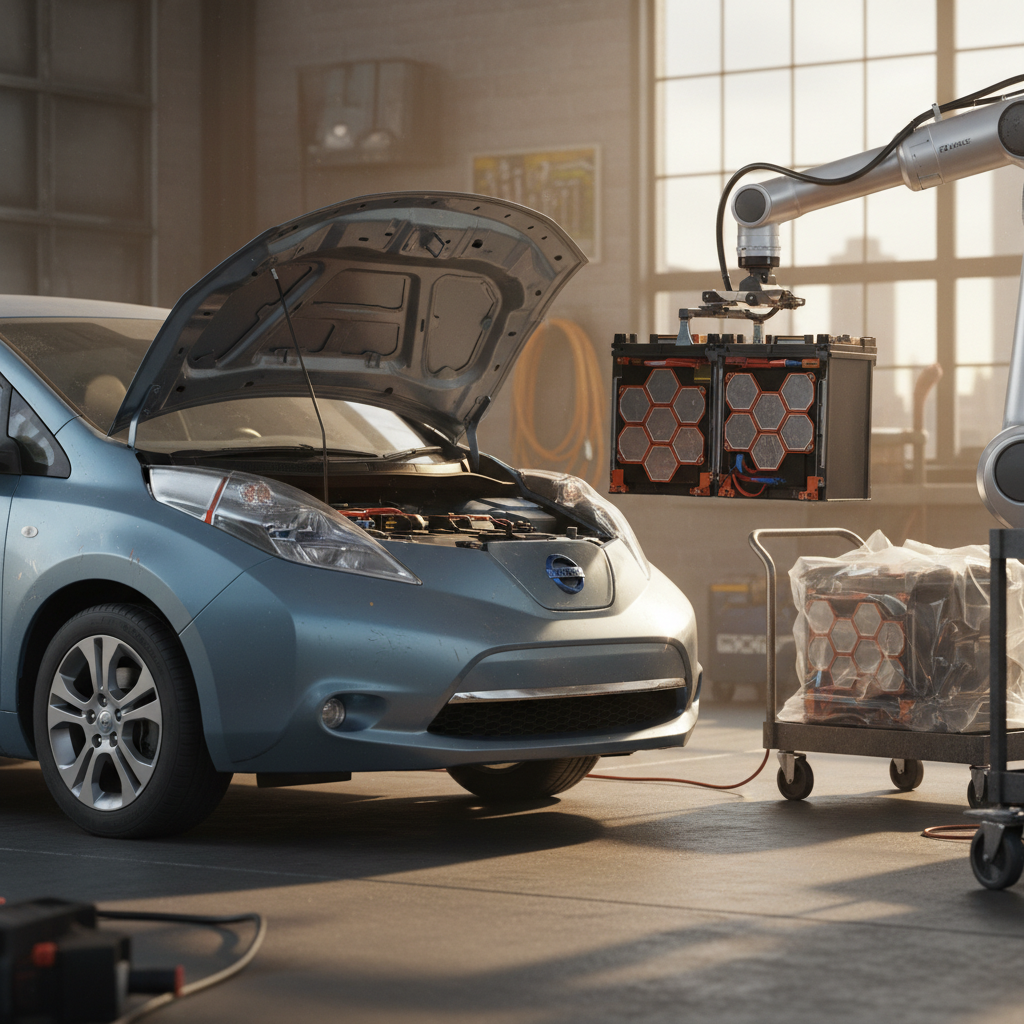
- Cars that fail the diagnostic checks may get individual module replacements or, in some cases, a complete high‑voltage battery pack replacement at no cost.
- Some recalls instruct owners to limit charging to around 80% until the software update or inspection is complete, especially on cars that don’t connect regularly to Porsche’s servers.
Don’t ignore battery recall letters
Recall 5: Front brake hose cracks and fluid leaks
In mid‑2024 Porsche announced a major front brake hose recall affecting roughly 31,000 Taycans from model years 2020–2025 built between late 2019 and mid‑2024. That includes essentially the entire 2020 Taycan production run.
What’s the issue?
Under certain steering and suspension movements, the front brake hoses can flex in a way that promotes cracking over time. If a crack forms and grows, it can allow brake fluid to leak from the front circuit.
The rear brakes remain functional, but you’ll see warning messages such as “brake fluid low” or stability control errors. In extreme cases, stopping distances may increase, especially under hard braking.
What’s the fix?
Porsche dealers replace the front brake hoses with improved parts that are more tolerant of normal steering and suspension movement.
Because this work involves opening the brake hydraulic system, technicians will also bleed the brakes and top up fluid as needed. As with all recalls, the work is free for current and future owners.
Symptoms to watch for
Other notable campaigns, TSBs, and service actions
Beyond the big, named recalls, Porsche has issued technical service bulletins (TSBs) and smaller campaigns to address issues that don’t always rise to the level of a formal NHTSA safety recall. These can include things like control‑unit updates, charger hardware updates, and driveline refinements.
- Updated software for various control units to reduce nuisance error messages or warning lights.
- Service campaigns for onboard charging hardware or mobile chargers that may overheat or behave unreliably in some conditions.
- Occasional driveline or transmission‑related TSBs addressing noises, harsh shifts in two‑speed rear gearboxes, or rare component failures on higher‑mileage cars.
Why TSBs still matter to you
2020 Taycan recall summary table
Major U.S. recalls impacting 2020 Porsche Taycan
Exact NHTSA campaign numbers change as recalls are expanded or consolidated. Use this as a plain‑English guide and always verify by VIN.
| Issue | Model years affected (incl. 2020) | Main risk | Typical symptoms | Dealer remedy |
|---|---|---|---|---|
| Software loss of power | 2020–2021 | Unexpected shutdown while driving | Battery or electrical fault warnings, sudden loss of propulsion | Reprogram control units with updated software |
| Early HV battery short‑circuit | 2020–2022 (selected packs) | Internal short, possible fire | May show electrical system errors or reduced performance, or no symptoms at all | Inspect battery modules, replace defective modules or full pack |
| Expanded HV battery monitoring | 2020–2024 | Preventive detection of failing modules | Dash warning, charge limit around 80% until inspected | Install advanced diagnostic software, then repair/replace modules if needed |
| Front brake hose cracks | 2020–2025 | Front brake fluid leak, longer stopping distances | Brake warning lights, soft pedal, reduced front braking | Replace front brake hoses with improved parts, bleed system |
| Misc. control‑unit updates | Primarily 2020–2021 | Reduced reliability or nuisance faults | Random warning lights, occasional limp‑home behavior | Update one or more control units to latest software |
Always confirm your own car’s status through NHTSA or Porsche before assuming a recall has been completed.
How to check open recalls on a 2020 Taycan
Because 2020 Taycan recalls stretch across several years and sometimes supersede earlier campaigns, the only reliable way to know where a specific car stands is to check its VIN in the official databases.
Step‑by‑step: See if a 2020 Taycan still has open recalls
1. Find the full 17‑digit VIN
Look at the base of the windshield on the driver’s side, the driver‑door jamb sticker, registration, or insurance card. You’ll need the complete 17‑character VIN, no spaces or dashes.
2. Run the VIN through NHTSA
Go to the official NHTSA recall website and enter the VIN. It will show any <strong>open safety recalls</strong> that haven’t been marked as completed by a dealer.
3. Check Porsche’s recall portal
Porsche also hosts its own recall lookup by VIN. This can show brand‑specific campaigns or service actions that may not appear in the NHTSA tool yet.
4. Call a Porsche service department
Give the VIN to any authorized Porsche dealer and ask for a <strong>recall and campaign history</strong>. They can see exactly which recalls are open, and which were completed, along with dates.
5. Ask for documentation
If you’re buying a used Taycan from a dealer, request a printed repair history showing recall completion. For a private‑party sale, ask the owner for their most recent service invoices.
6. Plan recall visits around your schedule
Most software updates are one‑day visits. High‑voltage battery work or brake hose replacements can take longer. Ask about loaner vehicles, especially if the car will be down for several days. Porsche dealers commonly provide one for major recall work.
How Recharged handles recalls
Ready to find your next EV?
Browse VehiclesShopping for a used 2020 Taycan? What to look for
A 2020 Taycan can be a spectacular used EV, fast, comfortable, and surprisingly livable, if you approach it with your eyes open. Recalls don’t automatically make a car a bad bet, but they do mean you should dig a little deeper than you might with a simpler EV.
Four recall‑related checks before you buy a 2020 Taycan
These can turn a nervous purchase into a confident one
1. Print the recall & campaign history
Ask the selling dealer, or any Porsche dealer, for a full recall and campaign report by VIN.
- Look for closed entries on software and battery recalls.
- Confirm the front brake hose recall shows as completed.
2. Review recent battery work
If the car has had high‑voltage battery modules replaced, or an entire pack, ask for documentation.
- Done properly, this can be a positive, as you’re getting fresher hardware.
- Make sure there are no lingering fault codes or limitations on charge level.
3. Drive it like you own it
During a test drive, pay attention to warning lights, drivability, and charging behavior.
- No sudden power loss or unexplained warnings.
- Brake pedal should be firm and consistent.
4. Consider a specialist inspection
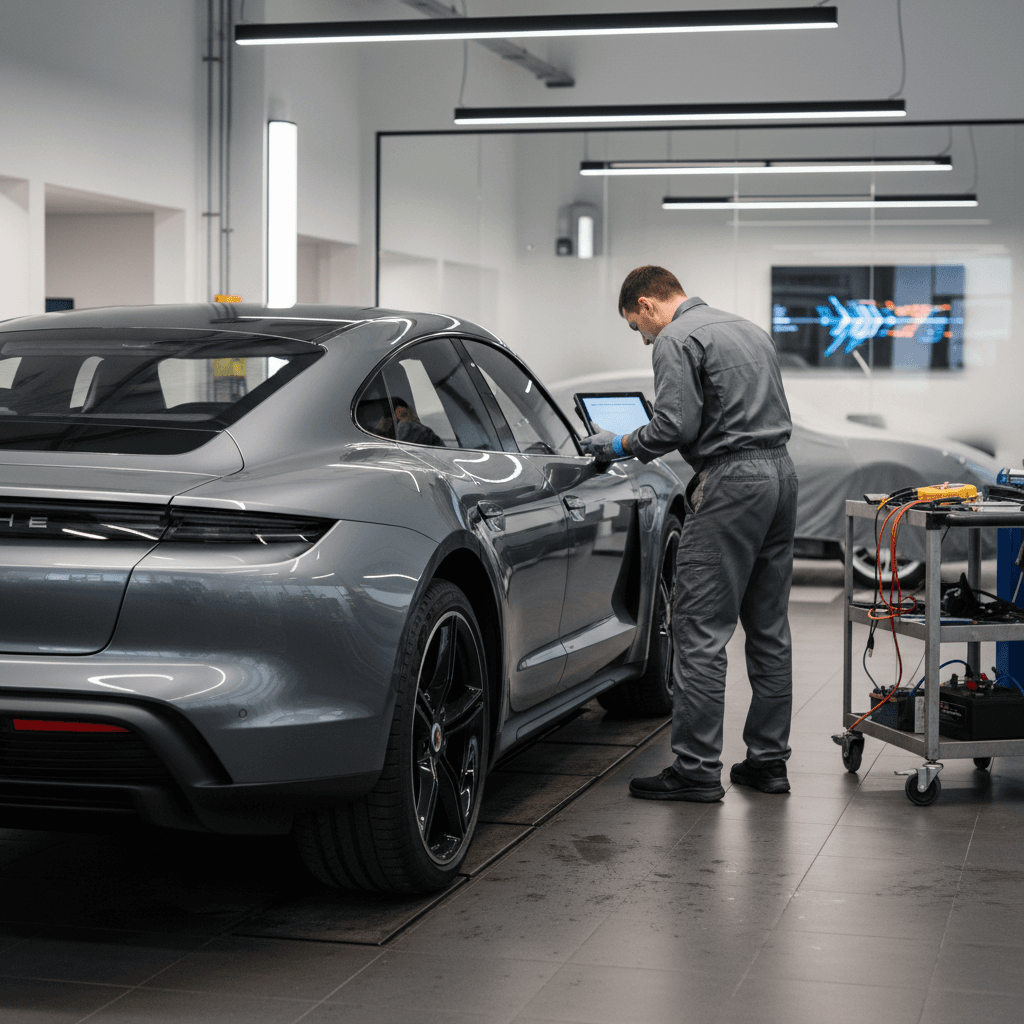
For a performance EV with multiple recall campaigns, a pre‑purchase inspection at a Porsche dealer or EV specialist is money well spent.
They can confirm recall status and scan for hidden fault codes you won’t see on a short drive.
Leaning toward a used Taycan?
2020 Porsche Taycan recall FAQ
Frequently asked questions about 2020 Taycan recalls
Bottom line: Is a recalled 2020 Taycan a deal‑breaker?
On paper, the 2020 Porsche Taycan recalls list looks intimidating: software that can shut the car down, high‑voltage batteries that need careful monitoring, and brake hoses that have to be replaced. But recalls are also a sign that Porsche and regulators are paying attention, and taking steps to keep early production EVs safe on the road.
If you pick a 2020 Taycan with documented recall repairs, clean diagnostics, and strong battery health, you can enjoy one of the most engaging electric cars on the market without constantly looking over your shoulder. The key is doing your homework: run the VIN, read the paperwork, and lean on EV‑savvy experts when you need a second opinion.
If you’d rather skip the detective work, consider shopping through Recharged, where every used EV comes with a Recharged Score battery report, transparent recall status, and human specialists who live and breathe electric cars like the Taycan. That way, the only surprises your 2020 Taycan delivers are the good kind, the ones that come when you flatten the right pedal.