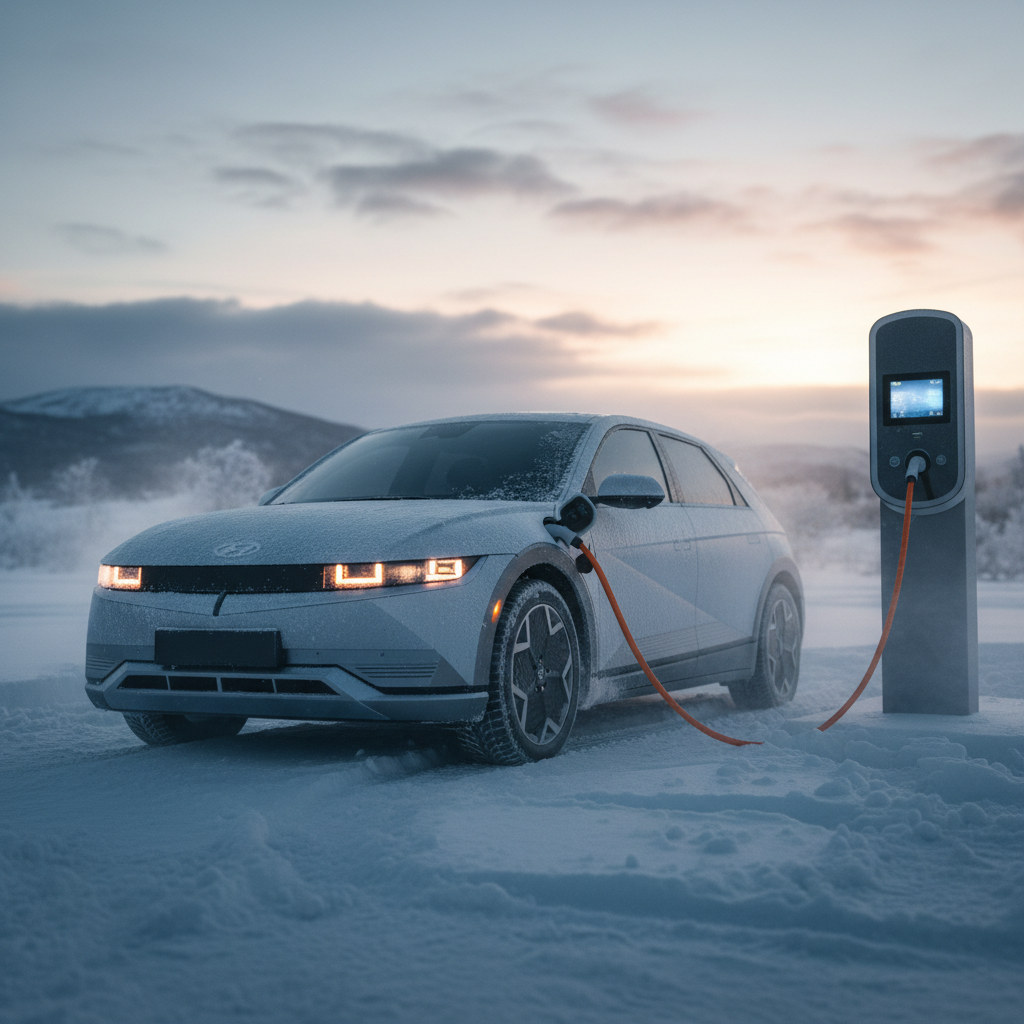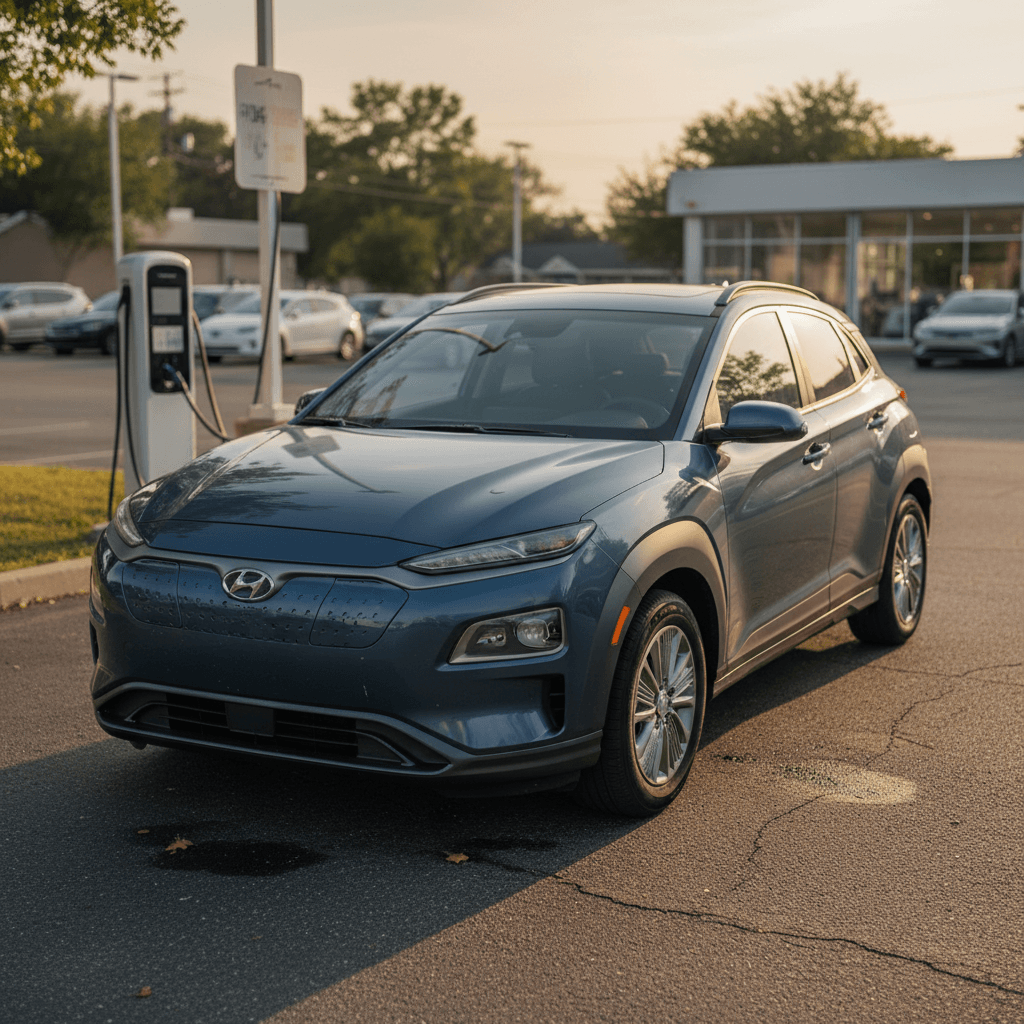
If you’re shopping the used EV market, you’ve probably asked yourself: is the 2023 Hyundai Kona Electric a good buy in 2026? As a subcompact crossover with solid range, a long battery warranty and reasonable pricing on the used market, it can be a smart move, if it fits your driving pattern and you know what to check before you sign.
Short Answer
Overview: Is the 2023 Kona Electric a Good Buy?
The 2023 Hyundai Kona Electric is the last model year of the first‑generation Kona EV before Hyundai redesigned the crossover for 2024. That matters for you as a used buyer, because the 2023 blends mature, proven hardware with some of the best pricing you’ll see on a modern, long‑range EV.
2023 Kona Electric at a Glance
How it stacks up as a used EV in 2026
Range & Efficiency
Used Pricing
Battery & Warranty
How Recharged Fits In
Key Specs and What Makes the 2023 Kona Electric Different
2023 Hyundai Kona Electric Key Numbers
The 2023 Kona Electric rides on the same basic architecture as earlier Kona EVs, but it benefits from years of software and minor hardware revisions. It’s a front‑wheel‑drive only EV with a single motor, lively around‑town acceleration, and a cabin that feels more like a well‑equipped compact car than a basic econobox.
- Permanent‑magnet electric motor (~201 hp, 291 lb‑ft torque)
- 64 kWh lithium‑ion battery pack
- Front‑wheel drive only
- Five‑door subcompact crossover body style
- Standard advanced driver‑assist features on most trims (Hyundai SmartSense)
What the 2023 Hyundai Kona Electric Does Well
If you’re coming out of a gasoline subcompact SUV or an older EV, the 2023 Kona Electric has a lot going for it. Here are the strengths that make it a compelling used buy.
Major Strengths of the 2023 Kona Electric
Why many used‑EV shoppers shortlist it
Strong Range for the Money
Attractive Used Pricing
Long Battery & Powertrain Warranty
Excellent Efficiency
Easy Daily Driver
Mature First‑Gen Hardware
Good Fit If…
Where the 2023 Kona Electric Falls Short
No used EV is perfect, and the 2023 Kona Electric carries a few compromises you should be honest about before you buy.
1. DC Fast Charging Is Only Average
The Kona Electric’s DC fast‑charging peaks at roughly the mid‑70 kW range on most public chargers. That’s fine for occasional road trips, but it’s noticeably slower than newer 400–800V EVs that can sustain 150–200 kW or more. If you’re planning frequent long‑distance travel, you’ll spend more time stopped than drivers in newer platforms.
2. Tight Rear Seat and Cargo
This is a subcompact crossover. Adults can fit in the back, but tall passengers may feel squeezed on legroom and headroom compared with larger EVs like the Ioniq 5 or Tesla Model Y. Cargo space is fine for errands and light travel, but families with strollers or lots of gear might feel cramped.
- Interior materials and infotainment feel a bit older compared with 2024+ EVs with big, tablet‑style screens.
- Front‑wheel drive only: no AWD option if you live in snow country and want extra traction.
- Limited DC fast‑charging speed makes it less ideal as a primary long‑haul road‑trip machine.
- Some mixed reliability reports, particularly around 12‑volt batteries and occasional electronic glitches, mean a pre‑purchase inspection is worth your time.
Consider the Newer Generation
Used Pricing, Depreciation and Resale Value
You’re likely looking at the 2023 Kona Electric because of the numbers, and they are compelling. As of early 2026, price guides and dealer listings show meaningful depreciation from the original MSRP but fairly strong value retention for a subcompact EV.
Typical 2023 Kona Electric Value Ranges in 2026 (U.S.)
Approximate ranges based on mainstream pricing guides and retail listings. Actual values vary by mileage, trim, condition and region.
| Condition / Mileage | Typical Retail Range | Notes |
|---|---|---|
| Low miles (under ~15,000) | High-teens to low-$20Ks | Top‑trim cars from original owners may price at the upper end. |
| Average miles (~20,000–30,000) | Mid-teens to around $20K | Where many off‑lease cars land. |
| High miles (40,000+) | Often low-to-mid teens | Condition, service history and remaining warranty drive pricing. |
Use this as a directional guide, not a quote. Always check current local values.
Depreciation data suggests the Kona Electric loses value at a rate that’s similar to or slightly better than many mainstream EV crossovers. It doesn’t hold value like a Tesla Model 3, but it tends to outperform some lesser‑known or short‑range EVs that are harder to resell.
What This Means for You
Real-World Range and Charging Experience
On paper, the 2023 Kona Electric’s 258‑mile EPA estimate is strong. But the more important question is what you’ll see in your daily life and on occasional trips.
What You Can Expect from a 2023 Kona Electric
Typical range and charging patterns
Daily Commuting
Weekend Trips
Long Road Trips
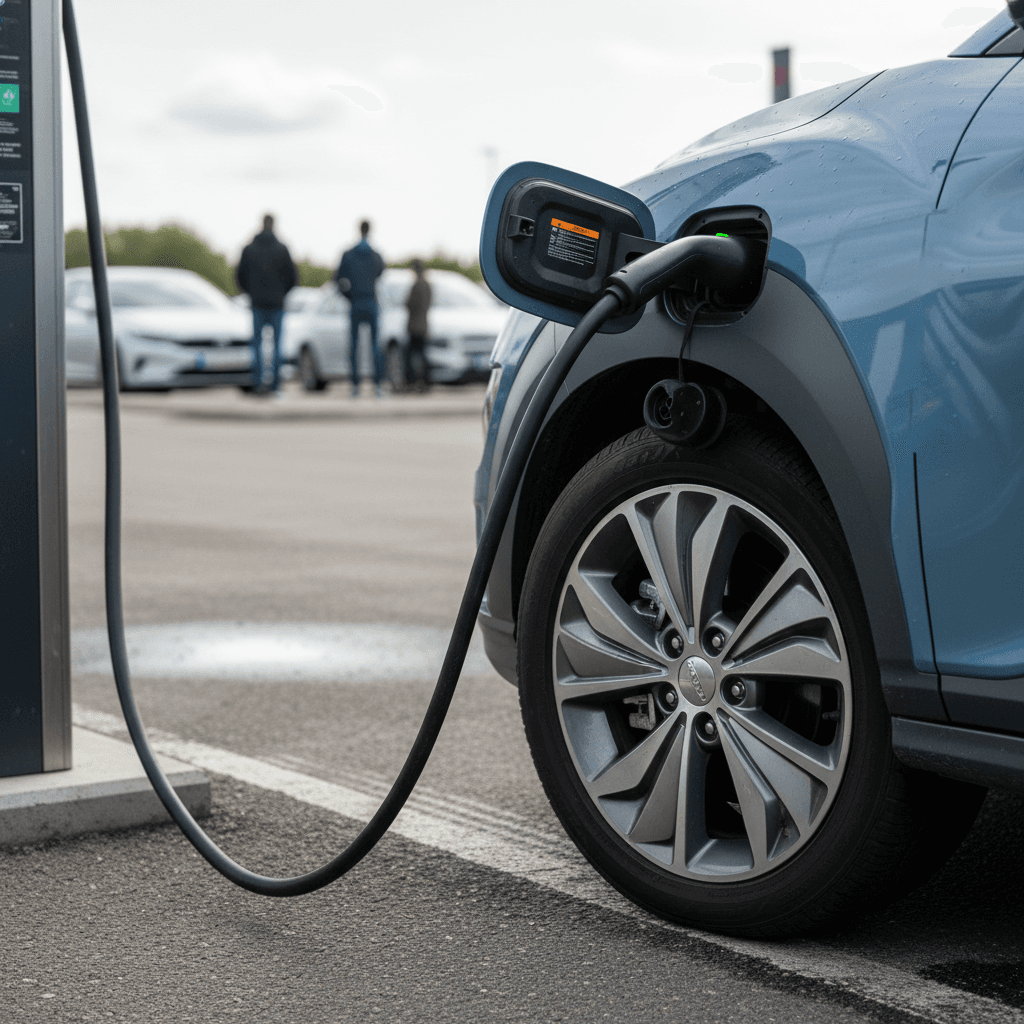
Home Charging is Where It Shines
Reliability, Battery Health and Warranty Coverage
Reliability for the 2023 Hyundai Kona Electric is generally mixed‑but‑acceptable. Owner‑review sites and forums show plenty of drivers reporting trouble‑free miles, but there are also posts about issues such as 12‑volt battery failures, infotainment quirks, and occasionally more serious concerns that required warranty work.
Battery Longevity
Real‑world reports from first‑gen Kona Electric owners suggest that high‑voltage battery degradation is usually modest in the first 3–5 years if the car is charged and stored reasonably. It’s common to see only a small drop in estimated range over this period. However, this varies by climate, fast‑charging frequency and how often the pack is kept at 100%.
Hyundai backs the high‑voltage battery with a long warranty in the U.S., which typically covers defects, not normal gradual range loss. That safety net is a big part of why a 2023 Kona Electric can be a sensible used buy.
Other Reliability Considerations
Like most modern EVs, the Kona Electric has fewer moving parts than a gasoline car, so there’s no engine oil, spark plugs or exhaust system to service. But beware of:
- 12‑volt battery issues: Some owners of similar model‑year Konas mention premature 12‑volt battery failures, which can leave the car unable to “start.”
- Electronics and sensors: As with any tech‑heavy car, occasional glitches can appear, though many are resolved under warranty.
- High‑voltage repairs out of warranty: Rare, but expensive. That’s why remaining warranty and a detailed battery health report matter.
Don’t Skip a Battery Health Check
Every vehicle sold on Recharged includes a Recharged Score with independent battery diagnostics, so you’re not guessing how much usable capacity is left. If you’re shopping elsewhere, ask for a recent battery health report or have the car evaluated by an EV‑savvy technician before committing.
Is the 2023 Kona Electric Right for You?
The question isn’t just whether the 2023 Hyundai Kona Electric is a good car, it’s whether it’s a good car for you. Here’s how to think about fit.
Who the 2023 Kona Electric Suits Best
Daily Commuters
Drive under ~80–100 miles per day.
Have access to reliable home or workplace charging.
Value low running costs more than cutting‑edge tech.
Don’t need a big rear seat or cargo hold.
First-Time EV Owners
Want a relatively simple, user‑friendly EV experience.
Prefer a conventional dashboard layout over giant touchscreens.
Like the idea of a long battery warranty for peace of mind.
Are attracted to a lower entry price than newer EVs.
Budget-Conscious Upgraders
Coming from an older short‑range EV and want more range without spending Tesla money.
Are okay with slower DC fast charging because road trips are occasional.
Want a model with decent resale prospects if they trade again in a few years.
Who Should Probably Look Elsewhere
Families who regularly use the back seat for adults or teens and need more space.
Drivers who road‑trip across multiple states several times a year and prioritize ultra‑fast charging.
Shoppers who want the latest interior design, screens and driver‑assist tech available on 2024+ EVs.
Used 2023 Kona Electric Inspection Checklist
Whether you’re buying privately, at a traditional dealership, or through a digital retailer, use this checklist to evaluate a 2023 Kona Electric before you commit.
Pre‑Purchase Checklist for a 2023 Hyundai Kona Electric
1. Confirm Battery and Powertrain Warranty Dates
Ask for documentation showing the original in‑service date so you can calculate how much of the <strong>10‑year/100,000‑mile battery and powertrain coverage</strong> is left. A car first sold in mid‑2023, for example, should still have around seven years of battery coverage in 2026.
2. Get a Battery Health Report
Request a recent <strong>battery state‑of‑health</strong> report from a Hyundai dealer or an independent EV‑specialist. At Recharged, this data is built into the Recharged Score, so you can see remaining capacity and any stored fault codes before you buy.
3. Inspect DC Fast-Charging History (If Possible)
If you can access telematics or service history, look for signs of extremely heavy DC fast‑charging use, especially in hot climates. Occasional fast charging is normal; constant DC use can accelerate degradation over time.
4. Check the 12-Volt Battery and Charging Behavior
Confirm the 12‑volt battery is healthy and that the car <strong>wakes up and goes ready</strong> consistently without warnings. Ask if it has ever been replaced and when. A weak 12‑volt can cause headaches that feel worse than they are.
5. Look for Software Updates and Campaigns
Ask a Hyundai dealer to check the VIN for any outstanding <strong>software updates, recalls or service campaigns</strong>. You want a car that’s fully up to date on firmware for charging, safety systems and battery management.
6. Evaluate Tires, Brakes and Suspension
Even on an EV, tires and brakes still wear. Check for uneven tire wear (which can hint at alignment issues), adequate tread depth, and smooth, quiet braking without pulsation or grinding.
7. Test Real-World Range on a Long Drive
If the seller allows, do an extended test drive and note energy consumption. Compare indicated remaining range to miles driven. A big mismatch can flag battery degradation or unusually inefficient usage.
Let Recharged Do the Heavy Lifting
FAQ: 2023 Hyundai Kona Electric as a Used Buy
Frequently Asked Questions
Bottom Line: Is It a Smart Purchase?
So, is the 2023 Hyundai Kona Electric a good buy? For many used‑EV shoppers in 2026, the answer is yes. You get long‑range capability, strong efficiency, and one of the better battery warranties in the segment, all at a price that’s often significantly lower than newer, flashier EVs. The trade‑offs, tight rear space, average fast‑charging speed and mixed but generally acceptable reliability, are manageable if you understand them going in.
If your life centers on commuting, errands and the occasional weekend getaway, and you can charge at home, a well‑vetted 2023 Kona Electric can be a smart, budget‑friendly entry into EV ownership. Just make sure to verify battery health, remaining warranty and service history. Shopping through a specialist used‑EV retailer like Recharged, where every car comes with a Recharged Score Report, financing options, trade‑in support and nationwide delivery, can help you de‑risk the process and focus on the fun part, driving electric.