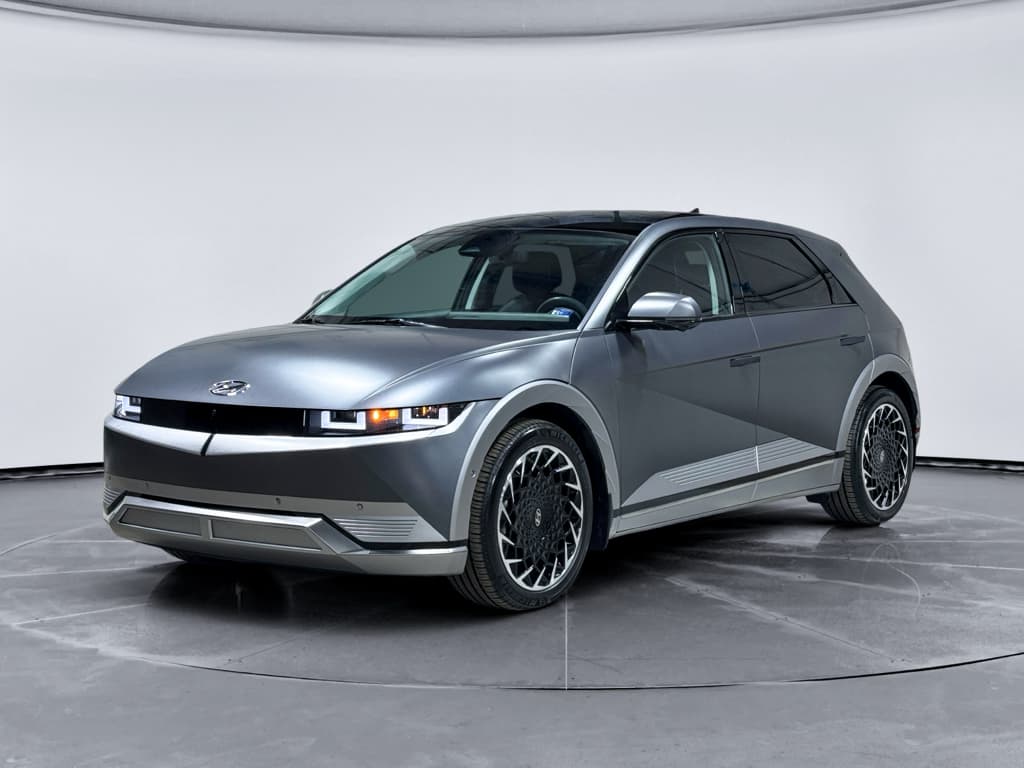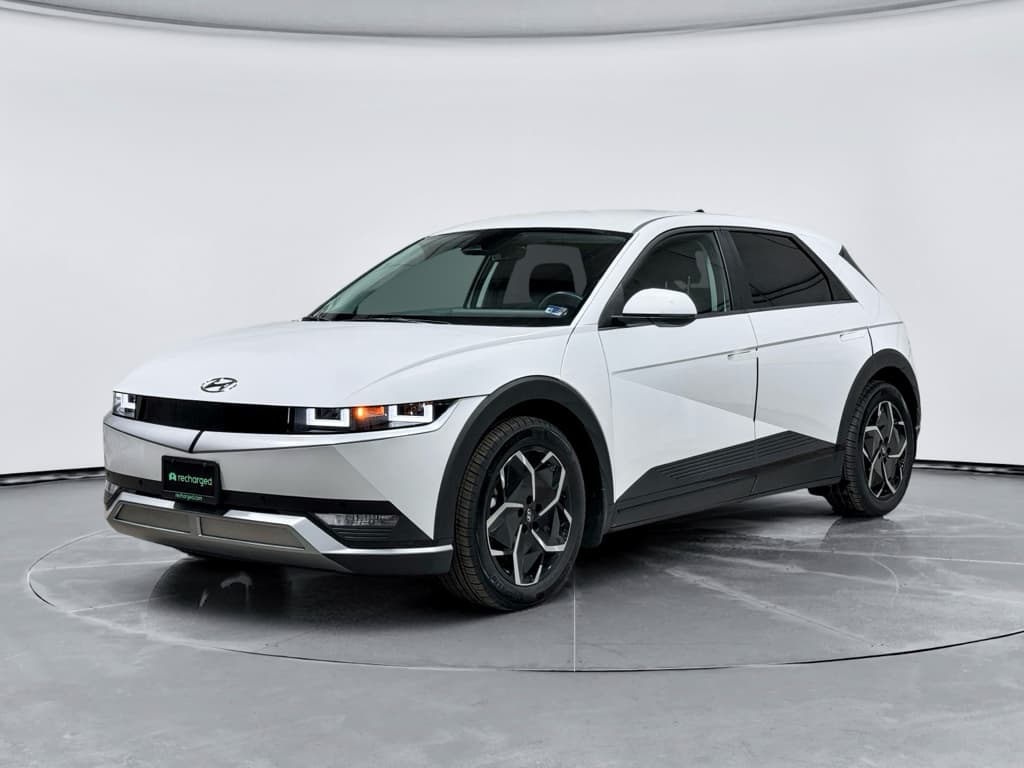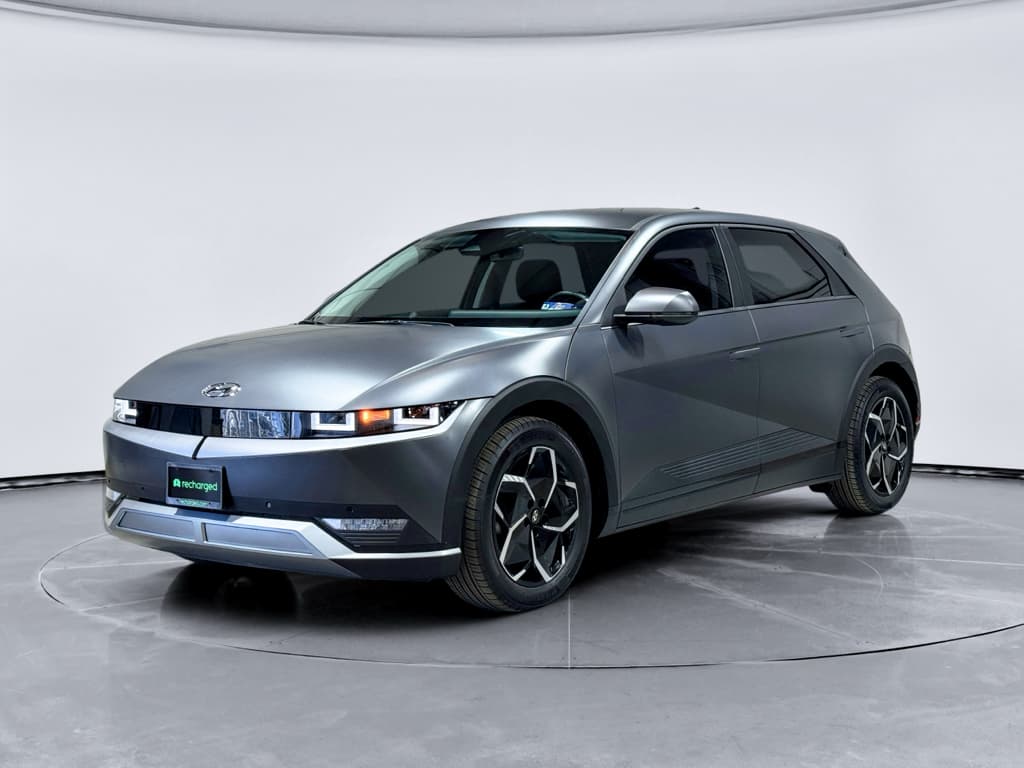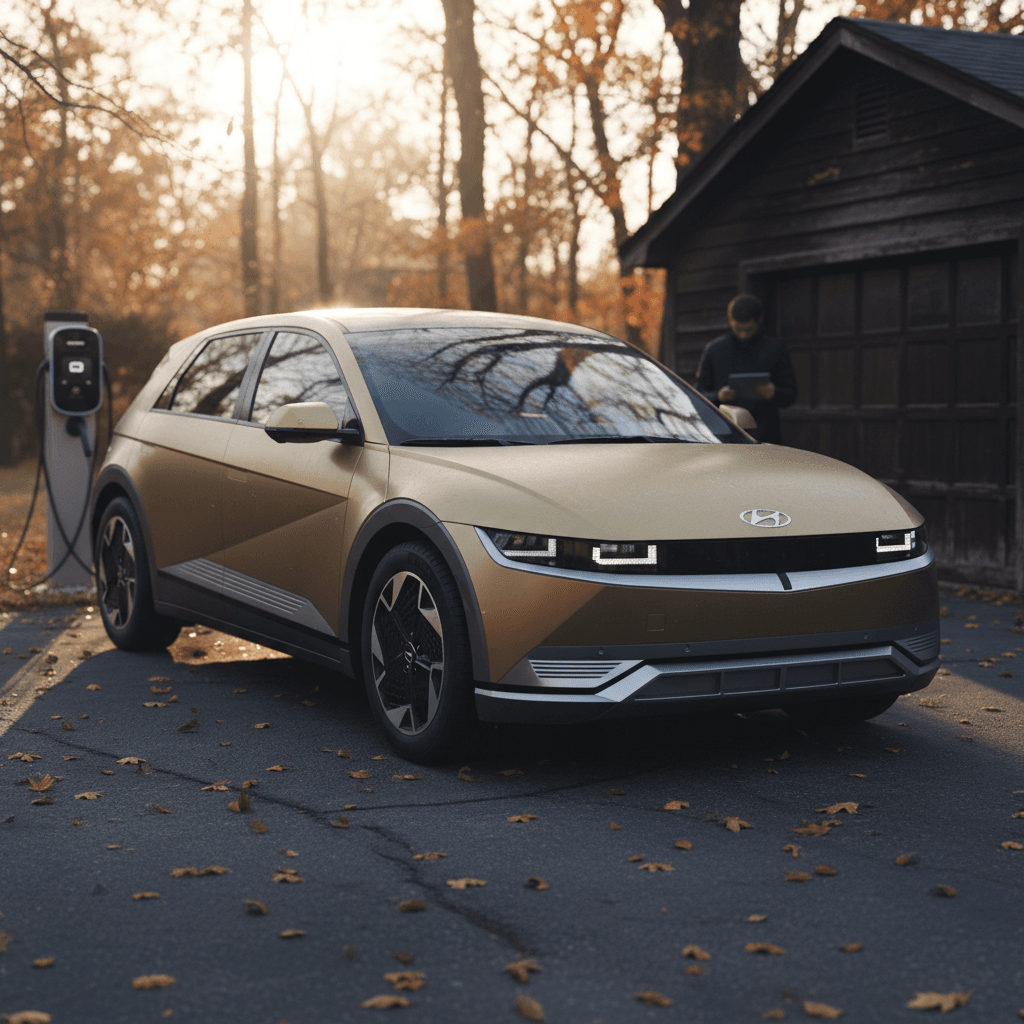
If you like your electric crossovers with a bit of sci‑fi swagger, the 2023 Hyundai Ioniq 5 is probably on your shortlist. But in 2026, with price cuts on new EVs and a swirl of recall headlines, you’re right to ask: is a 2023 Hyundai Ioniq 5 actually a good buy, or a pretty shape hiding expensive drama?
The short version
Quick answer: Is the 2023 Ioniq 5 a good buy?
How the 2023 Ioniq 5 stacks up as a used buy
A snapshot for shoppers in 2026
Value
Strong, but volatile. Used 2023 Ioniq 5s have fallen hard from MSRP, which is good news for you, as long as the price already reflects the faster‑than‑average depreciation and any recall history.
Battery & range
Generally excellent. Real‑world range is competitive and battery degradation has been modest so far, backed by a long factory warranty. The bigger risk isn’t the pack, it’s the supporting electronics.
Reliability & hassle factor
Mixed. Many owners report trouble‑free driving, others have dealt with ICCU (charging control) failures, 12V battery issues, and multiple dealership visits for software campaigns. You’re buying both a great EV and Hyundai’s learning curve.
- Great buy if: you want a stylish, comfortable, fast‑charging family EV, are okay living with a few software recalls, and can find a car with clean history at a deep discount from original MSRP.
- Think twice if: you live far from a competent Hyundai EV dealer, can’t tolerate downtime for recall work, or want the absolute least‑drama EV ownership experience.
What makes the 2023 Hyundai Ioniq 5 special?
The 2023 Ioniq 5 rides on Hyundai’s dedicated E‑GMP EV platform, the same basic bones as the Kia EV6 and Genesis GV60. That gives it a long wheelbase, flat floor, and the kind of interior space you used to need a midsize SUV to get. It also brings an 800‑volt electrical architecture, which in plain English means very fast peak DC charging when conditions are right and very smooth performance.
- Striking, concept‑car styling that hasn’t aged a day.
- Spacious, lounge‑like interior with sliding center console and tons of legroom.
- Smooth, instant EV power, especially on dual‑motor AWD models.
- Strong safety performance and advanced driver‑assist tech.
- Useful real‑world range in the low‑ to mid‑200‑mile bracket for most trims.
Used‑EV shopper tip
Pricing and depreciation: how good is the deal really?
2023 Ioniq 5 value picture in 2025–2026 (approximate
When the 2023 Ioniq 5 was new, many trims brushed $50,000 once you added options and destination. Today, it’s not unusual to see a well‑equipped 2023 Limited or SEL in the mid‑ to high‑$20,000s with reasonable miles, sometimes less if the seller is impatient or the car has a story.
Where the value is
Good deal signals
- Documented one‑owner or off‑lease history.
- Price clearly below what similar 2024s are listing for.
- Service records showing recall and software campaigns completed.
- Clean inspection on battery health and charging behavior.
Red flags
- Price barely lower than a newer model year.
- No paperwork for recall visits or software updates.
- Seller hand‑waving away charging glitches as “just software.”
- Unusual aftermarket wiring or home‑brew tow hitches tapped into high‑voltage systems.
Reliability and common issues on the 2023 Ioniq 5
Mechanically, the Ioniq 5’s motors and battery pack have held up well so far. Where this car has earned its reputation, good and bad, is in the software and supporting electronics. Think of it less like a Camry and more like a very fast, very complicated smartphone on wheels.
Most discussed 2023 Ioniq 5 issues
What you’re likely to read in forums and owner groups
ICCU failures
The Integrated Charging Control Unit (ICCU) can fail on some cars, leaving the 12‑volt system discharged and the car inoperable until repaired. Hyundai has issued software campaigns and recalls to mitigate this, but some owners have still seen failures afterward, often with long waits for parts.
12‑volt battery woes
Multiple long‑term tests and owner reports mention weak 12‑volt batteries that die early and strand the car, even though the big high‑voltage pack is fine. Replacements are typically covered under warranty, but downtime is downtime.
Charging quirks
Some owners report fussy behavior with certain DC fast‑charging networks (especially older or poorly maintained CCS stations) and occasional home‑charging error messages at higher amperages. Often it’s the station, sometimes it’s the car, and sorting that out can be frustrating.
- Software recalls and over‑the‑air updates addressing instrument‑cluster display issues, charging behavior, and various electronic gremlins.
- A minority of cars with repeated ICCU or charging‑system failures that require extended dealer time.
- Plenty of owners reporting tens of thousands of miles with no major trouble beyond scheduled recall visits.
What this means for you
This is where buying through a specialist used‑EV retailer like Recharged helps. Every Ioniq 5 we list goes through a Recharged Score inspection, including checks for open recalls, charging‑system behavior and 12‑volt health, so you’re not learning about these issues for the first time on the side of the highway.
Battery health, range and warranty coverage
Here’s the good news: for most 2023 Ioniq 5s on the road in 2026, the high‑voltage battery itself is not the main concern. Real‑world owner data and instrumented tests suggest modest degradation so far, especially on cars that aren’t fast‑charged to 100% every day.
2023 Ioniq 5 range & battery basics (US EPA figures)
Approximate EPA combined estimates when new. Real‑world range will vary with driving style, temperature, wheel size and load.
| Trim / drivetrain | Battery | EPA combined range (mi) | Notes |
|---|---|---|---|
| SE Standard Range RWD | 58 kWh | ≈220 | Less common, smaller pack; budget choice. |
| SE / SEL / Limited RWD (long‑range) | 77.4 kWh | ≈303 | Best mix of range and price. |
| SE / SEL / Limited AWD (long‑range) | 77.4 kWh | ≈260–266 | More power and traction, some range penalty. |
Battery capacity is the same for RWD and AWD long‑range trims; drivetrain and wheels affect efficiency.
Battery warranty
- Ask for the original in‑service date so you know exactly how much warranty remains.
- Review any battery‑related warranty claims in the service history; repeat visits are a yellow flag.
- Have battery health measured with a scan‑tool‑based test or a third‑party diagnostic like the Recharged Score, which estimates remaining usable capacity and flags abnormal degradation.
Charging experience: CCS today, NACS tomorrow
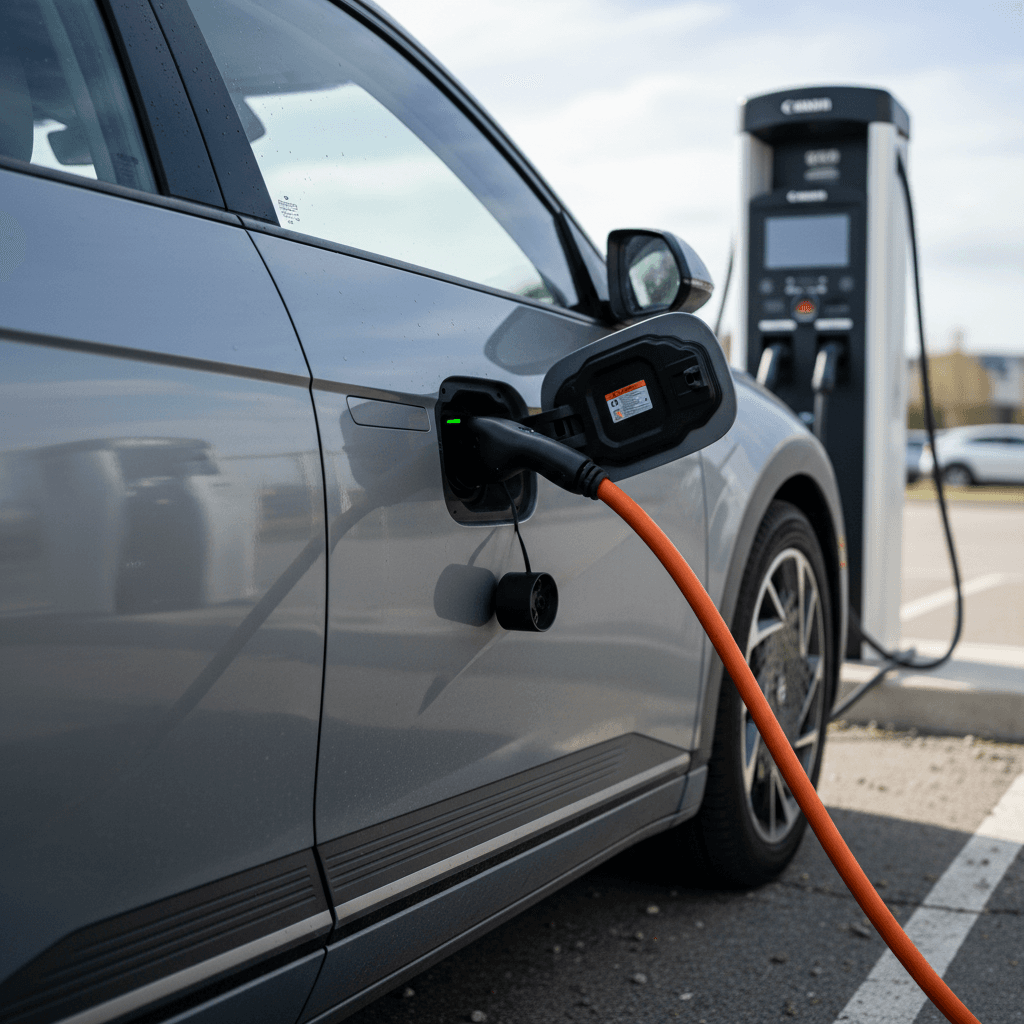
From the factory, every 2023 Ioniq 5 in North America uses a CCS1 DC fast‑charging port and a J1772 AC inlet. That was the standard in 2023; by 2026, the industry is tilting hard toward the Tesla‑developed NACS connector. So where does that leave you?
Right now (2026)
- On a healthy 800‑volt charger, the long‑range Ioniq 5 can go from 10% to 80% in roughly 18–25 minutes in ideal conditions.
- In cold weather or on older 400‑volt hardware, it may charge more slowly and sometimes refuses to handshake with flaky stations.
- You’ll primarily use CCS networks like Electrify America, EVgo and others; availability varies a lot by region.
Over the next few years
- Hyundai and other brands are rolling out NACS access – either via adapters or future hardware updates – but 2023 cars start life as CCS.
- As Superchargers open to more non‑Tesla EVs, adapters will be your bridge to those sites.
- Plan on living in a hybrid world: CCS public stations + home Level 2 for most of your miles, NACS access as a bonus, not a guarantee.
How to make charging painless
Safety, comfort and daily driving impressions
On the safety front, the Ioniq 5 is unimpeachable. The 2023 model earns top crash‑test scores from major testing agencies, and Hyundai has since turned the platform into a showcase for its safety engineering. In a used‑car search full of shrug‑worthy small crossovers, this is one of the few that feels engineered from the ground up to protect an electric‑era family.
Living with a 2023 Ioniq 5
Where it shines, where it doesn’t
Comfort
Quiet, airy cabin with a long wheelbase that smooths out most pavement joints. Seats are more lounge chair than race bucket. Road and wind noise are well controlled.
Ride & handling
Soft‑edged and calm rather than sporty. The Kia EV6 and Model Y feel sharper, but the Ioniq 5 is the one you’ll want for long commutes and road trips.
Driver assistance
Hyundai’s Highway Driving Assist and adaptive cruise systems are generally smooth and confidence‑inspiring when properly calibrated, though some owners complain of occasional beeps and nags. Test them on a real highway before you buy.
Safety highlight
Which 2023 Ioniq 5 trims are the best buys?
Hyundai offered the 2023 Ioniq 5 in SE Standard Range, SE, SEL and Limited trims, with RWD or AWD on most long‑range versions. Not all of them make equal sense on the used market.
2023 Ioniq 5 trims to target (and avoid)
What to look for in the listings
Best all‑around: SE / SEL RWD long‑range
These cars get the big battery, strong range, and lower complexity than AWD, usually at a friendlier price. Great choice if you don’t need all‑weather traction.
Worth it in cold states: AWD long‑range
Dual‑motor cars are seriously quick and more confident in bad weather, but you pay more up front and at the charger. Look for SEL or Limited with winter‑friendly tires if you’re in snow country.
Only if cheap: SE Standard Range
The smaller battery makes sense only if the price gap is big and you truly drive short distances. Otherwise, you’re giving up too much range for only modest savings.
Options that age well
What to check before you buy a 2023 Ioniq 5
Used 2023 Ioniq 5 pre‑purchase checklist
1. Scan for open recalls and campaigns
Use Hyundai’s VIN lookup and ask for printouts of completed campaigns. The Ioniq 5 has had multiple software and charging‑system updates; you want a car that’s up to date, not a future service appointment on wheels.
2. Test both home and DC fast charging
If possible, plug into a Level 2 charger and a known‑good DC fast charger. Watch for error messages, repeated charge interruptions, or unusually low charging speeds compared with what the station advertises.
3. Check 12‑volt and ICCU history
Ask specifically about 12‑volt battery replacements and any ICCU or charging‑system repairs. One early 12‑volt swap isn’t necessarily a dealbreaker; multiple visits for the same issue should give you pause.
4. Evaluate battery health
Don’t guess from the dash range estimate alone. Use a battery‑health report like the <strong>Recharged Score</strong> to understand usable capacity, charge cycles and any signs of abnormal degradation.
5. Inspect for water leaks and interior wear
Run your hands along the headliner and carpet edges, especially around the panoramic roof and hatch, for any signs of moisture or staining. Check seat upholstery and soft‑touch panels; a beat‑up cabin can signal hard use elsewhere.
6. Drive it the way you’ll use it
On your test drive, get the car on the highway, test lane‑keeping and adaptive cruise, experiment with regen modes and listen for clunks or rattles over bumps. If something feels off now, it won’t fix itself later.
Walk‑away moments
Buying through Recharged means those checks are baked in. Our specialists run every Ioniq 5 through an EV‑specific inspection, pull a full digital history and generate a Recharged Score Report so you can see battery health, charging behavior and fair‑market pricing before you commit.
2023 Ioniq 5 vs key alternatives
How the 2023 Ioniq 5 compares to other used EV crossovers
Generalized comparison for shoppers in 2026. Exact specs and pricing vary by trim and market.
| Model (similar age) | Strengths | Weak points | Who it suits |
|---|---|---|---|
| Tesla Model Y | Superb charging network, strong efficiency, huge ecosystem of accessories. | Harsher ride, minimalist interior not for everyone, price swings can be brutal. | Road‑trip heavy drivers who want easy long‑distance charging and don’t mind a firmer, more tech‑first experience. |
| Kia EV6 | Sportier handling, similar E‑GMP platform, sharp design. | Less rear‑seat headroom, firmer ride, similar ICCU/recall story. | Drivers who want an Ioniq 5’s tech but prefer a more athletic feel. |
| Ford Mustang Mach‑E | Familiar brand, comfortable ride, decent range. | Charging performance lags behind the Ioniq 5’s 800‑V system, software is hit‑or‑miss. | Shoppers who want a more traditional SUV silhouette and Ford dealer network. |
The Ioniq 5 trades a bit of Tesla’s charging convenience and Kia’s sportiness for comfort, design flair and value.
FAQ: Buying a used 2023 Hyundai Ioniq 5
Frequently asked questions
Bottom line: Who should, and shouldn’t, buy a 2023 Ioniq 5?
The 2023 Hyundai Ioniq 5 is one of those rare cars that still looks like a concept when you see it in traffic, yet works like a family appliance when you live with it. As a used EV in 2026, it offers big‑car space, quick charging, strong safety and standout design for a price that would have seemed impossible when it was new. The price of admission is tolerating a bit of software‑era chaos: recall visits, a fussy charging network and the possibility of electronics drama that your old gas crossover never had.
If you value comfort, design and value, and you’re willing to let an EV‑savvy shop vet the car before you sign, a 2023 Ioniq 5 can be one of the smartest used‑EV buys on the market. Partnering with a specialist like Recharged, where every car comes with a verified battery‑health report, transparent pricing and EV‑literate support, takes much of the roulette out of the decision. If, on the other hand, your highest priority is a completely drama‑free, set‑and‑forget experience, you may want to keep shopping or focus on examples with the cleanest history and inspection reports you can find.