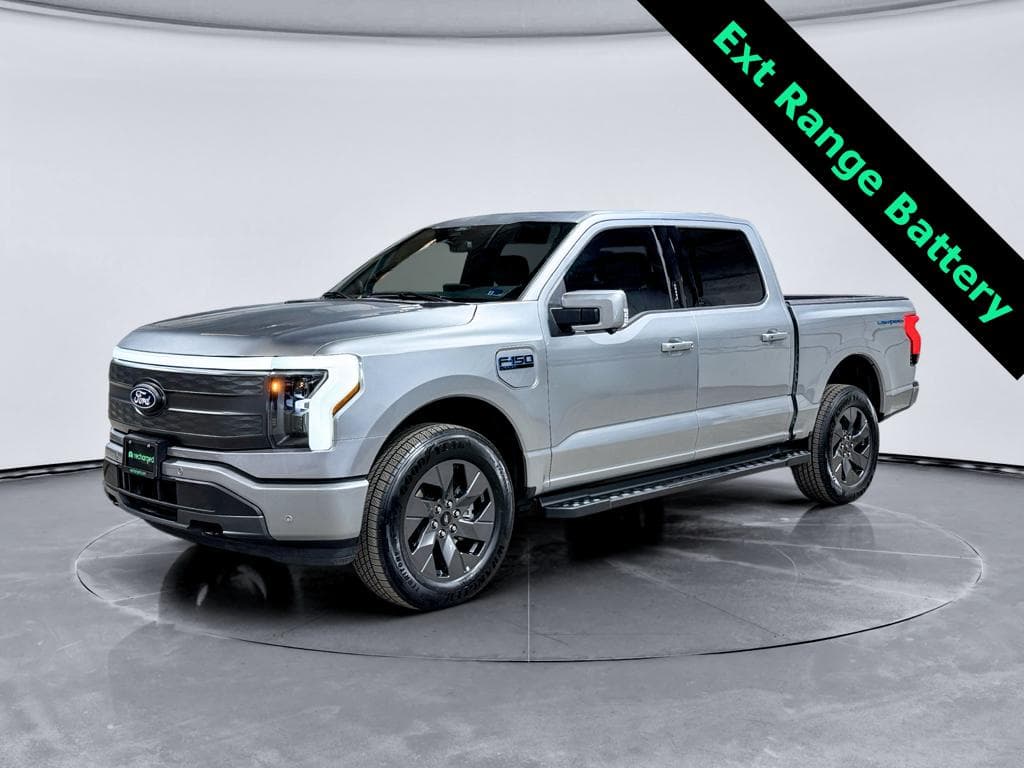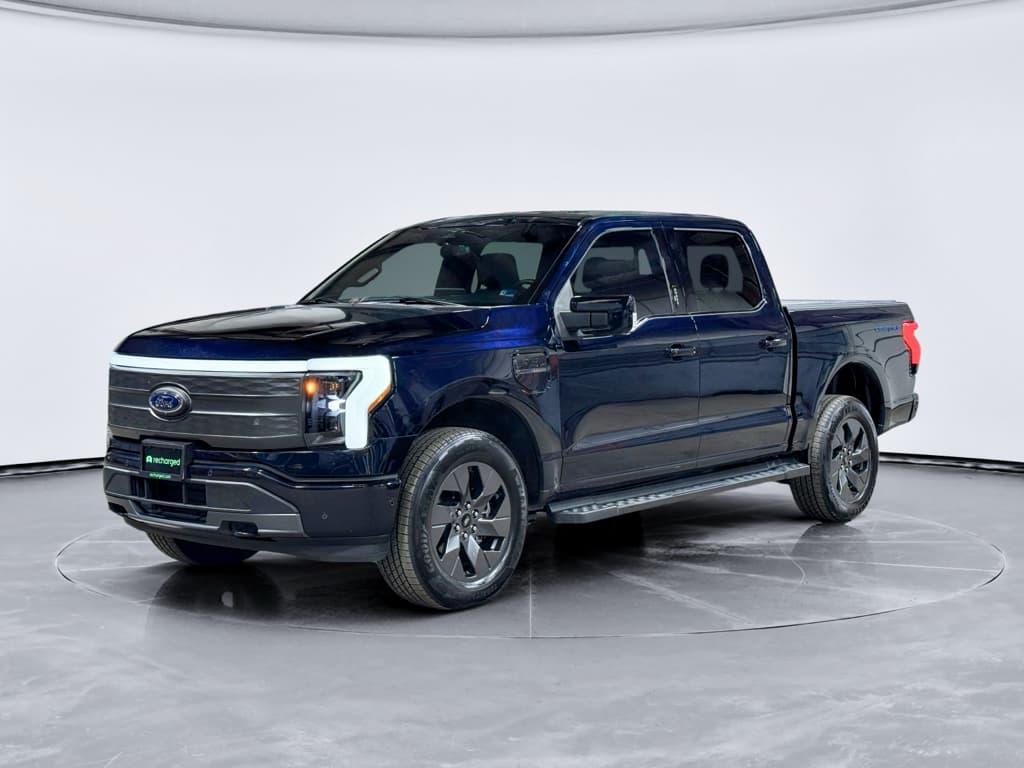
If you’re shopping for a used electric truck, the question on your mind is probably: is the 2023 Ford F-150 Lightning a good buy in 2026? The short version: it can be an excellent value for suburban and fleet drivers who tow occasionally and charge at home, but it’s a poor fit if you expect diesel‑like towing range or live far from fast chargers.
Context: Ford Is Ending the Current Lightning
Overview: Where the 2023 F-150 Lightning Fits in 2026
2023 F-150 Lightning at a Glance
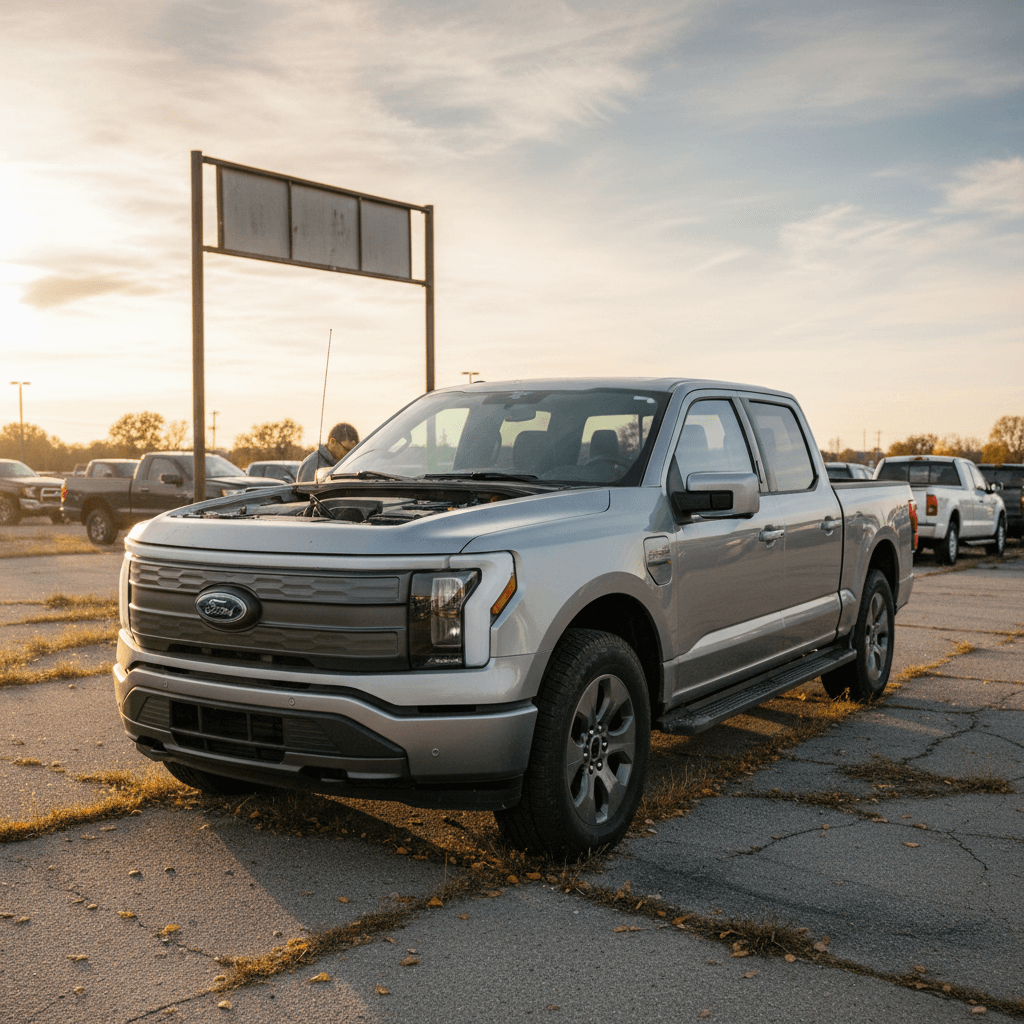
The 2023 F-150 Lightning sits in a unique spot. New EV truck demand has cooled, Ford has paused the current Lightning in favor of a future range‑extended version, and early trucks have already taken the steepest depreciation hit. That combination makes 2023 models the core of the used Lightning market and often the best value if the truck fits how you drive.
Think of the 2023 Lightning as a brilliant electric workhorse for short‑to‑medium daily routes, with the look and comfort of a conventional F‑150. It’s less well suited to cross‑country towing, remote rural life, or buyers who want maintenance‑free ownership with no tolerance for software glitches or recalls.
Quick Answer: When the 2023 Lightning Is (and Isn’t) a Good Buy
Is the 2023 F-150 Lightning Right for You?
Match the truck to your actual use case, not your fantasy use case.
Great Buy If…
- You drive under ~120 miles most days and can charge at home or work.
- You tow occasionally (boats, utility trailers, small campers) and don’t mind extra charging stops.
- You want pickup practicality plus silent, instant‑torque performance.
- You value features like Pro Power Onboard (using the truck as a big generator) and BlueCruise driver assistance on higher trims.
- You’re comfortable with software updates and recalls as part of first‑generation EV ownership.
Probably Not a Good Buy If…
- You routinely tow heavy trailers long distances and expect gas‑truck range.
- You can’t install home charging and live far from reliable public fast chargers.
- You want an SUV‑like ride more than open bed utility, many crossovers will fit you better.
- You’re extremely risk‑averse about recalls, software bugs, or resale swings.
- You frequently drive in very cold climates without charging where you park.
Rule of Thumb
Used Pricing & Depreciation for the 2023 F-150 Lightning
Original MSRPs for 2023 F-150 Lightnings ranged roughly from the mid‑$50,000s for work‑oriented Pro trims (after Ford’s price hikes) to well into the $90,000s for a loaded Platinum. By early 2026, used prices have typically fallen into the mid‑$40,000s to high‑$60,000s depending on trim, miles, battery, and options.
Very Rough Used Price Ranges (Early 2026, U.S.)
Actual prices vary with region, incentives, mileage, options, and condition. This is directional guidance, not a quote.
| Trim (2023 MY) | Battery | Typical Mileage | Ballpark Asking Range |
|---|---|---|---|
| Pro | Standard‑range | 20k–50k mi | $42,000–$48,000 |
| XLT | Standard‑range | 20k–50k mi | $47,000–$55,000 |
| XLT | Extended‑range | 15k–40k mi | $55,000–$62,000 |
| Lariat | Standard‑range | 20k–50k mi | $52,000–$60,000 |
| Lariat | Extended‑range | 15k–40k mi | $60,000–$70,000 |
| Platinum | Extended‑range | 15k–35k mi | $68,000–$78,000 |
Extended‑range battery, Max Tow, and premium packages command noticeable price premiums, especially on XLT and Lariat trims.
Depreciation Reality
From a buyer’s standpoint, I’d focus less on finding the absolute cheapest truck and more on battery specification, towing package, and usage history. A slightly more expensive, lower‑mileage extended‑range XLT with Max Tow and a clean battery report can be far better value than a bargain‑priced truck that’s been worked hard and fast‑charged daily.
Range, Batteries, and Real-World Efficiency
The 2023 Lightning offered two battery packs: a Standard‑Range pack rated roughly around 230 miles of EPA range, and an Extended‑Range pack rated near 300–320 miles depending on trim. Those are official numbers with the truck empty, in mild weather, on mixed driving, not towing at 75 mph into a headwind.
- Standard‑Range: good for shorter commutes and local work, lower upfront cost but smaller towing/range margins.
- Extended‑Range: noticeably stronger for highway driving and towing, often unlocks higher tow ratings, and tends to hold value better used.
- Higher trims (Lariat, Platinum) with more features can slightly reduce rated range versus simpler XLTs due to weight and wheels.
Cold Weather and Range
Battery health has generally held up reasonably well on early Lightnings, but there have been isolated issues with battery modules on some 2022–2023 trucks and an evolving set of software updates and recalls. That’s why a third‑party battery health report, like the Recharged Score, is so important when you’re spending this kind of money on a used EV truck.
Used EV Pro Tip
Towing & Payload: Great Truck, Tough Use Case
On paper, the 2023 F-150 Lightning’s towing and payload numbers look competitive with gas pickups. Depending on configuration, Ford rates it to tow 5,000–10,000 pounds, with higher numbers reserved for extended‑range trucks equipped with the Max Trailer Tow Package. Payload typically lands in the 1,800–2,000‑pound neighborhood for many trims.
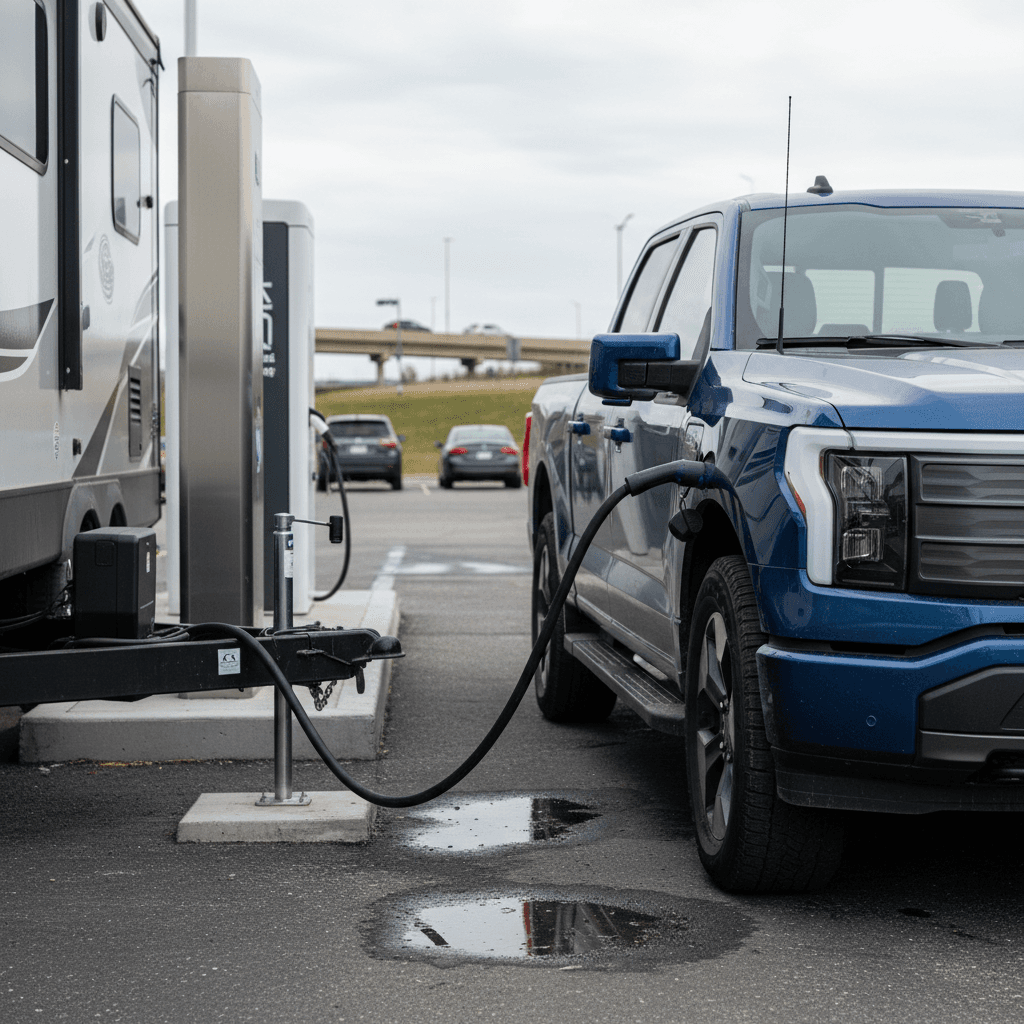
The catch is energy use. Towing a large, boxy camper at highway speeds can easily cut your effective range in half, or more in cold or windy conditions. That can turn a 250‑mile theoretical leg into a 90–130‑mile reality between fast‑charges. For local towing, it’s manageable. For long trips, it requires planning and patience.
Where the Lightning Tows Well
- Boats and utility trailers to the lake or jobsite within ~50–80 miles.
- Enclosed trailers for regional work where you can charge overnight.
- Short camping trips with DC fast chargers en route and at destination.
- Urban and suburban contractors who tow occasionally, not daily long‑haul.
Where It Struggles
- Cross‑country RV travel with big travel trailers, lots of stops, tight margins.
- Remote regions with few fast chargers and long distances between towns.
- Frequent towing in extreme cold or at 70–80 mph highway speeds.
- Operations that expect diesel‑truck uptime and range with no compromises.
Don’t Buy It Only for Towing
Charging Experience: Home, Public, and Road Trips
For the right owner, the 2023 Lightning’s charging experience is a highlight. At home on a 240‑volt Level 2 charger, you can typically add 20–30+ miles of range per hour and refill from near‑empty overnight. Ford’s Pro Power Onboard feature can even turn the truck into a backup power source for tools or, in some configurations, parts of your home.
How You’ll Actually Charge a 2023 Lightning
Think in terms of where the truck sleeps and how far you drive.
Home Charging
Best case is a 240V Level 2 charger in your garage or driveway. That makes daily driving almost effortless, plug in, wake up full.
Public DC Fast Charging
Great for road trips and occasional long days. Look for 150 kW+ stations; actual speeds vary with state of charge and temperature.
Work & Destination Charging
If your employer or city offers Level 2 charging where you park, you can often avoid public fast chargers entirely for regular use.
Check Your Charging Map First
If you’re coming out of a gas F‑150, the adjustment is mental more than anything: you’re trading 5‑minute fuel stops for frequent, short top‑ups at home and planned longer stops on the road. For most drivers with home charging, that’s a net win in time and money. For those without it, it can be a deal‑breaker.
Reliability, Recalls, and Ownership Issues
First‑generation EV trucks are complex machines, and the 2023 Lightning is no exception. Overall owner satisfaction has been good, but you should go in with eyes open about recalls and software‑driven quirks rather than expecting Toyota‑Camry simplicity.
- Ford has issued multiple recalls affecting 2022–2024 Lightnings, including battery‑related campaigns and a broader recall on the electronic park module that can affect 2022–2026 trucks.
- A separate recall wave has involved rear‑view camera image issues on many Ford models, including F‑150s, fixed via software updates or module replacement.
- Owners commonly report occasional infotainment/BlueCruise glitches and 12‑volt battery quirks that are generally fixable but can be inconvenient.
- On the positive side, many owners report few or no major mechanical problems once early software updates and recalls are completed.
How Recharged Handles Lightning Recalls
When you’re evaluating an individual 2023 Lightning, ask to see Ford service records, OTA update history, and recall documentation. Trucks that have been regularly updated and serviced by Ford dealers tend to be safer bets than those that have missed software campaigns or sat for long periods without driving.
Trims & Features: Which 2023 Lightning Is the Smart Buy?
Ford sold the 2023 F-150 Lightning in four main trims, Pro, XLT, Lariat, and Platinum. They all share the same core electric platform but differ in battery choice, interior finish, and feature content. For most buyers, the XLT and Lariat are the sweet spots in the used market.
2023 Lightning Trim Guide for Used Buyers
Where each trim shines, and where it falls short.
Pro & XLT
- Pro: Work truck look, vinyl/cloth interiors, often fleet‑spec. Good value if you don’t need luxury.
- XLT: Best mix of price, comfort, and features for most private buyers.
- Look for extended‑range battery and Max Tow on XLT if you care about towing.
Lariat & Platinum
- Lariat: Leather, big screen, more tech, and strong resale, arguably the sweet spot if price works.
- Platinum: Fully loaded luxury truck; great if you want everything, but often the worst depreciation new.
- More features = more weight and cost, slightly less range.
My Shortlist Picks
Total Cost of Ownership vs Gas F-150
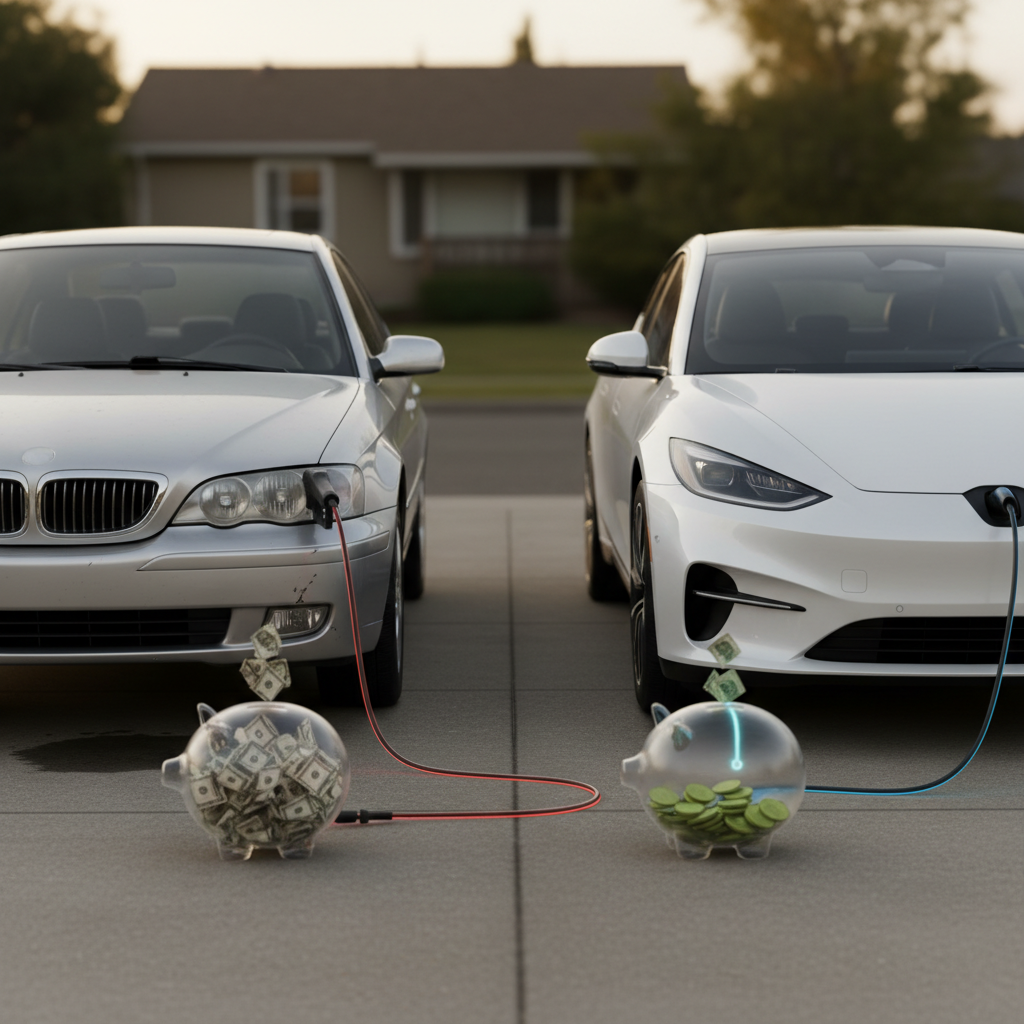
The number that matters isn’t just the purchase price, it’s what it costs you to own and operate the truck over several years. Here the Lightning can shine, especially if you drive a lot of miles and pay typical U.S. electricity rates rather than high‑priced public fast charging.
Where the Lightning Can Save You Money
- Energy cost per mile is usually far lower than gas, especially if you charge off‑peak at home.
- Less routine maintenance: no oil changes, fewer moving parts, regenerative braking reduces pad wear.
- Some regions still offer EV incentives or HOV perks for used EV owners.
- Businesses may benefit from depreciation and fleet electrification incentives.
Where Costs Can Surprise You
- Higher insurance than an equivalent gas F‑150 in some markets.
- Use of expensive public DC fast charging for daily driving can erode fuel savings.
- Out‑of‑pocket costs tied to out‑of‑warranty electronics can be higher than simple mechanical repairs.
- Resale values may be more volatile as second‑gen EV trucks hit the market.
How Recharged Helps Clarify Costs
Ready to find your next EV?
Browse VehiclesHow the 2023 Lightning Compares to Rivals and Newer Trucks
By 2026, the 2023 Lightning faces tougher competition, from both other used EV trucks and from brand‑new or updated models arriving with more efficient platforms. Ford itself is pivoting to an extended‑range version of the Lightning rather than doubling down on this first‑generation pure BEV design.
2023 Lightning vs Key Alternatives
Where it leads, and where rivals have the edge.
Vs Gas F-150
Lightning wins on smoothness, quiet, and energy cost for local driving. Gas F‑150 wins on long‑distance towing, fueling speed, and rural convenience.
Vs Other EV Trucks
Rivian’s R1T and some new entrants often offer better aero efficiency and sometimes more range, but the Lightning feels more like a traditional F‑150 and has strong parts/service support.
Vs Waiting for Next‑Gen
Next‑generation trucks promise more range and better efficiency, but they’ll cost more and may have their own first‑year teething issues. A well‑priced, sorted 2023 can be the pragmatic middle ground.
Pre-Purchase Checklist for a Used 2023 F-150 Lightning
11 Things to Verify Before You Buy
1. Confirm Battery Type and Tow Rating
Get the exact <strong>battery (standard vs extended‑range)</strong>, axle ratio, and tow package info from the window sticker or Ford build sheet so you know the truck’s real tow rating and range expectations.
2. Pull a Battery Health Report
Use a tool like the <strong>Recharged Score battery diagnostic</strong> to see usable capacity, fast‑charge history, and any signs of abnormal degradation.
3. Check for Open Recalls
Run the VIN through Ford and NHTSA recall tools. Ensure <strong>battery, park module, and camera</strong> recalls are either completed or clearly scheduled.
4. Review Ford Service History
Ask for dealer service records showing completed software updates, TSBs, and recall work. Consistent dealer care is a good sign.
5. Inspect Tires and Wheels
Oversized or aggressive off‑road tires can hurt range. Check for <strong>even wear</strong>, correct load rating, and evidence of curb damage.
6. Test All Driver‑Assist Features
On XLT/Lariat/Platinum, verify that <strong>BlueCruise, lane‑keeping, and parking aids</strong> function correctly on a proper road test.
7. Evaluate Charging Behavior
Fast‑charge the truck once if possible. Confirm it <strong>ramps up properly</strong>, doesn’t throw errors, and that the charge port and DC pins are clean.
8. Check Pro Power Onboard
If equipped, plug in tools or appliances and confirm <strong>outlets, inverters, and controls</strong> work as advertised.
9. Look for Water or Corrosion Issues
Inspect underbody, suspension, high‑voltage cabling covers, and bed for <strong>rust, impact damage, or water intrusion</strong> signs.
10. Ask About Use Case
Was the truck a <strong>short‑haul fleet rig</strong>, a commuter, or a dedicated tow vehicle? Match its past life to your future plans, and adjust your offer accordingly.
11. Compare Total Cost, Not Just Price
Factor in <strong>insurance, energy costs, likely maintenance, and charging setup</strong>. A slightly more expensive truck with lower running costs can be the better value.
FAQ: Used 2023 Ford F-150 Lightning
Frequently Asked Questions
Bottom Line: Is the 2023 F-150 Lightning a Good Buy?
So, is the 2023 Ford F-150 Lightning a good buy? If your life looks like the truck was designed for, moderate daily mileage, home charging, mostly local towing, and a desire for a quiet, powerful pickup that feels familiar, it can be one of the most appealing used EV trucks on the market in 2026. You’re buying after the steepest depreciation, with the benefit of years of software updates and recall fixes.
On the other hand, if you’re chasing maximum towing range, live far from robust charging infrastructure, or want to avoid any first‑generation complexity, you may be happier in a gas F‑150 today or by waiting to see how second‑generation electric and extended‑range pickups mature.
Whichever camp you’re in, don’t treat the 2023 Lightning like an ordinary used truck. Treat it like the sophisticated electric machine it is: demand a clear battery health report, documented recall and service history, and pricing that compensates you for the risks as well as the rewards. If you’d like that homework done for you, Recharged was built precisely to simplify buying and selling used EVs like the F-150 Lightning, right down to expert guidance, financing, trade‑in options, and nationwide delivery.