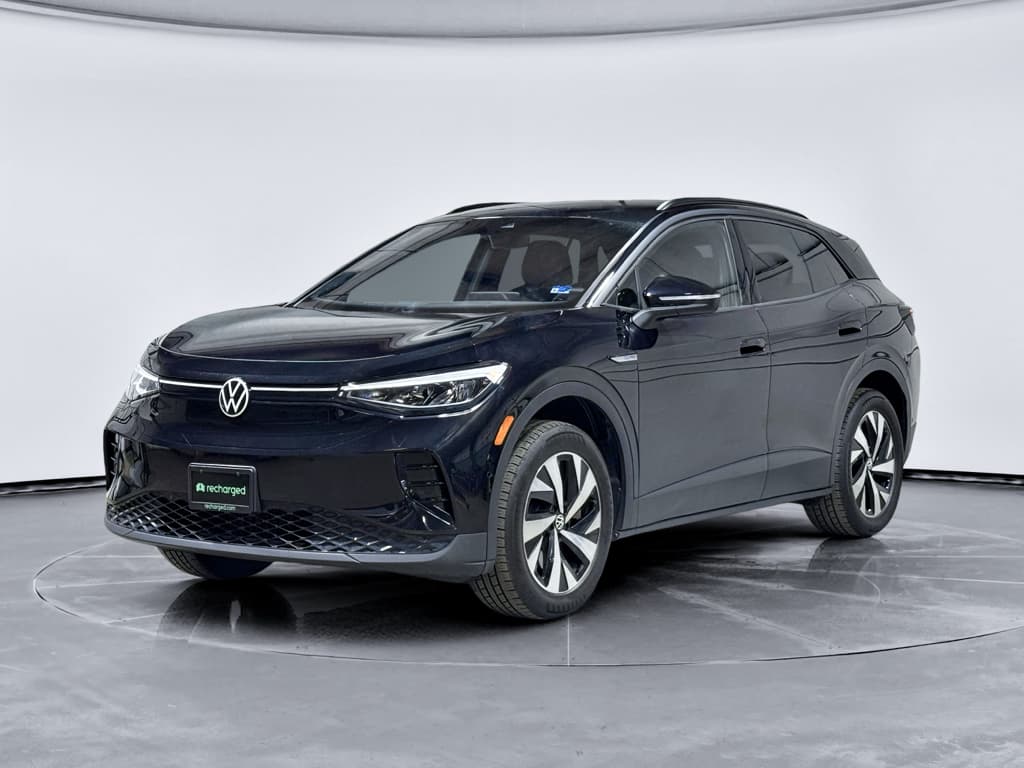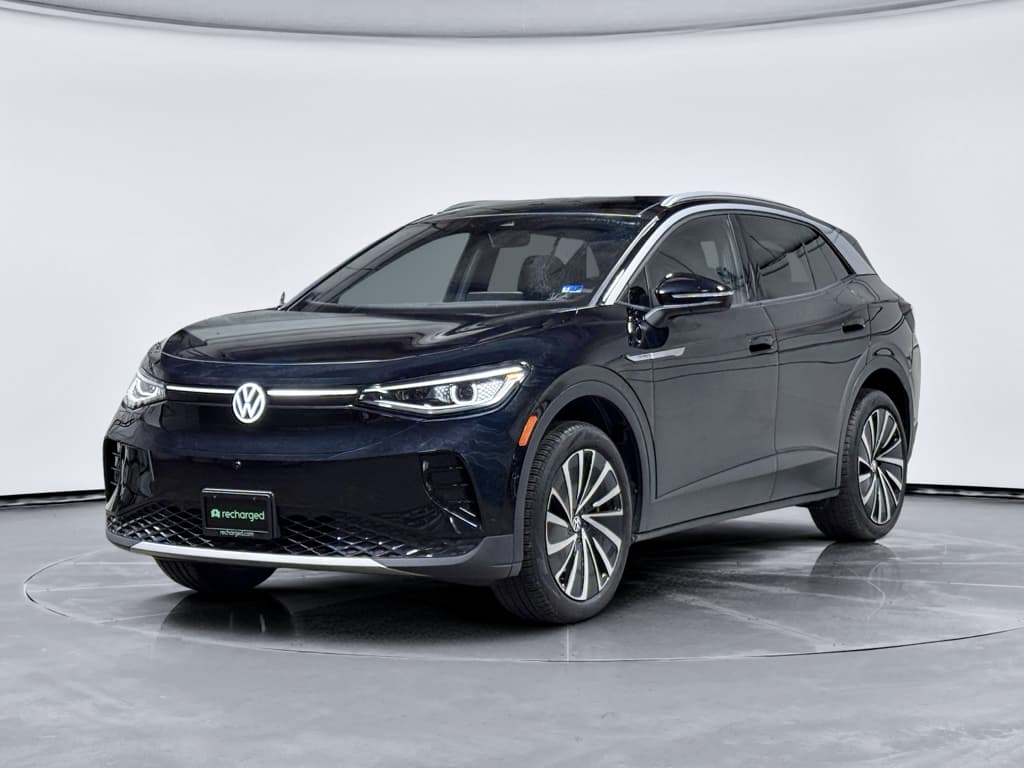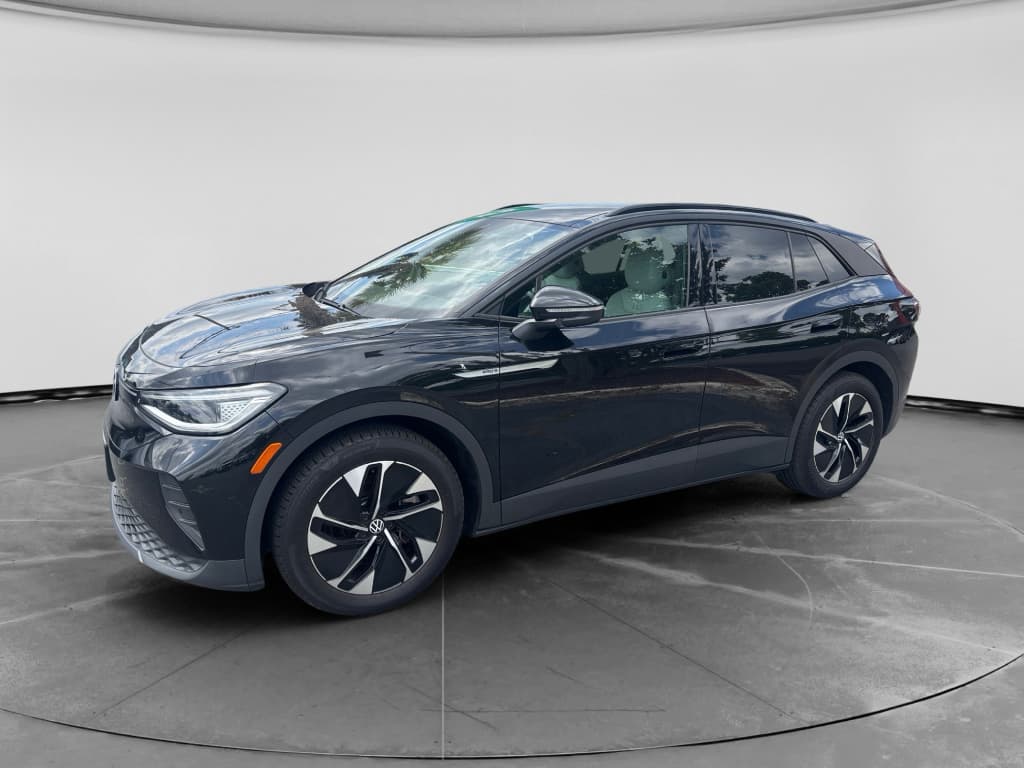
If you’re shopping used EVs in 2026, you’ll see plenty of 2022 Volkswagen ID.4s on dealer lots and online. So is the 2022 Volkswagen ID.4 a good buy, or a headache waiting to happen? The answer depends on which trim you choose, how you plan to use it, and how carefully you shop.
Snapshot verdict
Overview: Is the 2022 ID.4 a Good Buy?
Why a 2022 ID.4 is appealing
- Space and comfort: Adult‑friendly back seat, big cargo area, relaxed ride – more like a traditional compact SUV than a sporty crossover.
- Solid range for the price: EPA estimates up to roughly 280 miles for 2022 rear‑drive Pro models, with AWD versions in the mid‑200s.
- Standard driver‑assist tech: VW’s IQ.Drive suite (adaptive cruise, lane centering, blind‑spot monitoring and more) is standard on every trim.
- Used pricing has softened: Two model years old, with newer 2024–2025 ID.4s and other EVs pushing prices down.
- Tax credit potential: Many 2022 ID.4s bought from a dealer qualify for the federal used EV credit (up to $4,000) if you meet income limits.
Where you need to be cautious
- Mixed reliability: Early ID.4s drew low reliability scores, with complaints about software bugs, charging quirks and electrical issues.
- Recall history: 2021–2023 ID.4s have been subject to multiple recalls, including one for possible rollaway risk and several for electronic modules.
- Infotainment lag: The 2022 software is still slower and quirkier than newer competitors, and some owners report screen freezes.
- Winter efficiency: No robust battery preconditioning in 2022 means bigger range loss in cold climates.
- Charging network dependence: On long trips you’ll be relying heavily on CCS networks like Electrify America, which can be hit‑or‑miss in some regions.
Quick take
2022 ID.4 specs, trims and real-world range
In the U.S., the 2022 ID.4 lineup is relatively simple. All versions use the larger ~77 kWh usable battery pack. You’ll see two main trims – Pro and Pro S – and the option of rear‑wheel drive or all‑wheel drive.
2022 Volkswagen ID.4 U.S. trims at a glance
Key specs that matter when you’re shopping used.
| Trim | Drivetrain | Battery (usable) | EPA range (approx.) | Power | Notes |
|---|---|---|---|---|---|
| Pro | RWD | ~77 kWh | Up to 280 mi | 201 hp | Best combo of price and range; cloth seats, simpler options |
| Pro S | RWD | ~77 kWh | Around 268 mi | 201 hp | Adds upgraded interior, larger wheels and more features |
| Pro AWD | AWD | ~77 kWh | Around 251 mi | 295 hp | Stronger acceleration; slight range penalty |
| Pro S AWD | AWD | ~77 kWh | Around 245 mi | 295 hp | Top trim with most equipment and the lowest range |
All 2022 U.S. models use the larger pack; range varies by drivetrain and equipment.
Real-world range expectations
For daily commuting and school‑run duty, that’s more than enough range for most U.S. drivers. Where it matters is on longer highway trips, particularly in cold weather. The ID.4’s boxier shape and the lack of aggressive battery pre‑conditioning on 2022 software mean it’s less efficient at 70–75 mph than some sleeker rivals, and winter range can dip below 200 miles between charging stops.
Battery life and warranty on the 2022 Volkswagen ID.4
The 2022 ID.4 uses a liquid‑cooled lithium‑ion pack that’s broadly in line with other EVs of the era. Volkswagen covers the high‑voltage battery for 8 years or 100,000 miles (whichever comes first), typically guaranteeing it retains at least 70% of its original capacity over that window.
- As of 2026, a typical 2022 ID.4 is 3–4 years old, often with 20,000–50,000 miles on the odometer.
- Most owners report modest degradation so far – often still above 90% of original capacity when properly cared for.
- Fast‑charging heavy road‑trippers and hot‑climate cars may show more wear, which is why testing the pack on any individual car matters more than averages.
How Recharged checks battery health
If you’re buying privately or from a non‑EV‑specialist dealer, ask for documentation of DC fast‑charging history, service records and any past high‑voltage work. At a minimum, use an OBD‑II‑based app or a third‑party inspection that can pull state‑of‑health data instead of relying purely on the dash range estimate.
Reliability and common 2022 ID.4 problems
When it launched, the ID.4 struggled in reliability surveys, with owners flagging software bugs, infotainment lag and some electrical gremlins. By 2024–2025, feedback had improved somewhat, but the 2021–2022 model years still carry more risk than the later 2024–2025 refresh with updated hardware and software.
Most commonly reported 2022 ID.4 issues
These don’t affect every vehicle, but they’re patterns you’ll see in owner forums and reliability studies.
Infotainment glitches
Owners of 2021–2022 ID.4s frequently mention slow or freezing touchscreens, random reboots and laggy navigation. Over‑the‑air and dealer updates have helped, but not every car has been fully updated.
12V and high-voltage quirks
Some ID.4s have seen 12‑volt battery failures or warning messages related to the high‑voltage system. In a minority of cases, modules or pack components required replacement under warranty.
Charging / range complaints
Complaints fall into two buckets: public DC fast chargers failing mid‑session (often a network issue, not the car), and owners seeing lower‑than‑expected winter range due to lack of robust pre‑conditioning.
Why reliability scores look harsh
The right way to approach a 2022 ID.4 is not to assume it’s a lemon, but to treat reliability as store‑by‑VIN, not model‑year‑wide. A car with detailed service history, up‑to‑date software and all recalls completed is a very different risk profile from one that’s bounced between auctions with little documentation.
Key recalls you should check before buying
Like most early EVs, the ID.4 has seen its share of recalls, particularly around electronic controls and, more recently, a rollaway risk affecting 2021–2023 builds. Some 2022 campaigns relate to software that controls the high‑voltage system, display functions and the transmission park mechanism.
2021–2023 ID.4 recall landscape (high level)
Don’t ignore the recall check
If you’re using Recharged, this work is already baked in: we run VIN‑level recall checks and show completed and outstanding campaigns in your vehicle report so you know exactly where a given car stands.
Used pricing, depreciation and value vs rivals
Depreciation has finally caught up with the ID.4. After tight inventories and strong pricing early on, increased EV supply, new tax‑credit rules and aggressive discounting on new models have pushed used prices down. That’s frustrating for first owners – and good news for used‑EV shoppers.
How the 2022 ID.4 holds value
- Competitive but not top-tier: Industry data suggests three‑year resale for the ID.4 sits in the high‑30% range of original MSRP – similar to many mass‑market EVs and slightly behind segment stars.
- Supply matters: Volkswagen ramped up ID.4 production in Chattanooga, so there’s healthy used supply, which keeps prices realistic.
- Tax credits compress prices: The federal used EV tax credit (up to $4,000) effectively lowers the transaction cost on qualifying purchases from dealers.
How it compares to key rivals
- Tesla Model Y: Better efficiency, faster charging and stronger brand pull, but usually higher used prices and less traditional‑SUV feel.
- Hyundai Ioniq 5 / Kia EV6: Very fast charging and sharp styling; used prices can be higher than ID.4 for similar mileage and equipment.
- Ford Mustang Mach‑E: Closer competitor on price and range; interior space and ride comfort tend to favor the ID.4.
Shopping smart on price
Charging experience, road trips and daily usability
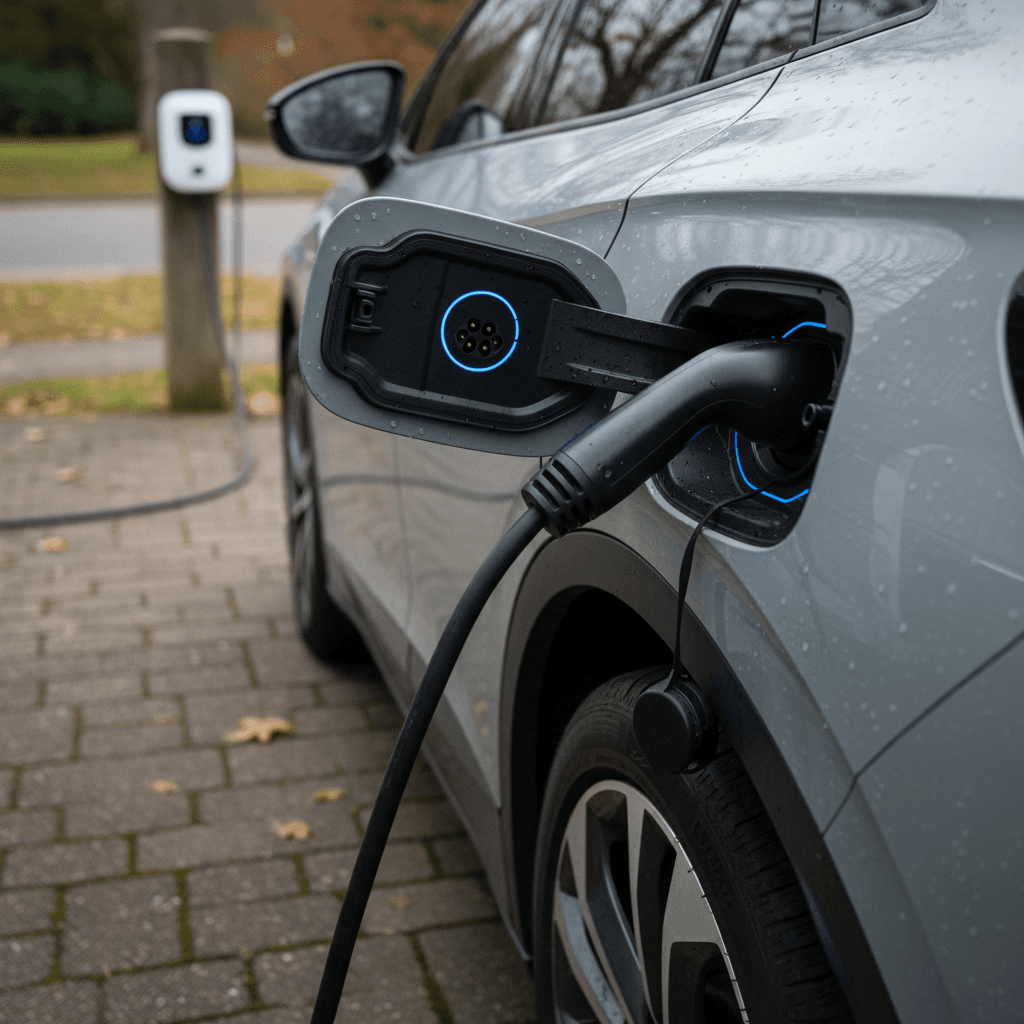
Every 2022 ID.4 can charge at up to about 11 kW on Level 2 AC, which means a full overnight refill on a 40‑amp, 240‑volt home circuit. On DC fast chargers, the 77 kWh pack tops out around 125 kW under ideal conditions – not class‑leading in 2026, but adequate if you plan your stops.
- Home charging is the sweet spot: plug in each night, wake up near full. That eliminates most concerns about public‑charger reliability.
- On the road, you’ll rely on CCS networks like Electrify America, EVgo and regional players. Coverage is decent along major interstates but patchy in some rural areas.
- The 2022 ID.4’s software doesn’t yet offer the polished, Tesla‑style route planning and battery pre‑conditioning you’ll see in newer EVs, so you’ll want to plan charging stops manually in apps like A Better Routeplanner or PlugShare.
Know your road-trip tolerance
Who the 2022 ID.4 is (and isn’t) right for
Is the 2022 ID.4 a good buy for you?
Match the car’s strengths to your daily reality.
Great fit if…
- You can charge at home most nights.
- You want a spacious, comfortable family EV more than a performance crossover.
- You drive mainly in town or on predictable commutes.
- You’re price‑sensitive and willing to trade cutting‑edge tech for value.
- You’re comfortable buying a used EV as long as you can see independent battery‑health and recall data.
Think twice if…
- You regularly do 400–600‑mile road trips in areas with sparse CCS coverage.
- You’re ultra‑sensitive to software quirks, laggy touchscreens or occasional glitchiness.
- You live in a very cold climate, park outside, and need maximum winter highway range.
- You’d rather pay more up front for the very latest charging speeds and driver‑assist tech.
Checklist: what to inspect on a used 2022 ID.4
Pre‑purchase checklist for a 2022 Volkswagen ID.4
1. Run VIN for recalls and title history
Check the VIN on NHTSA’s website and Volkswagen’s recall portal to confirm all safety campaigns have been completed. Also pull a title/accident history report and avoid cars with branded (salvage, flood, lemon) titles unless heavily discounted and expertly repaired.
2. Review software and service records
Ask for documentation of software updates and warranty work. Ideally, the car will have recent dealer records showing control‑unit updates, recall closures and any high‑voltage or 12‑V system repairs.
3. Get a battery health report
Don’t rely solely on the in‑dash range guess. Use a professional EV inspection or a platform like Recharged that provides a quantified battery state‑of‑health versus similar ID.4s of the same age and mileage.
4. Test charge on Level 2 and DC fast
If possible, plug into a known‑good Level 2 charger and a public DC fast charger. Confirm that charging starts quickly, maintains a stable rate, and doesn’t throw error messages on the dash or at the charger.
5. Check for infotainment and control quirks
On the test drive, work the touchscreen hard: navigation, media, phone pairings, drive‑mode changes. Watch for freezes, long delays or random reboots. Make sure all driver‑assist features (adaptive cruise, lane keep, blind‑spot) operate as expected.
6. Inspect tires, brakes and suspension
At 3–4 years old, many 2022 ID.4s will be on their first tire set and original brakes, but heavier EV weight can wear components faster. Look for uneven tire wear, clunks over bumps or vibration at highway speeds.
7. Confirm included charging equipment
Make sure the original portable charging cable or any aftermarket home cable is present, in good condition and compatible with your home electrical setup. Replacing it after the fact adds a few hundred dollars.
8. Validate price vs market and incentives
Compare the asking price to similar 2022 ID.4s in your area, and check your eligibility for the federal used EV tax credit and any state or utility rebates. Platforms like Recharged show fair‑market benchmarks and can pre‑qualify you for EV‑friendly financing.
FAQ: 2022 Volkswagen ID.4 buying questions
Frequently asked questions about buying a 2022 VW ID.4
Bottom line: should you buy a 2022 ID.4?
A used 2022 Volkswagen ID.4 in 2026 sits at an interesting crossroads. It’s not the newest, quickest‑charging or most polished EV on the market, but it offers a comfortable, spacious and genuinely usable electric SUV experience at prices that increasingly undercut newer rivals. For buyers who can charge at home and are realistic about range and software, it can be a smart, budget‑savvy move.
To make it a truly good buy, you need to be picky: insist on a clean recall record, up‑to‑date software, strong battery health and transparent pricing that accounts for any available tax credits. Working with an EV‑specialist marketplace like Recharged – with battery diagnostics, fair‑market pricing data, financing, trade‑in options and nationwide delivery – can take much of the risk and legwork out of the process.
If you find the right example and go in with clear expectations about charging and tech, a 2022 ID.4 can absolutely be a good buy. If you’d rather not think about recalls, software updates or CCS road‑trip planning, your money might be better spent on a newer ID.4 or a different EV that aligns more tightly with how you drive.