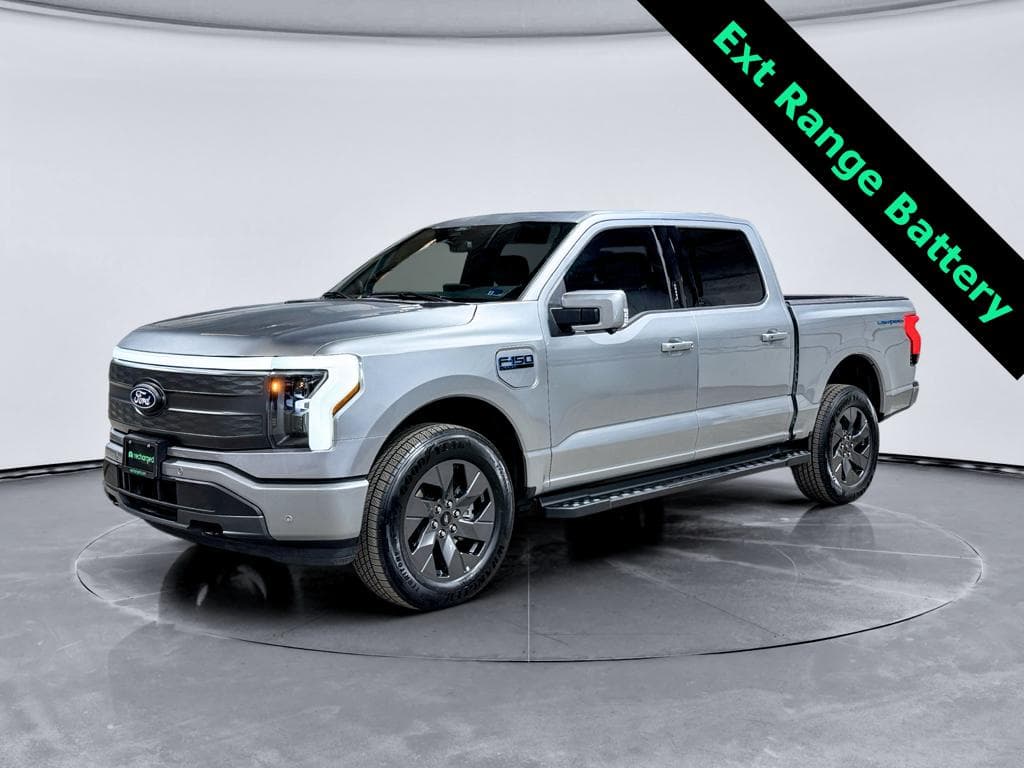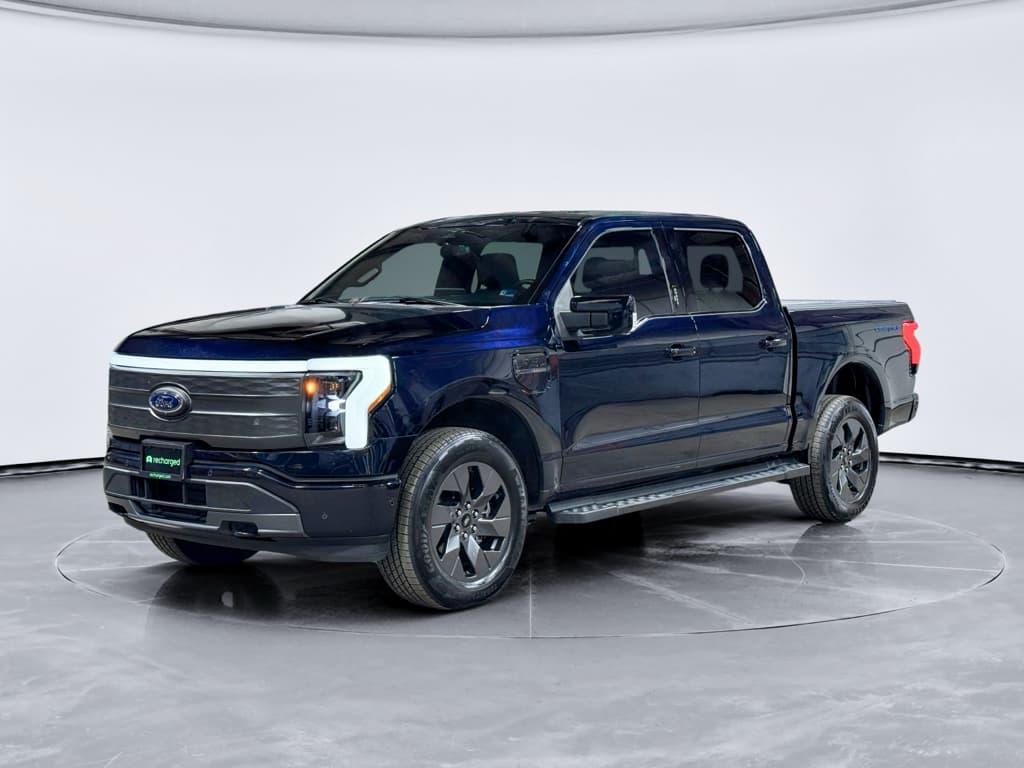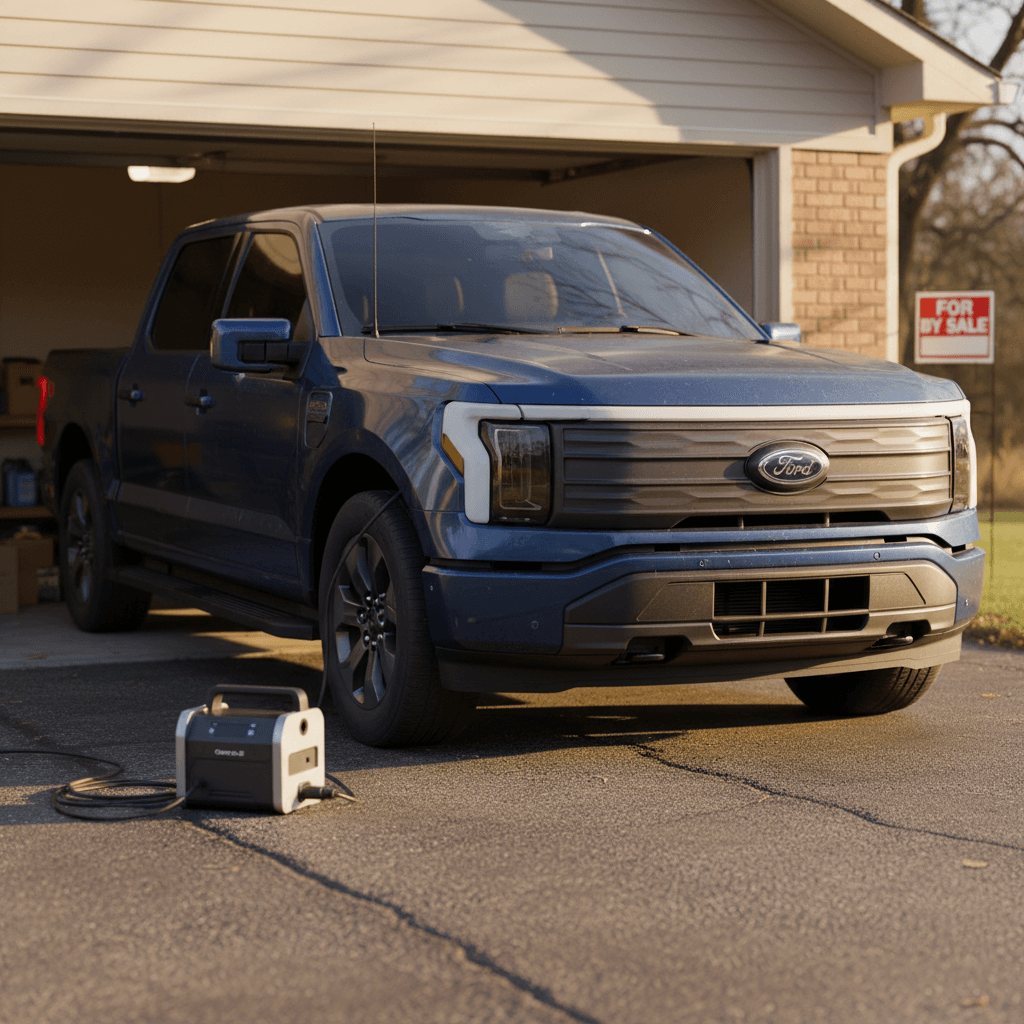
You’re looking at a 2022 Ford F-150 Lightning on the used lot, the price is way lower than it was new, and the question pops up: is a 2022 F-150 Lightning actually a good buy in 2026, or a clearance rack science experiment? Let’s walk through the real tradeoffs, value, range, reliability, and the fact that Ford has already decided to end Lightning production.
Context: Where we are in 2026
Quick answer: Is a 2022 F-150 Lightning a good buy?
Yes, if this is you
- You mostly drive local or regional miles and can charge at home.
- You want a quiet, brutally quick pickup as a daily driver, not a cross‑country tow rig.
- You’re buying at post‑hype pricing and are comfortable with some EV‑first‑gen quirks.
- You value the 8‑year/100,000‑mile EV component warranty that still covers 2022 trucks.
No, or at least be cautious, if this is you
- You regularly tow long distances or rely on a single truck for road‑trip duty.
- You don’t have reliable home charging.
- Recalls and the idea of a possible high‑voltage battery replacement keep you up at night.
- You expect gas‑truck range and refuel times, just with electrons.
Overall verdict
What makes the 2022 F-150 Lightning appealing as a used buy
Core strengths of a 2022 Lightning
What you get that no gas F-150 quite replicates
Shocking performance
The dual‑motor Lightning punches out instant torque that makes even well‑optioned gas F‑150s feel sleepy. For everyday commuting and highway merges, it’s more sports sedan than work truck.
Home fueling advantage
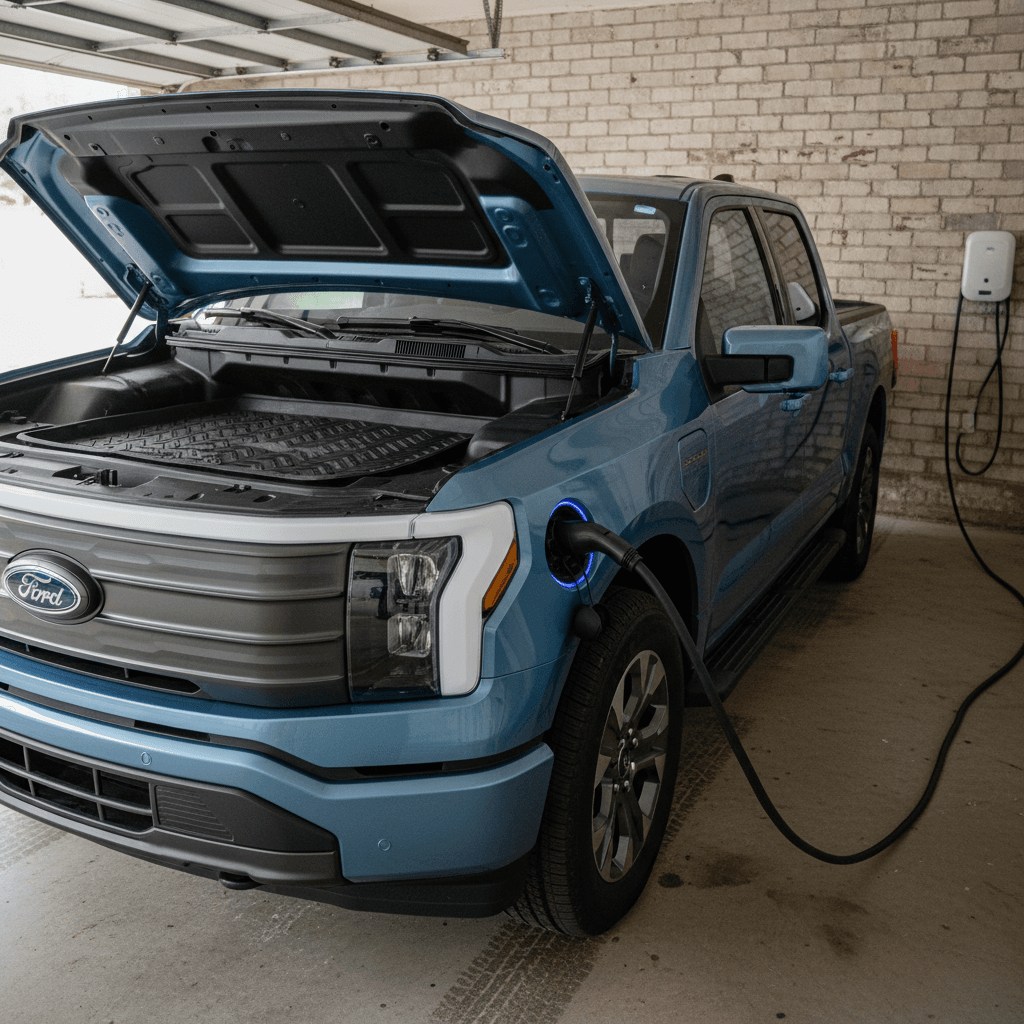
If you can install Level 2 charging, you essentially "refuel" while you sleep. For many owners, public charging becomes an exception rather than a weekly chore.
Still‑active battery warranty
Ford backs the Lightning’s electric vehicle components, battery, drive units, high‑voltage parts, for 8 years/100,000 miles, with a promise of at least 70% battery capacity retention over that period. On a 2022 truck, that coverage runs well into the late 2020s.
As a used electric truck, the 2022 Lightning does a few things brilliantly. It’s eerily smooth and quiet in traffic, it can power tools or even parts of your home with Pro Power Onboard, and it carries the familiar F‑150 cabin and ergonomics into the EV era. For buyers who want a full‑size truck that behaves like a giant luxury EV for daily life, the fundamentals are strong.
Where the 2022 Lightning falls short
- Range under real load. The big headline range numbers on early marketing materials melt quickly with highway speeds, cold weather, or towing. A trailer can cut effective range roughly in half, sometimes more.
- Charging network realities. The CCS fast‑charging landscape in parts of the U.S. is still patchy and inconsistent. Even as NACS adapters and access to Tesla Superchargers improve, a big truck plus trailer doesn’t always fit easily at public stations.
- First‑generation EV teething. Owners have reported software gremlins, BlueCruise driver‑assist quirks, and occasional high‑voltage component issues that require dealer time.
- Recalls and headlines. The Lightning has seen safety recalls, including for battery‑cell manufacturing defects that can, in rare cases, lead to fire risk, and for roll‑away risk in certain electric and hybrid models. Those are being addressed, but they’re part of the story.
Temper your expectations
Battery, range, and real-world usage
Range is where the question "is a 2022 F-150 Lightning a good buy" either gets answered confidently or dies on the test drive. The truck came with two main battery options: a standard‑range pack and an extended‑range pack, both more than capable for local duty but very sensitive to use case.
How the 2022 Lightning’s range feels in the real world
Pro tip on range shopping
- Start each morning at 70–100% charge from home.
- Mostly run errands, commute, and do weekend projects within a 50–100‑mile radius.
- Plan towing trips with charging stops in mind, or keep a gas truck for the heavy stuff.
Reliability, recalls, and battery risk
By 2026, the 2022 F-150 Lightning has a mixed but clarifying reliability picture. Large owner‑survey organizations place it below average overall versus other 2022 vehicles, with most complaints centering on software issues, infotainment glitches, and some serious but less common high‑voltage component failures. At the same time, plenty of owners are reporting modest battery degradation, often in the low single digits after tens of thousands of miles, well within expectations for a modern pack.
2022 F-150 Lightning reliability snapshot (used‑buyer lens)
Key reliability themes you should understand before you buy.
| Area | What we see in the field | Why it matters when buying used |
|---|---|---|
| Software & electronics | Occasional screen reboots, sync issues, BlueCruise hiccups | Annoying rather than catastrophic, but test every feature on a long drive. |
| High‑voltage battery | Relatively few outright failures, but enough for Ford to issue a battery recall tied to cell manufacturing defects in certain 2022–2024 trucks. | You must verify recall completion and look for any history of battery module replacement. |
| Drivetrain & motors | EV drivetrains are mechanically simple; failures are rare but expensive if out of warranty. | Leaning on the still‑active 8‑year/100k EV warranty is key here. |
| Chassis & truck bits | It’s still an F‑150 underneath, suspension, brakes, body hardware age like any other truck. | Rust, accident repairs, and abuse matter just as much as on a gas F‑150. |
Not every truck will experience these issues, but you should know where to look and what’s covered.
Battery recall reality check
The Lightning is not a fragile science project, but it is very much a first‑wave electric truck. Your best protection as a used buyer is paperwork: recall proofs, service invoices, and a thorough EV‑specific inspection.
This is exactly where Recharged leans in. Every used EV we list includes a Recharged Score battery and health report that measures real pack capacity, checks for fault codes, and reviews recall and service history. If you’re looking at a 2022 Lightning specifically, that kind of third‑party battery health data is golden.
Depreciation and pricing: How much truck for your dollar
If the early‑adopter buyer paid retail; you get the clearance pricing. In early 2025, many two‑to‑three‑year‑old F‑150 Lightnings were already trading for around 45–55% of their original MSRP, far steeper depreciation than a comparable gas F‑150 over the same period. That slide has made the 2022 trucks, in particular, look almost underpriced relative to what they can do.
Value picture for a 2022 Lightning in 2026
Why heavy depreciation isn’t all bad
Ford ending the Lightning: Dealbreaker or buying opportunity?
Ford has announced that production of the current F-150 Lightning will end as the company pivots toward hybrids and extended‑range trucks. The headlines made it sound like the Lightning experiment is over and done. So what does that mean for a 2022 truck you’re considering today?
Potential downsides
- There’s no long product family ahead; the 2022 Lightning is now clearly an early‑generation EV truck.
- Future software attention and new features will likely focus on newer Ford truck platforms.
- Resale value may stay under pressure if the narrative settles on "Ford backed away from full‑EV trucks."
Hidden upsides
- Finite supply can help long‑term desirability, think of it as a one‑generation experiment that some buyers will specifically seek out.
- Ford still has to honor warranty and safety obligations for years; parts and service support don’t vanish.
- As an early, over‑engineered flagship, the Lightning packed in features that can feel like a bargain at used prices.
How to think about "discontinued"
Who the 2022 Lightning is a good buy for
You’re a strong candidate if…
1. You have reliable home charging
A 240V Level 2 charger in your garage or driveway turns the Lightning into a "full tank every morning" experience. Without home charging, the ownership story is much harder.
2. You mostly drive local miles
If your world is commuting, school runs, job sites in a 30–60‑mile radius, and weekend errands, the Lightning’s range is not a burden, it’s overkill.
3. You tow occasionally, not constantly
Pulling a boat to the lake? Fine. Cross‑state fifth‑wheel towing every other weekend? Consider a hybrid or gas truck instead.
4. You value quiet, comfort, and tech
The Lightning’s cabin, power delivery, and tech stack make it feel like a luxury EV that happens to have a bed. If that resonates, you’re its audience.
5. You’re buying at the right price
A 2022 Lightning at roughly half of its original sticker with solid documentation and warranty coverage can represent very strong value.
Who should avoid a 2022 F-150 Lightning
- You rely on one truck for everything, including multiday towing and rural travel with weak charging infrastructure.
- You cannot install home charging and must depend on public DC fast charging for daily use.
- You’re highly risk‑averse about new tech, recalls, and software updates.
- You need maximum payload and towing capacity every day and can’t plan around range or charging stops.
- You expect the used truck market to treat this like a standard F‑150 when you go to sell it. (It won’t; depreciation and buyer pool are different.)
Essential inspection checklist before you buy
With any used EV, especially a first‑wave electric truck, the pre‑purchase inspection is where you win or lose the ownership experience. Here’s how to vet a 2022 F-150 Lightning like a pro.
Pre‑purchase checklist for a 2022 Lightning
1. Pull a detailed battery health report
You want more than a guess from the dash. At Recharged, every truck gets a <strong>Recharged Score</strong> battery diagnostic that measures true usable capacity and flags anomalies.
2. Verify all safety recalls by VIN
Ask for a printout or screenshot of completed recalls from a Ford dealer. Pay special attention to <strong>high‑voltage battery and roll‑away‑risk</strong> campaigns.
3. Review service and repair history
Look for documentation of any high‑voltage component or battery work, software updates, or repeating fault codes. A truck that’s been in the shop repeatedly for the same EV issue is a red flag.
4. Drive it like you will actually use it
Do a cold start, a highway run, and, if possible, a short tow test. Watch energy consumption and how quickly range drops under your typical conditions.
5. Inspect the truck bits like any F‑150
Check for frame damage, rust, bed abuse, suspension wear, and tire condition. An electric powertrain doesn’t forgive a hard‑used chassis.
6. Confirm charger and charging habits
Ask how the previous owner charged the truck, mostly home Level 2, DC fast, or 120V. Heavy DC fast‑charge use isn’t an automatic dealbreaker, but it’s a factor in long‑term battery health.
Why buy through an EV‑focused marketplace
Ready to find your next EV?
Browse VehiclesFAQ: 2022 F-150 Lightning as a used buy
Common questions about buying a 2022 Lightning
Bottom line: Is a 2022 F-150 Lightning a good buy in 2026?
If you strip away the headlines and the hype, the 2022 Ford F-150 Lightning is a sharp, deeply capable electric truck whose biggest sin was overpromising on universality. As a daily driver, job‑site shuttle, and weekend adventure rig within a sane radius of home charging, it’s fantastic, smooth, quick, quiet, and now much more attainable on the used market thanks to heavy depreciation.
It is not the right truck if you expect to tow long distances without planning, or if battery recalls and early‑generation complexity keep you awake at night. But if you buy carefully, with a real battery‑health report, full recall completion, and a price that reflects its early‑EV status, a 2022 Lightning can be one of the most interesting and satisfying used trucks you can put in your driveway.
If you’re ready to see how a specific truck stacks up, browse used F-150 Lightnings on Recharged, review each vehicle’s Recharged Score, and talk with an EV specialist who can match the truck’s real‑world strengths and weaknesses to your daily life.