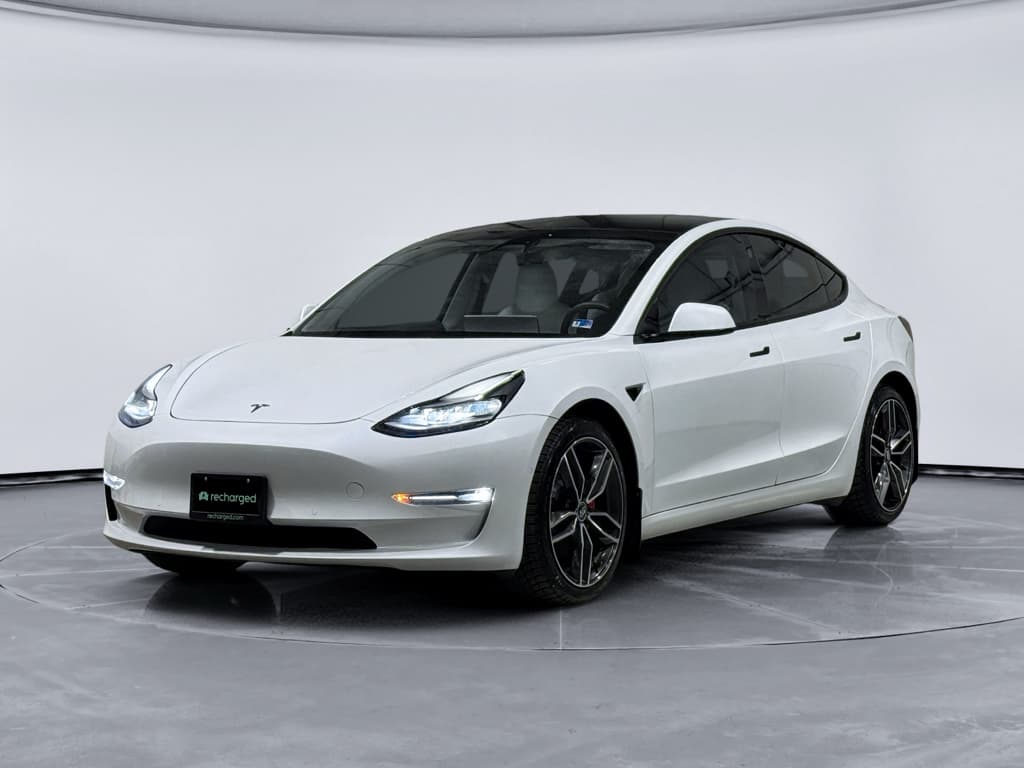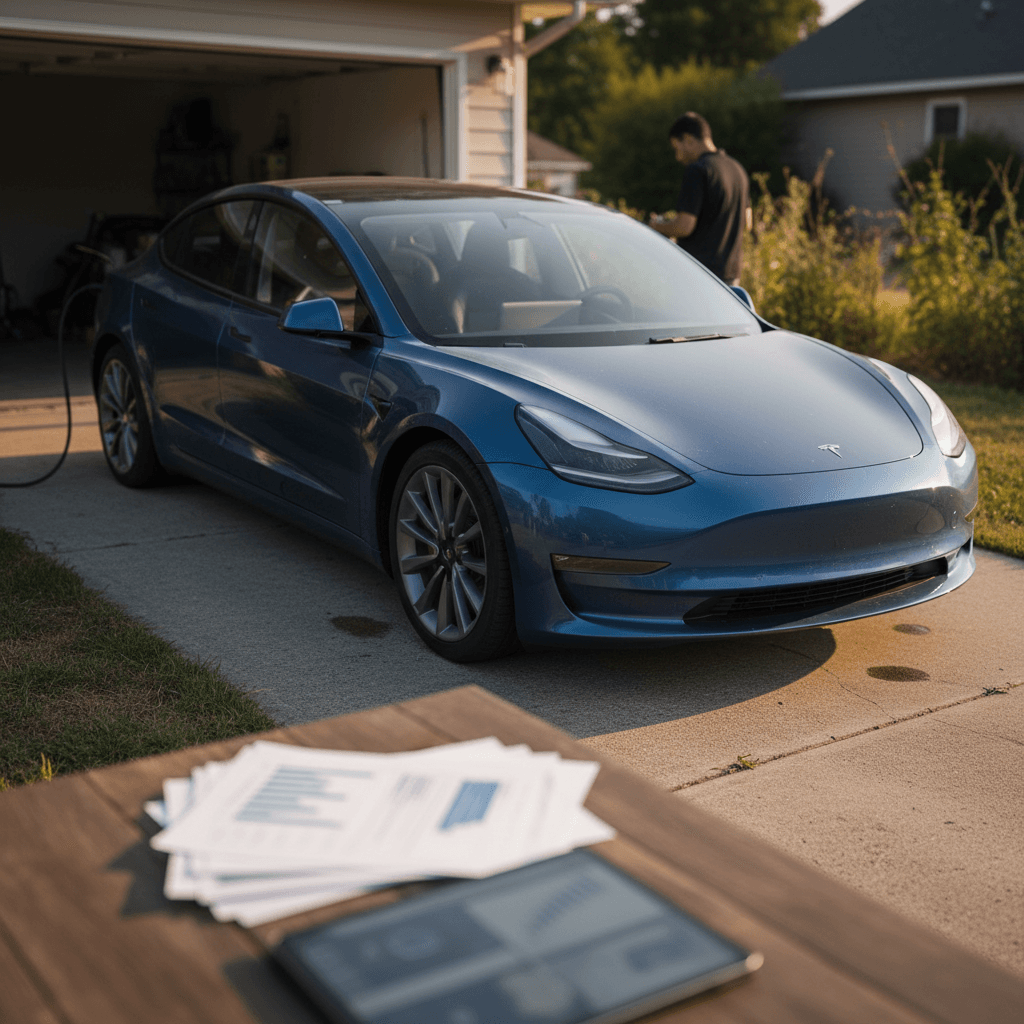
You’re not alone in wondering, “Is the 2021 Tesla Model 3 a good buy in 2026?” Three to five years in, this generation has shaken out its early issues, taken its depreciation hit, and settled into the used market as one of the most in-demand EVs. But that doesn’t automatically make every 2021 Model 3 a slam-dunk. This guide walks you through pricing, reliability, battery health, and exactly what to check so you can tell a smart buy from a future headache.
Where the 2021 Model 3 Fits
Is the 2021 Tesla Model 3 a Good Buy?
Short answer
If you find a well-maintained 2021 Model 3 with clean history, healthy battery, and remaining battery/drive-unit warranty, it’s one of the strongest used EV buys in the market right now.
Used prices have come down, range remains excellent by 2026 standards, and software support is still top-tier.
The catch
Not all 2021s are equal. Heavy-mileage rideshare cars, vehicles with accident history, or cars showing early battery or charger issues can wipe out the value advantage fast. You also have to be comfortable with Tesla’s service model and Autopilot’s ongoing regulatory scrutiny.
2021 Tesla Model 3: Quick Take
2021 Model 3 Pros & Cons at a Glance
How it stacks up as a used EV in 2026
What makes it a good buy
- Strong range even by 2026 standards (roughly 250–350 miles EPA depending on trim).
- Lower depreciation than many competing EVs; demand for Model 3 remains high.
- Over-the-air software updates keep features and efficiency improving.
- Simple drivetrain with relatively low mechanical wear items.
- Wide availability on the used market for every trim.
Where you need to be careful
- 20+ NHTSA recalls on the 2021 Model 3; you’ll want proof they’re addressed.
- Build quality and fit-and-finish can be inconsistent car to car.
- Some owners report cabin rattles, trim wear, or wind noise as the miles add up.
- Repairs out of warranty can be expensive and Tesla service can be slow in some regions.
- Autopilot/Full Self-Driving are still driver-assist features, not self-driving, despite the branding.
2021 Tesla Model 3 Used-Market Snapshot (U.S., early 2026)
How Recharged Fits In
2021 Tesla Model 3 Key Specs & Trims
Before you can decide if a 2021 Model 3 is a good buy, you need to know which version you’re looking at. Model year 2021 in the U.S. was sold in three main trims, all with a single-pedal driving feel, minimalist interior, and the same basic fastback body.
2021 Tesla Model 3 Trims at a Glance
Approximate EPA range and key hardware differences for U.S. models.
| Trim | Drivetrain | EPA Range (approx.) | 0–60 mph (approx.) | Battery type | Notable notes |
|---|---|---|---|---|---|
| Standard Range Plus (later just "RWD") | RWD | ~250–263 mi | ~5.3 s | LFP or NCA, ~50–55 kWh usable | Lowest price, still plenty of range for most commuters; later 2021 builds often use durable LFP chemistry. |
| Long Range AWD | Dual-motor AWD | ~330–353 mi | ~4.2 s | NCA pack ~75–80 kWh usable | Best blend of range and performance; highly sought-after on the used market. |
| Performance AWD | Dual-motor AWD | ~315 mi | ~3.1 s | Similar pack to Long Range | Performance wheels/tires, lowered suspension and track mode; more fun, potentially higher tire costs. |
Always verify exact equipment on the specific car, wheels, software options and later software updates can slightly change these numbers.
2021 was a transition year for batteries
Used Pricing & Depreciation in 2026
By spring 2026, most 2021 Model 3s are 3–5 years old and somewhere between roughly 25,000 and 70,000 miles. That’s peak used-EV shopping territory: the steepest part of the depreciation curve is behind you, but these cars still sit well within their 8-year battery and drive-unit warranties for most typical mileage.
- Entry-level 2021 Standard Range Plus/RWD models often list in the low-to-mid $20,000s depending on mileage and condition.
- Long Range AWD examples tend to command a several-thousand-dollar premium, especially under 50,000 miles.
- Performance models with clean histories still sit at the top of the stack, commonly in the upper-$20,000s to low-$30,000s range in many markets.
Depreciation can vary widely
Mainstream valuation guides suggest the 2021 Model 3 has been shedding roughly $6,000+ per year over its first three years. That sounds steep, but compared with many early EVs that saw far sharper drops, the Model 3’s residual values have held up relatively well, especially for Long Range trims. If you’re buying in 2026, you’re benefiting from that early depreciation rather than eating it.
Reliability, Recalls & Common Issues
Reliability is where opinions on the 2021 Model 3 get more nuanced. Owners often report trouble-free drivetrains but call out build quality quirks and software-driven issues that can be annoying even when they’re not catastrophic.
What We Know About 2021 Model 3 Reliability
Drivetrain & battery
The core electric hardware, motors, inverters, and high-voltage battery, has generally proven robust. Many owners report minimal degradation and no major failures through the first 60,000–80,000 miles.
Fit, finish & hardware
Panel alignment, paint quality, water leaks, squeaks/rattles, and worn interior trims are recurring complaints, especially on early-build 2021s. These are usually not safety issues but can affect perceived quality and resale value.
Electronics & software
Expect occasional glitches: Bluetooth or phone key issues, infotainment reboots, window calibration problems, and phantom Autopilot warnings. Over-the-air updates fix some issues but can also introduce new quirks.
Recalls are part of the story
Owner surveys paint a mixed picture: overall satisfaction is high and the majority would buy again, but reliability scores from outlets like Consumer Reports mark the 2021 Model 3 as below-average versus mainstream gasoline sedans. That doesn’t mean every car is problematic; it does mean you should evaluate this individual vehicle more carefully than you might a typical Toyota or Honda.
- Check for evidence of water intrusion in lights or trunk, some owners report moisture-related gremlins.
- Inspect exterior trim, glass, and door seals for alignment issues that can create wind noise or leaks.
- Review service history for repeated visits tied to the same complaint (electrical or Autopilot-related). That can hint at a car you may want to pass on.
Battery Health & Real-World Range
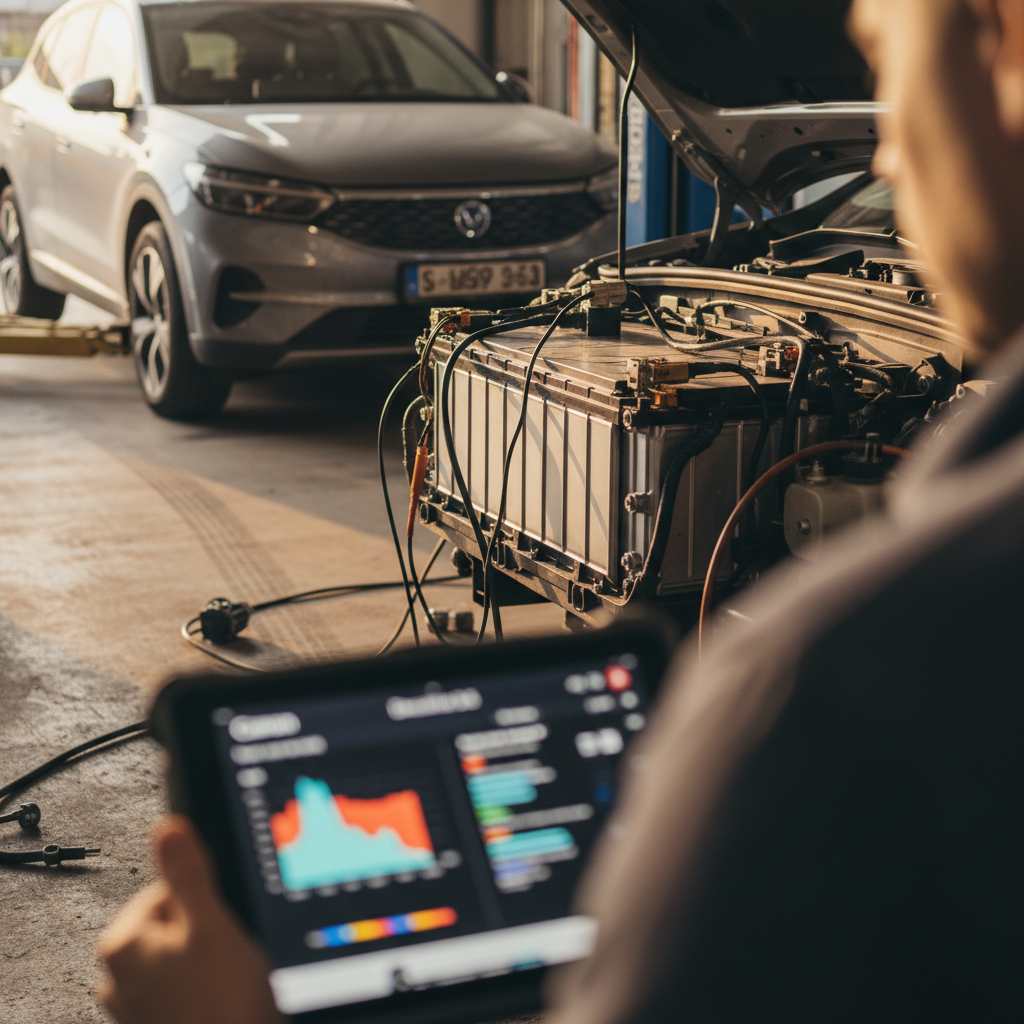
Battery life is the heart of the "is this a good buy" question. The good news: the 2021 Model 3’s packs are aging better than early EV skeptics predicted. The less-good news: battery replacement remains expensive, so you absolutely want to know what you’re getting.
2021 Model 3 Range & Battery Snapshot
Approximate EPA ratings when new and what you might realistically expect after a few years, assuming typical use.
| Trim | EPA rated range when new | Typical real-world range new* | What we often see by 2026 | Battery warranty |
|---|---|---|---|---|
| Standard Range Plus/RWD | ~250–263 mi | ~210–230 mi mixed driving | Many cars still showing ~90–95% of original range. | 8 years / 100,000 mi for battery & drive unit (original U.S. coverage). |
| Long Range AWD | ~330–353 mi | ~270–300 mi mixed driving | Many examples around ~92–95% state of health with 30k–50k miles. | 8 years / 120,000 mi coverage. |
| Performance AWD | ~315 mi | ~250–280 mi mixed driving | Similar health to Long Range; performance tires can reduce range. | 8 years / 120,000 mi coverage. |
Actual range depends heavily on driving style, climate, wheel size, and previous charging habits.
LFP vs. NCA matters for charging habits
On Recharged, the Recharged Score Report includes a battery health section that translates pack data into plain-English scores. Instead of guessing from a dash-range number or hoping a seller is honest, you see how that specific 2021 Model 3’s pack compares with similar cars at the same age and mileage.
Software, Autopilot & Ownership Experience
One of the biggest reasons a 2021 Model 3 can still be a good buy is that you’re not getting "old" software. Tesla continues to push over-the-air updates to 2021 cars, which can tweak efficiency, add features, change the look of the user interface, and refine Autopilot behavior.
- All 2021 Model 3s come with basic Autopilot (traffic-aware cruise and lane-keeping).
- Some will have Enhanced Autopilot or Full Self-Driving Capability purchased by a previous owner, valuable, but not always worth paying a huge premium for on the used market.
- Features like Sentry Mode, Tesla app controls, and regular infotainment updates help a 2021 car feel much newer than its model year suggests.
Autopilot is still driver-assist
Service is another part of the ownership story. Tesla’s direct-service model can be convenient, mobile technicians, app-based scheduling, but repair backlogs and parts availability vary by region. If you live far from a Tesla Service Center or in a market with lots of Teslas and limited capacity, budget extra time for non-urgent fixes.
When a 2021 Model 3 Is a Smart Buy
Good-Buy Scenarios for a 2021 Model 3
Situations where the value proposition is especially strong
You’re a commuter with home charging
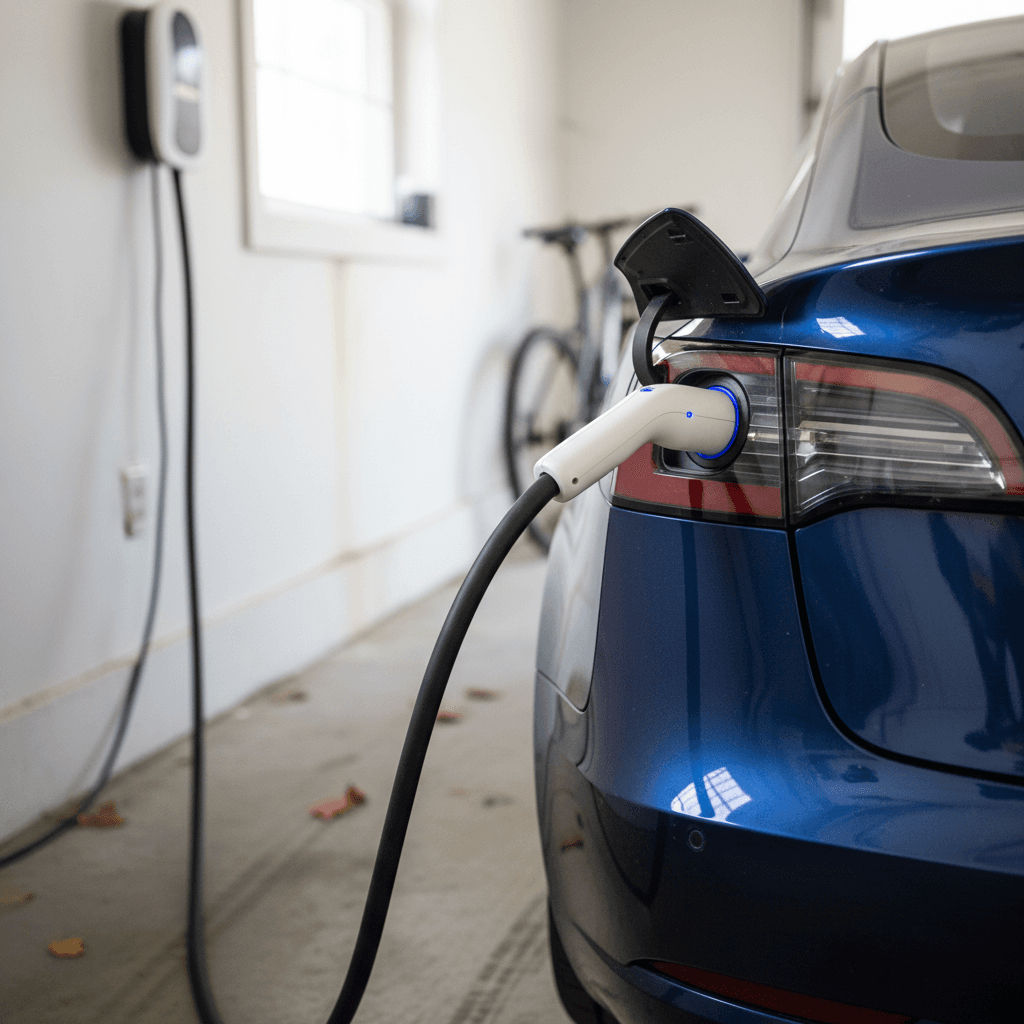
If you commute under ~80 miles a day and can install or already have a Level 2 charger at home, even a Standard Range Plus offers more than enough range with low running costs.
You road-trip, but not constantly
A 2021 Long Range with Supercharger access remains an excellent road-trip car. If you take a few longer drives a year, the bigger battery and AWD traction are worth the premium.
You want Tesla experience without new-car pricing
A clean 2021 with verified battery health gives you most of the benefits of a new Model 3, range, tech, OTA updates, at a discount that reflects the first years of depreciation.
What Recharged shoppers often target
Ready to find your next EV?
Browse VehiclesWhen You Should Probably Skip It
For all its strengths, a 2021 Model 3 isn’t the right answer for everyone. There are clear red flags and use cases where you may be better served by a different EV, or a different individual car.
- The car shows unusual battery degradation for its age or mileage, or the seller can’t/won’t share any meaningful battery data.
- There’s significant accident history, structural repairs, or airbag deployments without thorough documentation of high-quality repairs.
- Service history reveals repeated electrical or Autopilot-related complaints that never seem fully resolved.
- You live far from Tesla service and rely on your car daily with no backup transportation.
- You’re extremely sensitive to interior rattles, panel alignment, or minor cosmetic flaws. Even well-kept Teslas aren’t Lexus-level in that department.
Walk-away triggers
Pre-Purchase Checklist for a 2021 Model 3
Essential Checks Before You Buy
1. Verify battery health and charging behavior
Check the displayed range at 100% (or extrapolate from current charge), review any available battery reports, and ask how the previous owner typically charged (daily limits, use of DC fast charging). A third-party or Recharged Score battery assessment is ideal.
2. Confirm recall completion
Use the VIN to check the NHTSA recall database and Tesla’s own records. Make sure required hardware and software recalls have been completed; many can be done over the air but some require service visits.
3. Inspect exterior, glass and seals
Look for uneven panel gaps, mismatched paint, cracked glass, or signs of water leaks around the trunk and lights. These can hint at previous damage or potential leak/noise issues.
4. Review service and repair history
Ask for invoices or service records, including any Tesla app history screenshots. Patterns of repeated issues, especially electrical or Autopilot-related, should give you pause.
5. Test all electronics and driver aids
During a test drive, verify that the touchscreen, HVAC, cameras, parking sensors, windows, mirrors, and phone key all work. Try Autopilot on a safe stretch of road to check for abnormal behavior or warning messages.
6. Evaluate tires, brakes and suspension
Performance models especially can eat through tires quickly. Check for uneven wear, noises over bumps, or vibration at highway speeds. These items aren’t unique to EVs, but they still cost real money.
7. Confirm warranty status
Use the build date and mileage to confirm how much battery/drive-unit warranty remains. A 2021 bought in 2026 will often still have several years of coverage left for the most expensive components.
8. Check connectivity and app transfer
Make sure the seller has removed the car from their Tesla account and that you can add it to yours. Verify mobile app connectivity, remote lock/unlock, and charge control features before money changes hands.
2021 Tesla Model 3 FAQ
Frequently Asked Questions About the 2021 Model 3
Bottom Line: Is the 2021 Model 3 Worth It?
If your main question is “Is the 2021 Tesla Model 3 a good buy?” the answer in 2026 is yes, with the right car, at the right price, and with the right information. A solid 2021 Model 3 still outperforms many newer EVs on range and charging convenience, and ongoing software updates keep it feeling modern. Where shoppers get burned is skipping due diligence on battery health, recalls, accident history, and overall condition.
Take the time to compare trims, run the VIN for recalls, and insist on transparent battery data before you commit. If you’d rather not do that homework alone, browsing 2021 Model 3 inventory on Recharged means every candidate already comes with a Recharged Score Report, EV-focused support, and options for financing and nationwide delivery. That turns the 2021 Model 3 from a gamble into a calculated, and often very smart, used-EV buy.