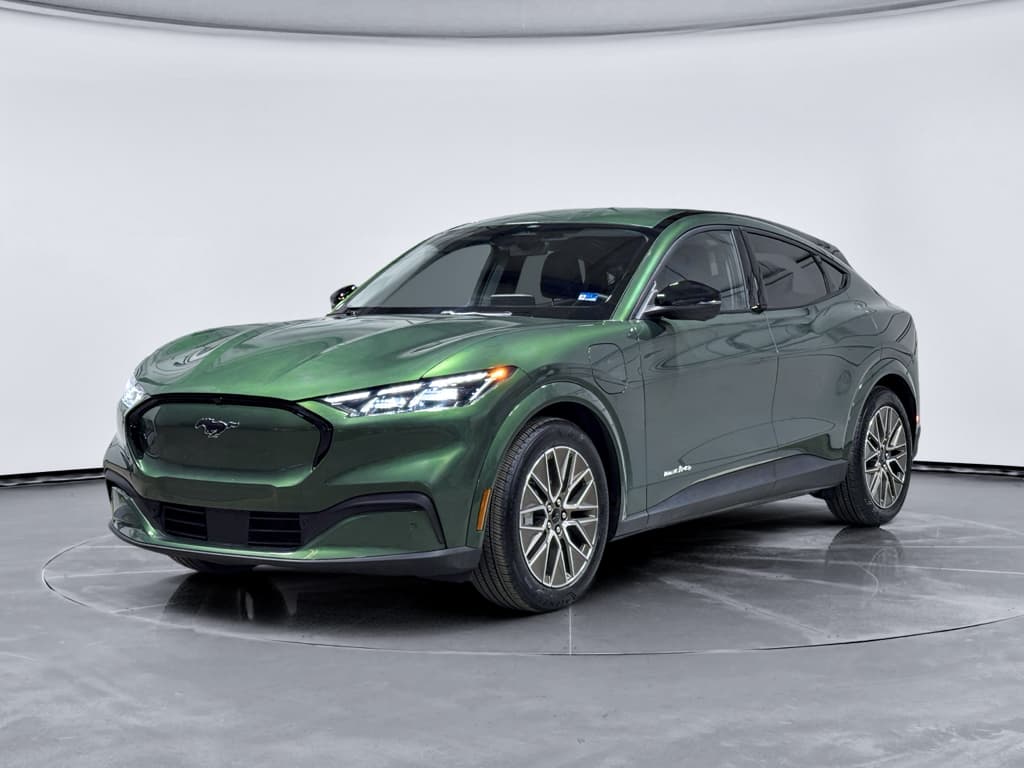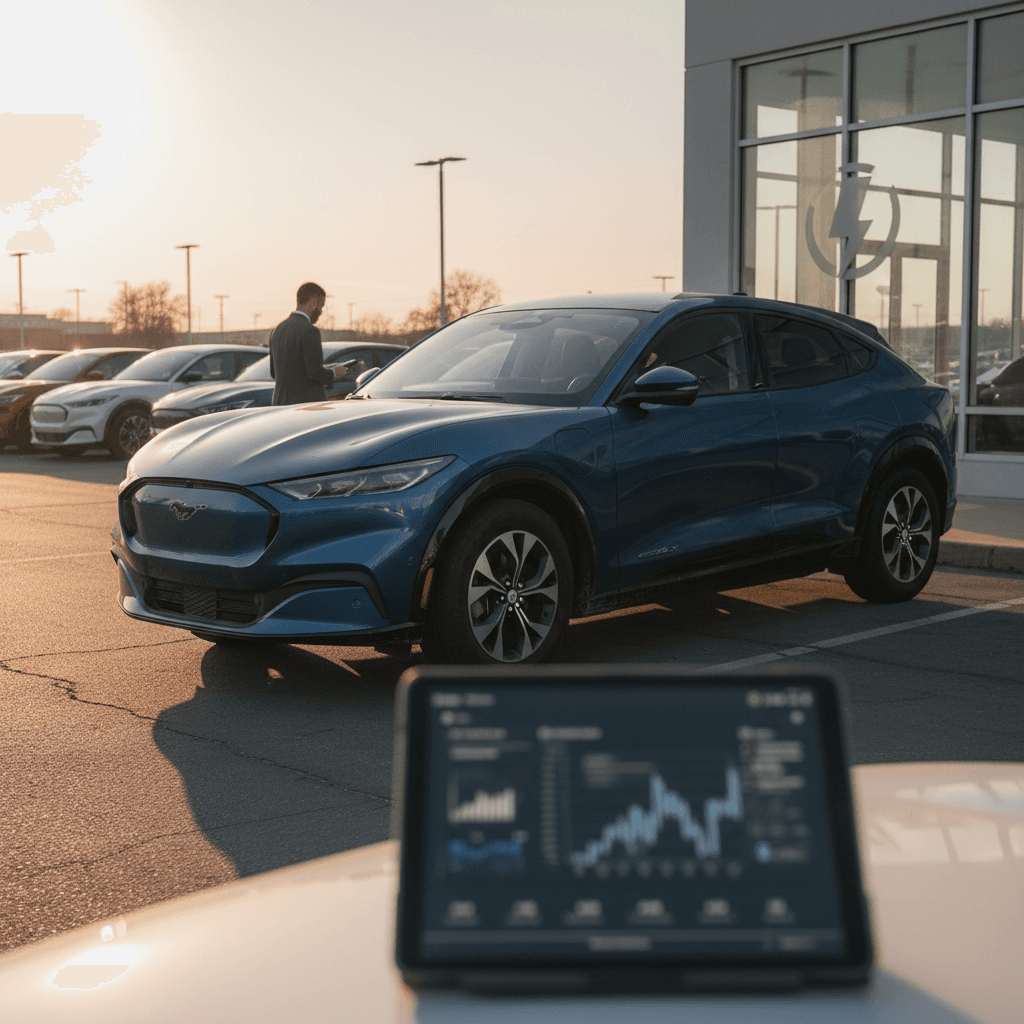
If you’re shopping used EVs, the question **“is the 2021 Ford Mustang Mach‑E a good buy?”** comes up a lot. It was Ford’s first mass‑market electric SUV, it looks sharp, and prices have fallen hard. At the same time, early‑build Mach‑Es had recalls and software drama that can give a cautious buyer pause. Let’s sort out where the 2021 model year shines, where it stumbles, and how to tell a smart buy from a future headache.
Context: early‑adopter EV, now at a discount
Quick answer: is a 2021 Mustang Mach-E a good buy?
2021 Mustang Mach-E at a glance
Where it impresses, where you should be cautious
Why it CAN be a good buy
- Big depreciation: early 2021–2022 Mach‑Es now list thousands below comparable Teslas and some newer EV SUVs.
- Strong performance: even base RWD models feel quick; AWD and GT trims are legitimately sporty.
- Competitive range: 211–305 miles EPA depending on battery and driveline, right in the usable sweet spot for daily driving.
- Long EV warranty: Ford’s 8‑year/100,000‑mile high‑voltage battery warranty can still cover many 2021s through roughly 2029.
Where you MUST be picky
- First‑year glitches: software bugs, 12‑volt battery drain issues, and high‑voltage junction box/contactor problems on some early builds.
- Multiple recalls: including high‑voltage battery contactor, door latches that can trap passengers, and rearview camera software.
- Depreciation risk: values fell hard; if you overpay, you may see more loss if you sell in a few years.
- Charging access: it’s improved, but if you rely on DC fast charging, you’ll want to think carefully about station availability and NACS access in your area.
In 2026, a **2021 Mustang Mach‑E is a good buy if** you get: (1) the right trim and battery for your needs, (2) evidence that key recalls and software updates are done, and (3) a price that reflects its early‑year reliability record and heavy depreciation. It’s a poor buy if you pay “like‑new” money for a car with incomplete recall work, no clear battery‑health documentation, or a sketchy service history.
2021 Mustang Mach-E specs: range, batteries, and performance
For 2021, Ford offered the Mustang Mach‑E with two battery sizes, **Standard Range** (~68 kWh usable) and **Extended Range** (~88 kWh usable), and either single‑motor RWD or dual‑motor AWD. EPA‑rated range varies from roughly **211 miles** on some AWD Standard Range trims to about **305 miles** on the California Route 1 Extended Range RWD version.
2021 Mustang Mach-E: key trims, batteries, and EPA range
Approximate EPA‑rated ranges for major 2021 Mach‑E configurations.
| Trim (2021) | Driveline | Battery | EPA range (mi) | 0–60 mph (approx.) |
|---|---|---|---|---|
| Select SR | RWD | Standard Range | ~230 | ~6.0 s |
| Select SR | AWD | Standard Range | ~211 | ~5.5 s |
| Premium SR | RWD | Standard Range | ~230 | ~6.0 s |
| Premium ER | RWD | Extended Range | ~300 | ~6.1 s |
| Premium ER | AWD | Extended Range | ~270 | ~4.8 s |
| California Route 1 ER | RWD | Extended Range | ~305 | ~6.1 s |
| GT ER | AWD | Extended Range | ~270 | ~3.8 s |
Exact range depends on wheels, climate, and driving style, but this table gives realistic ballpark numbers for comparison.
Real‑world range can beat the sticker
From a driving standpoint, the 2021 Mach‑E is one of the more engaging mainstream EV SUVs. Steering is sharper than most crossovers, and **AWD and GT trims** deliver the kind of instant torque many shoppers expect when they hear the Mustang name. If you prioritize comfort over speed, the RWD Extended Range trims balance smooth ride, strong range, and adequate punch.
Pricing and depreciation: what should you pay?
Used 2021 Mustang Mach-E pricing snapshot (early 2026)
Thanks to **steep EV depreciation**, early 2021–2022 Mustangs Mach‑E often list in the **high‑teens to mid‑20s** range for Select and Premium trims in early 2026, depending on mileage, options, and condition. Higher‑spec GT or California Route 1 models typically command more, but even those now undercut similarly fast new EVs by a wide margin.
Don’t overpay for “early adopter” hype
Before you sign, compare the asking price against similar 2021–2022 Mach‑Es nationwide and factor in **battery size, driveline, and options** like the panoramic roof or Co‑Pilot360 driver‑assist suite. If you’re buying through Recharged, your offer is grounded in fair‑market data plus a **Recharged Score Report** that bakes in battery health and real‑world demand, so you’re not guessing at what the car is actually worth.
Reliability and common 2021 Mach-E issues
The single biggest reason shoppers ask whether a **2021 Mustang Mach‑E is a good buy** is reliability. Consumer surveys and owner forums tell a consistent story: the **electric drivetrain and main battery have been fundamentally solid**, while **software, low‑voltage systems, and a few supplier parts** caused the bulk of headaches, especially on 2021 and 2022 builds.
Most talked‑about 2021 Mach-E trouble spots
Not every car has these problems, but you should know the patterns.
High‑voltage junction box / contactor
12‑volt battery and software drains
Camera and door‑lock glitches
First‑year effect: noisy reliability scores
When you evaluate a specific 2021 Mach‑E, don’t just ask, “Is this model reliable?” Ask: **“Has this particular car had its issues addressed?”** A well‑maintained example with all recalls completed, and some warranty time left, can be a confident buy. A car that’s been in and out of the shop for repeated electrical gremlins is one to skip, no matter how attractive the price.
Recalls you need to verify
By 2026, **most 2021 Mustang Mach‑E SUVs have at least a few recall entries** in their history. Recalls are not a deal‑breaker, in many cases, they’re evidence that Ford identified an issue and fixed it at no charge, but you want to confirm they were actually performed.
- High‑voltage battery contactor / junction box recall (loss of drive power risk).
- Door latch / 12‑volt battery‑related recalls where rear doors might stay locked if the low‑voltage battery is weak.
- Rearview camera software recall that can cause the image to freeze, delay, or fail to appear.
- Various software campaigns to improve charging behavior, update the digital cluster and infotainment, and address 12‑volt battery drain.
How to check recall status in 5 minutes
If a car still shows open safety recalls, treat that as a **non‑starter until the work is scheduled**. The fixes themselves are typically free at a Ford dealer, but you don’t want to discover an unresolved high‑voltage or latch issue on your first road trip.
Battery health and range loss: what to expect
The heart of the value question on any used EV is battery health. For the 2021 Mach‑E, real‑world experience so far suggests **modest degradation** for most owners, often on the order of **a few percent of range loss after several years**, especially on cars that weren’t fast‑charged constantly and lived in milder climates.
What usually ages well
- Main battery pack durability: No widespread pattern of packs wearing out or needing replacement in normal mileage.
- Thermal management: The Mach‑E uses active liquid cooling, which tends to support long‑term battery health.
- Warranty coverage: Ford’s 8‑year/100,000‑mile high‑voltage warranty typically covers excessive capacity loss or major battery faults.
What you still need to verify
- DC fast‑charging history: Heavy, frequent fast‑charging can accelerate wear; a seller that mostly charged at home is a plus.
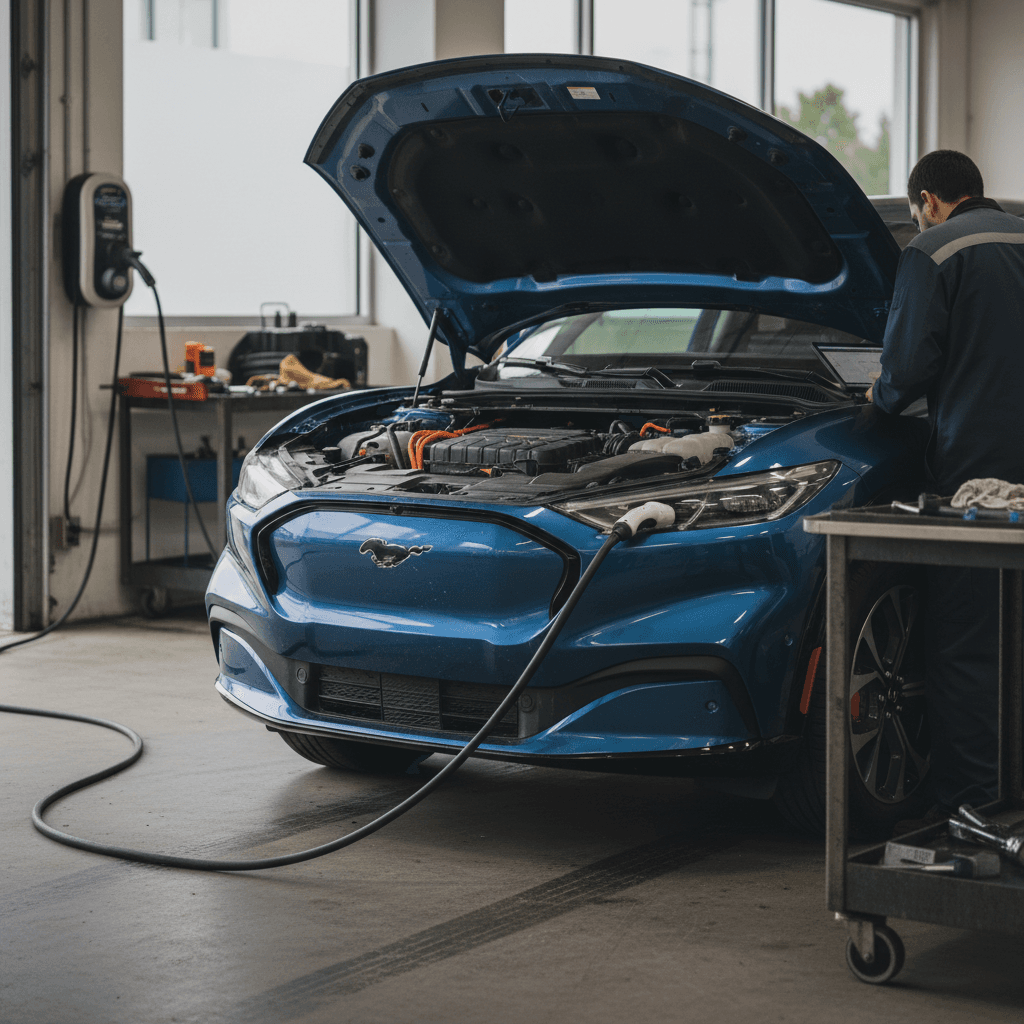
- Battery health documentation: A **third‑party health report** or detailed diagnostic (like a Recharged Score) gives you data instead of guesswork.
- Recall‑related repairs: Cars that had junction‑box or contactor components replaced should show that clearly in their records.
How Recharged de‑risks battery questions
Ready to find your next EV?
Browse VehiclesOwnership costs vs. other EVs and gas SUVs
Once you’re past the purchase price, the 2021 Mustang Mach‑E behaves like most EVs in one crucial way: **routine maintenance is light**, but **tires and out‑of‑warranty electronics** can sting if you’re unlucky. Compared with a similarly quick gasoline SUV, you’ll generally save on fuel and oil changes while spending a similar or slightly higher amount on tires and occasional software‑driven repairs.
Typical 5‑year cost picture: 2021 Mach-E vs gas SUV
Big‑picture comparison for a daily‑driven compact–midsize SUV over five years, assuming average U.S. driving and electricity costs.
| Cost area | 2021 Mustang Mach-E (used) | Comparable gas SUV |
|---|---|---|
| Fuel / energy | Lower, home charging often beats gasoline on a per‑mile basis | Higher, gasoline costs dominate long‑term ownership |
| Routine maintenance | Lower, no oil changes; fewer moving parts | Higher, oil services, more wear items |
| Tires | Similar or slightly higher, EV torque and weight can wear tires faster | Similar, performance crossovers also eat tires |
| Unexpected repairs | Moderate, electronics, cameras, charge equipment can be pricey if out of warranty | Moderate, transmissions, turbos, emissions systems can be expensive |
| Depreciation from here | Already took a big hit; future losses may be gentler if you bought right | Depends on model; often steadier than early EVs |
Numbers will vary by region and driving style, but this comparison illustrates the main trade‑offs.
Leaning on remaining warranty
When a 2021 Mach-E is a great buy vs. when to walk away
Green flags vs. red flags on a 2021 Mach-E
Use this to frame your decision quickly.
Great‑buy scenarios
- Clean history, one owner, with **complete recall records** and regular dealer or specialist service.
- Battery‑health report shows **strong remaining capacity** and realistic projected range for your climate.
- Price is clearly below a comparable newer EV and reflects EV‑typical depreciation.
- The trim you’re buying (battery size, RWD vs AWD) actually matches your daily range and weather needs.
- You have home or reliable workplace charging, so you’re not dependent on DC fast chargers for daily use.
Walk‑away scenarios
- Multiple unresolved recalls or a dealer that can’t confirm completion.
- History of repeated electrical issues, no‑start situations, or “loss of motive power” notes.
- No documentation on battery condition, and a seller unwilling to let you obtain an independent evaluation.
- Price within a few thousand dollars of a newer, higher‑rated EV with better reliability scores or tax‑credit eligibility.
- Dealer or seller downplays recall questions or refuses to share service records.
Inspection checklist before you buy a 2021 Mach-E
Pre‑purchase checklist for a 2021 Mustang Mach-E
1. Pull a full history report
Get a vehicle‑history report and compare it against Ford dealer service records. Confirm there are **no salvage, flood, or lemon‑law buyback** flags. Occasional warranty visits are normal; repeated no‑start or high‑voltage issues are not.
2. Verify all safety recalls
Use the VIN to check the NHTSA database and call a Ford dealer. You want to see that **high‑voltage, door latch, and camera recalls** are all marked completed, not just listed as open campaigns.
3. Get battery health documented
Ask for a recent battery‑health test or range report. On Recharged, this is built into the **Recharged Score Report**; elsewhere, you may need to pay a specialist to run a high‑voltage health check.
4. Test every door, lock, and camera
Cycle all doors and hatch from inside and out. Confirm the rear doors open normally and the electronic latches don’t stick. Put the car in reverse several times to verify the **rearview camera image appears promptly and doesn’t freeze**.
5. Charge in front of the seller
If possible, plug into Level 2 or DC fast charging during your inspection. Watch for charging errors, unusual noises, or rapid disconnects. A Mach‑E that refuses to fast‑charge or repeatedly faults should raise a red flag.
6. Drive it like you’ll actually use it
On your test drive, include highway and stop‑and‑go segments. Check for shuddering, warning lights, odd clunks over bumps, and **one‑pedal‑drive smoothness**. Note the projected range vs. state‑of‑charge to see if it broadly aligns with expectations for that trim.
7. Review remaining warranty
Ask the dealer or Ford service advisor to print remaining warranty coverage based on in‑service date and mileage. Ideally, you’ll have at least a year of basic coverage left plus several years of battery warranty.
FAQ: 2021 Ford Mustang Mach-E used buying
Frequently asked questions about buying a 2021 Mach-E
Bottom line: should you buy a 2021 Mustang Mach-E?
Taken as a whole, the **2021 Ford Mustang Mach‑E can absolutely be a good buy in 2026**, if you buy with your eyes open. You’re trading some early‑model‑year complexity and a history of recalls for substantial savings versus newer EVs. The payoff is a quick, stylish electric SUV with competitive range, low day‑to‑day running costs, and a still‑active battery warranty window.
If you’re willing to do the homework, verifying recalls, getting real battery‑health data, and insisting on a price that reflects the market, a clean 2021 Mach‑E can be one of the sharper values in the used‑EV aisle. If you’d rather not play detective, buying through a specialist like Recharged that **tests the battery, audits the history, and prices the car transparently** is an easy way to enjoy the upside of an early Mach‑E while minimizing the risk.