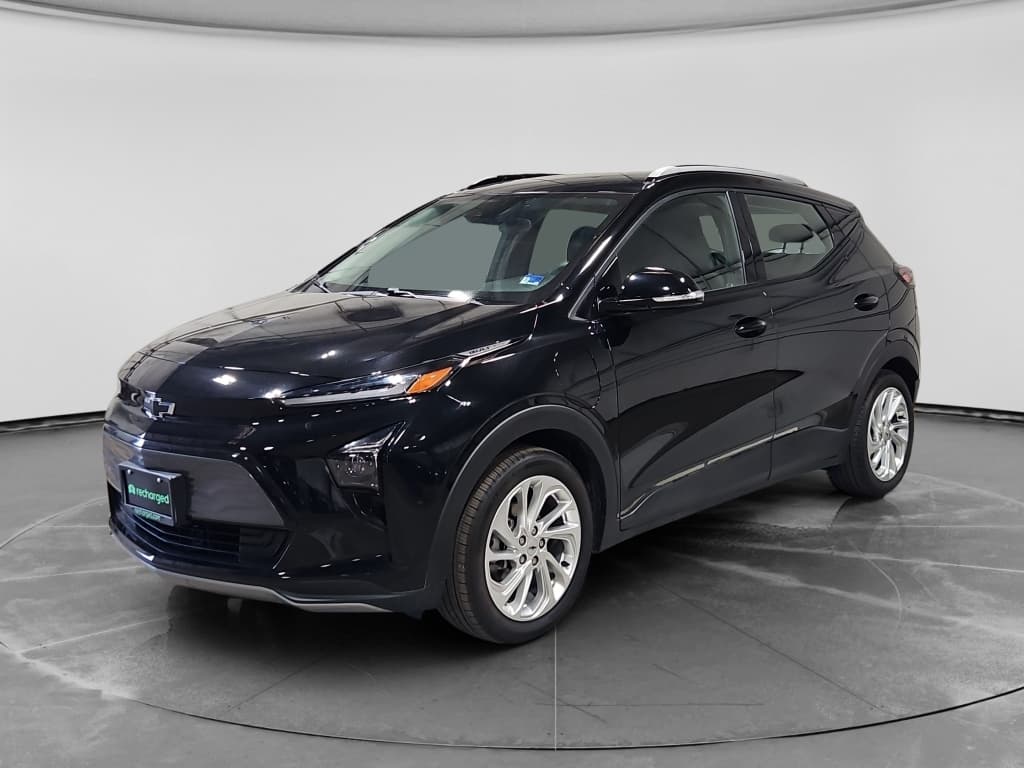
If you’re scanning used EV listings, it’s natural to wonder: is the 2021 Chevrolet Bolt EV a good buy in 2026, or a headline‑haunted risk? The answer is that it can be one of the smartest values in the used‑EV market, if you understand the battery recall story, know how to verify warranty coverage, and shop carefully.
Snapshot verdict
Quick answer: Is the 2021 Bolt EV a good buy?
2021 Chevy Bolt EV at a glance
In broad strokes, the 2021 Bolt EV is a good buy if you want maximum electric range per dollar and don’t mind older styling or modest DC fast‑charging speeds. It becomes an even better buy if the car had its battery pack replaced under the recall, since that can effectively restart the battery warranty clock. On the flip side, if you road‑trip constantly, want top‑tier crash‑avoidance tech, or can’t live with the recall history, there are better fits.
Quick rule of thumb
2021 Bolt EV basics: Specs that still hold up
Core hardware
- Battery: ~66 kWh usable pack
- EPA range: 259 miles
- Drive: Single front motor, FWD
- Power: 200 hp, 266 lb‑ft torque
- Platform: GM BEV2, not Ultium, but proven
Everyday livability
- Body style: Subcompact hatchback with upright seating
- Cargo space: Competitive with many small crossovers
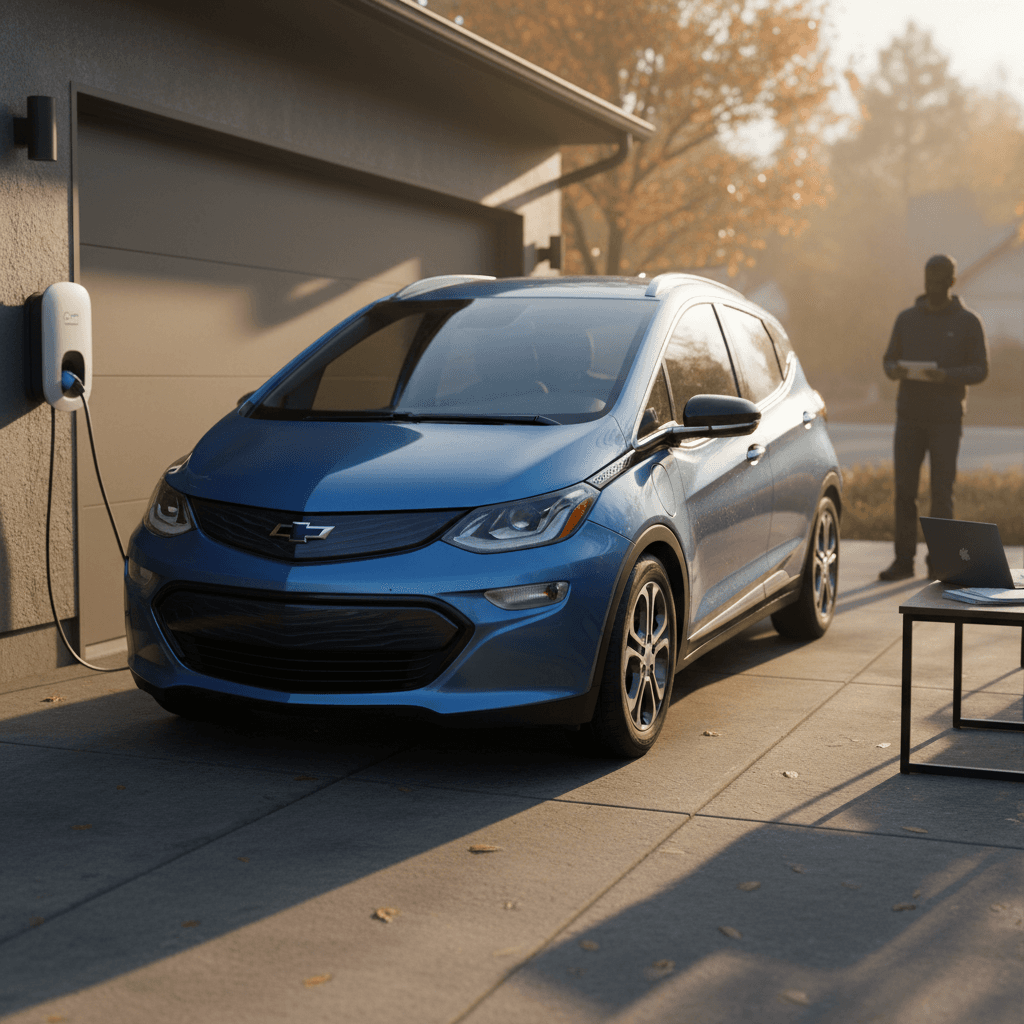
- On‑board charger: 7.2 kW Level 2 (about 25 miles of range per hour at home)
- DC fast charging: CCS1, peak ~55 kW on equipped cars
Mechanically, the 2021 is the last pre‑refresh Bolt EV, sharing most of its hardware with the 2020 model. You don’t get the sleeker interior and 11 kW onboard charger that arrived with the 2022 refresh, but you do get the same 259‑mile range rating and punchy, around‑town acceleration. For a commuter or second car, there’s nothing dated about how it drives.
Watch the DC fast‑charge option
Pricing: What does a 2021 Bolt EV cost today?
By late 2025, used 2021 Bolt EVs in the U.S. were generally landing in the mid‑teens to around $20,000 at mainstream dealers, depending on mileage, trim, battery history, and region. That puts them among the most affordable long‑range EVs you can buy, often cheaper than a similarly aged gas crossover.
Typical 2021 Chevy Bolt EV used pricing (late 2025–early 2026)
Illustrative dealer‑retail ranges for the U.S. market. Local prices vary based on incentives, demand, condition, and battery status.
| Mileage band | Condition & battery status | Typical dealer asking price | Notes |
|---|---|---|---|
| 25k–40k miles | Clean history, no battery replacement yet | $16,000–$18,000 | Plenty of warranty left; verify recall status and software updates. |
| 25k–40k miles | Documented replacement battery | $17,000–$20,000 | Slight premium is often worth it for a newer pack and fresh 8‑year/100k warranty on that battery. |
| 40k–70k miles | Average wear, original battery | $14,000–$17,000 | Good value commuters; confirm remaining battery warranty coverage by VIN. |
| 70k+ miles | High mileage, mixed history | $12,000–$15,000 | Extra due diligence required; walk away from sketchy histories even if the price is tempting. |
Use this as a ballpark guide, not a quote. Always check current market listings.
Don’t forget the used EV tax credit
Battery recall and warranty: What it means for you
You can’t evaluate whether a 2021 Chevrolet Bolt EV is a good buy without talking about the high‑voltage battery recall. After a small number of Bolt battery fires, GM expanded its recall in 2021 to cover essentially every 2017–2022 Bolt EV and EUV. The good news: for many cars, that resulted in new battery modules or complete pack replacements and, in some cases, fresh warranty coverage.
Two main recall outcomes for a 2021 Bolt EV
Which one you have matters for long‑term peace of mind.
1. Battery replaced under recall
This is the best‑case scenario:
- New or re‑built high‑voltage pack installed.
- Replacement pack typically gets its own 8‑year/100,000‑mile parts warranty starting from the install date.
- In practice, this can mean battery coverage well into the late 2020s or early 2030s.
2. Software‑only recall fix
Some newer Bolts cleared the recall with a diagnostic software update instead of replacement:
- Original battery remains in the car.
- Standard 8‑year/100,000‑mile EV battery warranty still applies from the vehicle’s in‑service date.
- You rely on software monitoring to catch anomalies.
How to verify recall and warranty status
- Completed high‑voltage battery recall entries.
- Any note of battery pack or module replacement.
- Separate line items showing a new “Battery Limited Part Warranty” tied to the replacement date.
If the car had a pack replacement in, say, 2023, that new pack may be under warranty until 2031 or beyond, even though the rest of the vehicle’s basic warranty has expired. That’s a big reason many informed shoppers actively seek out Bolts with documented battery replacements rather than avoiding recall cars outright.
Red flags on the recall front
- The recall shows as incomplete or “open.”
- The seller can’t explain what recall work was done.
- You see conflicting information between dealer paperwork and GM’s online records.
Real‑world range and charging experience
On paper, the 2021 Bolt EV’s 259‑mile EPA range is still competitive with many newer, more expensive EVs. In the real world, most owners report 200–240 miles on a full charge in mixed driving, with more in city use and less at sustained highway speeds or in cold weather.
- At home on Level 2 (240V), expect roughly 25 miles of range per hour of charging with the 7.2 kW onboard charger.
- At work or public Level 2 stations, plan for several hours from low state‑of‑charge to near full.
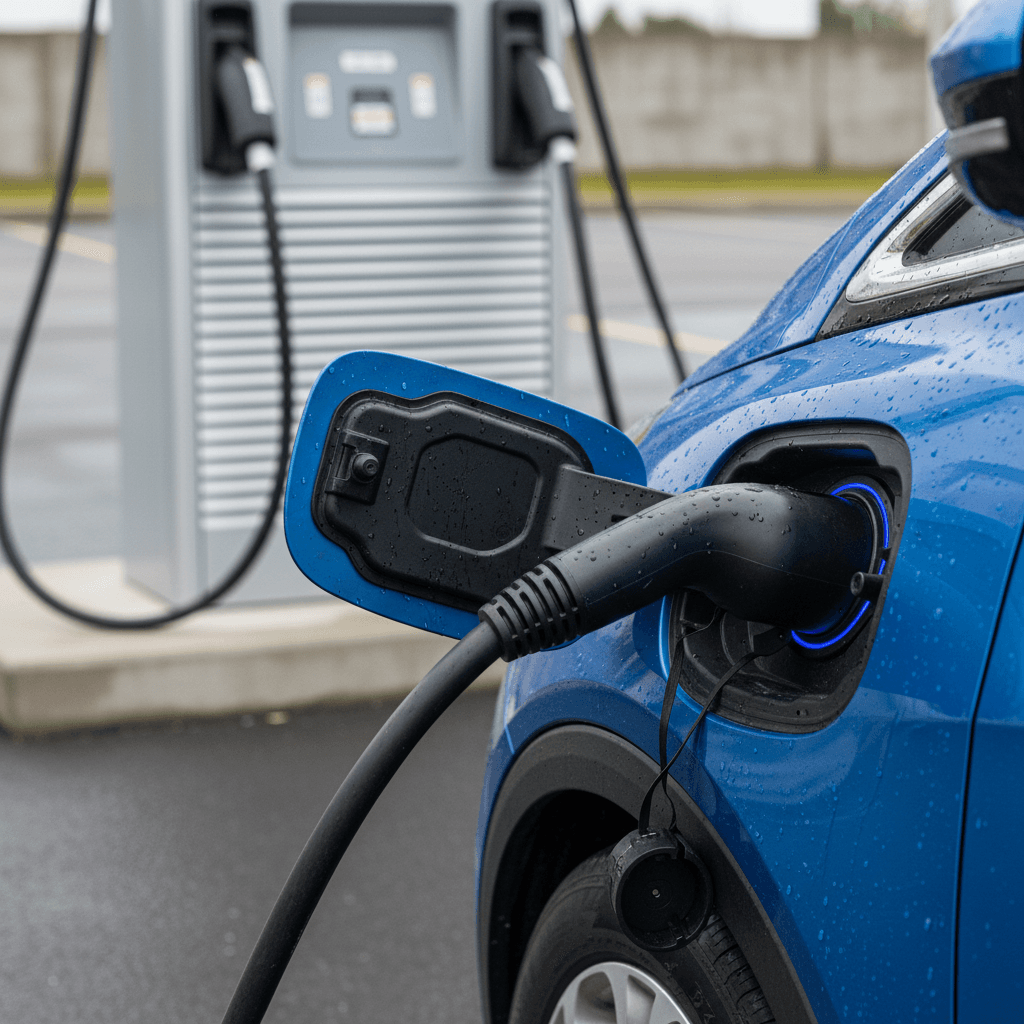
- On DC fast chargers, a healthy 2021 Bolt EV can typically add about 90–100 miles of range in ~30 minutes before the charge curve tapers off.
- The Bolt uses the CCS1 standard, so it can’t use Tesla Superchargers without a third‑party adapter on NACS‑enabled sites, and even then only where non‑Tesla access is supported.
Cold weather reality check
If you primarily charge at home and treat fast charging as an occasional convenience, the Bolt’s charging profile is more than adequate. If your lifestyle is built around frequent 500‑mile days, the limited DC fast‑charge speed becomes a bigger drawback and might steer you toward a newer EV with 100+ kW capability.
Common issues and reliability
Setting the battery recall aside, the 2021 Bolt EV has generally landed in the average‑to‑above‑average reliability camp in owner surveys. Most day‑to‑day issues are modest and relatively inexpensive to address compared with complex gas drivetrains, think infotainment quirks, sensors, and hardware wear rather than engines or transmissions.
Known trouble spots on the 2021 Bolt EV
What owners and shops commonly see, none are automatic deal‑breakers, but they’re worth checking.
Infotainment & screens
12‑volt battery
Charging hardware
Interior wear
Recall follow‑through
Range calibration
The upside of EV simplicity
Who the 2021 Bolt EV is (and isn’t) right for
Is a 2021 Chevy Bolt EV right for your life?
Great match for
Daily commuters driving 20–80 miles per day who can charge at home or work.
Households replacing a second gas car with an efficient, low‑maintenance EV.
Budget‑minded buyers who want <strong>200+ miles of real‑world range</strong> without a big payment.
First‑time EV shoppers comfortable with mainstream tech but not chasing the newest screen or badge.
Maybe, depending on details
Drivers who need to road‑trip a few times a year and can live with longer charging stops.
Apartment dwellers who have reliable access to workplace or public Level 2 charging.
Shoppers sensitive to recall headlines but willing to dig into documentation and battery‑health reports.
Probably not the best fit for
People who regularly drive 300–400 miles in a single day and demand 150+ kW fast‑charging speeds.
Shoppers who prioritize the latest driver‑assist suites, huge screens, or SUV‑style seating height.
Buyers who are extremely risk‑averse about any past recall, even with strong documentation and warranty coverage.
Inspection checklist before you buy a 2021 Bolt EV
Essential pre‑purchase checks for a 2021 Bolt EV
1. Pull GM recall and warranty history by VIN
Use GM’s online tools to confirm all battery and safety recalls are completed. Look for clear language about whether the high‑voltage battery was replaced, and note the in‑service date and any separate battery‑part warranty terms.
2. Ask specifically about battery replacement
Request documentation for any pack/module replacement: repair orders, dates, and mileage. A recent battery replacement with fresh warranty coverage is a major plus; vague answers are a red flag.
3. Review a battery‑health report
Ideally, get a third‑party battery‑health scan, like the <strong>Recharged Score Report</strong>, showing usable capacity vs. new. This is far more informative than judging health only by the dash range estimate.
4. Verify DC fast‑charging hardware and test it
Open the charge port to confirm the CCS fast‑charge inlet on LT trims, and actually plug into a DC fast charger during your test drive to confirm the car connects, charges, and ramps up normally.
5. Inspect tires, brakes, and suspension
EVs are heavy, and aggressive regen can hide brake issues during a quick drive. Check tire tread depth, look for uneven wear, and listen for clunks or vibrations over bumps.
6. Test all electronics and driver‑assist features
Cycle the infotainment system, cameras, heated seats, and any active‑safety features. Minor glitches are fixable, but lots of warning lights or malfunction messages suggest you should walk away.
7. Confirm charging fits your home setup
If you’ll charge at home, make sure you have (or can add) a proper 240V circuit for faster Level 2 charging. Factor any installation cost into your total budget.
Leverage a professional used‑EV inspection
How Recharged helps with used 2021 Bolt EVs
Because the 2021 Chevrolet Bolt EV sits at the crossroads of attractive pricing and complicated recall history, it’s exactly the kind of car that benefits from extra transparency. That’s where Recharged comes in.
What you get when you shop a Bolt EV through Recharged
Reducing the homework burden without skipping any of the details.
Recharged Score Report
Recall & warranty clarity
Financing & used‑EV incentives
Nationwide delivery
Trade‑in & selling options
EV‑specialist support
Ready to find your next EV?
Browse VehiclesFAQ: 2021 Chevy Bolt EV in the used market
Frequently asked questions about buying a 2021 Bolt EV
Bottom line: Should you buy a 2021 Bolt EV?
If you’re asking, “Is the 2021 Chevrolet Bolt EV a good buy?” the honest answer is that it’s one of the best value plays in the used‑EV world, provided you’re selective. A well‑documented car with completed battery recalls, solid capacity on a health report, and working DC fast charging delivers real‑world range that rivals many newer EVs for thousands less.
The 2021 Bolt EV won’t win any tech‑fashion contests, and it’s not the right tool for constant 500‑mile days. But as an efficient commuter, family runabout, or gas‑car replacement for everyday driving, it hits a sweet spot of range, price, and simplicity. Do your homework, or let a specialist like Recharged do much of it for you, and a 2021 Bolt EV can be a smart, confidence‑inspiring purchase rather than a roll of the dice.