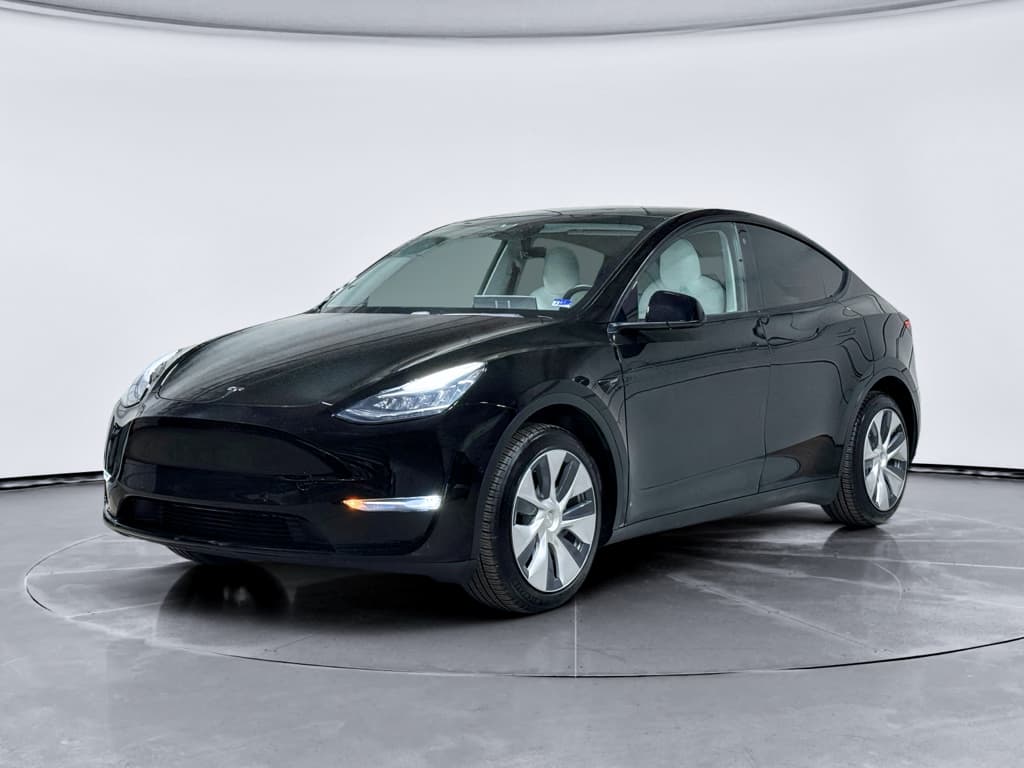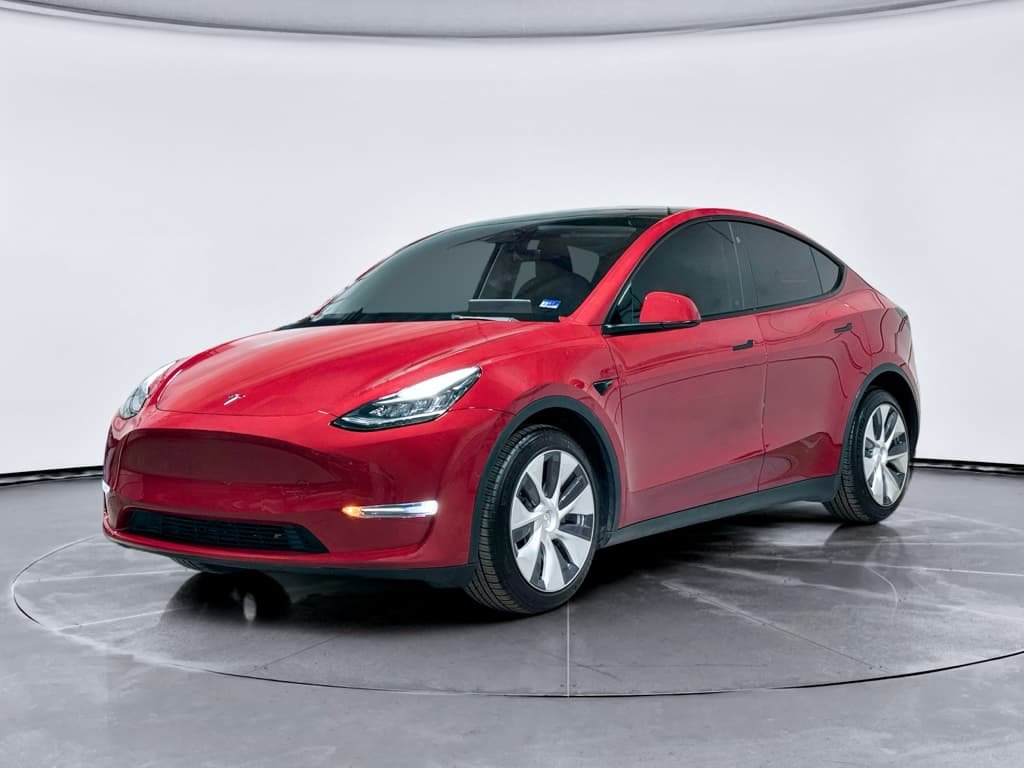
If you’re eyeing a used Tesla crossover, the question “is a 2020 Tesla Model Y a good buy?” comes up fast. The 2020 model year launched the Y in the U.S., mixing strong range and tech with very visible first‑year growing pains. That combination can either deliver a bargain or a headache, depending on which specific vehicle you’re looking at and how you shop.
Key context: first‑year Model Y
Quick answer: is the 2020 Model Y a good buy?
When a 2020 Model Y is a good buy
- You find a car with documented repairs for early build issues (paint, glass, seals).
- Battery health tests strong and real‑world range still fits your daily needs.
- The price meaningfully undercuts comparable 2021–2022 Model Ys.
- You value Tesla’s Supercharger access, software features and over‑the‑air updates more than having the latest interior tweaks.
When a 2020 Model Y is not a good buy
- The car has a long recall list with missing service documentation.
- Panel gaps, water leaks or glass issues are still present at inspection.
- Battery health is poor or range feels significantly lower than expected.
- Pricing is close to a newer Model Y with fewer problems and updates.
Quick verdict
What you get with a 2020 Tesla Model Y
Mechanically, the 2020 Tesla Model Y shares most of its DNA with the Model 3, which is good news for efficiency and driving dynamics. Long Range and Performance trims deliver strong acceleration, competitive EPA range for the time, and access to Tesla’s still‑dominant Supercharger network. Inside, you get the minimalist cabin, large center touchscreen and frequent over‑the‑air software updates that defined Tesla in the early 2020s.
Core strengths of the 2020 Model Y
Why the first‑year Y is still compelling as a used EV
Strong range
Supercharger access
Software and tech
Remember it’s an early build
2020 Model Y used pricing and depreciation in 2026
2020 Model Y value snapshot (national averages)
By 2026, many 2020 Model Ys are in that used‑EV sweet spot where depreciation has done a lot of the hard work. National guides show typical values in the low‑$20,000s, but asking prices swing widely with mileage, condition, options and location. In some markets you’ll see high‑mile units below $20,000, while low‑mile, well‑optioned cars at reputable retailers can push close to $30,000.
How to think about “fair” pricing
Reliability, recalls and common 2020 Model Y problems
Here’s where the 2020 Model Y gets controversial. Owner surveys and reliability ratings generally place the 2020 Y below average for its model year, especially compared with mature gas SUVs. The big story isn’t catastrophic drivetrain failures, it’s volume: lots of smaller build defects, multiple recalls and service visits during the first few years on the road.
Most common 2020 Model Y trouble spots
Patterns that show up repeatedly in owner reports, surveys and recall information.
| Area | Typical issues | What to look for when buying |
|---|---|---|
| Exterior fit & finish | Panel gaps, misaligned hatches or doors, missing trim pieces, paint defects or mismatched panels. | Walk around the car in good light. Check panel gaps at doors and hatch, look for overspray or color mismatch, inspect wheel‑arch liners and underbody shields. |
| Glass & roof | Loose or poorly bonded glass roof, wind noise, occasional reports of water intrusion. | Inspect all glass edges, look for water stains on headliner or pillars, test drive on highway to check for wind whistles. |
| Weather seals & leaks | Liftgate and door seals not seated correctly, resulting in water leaks or wind noise. | Check door and hatch seals for kinks or gaps, inspect trunk well for moisture, and run a hose test if possible. |
| Electronics & sensors | Phantom braking, camera calibration issues, intermittent warnings from driver‑assist systems. | During a drive, test Autopilot if equipped, verify all cameras display cleanly, and check for any warning lights or active alerts in the service menu. |
| HVAC & heat pump | Reports of HVAC failures, including loss of heat or poor defrost performance in cold climates. | Test cabin heat and A/C thoroughly, especially defrost performance. Listen for unusual compressor noises and review any prior HVAC repair invoices. |
| Suspension & noises | Creaking suspension arms, rattles from seats or hatch, general NVH complaints on rough roads. | Drive over bumps at low and moderate speeds with radio off. Listen for clunks, rattles or creaks, and check for any uneven tire wear. |
Not every 2020 Model Y will have these issues, but they’re the areas to inspect and question during a pre‑purchase review.
Pay attention to recall history
Owner sentiment on early Model Ys often splits between “best car I’ve ever driven” and “I’ve never been back to a service center so many times.” As a used buyer, your job is to find which side of that divide a specific vehicle lives on.
Battery health and real-world range on early Model Ys
Battery health is one of the strongest arguments in favor of a used 2020 Model Y, if the pack has been treated reasonably well. Tesla’s own long‑range data for Model 3/Y suggests something on the order of around 15% capacity loss at 200,000 miles for Long Range packs, and real‑world owner reports for 2020 Ys often show modest degradation when driven and charged normally.
2020 Model Y battery: what “good” looks like
Most shoppers should focus on usable range, not headline percentages
Typical degradation
Real‑world range
Warranty backstop
How to check battery health on a 2020 Model Y
Watch for outliers, not perfection
2020 vs later Model Y years: which is the better buy?
Why consider a 2020 Model Y
- Lowest entry price into a Model Y, thanks to age and deeper depreciation.
- Mature hardware shared with Model 3, with plenty of real‑world data now available.
- Many early defects have already been repaired under warranty by prior owners, if you can document the work.
- For some buyers, 2020s with radar‑equipped driver‑assistance hardware are preferable to later vision‑only setups.
Why you might prefer 2021–2022+
- Fewer build‑quality complaints as Tesla dialed in the production line.
- Some running changes to interior trim, NVH, and hardware, depending on plant and build date.
- Newer cars mean more battery warranty remaining and, often, lower lifetime fast‑charge counts.
- Smaller gap in asking prices than you might expect, especially when new‑car discounts push down late‑model used values.
Rule of thumb: discount matters
When a 2020 Model Y is a smart buy
- You want a Tesla crossover with strong range but need to stay closer to the low‑$20K price band.
- You’re comfortable trading some cosmetic perfection for a lower payment, as long as mechanicals and battery are solid.
- You live near a Tesla Service Center or qualified independent EV shop, so occasional warranty follow‑ups or repairs are manageable.
- You plan typical American driving patterns (commutes, school runs, weekend trips) rather than towing or frequent 1,000‑mile road‑trip marathons.
- You value access to the Supercharger network and Tesla’s software ecosystem more than having the very latest cabin or suspension tweaks.
Smart‑buy profile
Red flags on a 2020 Model Y, and when to walk away
Biggest reasons to skip a particular car
Major red flags on a 2020 Model Y
Any one of these should trigger a much lower price, or a different car
Unrepaired recalls
Accident + poor repairs
Active warnings
Water leaks
Severe panel issues
Unusual battery loss
Checklist: what to inspect on a 2020 Model Y before you buy
High‑impact items to check on a 2020 Model Y
1. Run VIN history and recall checks
Pull a full vehicle history report to look for accidents, lemon buybacks or odometer issues. Then use Tesla’s tools and NHTSA’s database to confirm whether all recalls have been completed, and ask the seller for supporting service records.
2. Inspect paint, panels and seals in daylight
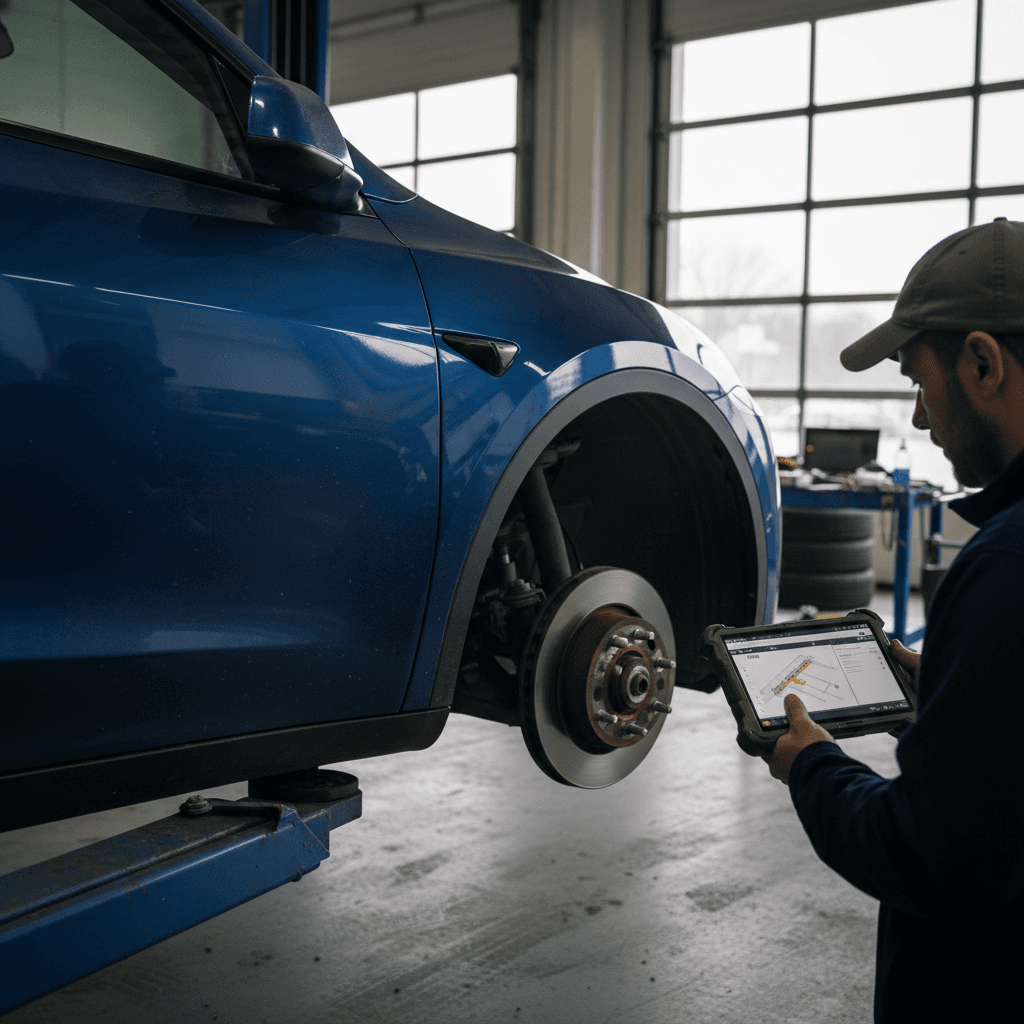
Walk around the car slowly. Look for mismatched paint, waviness, debris in clearcoat, missing trim and inconsistent panel gaps. Open and close every door and the hatch, then inspect door and liftgate seals for kinks or gaps.
3. Check glass and for signs of leaks
Inspect the panoramic roof and all window edges closely. Look inside for water stains on the headliner and pillars, sniff for musty smells, and check the rear cargo floor and underfloor well for evidence of moisture.
4. Test HVAC and defrost thoroughly
With the car in Park, run heat and A/C in several modes. Confirm the windshield and rear glass clear quickly in defrost mode, and listen for unusual compressor noises that could hint at HVAC or heat‑pump issues.
5. Evaluate battery health and range
Check the displayed range at a known state of charge, and, if possible, review long‑term energy‑use or battery‑health data. At Recharged, this is rolled into our <strong>Recharged Score battery diagnostics</strong> so you can compare one car’s pack health against benchmarks.
6. Drive it like you’ll actually use it
On the test drive, include highway and rough pavement. Test Autopilot if installed, listen for rattles or creaks, and pay attention to steering feel and brake response. A 2020 Model Y should feel composed and confident, not loose or noisy.
7. Confirm charging behavior
If you can, plug the car into Level 2 AC or a nearby Supercharger. Watch for normal charging initiation and speeds for the conditions. Unusual charging errors or drastically slow rates could hint at deeper battery or charging‑system issues.
How Recharged can simplify buying a used Model Y
The 2020 Tesla Model Y is exactly the kind of vehicle where transparency makes or breaks the deal. As a used‑EV retailer and marketplace, Recharged was built around that problem. Every Model Y we list includes a Recharged Score Report with verified battery health, a review of recall and service history, and pricing analysis that benchmarks each vehicle against the broader market.
What Recharged adds to a 2020 Model Y purchase
Designed around the quirks of used Teslas
Battery & condition transparency
Fair pricing & financing
Trade‑in, consignment & delivery
Ready to find your next EV?
Browse VehiclesShop on your terms
FAQ: 2020 Tesla Model Y used-buyer questions
Frequently asked questions about buying a 2020 Model Y
Bottom line: should you buy a 2020 Model Y?
From a reporter’s vantage point, the 2020 Tesla Model Y is neither the hero nor the villain of the used‑EV market, it’s a high‑variance story. Some examples, with their issues sorted and batteries still healthy, represent excellent value for shoppers who want into the Tesla ecosystem without new‑car pricing. Others, with lingering quality problems or weak documentation, are rolling reminders that first‑year vehicles require extra caution.
If you’re willing to do the legwork, or lean on a partner like Recharged to do it for you, the answer to “is a 2020 Tesla Model Y a good buy?” is often yes. Prioritize battery health, build quality and completed recalls over cosmetic perfection, insist on fair pricing for the risk you’re taking, and you can drive away in a capable, still‑modern electric SUV that fits your budget and your daily life.