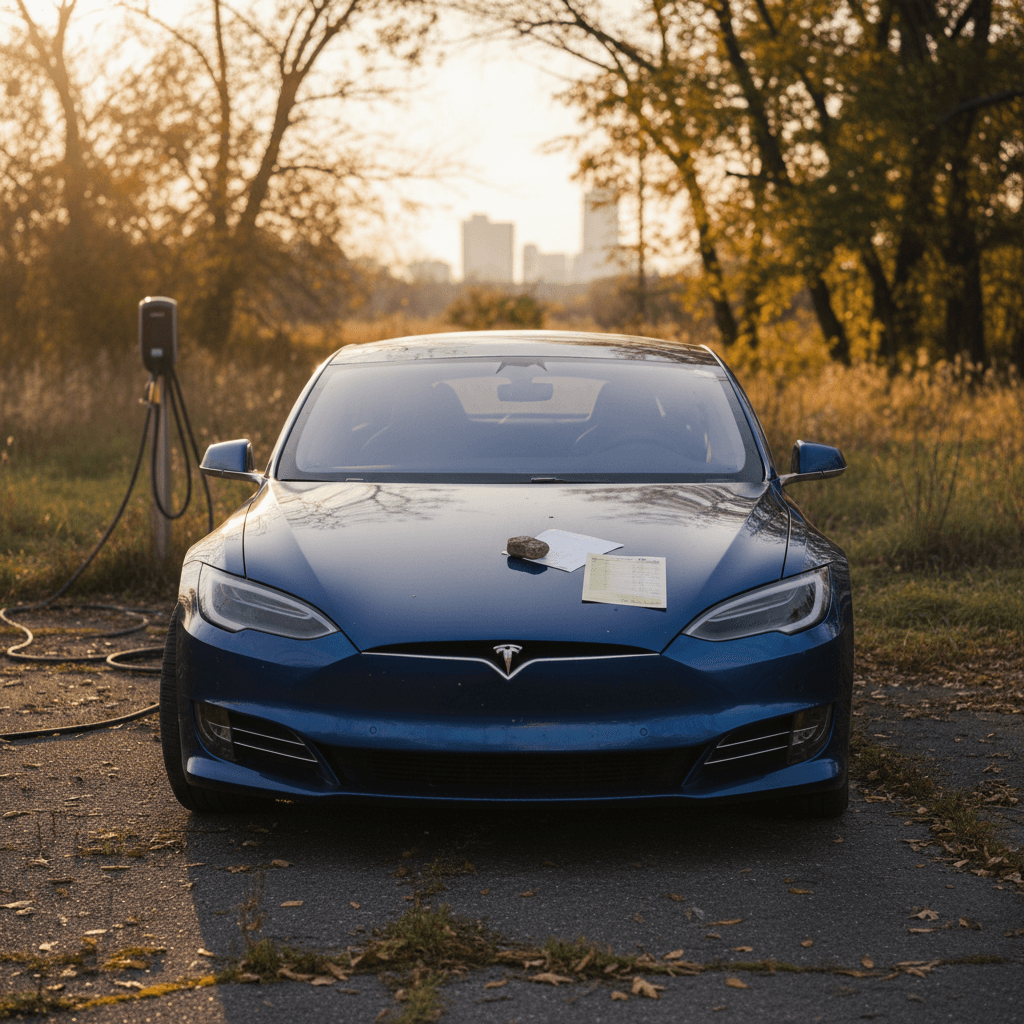
You’re not alone in wondering, “Is a 2020 Tesla Model S a good buy in 2026?” On paper it looks tempting: 400‑mile range, serious performance, and flagship luxury for the price of a new mass‑market EV. The real answer depends on battery health, warranty status, how it’s been driven and charged, and what you actually need from an electric car.
Short answer
Quick answer: Is the 2020 Tesla Model S a good buy?
2020 Tesla Model S at a glance
If you want a large, comfortable EV with genuine long‑distance range and you’re shopping used, the 2020 Model S belongs near the top of your list. The key advantages are range, charging network access, and over‑the‑air software support that keeps the car feeling current. The trade‑offs: below‑average reliability ratings compared with some newer EVs, complex air‑suspension hardware, and the need to be very picky about battery health on a six‑year‑old car.
Who it fits best
2020 Tesla Model S trims, range, and performance
By 2020 Tesla had simplified the Model S lineup. In the U.S. you’ll most commonly see Long Range Plus and Performance trims. Both use roughly a 100‑kWh battery pack with around mid‑90s kWh usable capacity, but they’re tuned very differently.
2020 Tesla Model S key specs by trim
Approximate U.S. EPA ratings and performance figures for the main 2020 Model S variants.
| Trim | EPA Range | 0–60 mph | Drive | Notes |
|---|---|---|---|---|
| Long Range Plus | ~402 miles | ~3.7 sec (with rollout) | Dual‑motor AWD | Best choice for maximum range and efficiency |
| Performance | ~348 miles | Low‑3‑second range | Dual‑motor AWD | Much quicker, with noticeable range trade‑off |
Always verify exact specs against the window sticker or Tesla account, wheel size and options can change range ratings.
What “Long Range Plus” actually means
Choose Long Range Plus if…
- You care more about distance than outright speed.
- You do frequent highway trips and want fewer charging stops.
- You’re coming from a gas luxury sedan and want easy range headroom.
- You plan to keep the car for a long time and want the lowest battery stress.
Choose Performance if…
- You want the quickest thing this side of a Plaid without Plaid prices.
- Most of your driving is local, so 348 miles of range is still plenty.
- You’re okay paying more in tires and possibly seeing slightly more range loss over time.
- You want the most fun-to-drive version of the 2020 Model S.
Battery health and warranty on a 2020 Model S
With any used EV, the battery is the ballgame. In 2026, a 2020 Model S is six years old, so you’re buying whatever health that particular pack has left, and whatever warranty remains.
Key battery and warranty facts for 2020 Model S
What you should know before you fall in love with the test drive.
8 years / 150,000 miles
The 2020 Model S battery and drive unit are covered for 8 years or 150,000 miles from the original in‑service date, with a guarantee of at least 70% capacity retention over that period.
Most 2020 cars
Many 2020 cars were first sold in 2020 or early 2021, so in 2026 they often have 2–3 years of battery warranty left, mileage permitting.
Battery health varies
Real‑world data shows some Model S packs lose only ~10% after very high mileage, while others are closer to 20% by 100k miles. Driving and charging habits matter a lot.
Don’t rely on dash range alone
Recharged approaches this with the Recharged Score. Before a used Model S is listed, the high‑voltage battery is put through a diagnostic that compares its usable capacity and charging behavior against other 2020 Model S vehicles with similar mileage. You see how that specific car stacks up, rather than guessing from a single on‑screen number.
- Ask for documentation of fast‑charging vs home charging usage, lots of DC fast charging can age cells faster.
- Prefer cars that routinely charged to 70–80% instead of 100% every night.
- Look for any history of high‑voltage battery replacements or drive unit repairs under warranty.
- Check that the battery & drive‑unit warranty start date and mileage are clearly documented.
Reliability: how does a 2020 Model S hold up?
Owner satisfaction with the 2020 Model S tends to be high, people love the acceleration, quiet cabin, and software, but reliability surveys generally rate it below average versus mainstream brands. Most problems aren’t with the battery; they’re with hardware and trim around it.
Common 2020 Model S trouble spots
Not every car will have these issues, but they’re worth screening for.
Suspension & steering
Clunks, squeaks, or uneven tire wear can point to worn control arms or bushings. Air suspension components are expensive, so have any noises checked before you buy.
Electronics & screens
Early Model S cars had MCU screen failures; 2020 models are better, but you still want to test every display, camera, window, and handle thoroughly.
Water leaks & trim
Misaligned doors, worn seals, or pano roof issues can lead to wind noise or leaks. Look for water staining, fogged lights, or uneven panel gaps.
Charging hardware
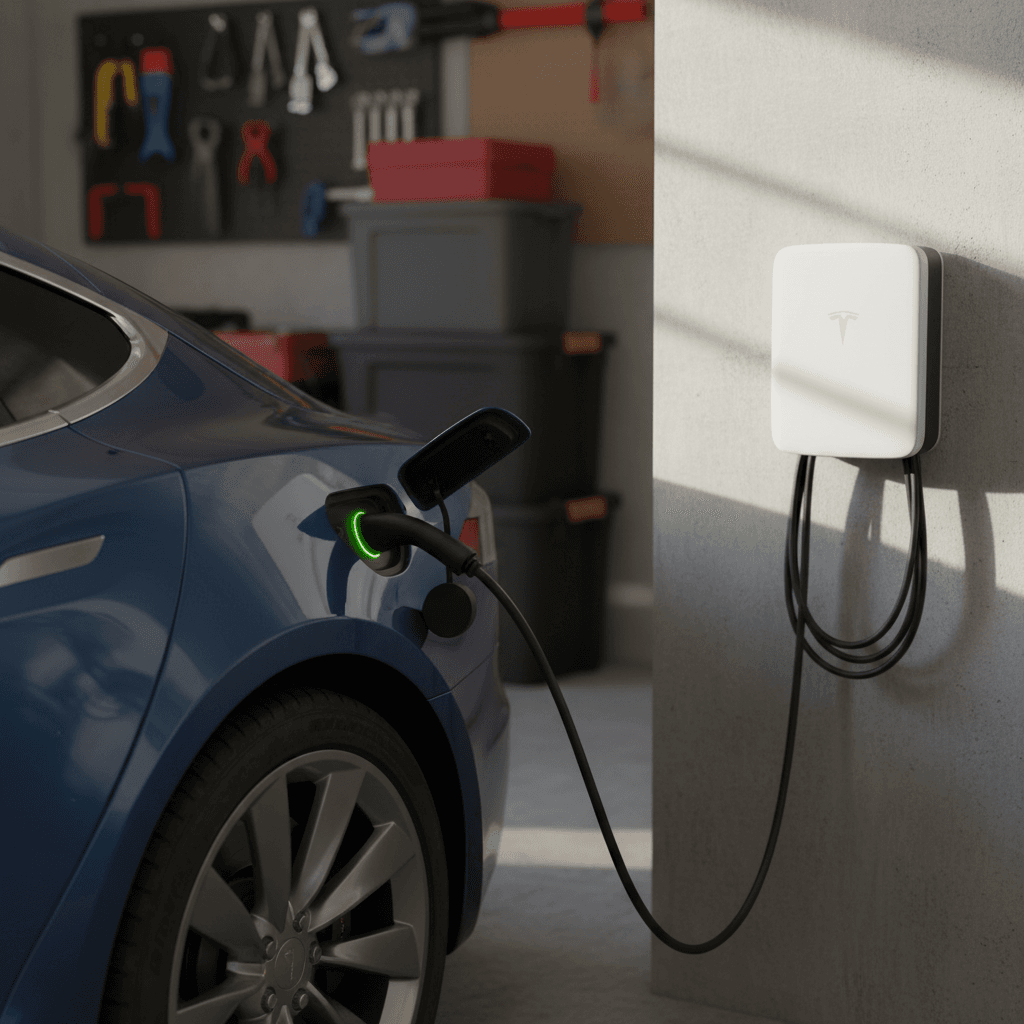
Test AC charging at Level 2 and, if possible, Supercharging. Confirm the car starts and stops charging cleanly and that the charge port door and latch work every time.
Remember: it’s a complex luxury car
"With any used luxury car, you’re deciding how much complexity you’re willing to own. The 2020 Model S rewards you with performance and range, but you can’t treat it like a cheap appliance."
Depreciation, pricing, and value vs newer EVs
By 2026, a 2020 Model S has taken a sizable bite of its initial depreciation. New luxury EV sedans often shed 20–30% of their value in the first two to three years, and older Model S examples are no exception. That’s exactly what makes them interesting: you can buy a flagship‑class EV for the price of a nicely equipped new compact crossover.
How a 2020 Model S stacks up vs a newer mainstream EV
Conceptual comparison at typical 2026 used‑market pricing in the U.S.
| Vehicle | Typical 2026 Price (used) | EPA Range | Segment | Pros |
|---|---|---|---|---|
| 2020 Tesla Model S Long Range Plus | Luxury EV pricing | ~402 mi | Large luxury sedan | Flagship range, fast charging, spacious interior |
| 2022–2023 Tesla Model 3 Long Range | Similar or slightly lower | 330–358 mi | Compact sedan | Newer hardware, simpler and cheaper to maintain |
| 2023 Hyundai Ioniq 6 SE Long Range | Similar | 361 mi | Midsize sedan | New, strong warranty, non‑Tesla styling and feel |
Actual prices vary by mileage, options, region, and condition, use this as a directional guide, not a quote.
How to think about value
Charging, road trips, and real-world range
On long trips, a healthy 2020 Model S is still one of the easiest EVs to live with. The combination of a big pack and access to Tesla’s Supercharger network is a huge advantage over many non‑Tesla EVs, especially in less‑dense charging regions.
- Expect real‑world highway range to be lower than the EPA number, often 300–350 miles on a Long Range Plus at typical interstate speeds with a healthy battery.
- Tesla’s route planner does a good job of suggesting charging stops and arrival state‑of‑charge, which takes guesswork out of trip planning.
- High‑mileage cars with more degradation will need more frequent stops, another reason to know the actual battery health before you buy.
- If you live in a cold climate, plan for winter range to drop 20–30% when it’s truly frigid, just as with newer EVs.
Road‑trip friendly… if the pack is healthy
When a 2020 Model S is a great buy
Green‑flag scenarios for a 2020 Model S
1. Strong battery health with proof
The single biggest green flag is a pack that tests close to its peers with similar mileage. A Recharged Score report or equivalent third‑party battery assessment that places the car in the top half of its cohort is a major plus.
2. Plenty of battery warranty left
You’d ideally like at least 2 years and a good chunk of the 150,000‑mile battery & drive unit warranty remaining. That gives you a safety net while you rack up miles.
3. Clean history and documented service
A clean title, no major collision repairs, and documented visits for any recalls or technical service bulletins suggest a car that has been cared for, not simply driven hard and parked outside.
4. Reasonable mileage and use pattern
High mileage isn’t an automatic disqualifier, but you want the story to make sense, mostly highway commuting with regular maintenance is better than low‑miles with lots of short, hot fast‑charge sessions.
5. Fair price vs newer options
The best 2020 Model S deals are those where, after adjusting for range, warranty, and condition, you’re meaningfully ahead of a newer but smaller EV in total value, not just matching it.
When you should think twice, or walk away
Red‑flag situations
- Battery health report shows significantly below‑average capacity for its age and mileage, or there’s no way to verify pack health at all.
- The car is very close to the end of its 8‑year battery and drive‑unit warranty and is priced like one with years of coverage left.
- Visible suspension wear (uneven tires, clunks, or leaks at air struts) without documentation of recent repairs.
- Multiple prior collision repairs, especially to the front or rear structure, with incomplete paperwork.
- Seller is vague or evasive about how they charged and maintained the car, or they refuse a pre‑purchase inspection.
One hard rule
Inspection checklist for a used 2020 Tesla Model S
Whether you’re shopping private‑party, at a traditional dealer, or online, use this checklist to evaluate a 2020 Model S before you sign anything. A good car will pass most of these with ease.
Step‑by‑step inspection game plan
1. Verify VIN, options, and firmware
Confirm the VIN and build date; check that what’s being advertised (Long Range Plus vs Performance, Autopilot/FSD equipment, wheel size) matches the car. A screenshot from the Tesla account or center screen is ideal.
2. Pull a detailed vehicle history report
Look for accidents, title issues, odometer discrepancies, and frequent ownership changes. One minor fender‑bender with professional repair is fine; multiple structural hits are not.
3. Get a real battery‑health assessment
Ask for a <strong>Recharged Score</strong> or equivalent battery report that compares the pack to other 2020 Model S vehicles. If that’s not available, at least get logs from a full charge down to a low state‑of‑charge and have an EV‑savvy shop interpret them.
4. Test charging behavior
If possible, plug into a Level 2 charger and a nearby Supercharger. Watch for warning messages, inconsistent charging speeds, or hardware faults. Confirm the charge port door and latch operate smoothly.
5. Drive on varied roads
On the test drive, seek out both smooth pavement and rougher patches. Listen for suspension knocks, rattles, and wind noise around windows and the pano roof. Check straight‑line tracking and brake feel.
6. Inspect tires, wheels, and brakes
Uneven tire wear can hint at alignment or suspension issues. Curb rash on multiple wheels suggests a harder life in city parking. Look through wheels at brake rotors for heavy rust from under‑use.
7. Run every feature
Cycle windows, seats, HVAC modes, all lights, cameras, wipers, audio, Bluetooth, navigation, phone‑as‑key if available, and any Autopilot features the car has. Tech glitches are annoying in daily use and can be costly to chase.
How Recharged helps you shop a 2020 Model S smarter
Buying a used 2020 Model S doesn’t have to mean crossing your fingers about the battery and hoping the prior owner treated it well. Recharged is built to take as much of that uncertainty out of the equation as possible.
Why consider a 2020 Model S through Recharged
If you’re leaning toward a used Tesla, structure and data are your friends.
Battery health transparency
Every vehicle on Recharged includes a Recharged Score report with verified battery diagnostics. You see how the pack compares to similar 2020 Model S cars, not just a guess off the dash readout.
Fair, data‑backed pricing
Recharged uses market data, battery condition, and feature content to price cars fairly, so you’re not paying top dollar for a tired pack or over‑equipped for your needs.
EV‑specialist support
From helping you compare a 2020 Model S against other long‑range EVs to explaining warranty timelines and charging options, EV specialists walk you through the decision, not just the paperwork.
Nationwide delivery
Found the right 2020 Model S but it’s not in your backyard? Recharged can arrange delivery to your door, so you can shop nationally instead of settling locally.
Trade‑in and instant offers
Turn your current vehicle into part of the deal with trade‑in or instant‑offer options, or use consignment to maximize value if you’re selling a vehicle outright.
Financing for used EVs
Recharged offers financing tailored to EV buyers, and you can pre‑qualify online with no impact to your credit, helpful when you’re cross‑shopping trims and mileage.
Ready to find your next EV?
Browse VehiclesFAQ: Buying a used 2020 Tesla Model S
Frequently asked questions
Bottom line: Is a 2020 Model S right for you?
If you’re asking, “Is a 2020 Tesla Model S a good buy?” the honest answer is that it can be an outstanding buy, or an expensive mistake, depending entirely on the specific car. A well‑kept 2020 Long Range Plus or Performance with a strong battery, clean history, and years of warranty left gives you flagship‑level EV capability at a substantial discount from new. A neglected car with a tired pack, looming warranty expiration, and spotty records is one you’ll never stop paying for.
Approach the 2020 Model S like the high‑end machine it is. Insist on real battery data, verify warranty timelines, test every feature, and compare total value against newer alternatives, not just sticker price. And if you’d rather have that homework done for you, consider shopping through Recharged, where each used EV comes with a Recharged Score battery‑health report, fair‑market pricing, and EV‑savvy support from first click to delivery.